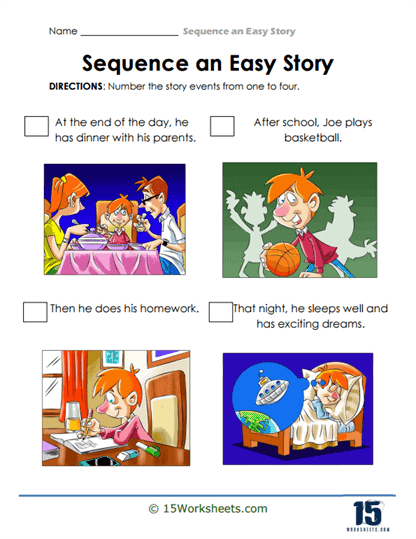
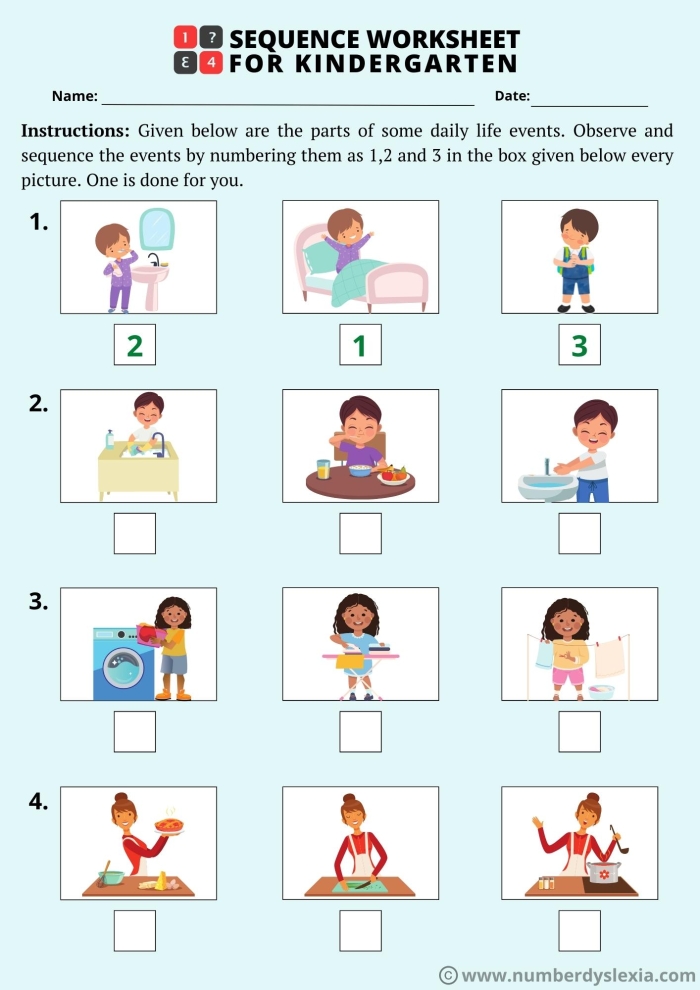
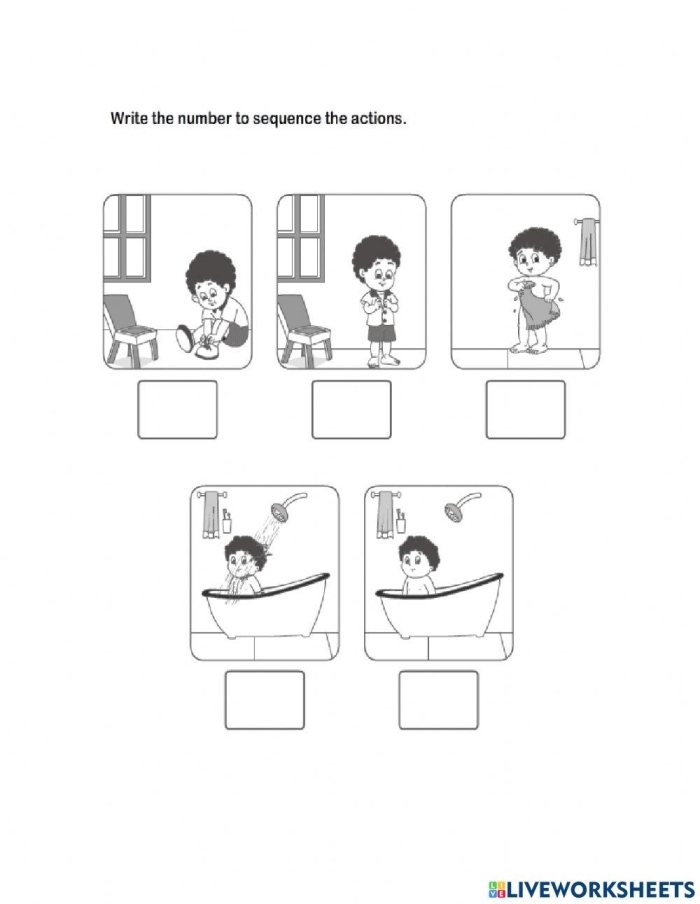
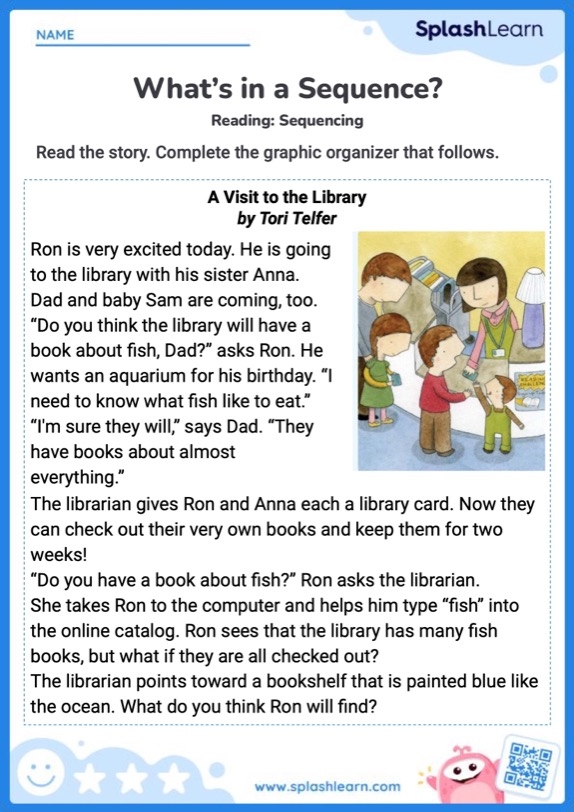
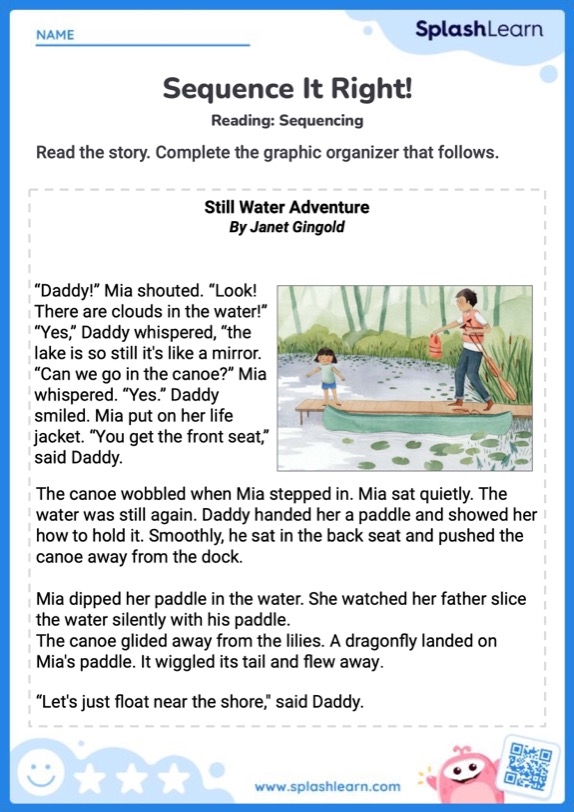
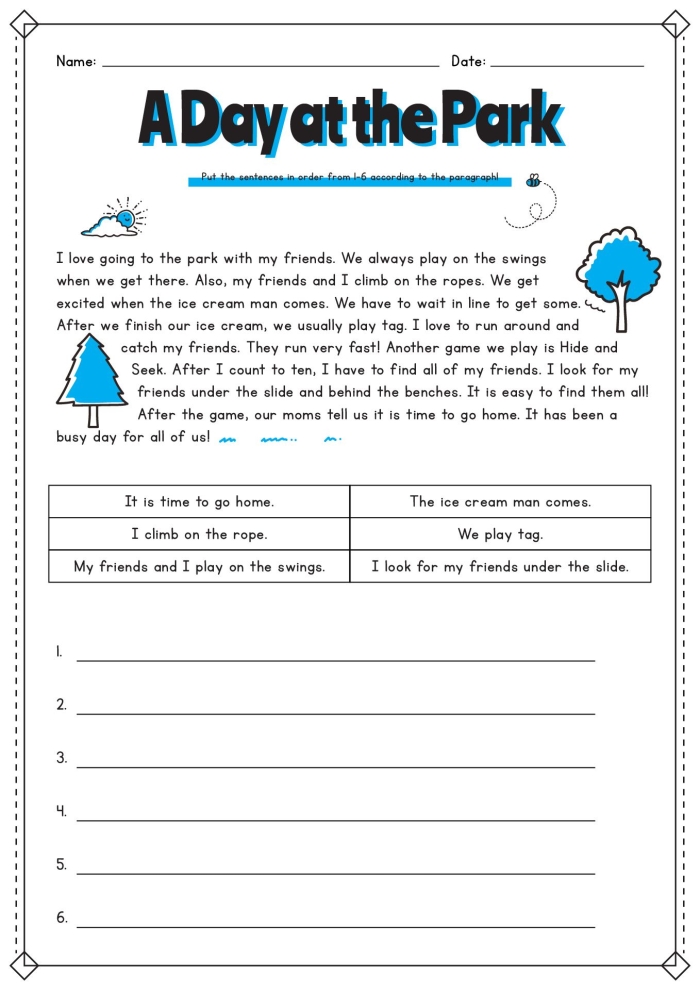
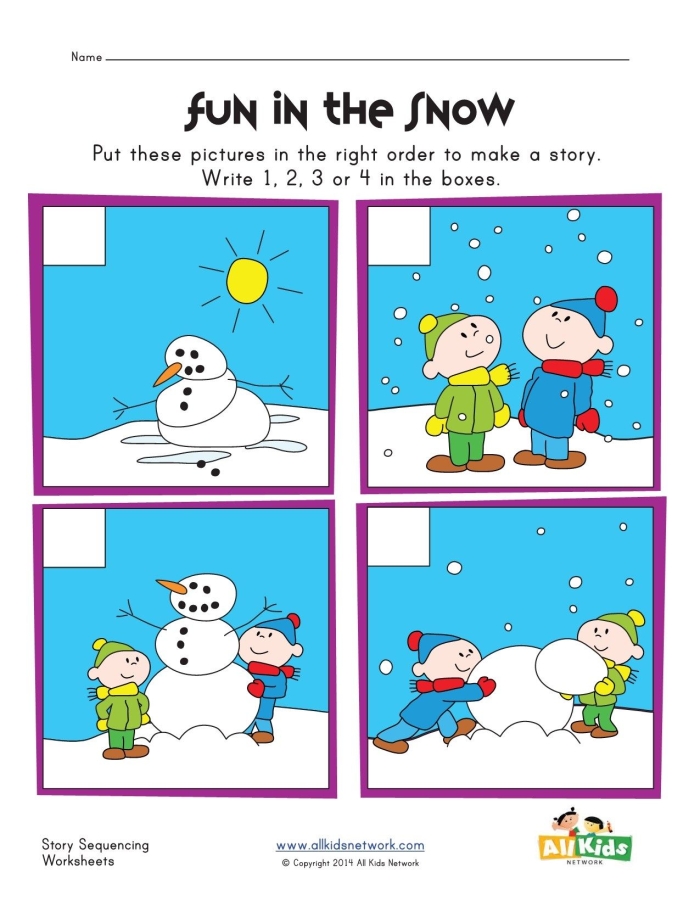
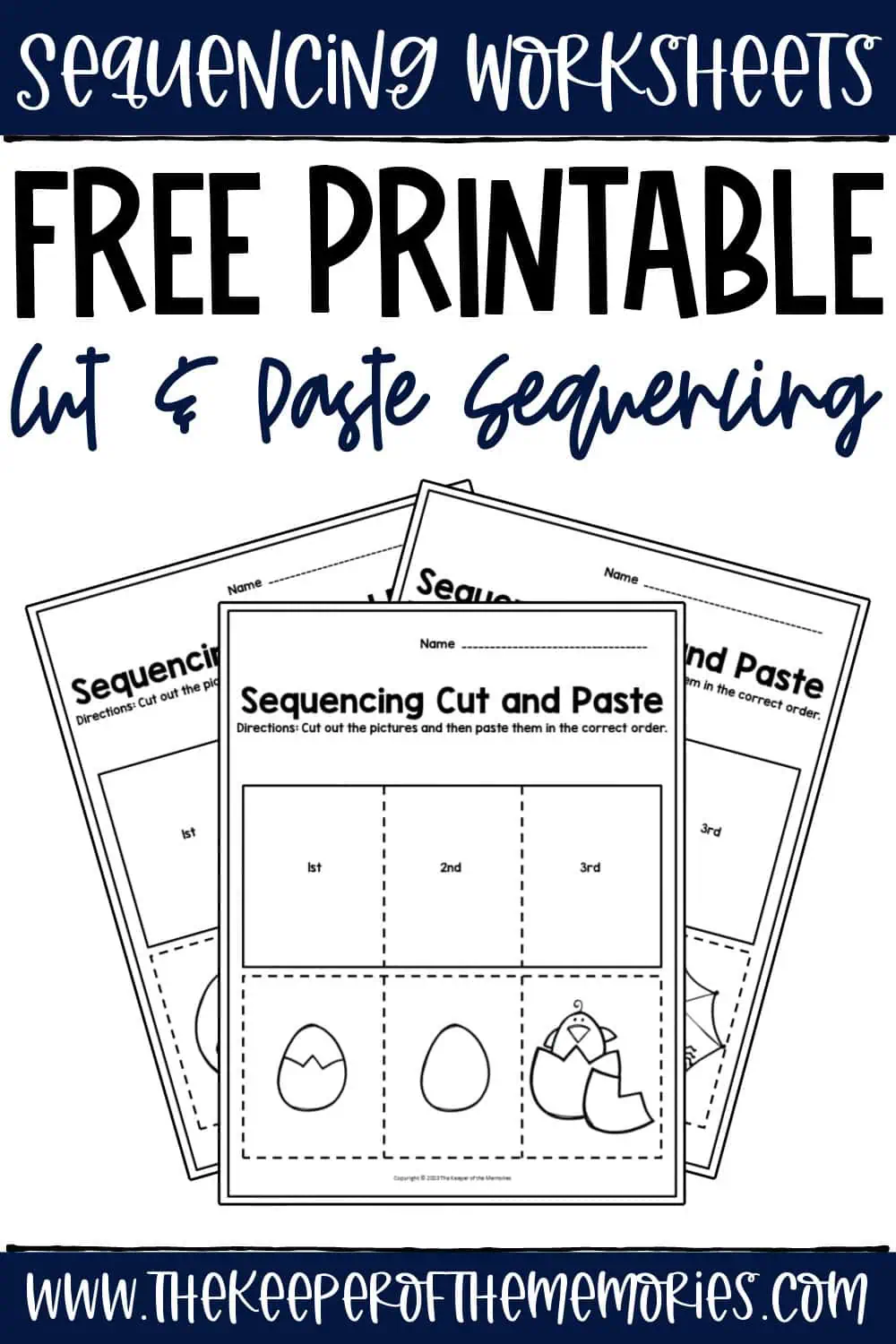
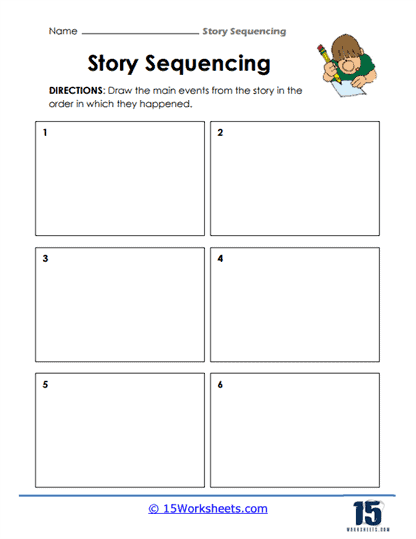
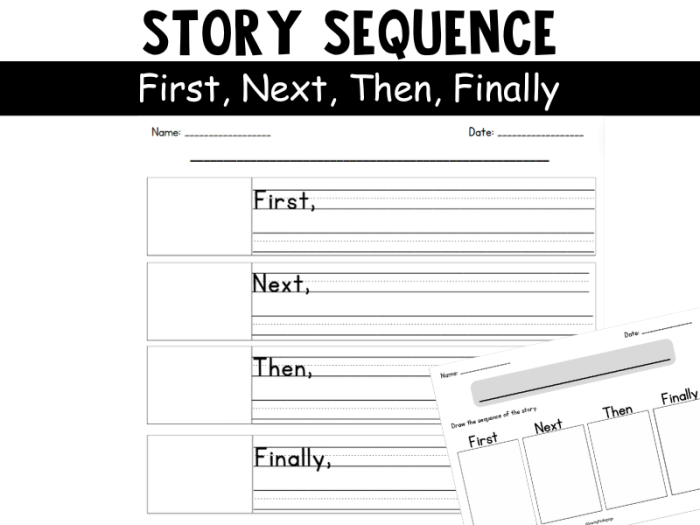
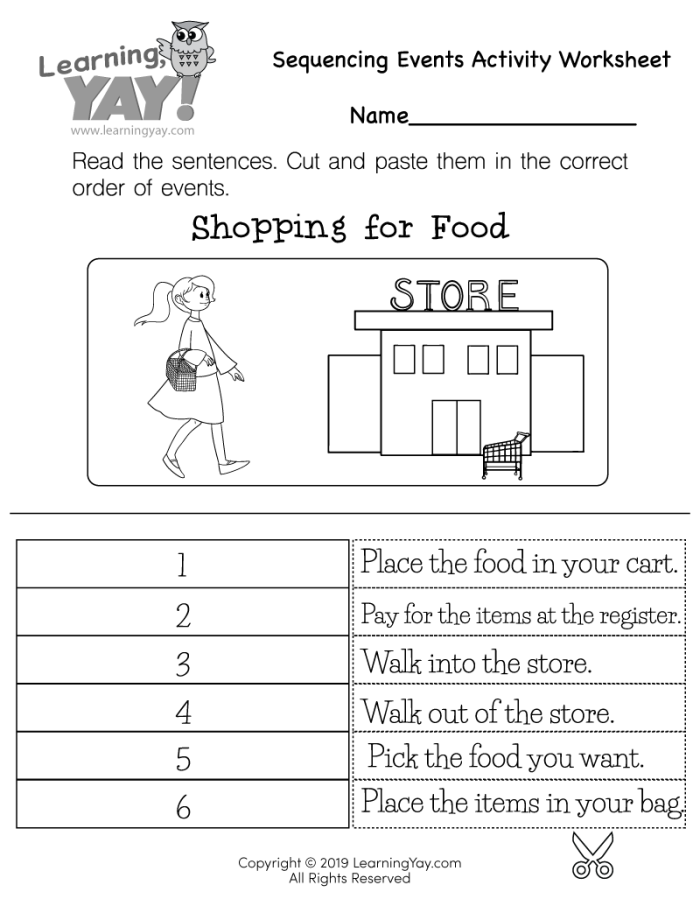
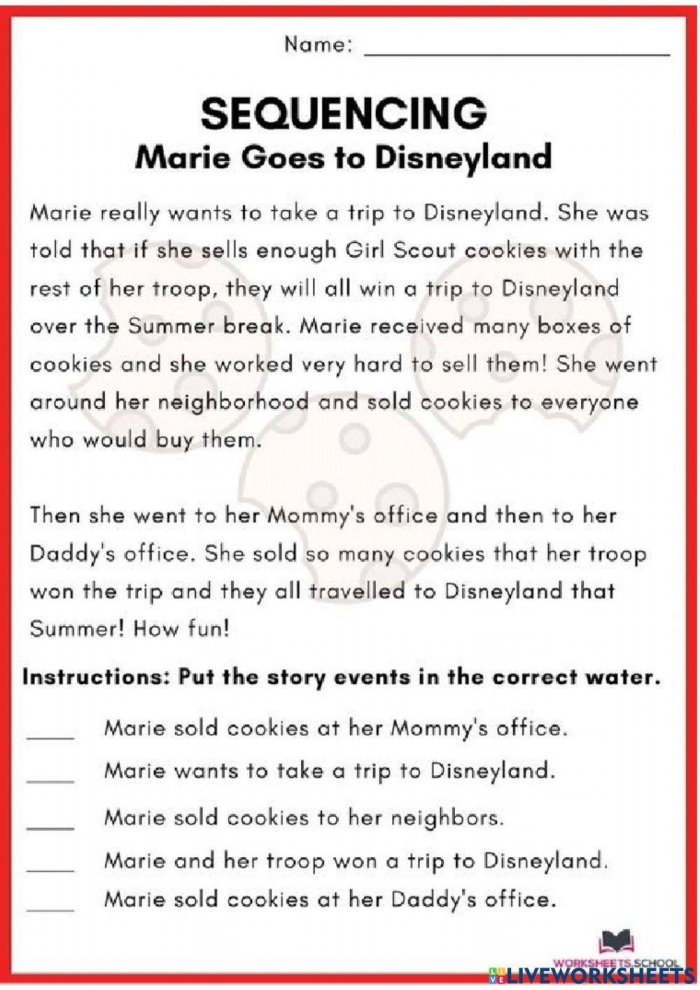
Story sequencing worksheets do more than just teach kids to follow a plot. They build foundational skills that stretch across reading, writing, and visual thinking. When a Pre-K student works through a story sequencing activity like Tyler’s Day, they’re actually practicing three separate but connected abilities at once.
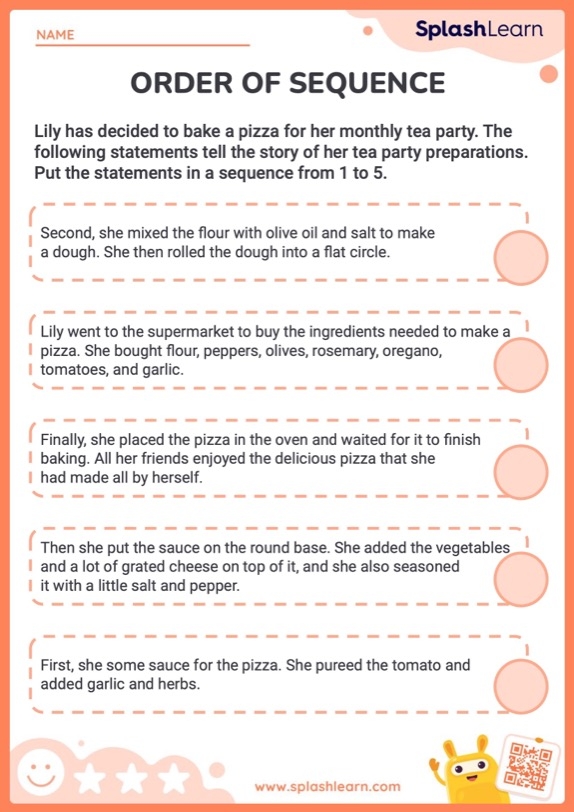
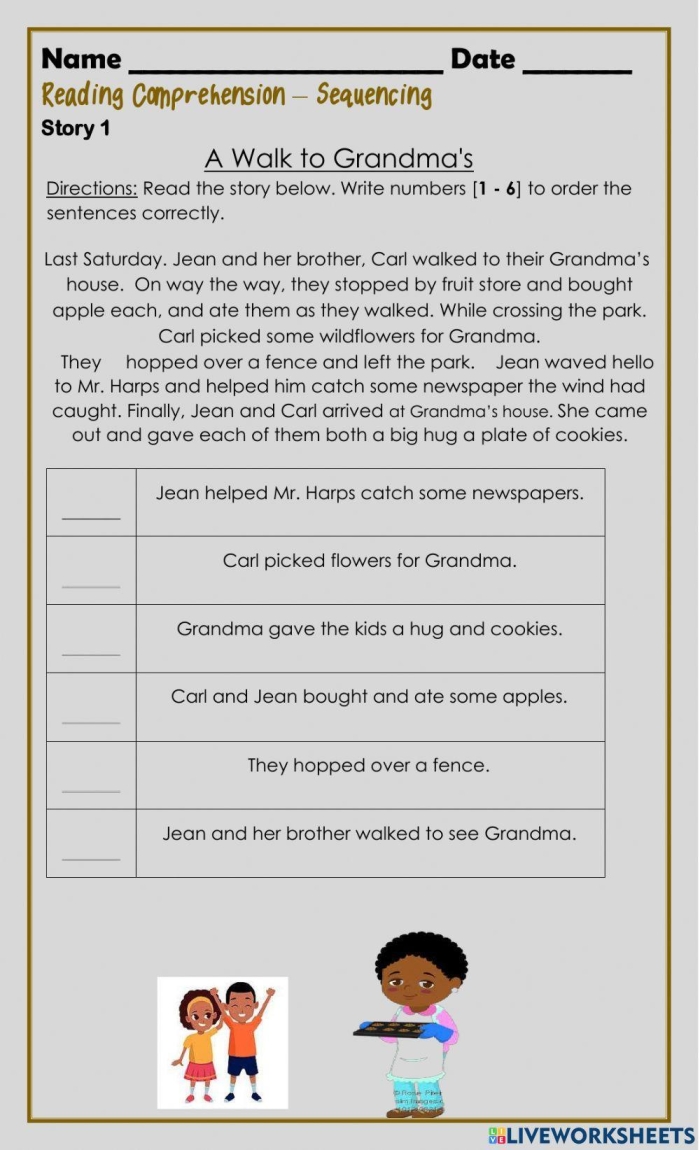
The reading comprehension piece comes first. Children need to understand what happens in each part of the story before they can arrange the events in order. This requires them to pay attention to details, recognize cause and effect, and make sense of a narrative arc. Even at the Pre-K level, this is valuable practice for developing stronger literacy skills down the road.
Beyond comprehension, sequencing worksheets naturally lead to listing and organizing information. Kids learn that events follow a logical order and that understanding this order matters. They practice numbering, arranging, and explaining why one thing comes before another. This organizational thinking connects to early math concepts as well. Understanding number order and place value shares similar thinking patterns with sequencing events.
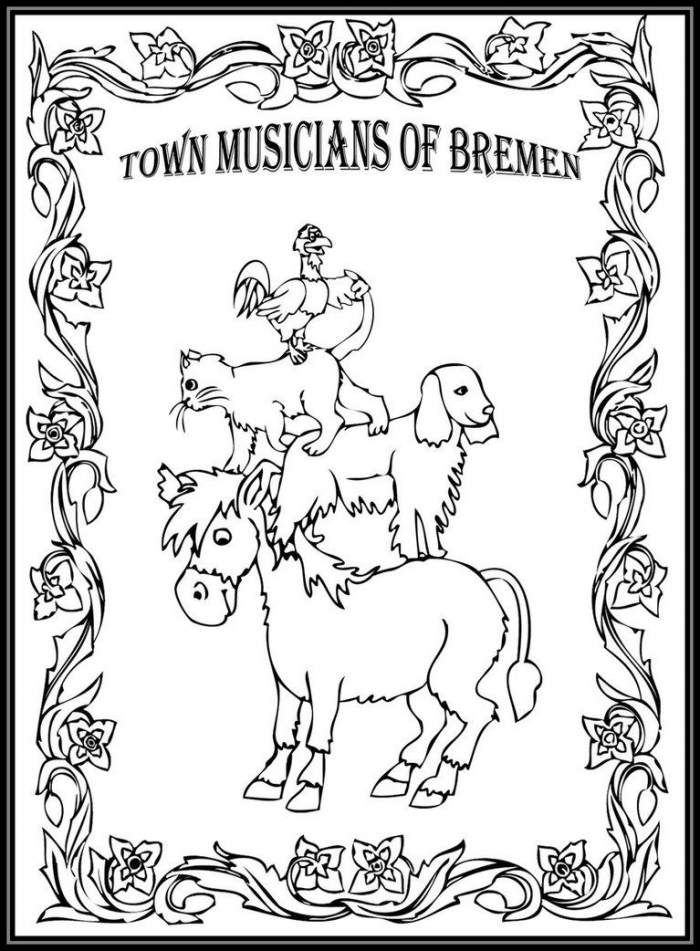
The artistic element is where these worksheets become truly engaging. Most story sequencing activities include space for drawing or coloring each scene. A child might illustrate Tyler waking up, eating breakfast, playing outside, and going to bed. This creative component keeps younger learners motivated and helps visual learners process the information differently than text alone could.
When you combine reading comprehension, logical sequencing, and artistic expression in one worksheet, you’re addressing multiple learning styles and keeping the activity interesting. Kids who might struggle with pure reading exercises often light up when given the chance to draw what they’ve understood. That’s where the real learning sticks.
Try These Printable Worksheets