Your preschooler’s eyes are one of the easiest ways to explore what makes each person different, and you don’t need fancy equipment to turn this into a memorable learning experience. Eye color experiments work beautifully for kindergarten-age children because they can observe, compare, and collect data about something visible right in front of them.
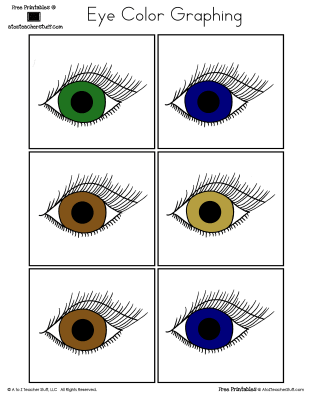
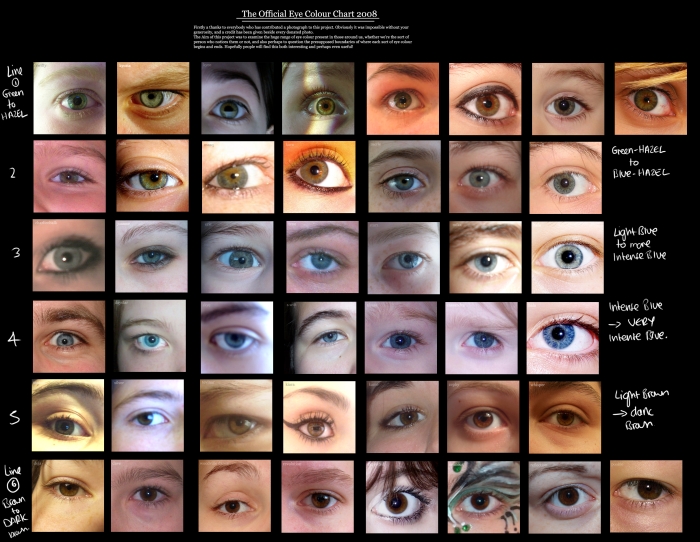
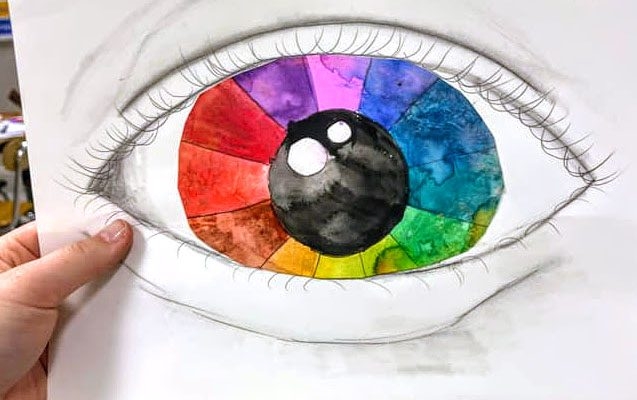
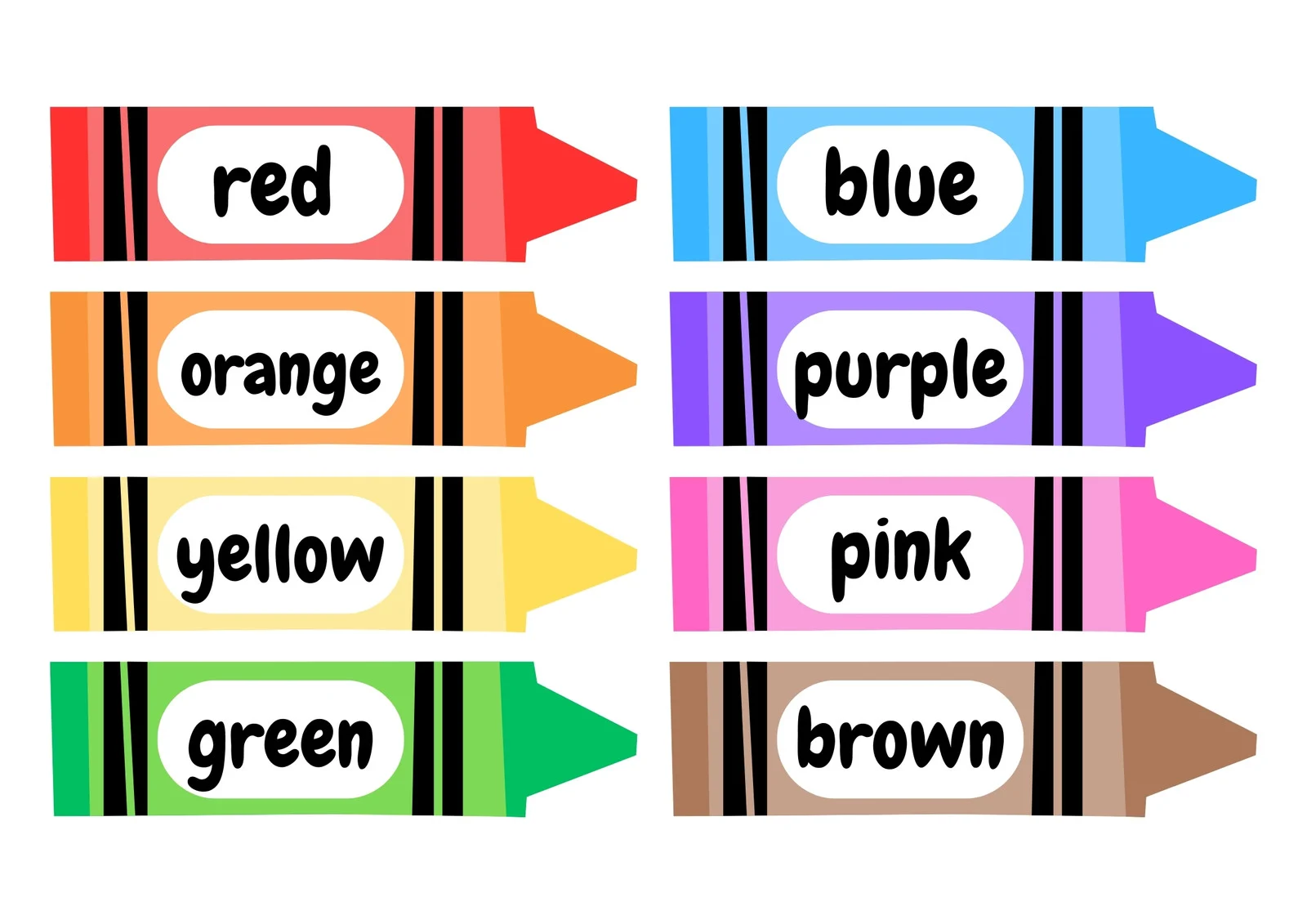
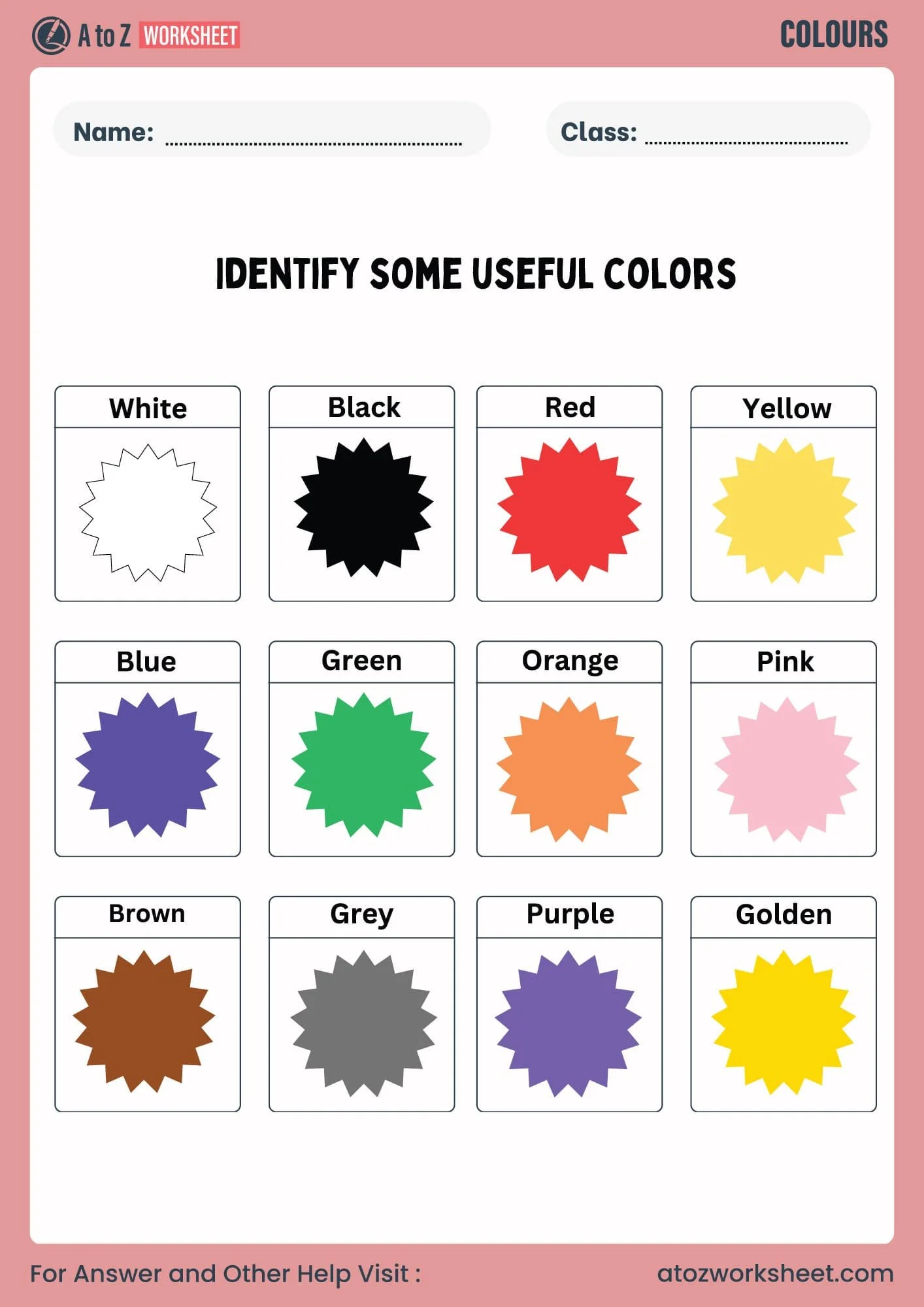
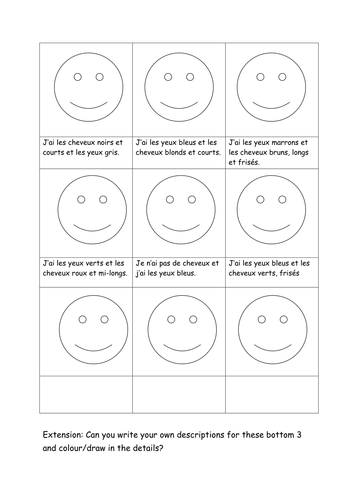
Start by gathering your child and a few family members or friends in good natural light. Have your preschooler look closely at each person’s eyes and describe what they see. Are they brown, blue, green, or hazel? This simple observation teaches children to notice details and use descriptive language. You can make this more interactive by having your child draw pictures of different eye colors or use colored pencils to match what they observe.
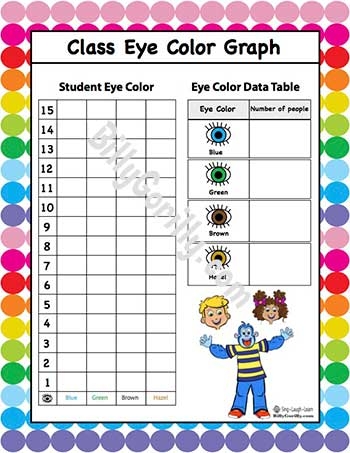
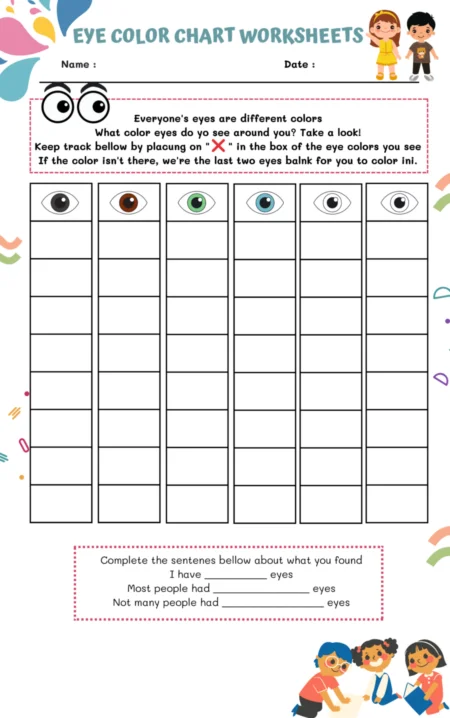
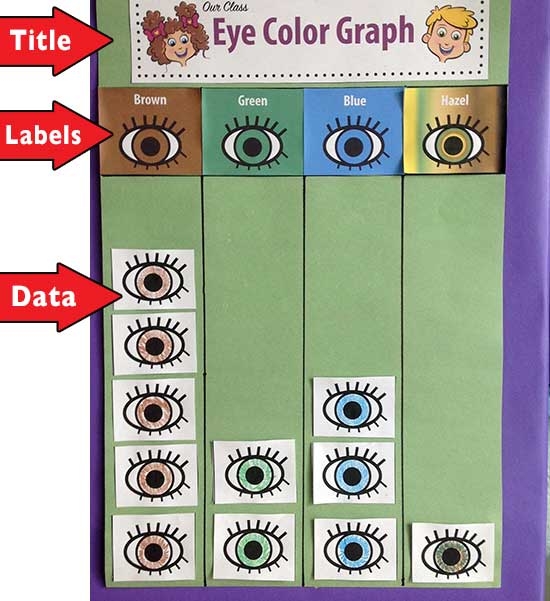
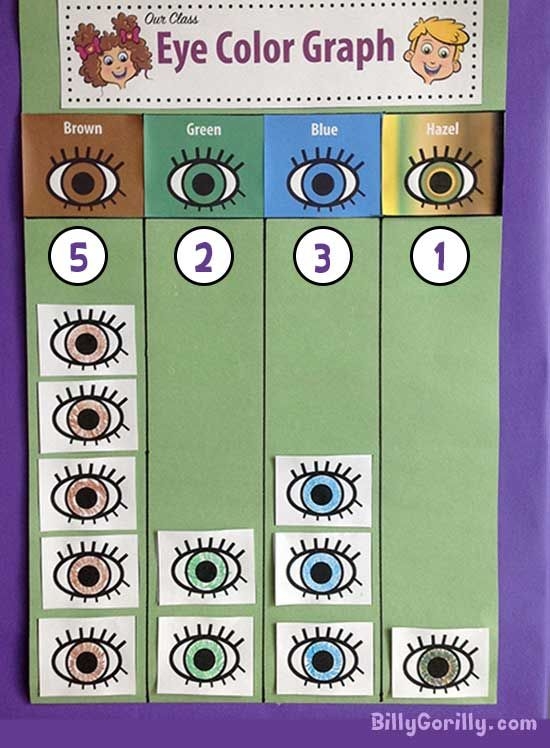
Next, create a simple chart to record your findings. Your child can make tally marks or place stickers next to each color category. This introduces data collection and graphing in a concrete, hands-on way that resonates with young learners. You might use a printable eye color chart worksheet to organize the information, which gives structure to the activity while keeping it playful.
To expand the learning, ask your preschooler questions: “Which eye color do we see most? Which is the rarest?” These conversations build critical thinking skills. You can also connect this to other data and graphing activities, like sorting and organizing shapes or exploring patterns around your home.
This experiment teaches your child that variation is normal and interesting. Everyone’s eyes are different, just like everyone’s fingerprints or favorite colors. By making it visual and interactive, you’re helping your preschooler understand that science and observation happen everywhere, not just in textbooks.
Try These Printable Worksheets