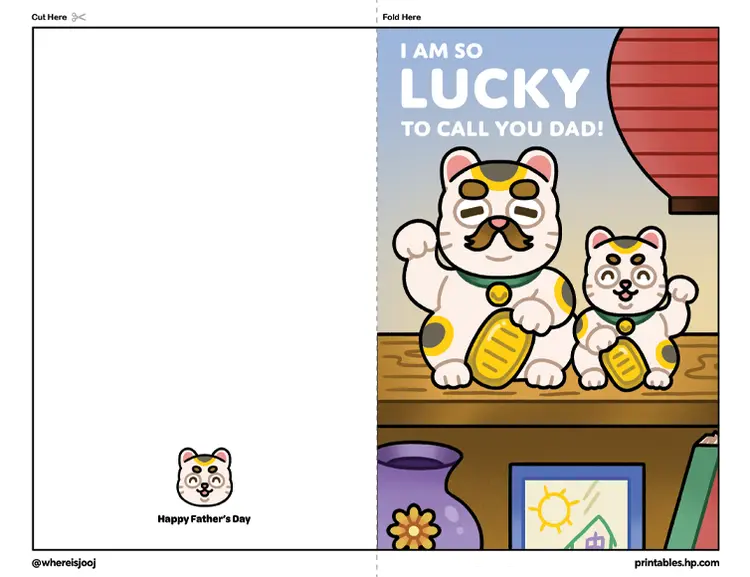
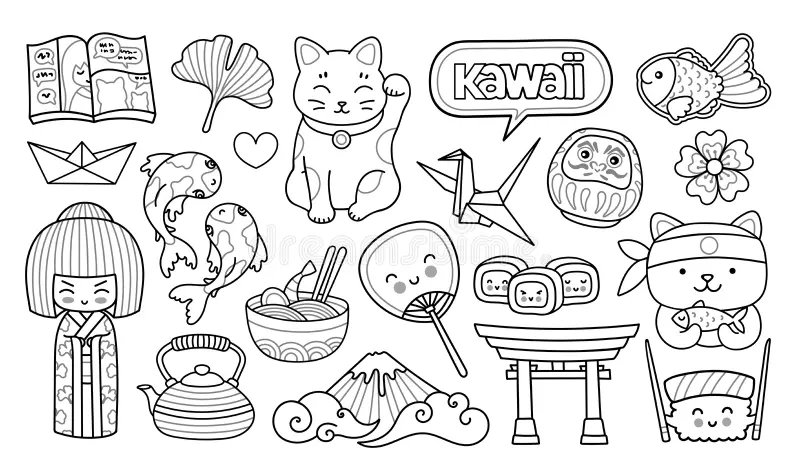
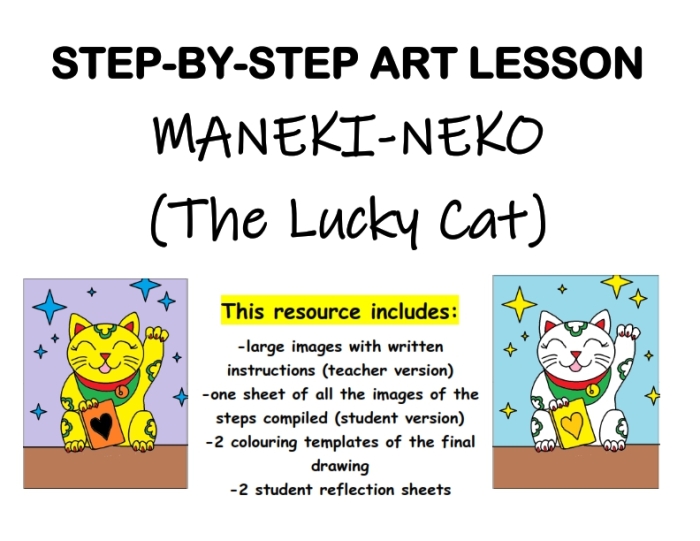
The moment these cats spot the small figurine with its raised paw, they pause in curiosity. What they’re encountering is a maneki-neko, the iconic beckoning cat statue known as a “good fortune cat” in Japanese culture. This isn’t just any decorative piece, it’s an object steeped in tradition and meaning that has traveled far beyond its origins in Japan.
The maneki-neko dates back to the Edo period in Japan, though its exact origins remain debated among historians. What’s clear is that these ceramic cats became symbols of prosperity and good luck, particularly for shop owners and businesses. The raised paw gesture, called the “beckoning” position, was believed to invite customers and fortune into a space. Over time, the statue evolved into different variations, with different paw positions and colors carrying specific meanings. A raised left paw traditionally invited customers, while a raised right paw attracted money and good fortune.
For second grade students learning about numbers and counting, these statues offer more than just cultural intrigue. Teachers often use bar graphs to help students track data about animals they encounter, including domestic cats and cultural symbols. Understanding how many maneki-neko figurines exist in different locations becomes a practical counting exercise.
When cats in real life meet these statues, they typically show little interest in the ceramic version of themselves. Yet the image captures something charming: the real animals encountering their symbolic counterparts. Whether displayed in homes, shops, or classrooms, the maneki-neko continues to represent the universal human desire for good fortune and prosperity. Its presence reminds us that some traditions endure because they carry meaning that transcends time and geography.
Printable Worksheets for Practice