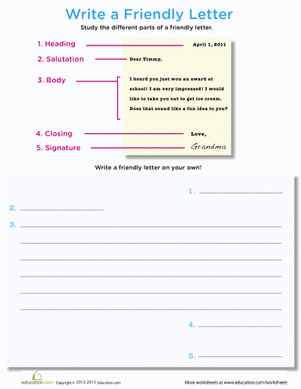
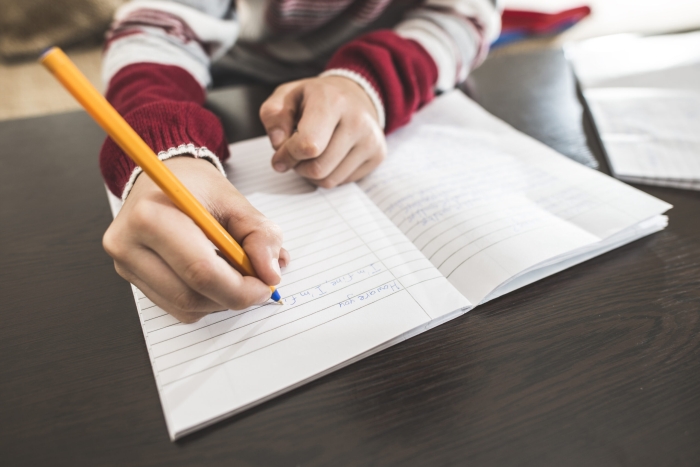
Writing doesn’t always have to feel like a formal assignment with red pen corrections and rubrics. Some of the best writing practice happens when your third grader picks up a pencil to jot down something they actually care about, whether that’s a note to a friend, a personal journal entry, or even the items they need from the grocery store.
This everyday writing approach works because it removes the pressure. When kids write without worrying about grades or perfect spelling, they focus on what matters most: getting their thoughts onto paper. A simple note to a friend asking about weekend plans feels less intimidating than a five-paragraph essay. A grocery list has a clear purpose that kids understand immediately. Journal entries become a safe space to record what happened during their day without fear of judgment.
The beauty of these low-stakes writing activities is that they build confidence naturally. Your child practices handwriting, sentence structure, and organizing ideas while doing something that feels purposeful rather than like homework. They learn that writing serves real functions in daily life, not just in school.
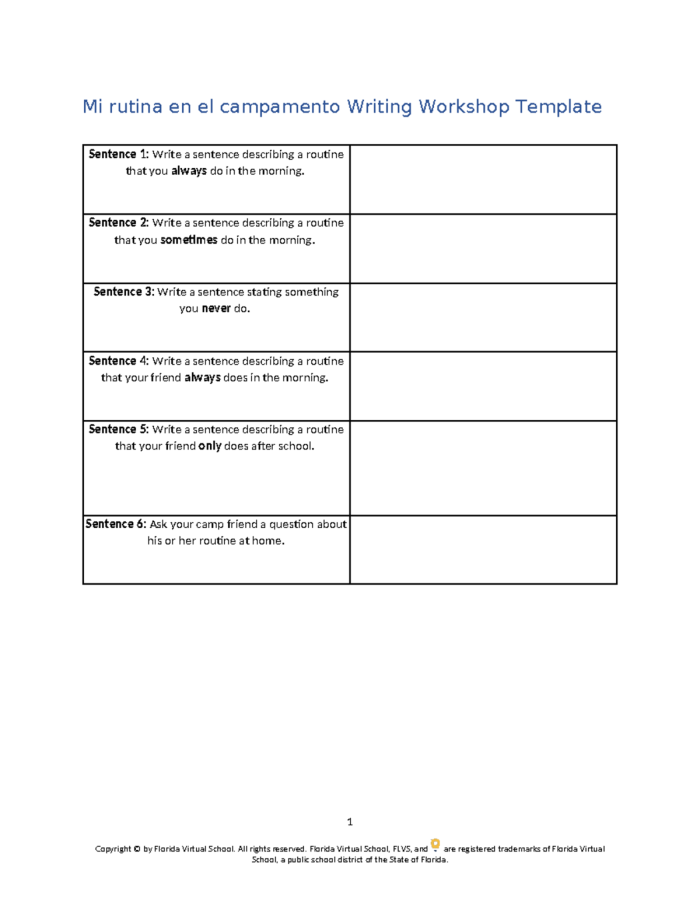
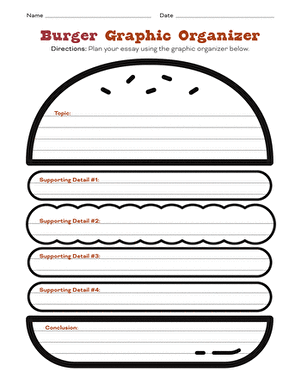
Pairing these relaxed writing activities with structured practice creates a balanced approach. While your third grader develops comfort with everyday writing, they can also work through more focused exercises. Activities like stepping through word problems and exploring figurative language help strengthen specific skills. Even creative projects like make a planet activities or working with idioms and picture prompts encourage writing without feeling rigid.
The key is letting your young writer see that writing happens everywhere. Encourage them to keep a small notebook for journal entries, help them compose thank-you notes, or invite them to create their own shopping list for a family meal. These simple practices develop real writing skills while keeping the joy of putting words on paper alive.
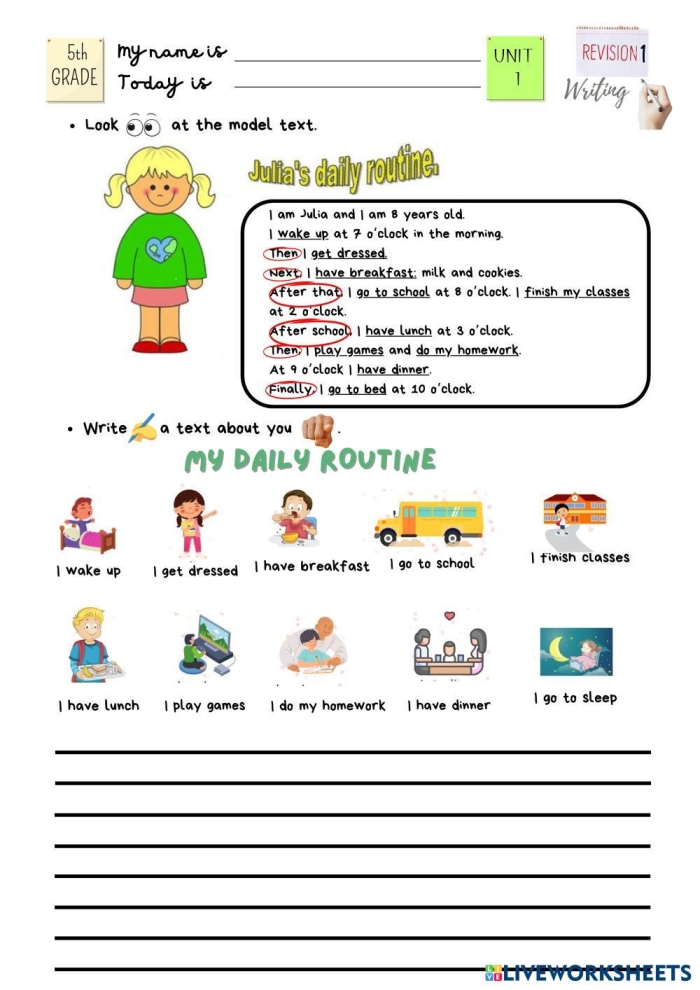
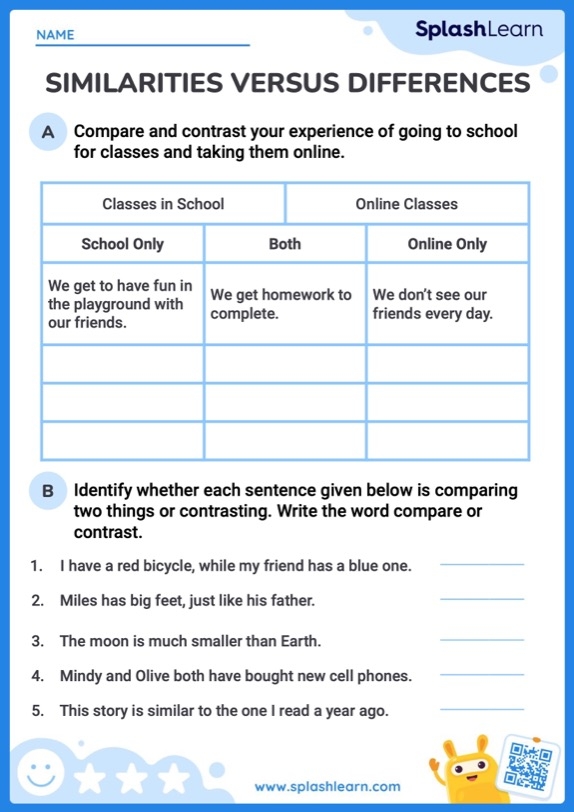
Download These Worksheets for Practice