Figurative language adds color and depth to writing, but it can sometimes confuse young readers. For third graders, encountering unknown examples of figurative language may seem daunting. However, with the right approach, your students can learn to infer meanings effectively by utilizing context clues.
When students come across phrases like “it’s raining cats and dogs,” they might initially struggle to understand the imagery. Teaching them to look for context clues in the surrounding sentences can reveal the intended meaning. For instance, if the text mentions puddles forming and people using umbrellas, students can deduce that the phrase describes heavy rain. This strategy not only aids comprehension but also enhances critical thinking skills. By identifying and interpreting clues, students become active participants in their learning rather than passive recipients.
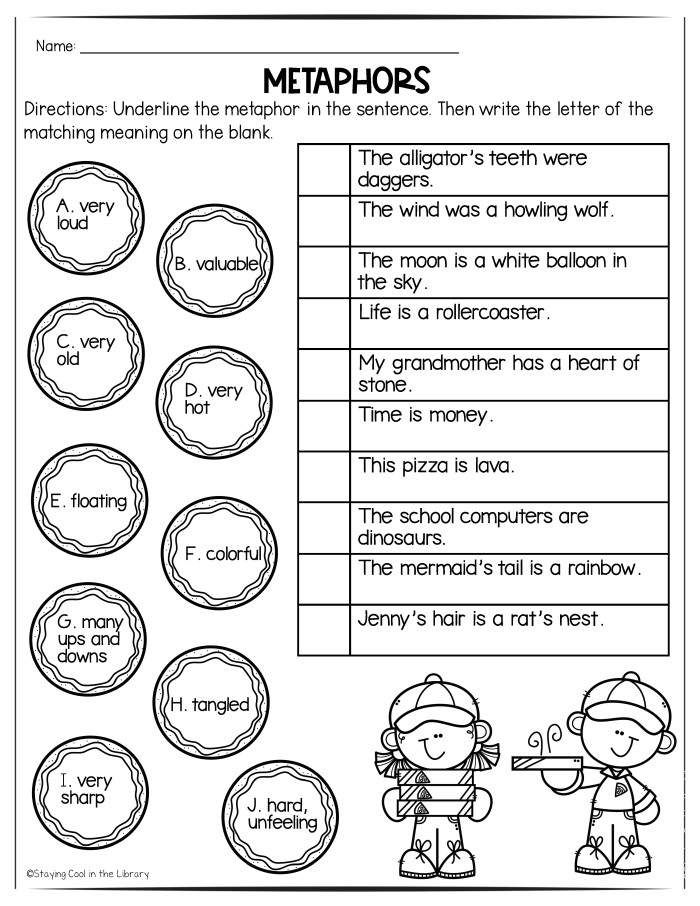
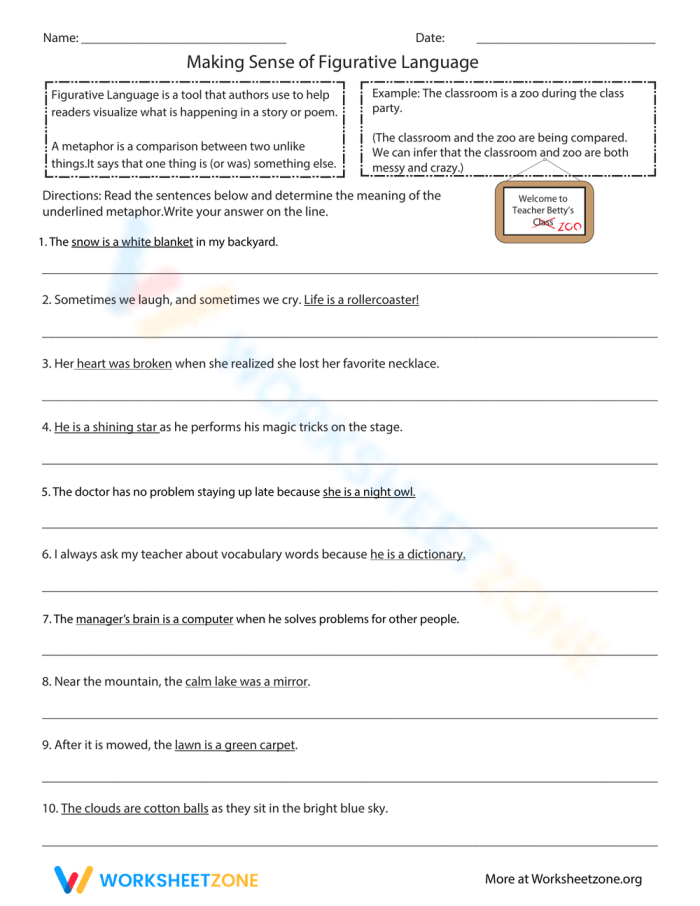
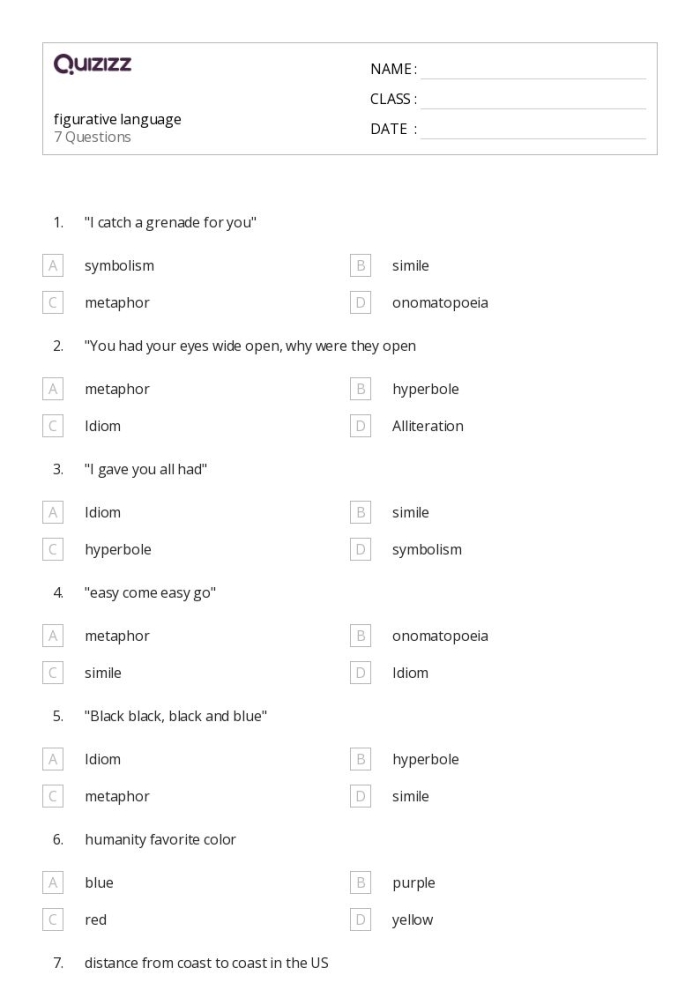
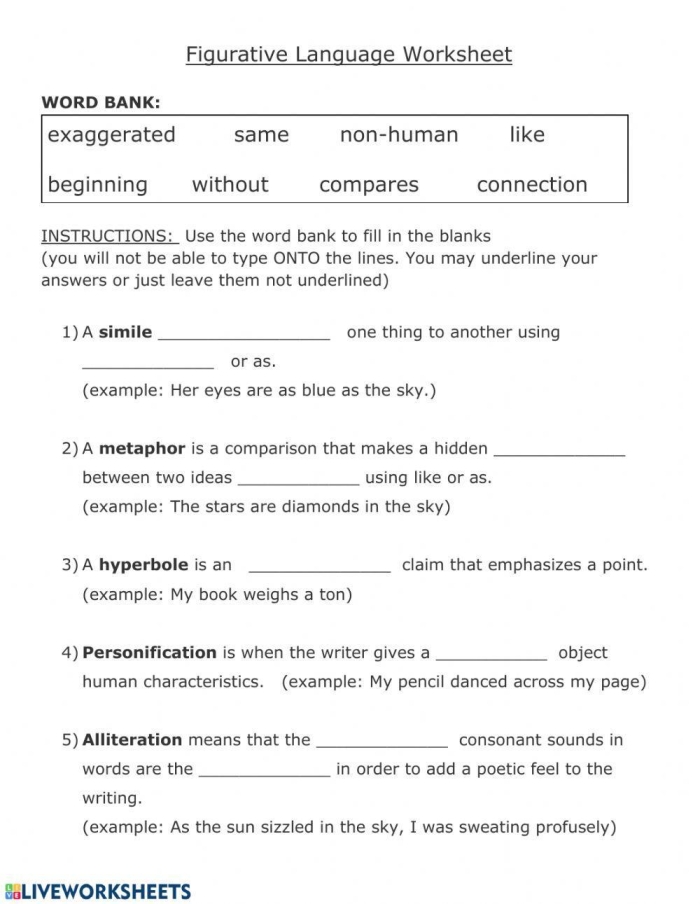
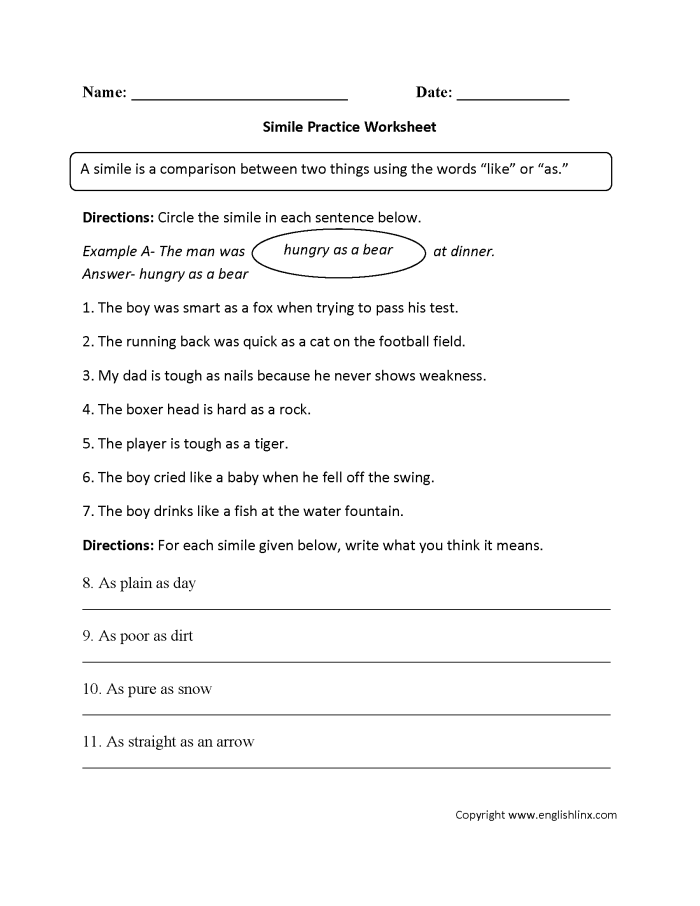
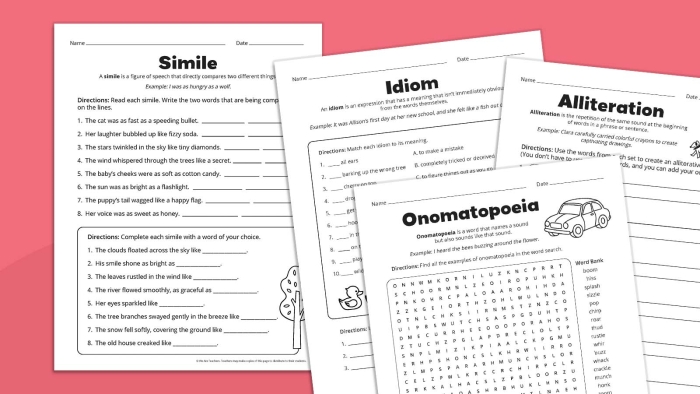
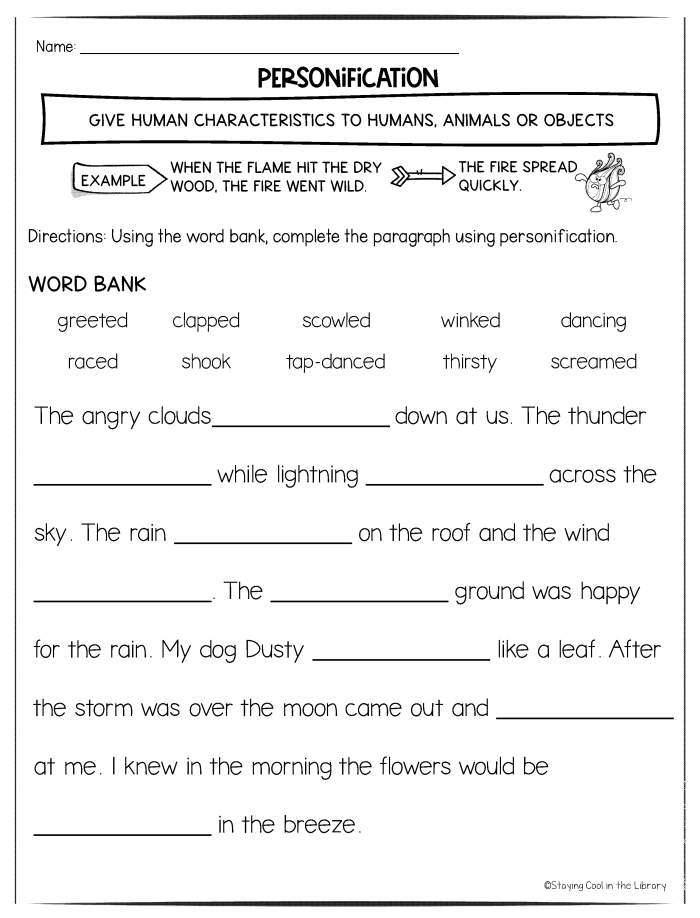
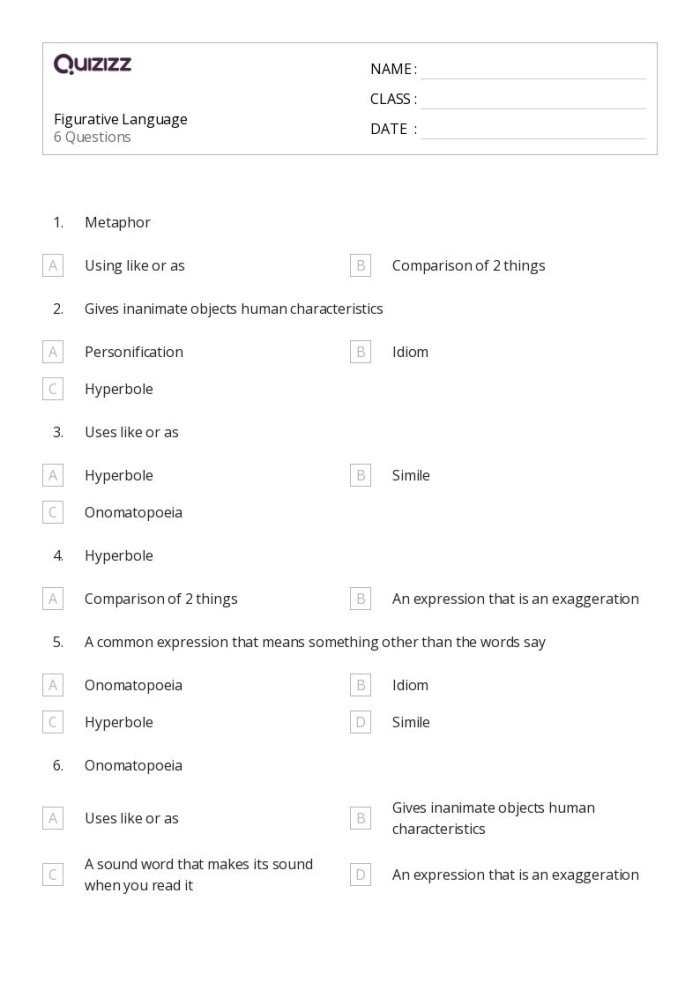
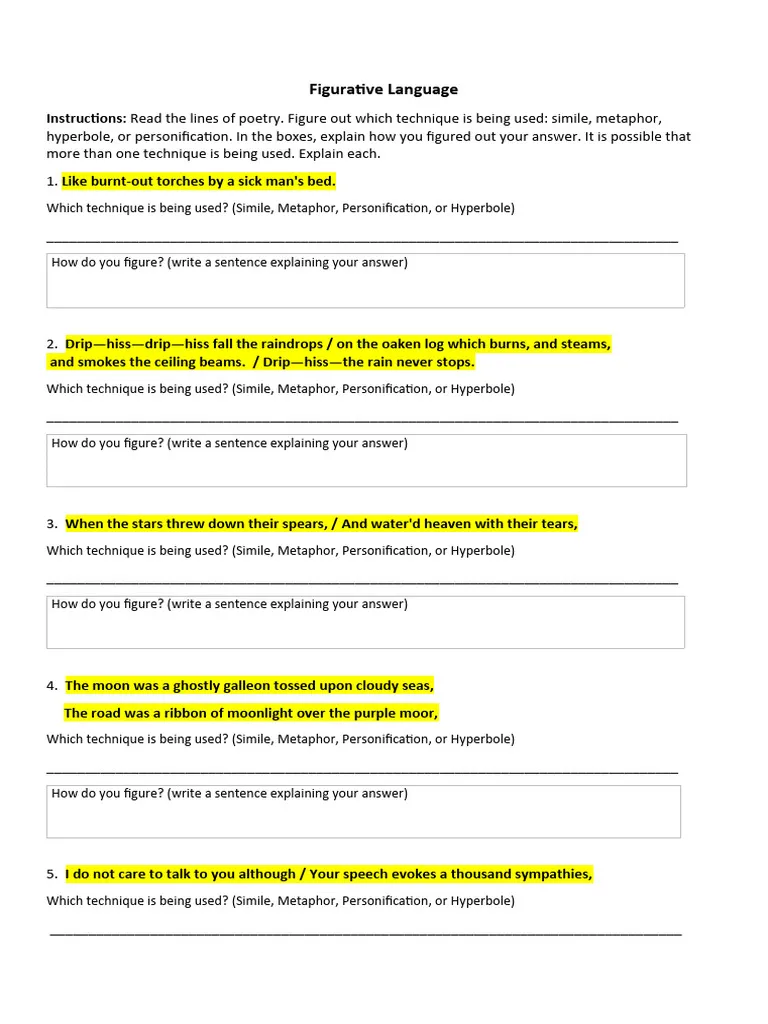
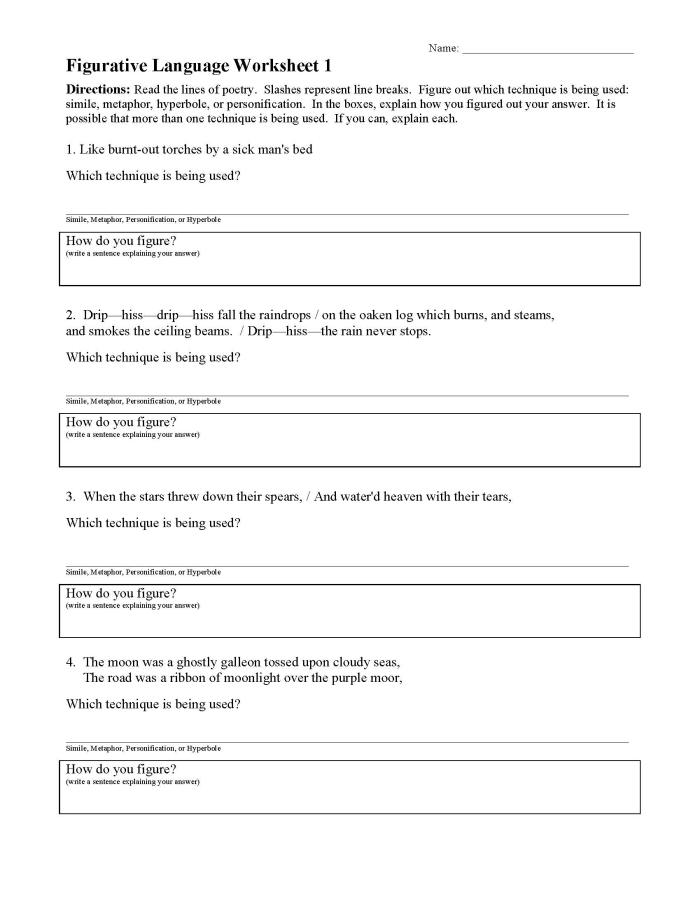
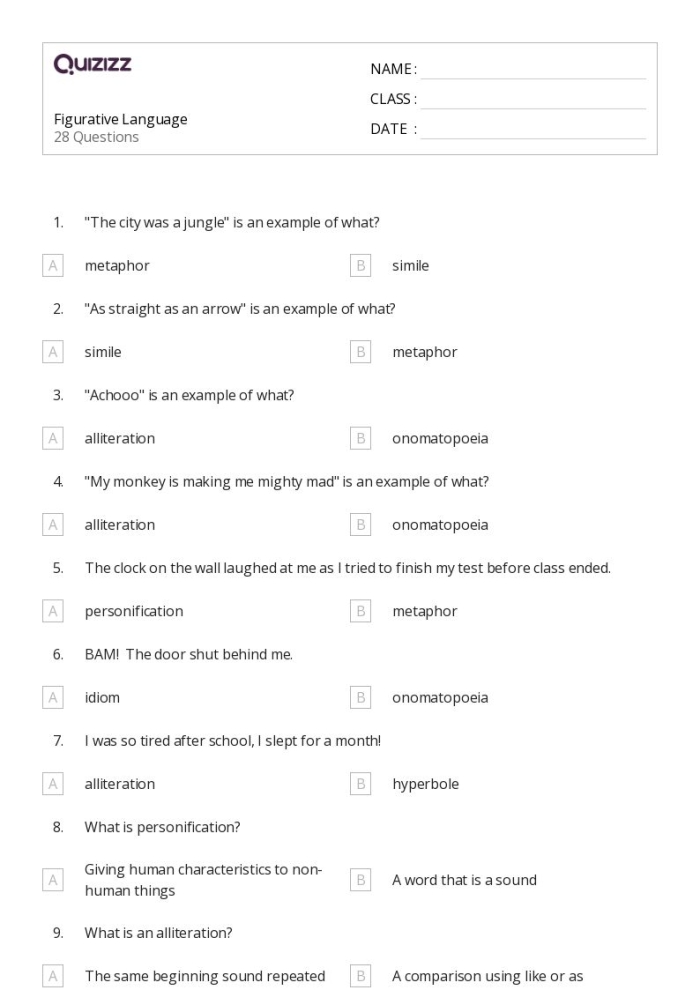
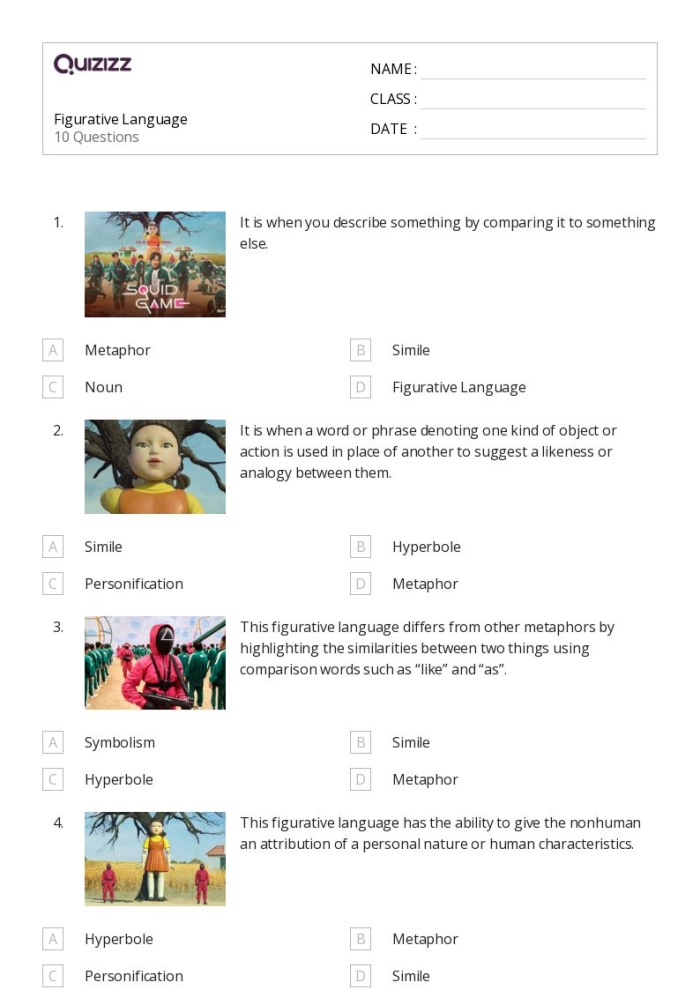
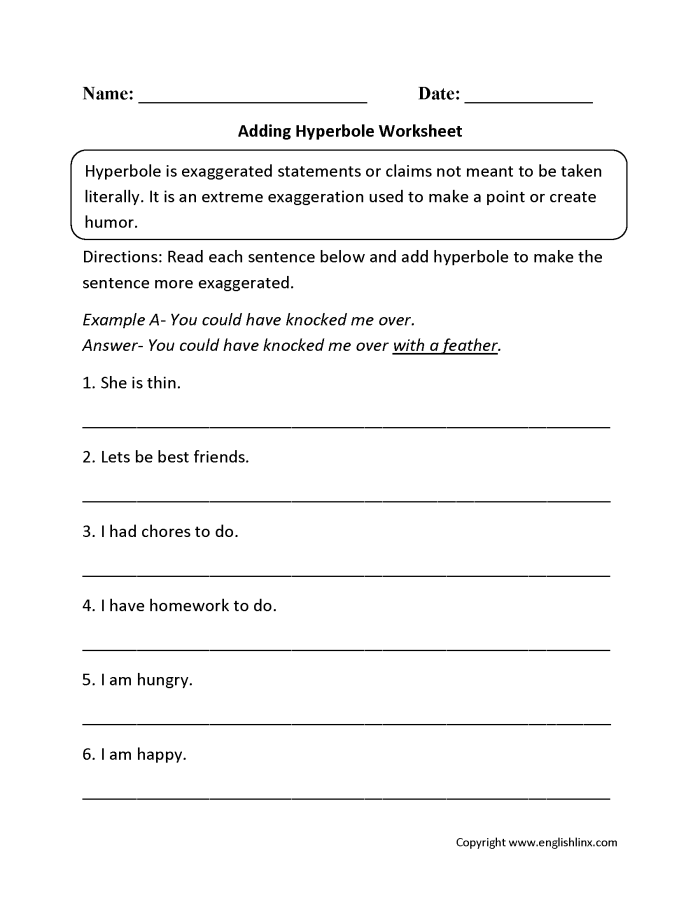
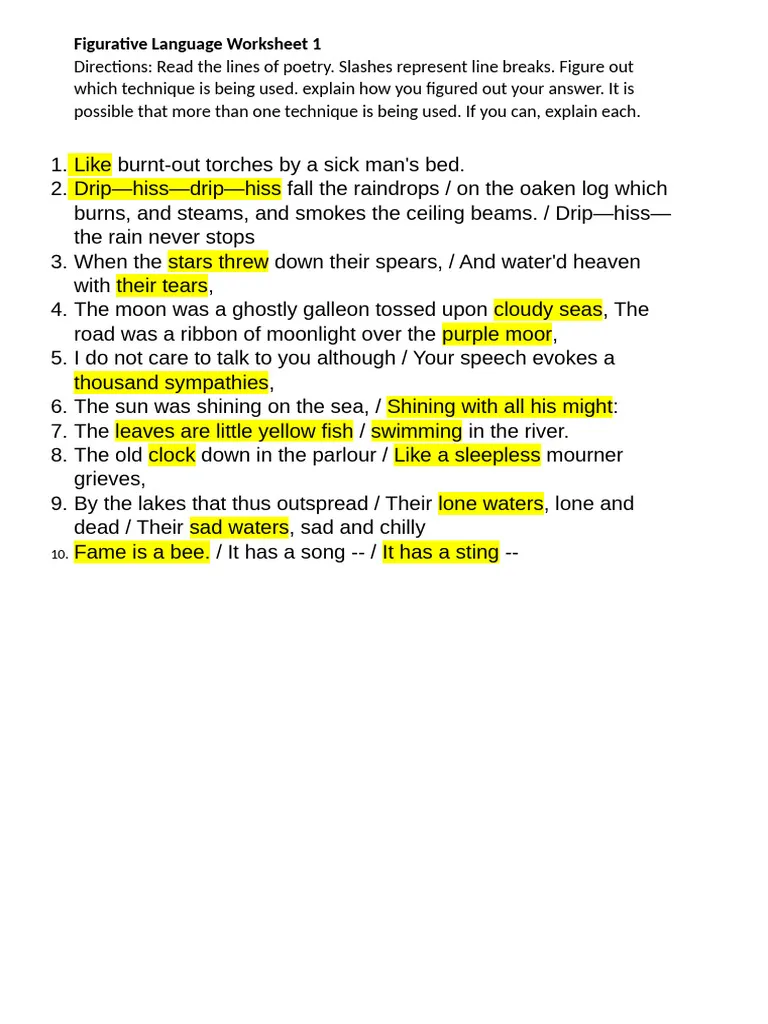
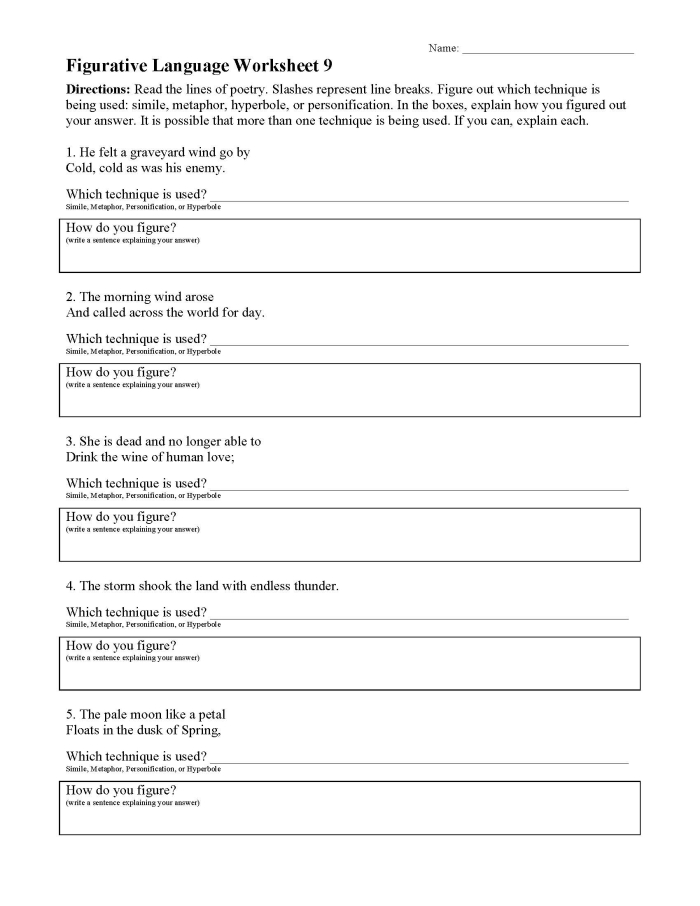
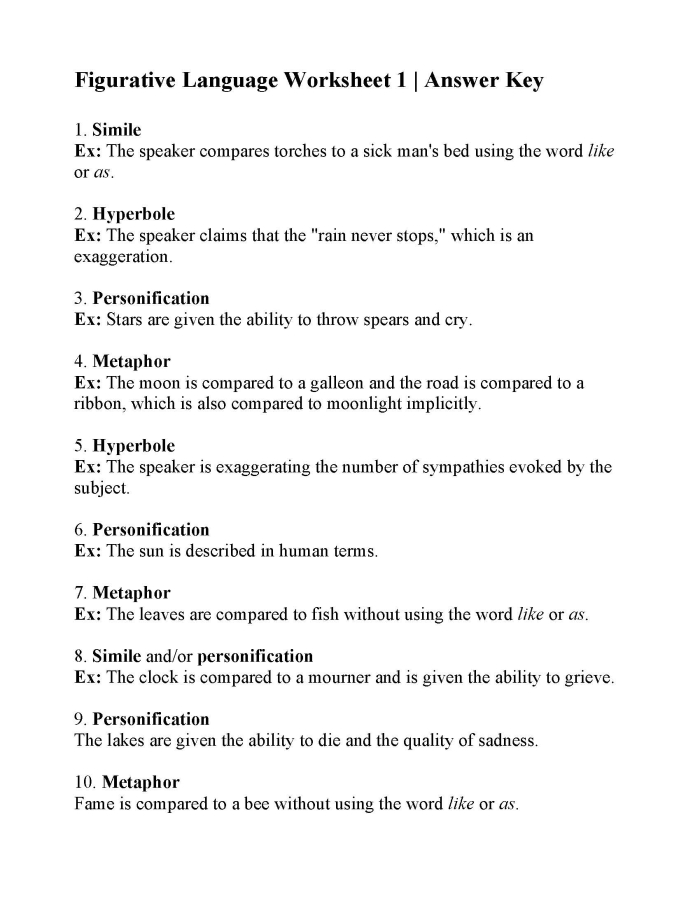
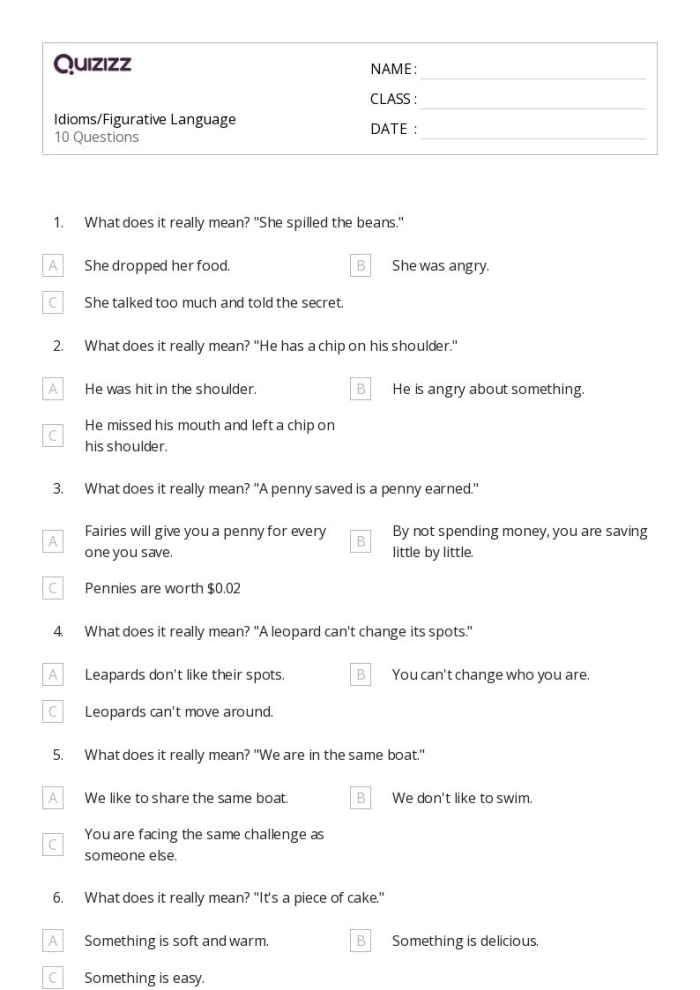
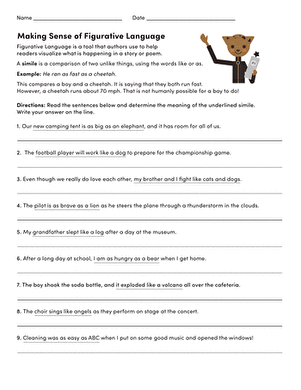
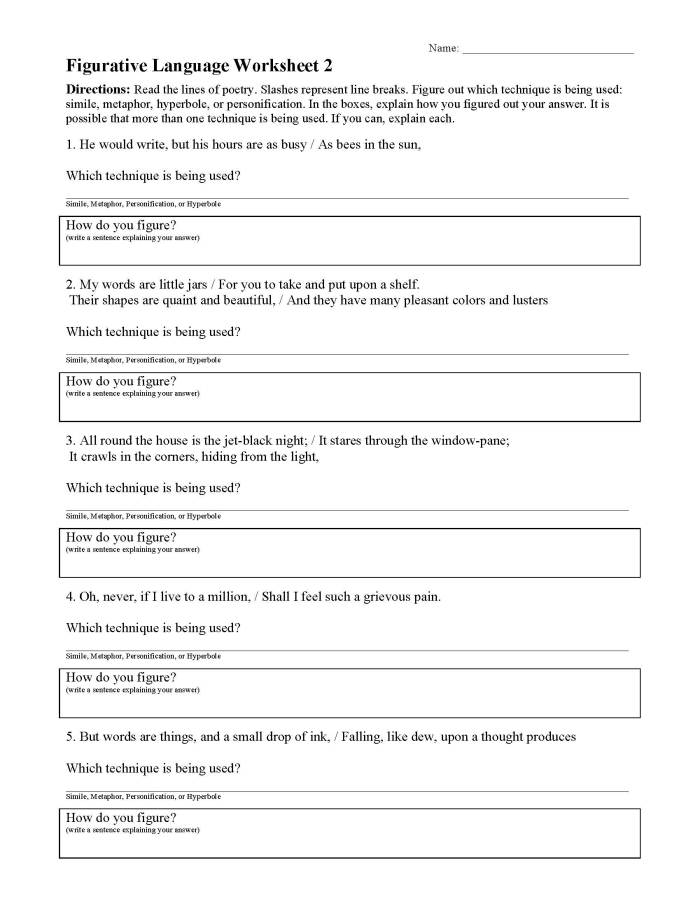
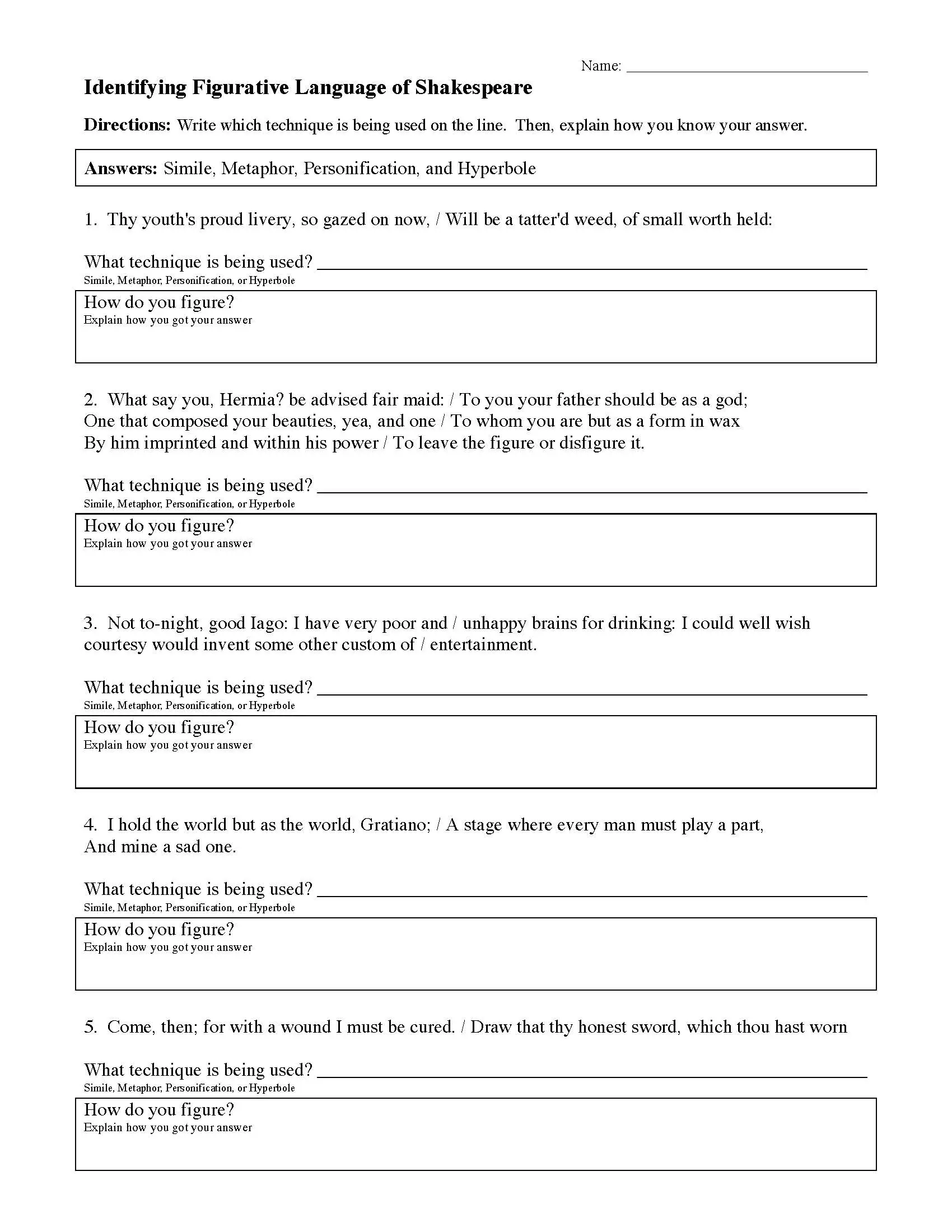
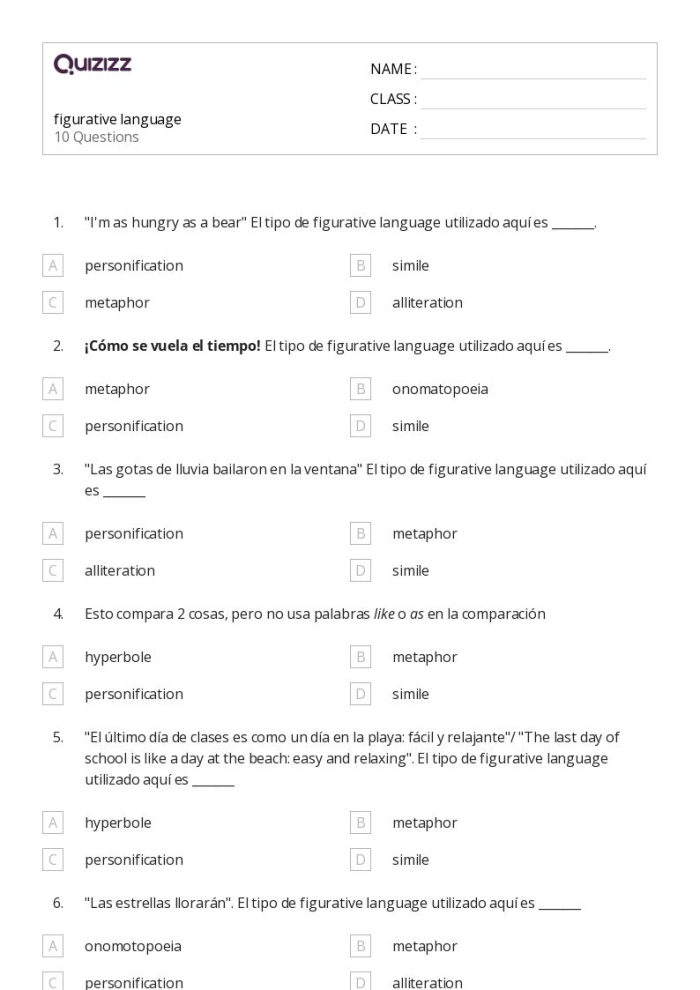
Using worksheets focused on figurative language can reinforce this skill. Printable resources, such as those found on Luminaworksheets, can provide structured practice. These worksheets often incorporate examples relevant to third graders, ensuring that the context is relatable and engaging. For instance, a worksheet could present a short story filled with figurative language and ask students to underline phrases while discussing their meanings in groups.
Encouraging discussions around figurative expressions can also help solidify understanding. Teachers can prompt students with questions like, “What do you think the author meant by this phrase?” or “How does this expression relate to the overall theme?” Such inquiries stimulate critical thinking and collaborative learning.
By guiding third graders through the process of inferring meanings from context clues, educators help cultivate not only their reading comprehension skills but also a love for language. For more resources on numbers and counting, consider exploring elapsed time worksheets or rounding activities that can complement their overall learning experience.
Printable Worksheets for Practice