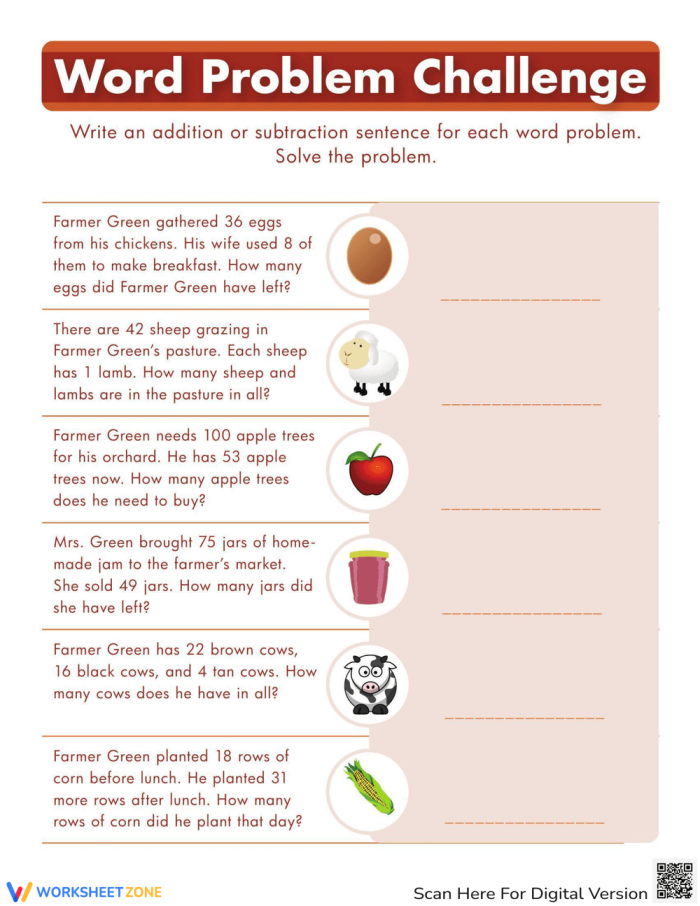
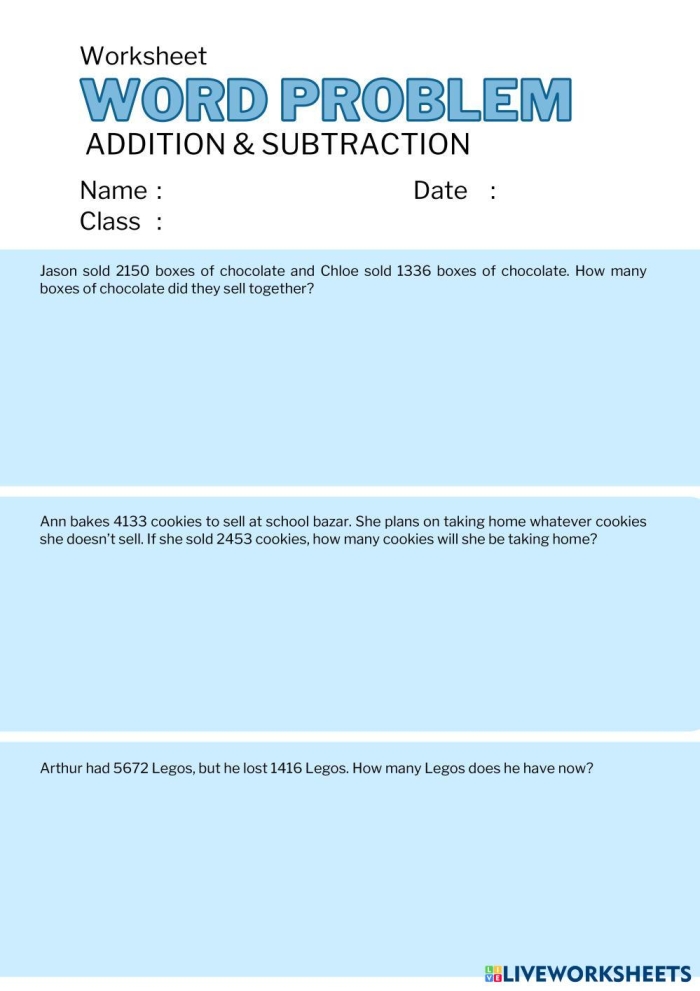
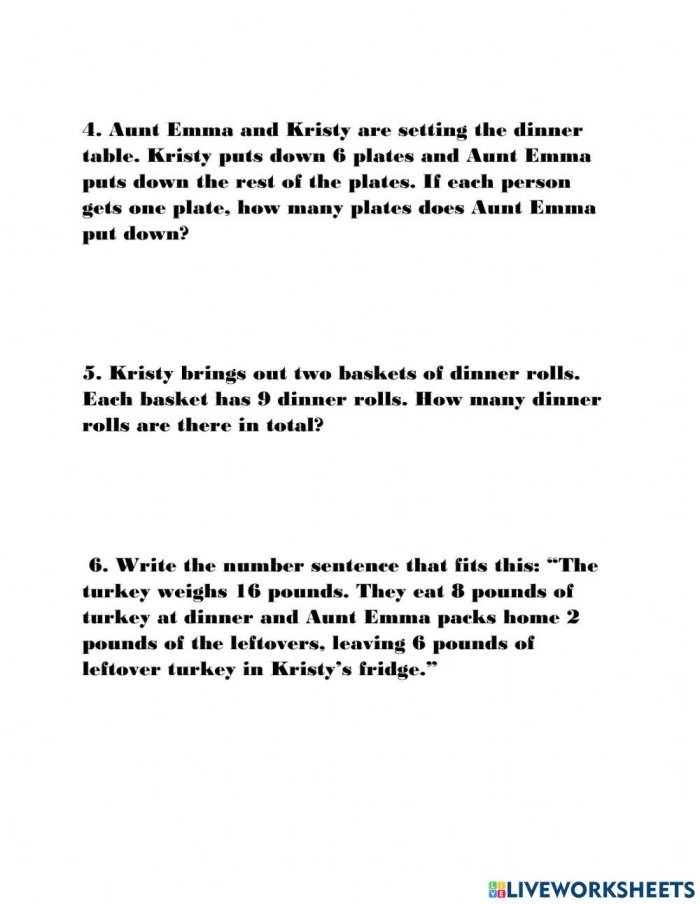
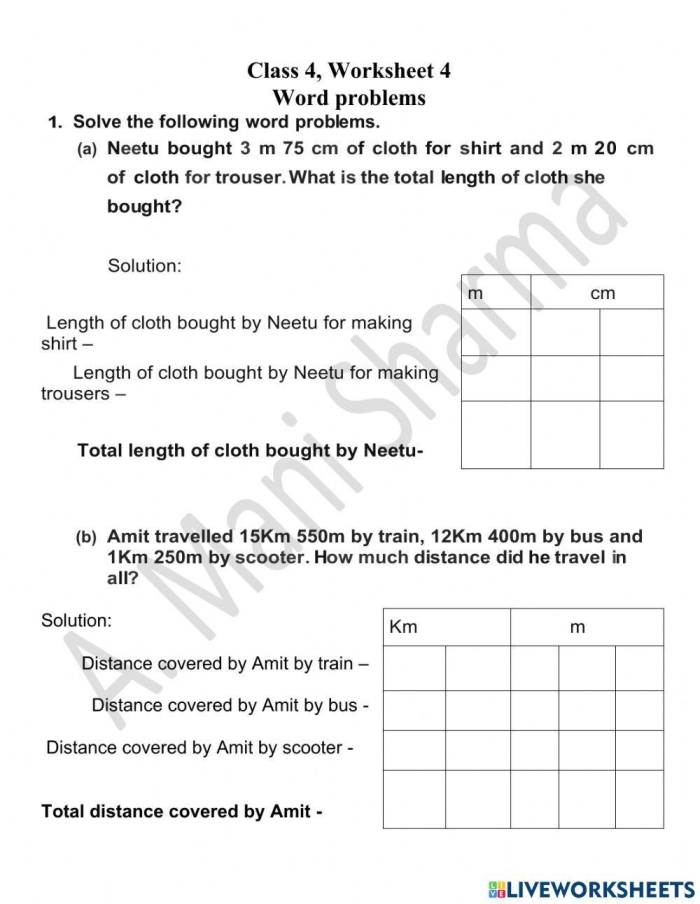
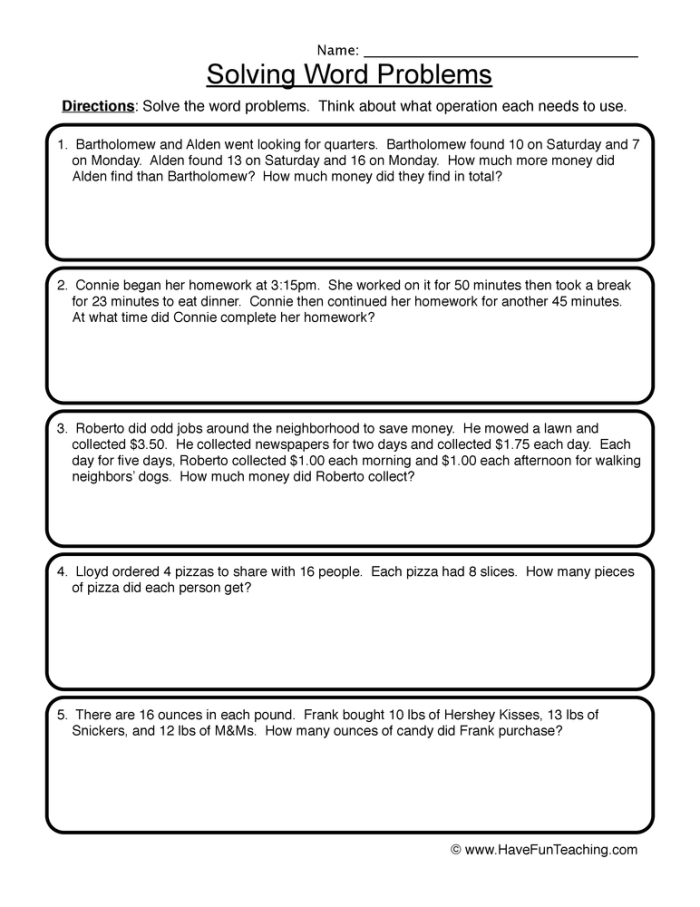
Working through two-digit addition and subtraction problems can be much more engaging when set in a familiar, colorful environment like a farm. For first graders, combining math practice with relatable stories helps cement their understanding of numbers and operations. Using word problems that revolve around farm life encourages children to picture real situations—counting animals, harvesting crops, or sharing supplies—which makes abstract math concepts more concrete.
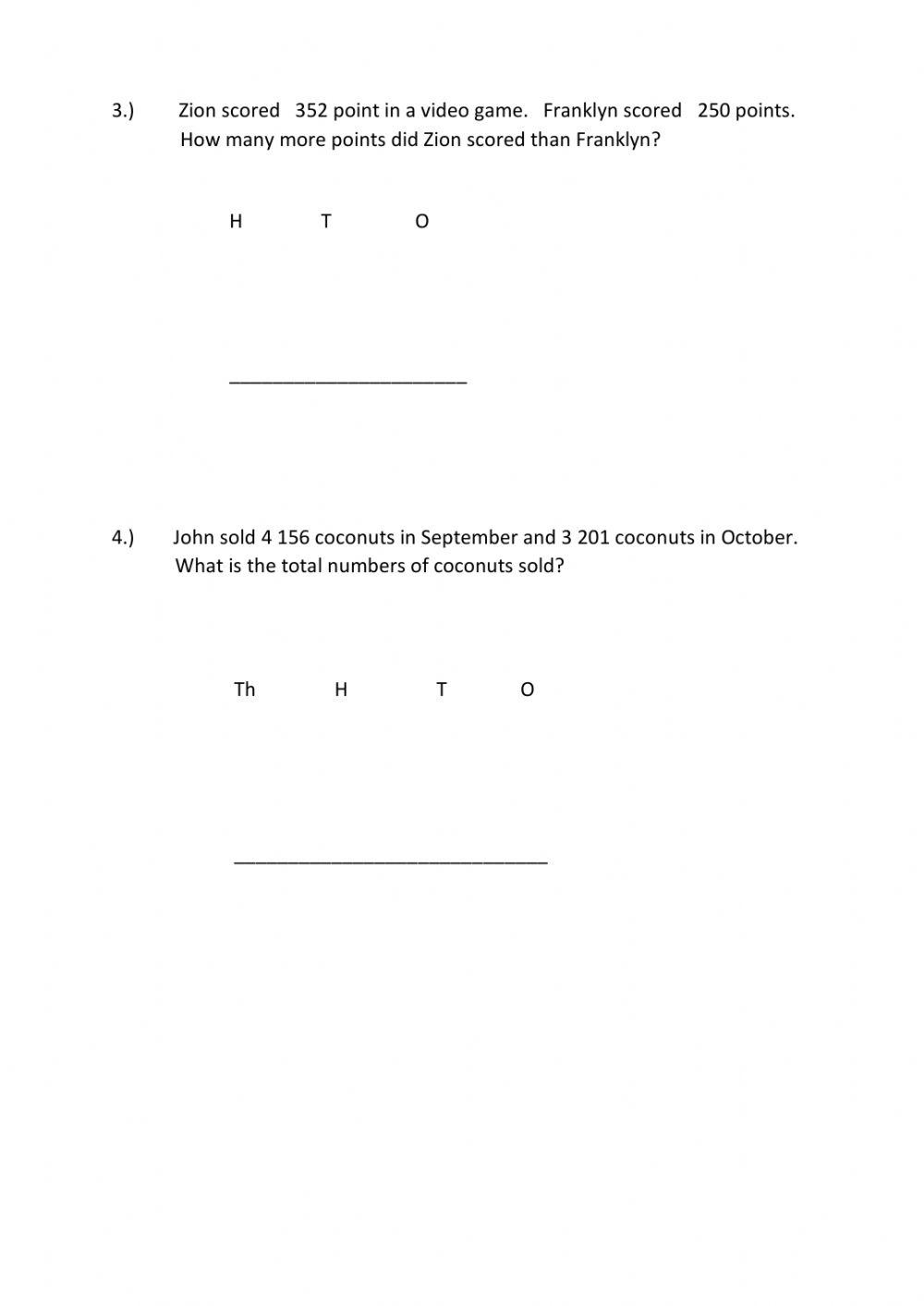
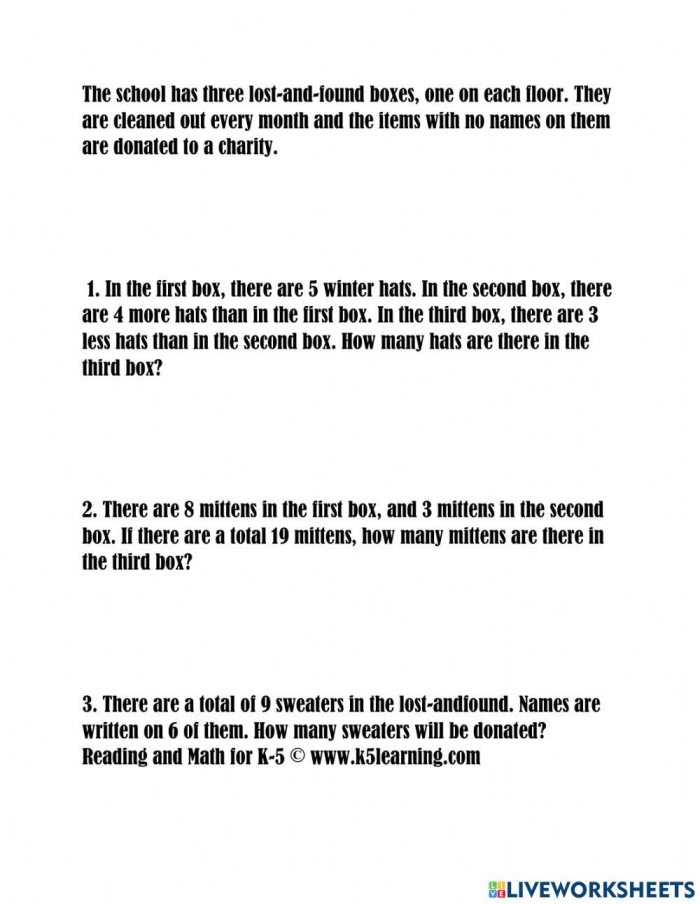
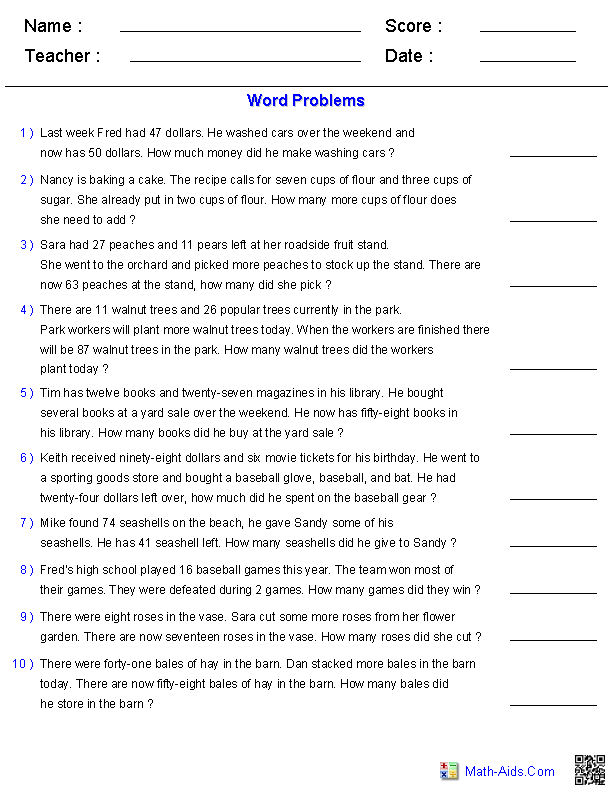
Consider a problem where a farmer has 47 apples and picks 25 more from the orchard. Children are asked to find out how many apples there are in total. Another example might involve 63 chickens in the coop, with 29 sold at the market; the question then becomes how many remain. These scenarios not only practice two-digit addition and subtraction but also naturally incorporate sight words familiar to first graders, reinforcing both math and reading skills simultaneously.
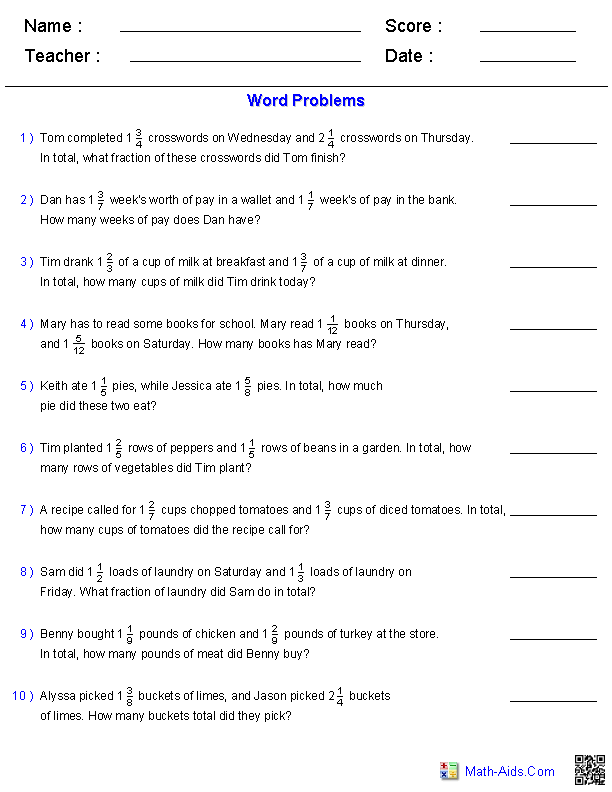
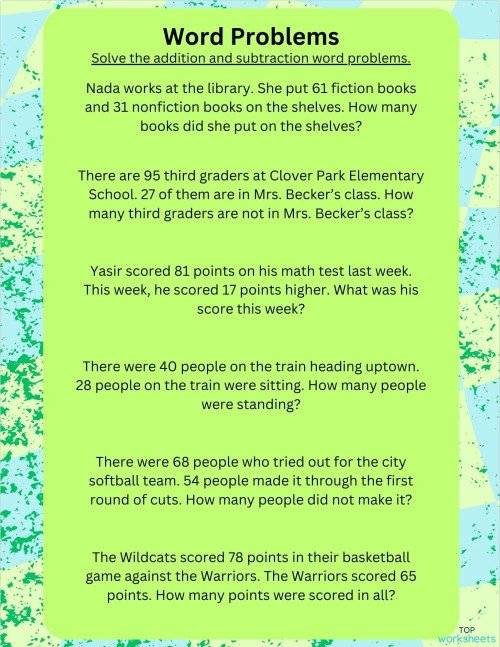
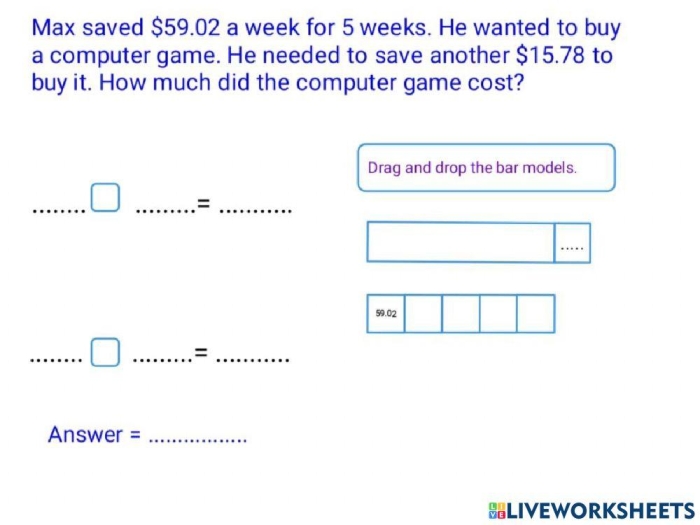
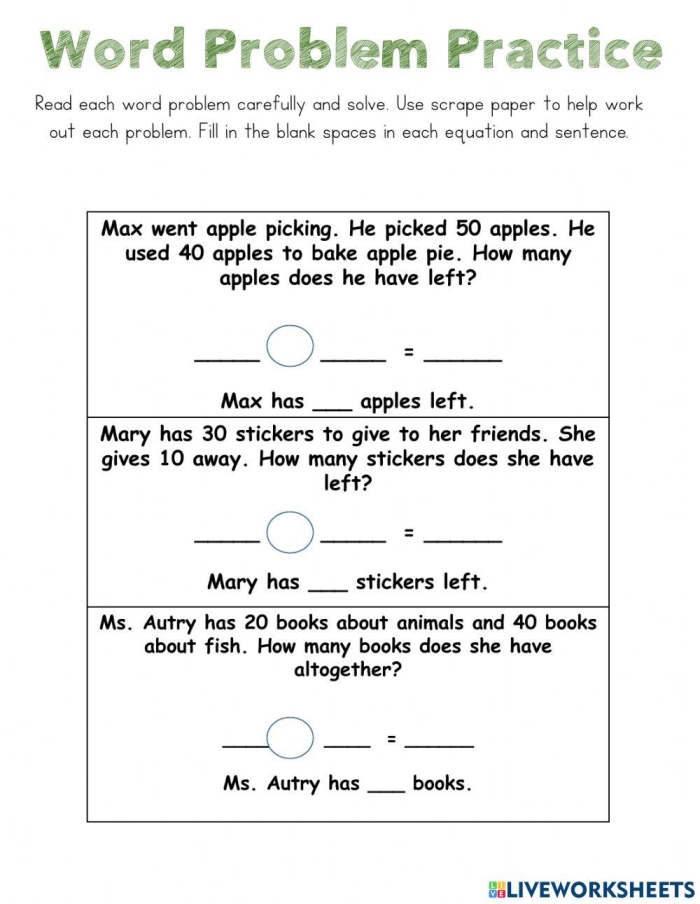
Printable word problem challenge worksheets designed around these farm themes are particularly useful because they offer structured practice and variety. They push learners to apply their knowledge rather than just perform rote calculations. According to educational resources like those found on Lumina Worksheets, integrating word problems related to everyday contexts supports better retention and comprehension for young learners. It also builds confidence in handling numbers beyond single digits.
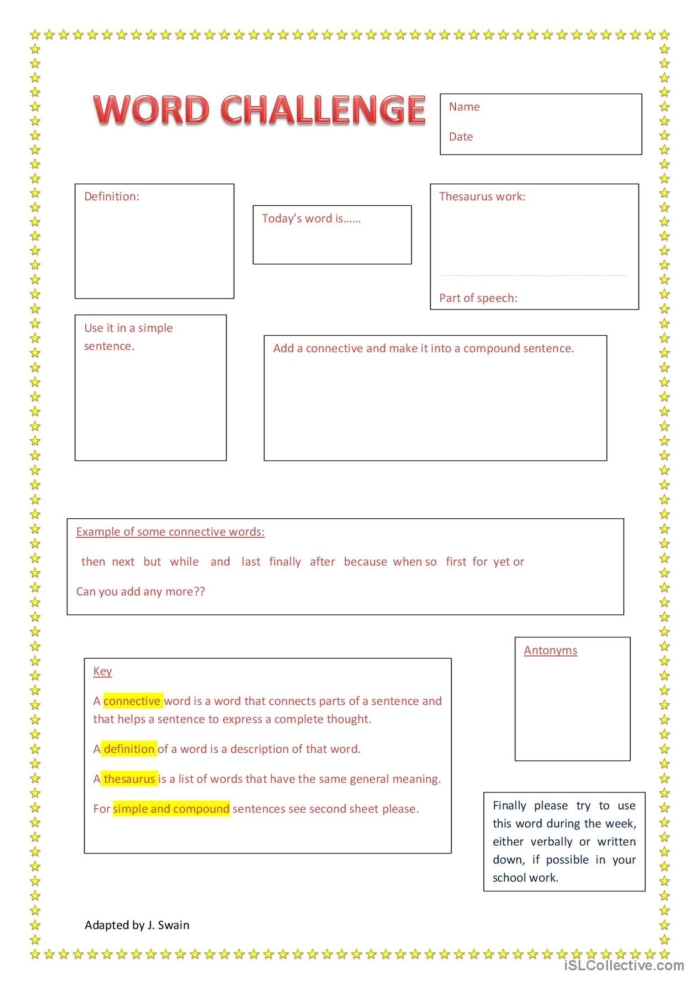
Using sight words within these word problems supports literacy development alongside math. For example, sentences may include words like “farm,” “barn,” “chickens,” or “market,” which are part of common sight word lists. This dual focus helps children become more comfortable with reading and understanding problem statements, which is often a barrier in early math education.
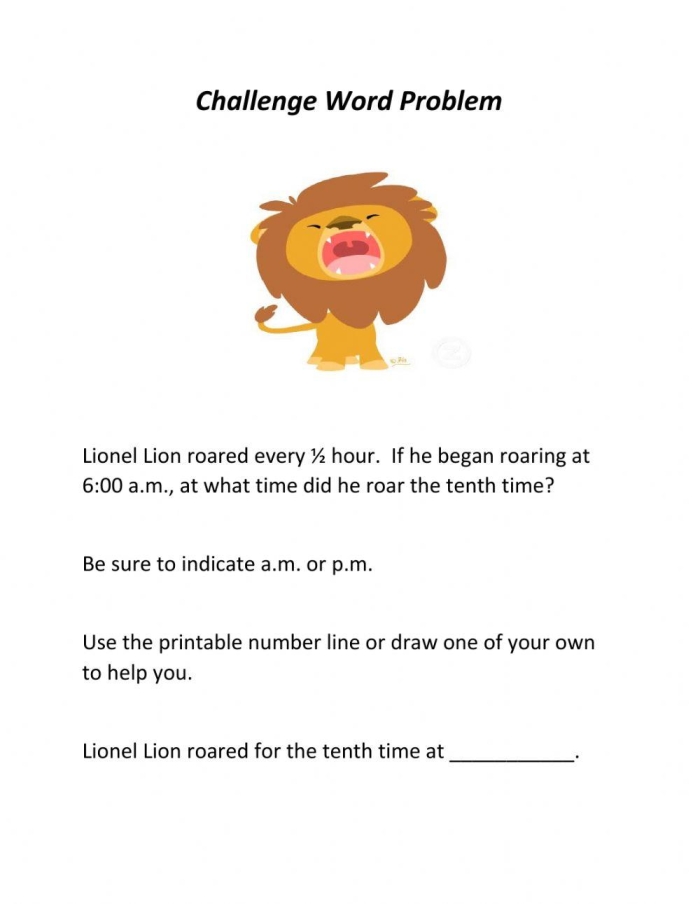
If you want to extend learning beyond basic sums, you might pair these farm-based challenges with other skill-building activities such as telling time or working with calendar dates, which are also available in related printable materials. For instance, exploring telling time word problems can complement number sense and sequencing skills that support math learning.
Practicing two-digit addition and subtraction in this way provides a meaningful context that encourages first graders to think critically and enjoy math. It transforms straightforward calculations into problem-solving adventures on the farm, making the learning process both productive and memorable.
Start Practicing with These Worksheets