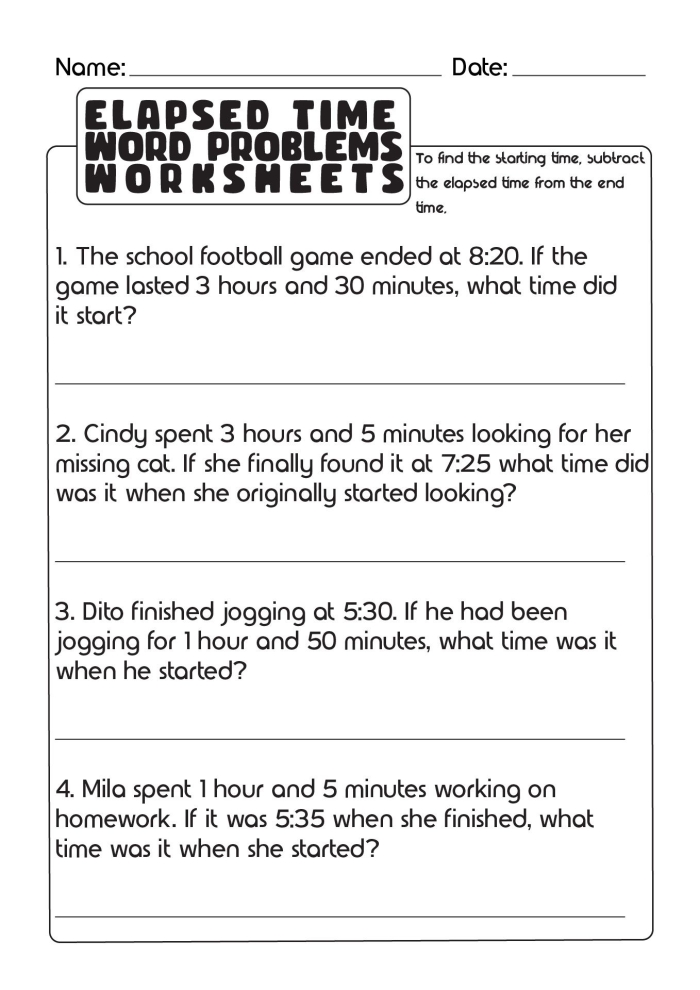
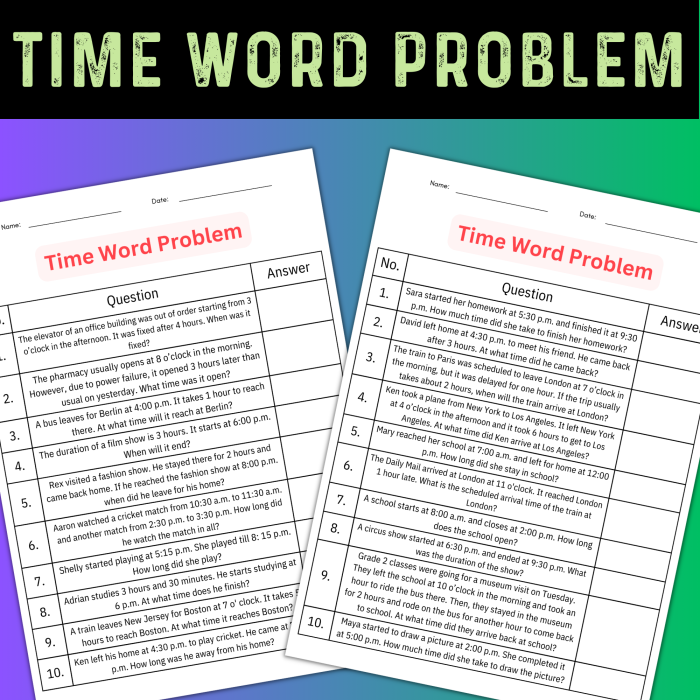
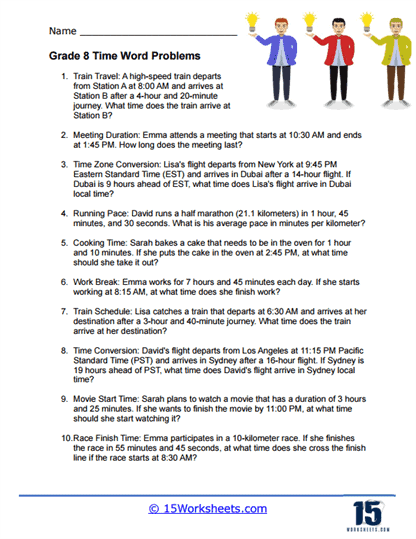
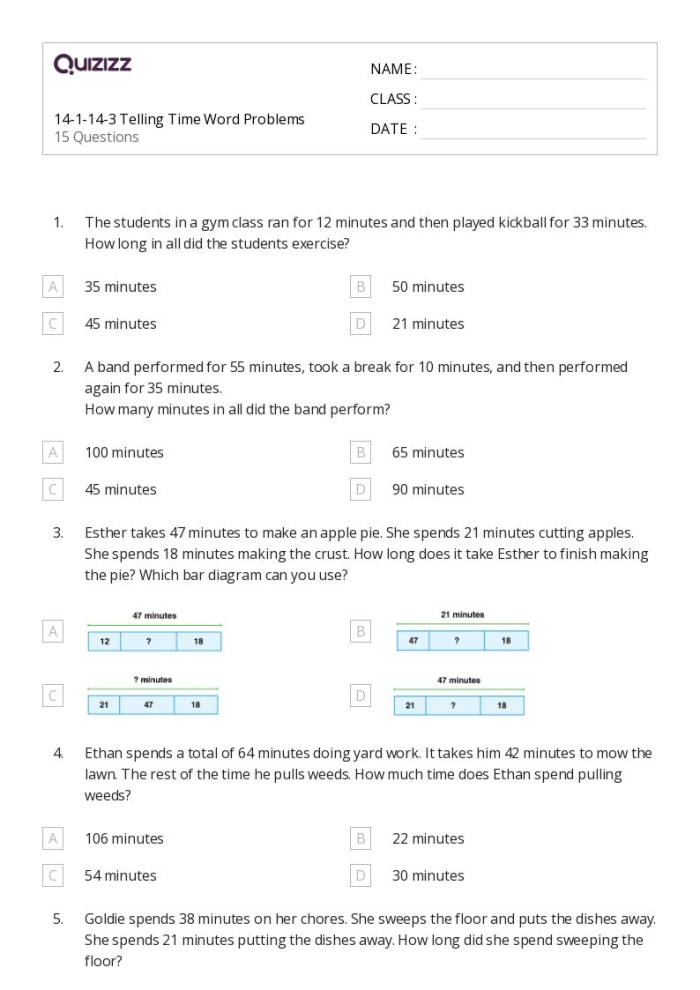
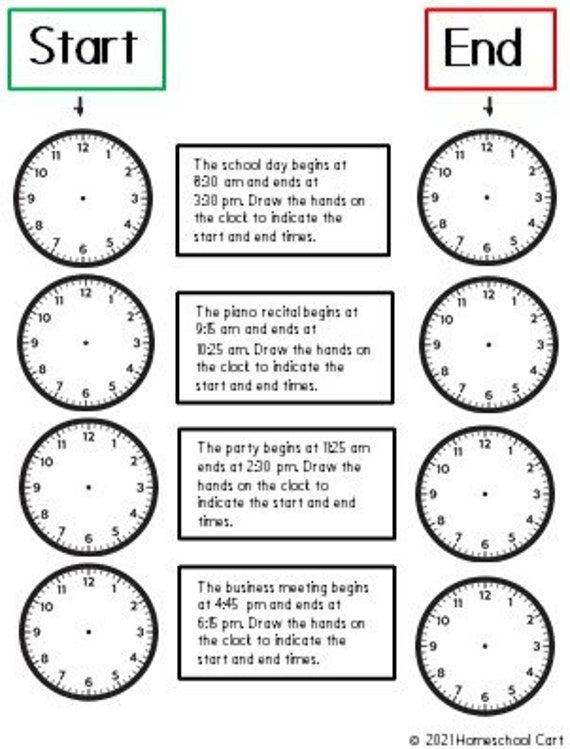
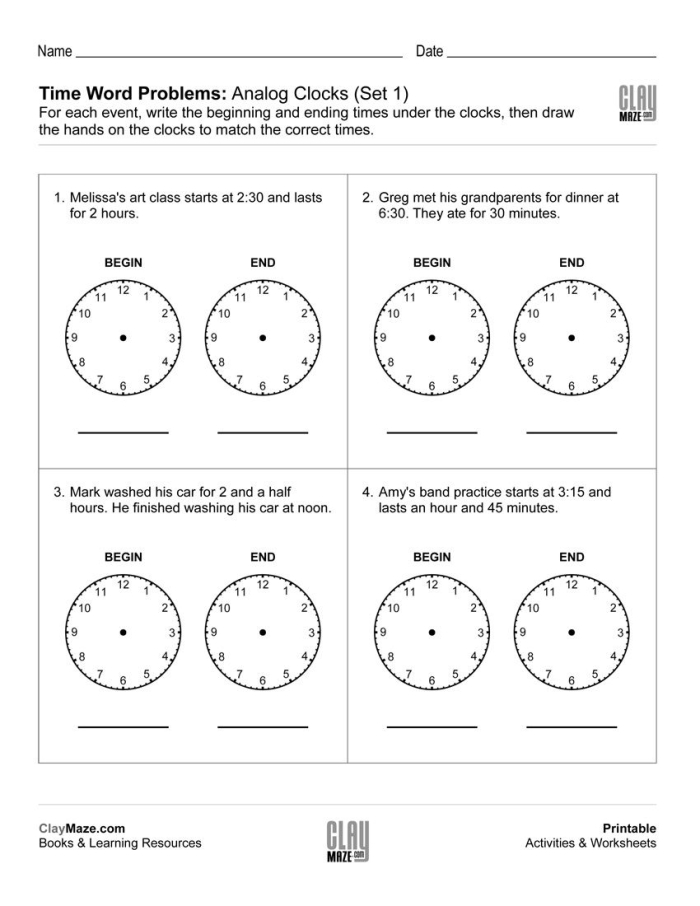
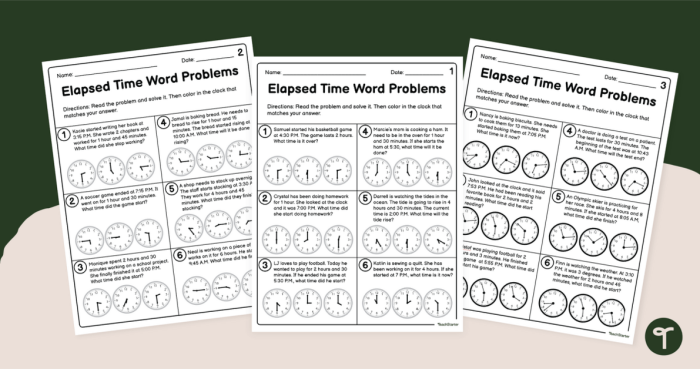
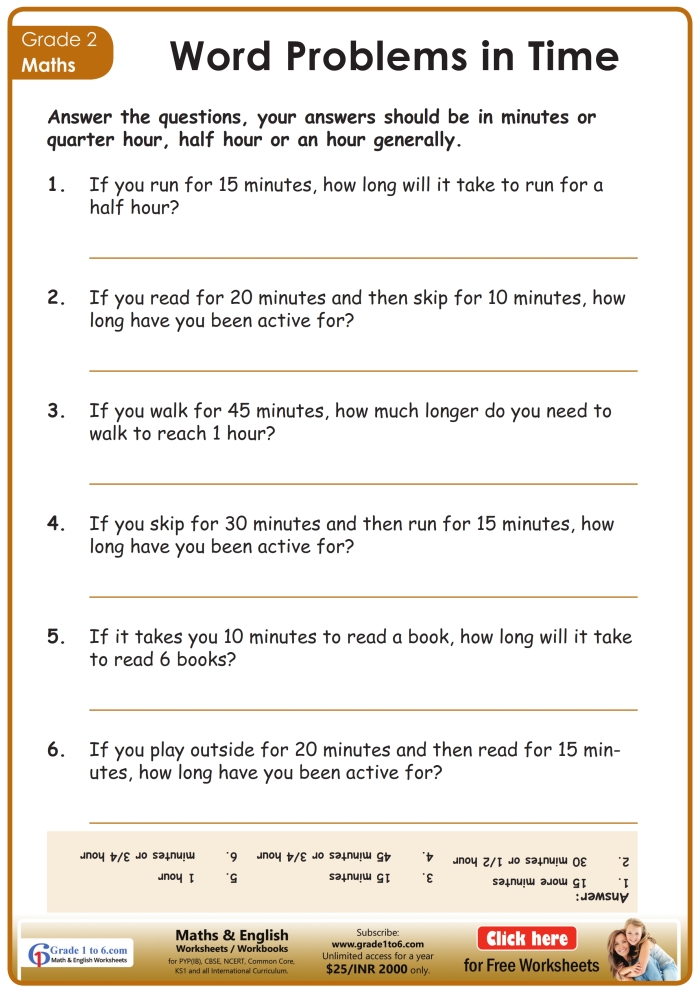
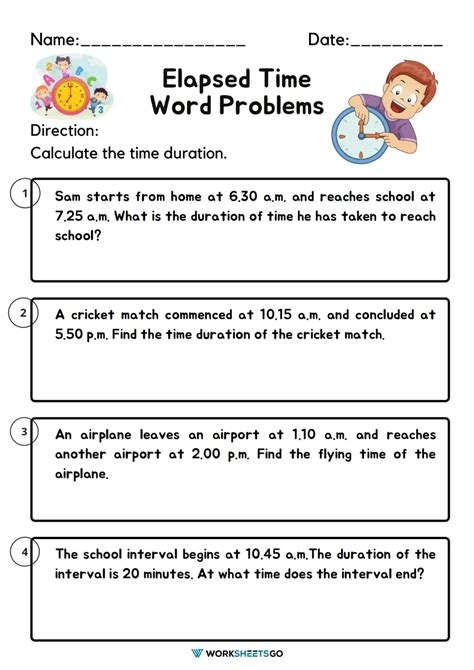
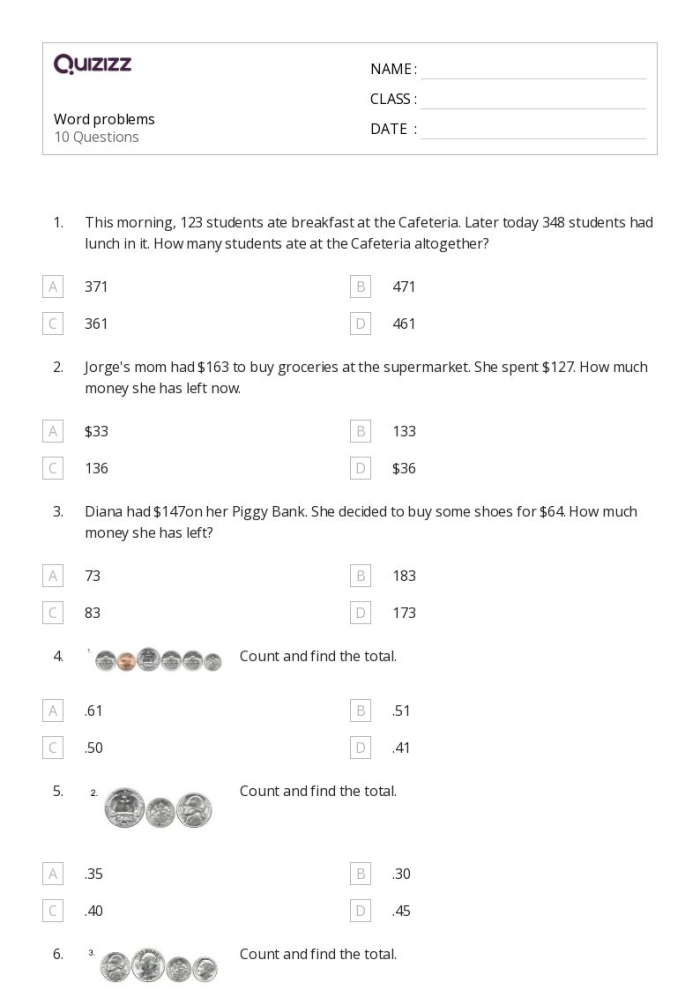
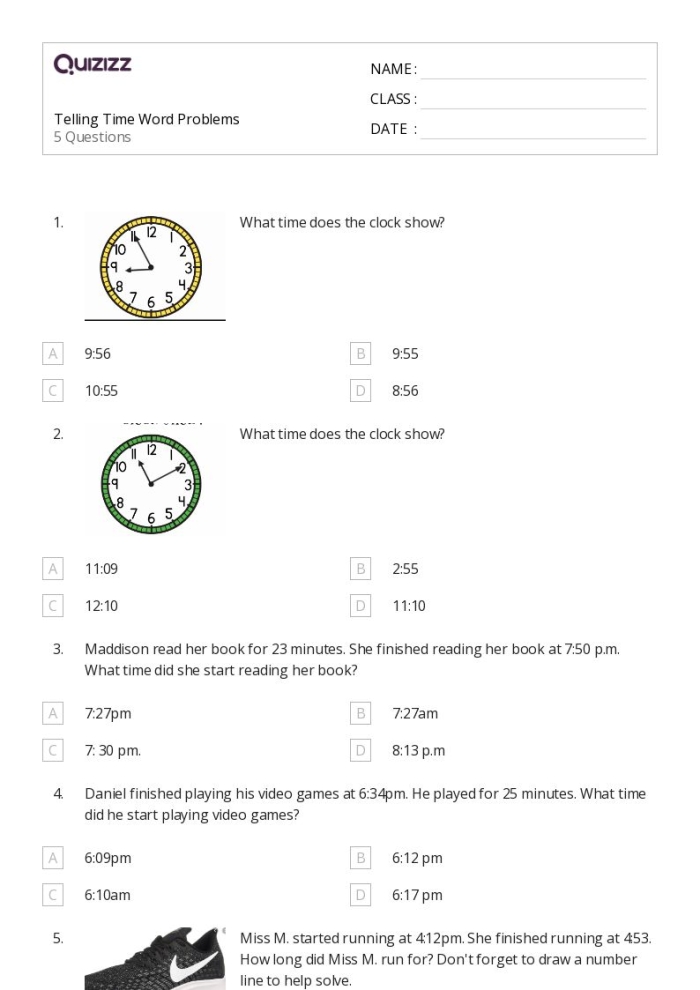
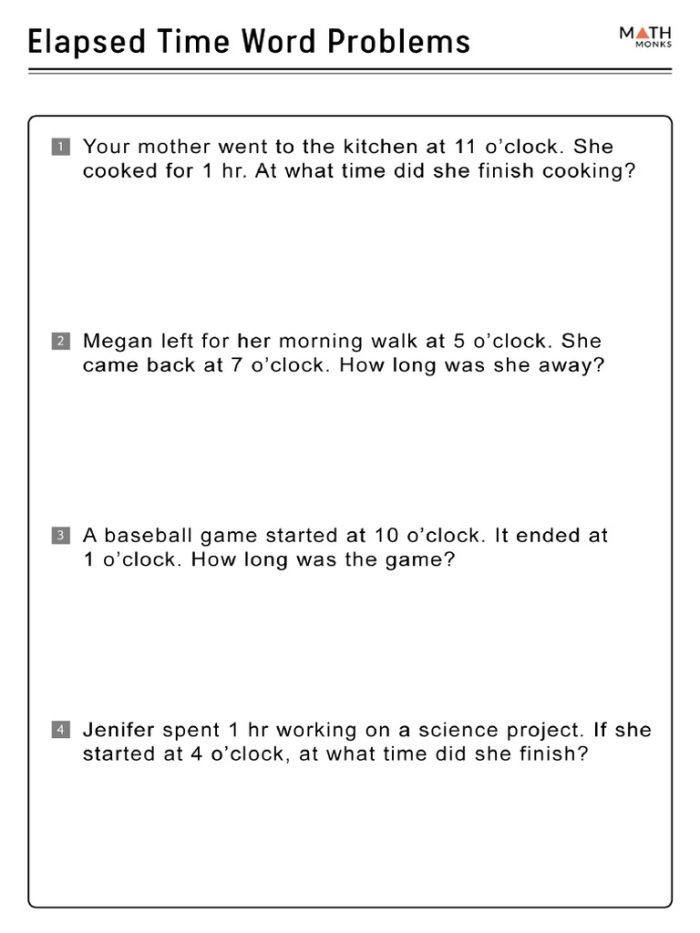
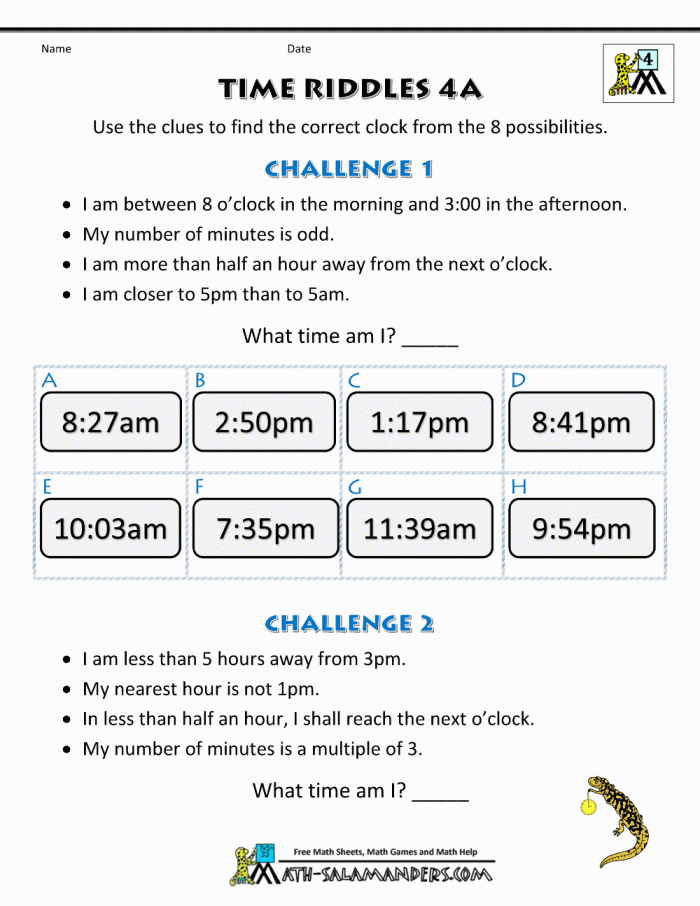
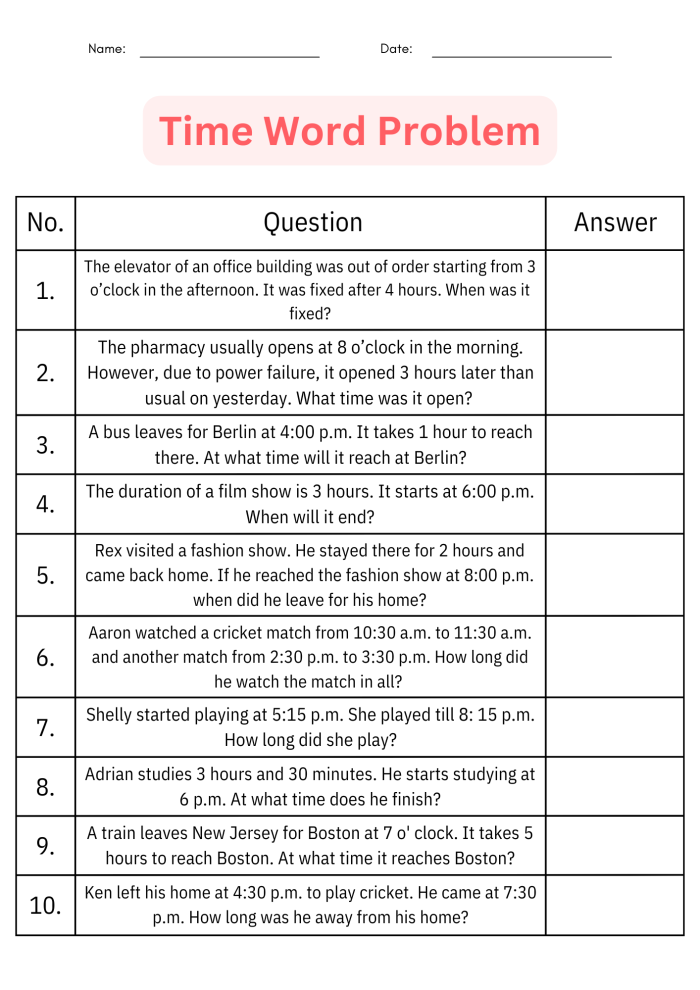
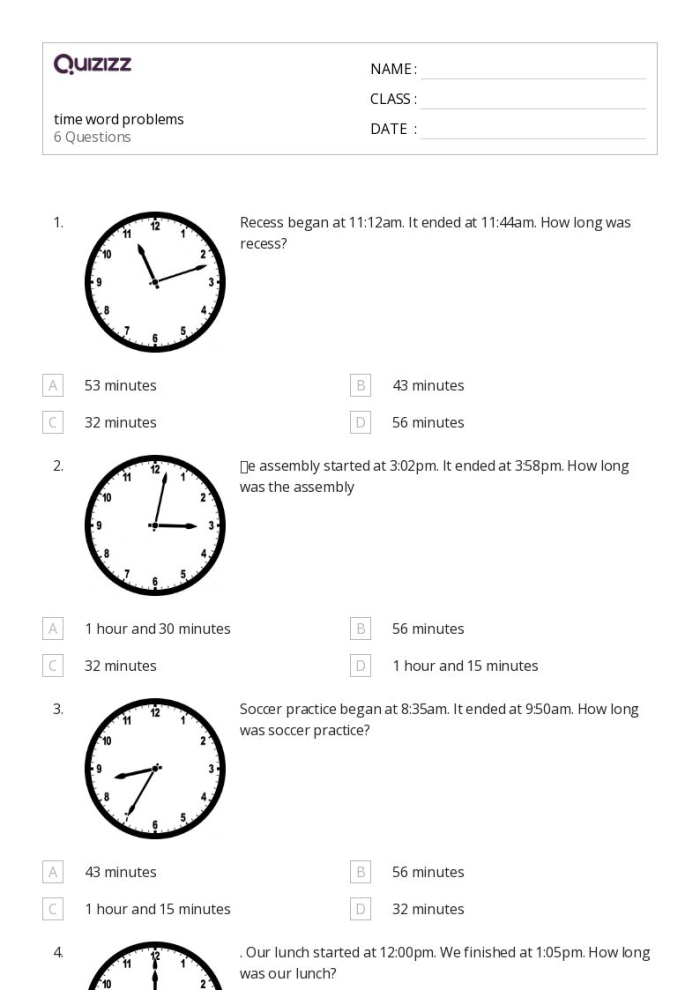
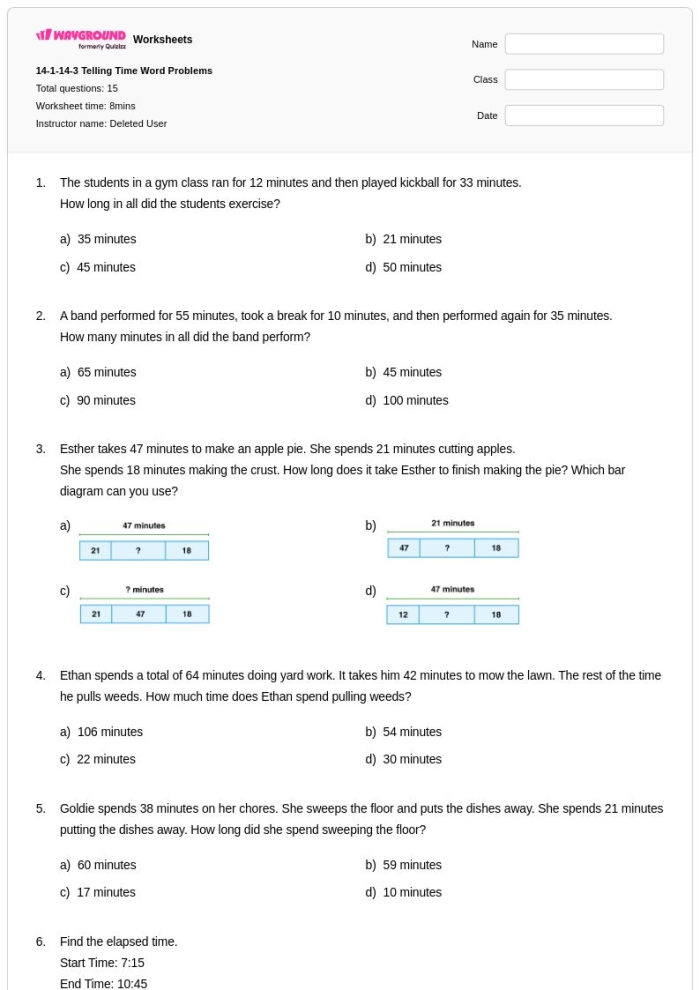
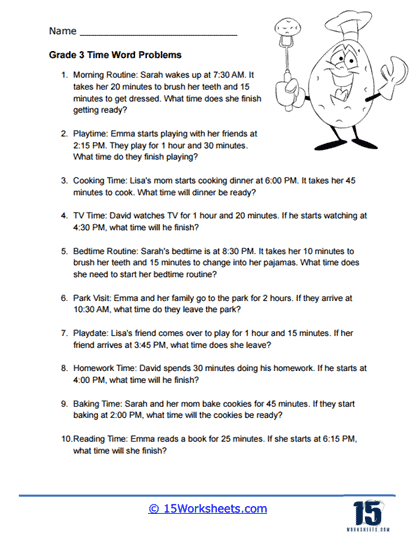
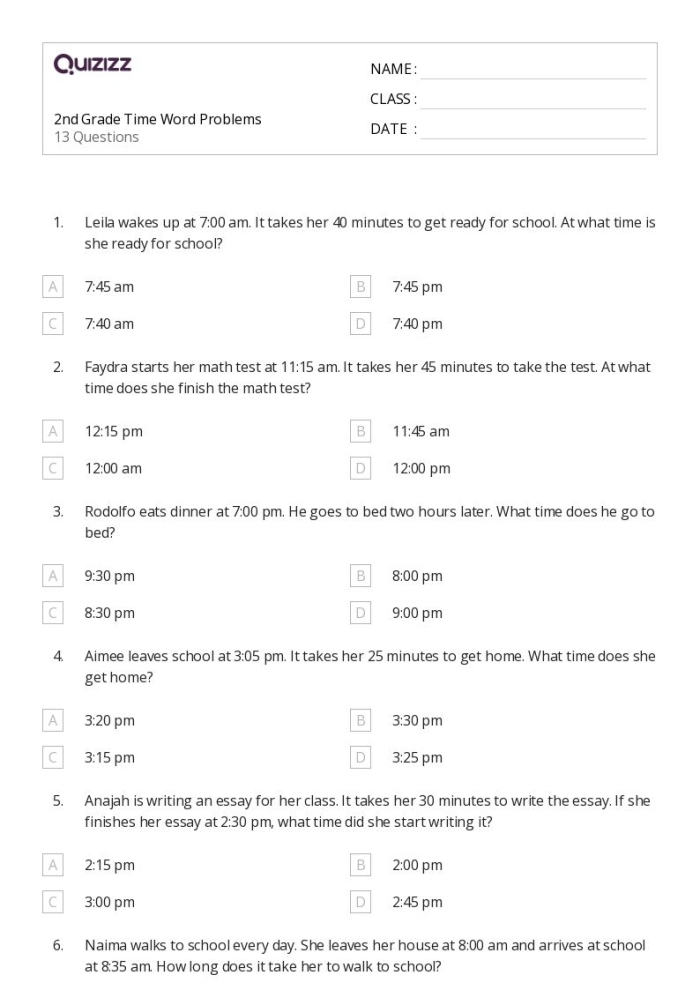
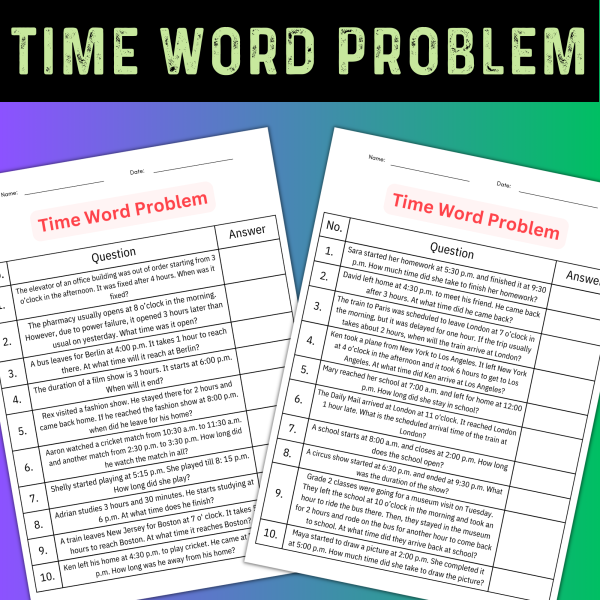
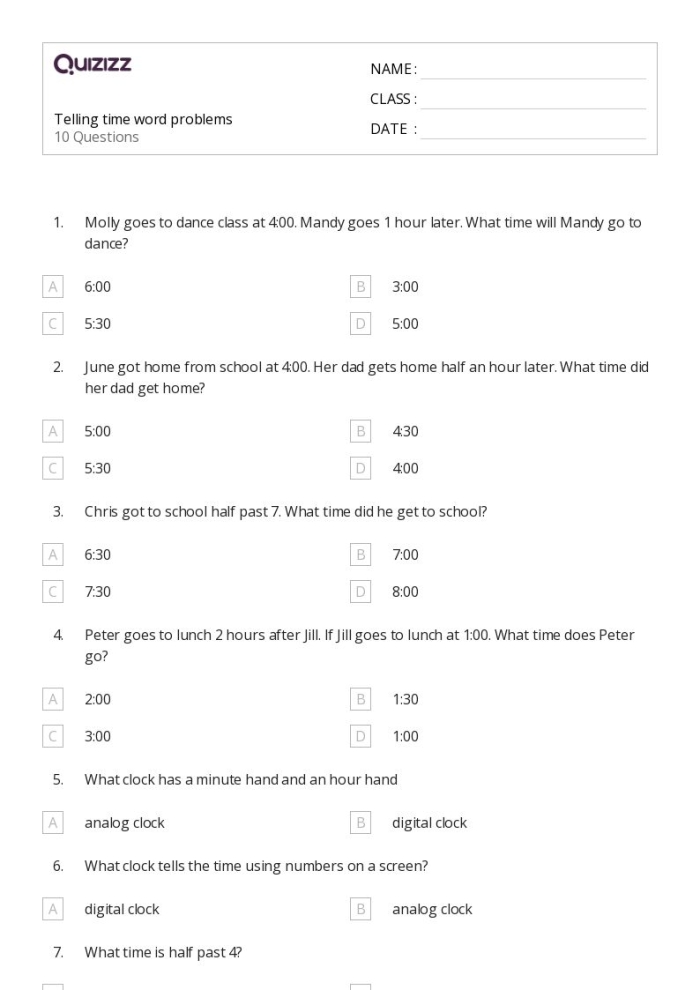
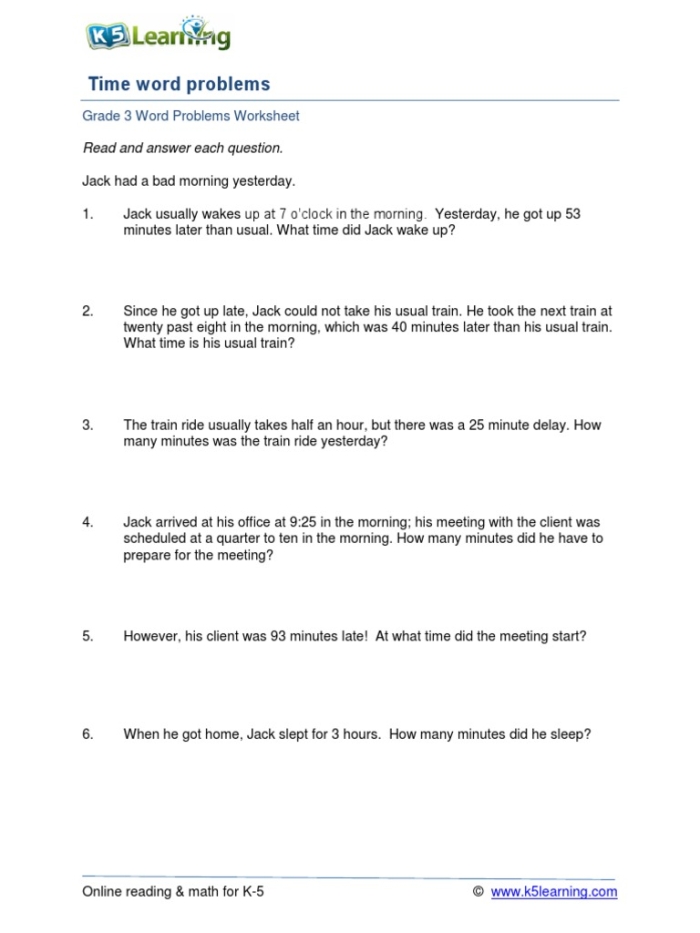
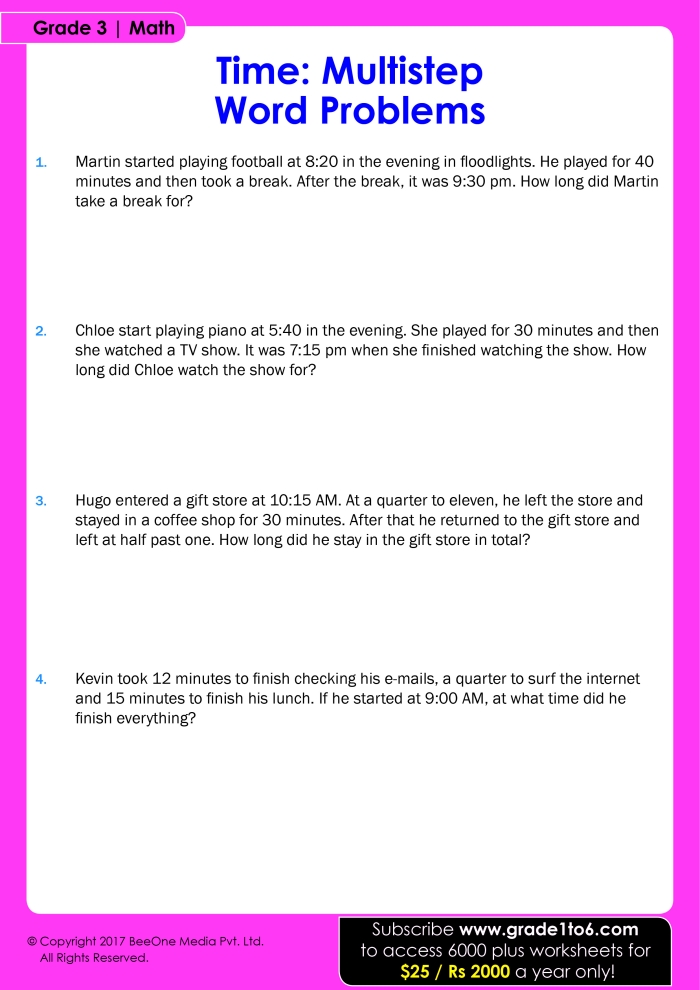
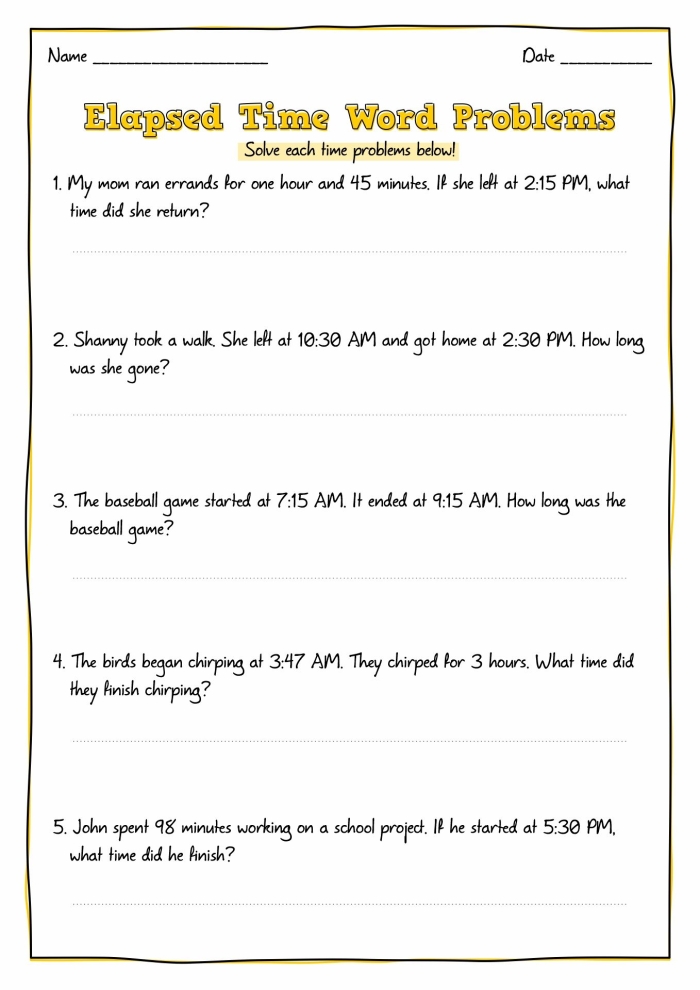
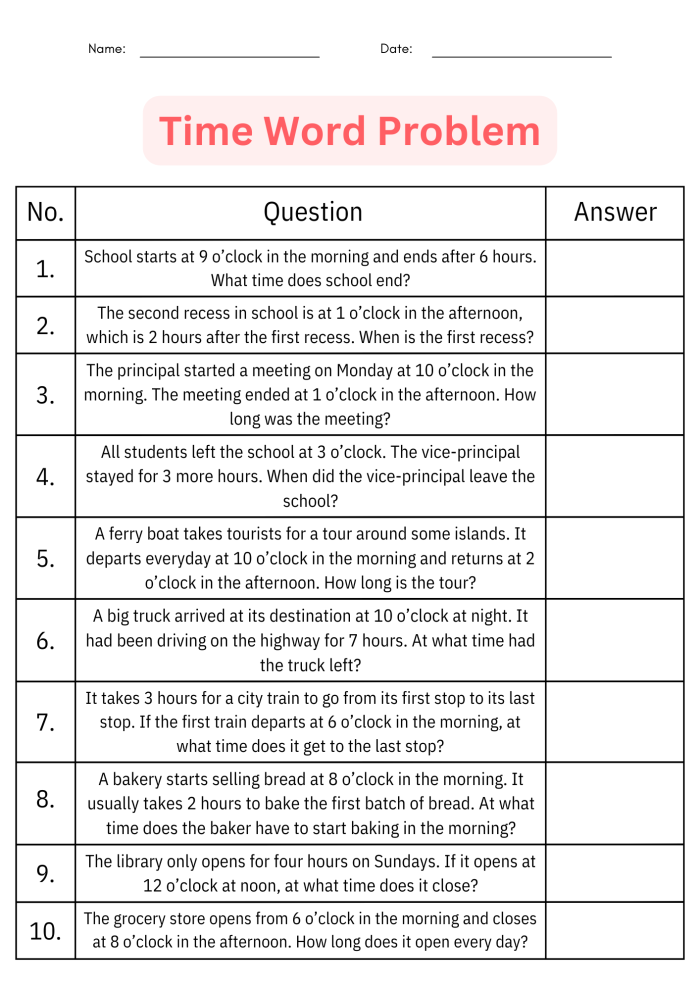
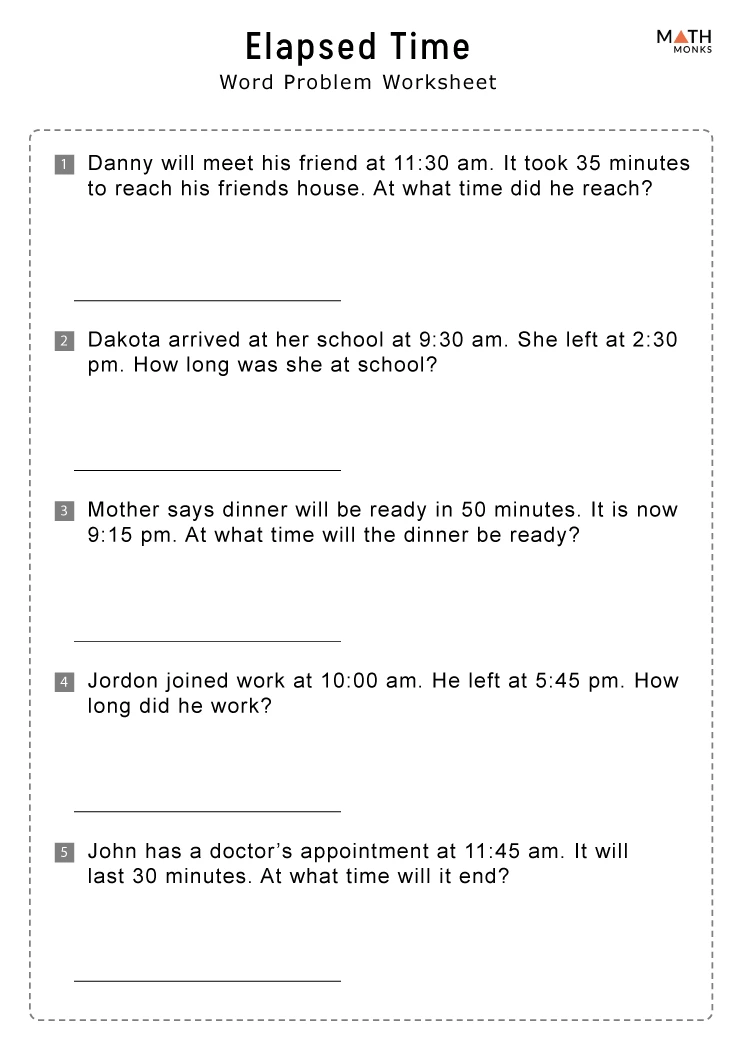
Word problems about time transform abstract clock-reading into real scenarios your first grader can actually picture. Instead of just memorizing that the short hand points to the hour, children learn why time matters by solving problems tied to everyday activities like lunch, recess, and bedtime.
First grade is the ideal moment to introduce time word problems because children are developing both their number sense and their ability to follow multi-step instructions. When a problem asks “If school starts at 9 o’clock and lunch is 2 hours later, what time is lunch?” your child must connect the clock face to real duration. This bridges the gap between telling time and understanding it.
The beauty of word problems is that they naturally embed time-telling practice within a story. Your first grader stays engaged because she’s solving a puzzle, not just reading numbers. She’ll begin recognizing patterns, like how the hour hand moves slowly while the minute hand races around, and she’ll understand that these movements represent actual time passing in her day.
You can reinforce this learning by pairing word problems with other writing activities. Encourage your child to fix the sentences about daily routines or keep a writing journal where she records what she does at specific times. You might also reference a calendar showing days and dates so she sees how time fits into larger units beyond just hours and minutes.
Start with simple problems using whole hours, then gradually introduce half-hours as confidence grows. This approach builds genuine understanding rather than rote memorization, setting a strong foundation for math success in later grades.
Boost Skills with These Worksheets