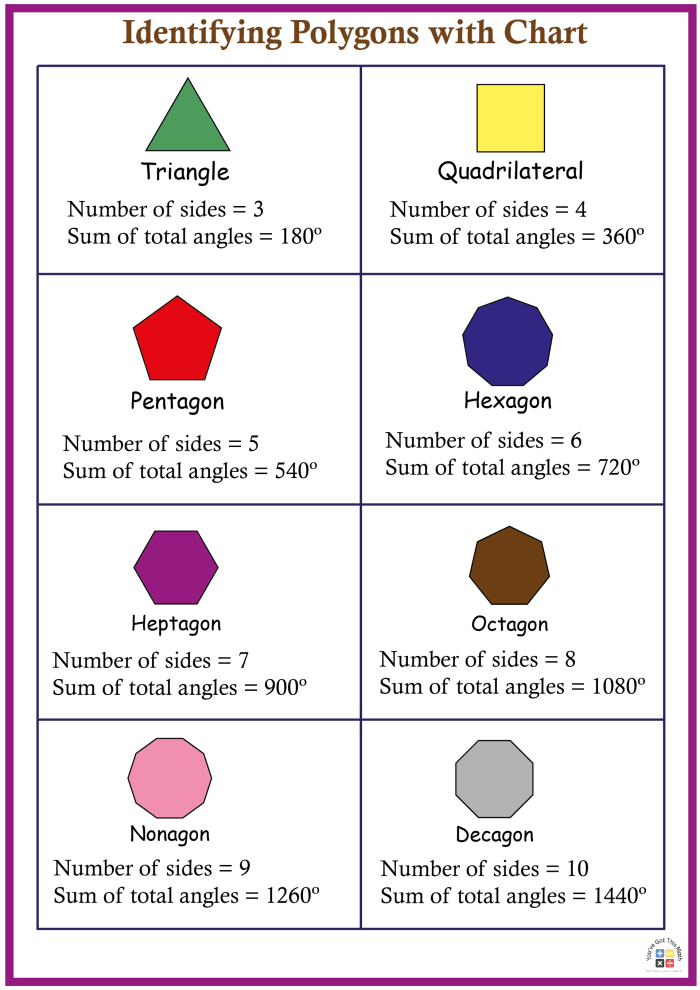
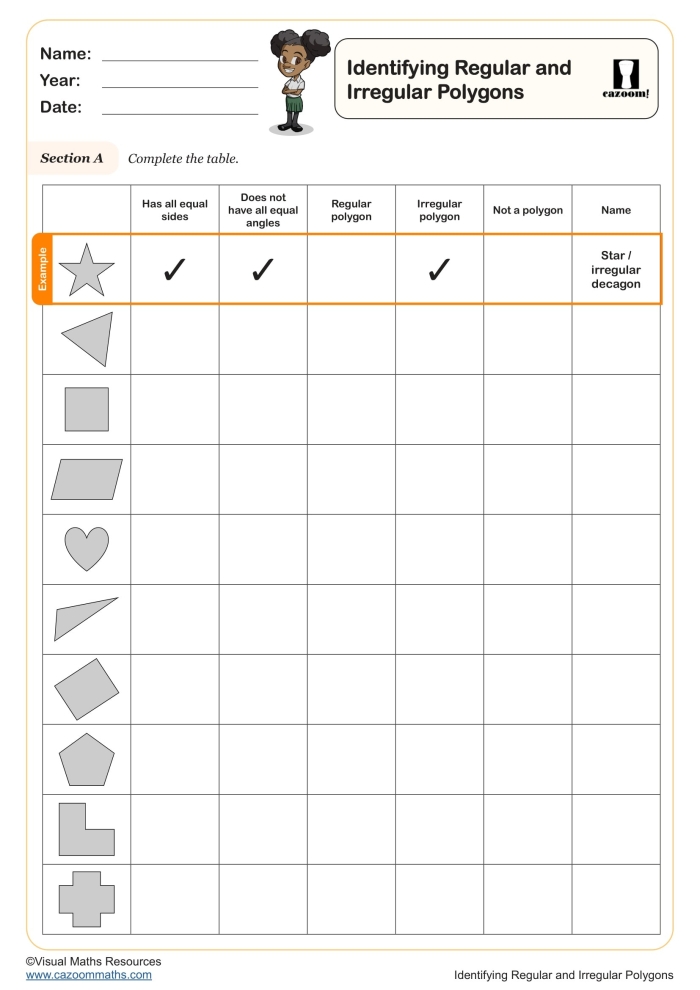
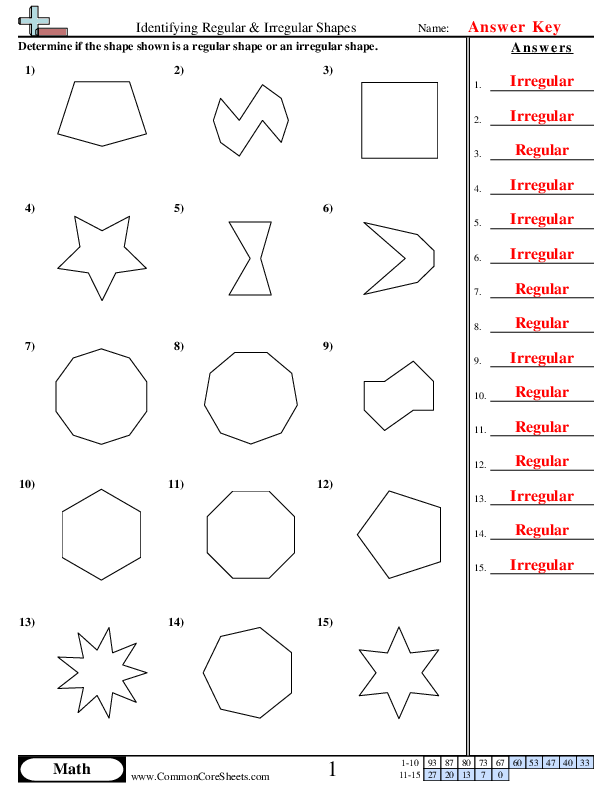
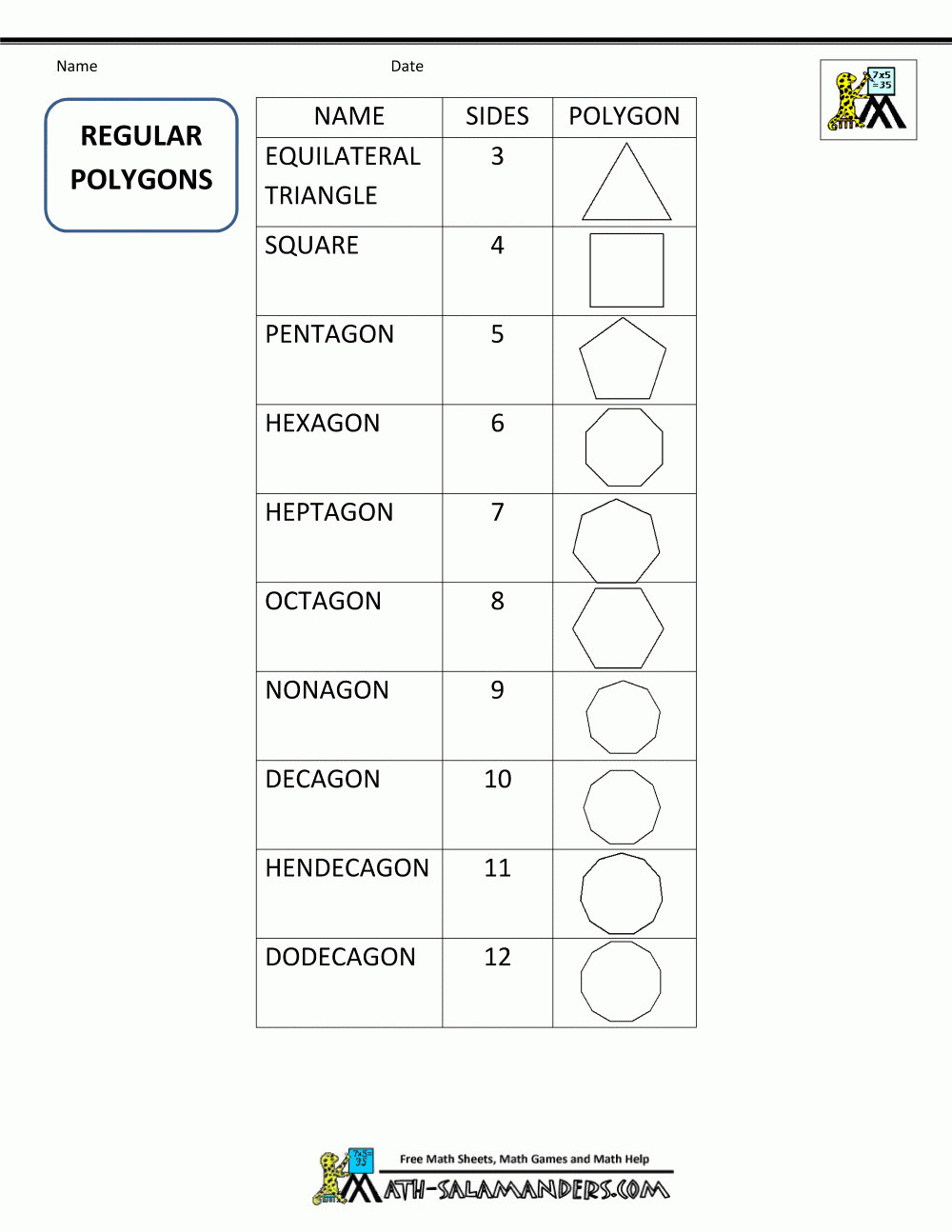
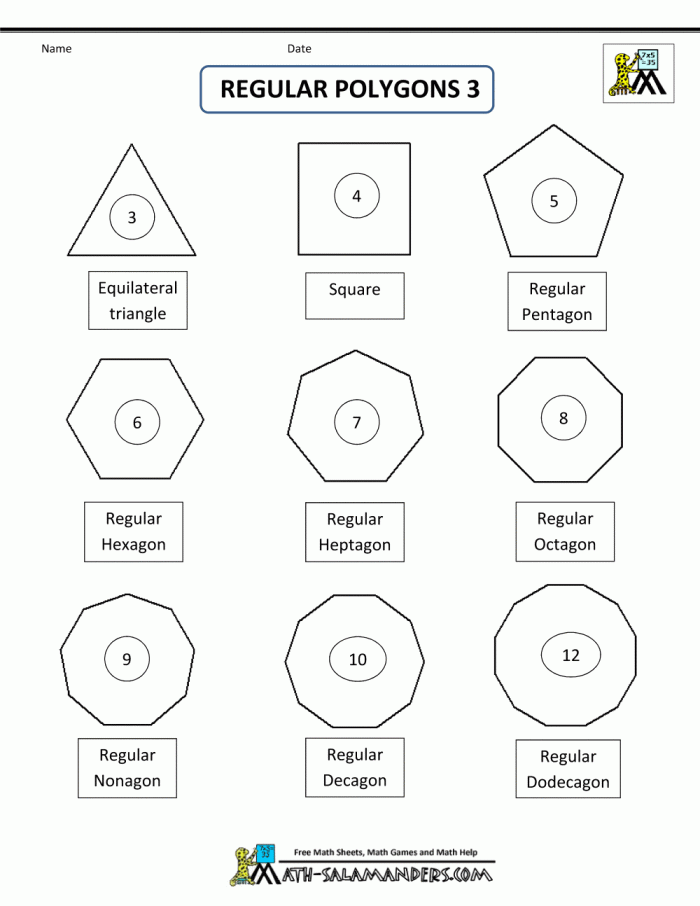
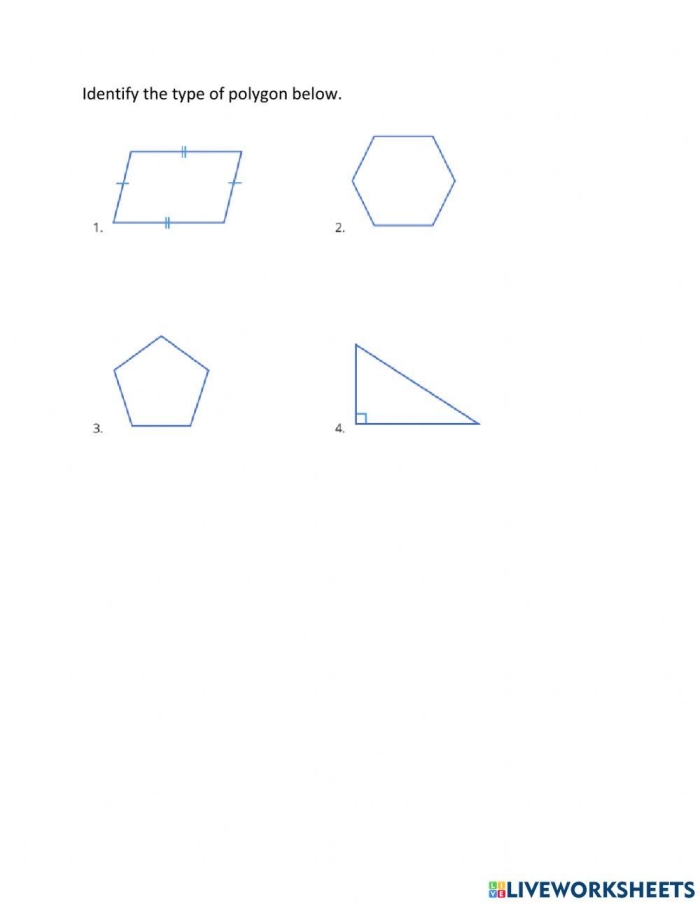
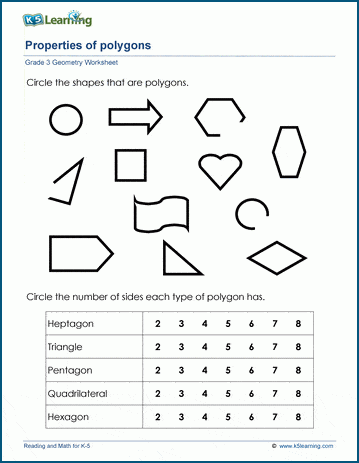
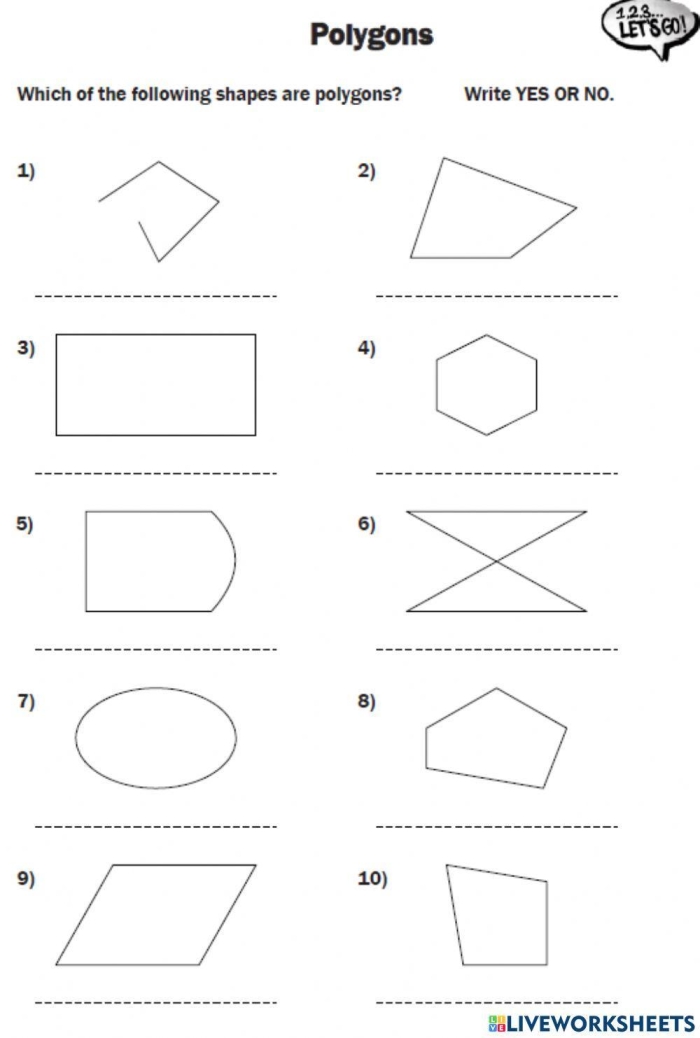
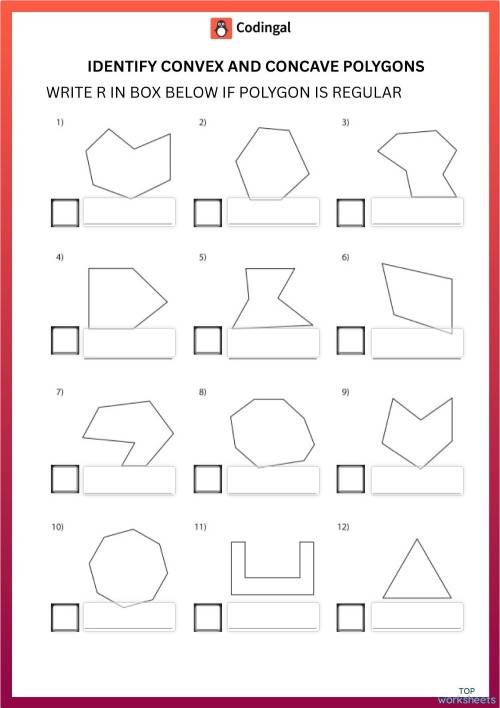
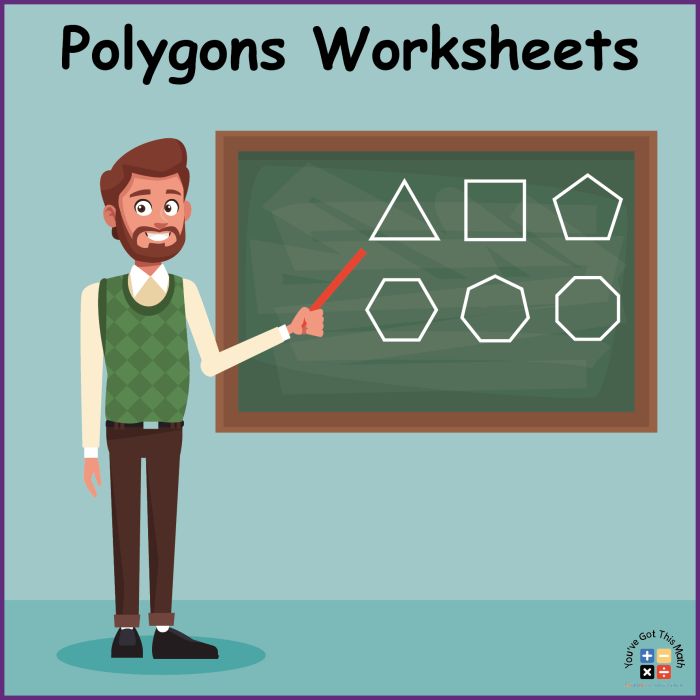
When teaching fifth grade students about polygons, helping them clearly distinguish between regular and irregular types can make a big difference in their understanding of geometry. Regular polygons have all sides and all angles equal, which gives them a predictable, symmetrical shape. Think of a square or an equilateral triangle—each side and angle matches perfectly. This uniformity is what sets regular polygons apart from irregular ones.
Irregular polygons, on the other hand, do not have equal sides or angles. A pentagon with sides of different lengths or angles that vary is irregular. This variety in shape can sometimes confuse students, especially when they first encounter polygons in their Civics and Government curriculum, where geometry often intersects with other subjects. Pointing out that regular polygons are like well-ordered shapes, while irregular ones are more freeform, helps create a mental image they can grasp quickly.
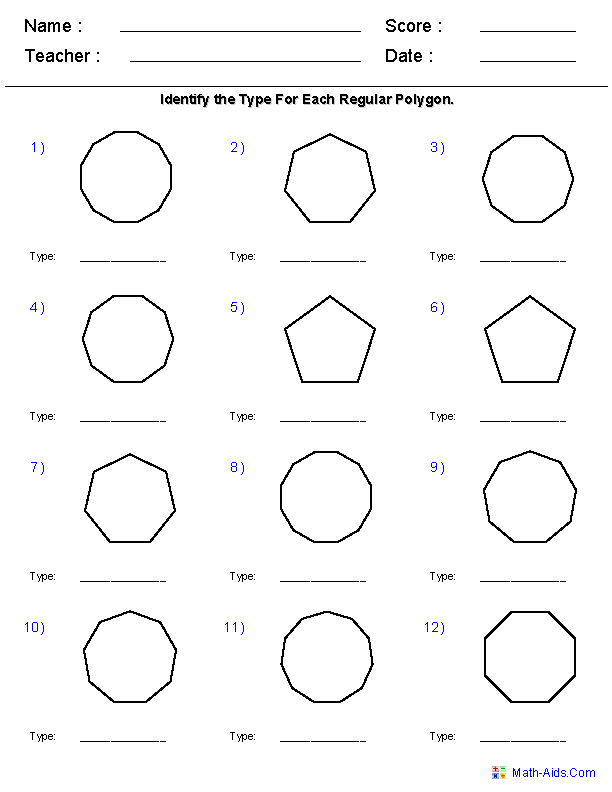
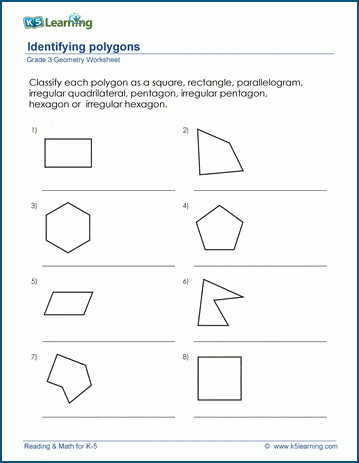
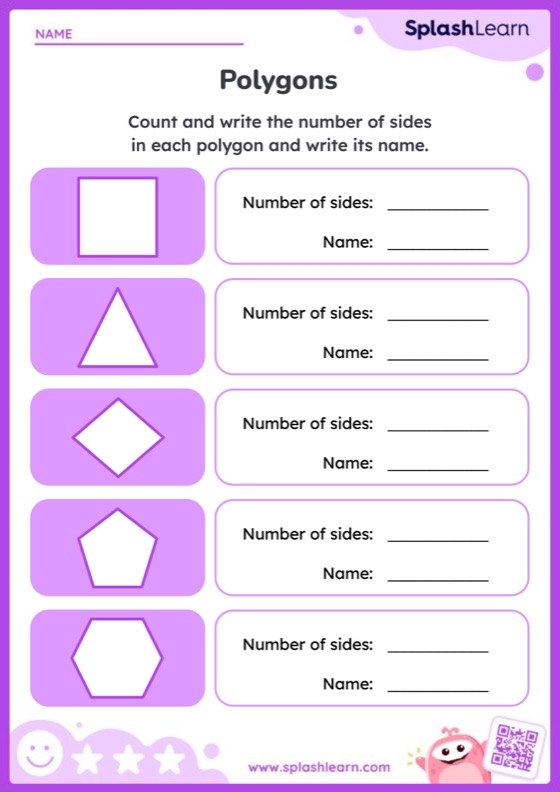
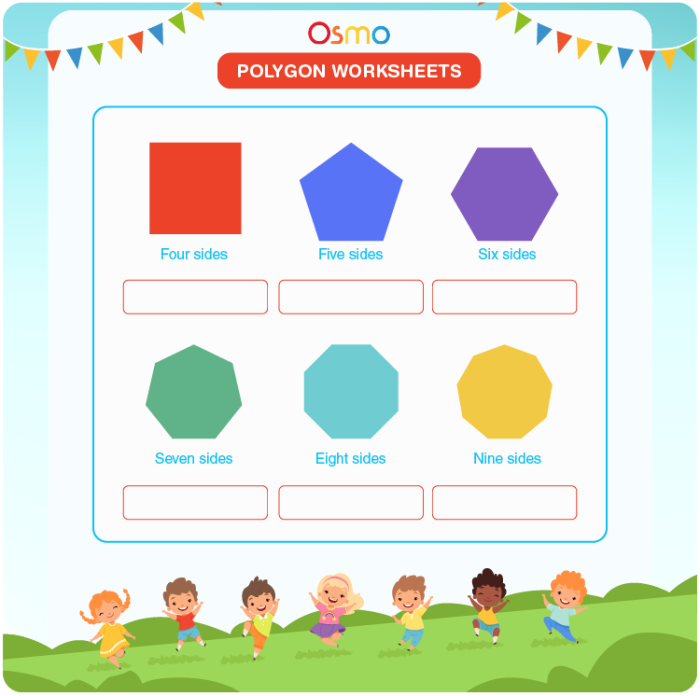
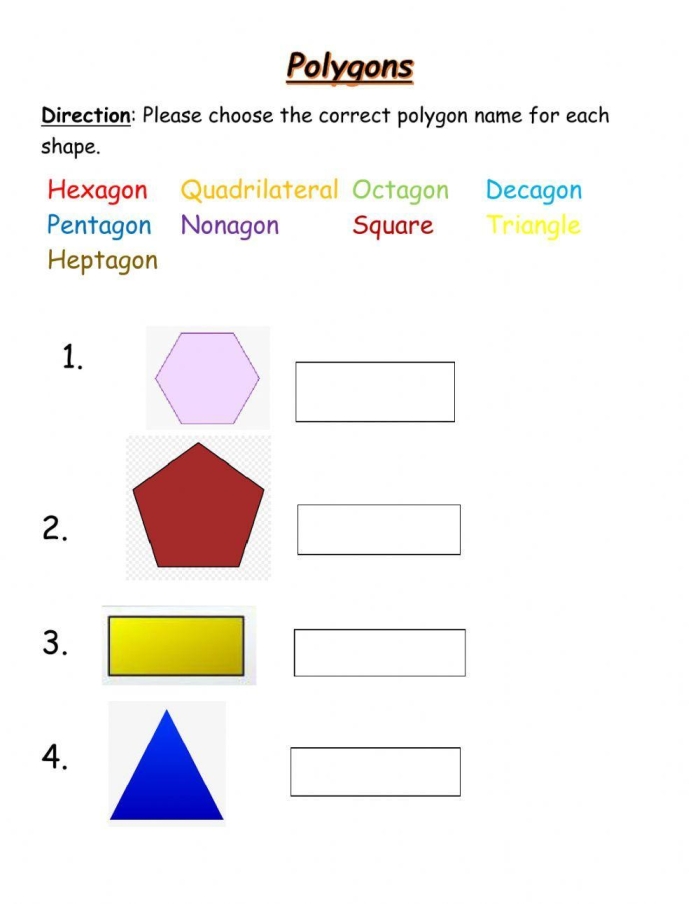
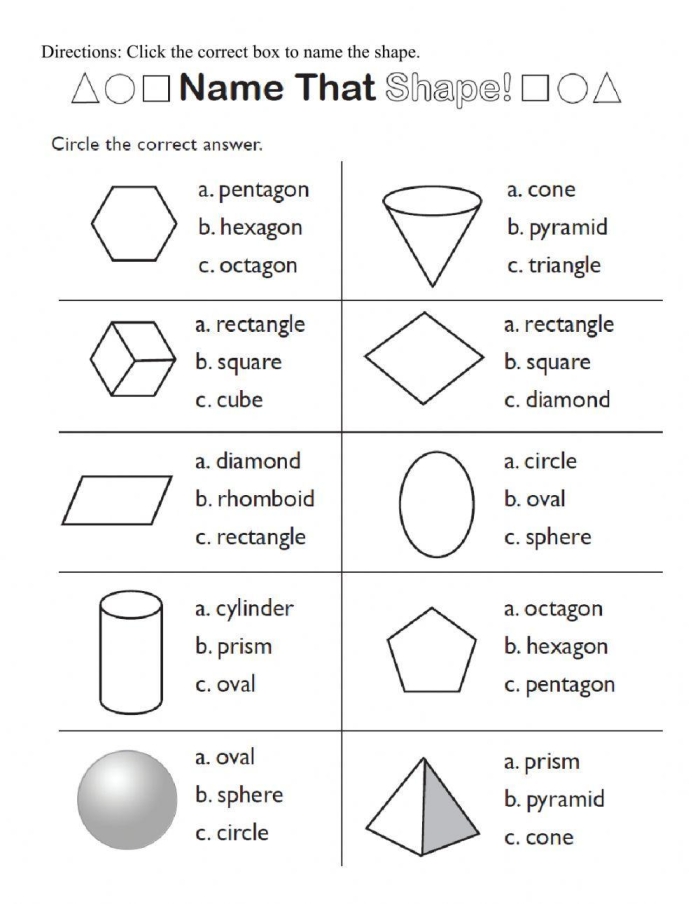
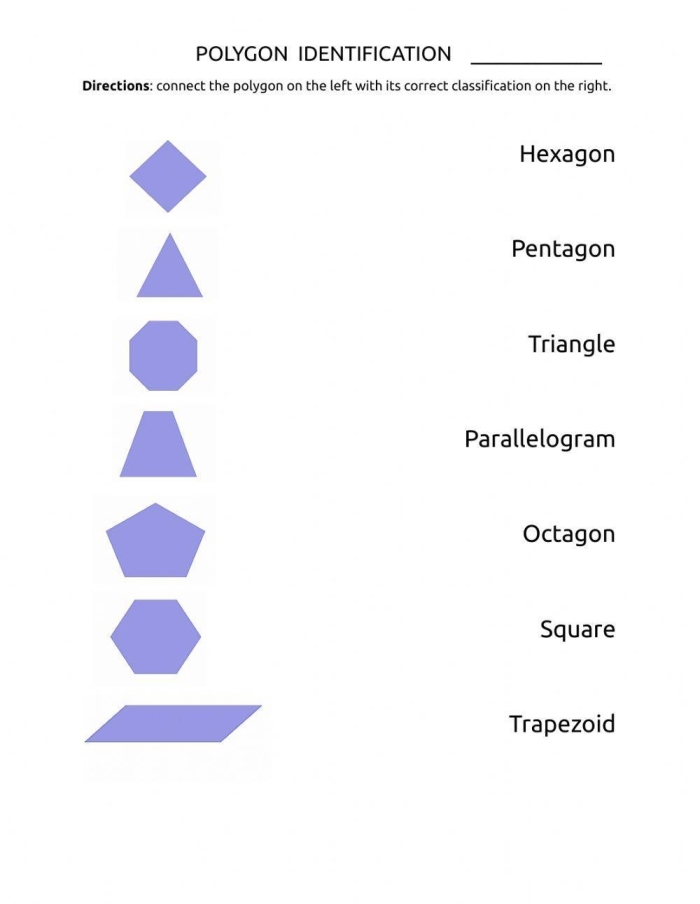
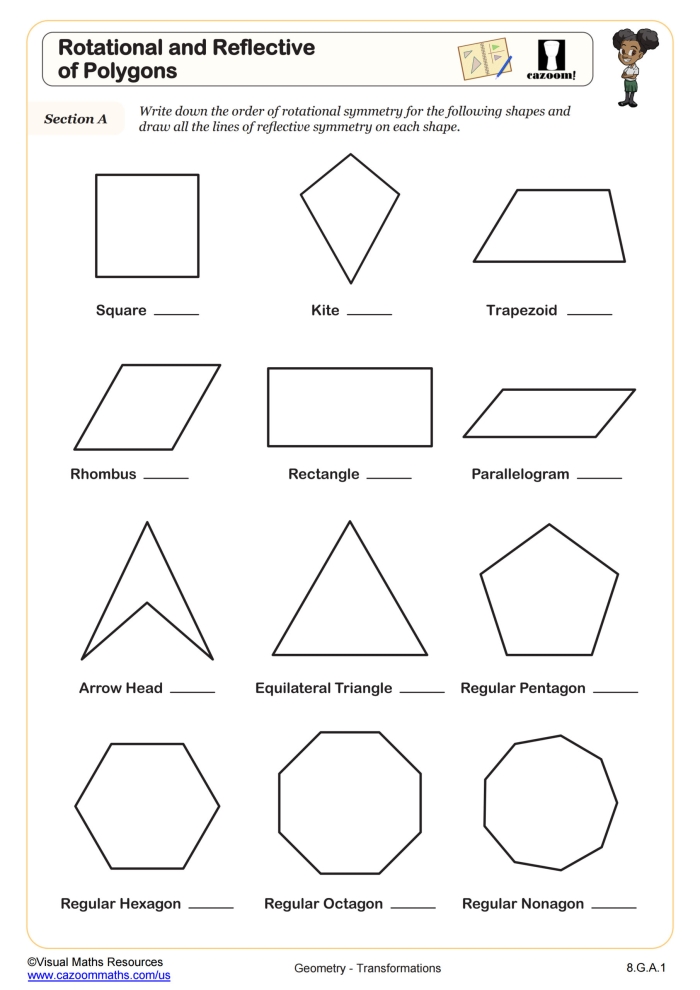
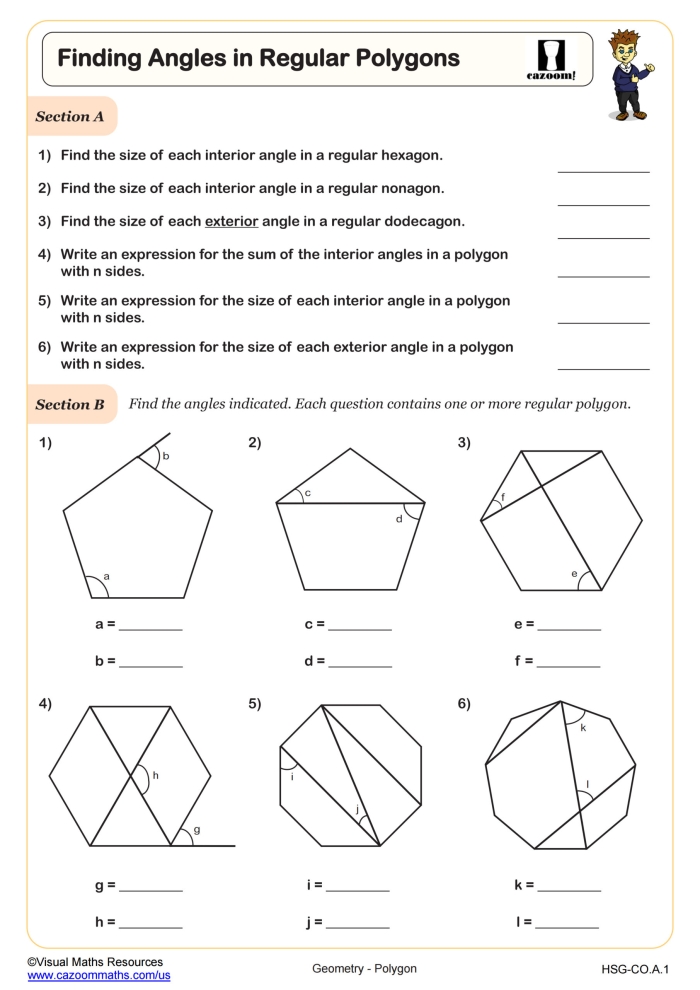
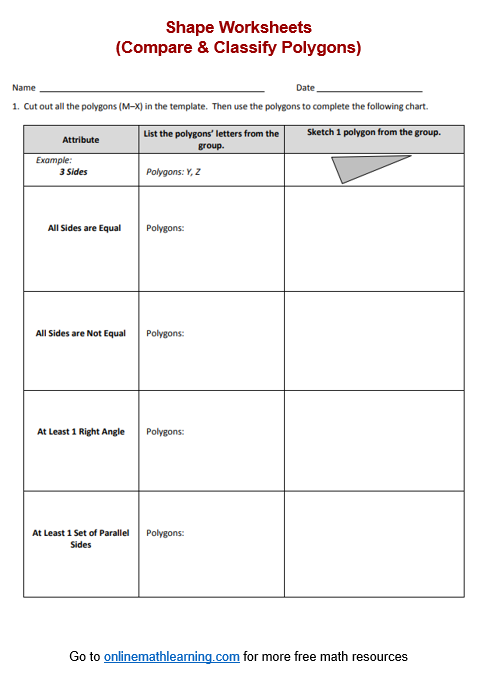
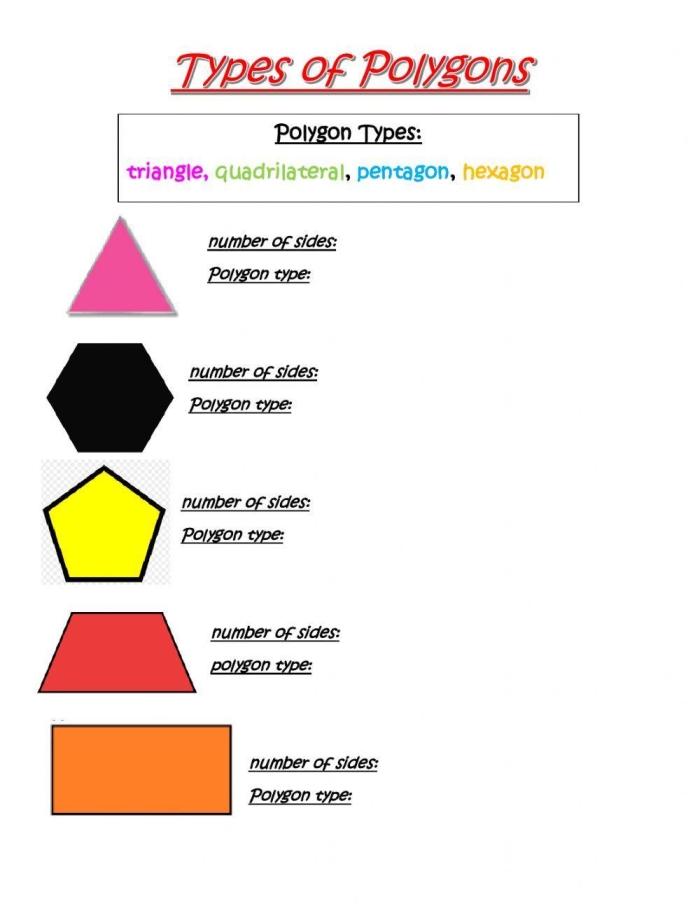
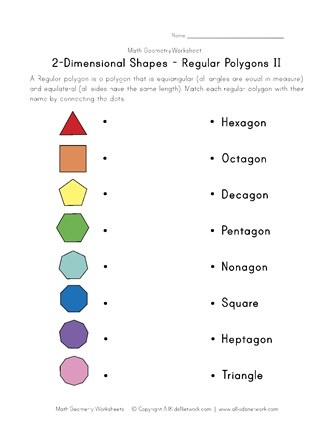
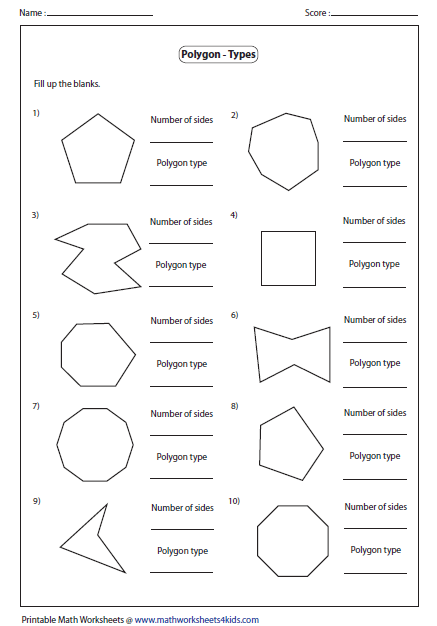
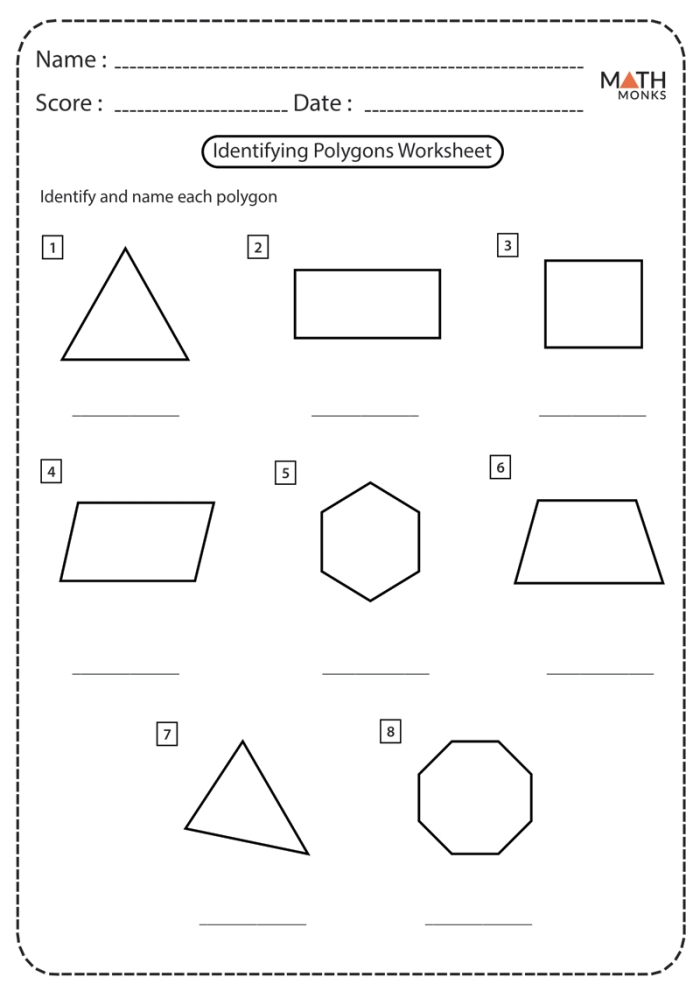
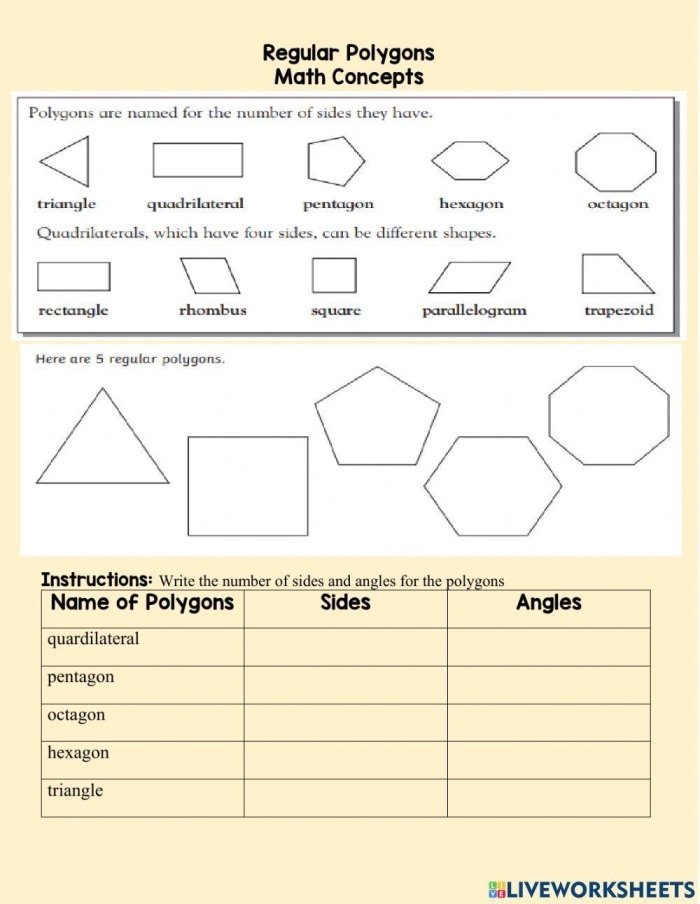
Using printable worksheets focused on identifying polygon types allows students to practice spotting these differences through examples and exercises. For instance, they can measure sides and angles or visually compare shapes, reinforcing the concept through hands-on learning. This kind of practice is especially useful in a fifth grade Civics and Government setting, where connecting math skills with real-world applications improves retention.
One practical tip is to encourage students to look at the angles first. If all angles measure the same, then the polygon is likely regular. Measuring sides comes next, confirming whether the shape fits that category. It’s a straightforward method that also builds critical thinking skills. Additionally, integrating these geometric concepts with other subjects, like using outlines in writing or understanding parts of speech, can create a richer learning experience, similar to what you might find in resources about how to outline an essay or parts of speech in the same grade.
Helping students differentiate these polygon types not only strengthens their geometry skills but also supports their overall analytical abilities, which are valuable across many subjects in fifth grade and beyond.
Hands-On Worksheet Activities