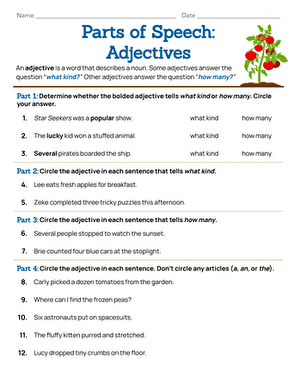
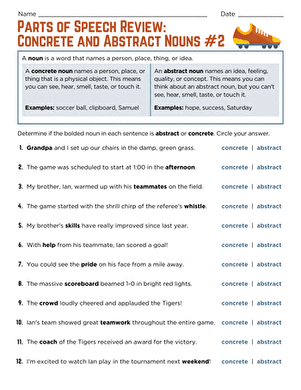
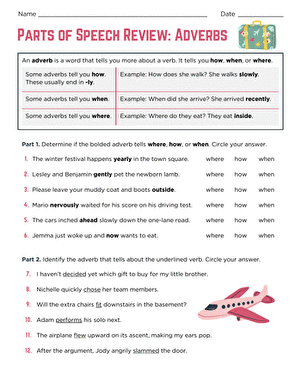
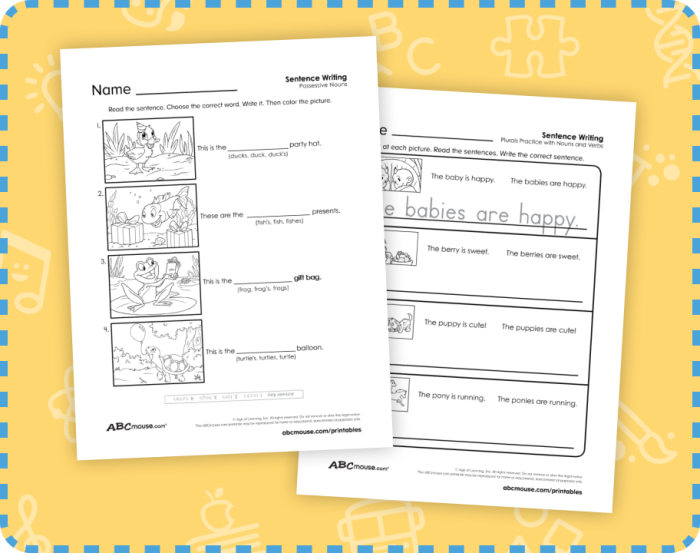
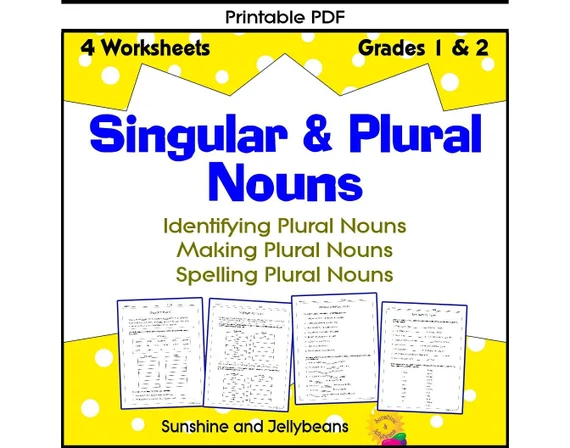
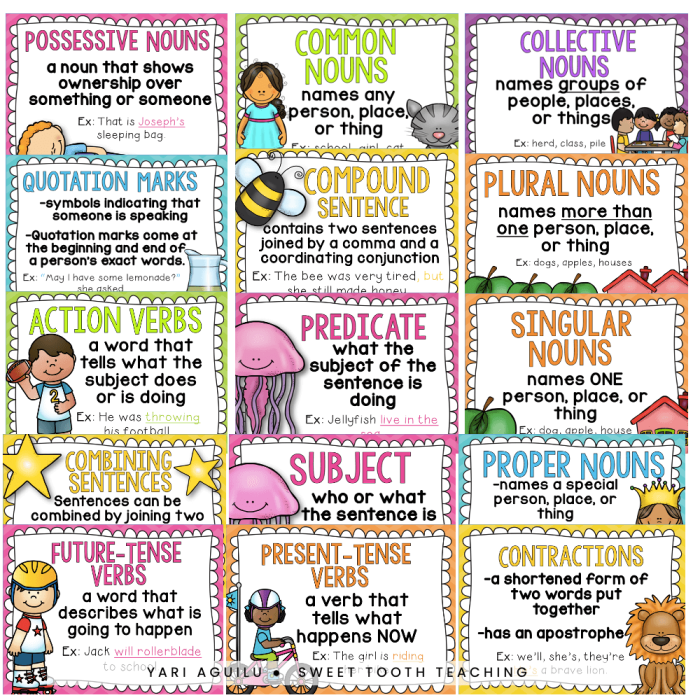
Plural nouns trip up more fifth graders than you’d expect. Students who can identify singular nouns perfectly often stumble when asked to convert them to their plural forms, especially when irregular patterns enter the mix. A solid parts of speech review focused on plural nouns can bridge this gap and reinforce the foundational skills that matter for reading and writing.
The challenge with plural nouns isn’t just about adding an “s” to the end of a word. Fifth and sixth graders encounter exceptions constantly. Words like “child” become “children,” “mouse” becomes “mice,” and “goose” becomes “geese.” Then there are nouns that stay the same in both singular and plural forms, like “sheep” and “deer.” Without practice, these irregular patterns stick in short-term memory and vanish by test time.
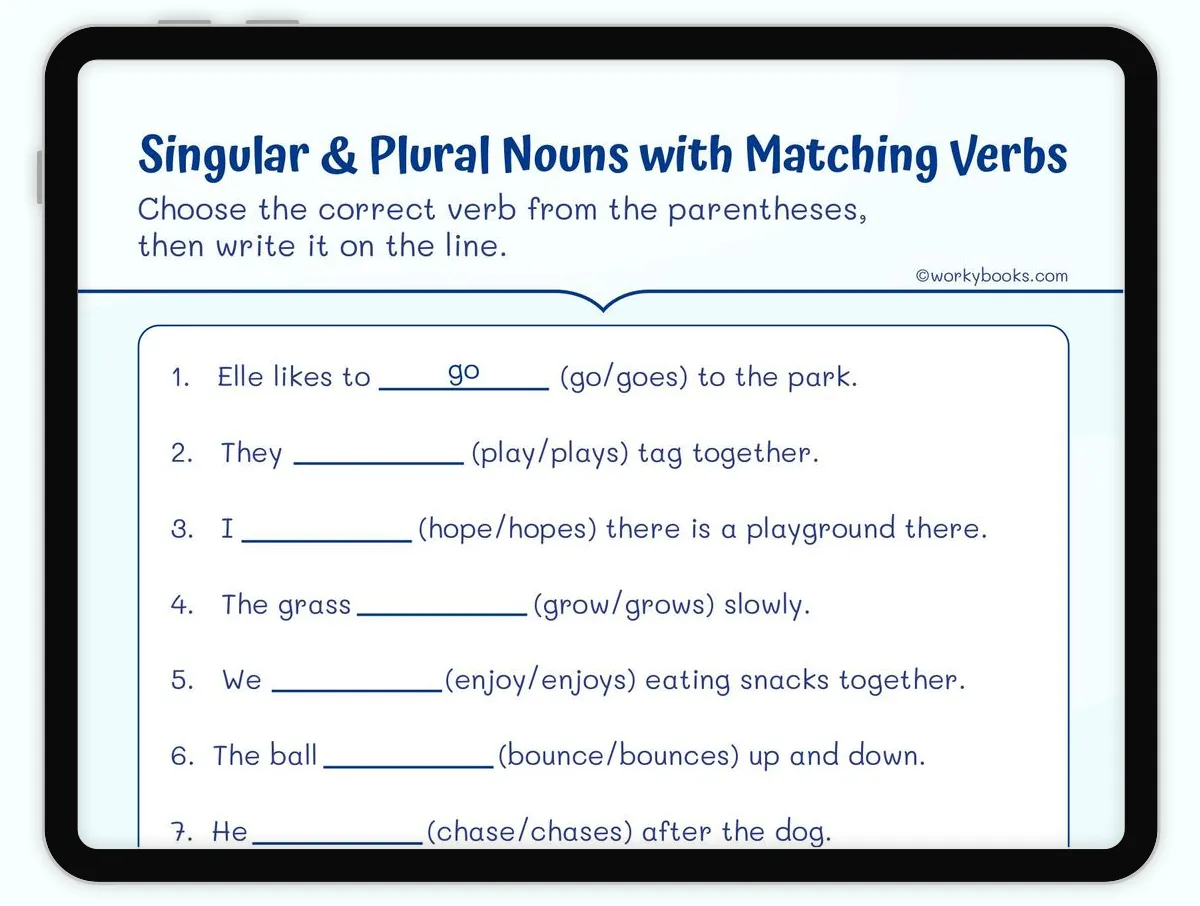
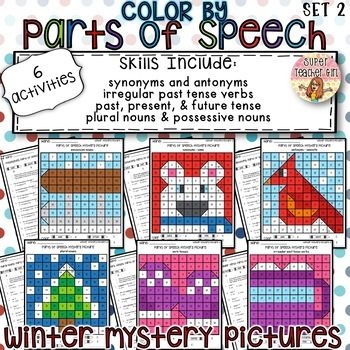
A targeted worksheet approach works because it isolates this specific grammar skill. Rather than mixing plural nouns with ten other concepts, a focused review lets students practice the patterns they actually need to master. They can work through regular plurals first, then tackle irregular forms, and finally test themselves on mixed examples. This scaffolding approach builds confidence gradually.
The civics and government curriculum in fifth grade often requires students to read and write about multiple people, places, and institutions. When students understand how to form and recognize plural nouns correctly, their writing becomes clearer and more professional. A student writing about “congress members” or “state governments” needs to handle plurals with confidence.
Beyond worksheets, students benefit from seeing how these skills connect to real writing tasks. Whether they’re working on how to outline an essay or studying other grammar fundamentals, plural nouns form the building blocks of clear communication. Regular practice with these worksheets ensures students move forward with solid grammar foundations.
Start Practicing with These Worksheets