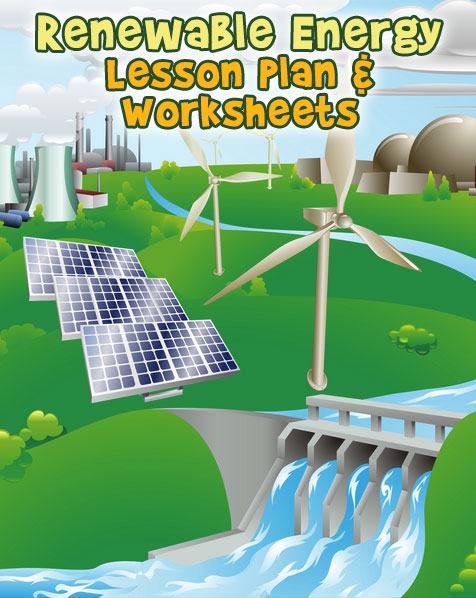
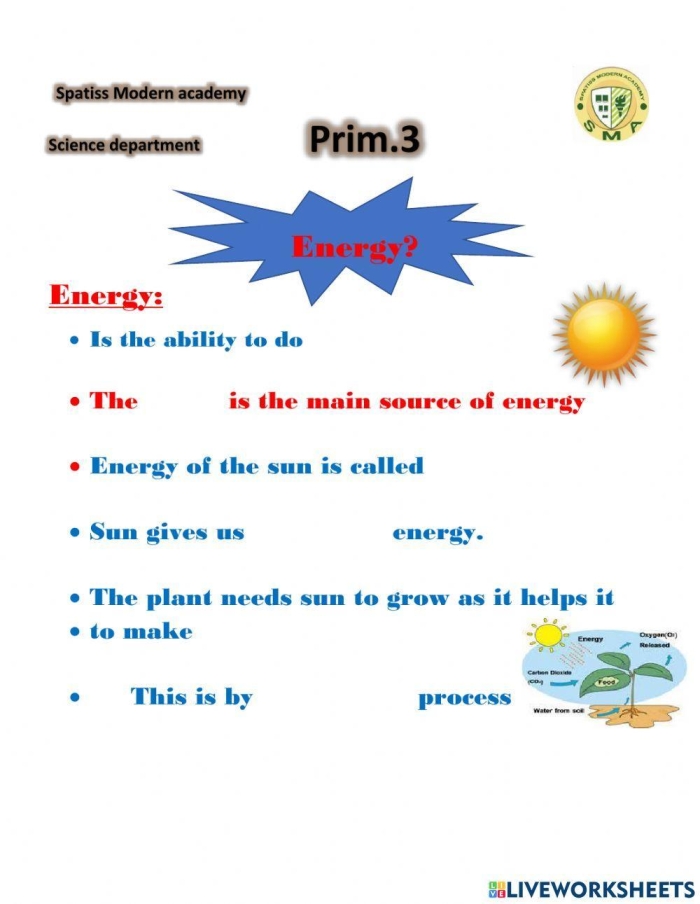
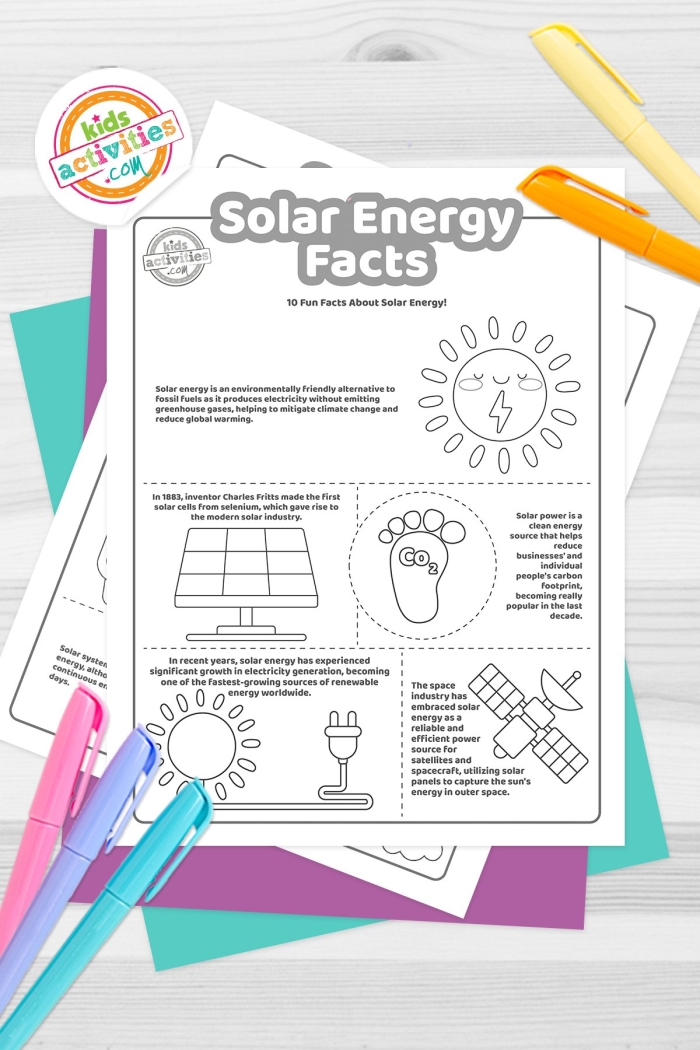
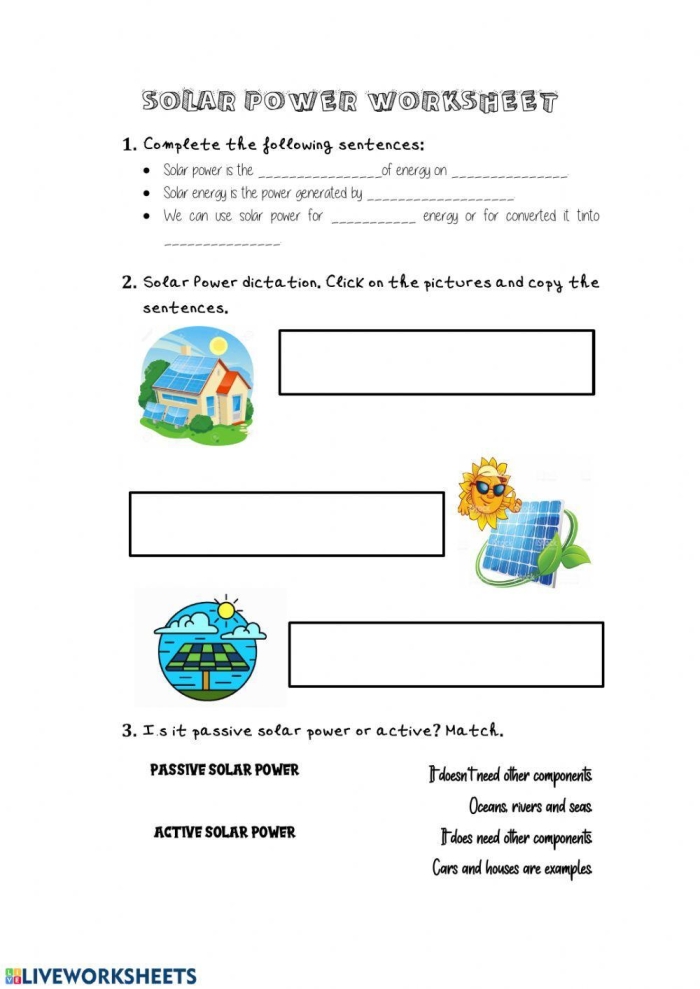
Solar energy is the light and heat that we receive from the sun, and it plays a crucial role in our lives. This energy is harnessed in various ways, making it one of the most significant renewable energy sources available today. From powering our homes to fueling cars, the sun’s energy is a powerful resource that we can utilize.
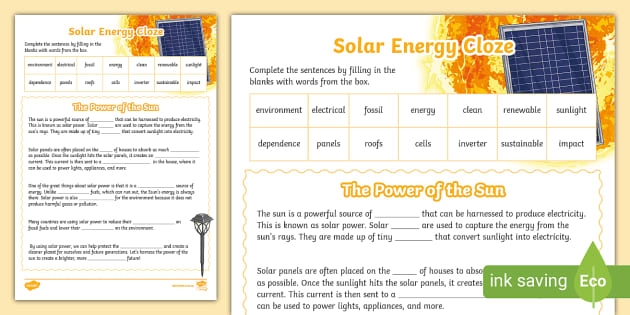
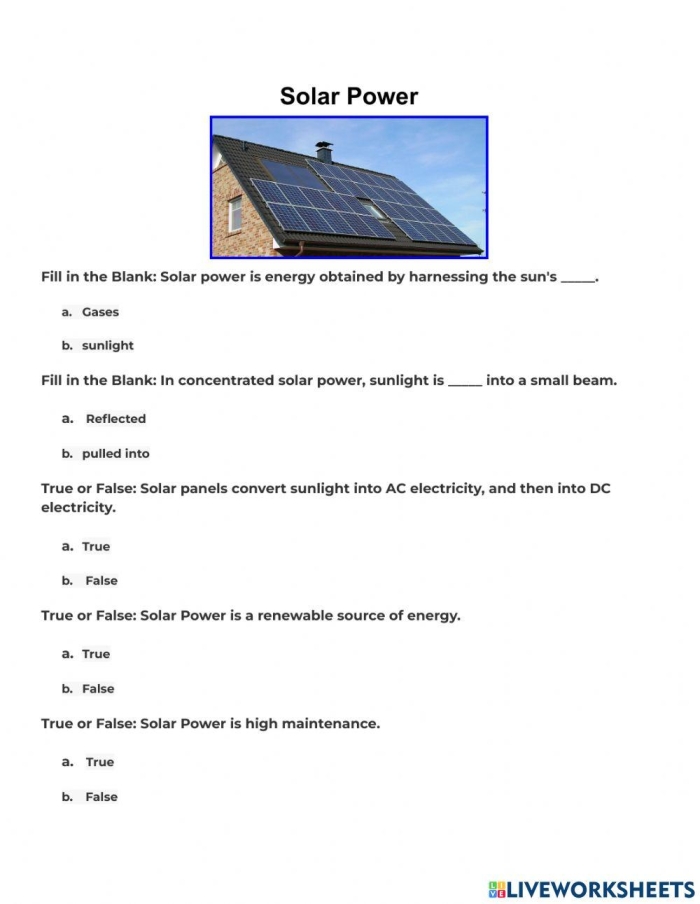
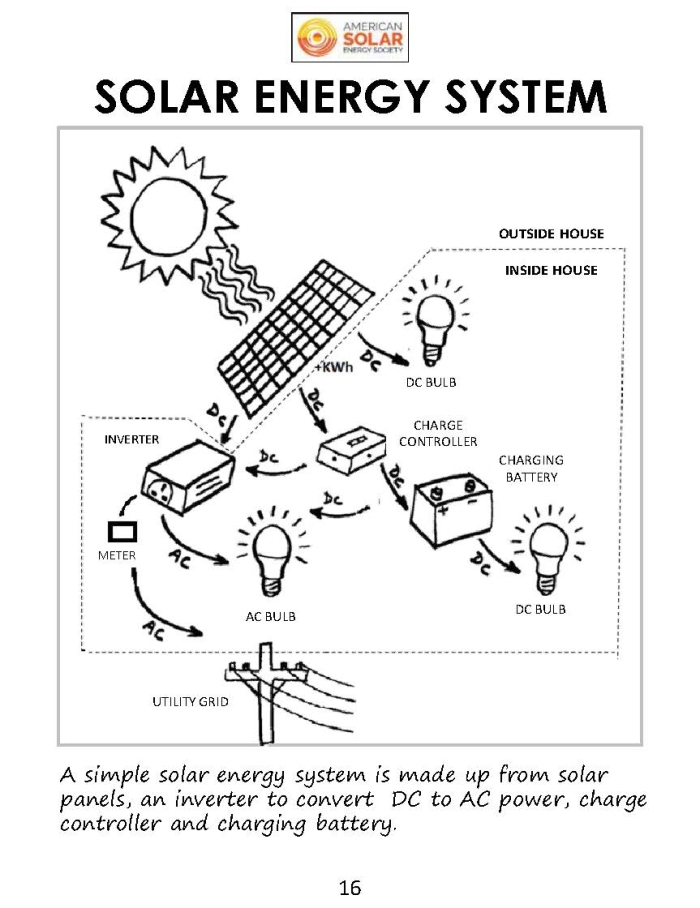
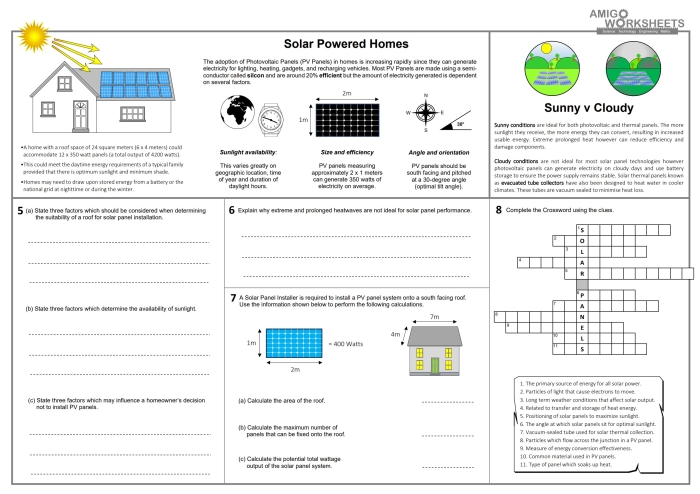
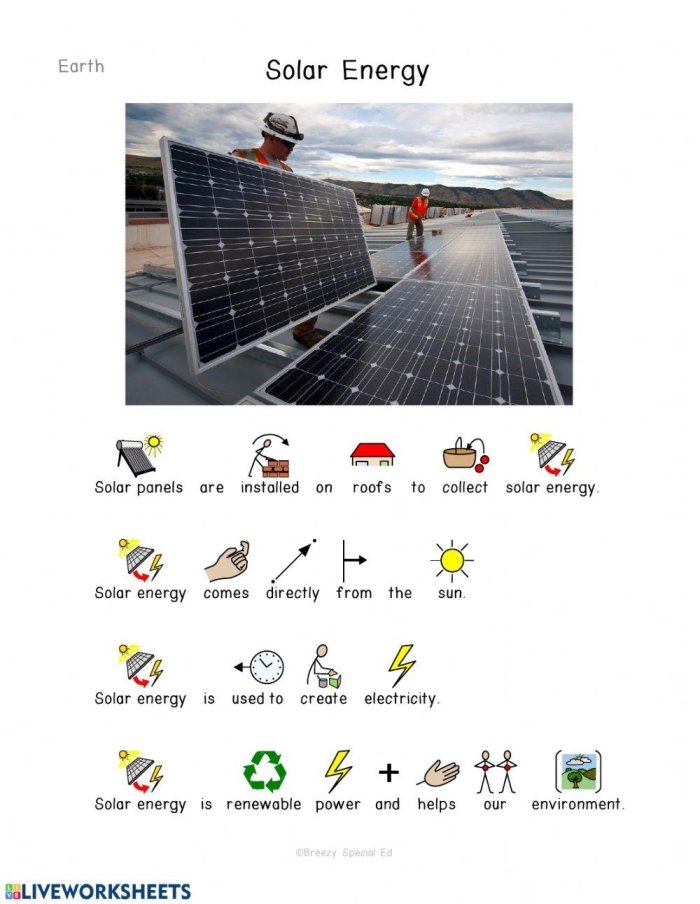
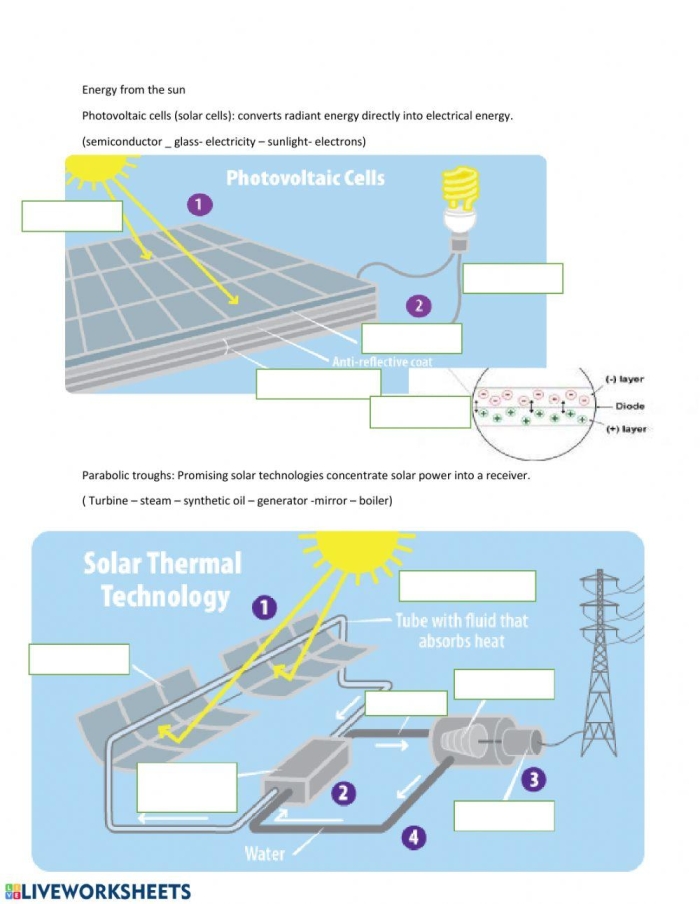
One of the most common methods to capture solar energy is through solar panels. These panels are installed on rooftops or in large fields and convert sunlight into electricity. For example, when sunlight hits the solar cells within the panels, it creates an electric current that can power appliances, lights, and even entire homes. This process not only helps reduce electricity bills but also decreases our reliance on fossil fuels, contributing to a cleaner environment.
In addition to generating electricity, solar energy can also be used for heating purposes. Solar thermal systems collect sunlight to heat water or air for residential and commercial use. This method is often seen in solar water heaters, which can significantly reduce energy costs in homes. The versatility of solar energy makes it a valuable asset for both individuals and communities.
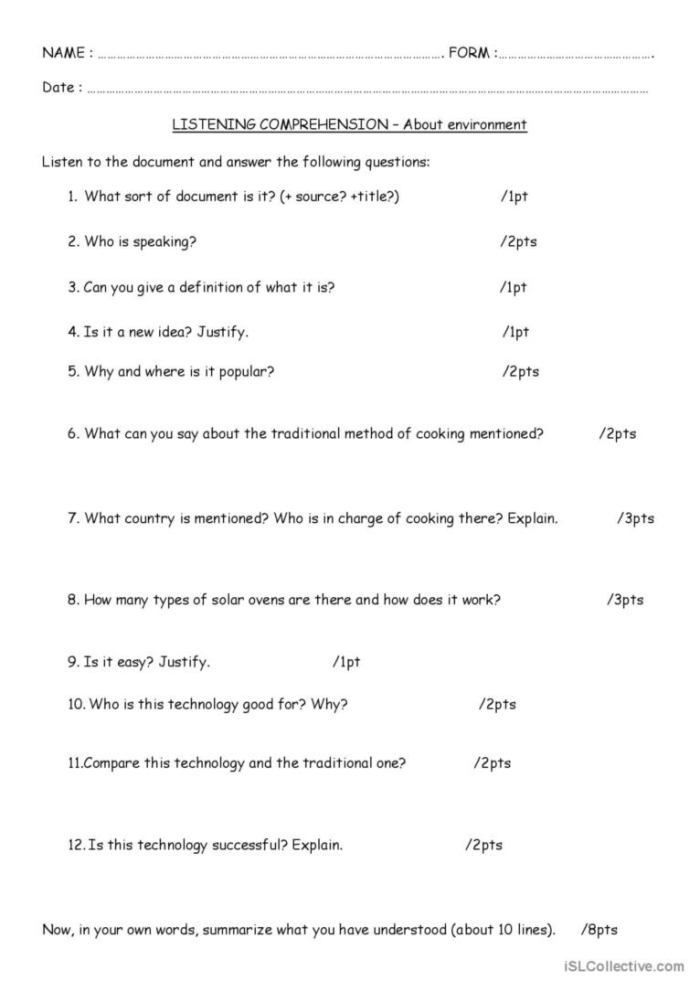
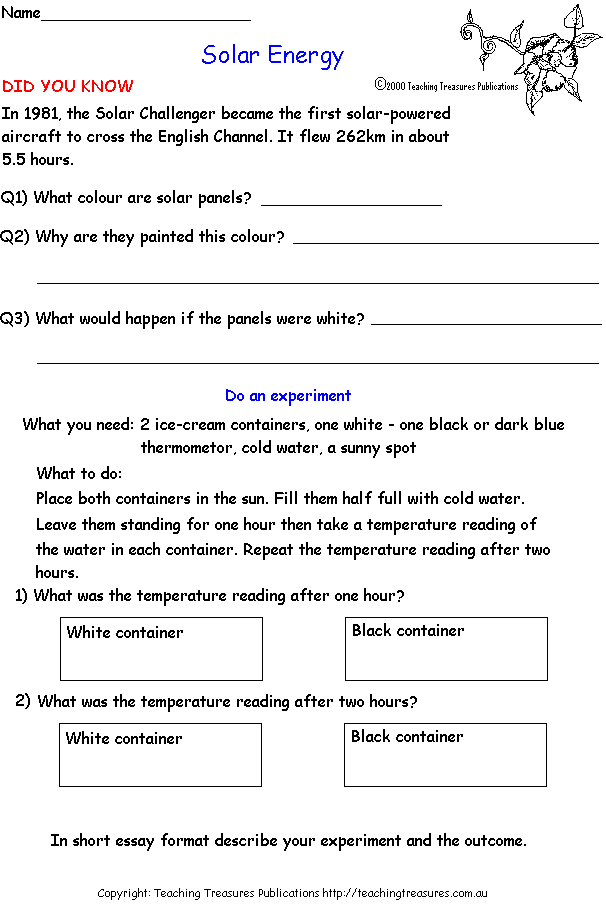
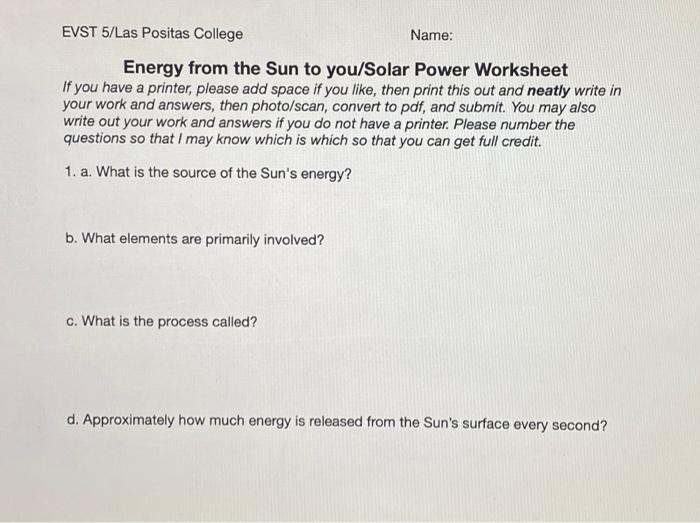
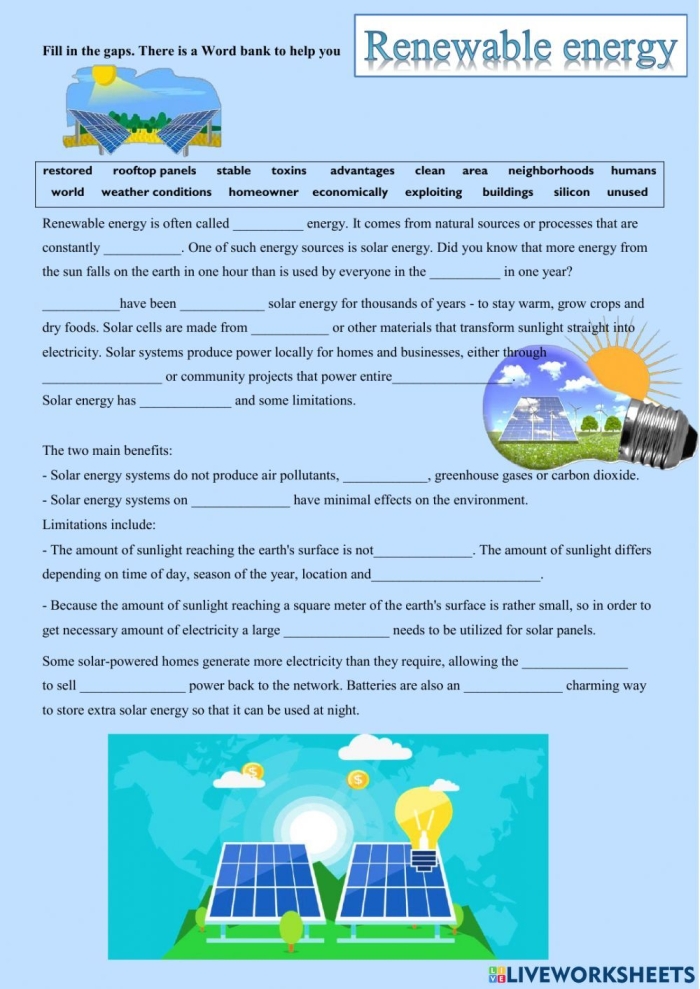
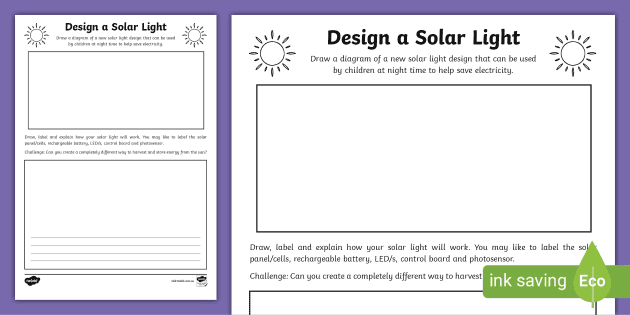
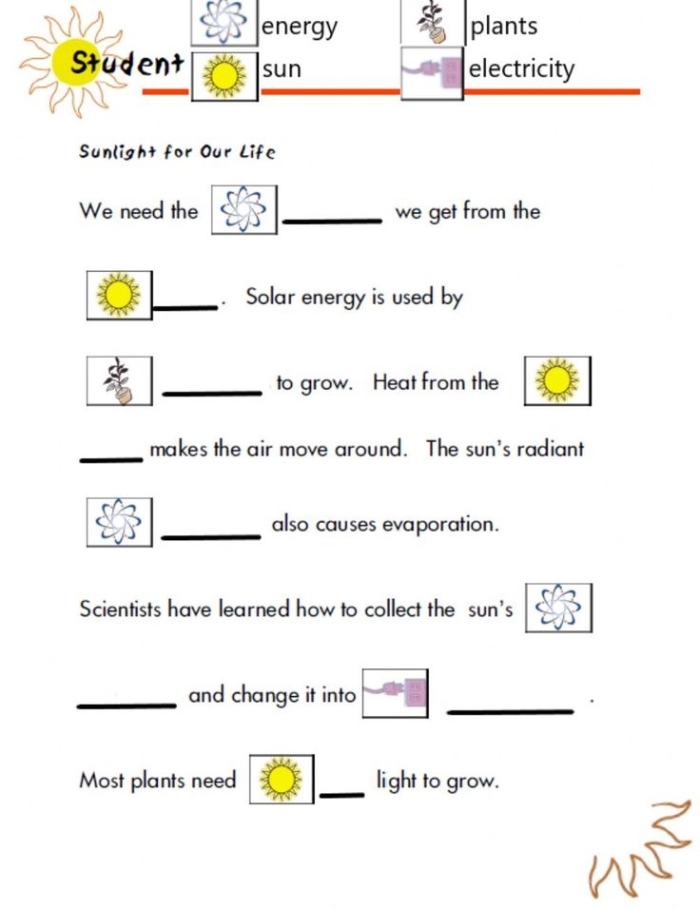
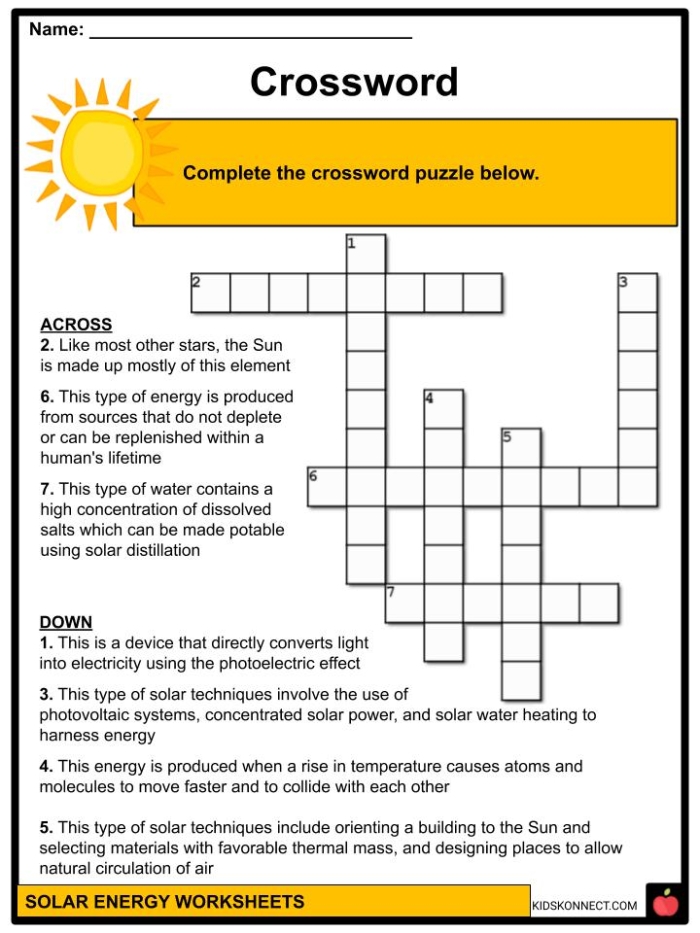
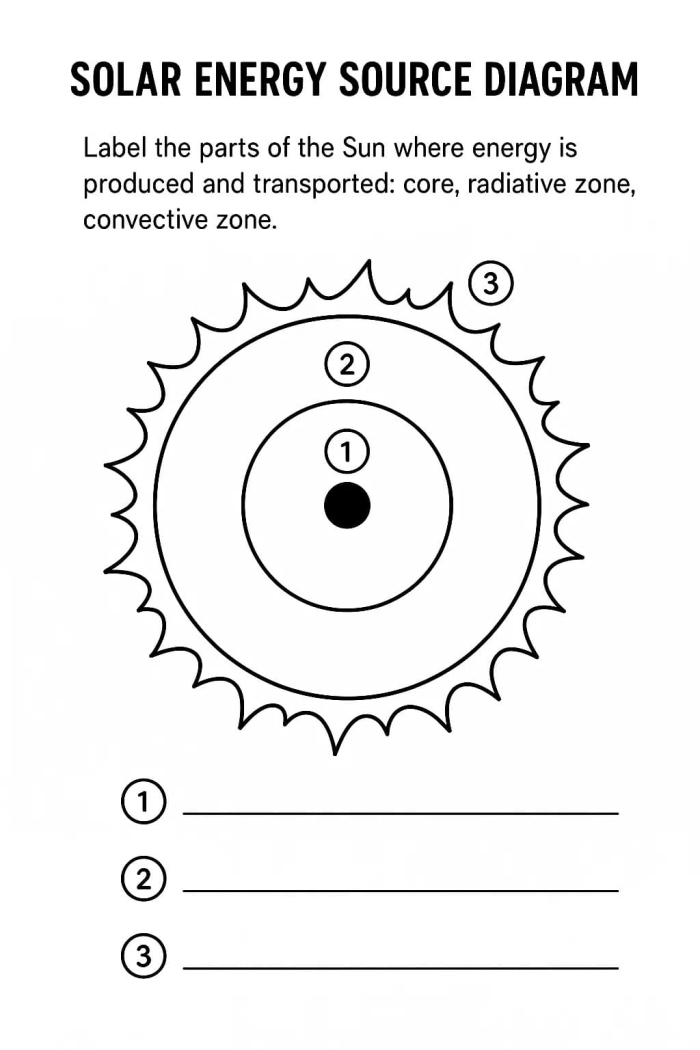
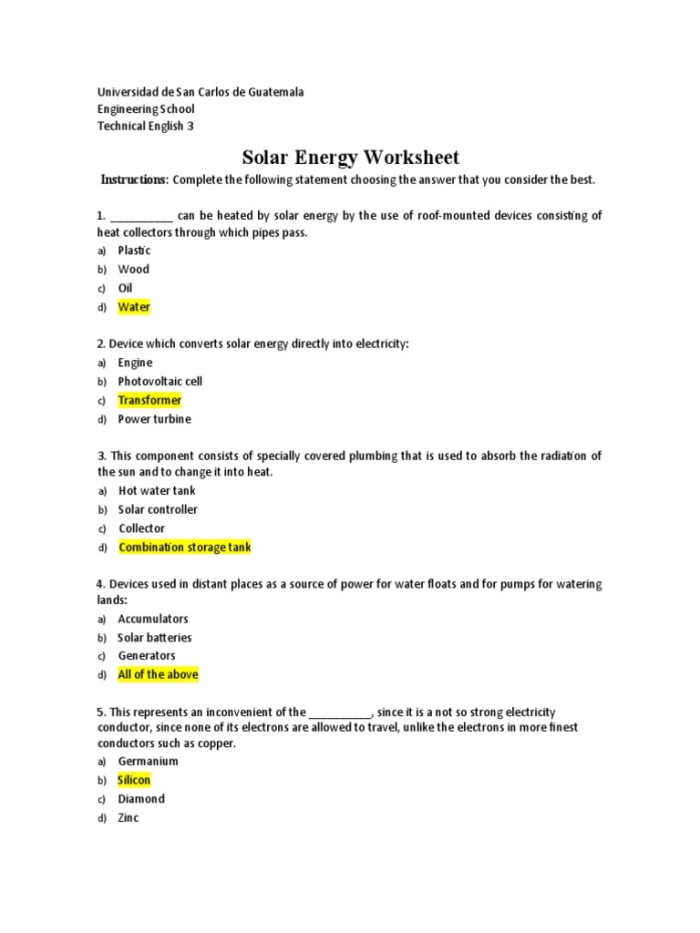
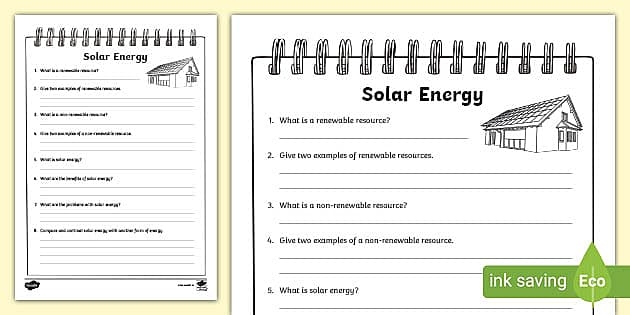
Understanding solar energy is an essential part of Earth and Space Science, especially for third graders. Learning about how the sun’s energy can be transformed into usable power helps children appreciate the importance of renewable resources. To reinforce this knowledge, students can complete a worksheet that focuses on solar energy. This hands-on activity not only enhances their understanding but also encourages them to think critically about energy sources.
If you want to explore more about Earth and Space Science, consider checking out resources like rock cycle worksheets or division word problems. These materials can provide additional context and learning opportunities for young students.
Boost Skills with These Worksheets