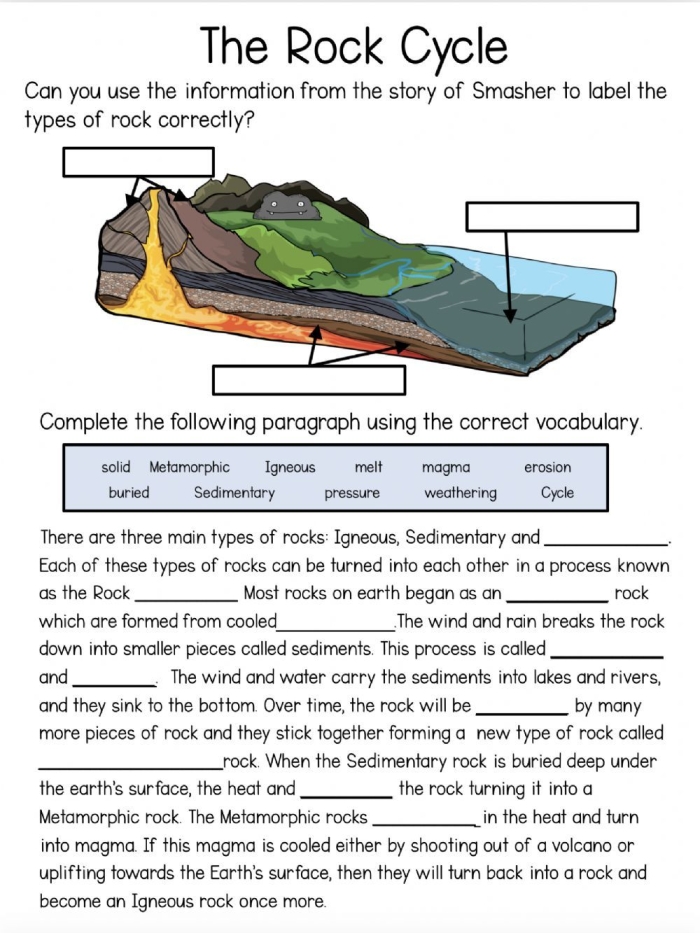
The rock cycle is a fascinating process that explains how rocks transform from one type to another over time. Understanding this cycle is essential for students in the third grade, especially within the Earth and Space Science curriculum. The rock cycle involves three main types of rocks: igneous, sedimentary, and metamorphic. Each type plays a crucial role in the cycle, and knowing how they interact helps us appreciate the dynamic nature of our planet.
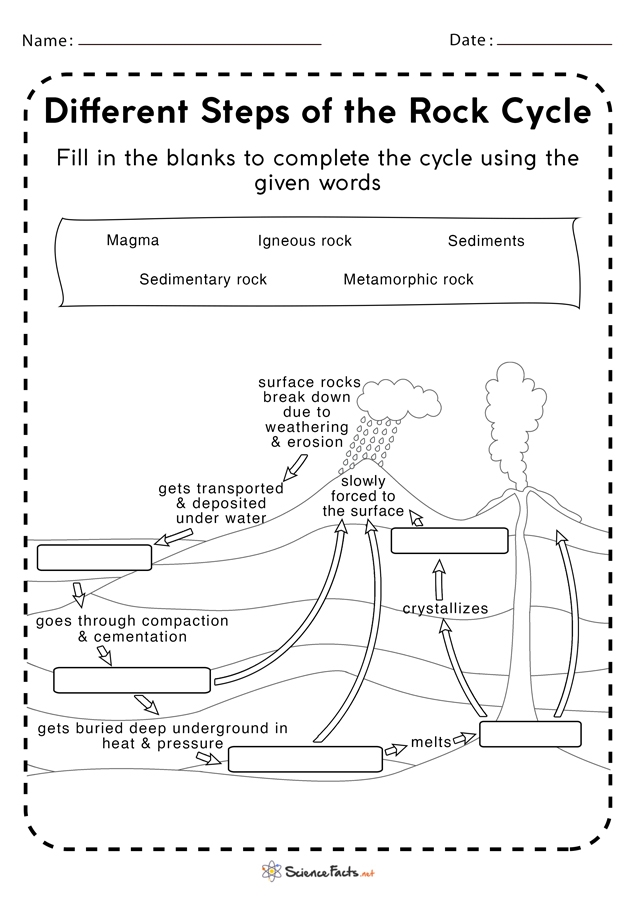
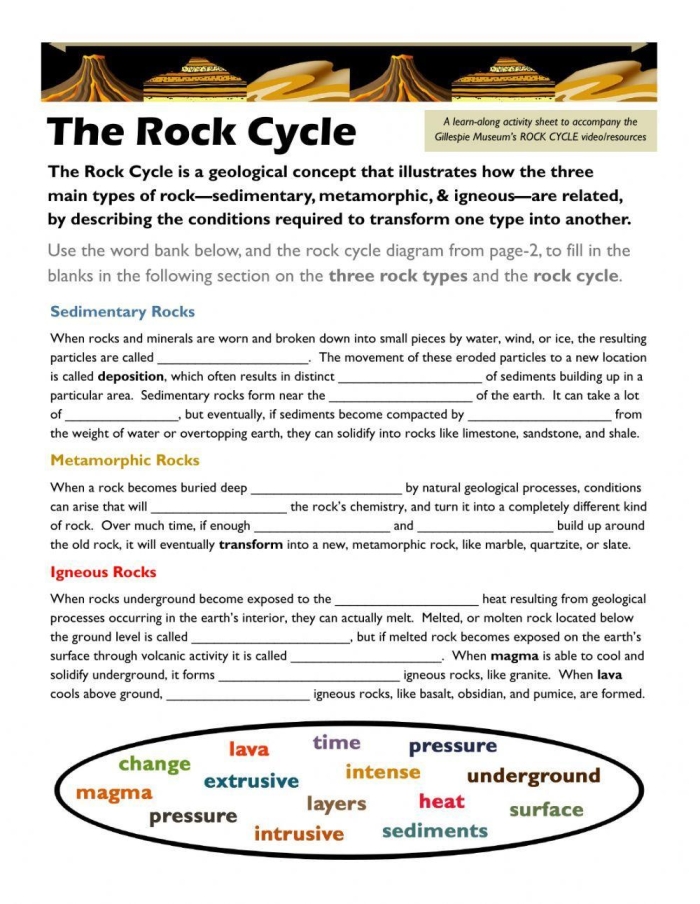
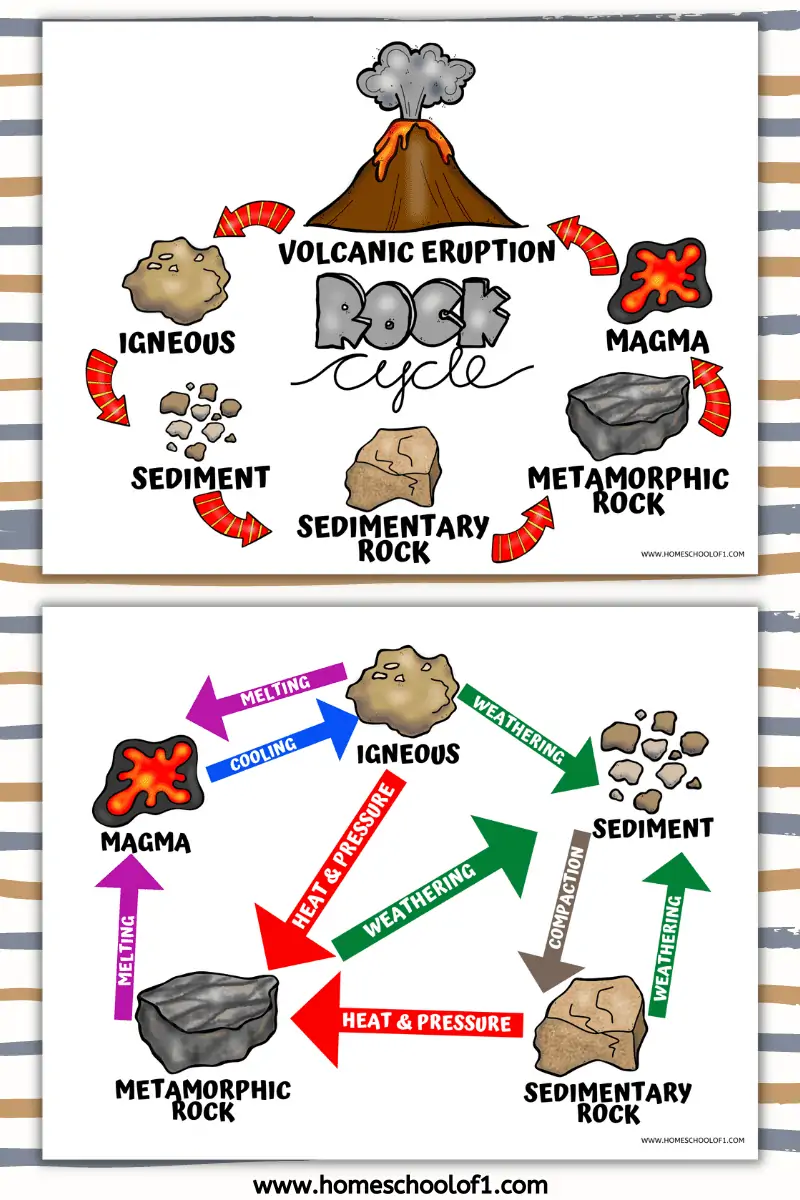
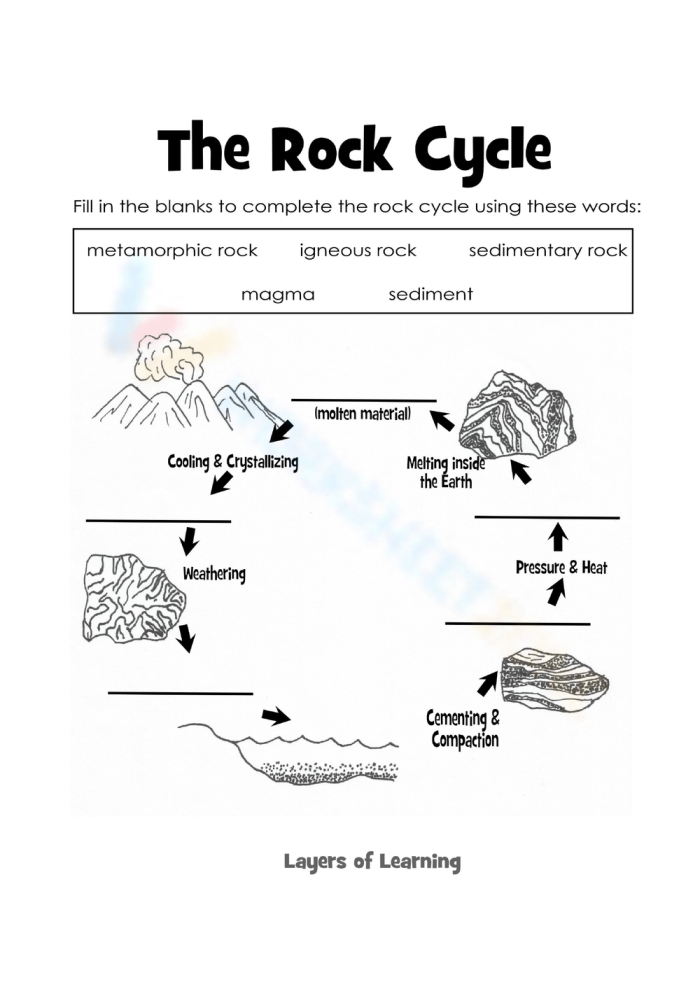
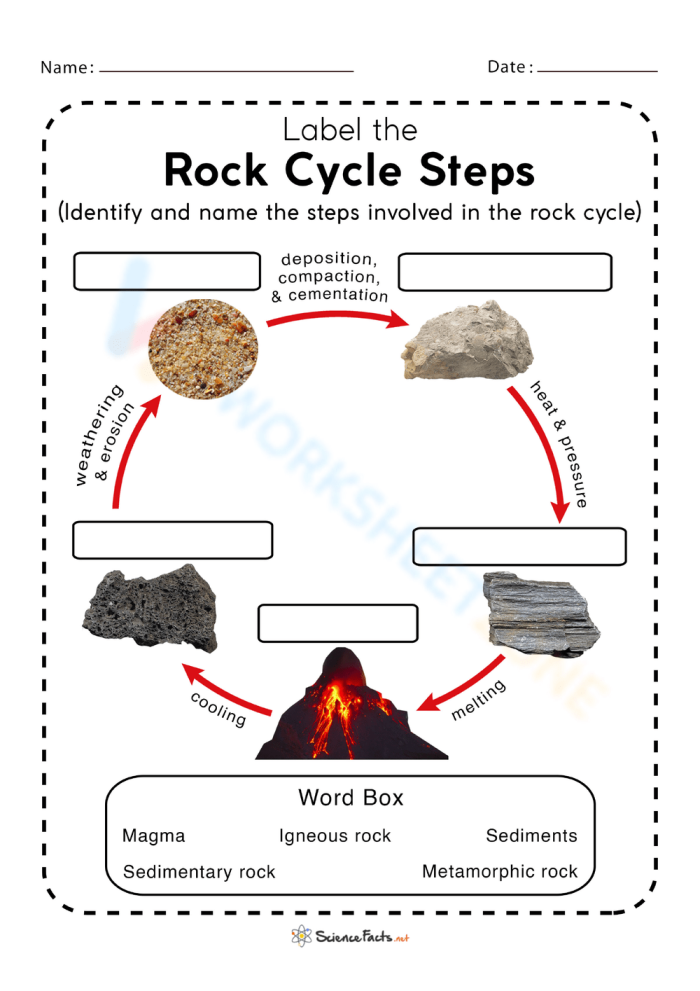
At the heart of the rock cycle is the concept of rock formation and destruction. For instance, igneous rocks form from cooled molten lava, while sedimentary rocks develop from the accumulation of sediments. These sediments, which can include tiny pieces of rock, minerals, and organic material, settle over time and harden, creating layers. Metamorphic rocks, on the other hand, are formed when existing rocks undergo changes due to heat and pressure. This transformation can take millions of years, illustrating how the Earth is constantly changing.
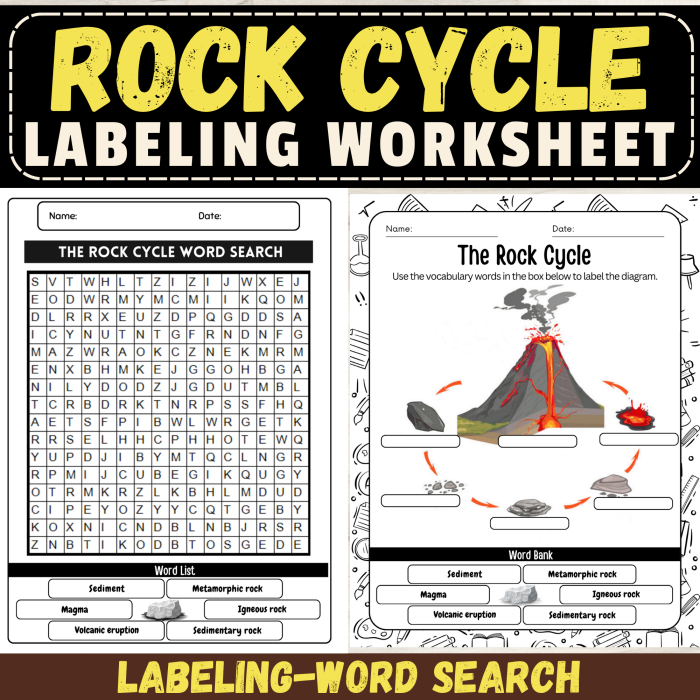
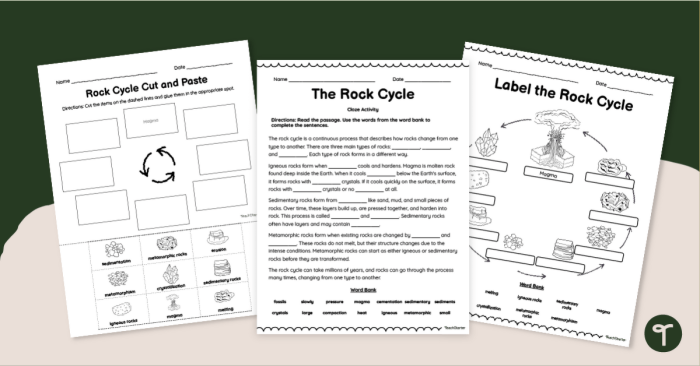
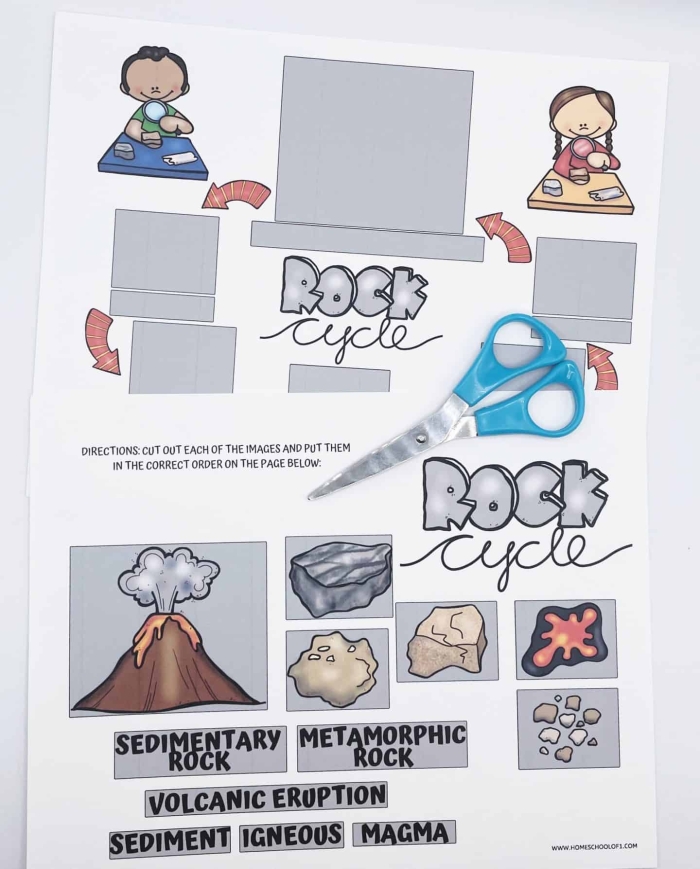
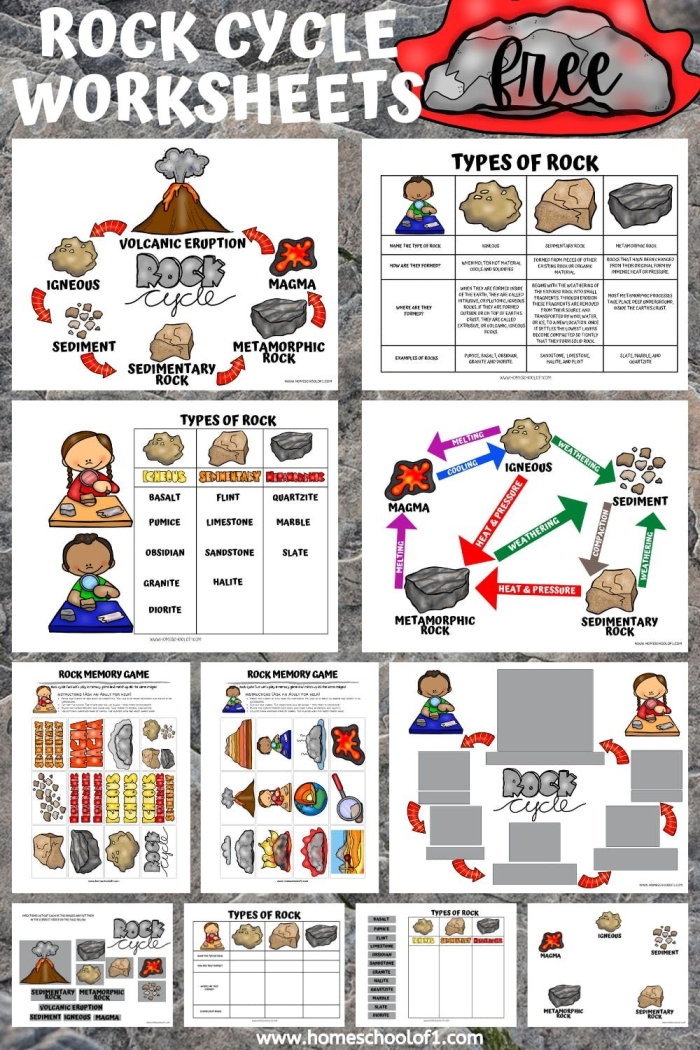
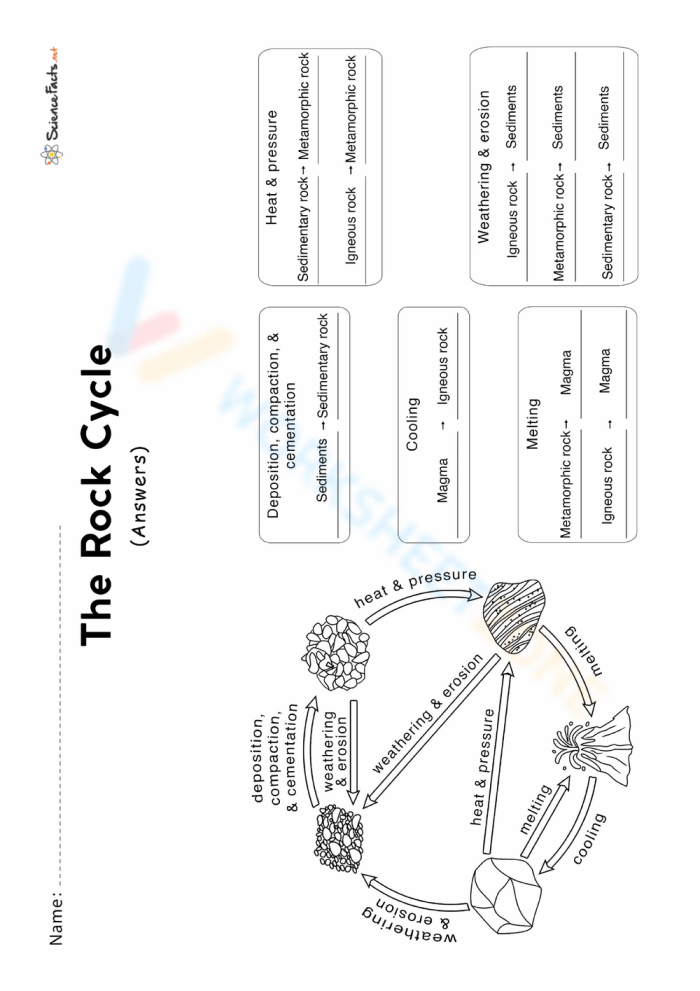
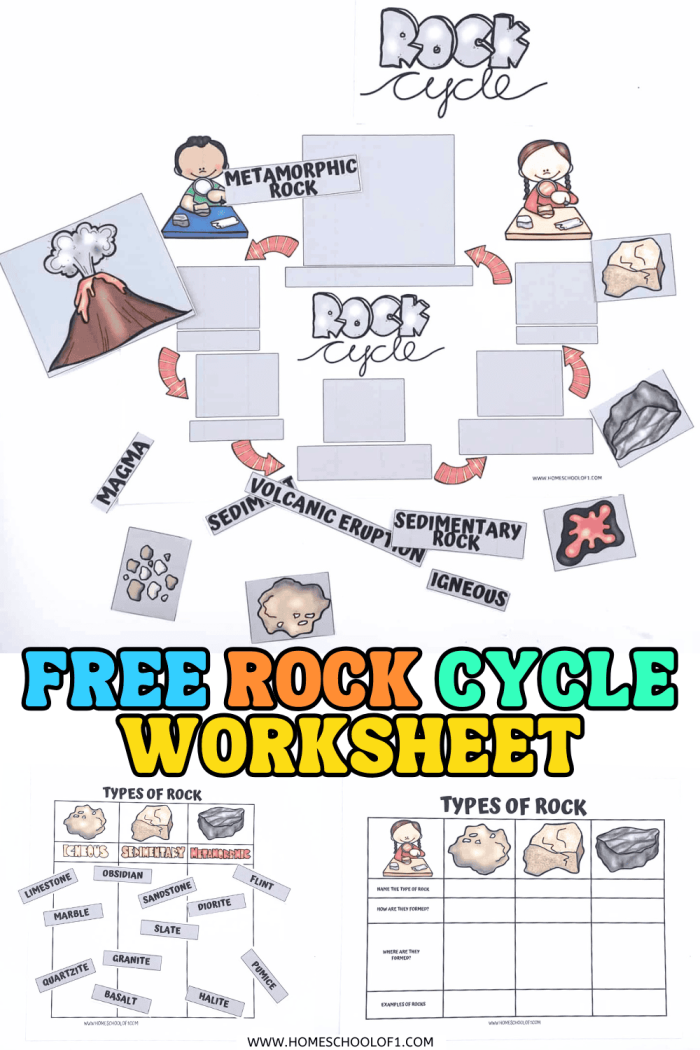
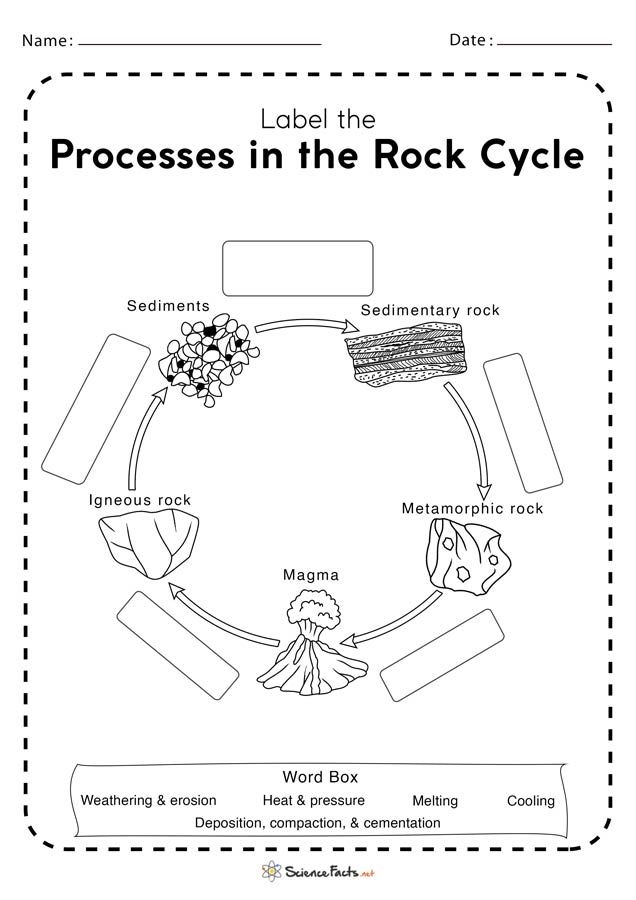
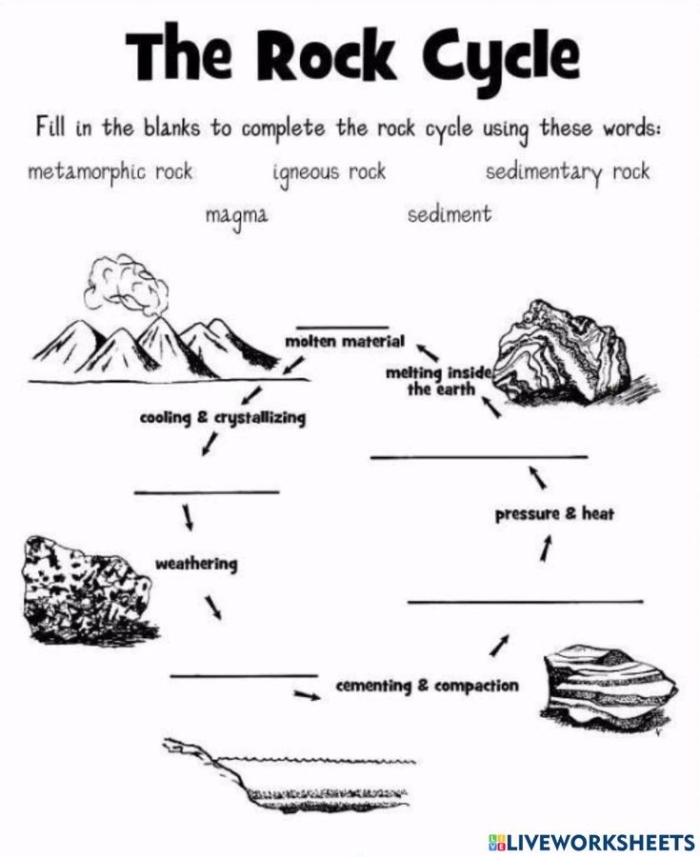
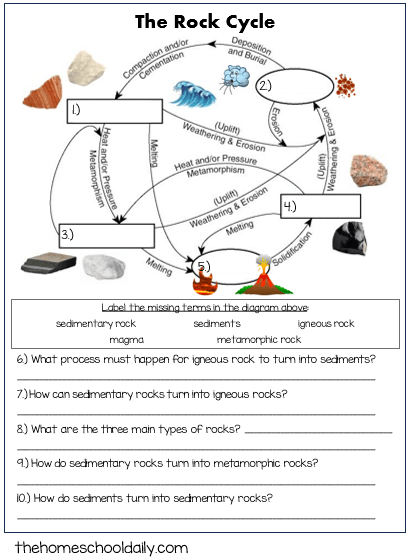
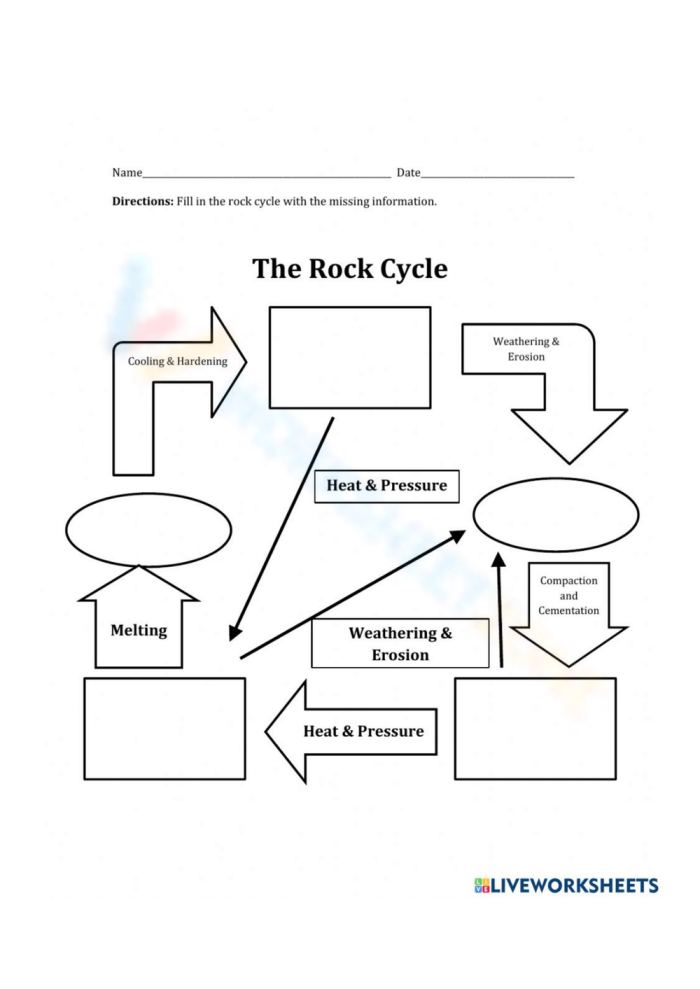
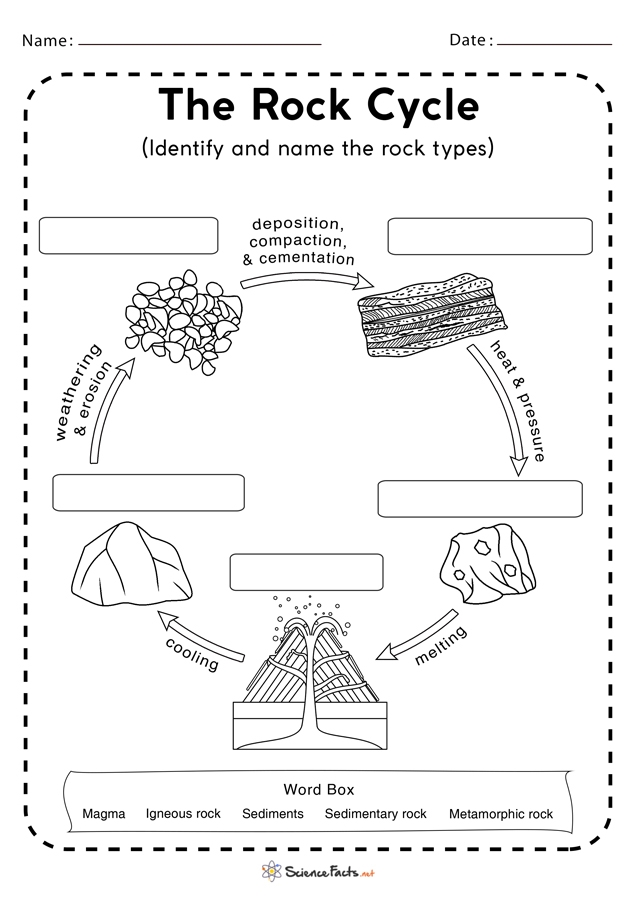
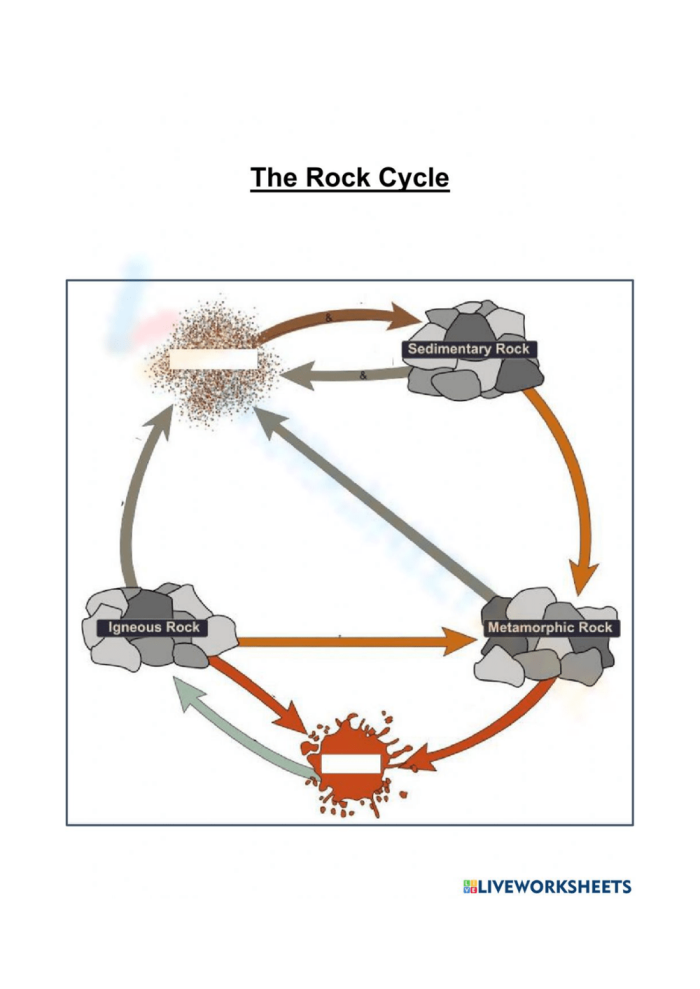
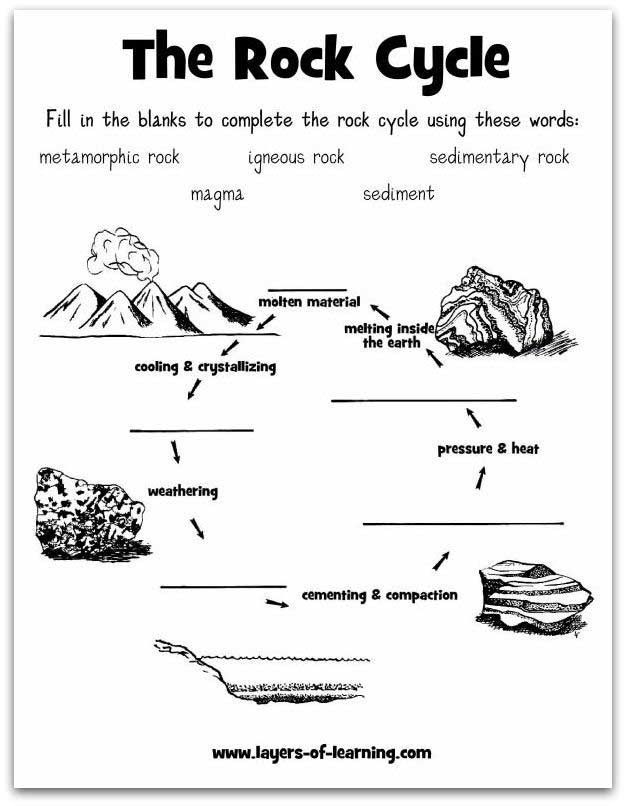
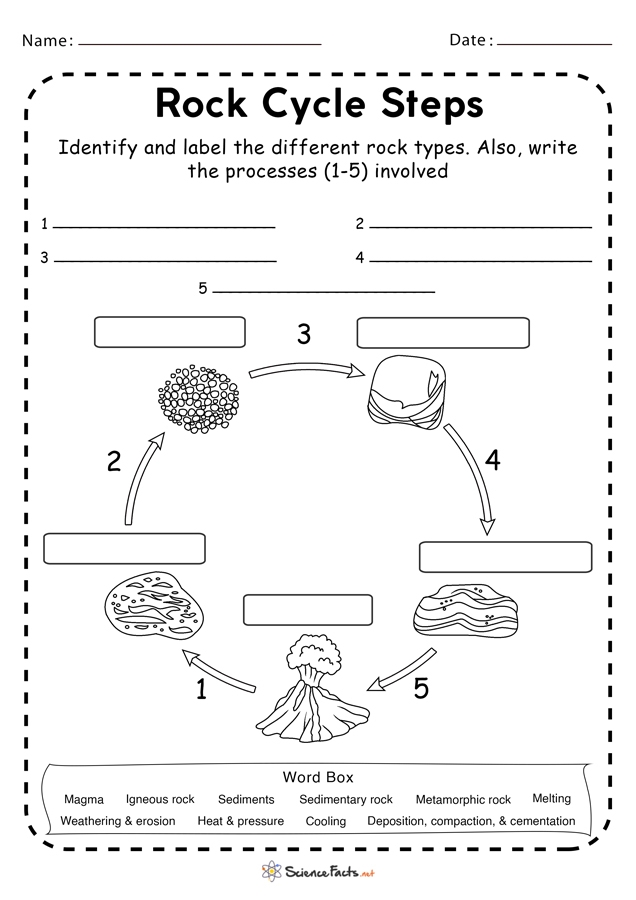
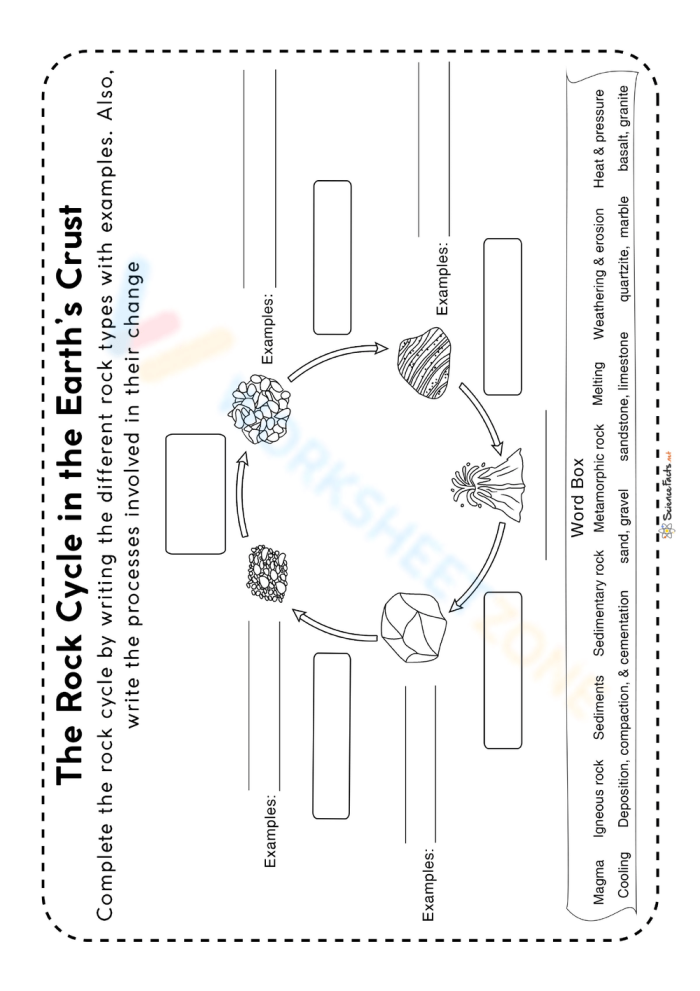
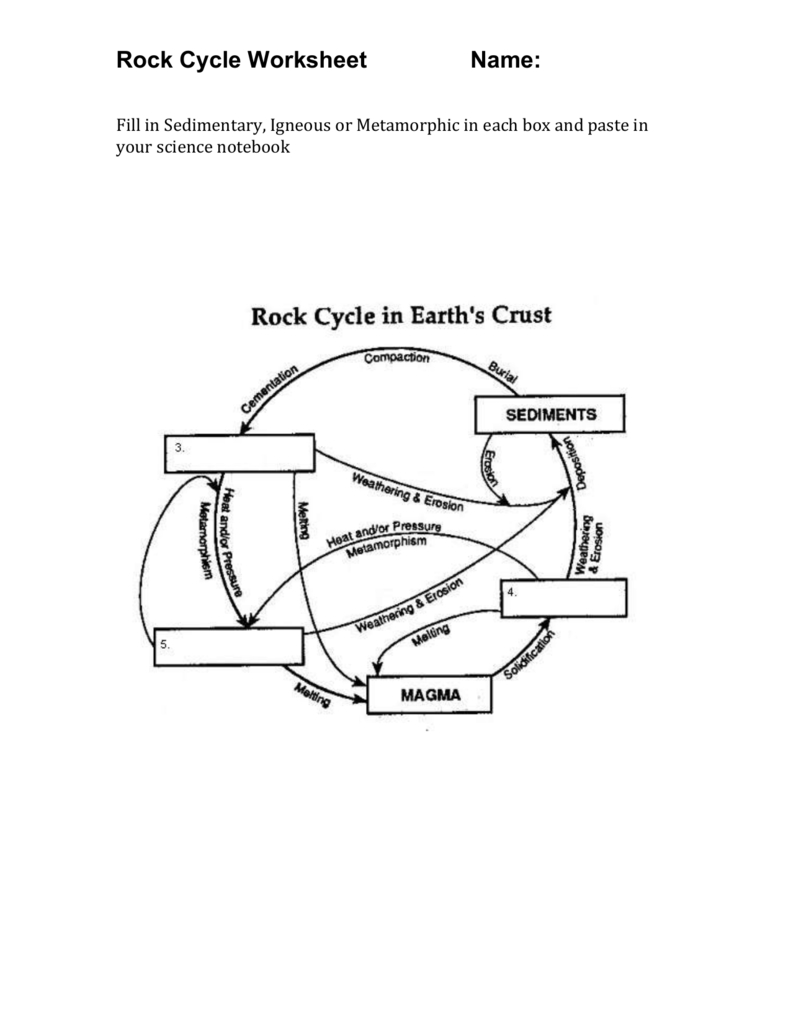
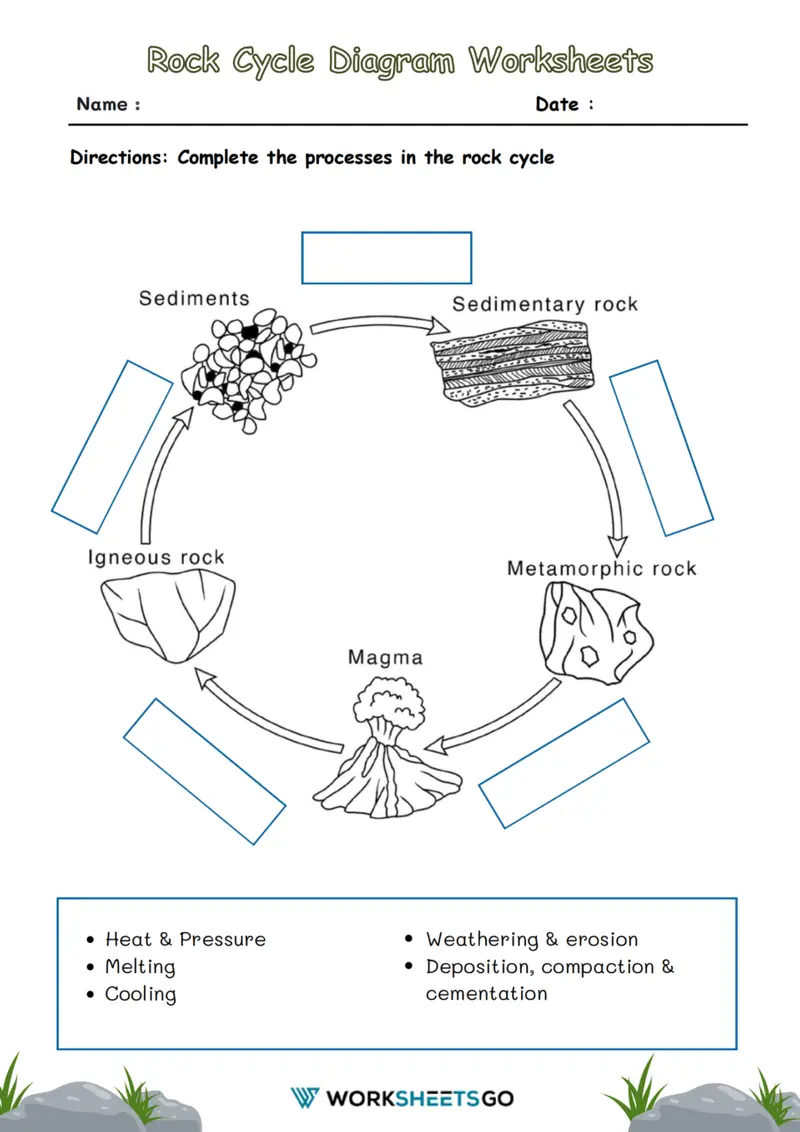
To visualize this process, a colorful diagram can be a powerful tool. It showcases the continuous movement between different rock types, highlighting processes like erosion, melting, and crystallization. Such visuals can make learning about the rock cycle much more engaging for third graders. For those seeking additional resources, there are printable worksheets available that reinforce these concepts in a fun and interactive way.
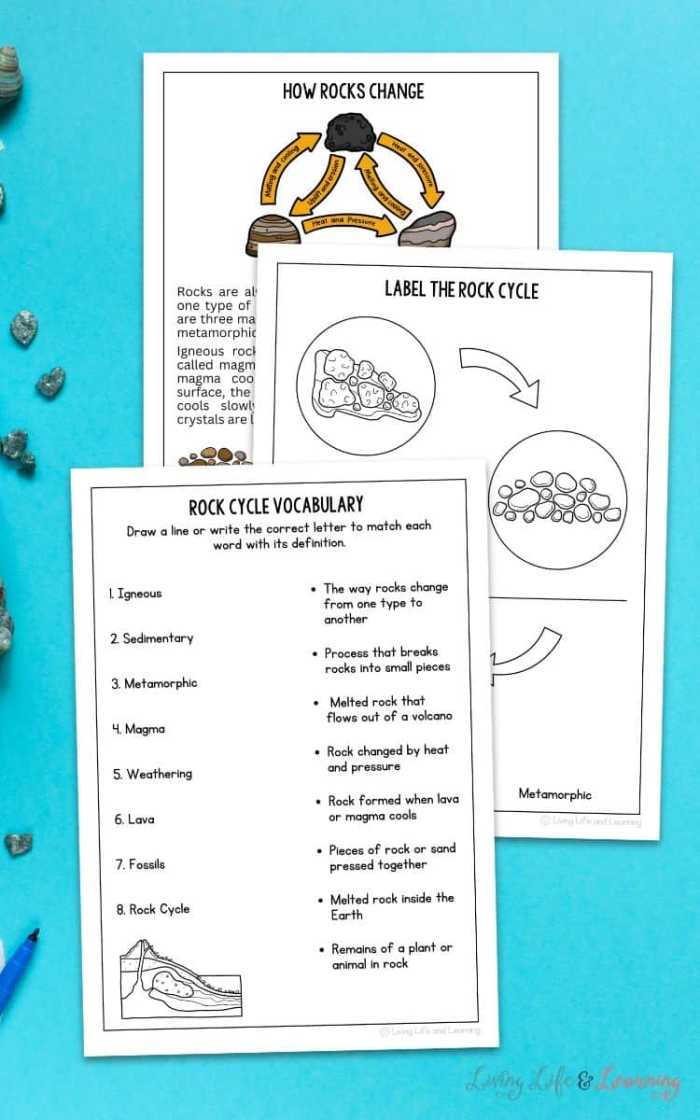
Vocabulary is also key when discussing the rock cycle. Terms like “erosion,” “deposition,” and “metamorphism” are not just scientific jargon; they are essential for understanding how rocks interact with the environment. When educators incorporate these terms into lessons, students gain a clearer picture of geological processes.
In summary, the rock cycle is an ongoing process that showcases the Earth’s ability to regenerate and change. By exploring this dynamic through diagrams and vocabulary, third graders can develop a solid foundation in Earth and Space Science, paving the way for future learning.
Practice with These Worksheets