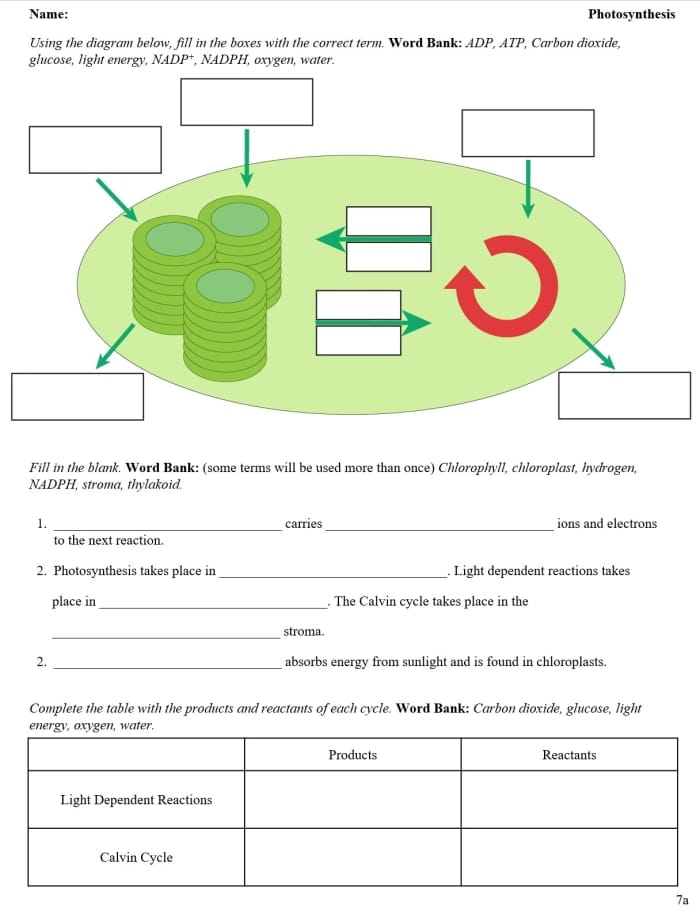
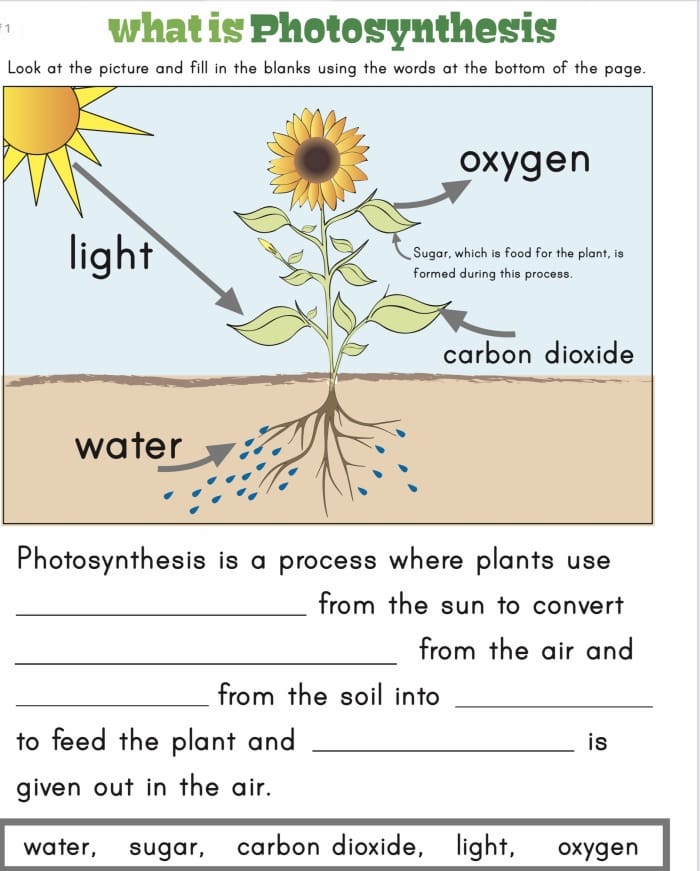
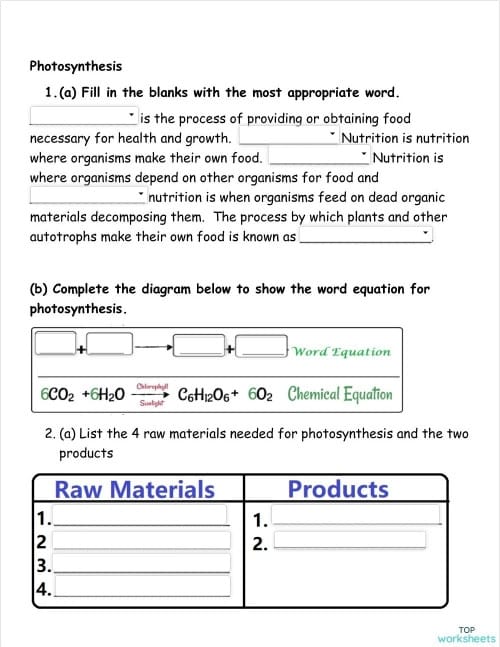
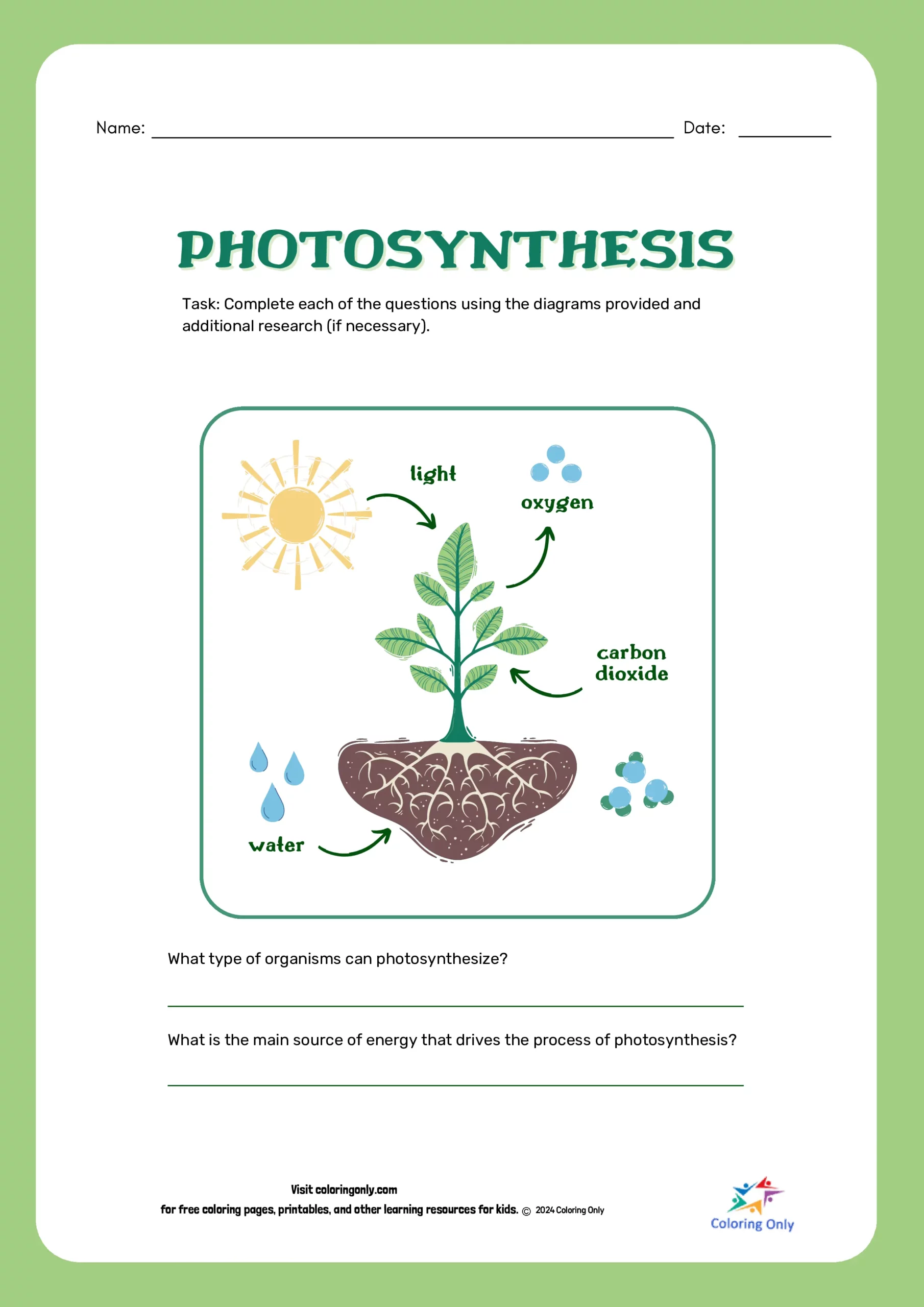
Teaching second grade students about photosynthesis doesn’t have to feel like explaining rocket science. A fill-in-the-blanks worksheet approach breaks this complex life science concept into digestible pieces that young learners can actually grasp and remember.
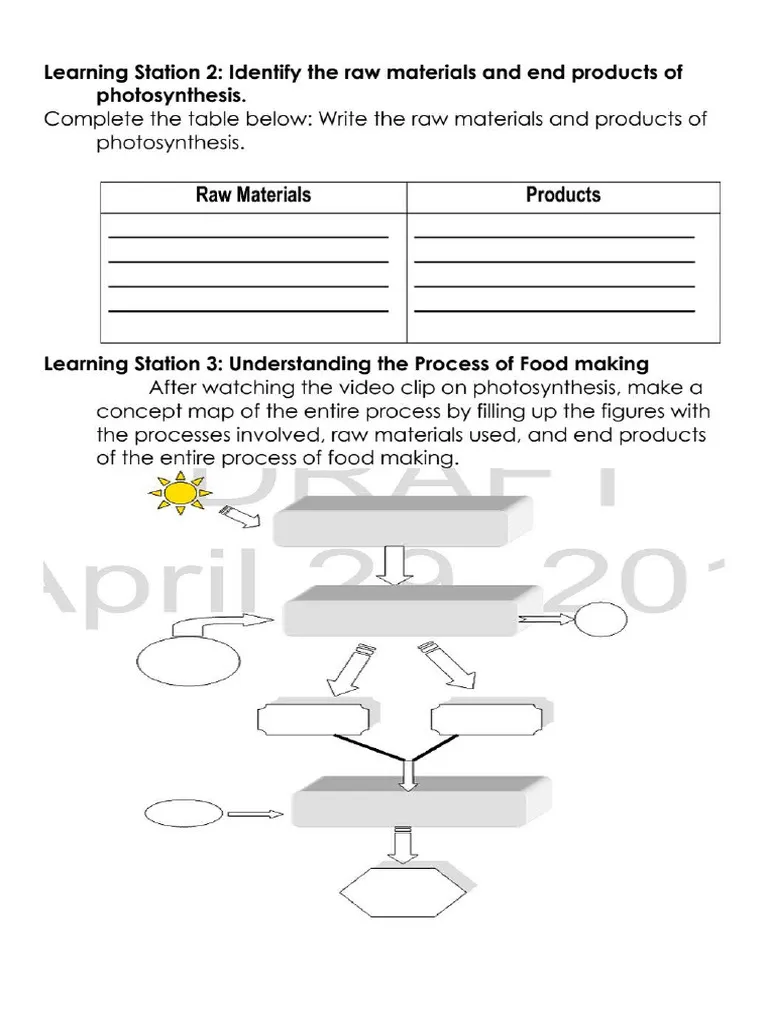
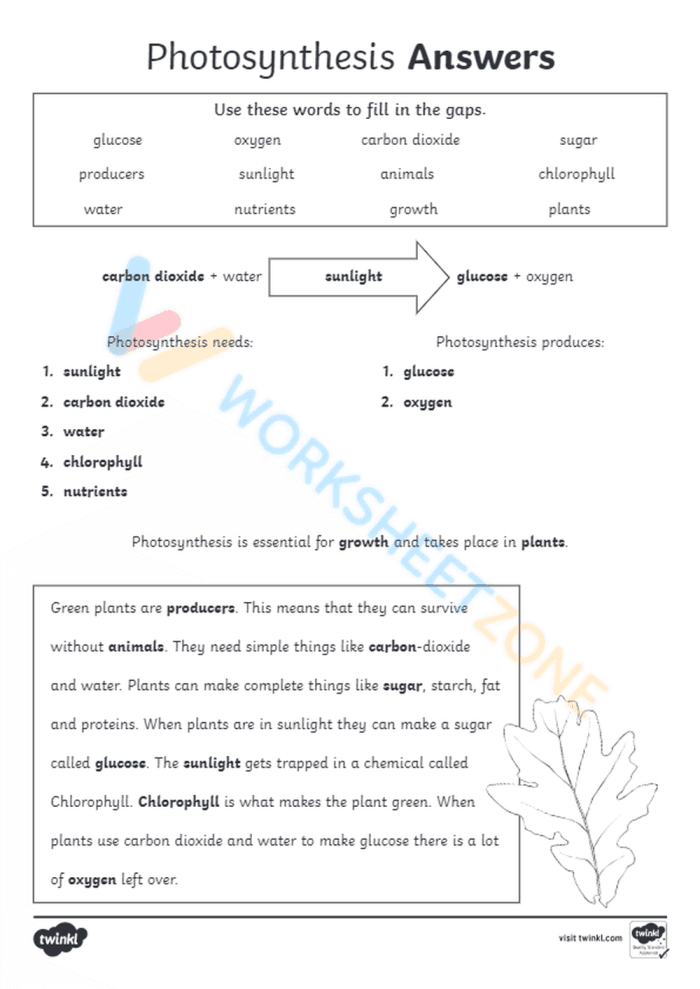
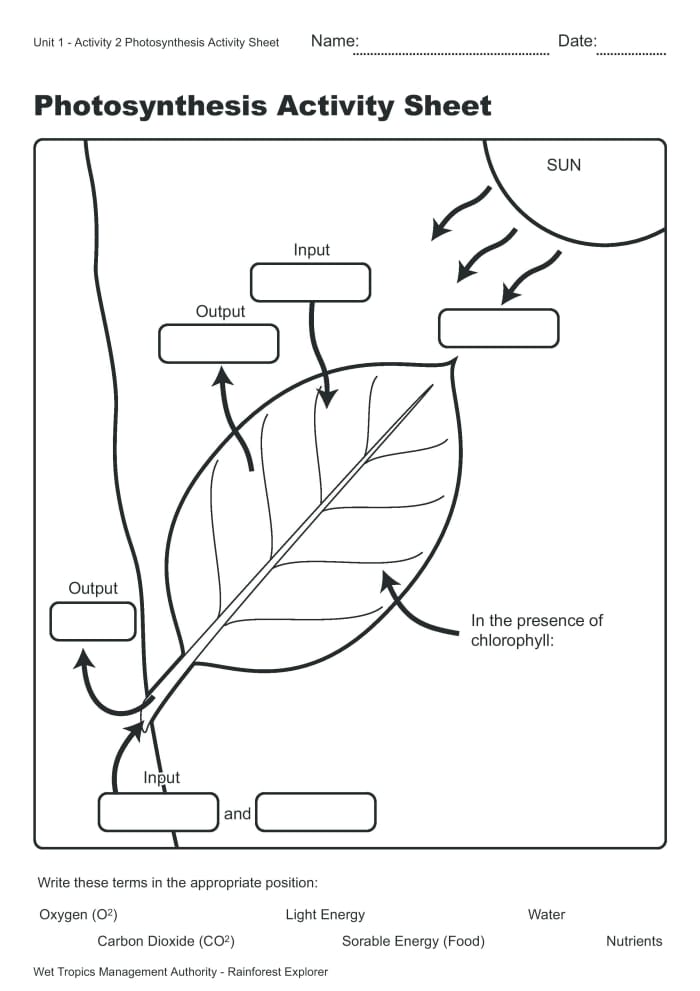
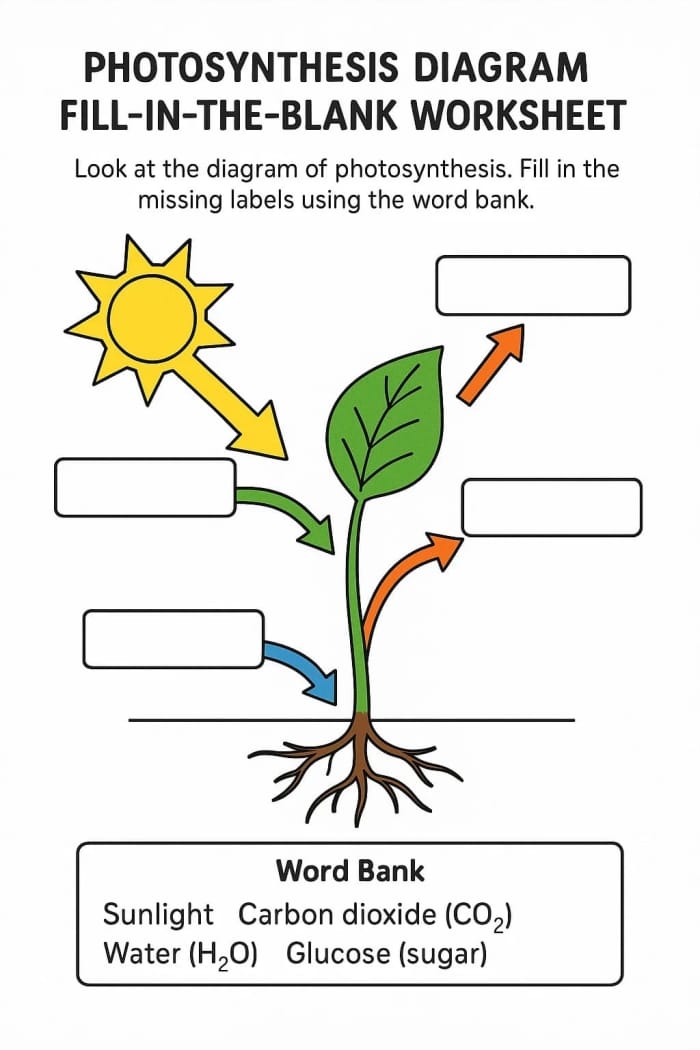
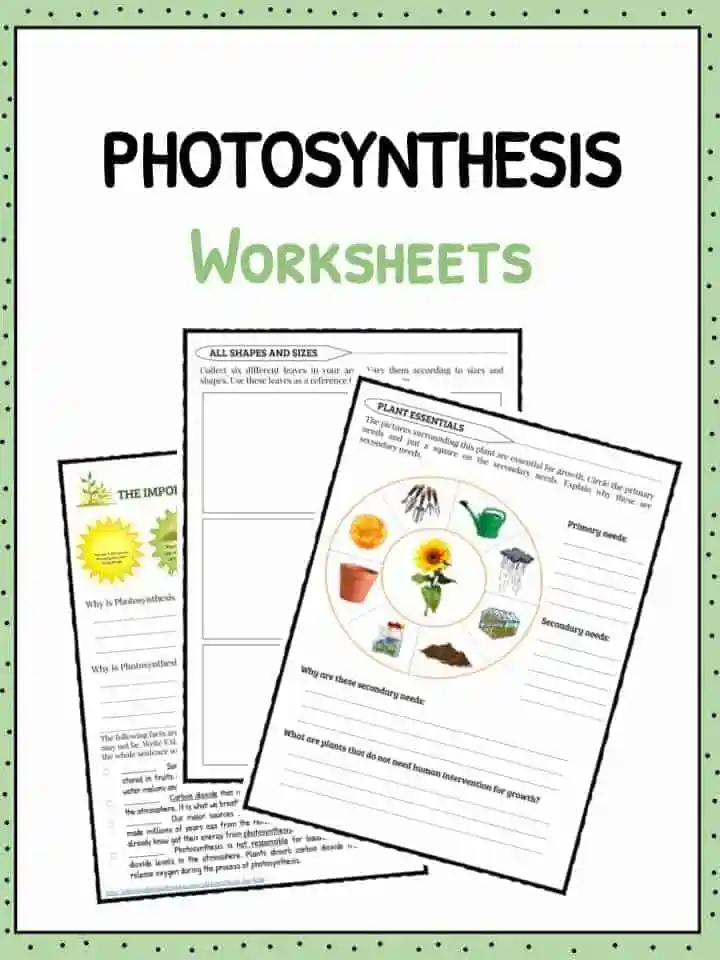
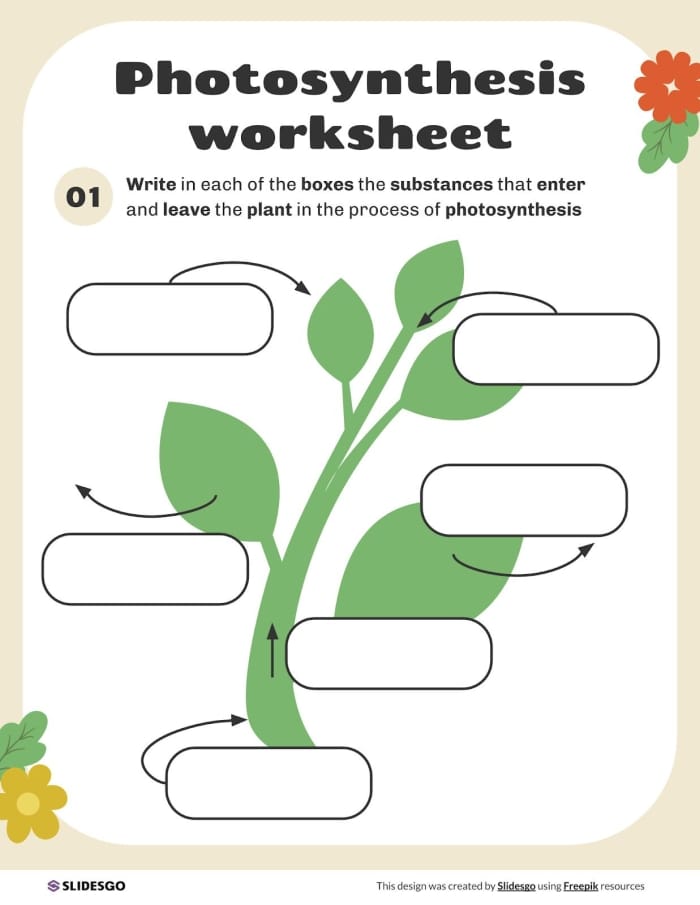
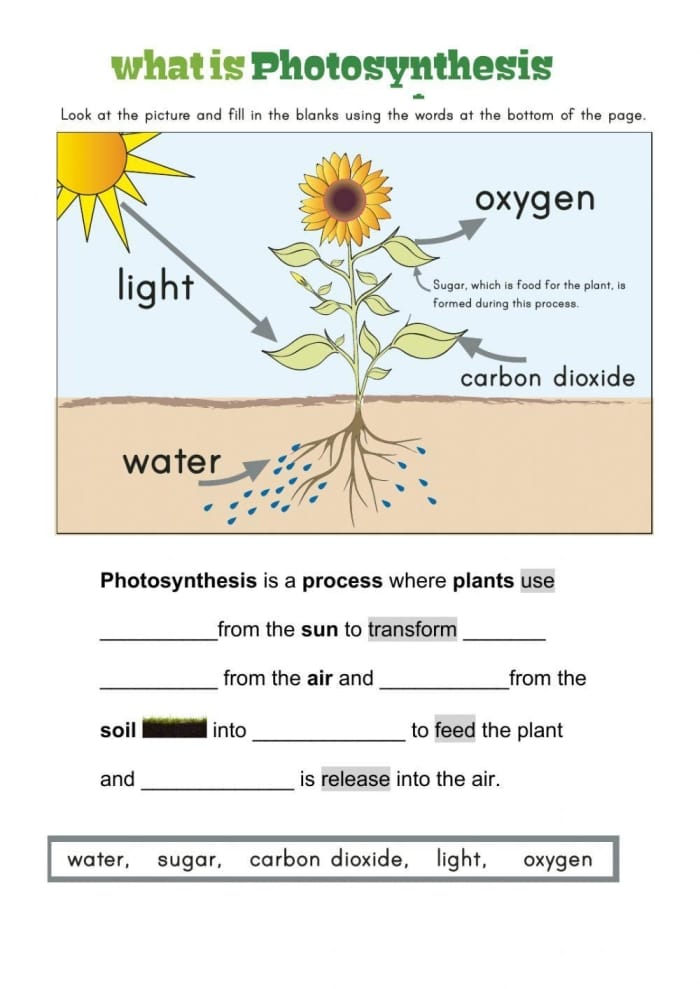
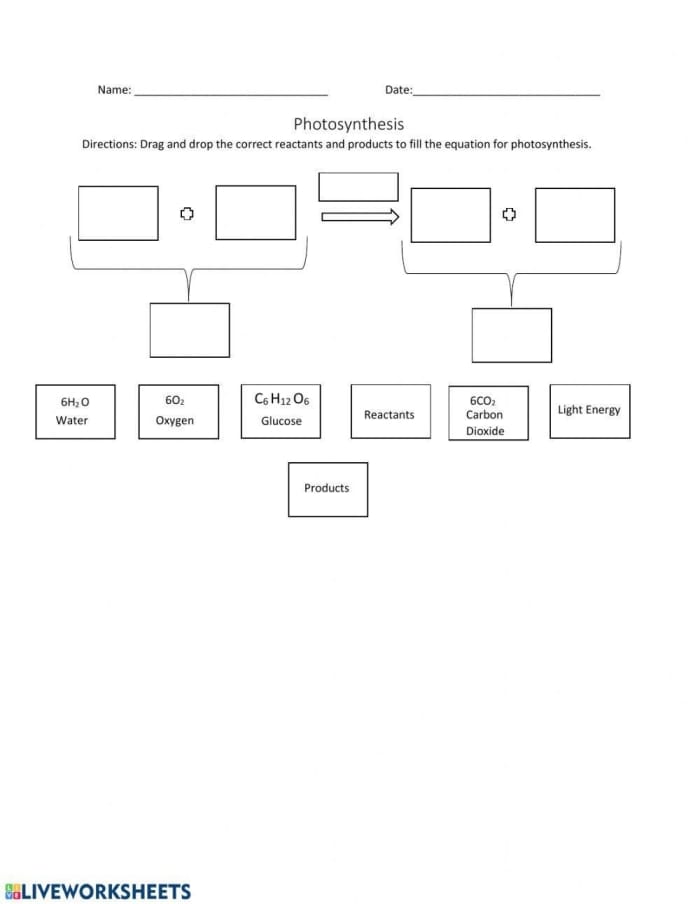
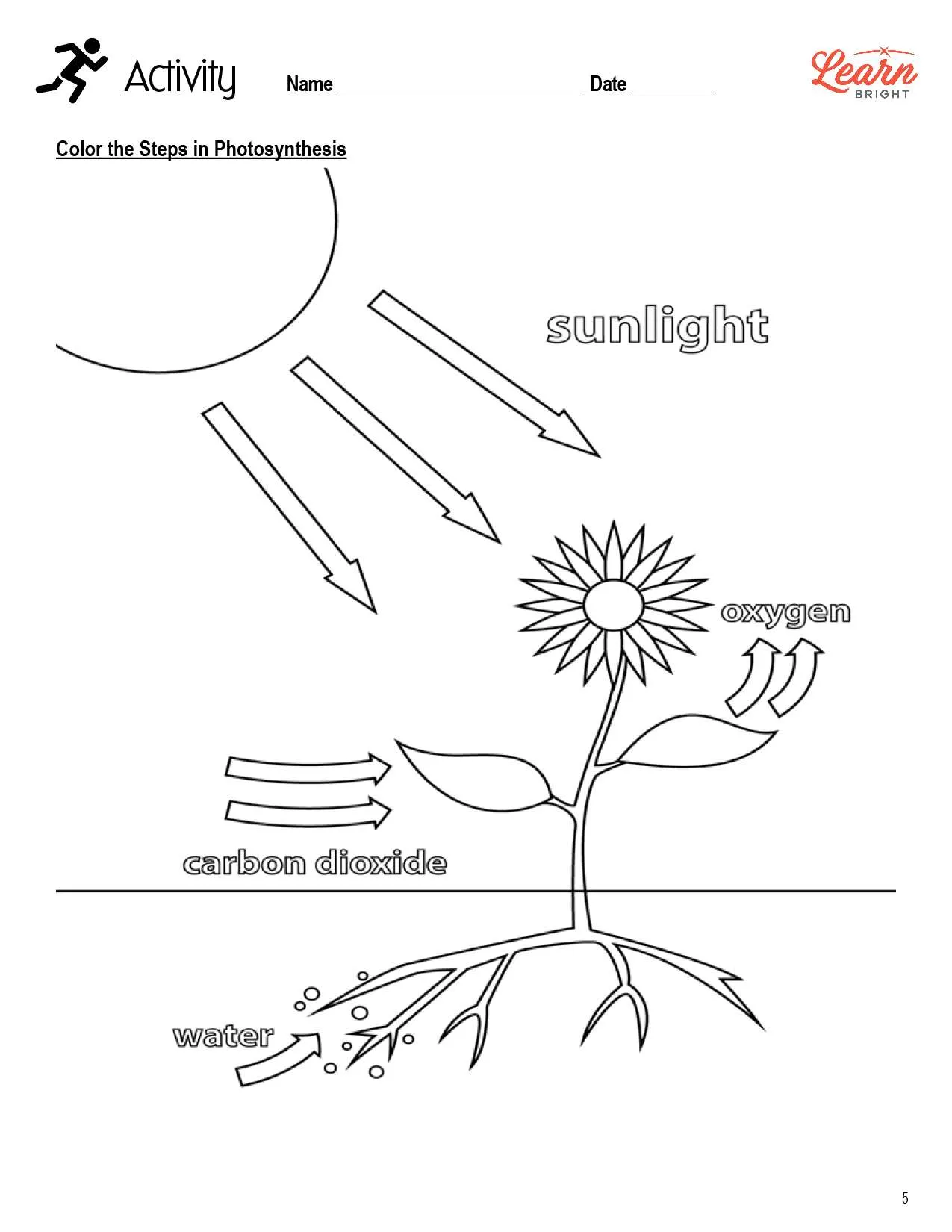
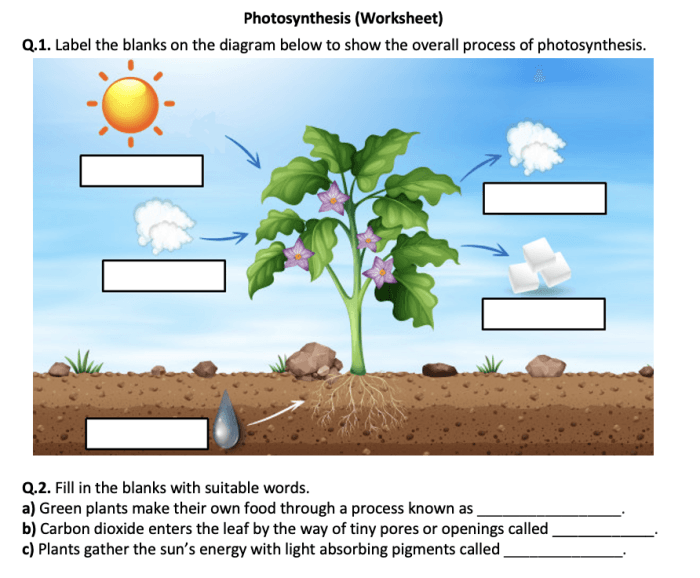
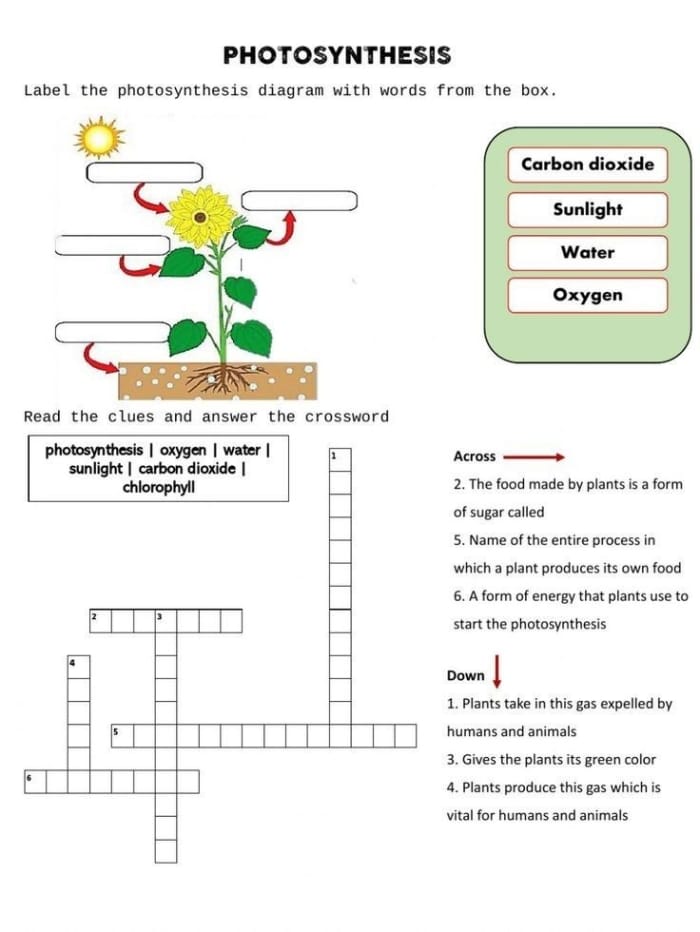
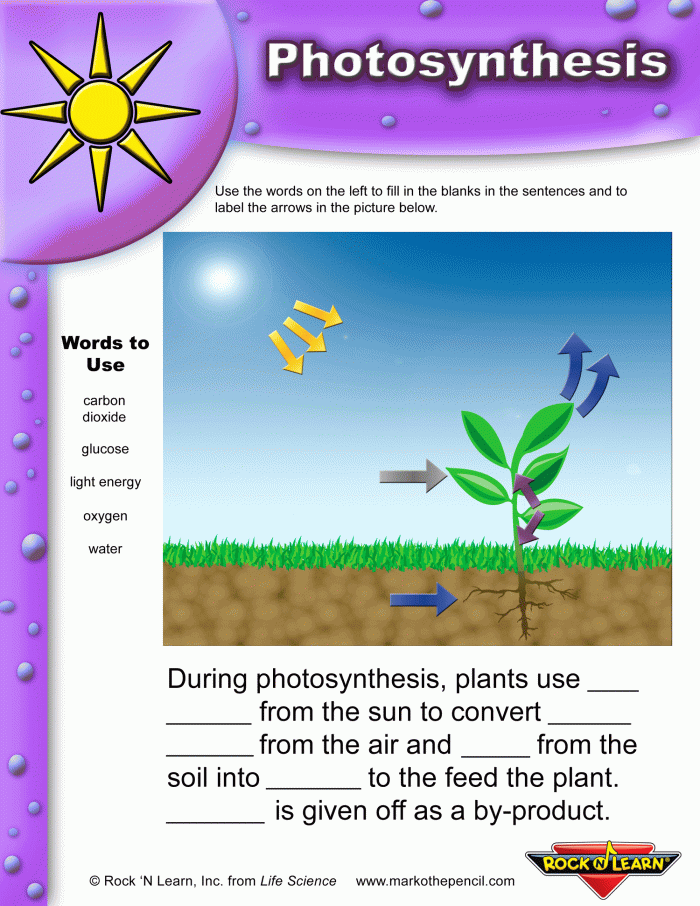
Photosynthesis is the process where plants use sunlight, water, and carbon dioxide to create their own food and release oxygen. For second graders, the key is focusing on the basic idea: plants need sunlight to grow. When you use a worksheet format with blanks to complete, children engage their brains actively instead of passively reading information. They have to think about what goes in each space, which strengthens their understanding and retention.
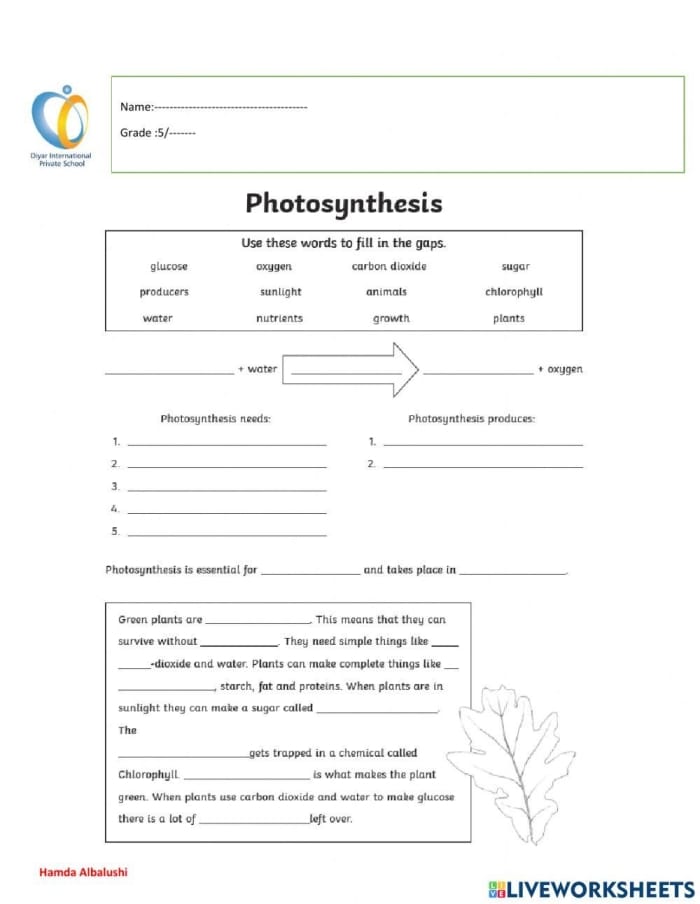
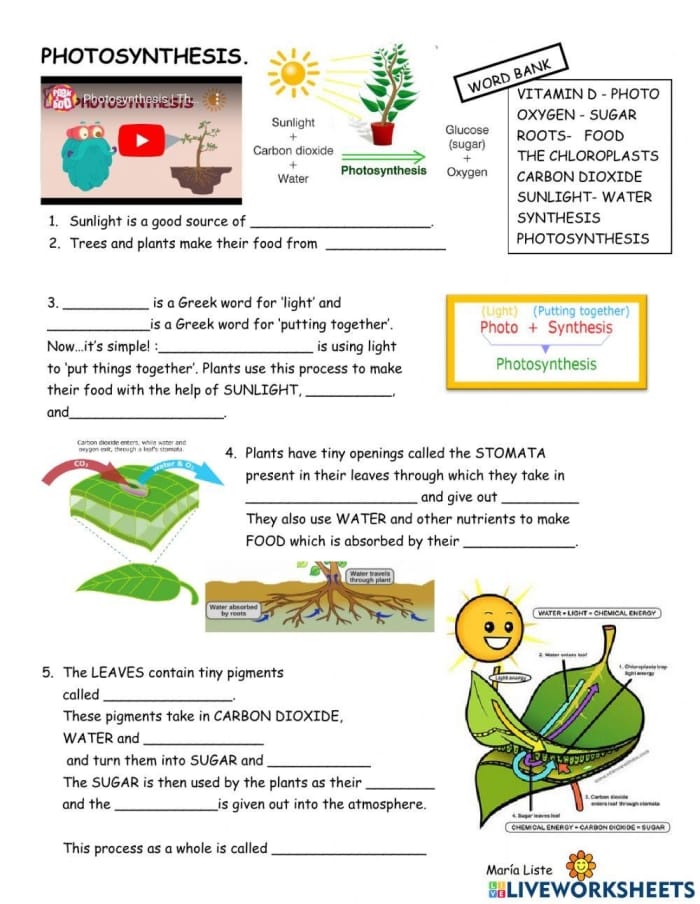
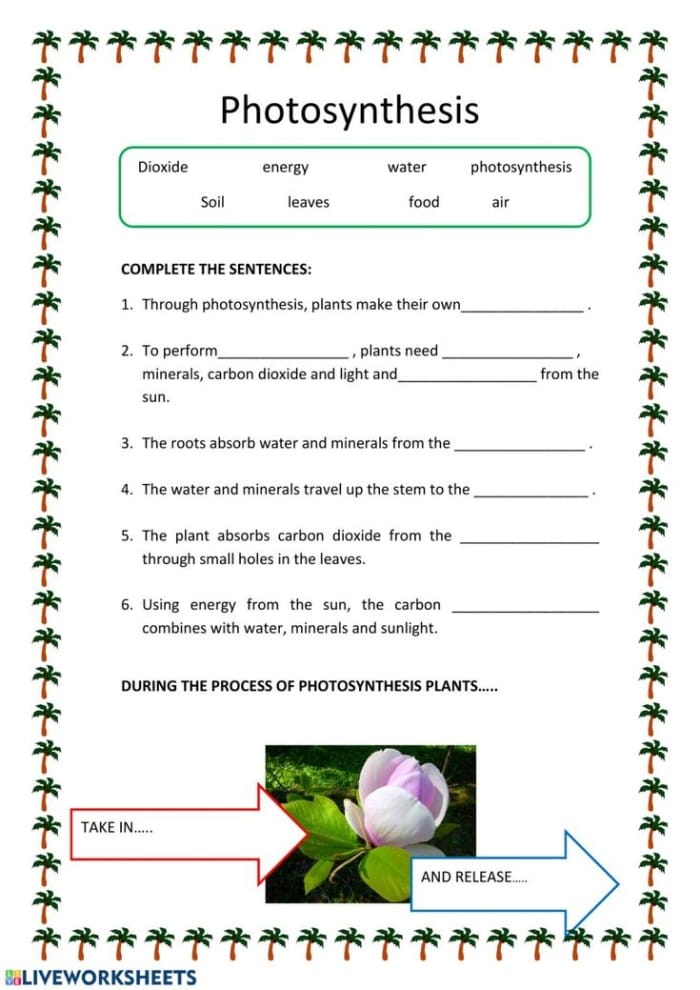
This type of activity works particularly well because it combines reading comprehension with science learning. As students fill in words like “sunlight,” “leaves,” “water,” and “oxygen,” they’re reinforcing vocabulary while building their knowledge of how plants function. The repetition of writing these terms helps cement them in memory.
Worksheets like this also allow teachers to assess understanding quickly. By reviewing what students wrote, educators can identify which concepts clicked and which ones need reinforcement during the next lesson. Some children might need the worksheet read aloud, while others can work independently, making this approach flexible for mixed-ability classrooms.
Pairing photosynthesis worksheets with other second grade life science activities creates a well-rounded unit. You might complement this lesson with activities like exploring the life cycle of a plant or practicing observation skills with insect-themed activities. These connections help students understand how photosynthesis fits into the larger world of living things.
The beauty of fill-in-the-blanks worksheets lies in their simplicity and effectiveness. They transform an abstract concept into something concrete that second graders can visualize and understand.
Boost Skills with These Worksheets