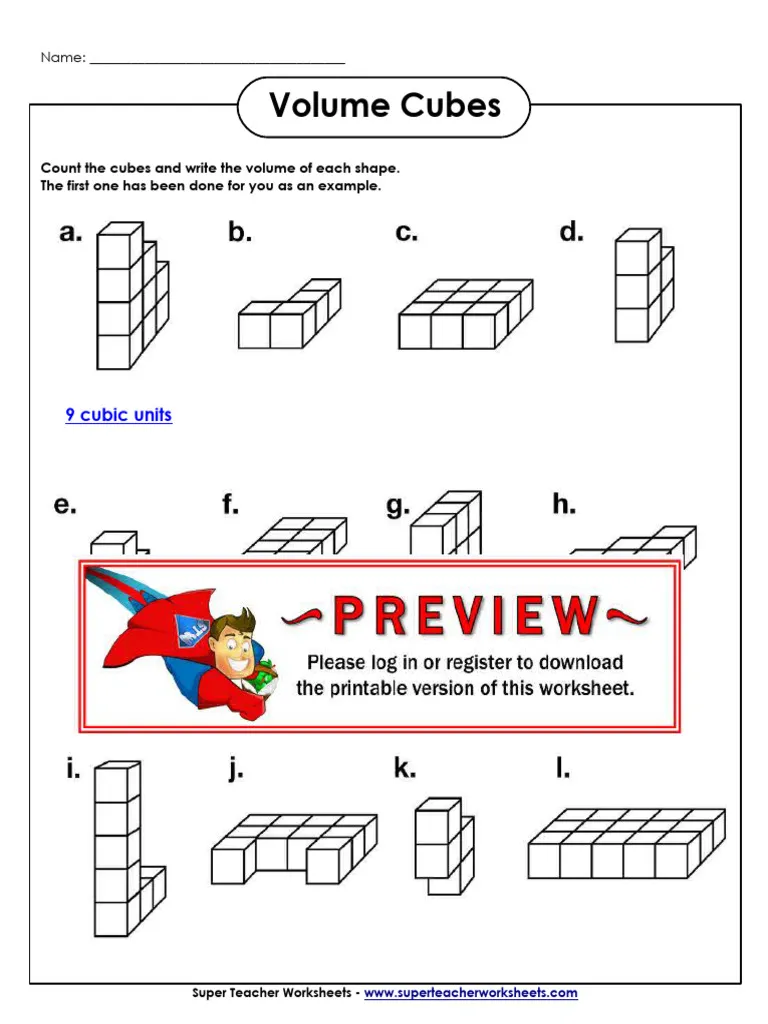
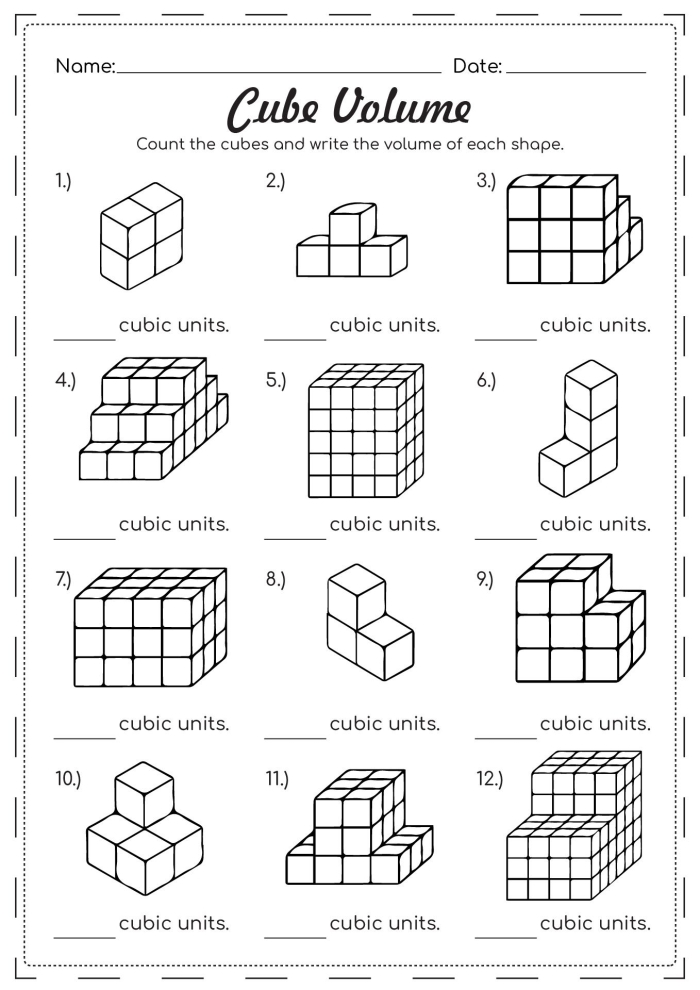
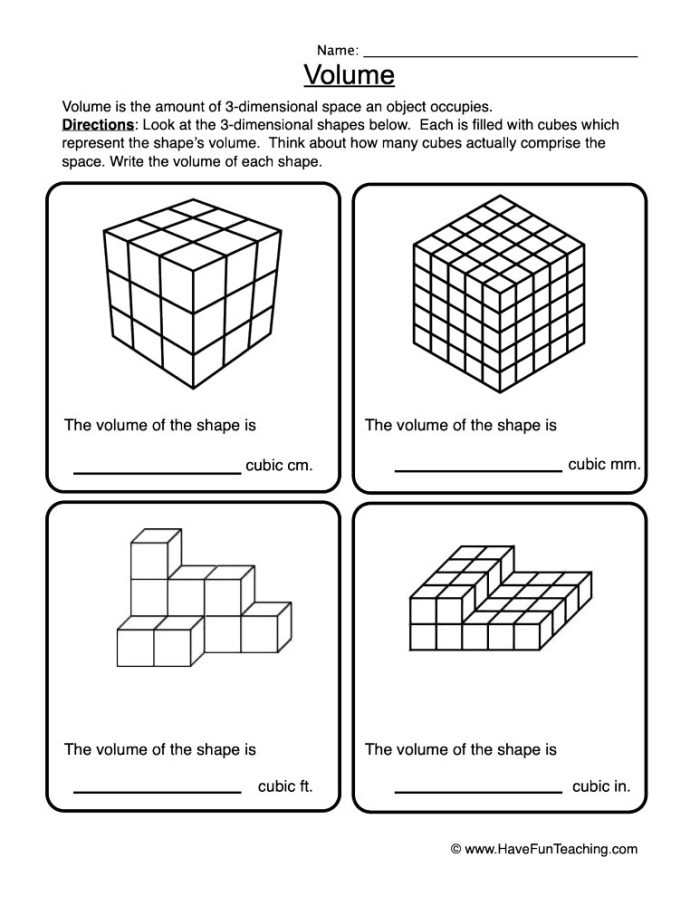
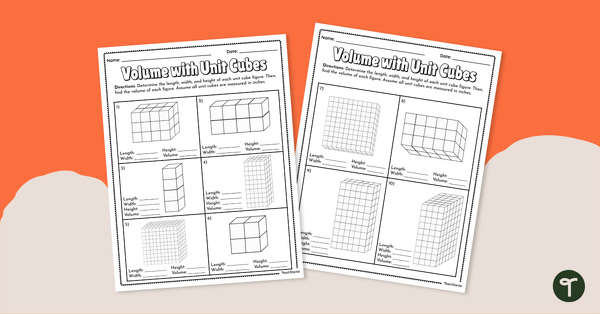
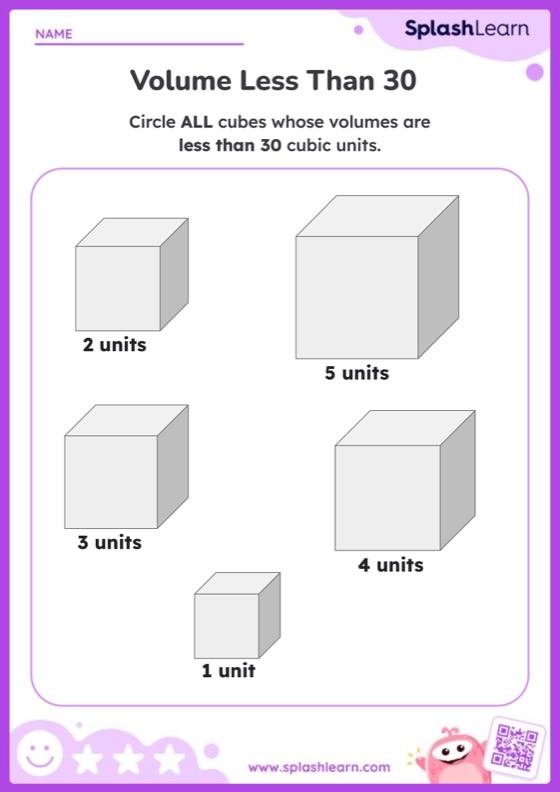
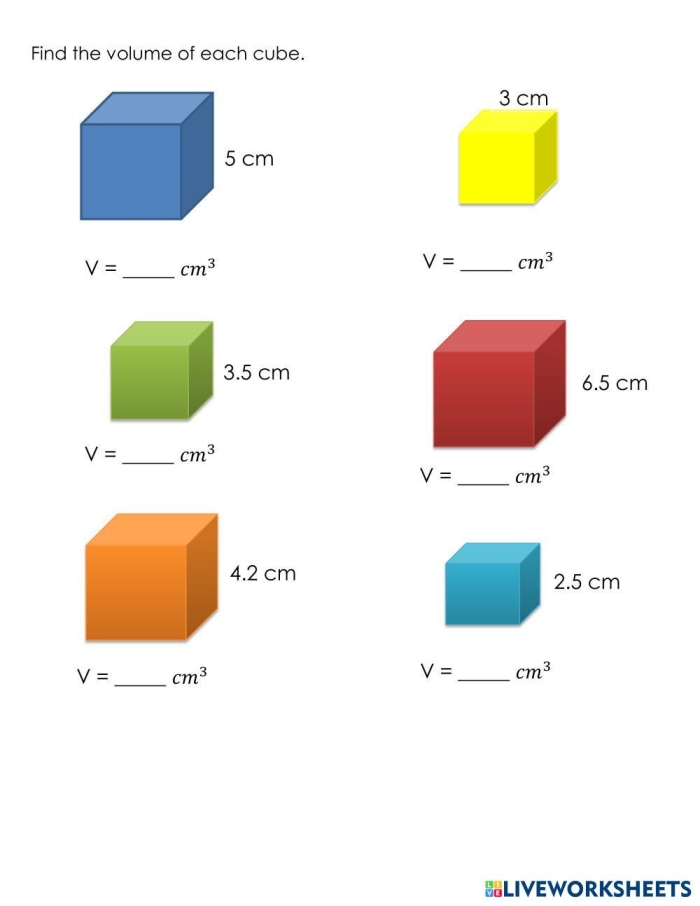
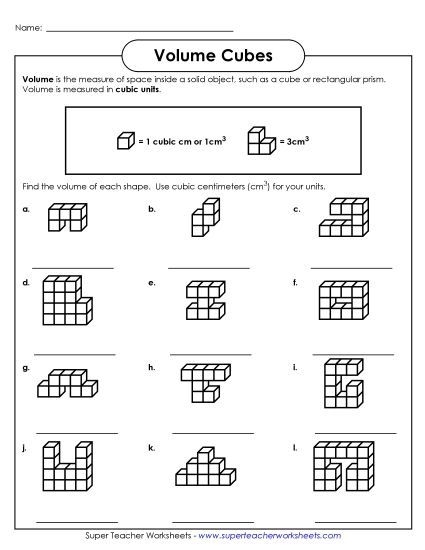
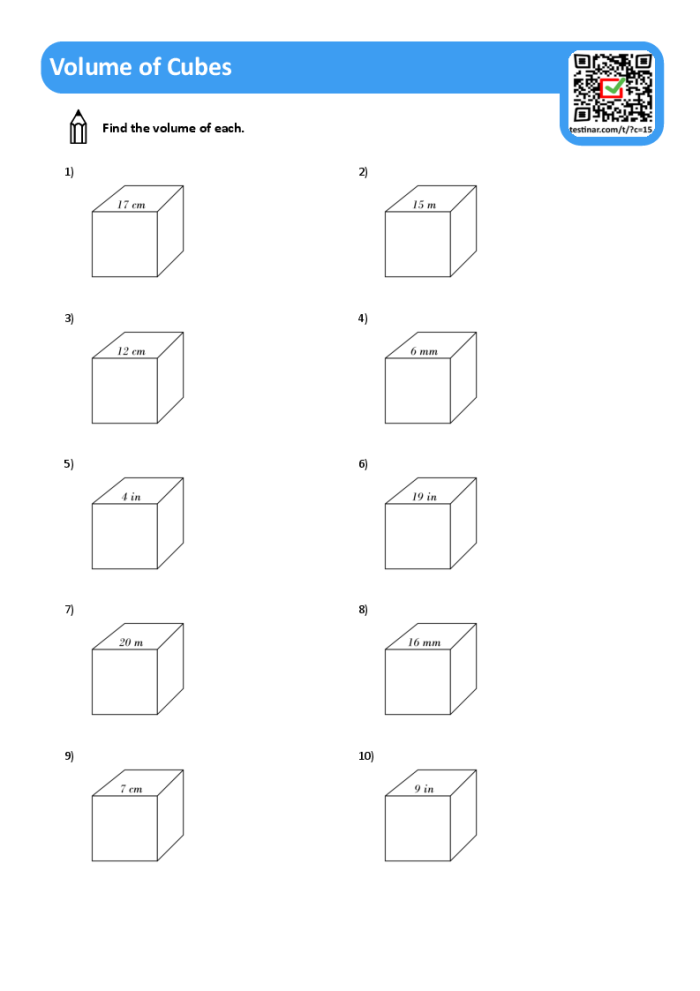
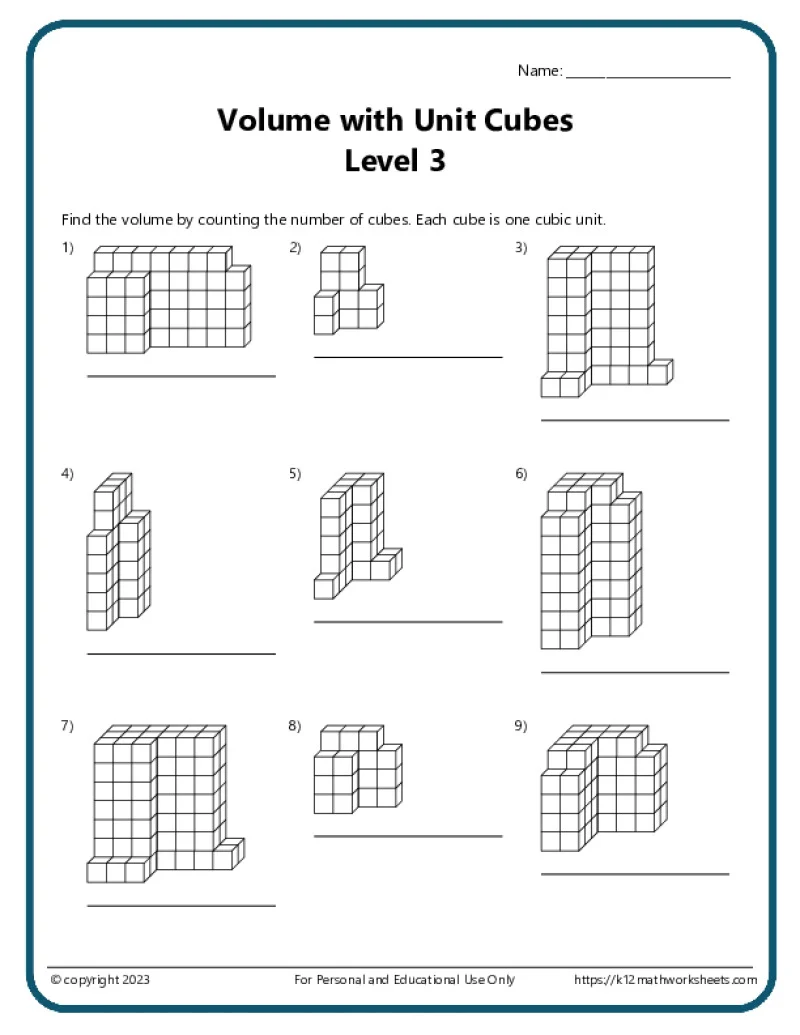
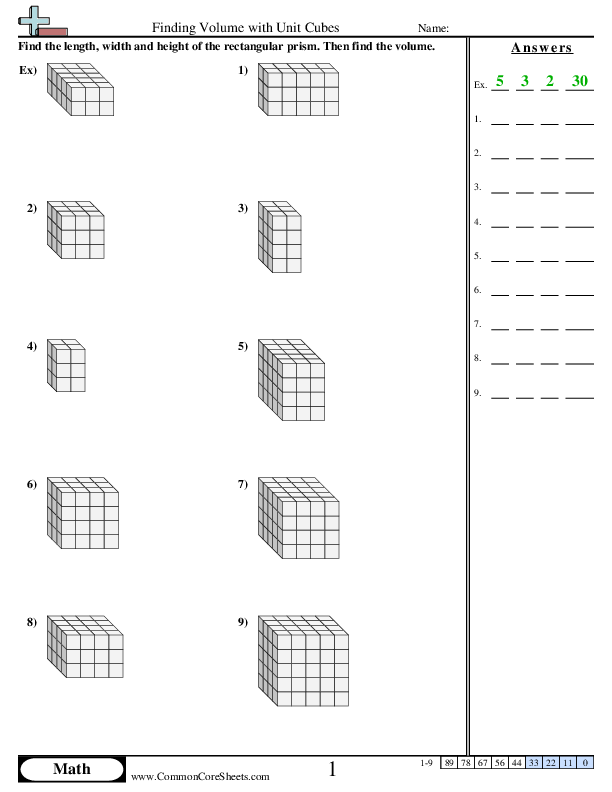
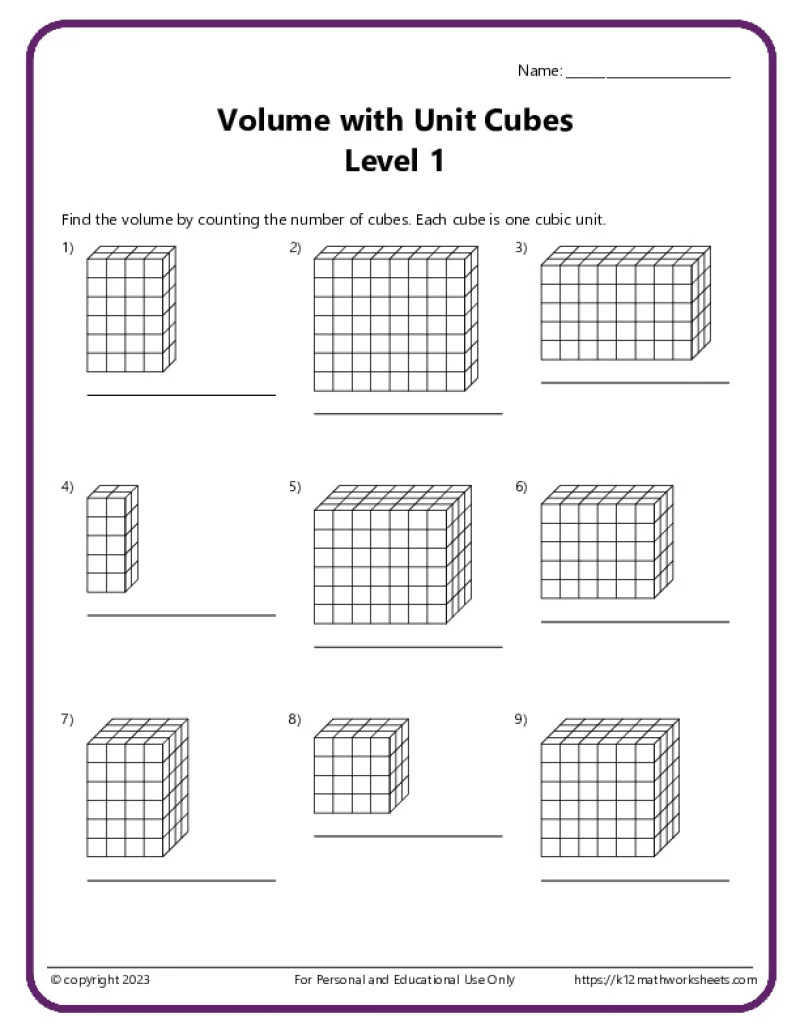
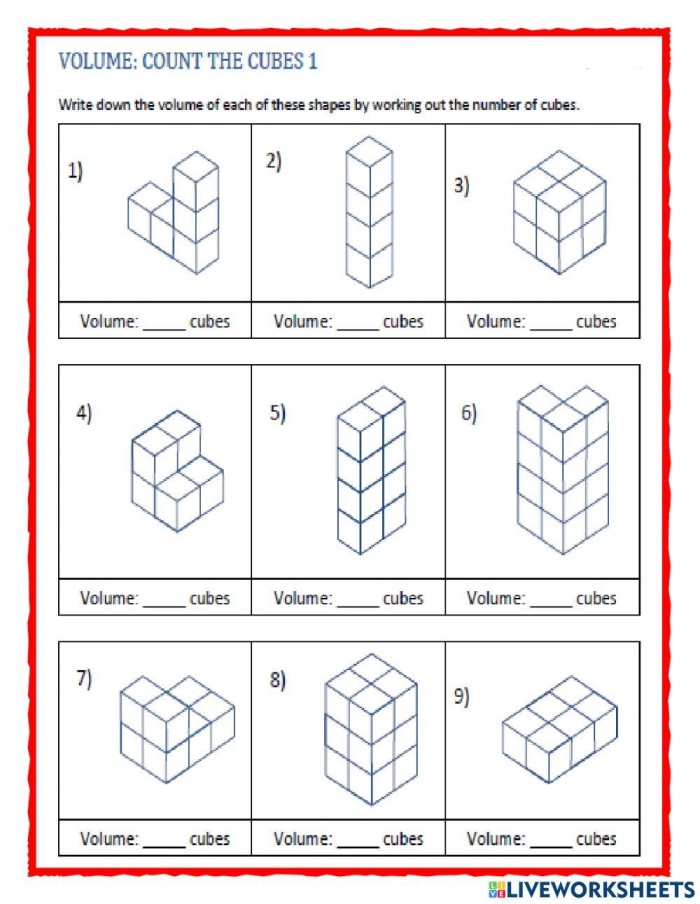
Understanding volume is a crucial concept in geometry, especially when it comes to rectangular prisms. In fifth grade, learners engage with this idea by exploring how many cubic units make up various figures. This hands-on approach to learning not only makes the topic interesting but also very tangible.
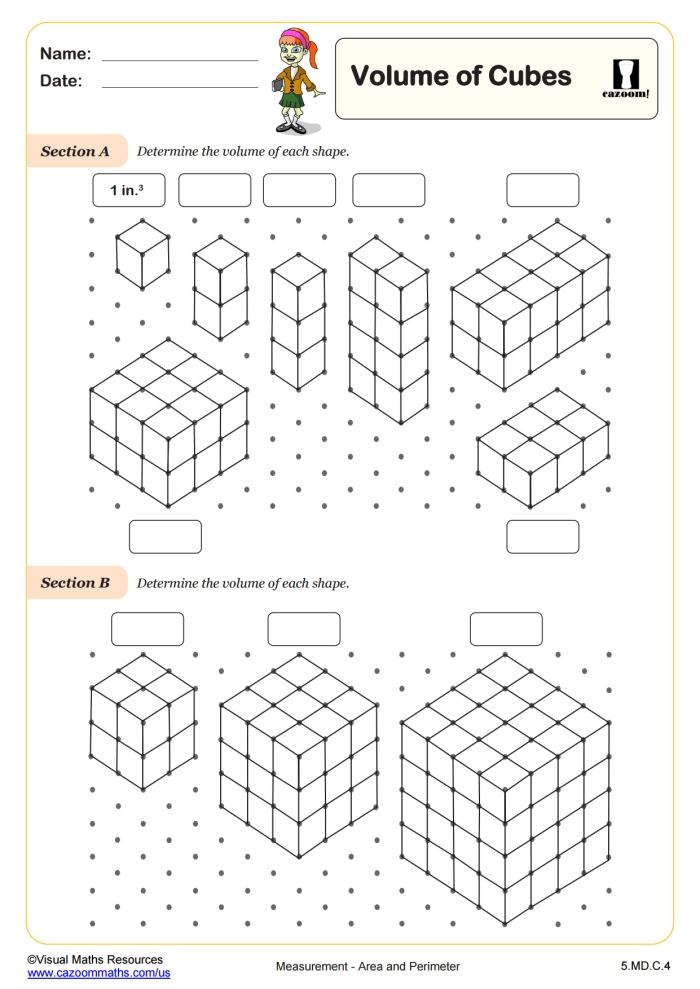
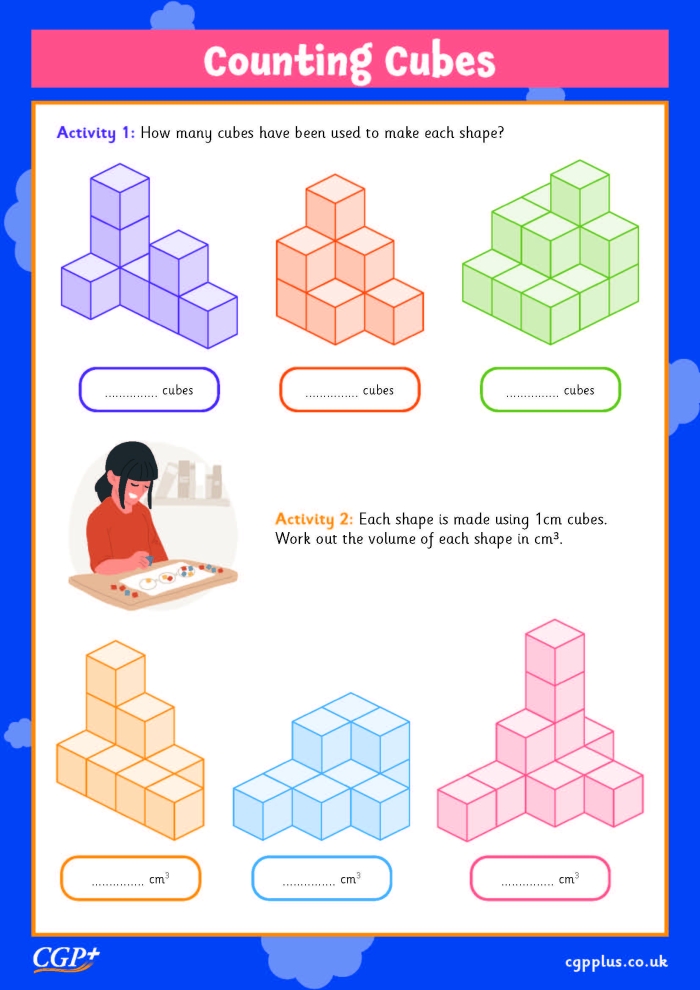
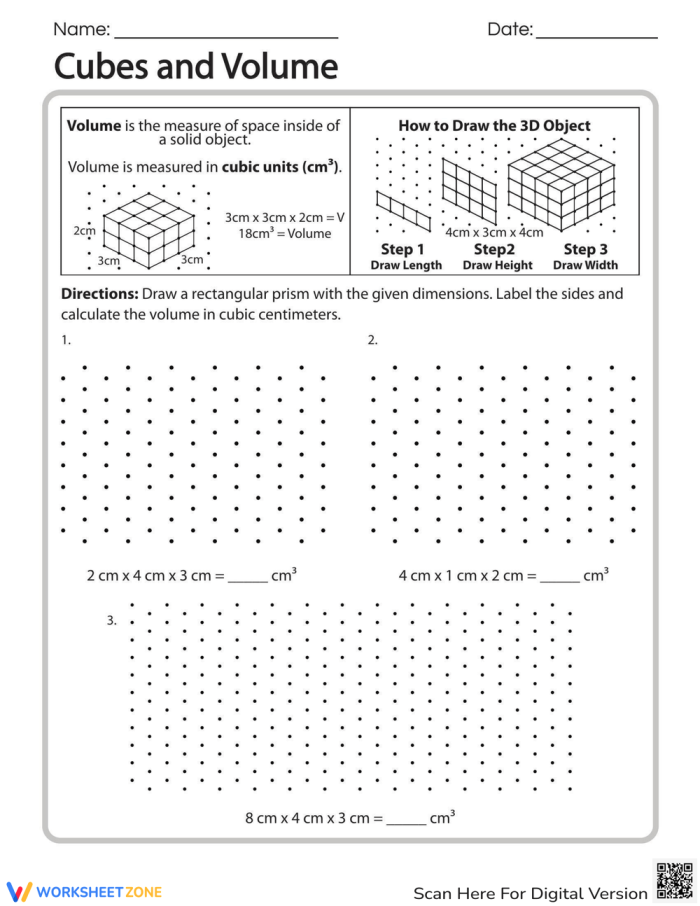
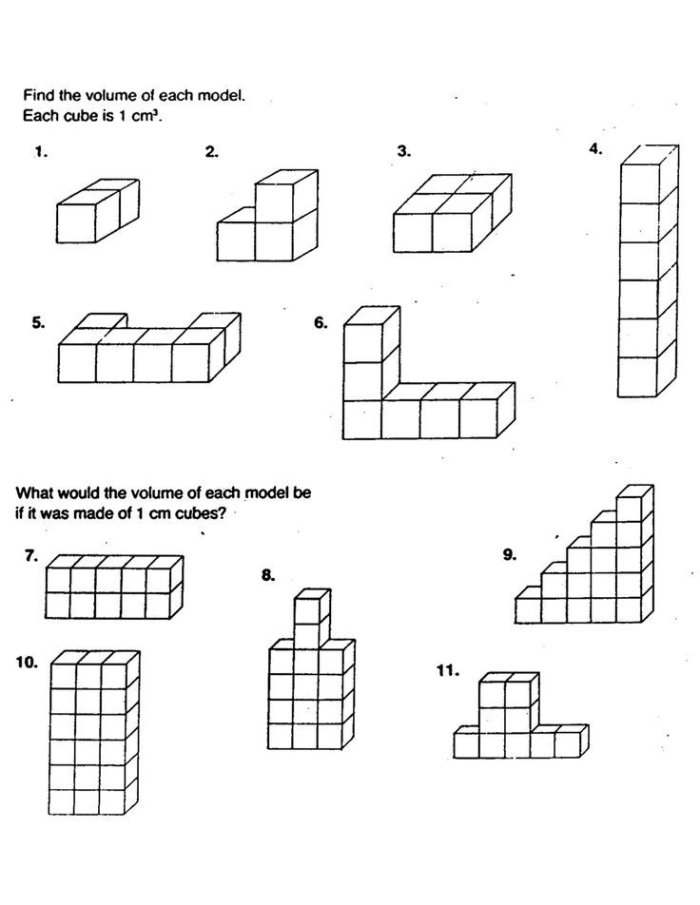
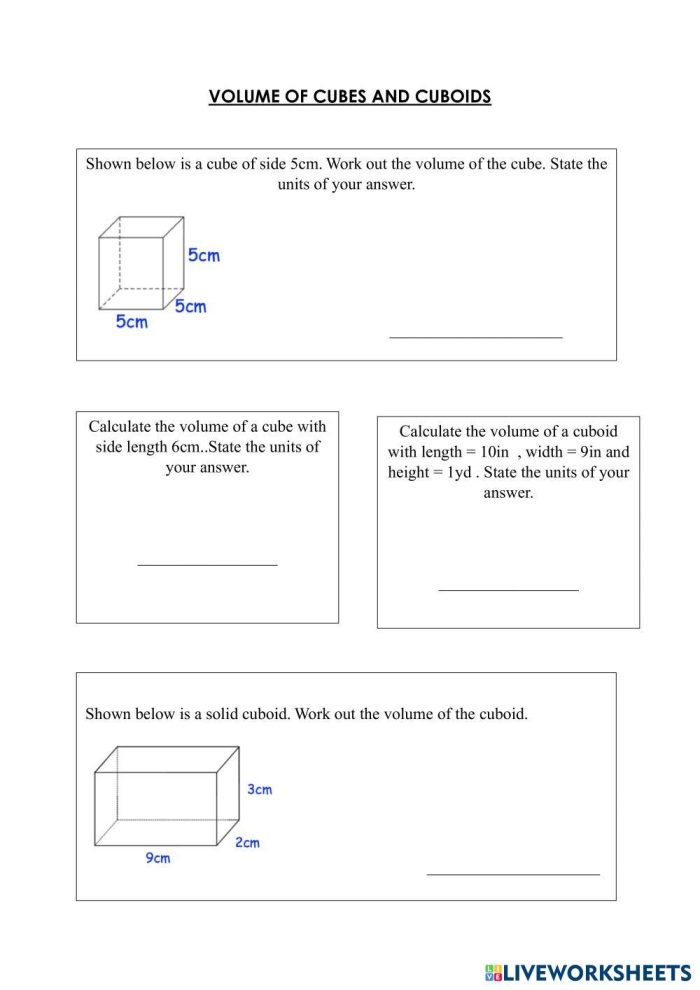
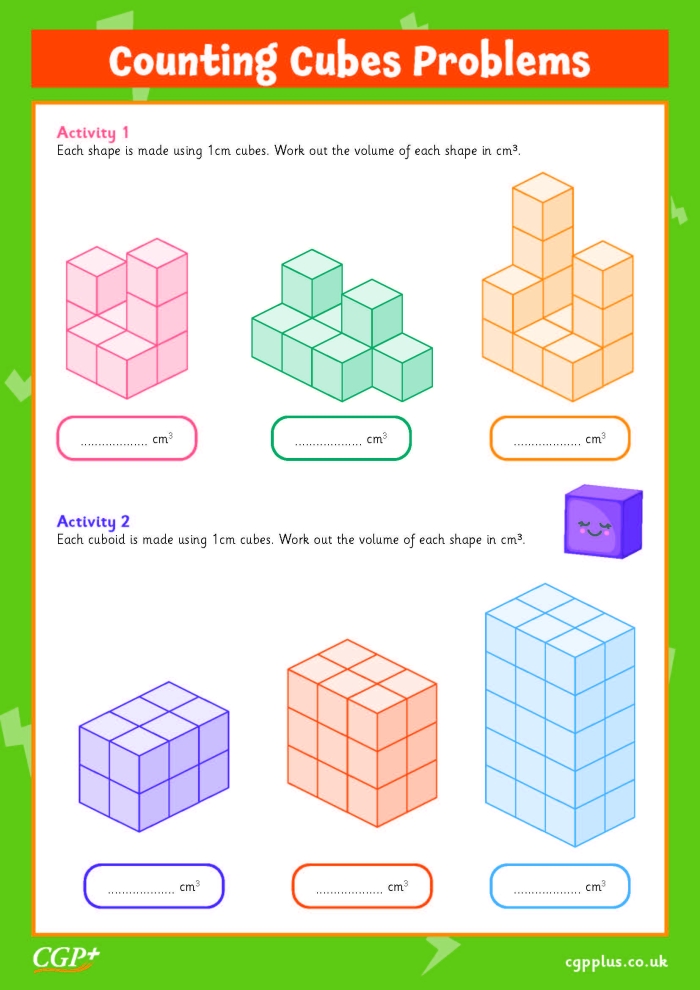
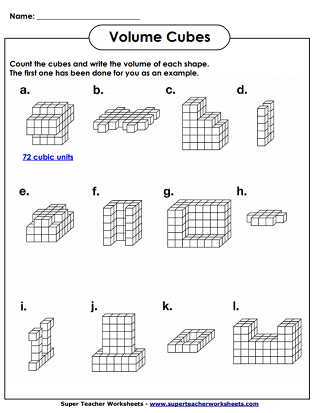
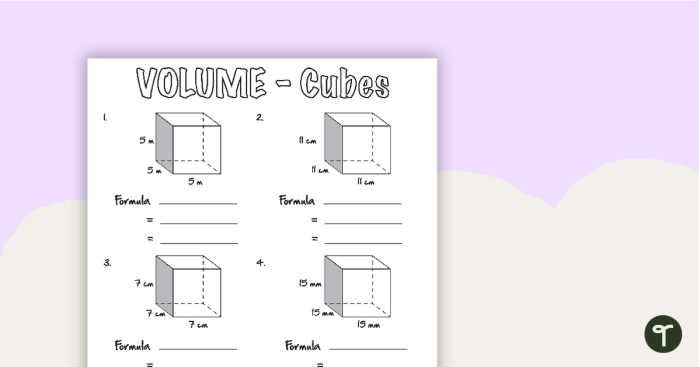
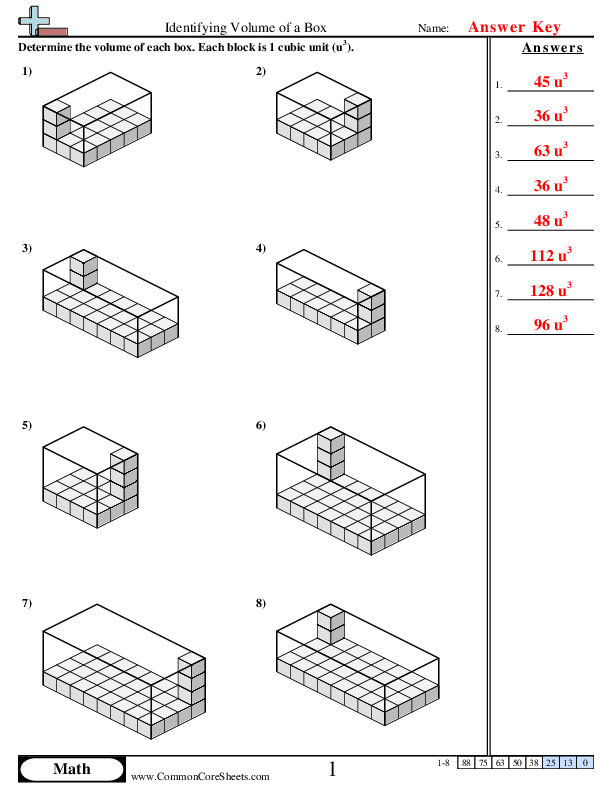
To find the volume of a rectangular prism, students can physically count the cubic units that fill the shape. Imagine a box made up of small cubes; by counting these cubes, learners can determine how much space the box occupies. For example, a prism measuring 3 units in length, 2 units in width, and 4 units in height can be filled with 24 cubic units. This method solidifies their understanding of volume by connecting it to real-world objects.
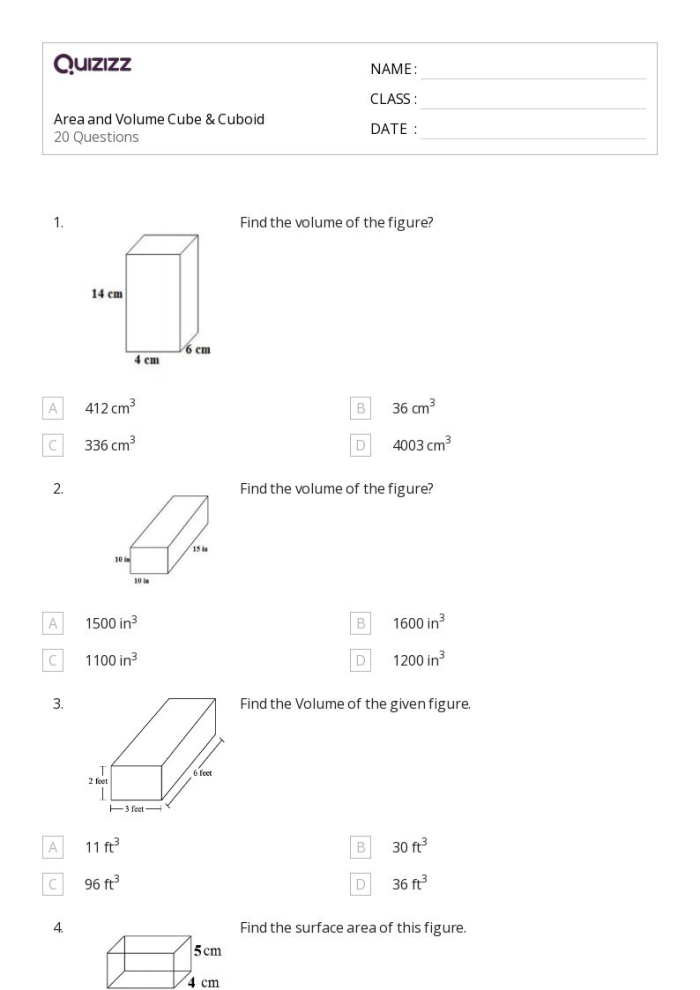
Using printable worksheets can enhance this learning experience. Worksheets like What Do Cubes Have to Do With Volume? help students practice calculating the volume of different prisms. They provide a structured way to apply what they’ve learned in class while allowing for creativity and exploration. Additionally, engaging with these exercises can improve their problem-solving skills and boost their confidence in math.
Teachers can also encourage group activities where students build their own rectangular prisms using blocks or other materials. This tactile experience allows them to visualize the concept of volume in a way that numbers alone cannot convey. As they manipulate the shapes, they can directly see how changing the dimensions affects the total volume.
Incorporating geography into these lessons can further enrich the students’ learning. For instance, they can examine how the volume of buildings or containers might relate to geographical data. By integrating subjects, such as looking at historical aspects of the 13 colonies, students can make connections across disciplines, deepening their understanding of both mathematics and social studies.
Download These Worksheets for Practice