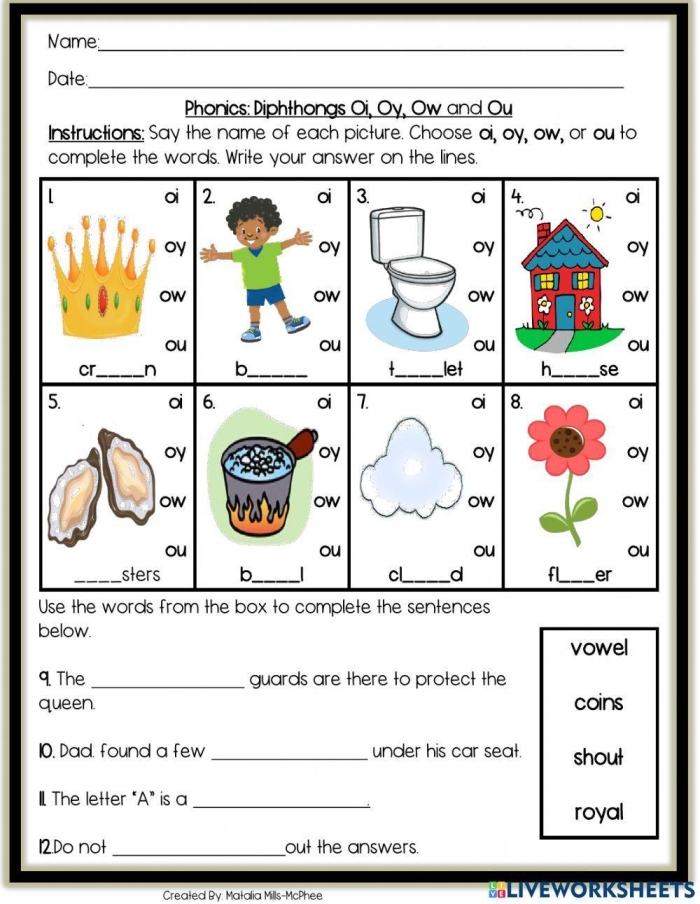
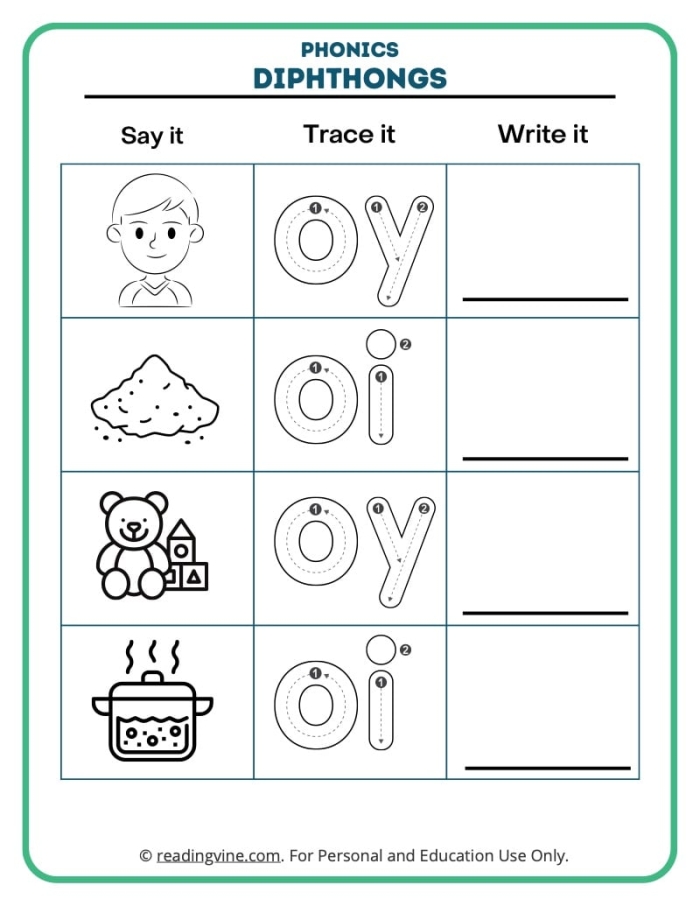
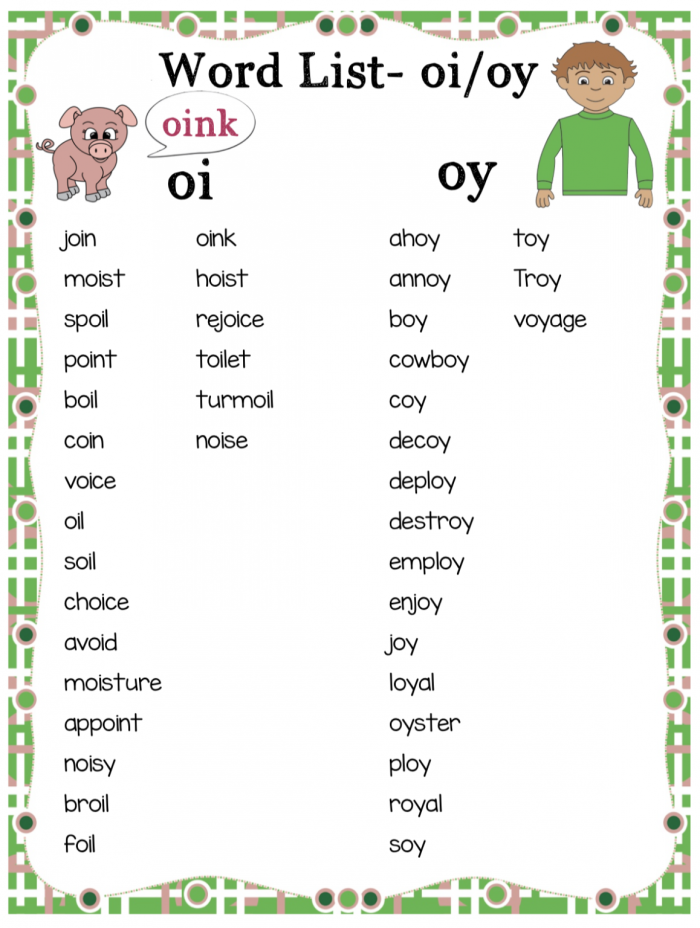
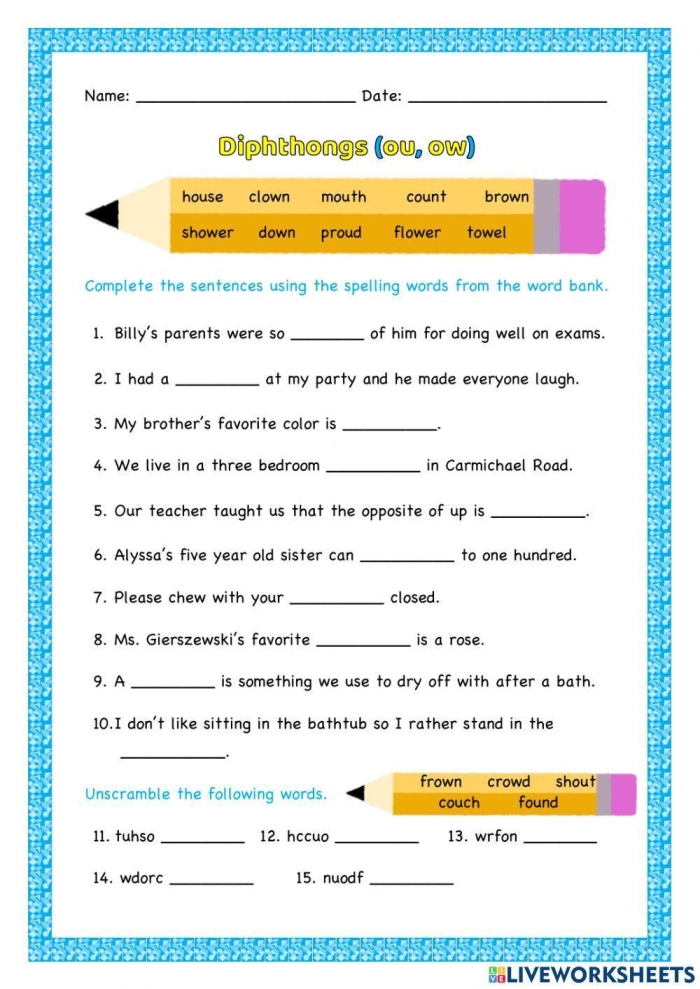
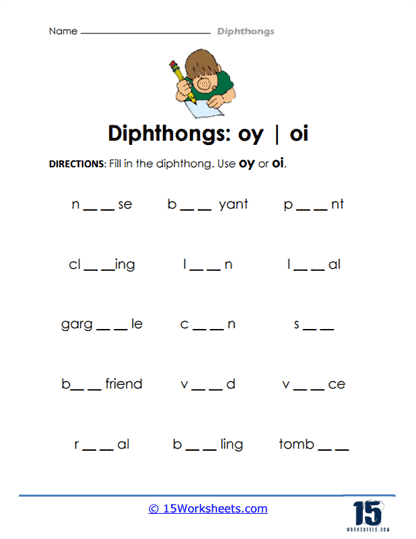
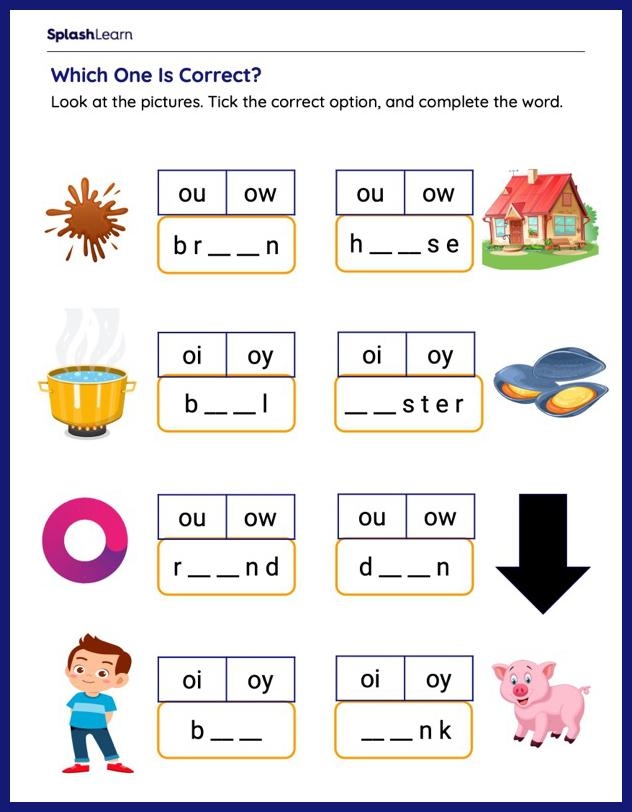
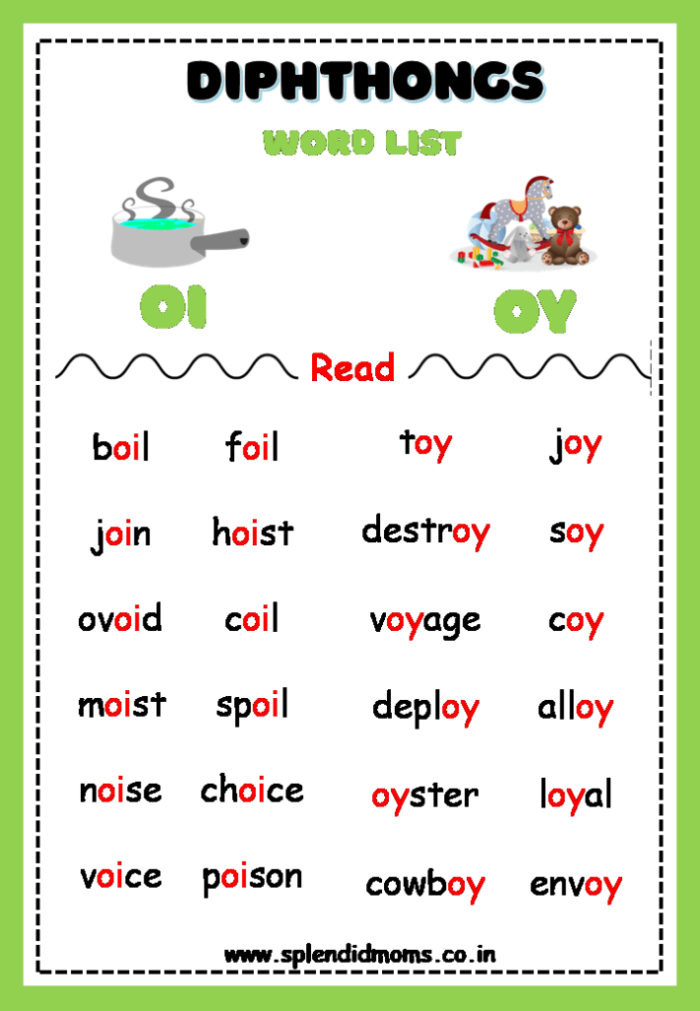
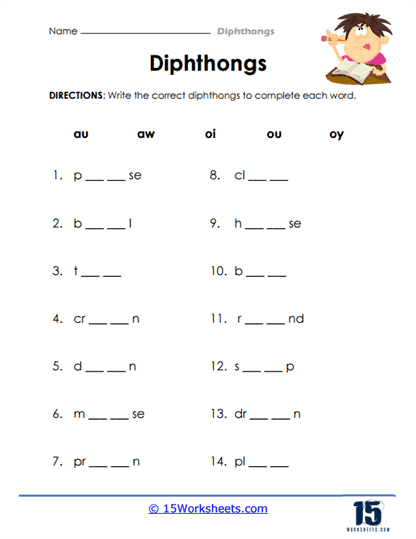
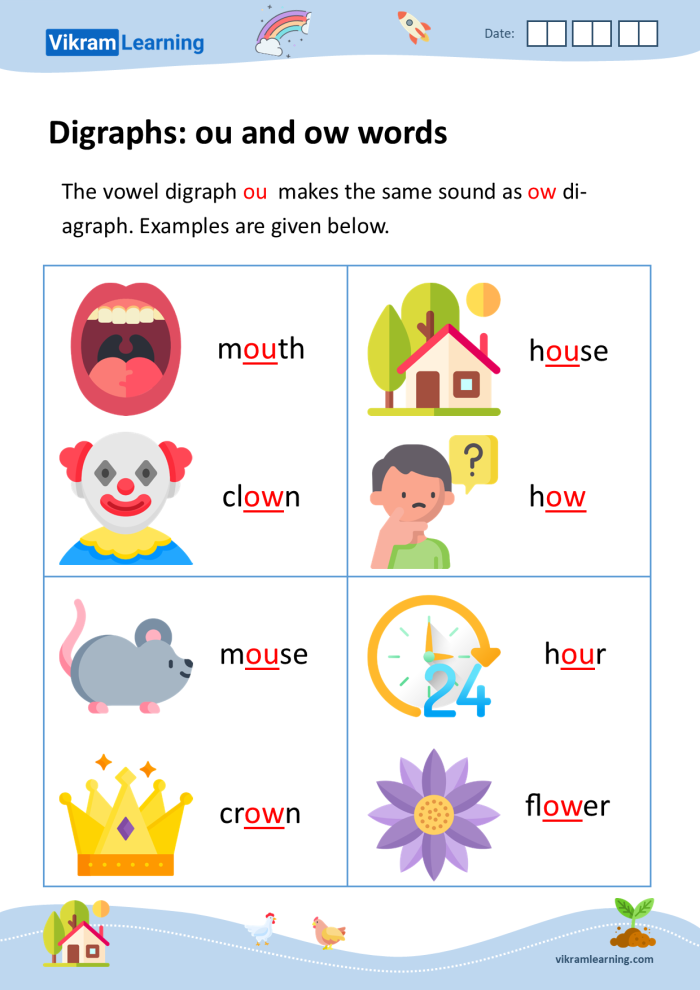
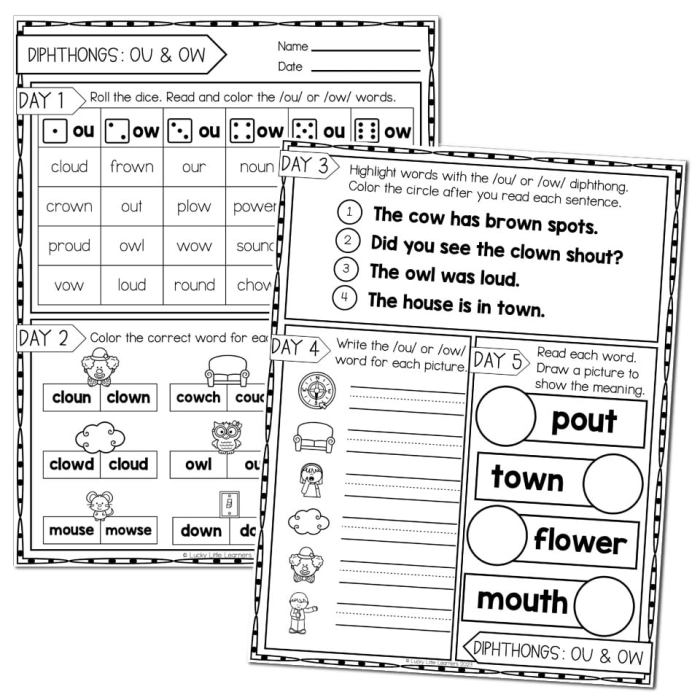
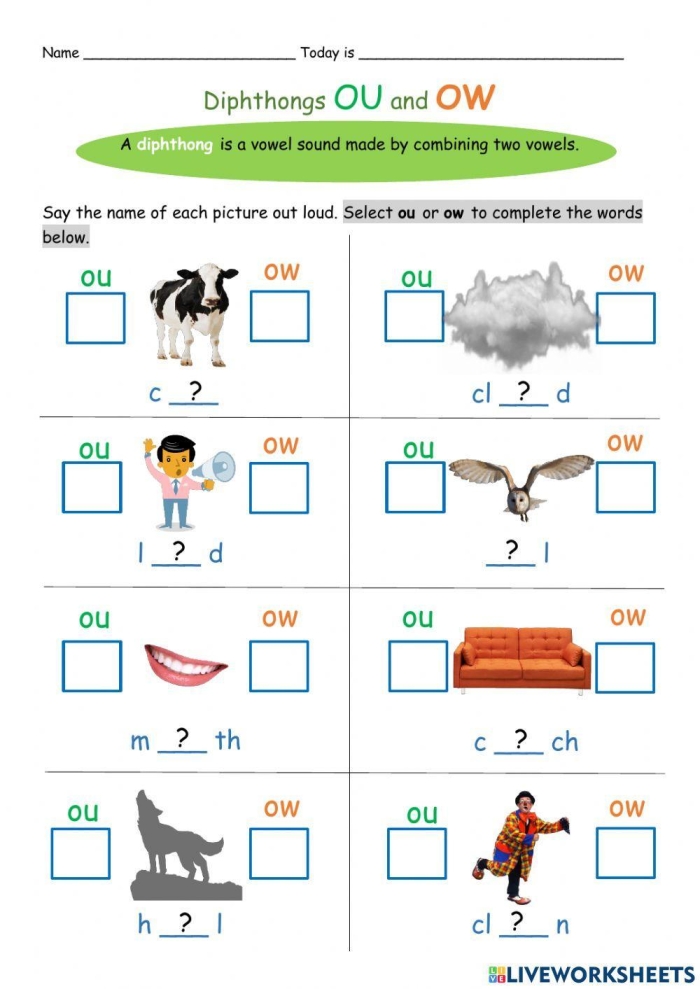
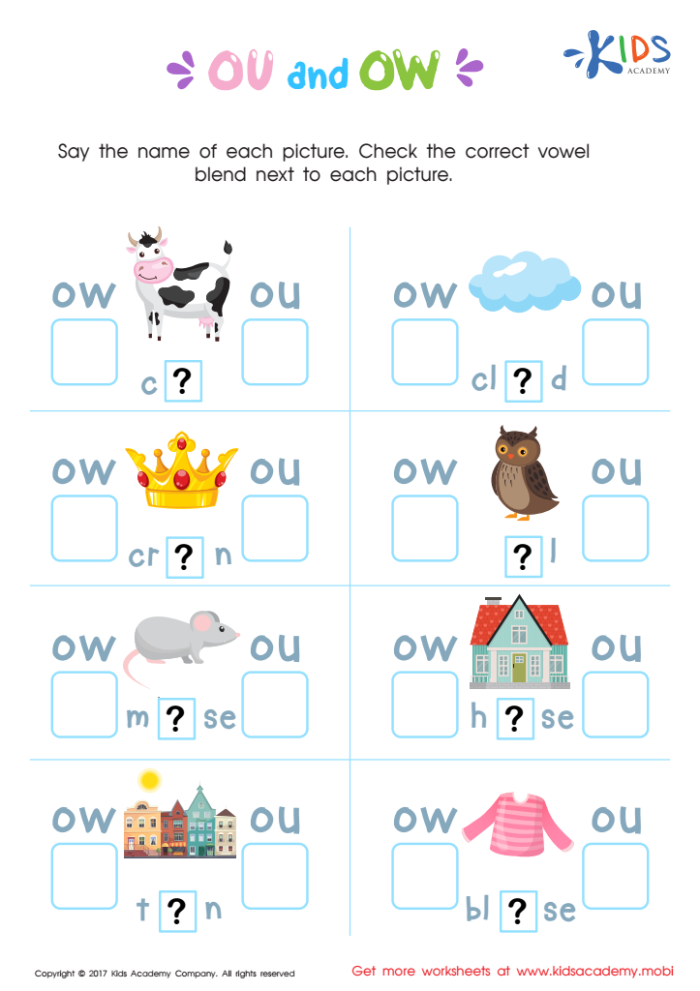
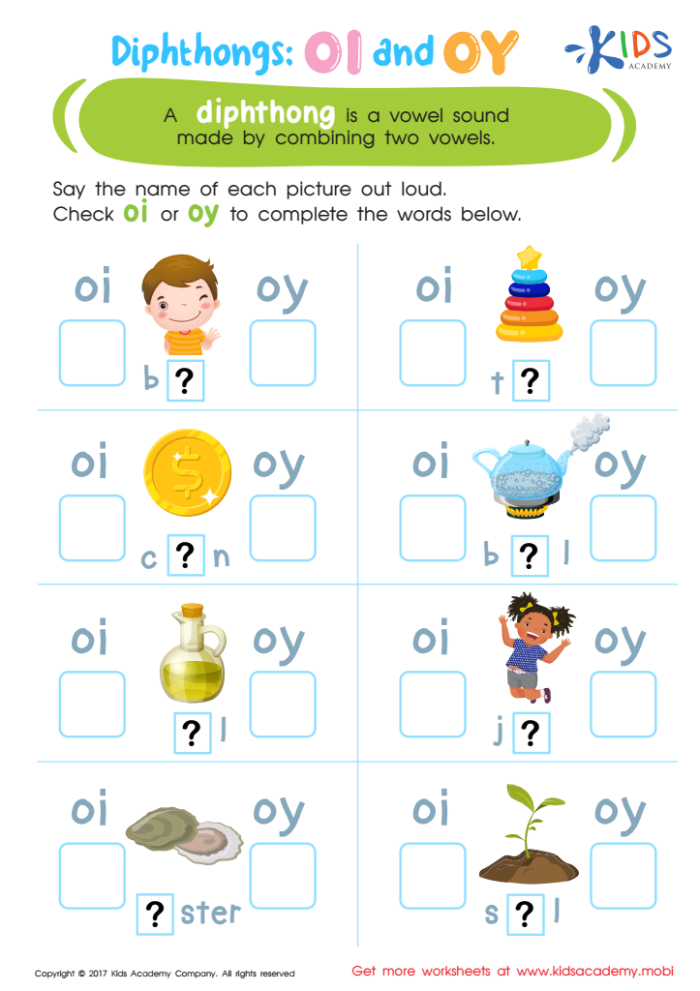
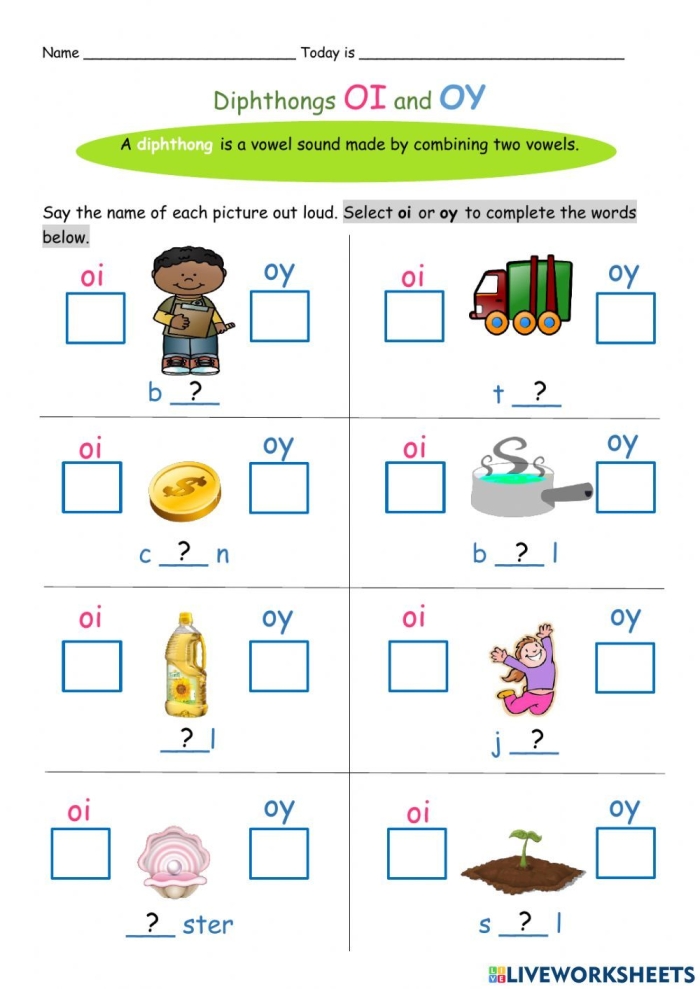
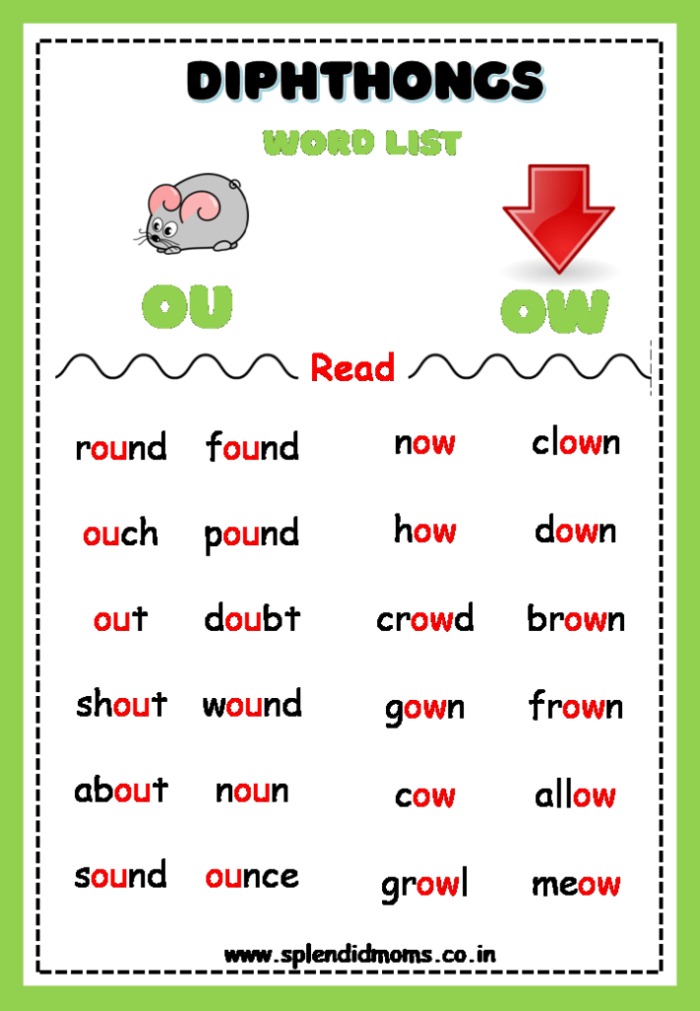
Mastering phonics is a crucial step in a child’s early education, and one of the more fascinating areas of exploration is the diphthong “OW.” This unique vowel combination can be tricky, but with the right approach, children can easily grasp its sound and usage. When children work on phonics and spelling skills through targeted worksheets, they not only become familiar with the diphthong but also enhance their overall vocabulary.
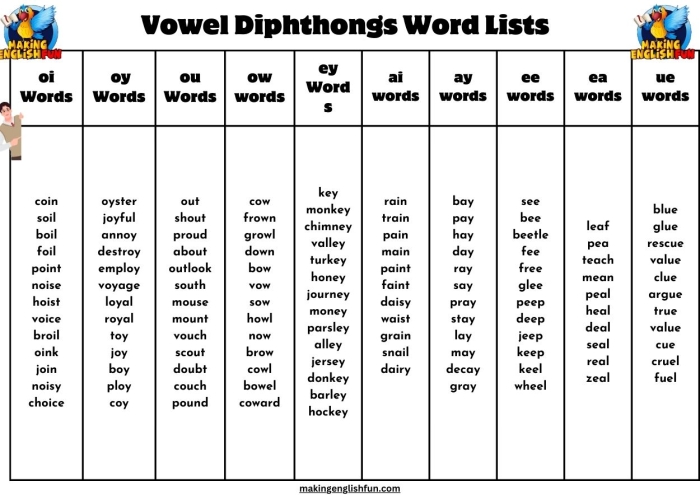
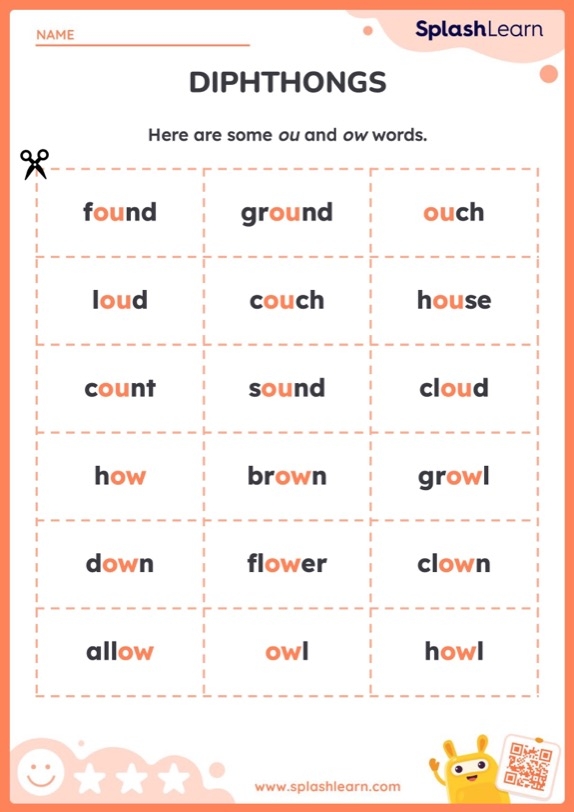
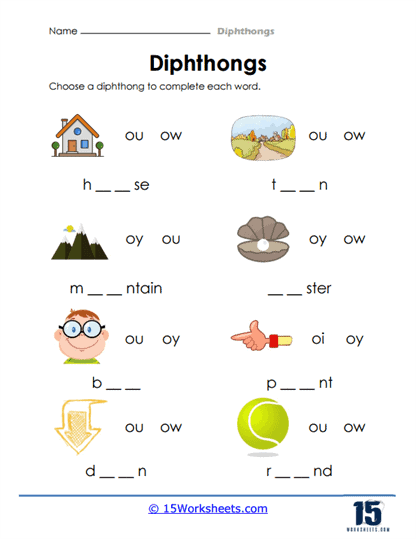
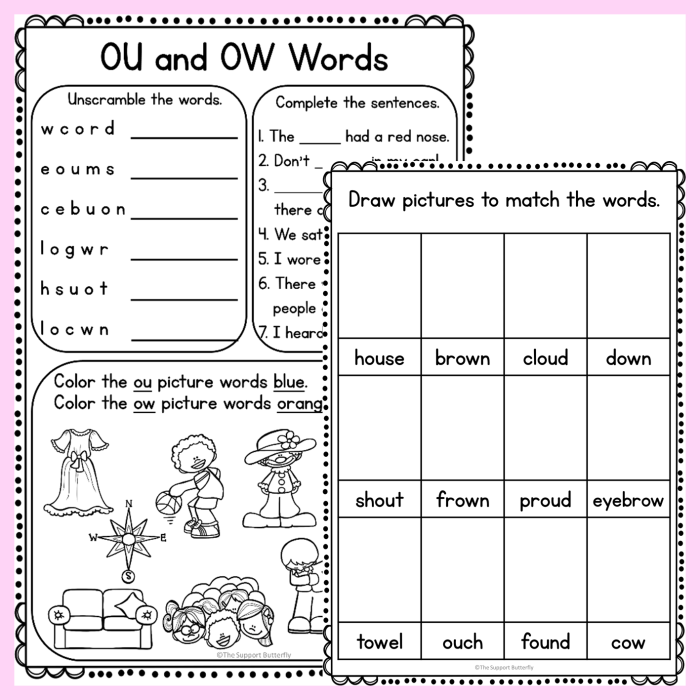
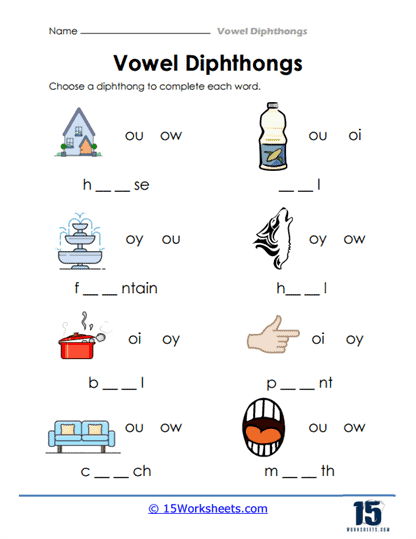
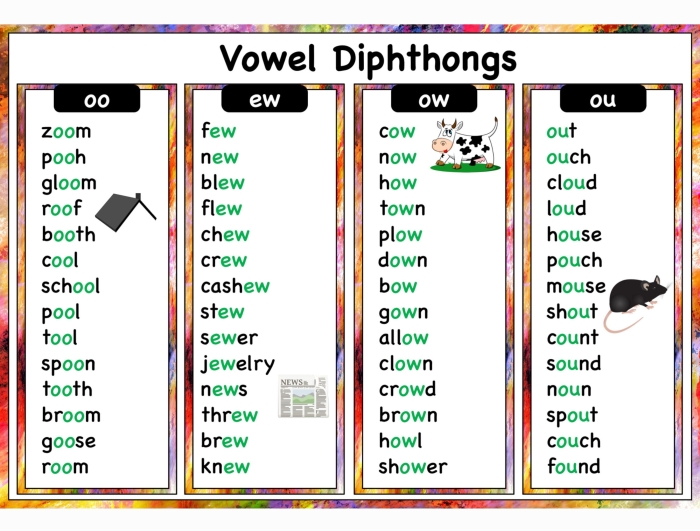
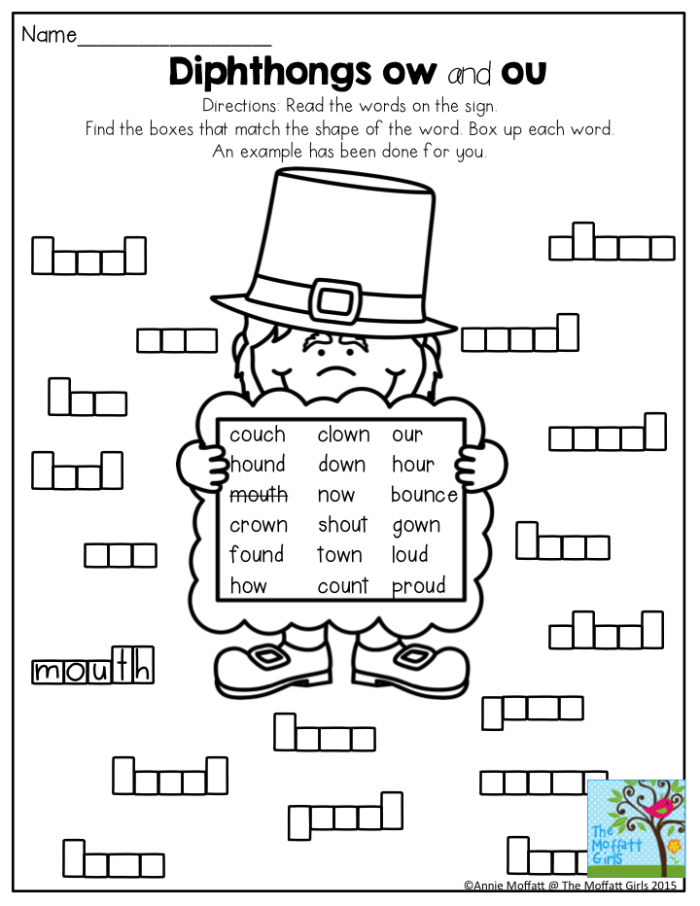
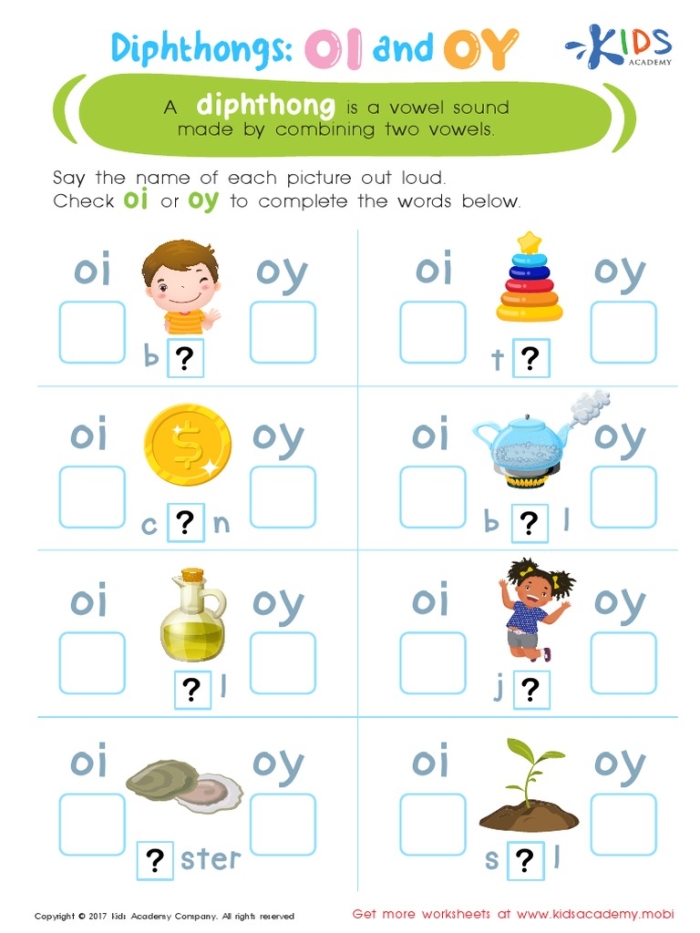
In a typical vocabulary-building worksheet focused on the “OW” diphthong, students might encounter words like “cloud,” “cow,” and “how.” These examples provide a practical context for children to understand how “OW” functions in different words. By associating the sound with familiar objects or actions, children gain confidence in their reading and writing skills. For instance, they can practice spelling by filling in the blanks or matching pictures with the correct words, making the learning process interactive and enjoyable.
Engaging with diphthongs like “OW” also helps first graders develop their listening and pronunciation skills. As they sound out words, they learn to distinguish between similar-sounding vowels. This is fundamental in building a solid foundation for their future reading and writing endeavors. Incorporating diphthongs into regular phonics practice not only supports spelling but also enriches their vocabulary, allowing them to express themselves more clearly.
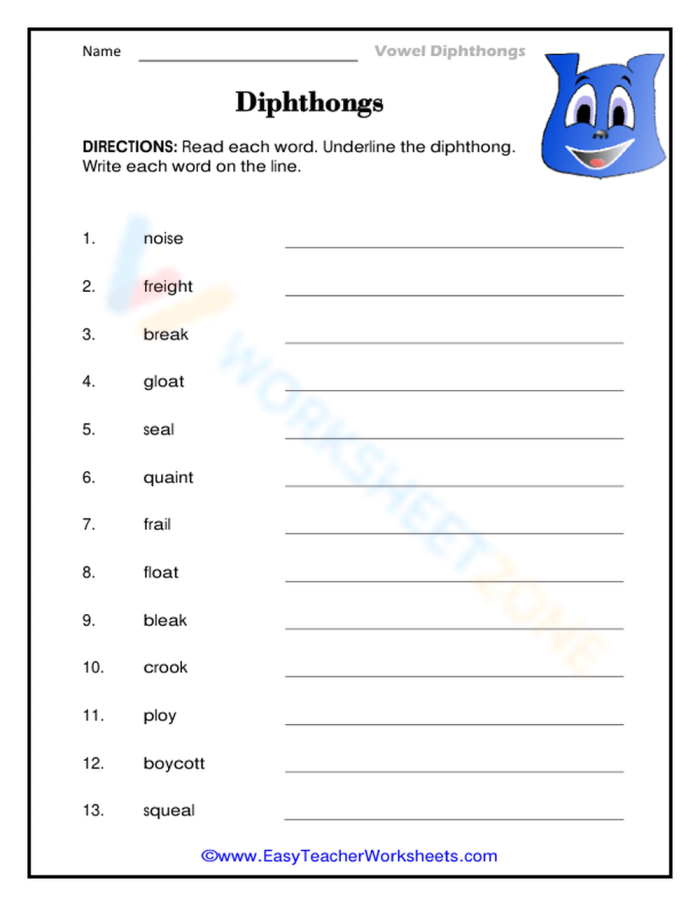
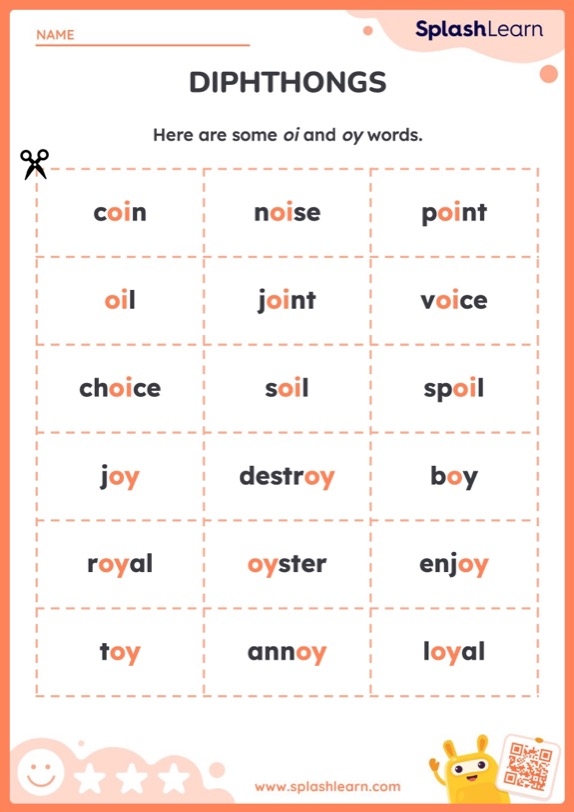
Educators and parents can find valuable resources online. For example, printable vowel diphthongs worksheets can be easily accessed to reinforce learning at home. Worksheets that focus on grammar and mechanics, such as number patterns, stretching sentences, and sentence writing, can complement the phonics practice and provide a well-rounded educational experience.
Ultimately, as children work through these engaging worksheets, they not only learn about the diphthong “OW” but also develop essential skills that will aid them throughout their academic journey.
Hands-On Worksheet Activities