Understanding verb moods is essential for students, particularly in the eighth grade, as they learn to express attitudes and intentions through language. Verb moods help convey whether a statement is a fact, a command, a wish, or a hypothetical situation. By mastering these various moods, students enhance their writing and communication skills significantly.
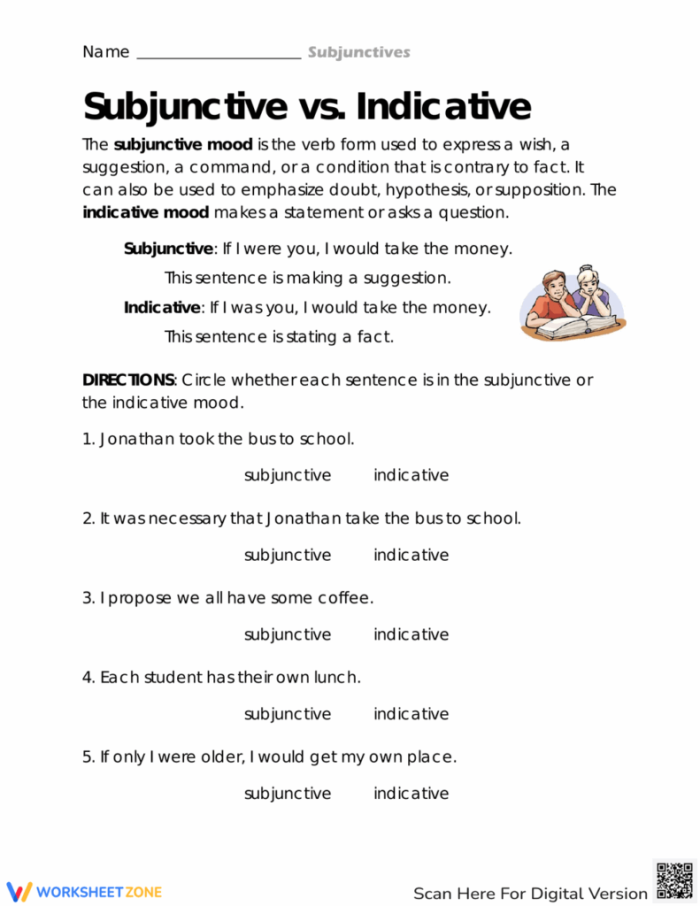
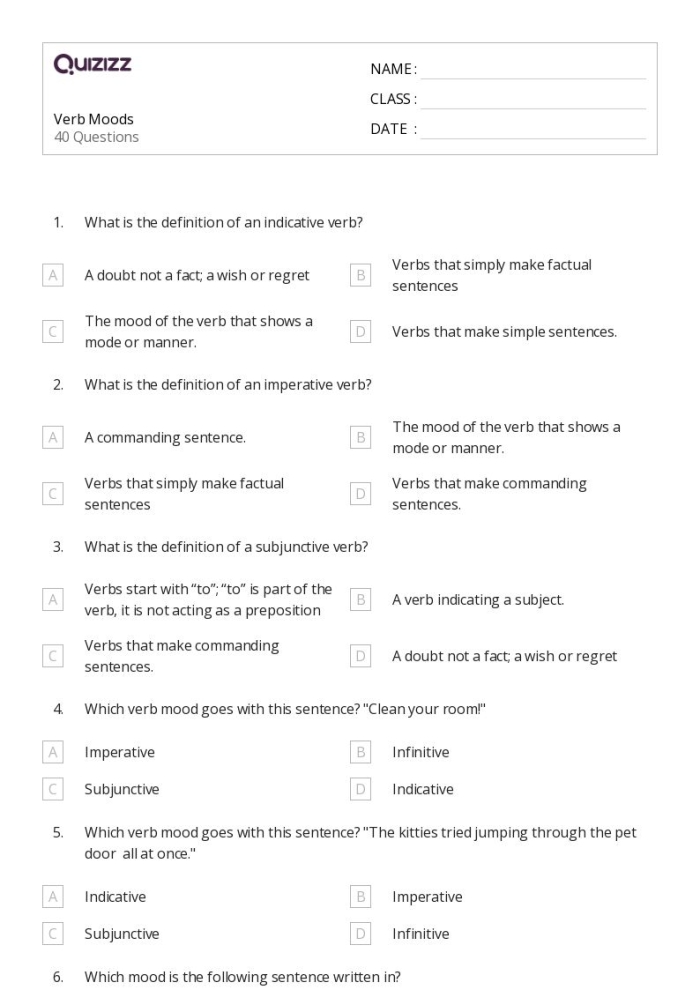
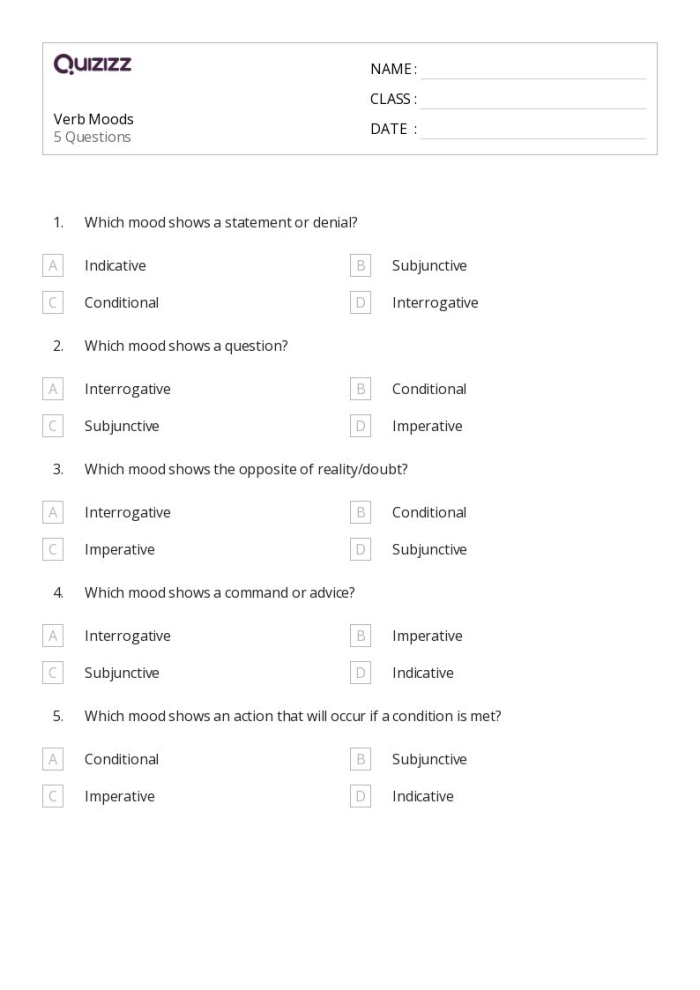
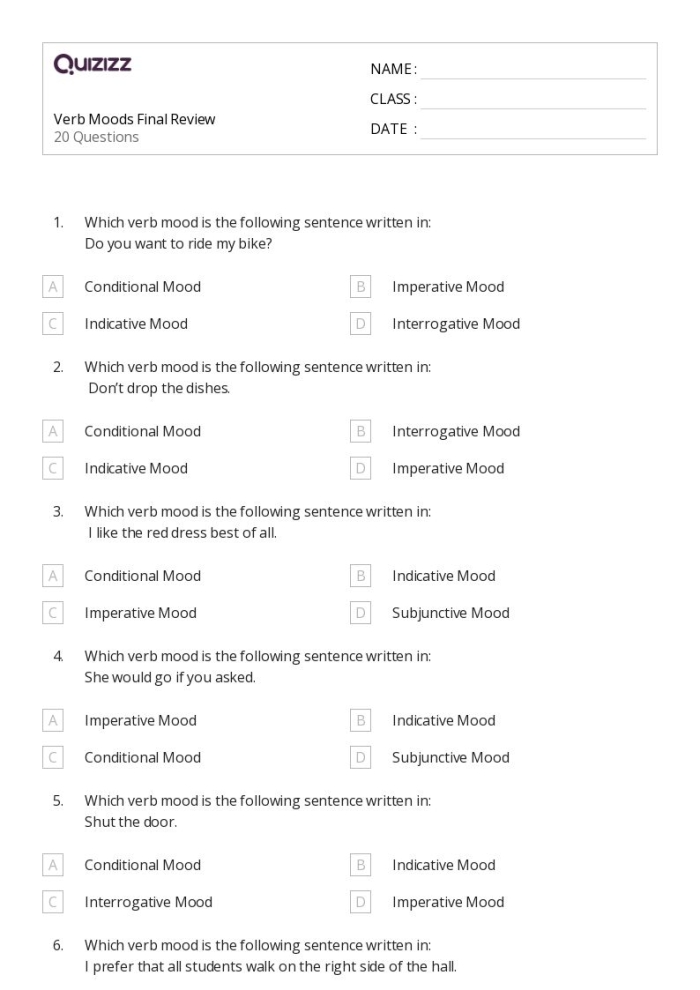
There are primarily three verb moods: indicative, imperative, and subjunctive. The indicative mood states facts or asks questions, such as in the sentence, “She enjoys reading.” The imperative mood, on the other hand, gives commands or requests, evident in “Please close the door.” Lastly, the subjunctive mood expresses wishes, doubts, or hypothetical situations, like “If I were a bird, I would fly.”
Once students grasp these concepts, they engage in practical exercises that allow them to apply their knowledge in context. For instance, they might analyze sentences from literature to identify the mood used by the author and discuss how it influences the reader’s understanding. This not only sharpens their analytical skills but also deepens their appreciation for writing.
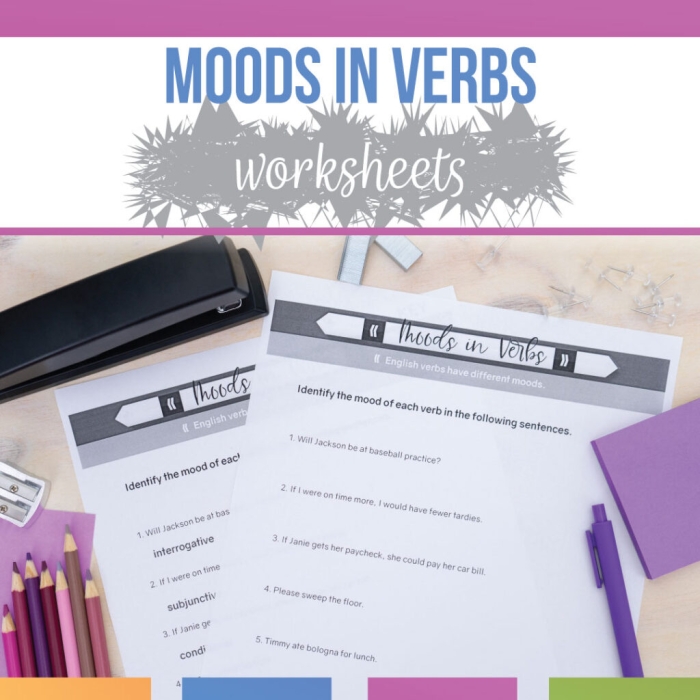
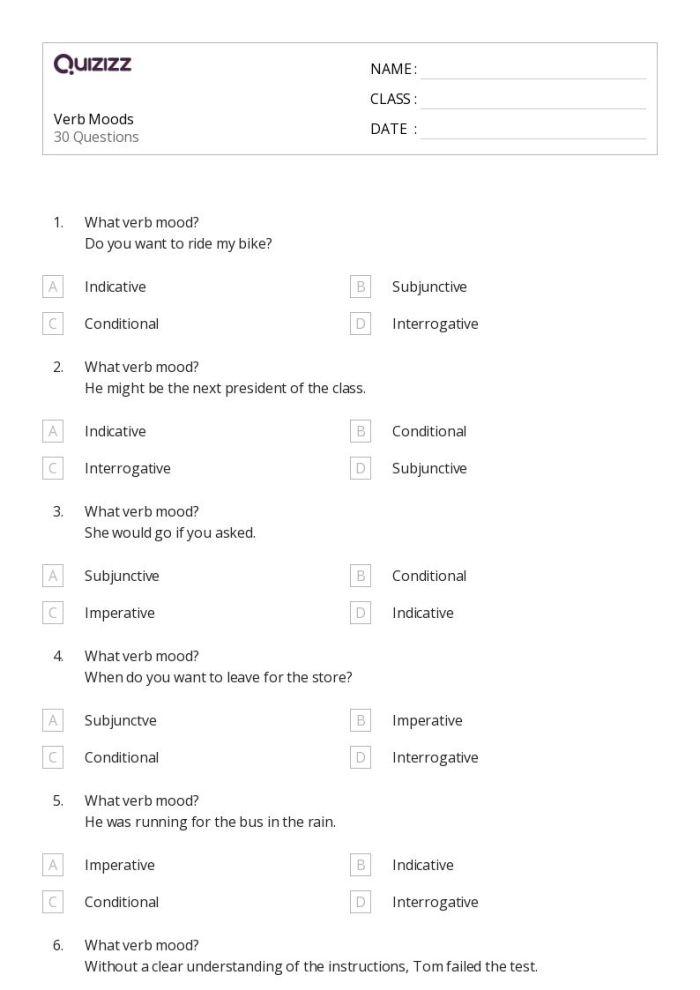
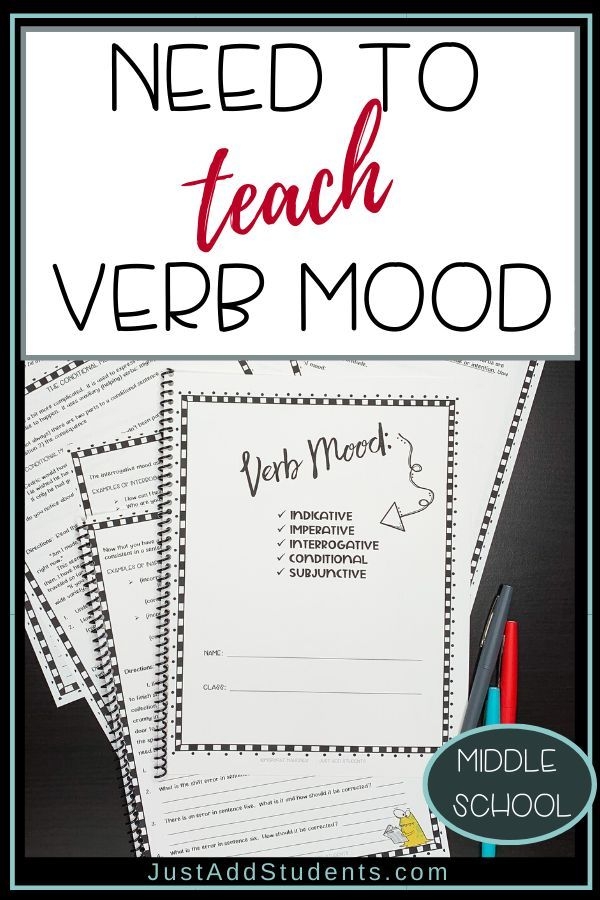
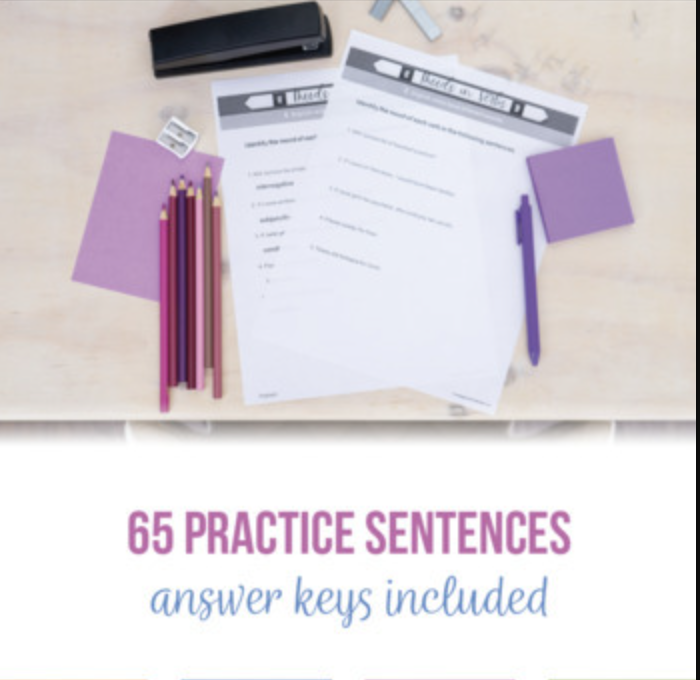
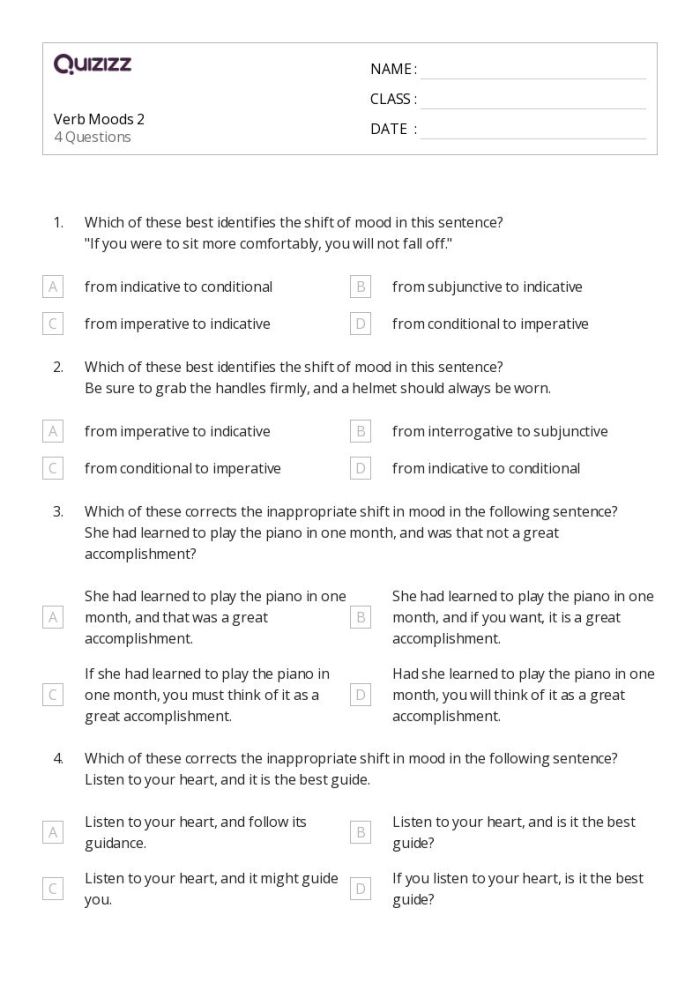
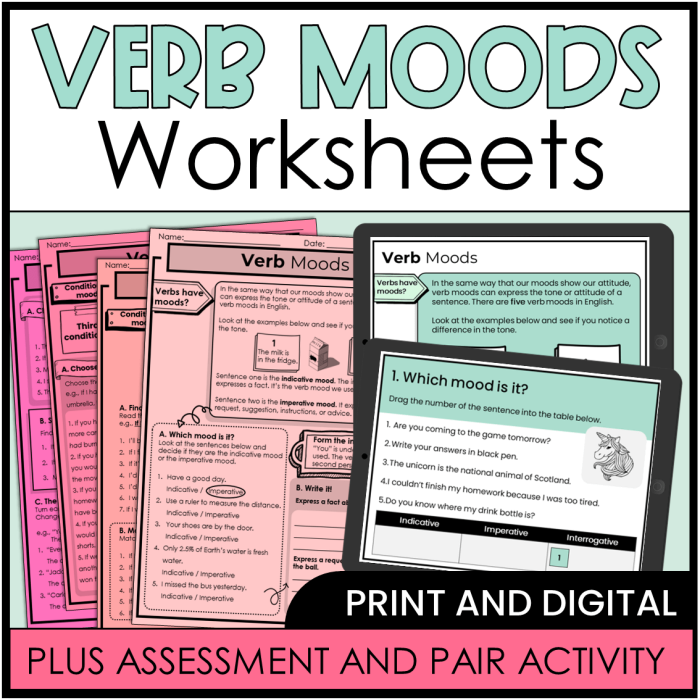
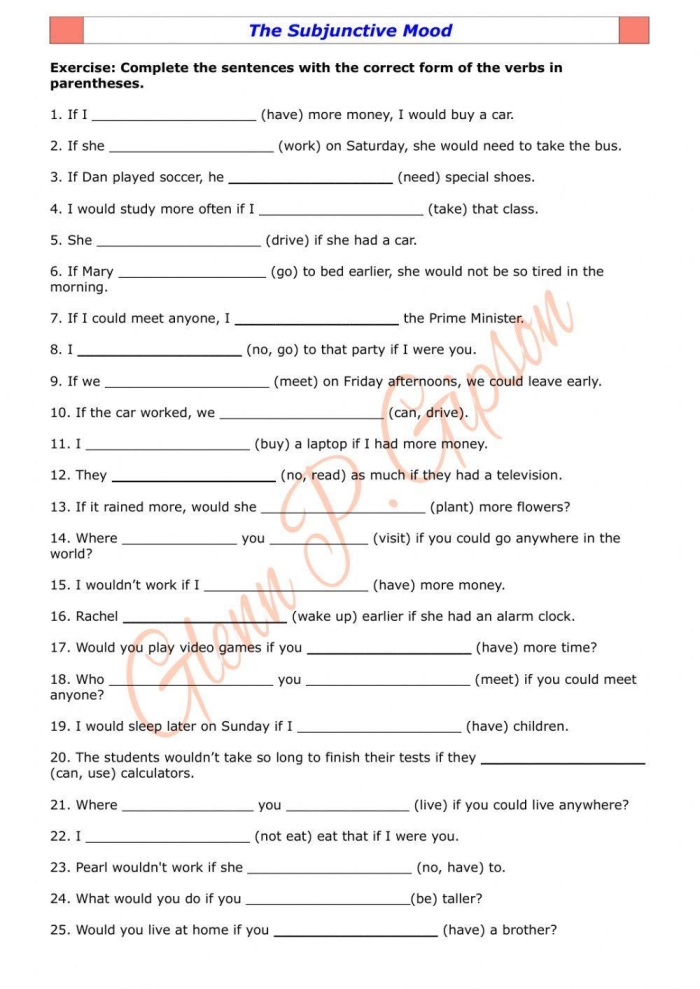
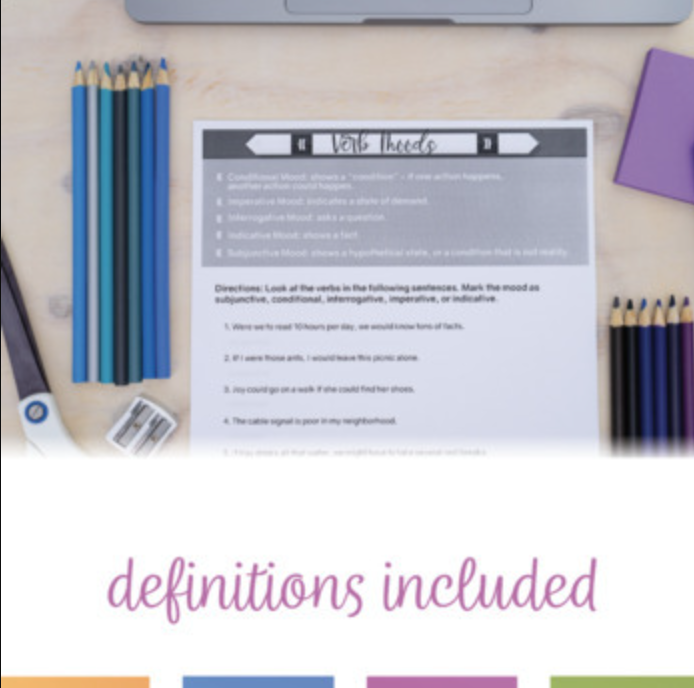
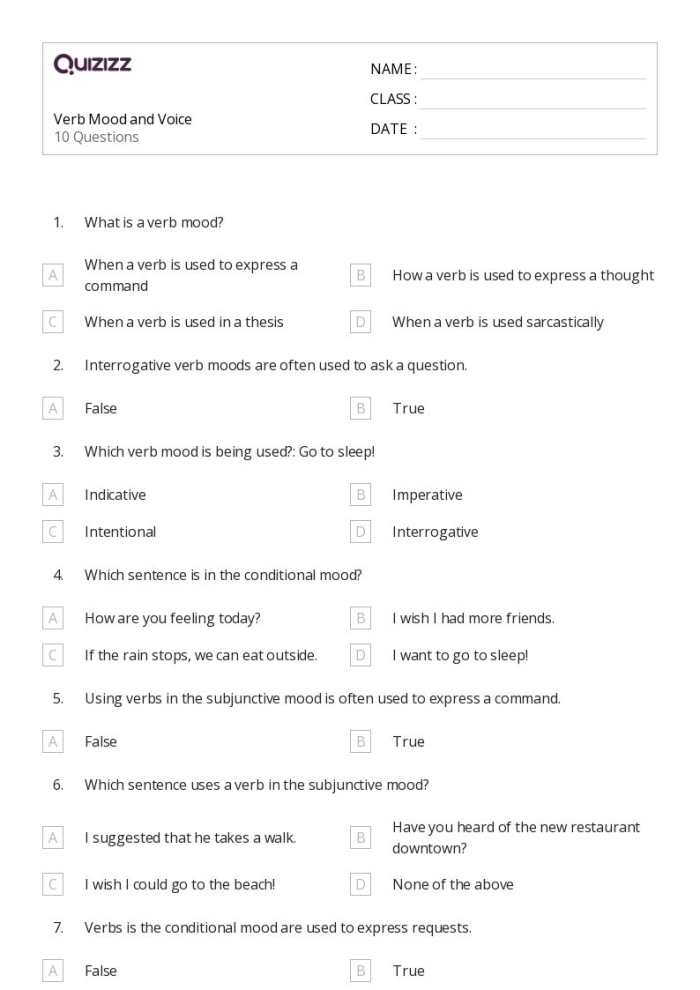
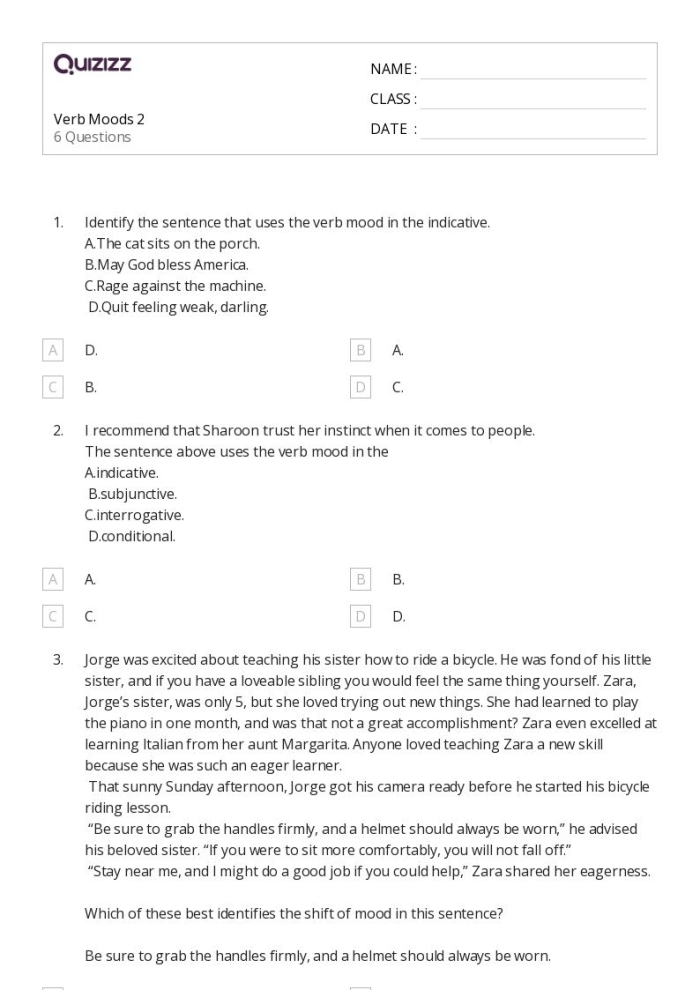
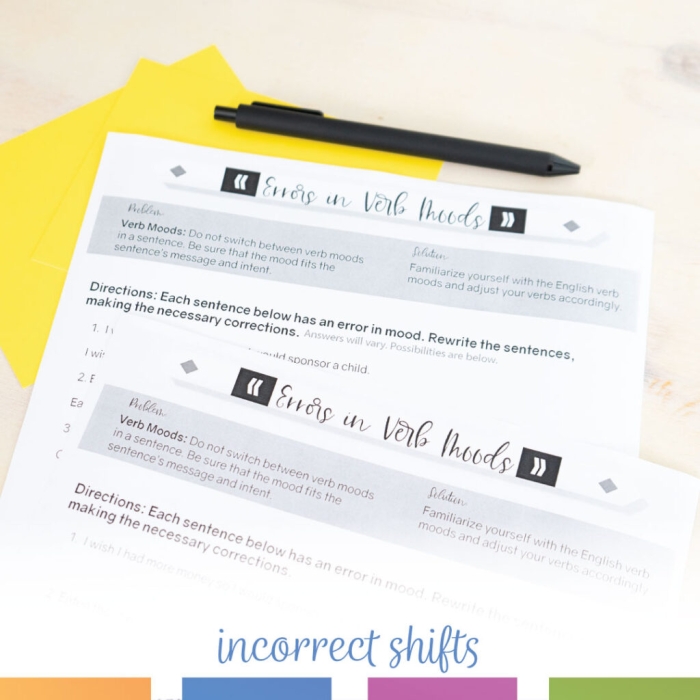
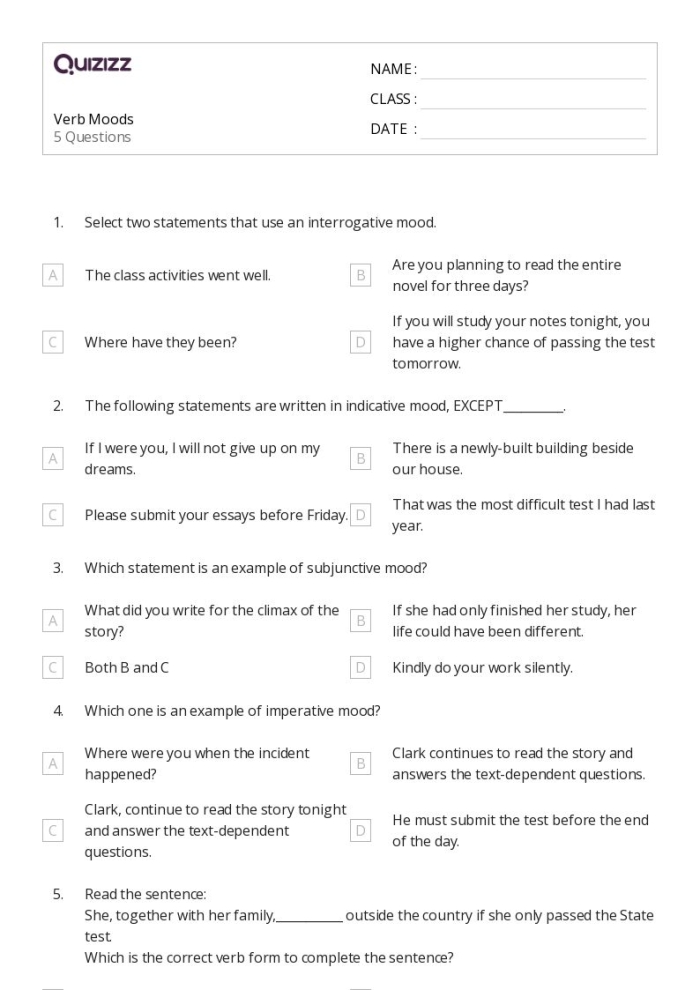
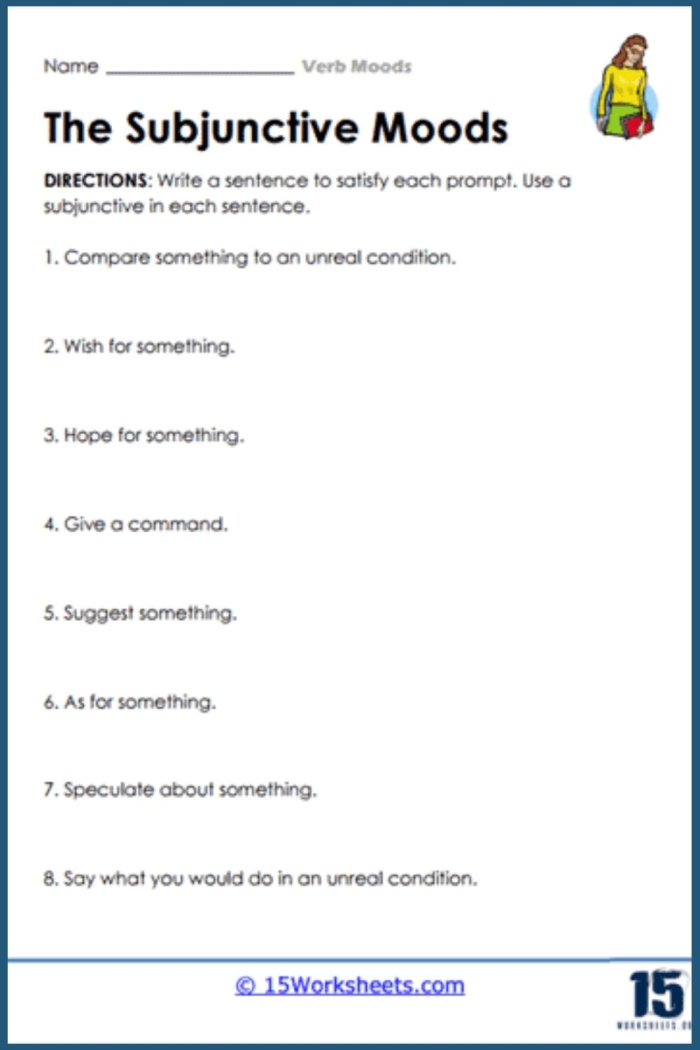
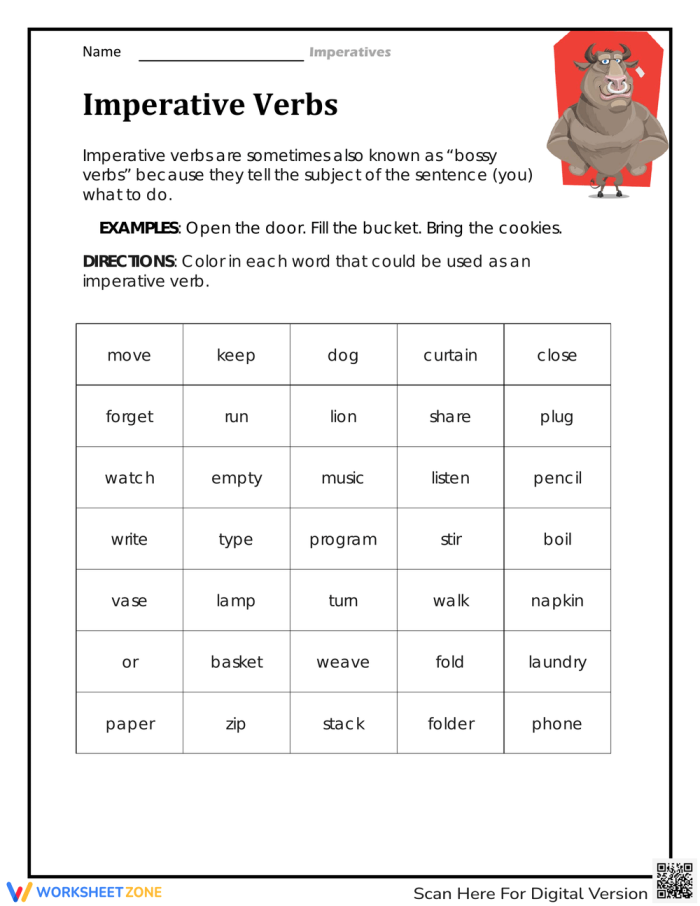
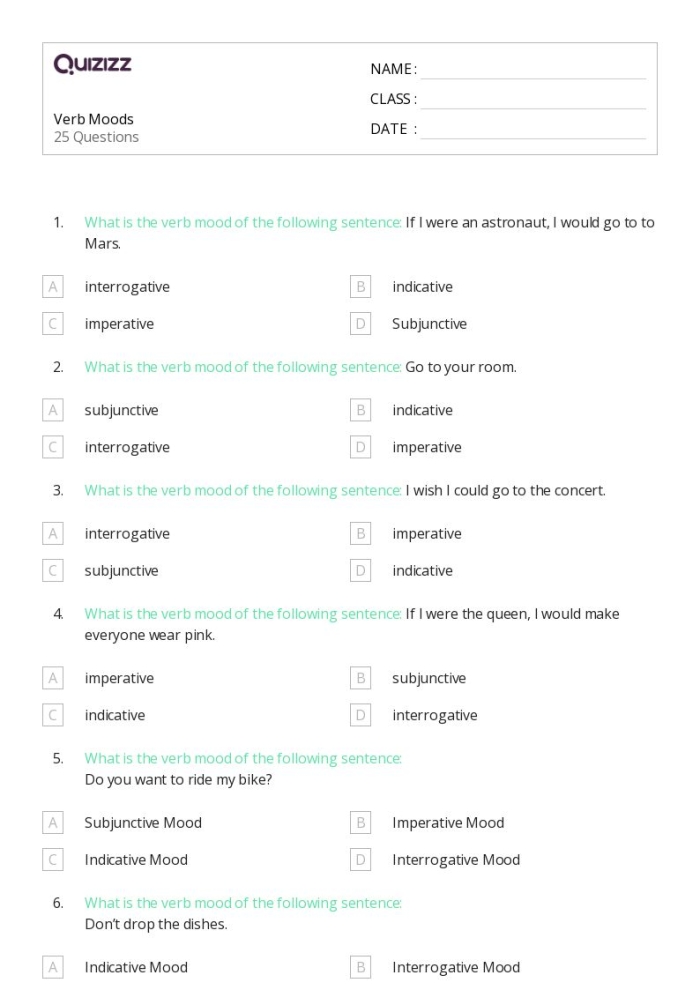
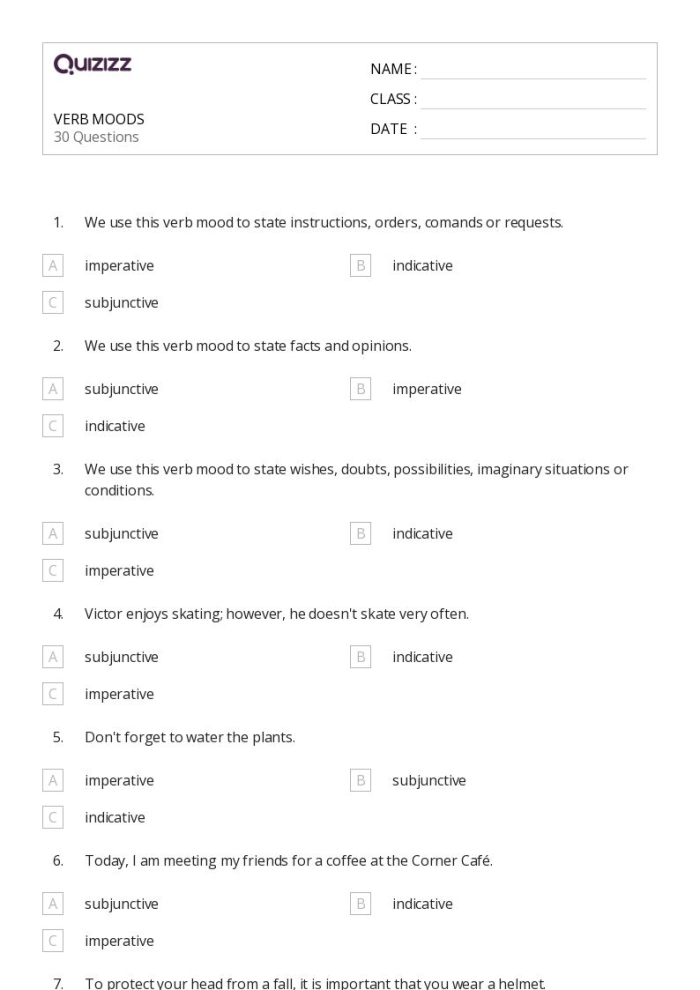
To facilitate this learning, teachers often provide resources like printable verb moods worksheets. These worksheets help students practice recognizing and using different moods in sentences, making the learning process interactive and enjoyable. Incorporating these activities into lessons on language arts can significantly enhance students’ grasp of verb moods while also improving their overall writing proficiency.
In addition to verb moods, students can explore related topics that strengthen their language skills, such as slope vocabulary and scientific notation. These connections highlight the importance of language in various academic subjects, reinforcing the idea that strong communication skills are foundational across disciplines.
Download These Worksheets for Practice