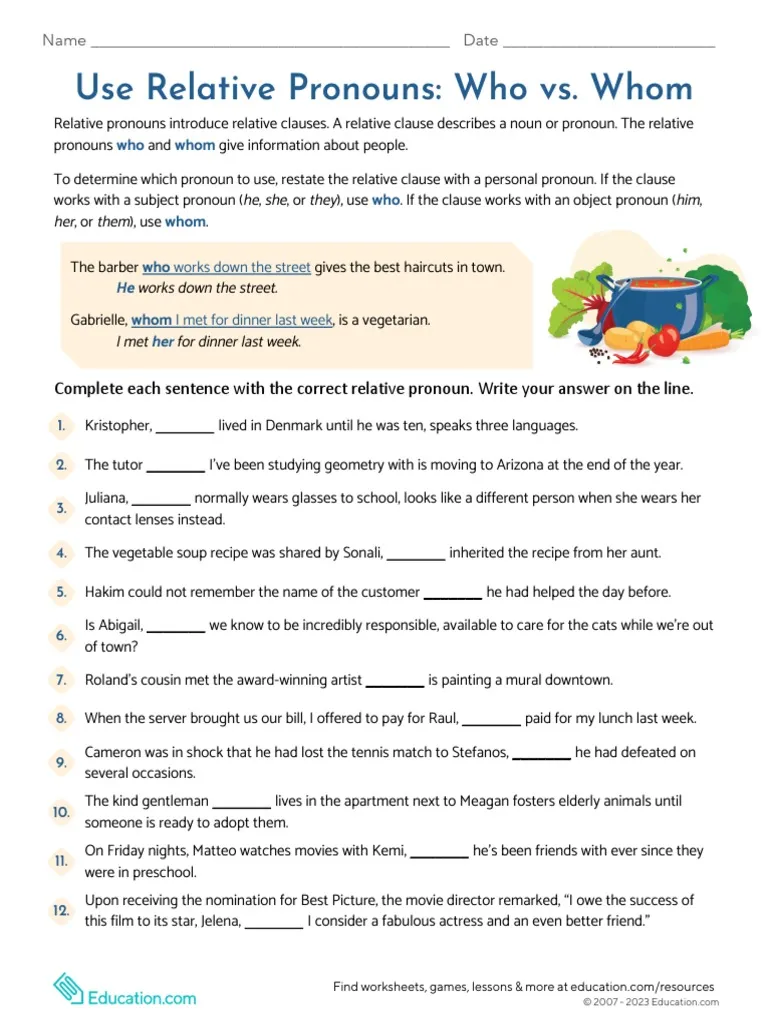
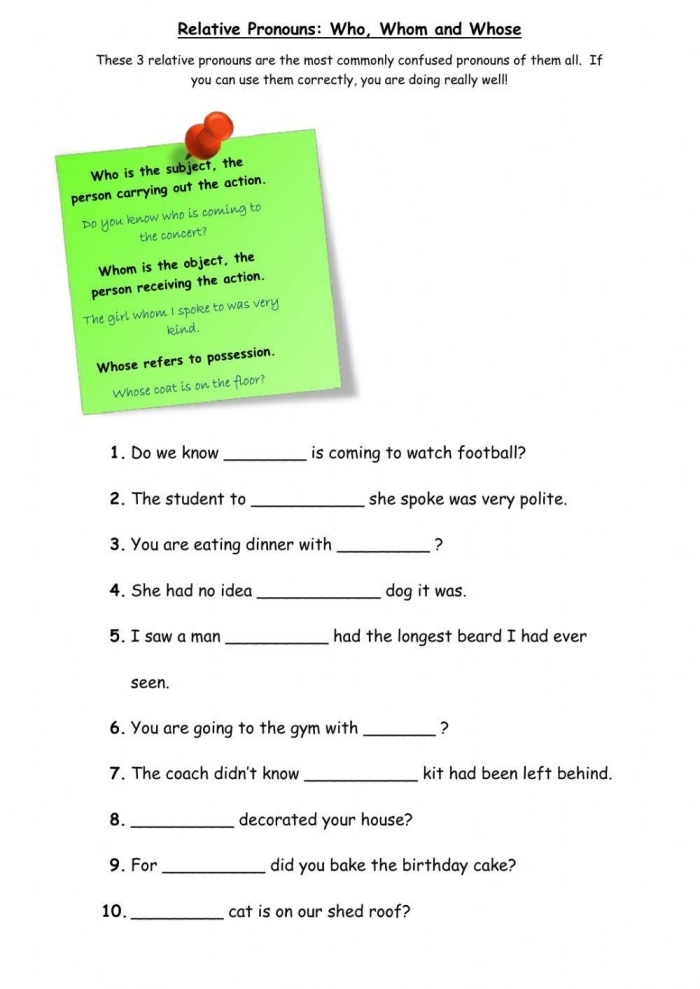
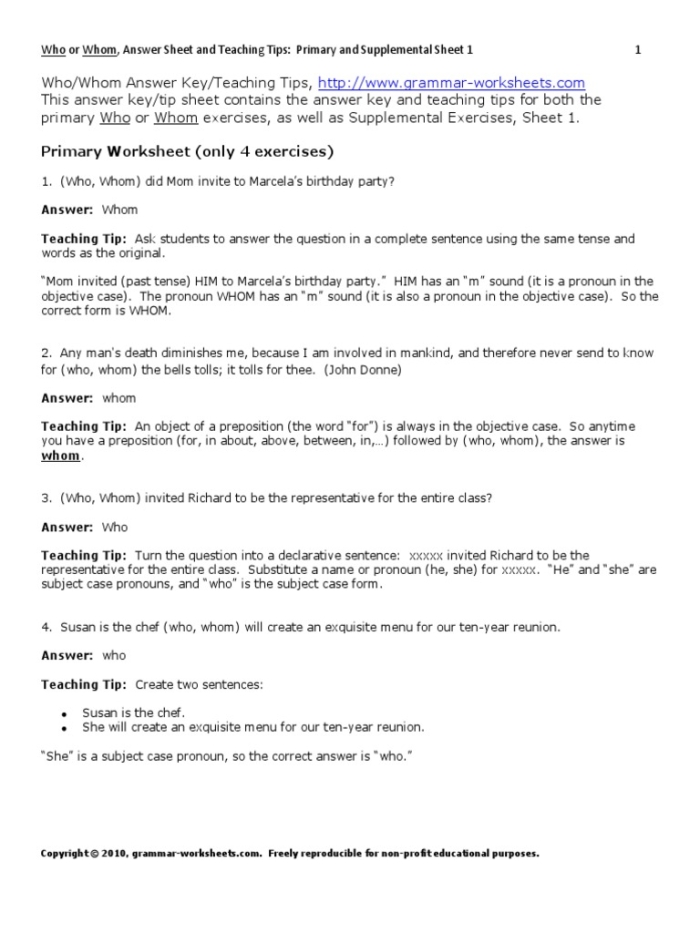
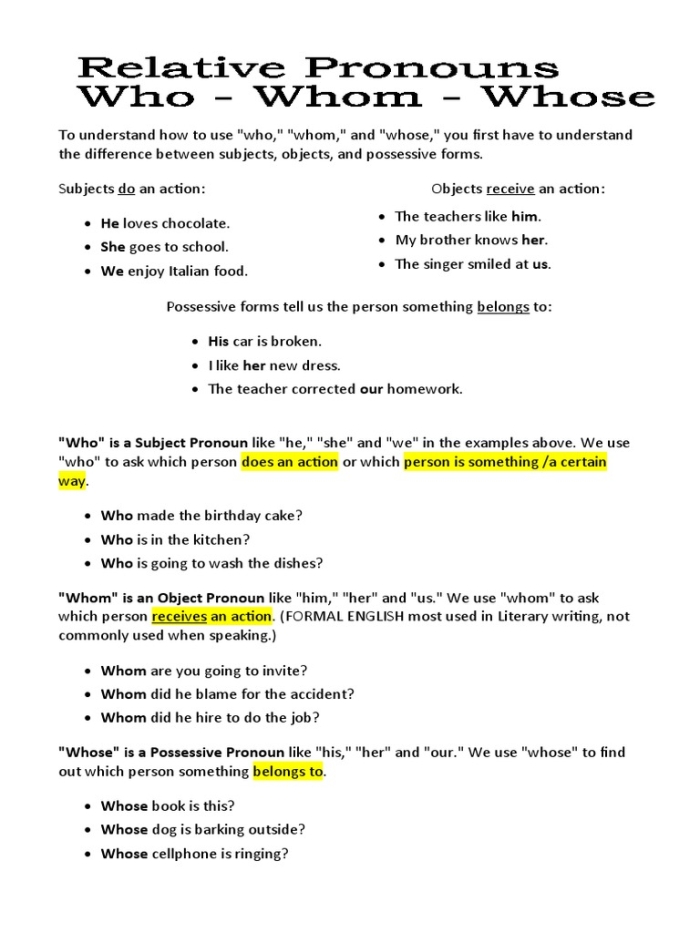
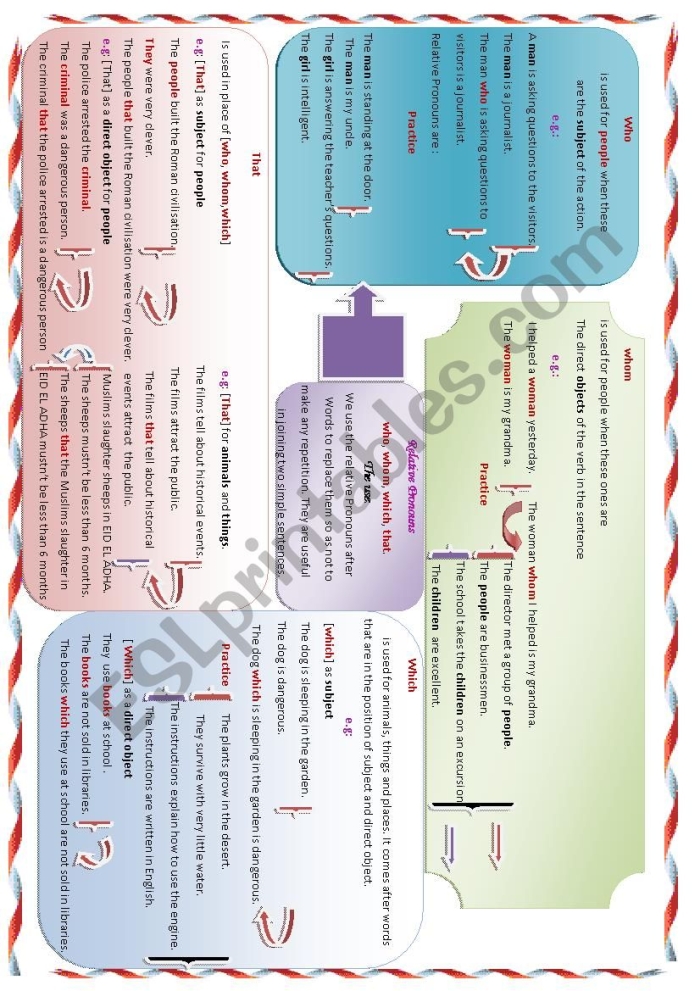
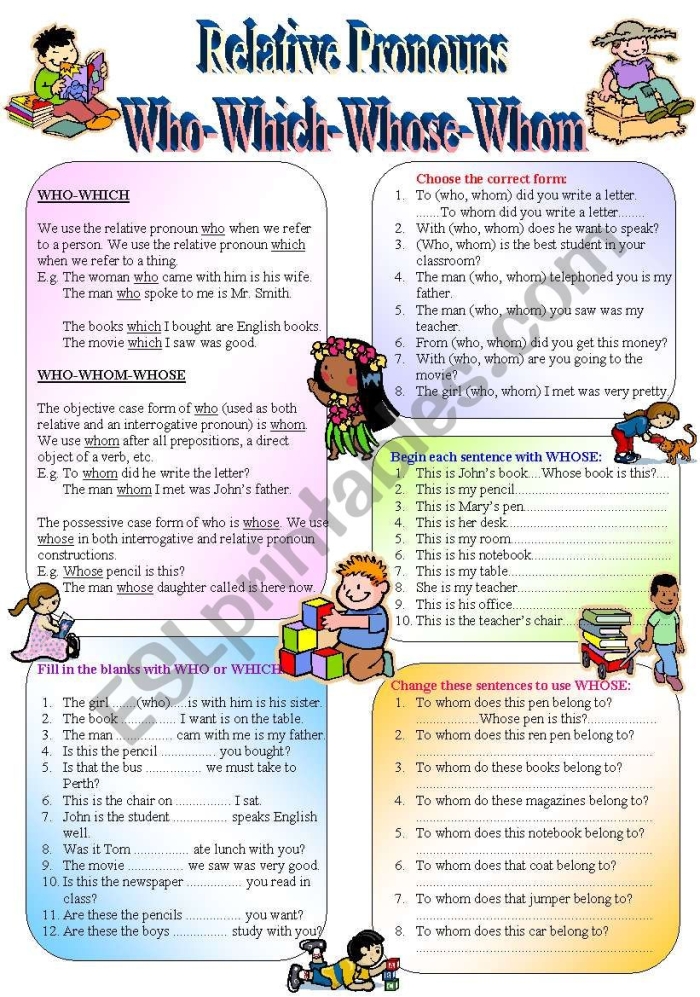
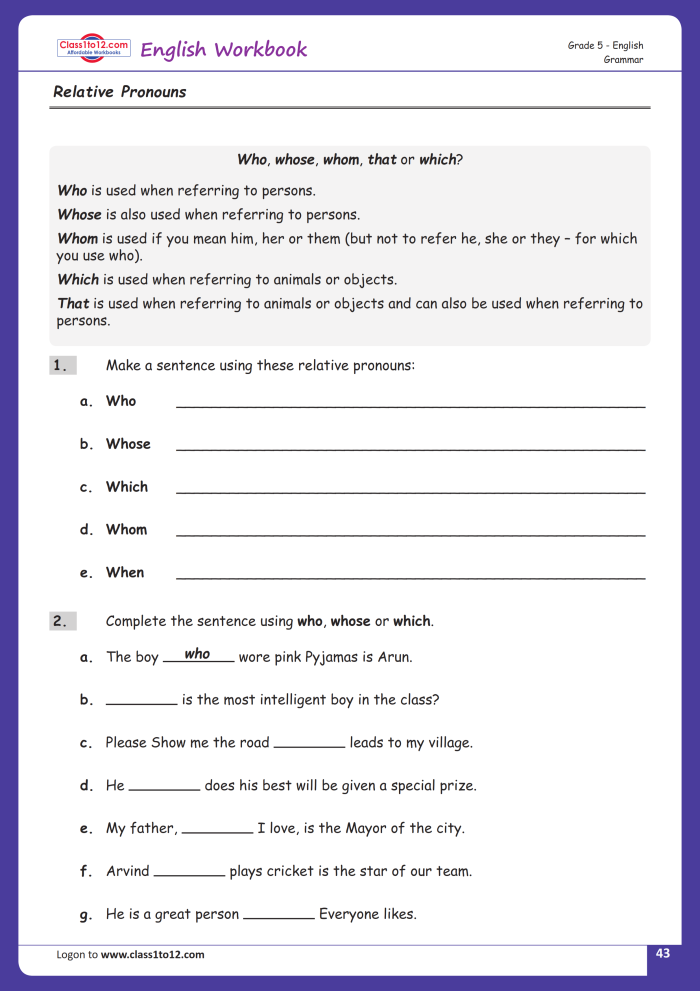
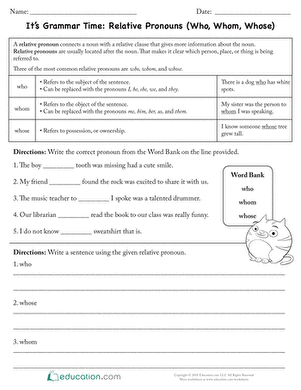
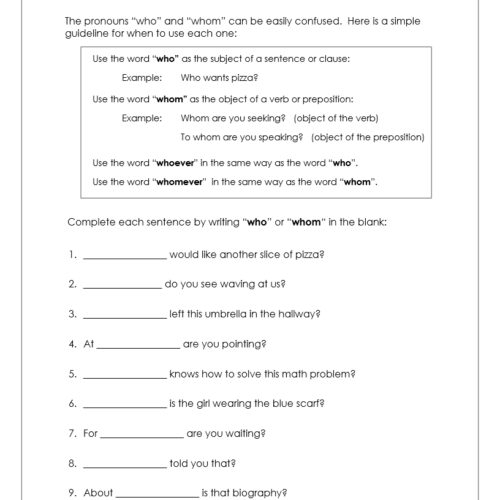
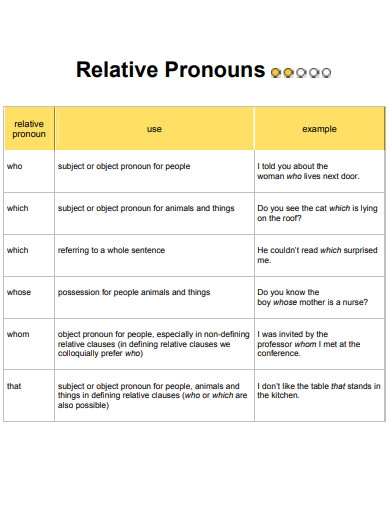
Understanding the difference between “who” and “whom” can be a tricky aspect of English grammar, especially for sixth graders exploring the nuances of language. These relative pronouns help connect clauses and provide clarity in sentences. “Who” is used as the subject of a verb, while “whom” serves as the object. For example, in the sentence “Who is going to the park?” “who” acts as the subject. Conversely, in “To whom should I address the letter?” “whom” is the object of the preposition.
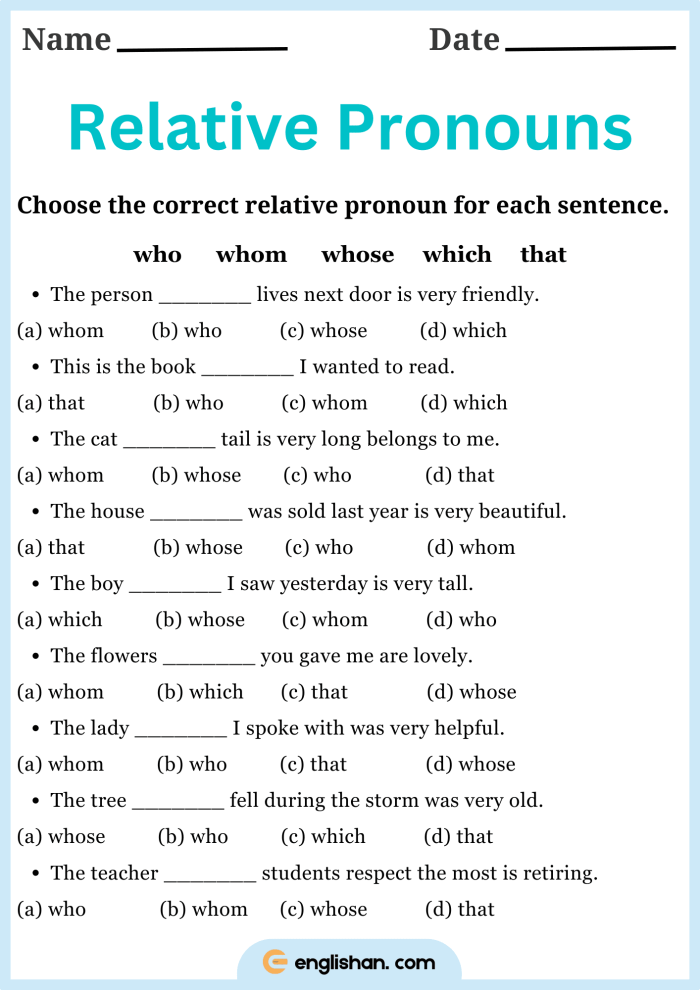
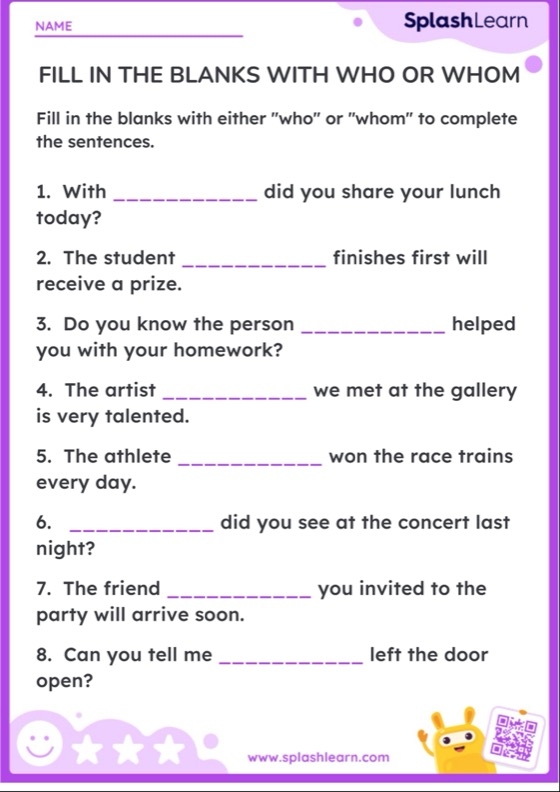
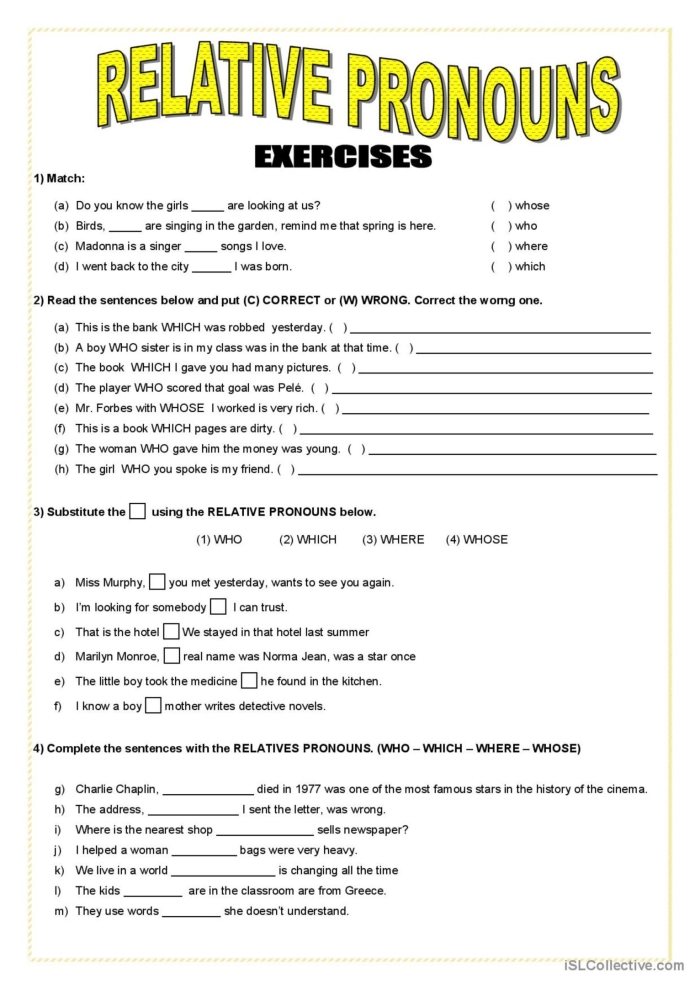
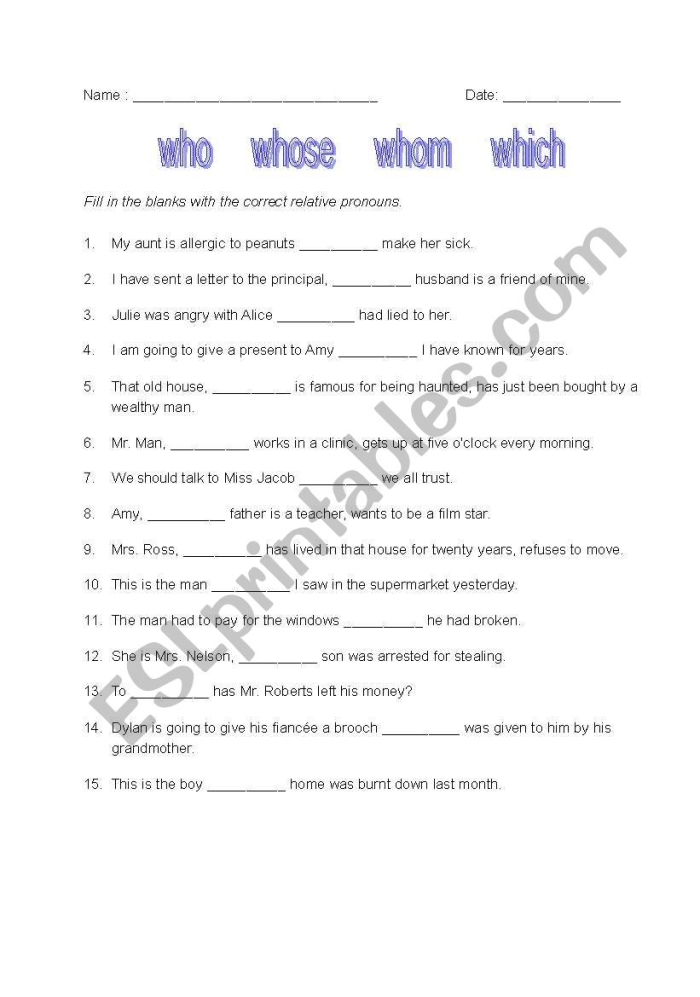
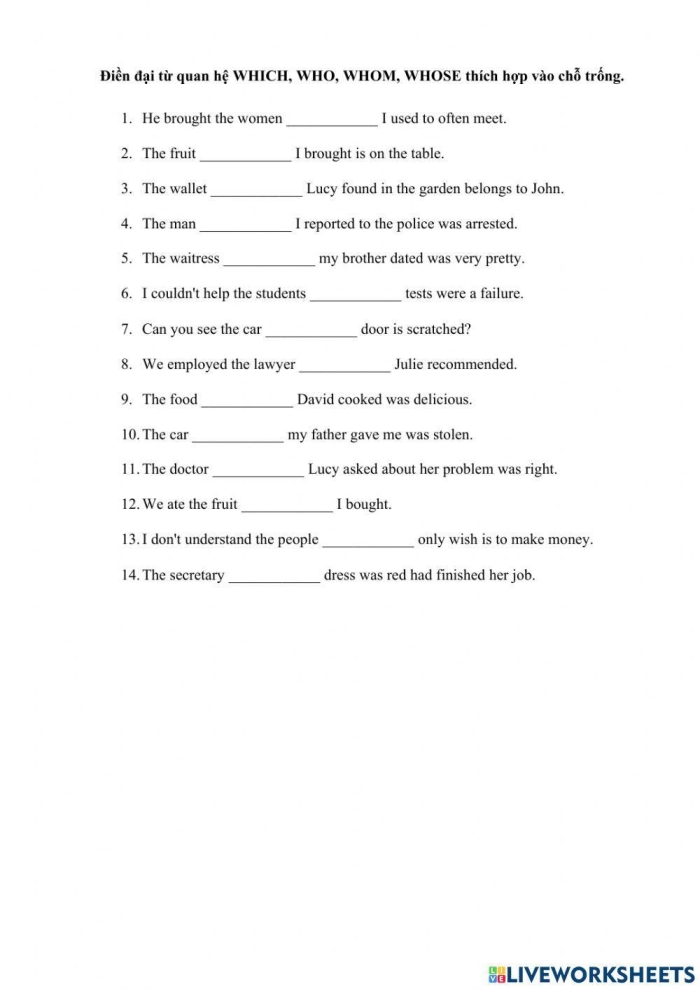
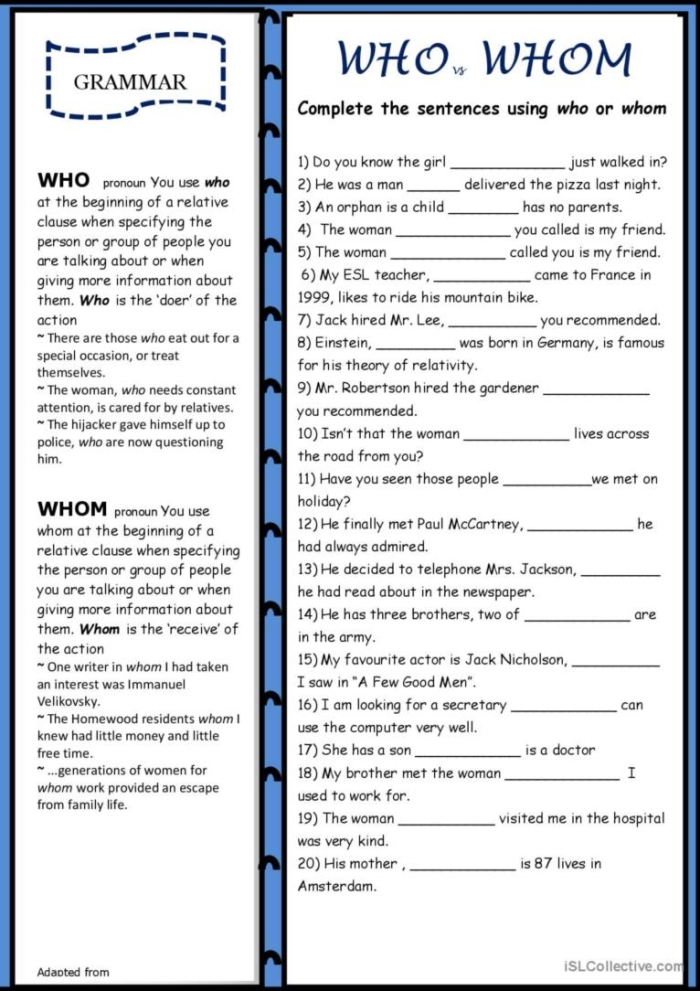
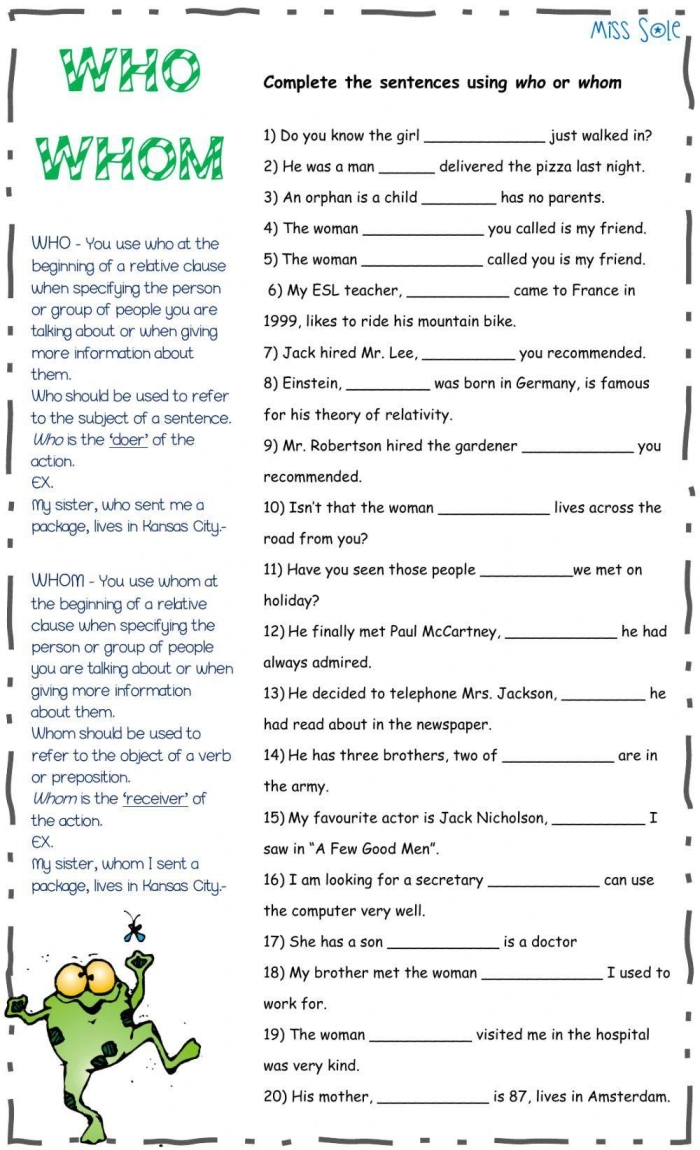
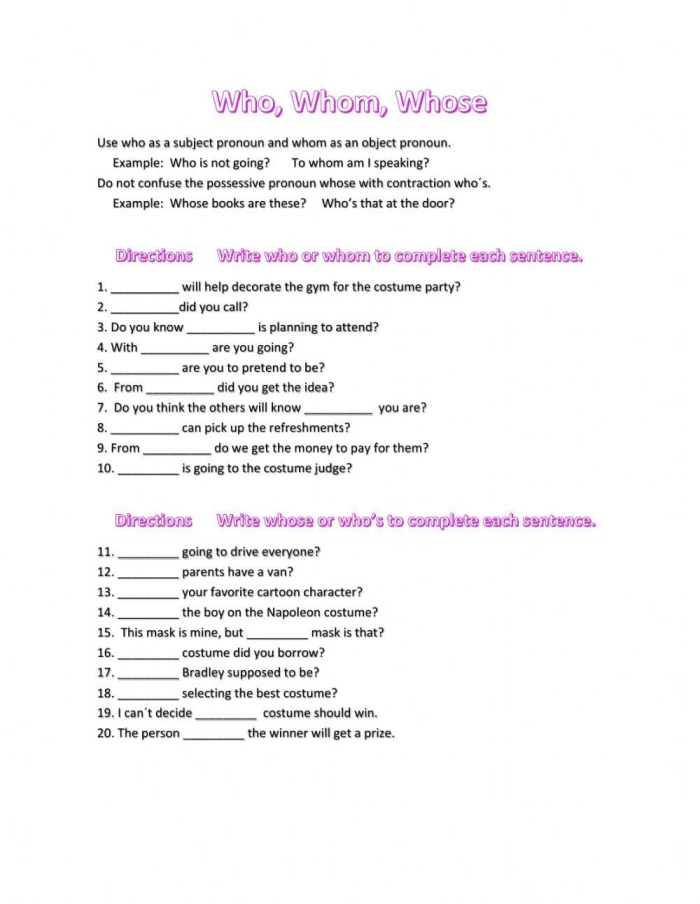
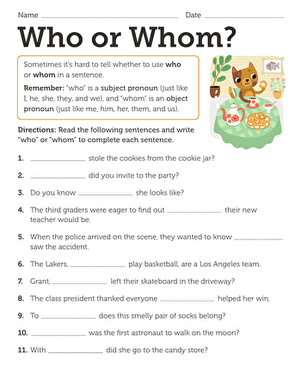
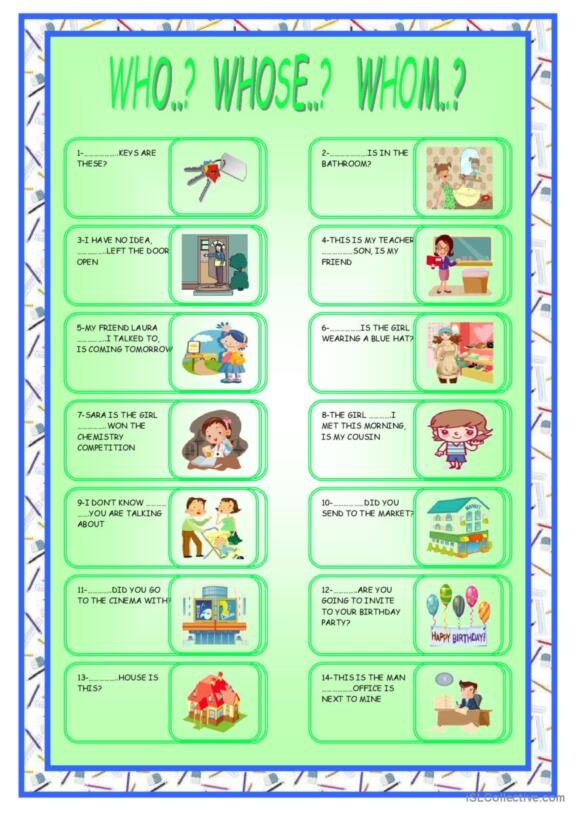
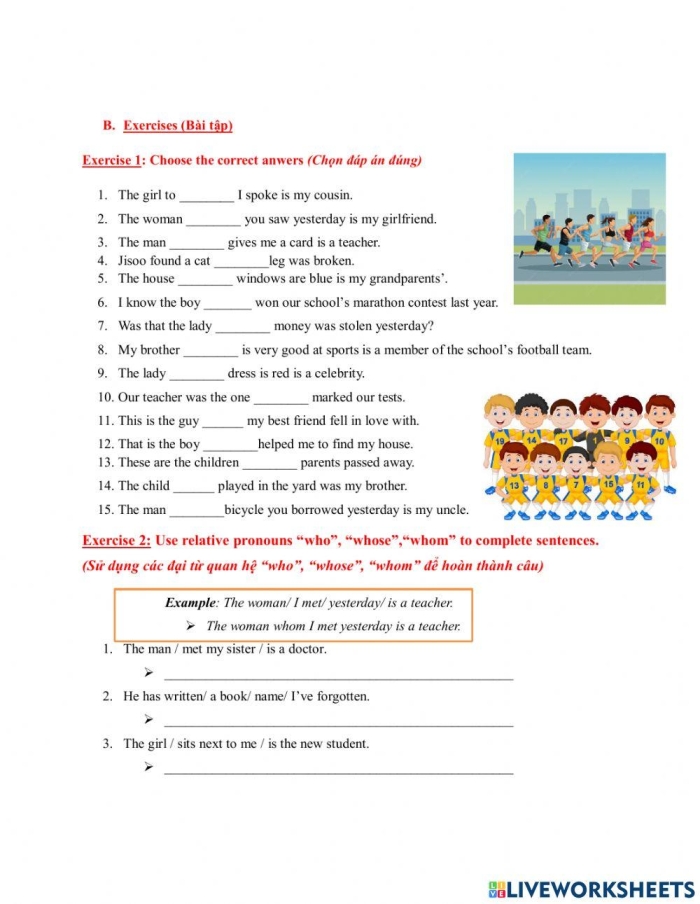
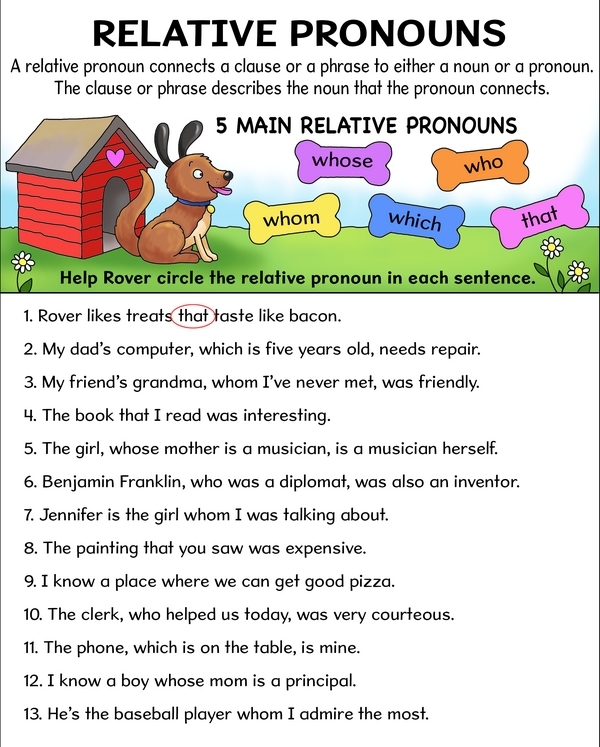
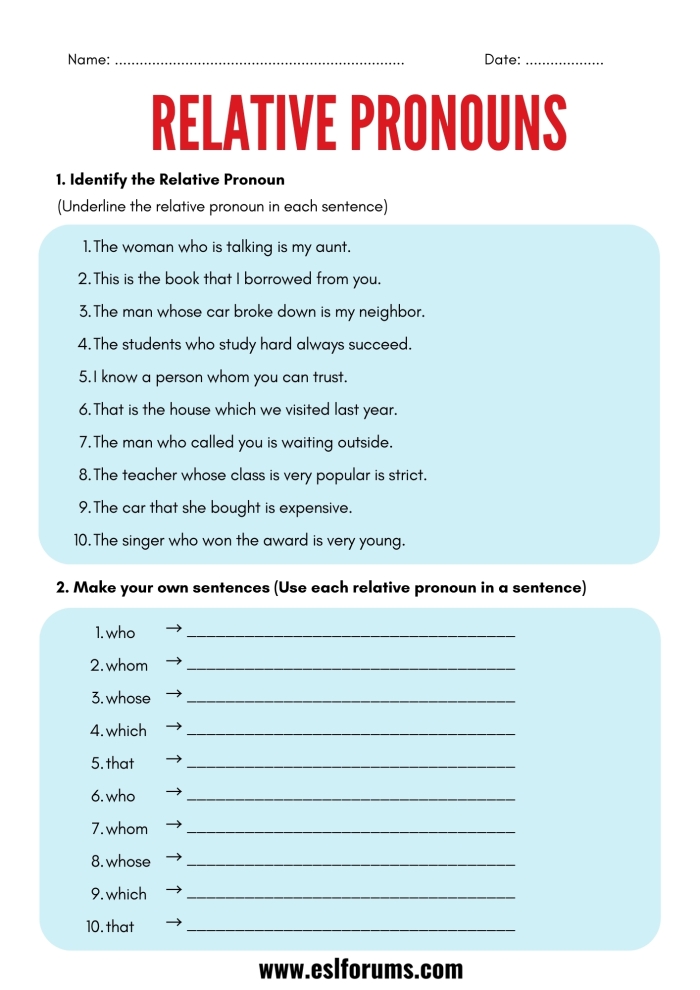
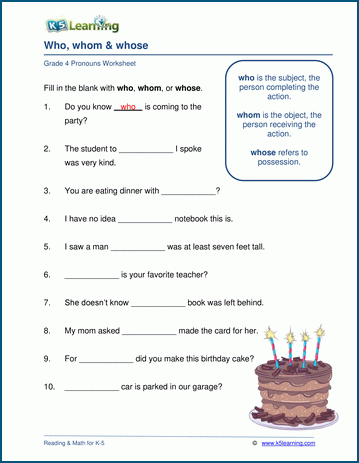
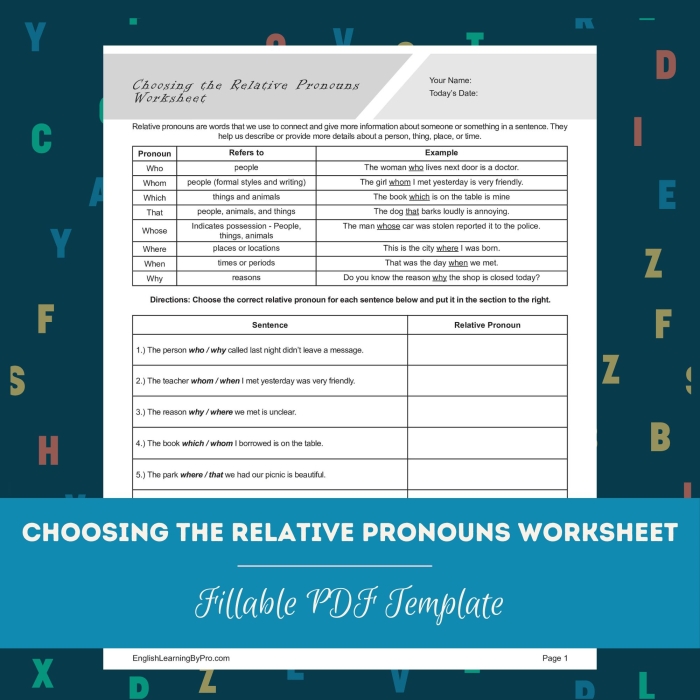
Practicing with these pronouns is essential for mastering their use. A simple yet effective method is through worksheets designed specifically for this purpose. A one-page grammar worksheet focusing on relative pronouns can provide engaging exercises that challenge students to think critically about their word choices. For instance, students might be asked to fill in the blanks with “who” or “whom” based on the context of the sentences provided.
In addition to worksheets, students can benefit from reading sentences aloud. This practice helps solidify their understanding of the pronouns in context. Hearing how sentences flow with “who” and “whom” can reinforce their correct usage. Additionally, encouraging students to create their own sentences using both pronouns can be an effective way to deepen their understanding.
For those looking to expand their grammar practice beyond just relative pronouns, resources like the Mean, Median, and Mode worksheets or the Water Cycle worksheets can also be beneficial. These materials not only support language skills but also enhance overall mathematical and scientific literacy.
Incorporating exercises that focus on relative pronouns into everyday learning can make a significant difference in a sixth grader’s language development. So, next time you come across “who” or “whom,” take a moment to consider the role each plays in the sentence. With practice, using them correctly will become second nature!
Download These Worksheets for Practice