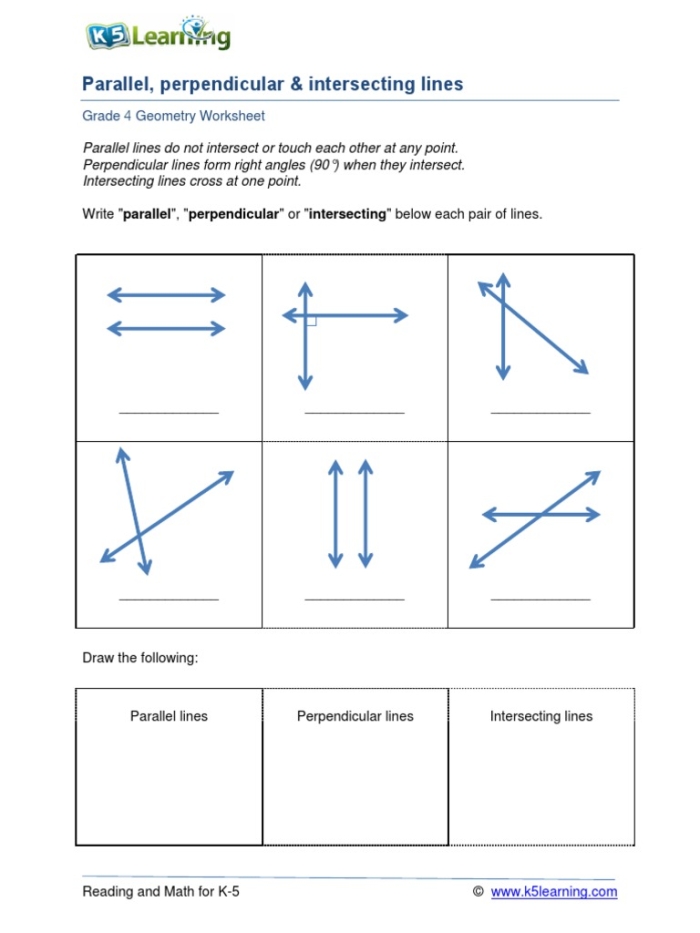
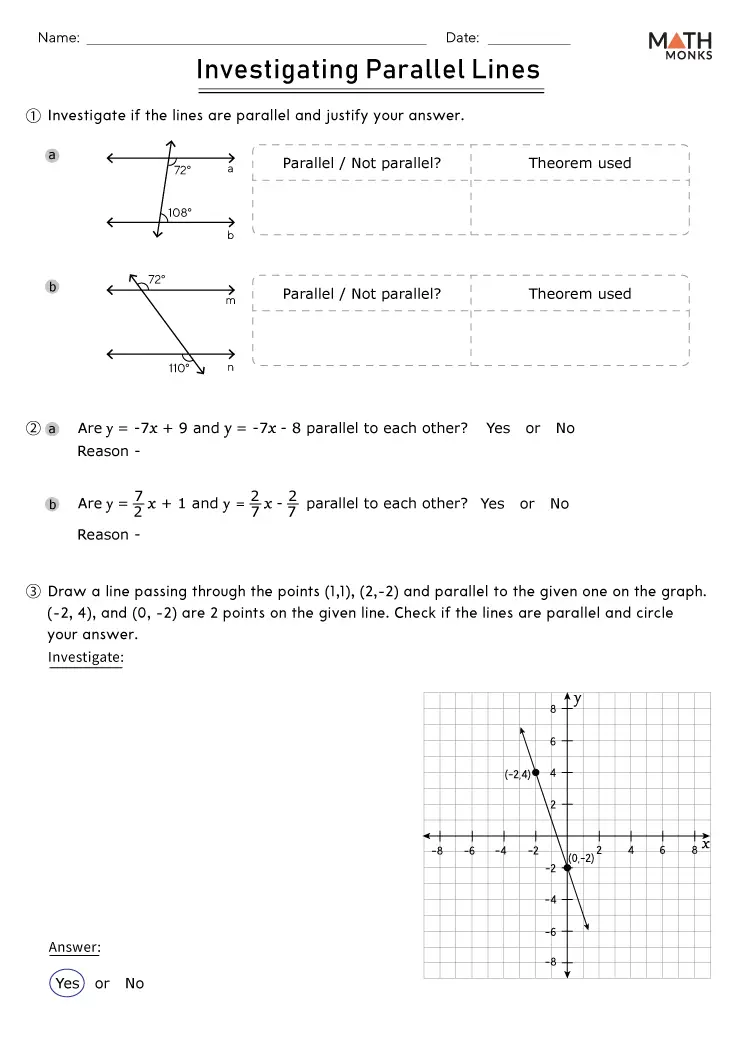
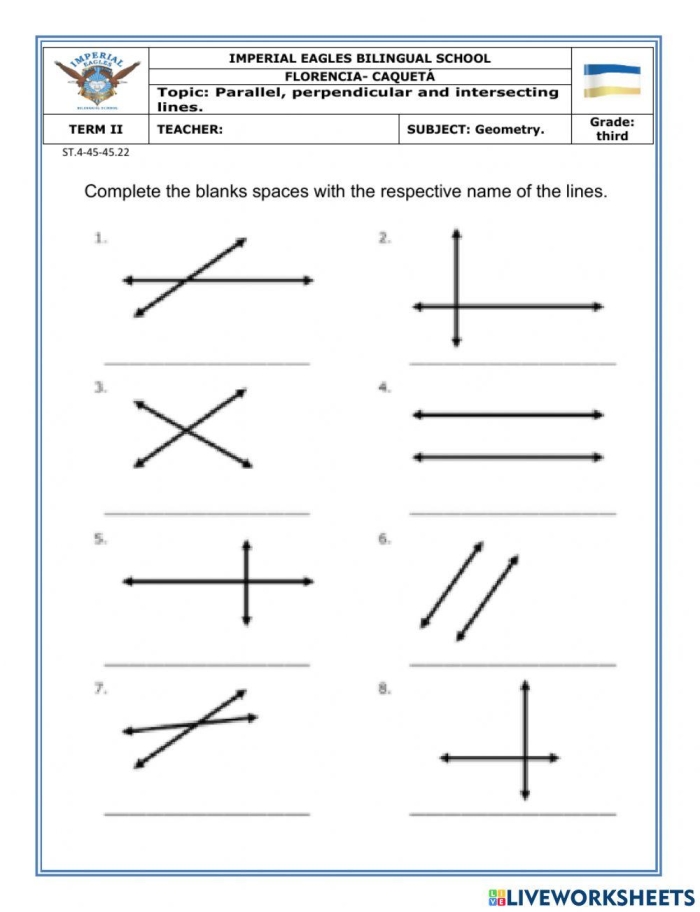
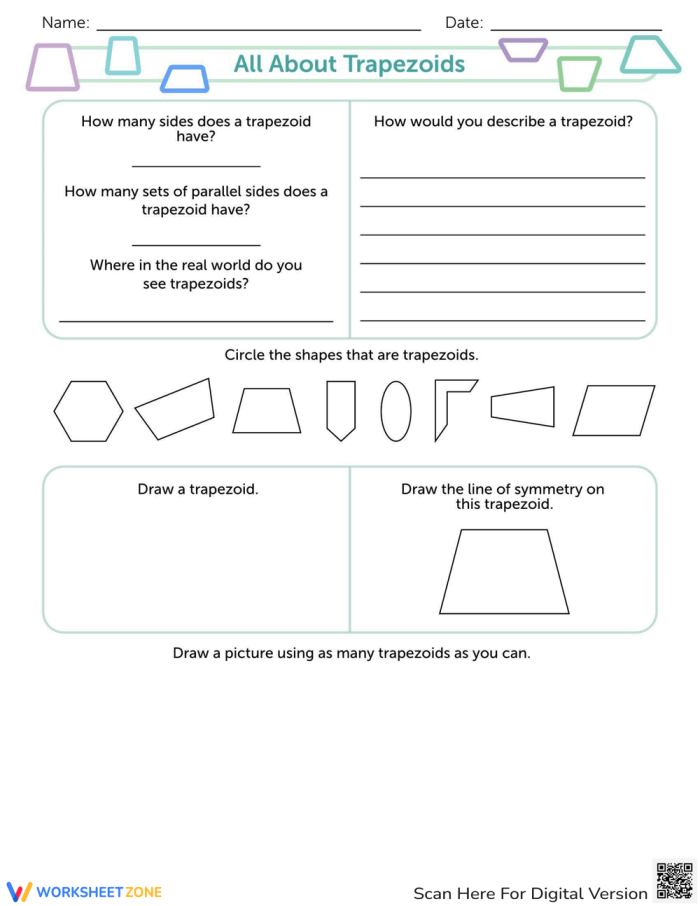
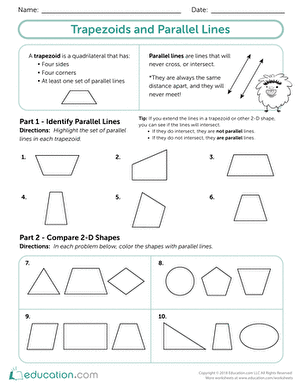
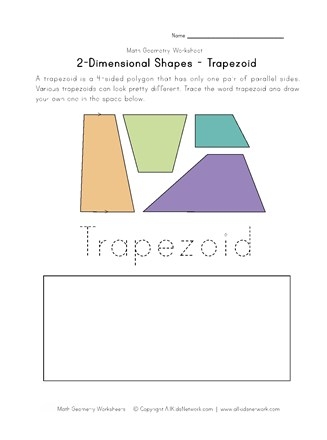
Trapezoids stand out in the world of geometry primarily because of their unique structure, characterized by a pair of parallel sides. These lines, which run in the same direction and never intersect, define the trapezoid and help distinguish it from other shapes. Understanding this fundamental aspect is crucial for students, especially at the third-grade level, where foundational geometry concepts are introduced.
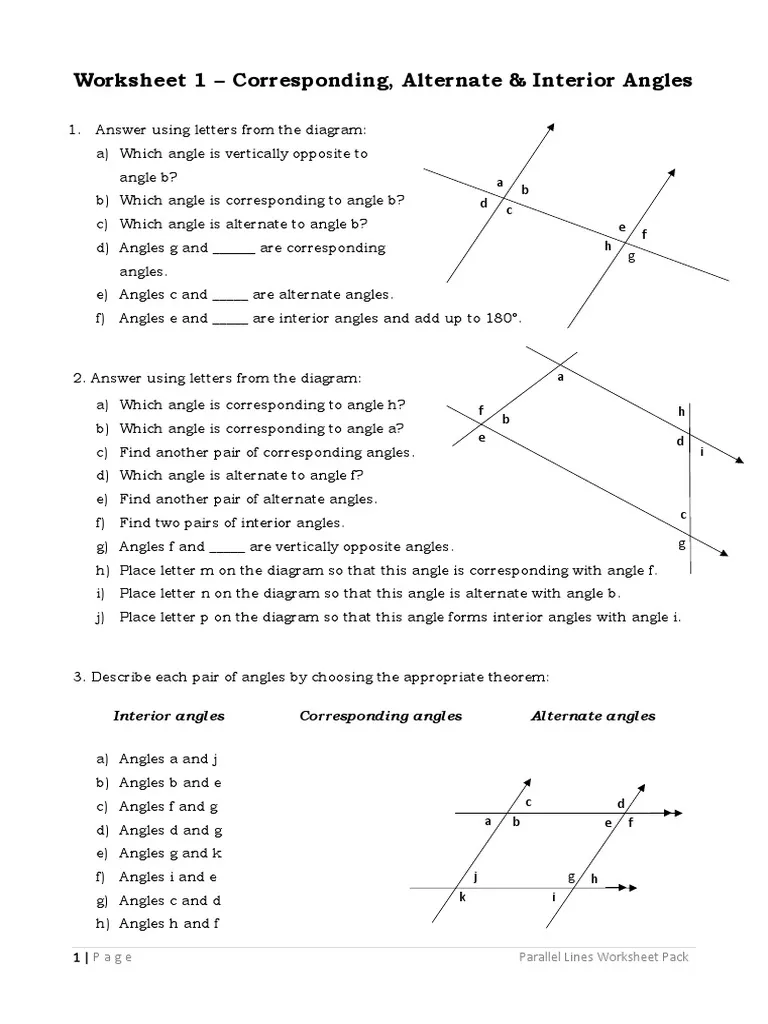
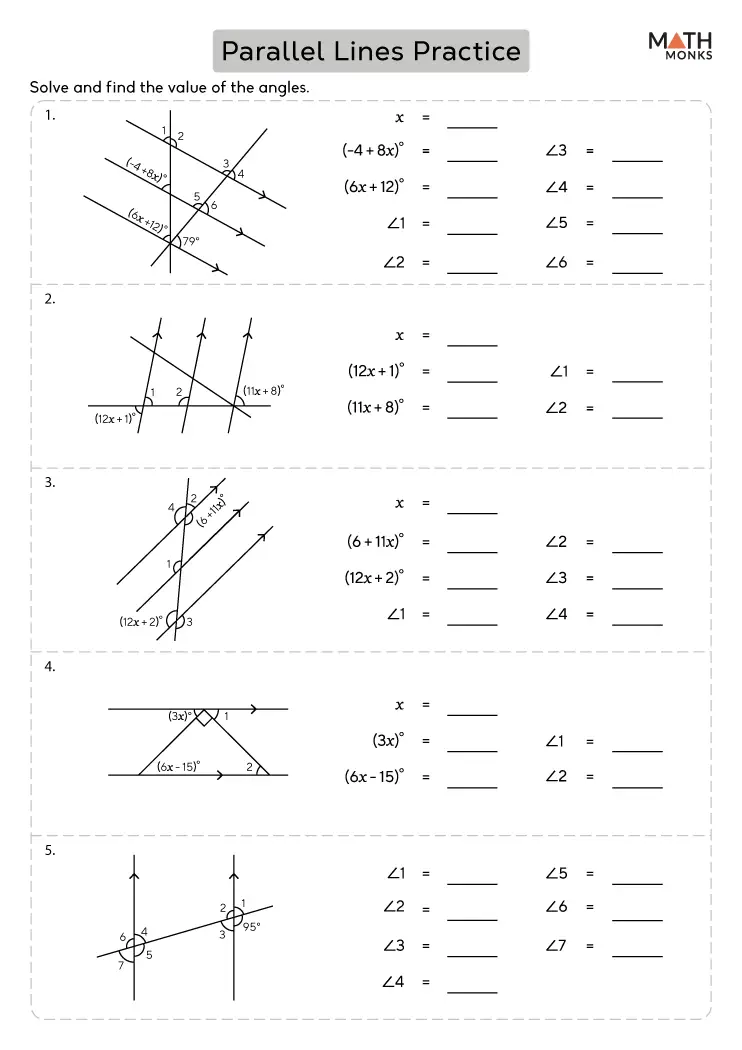
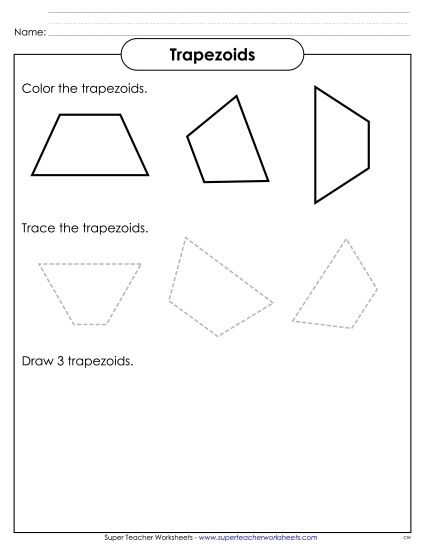
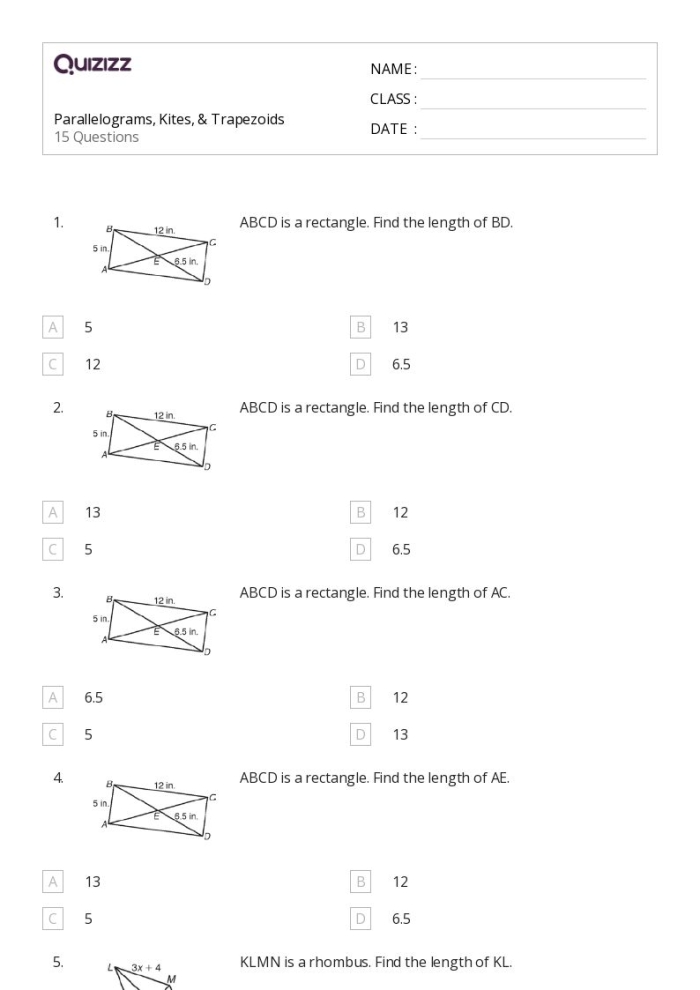
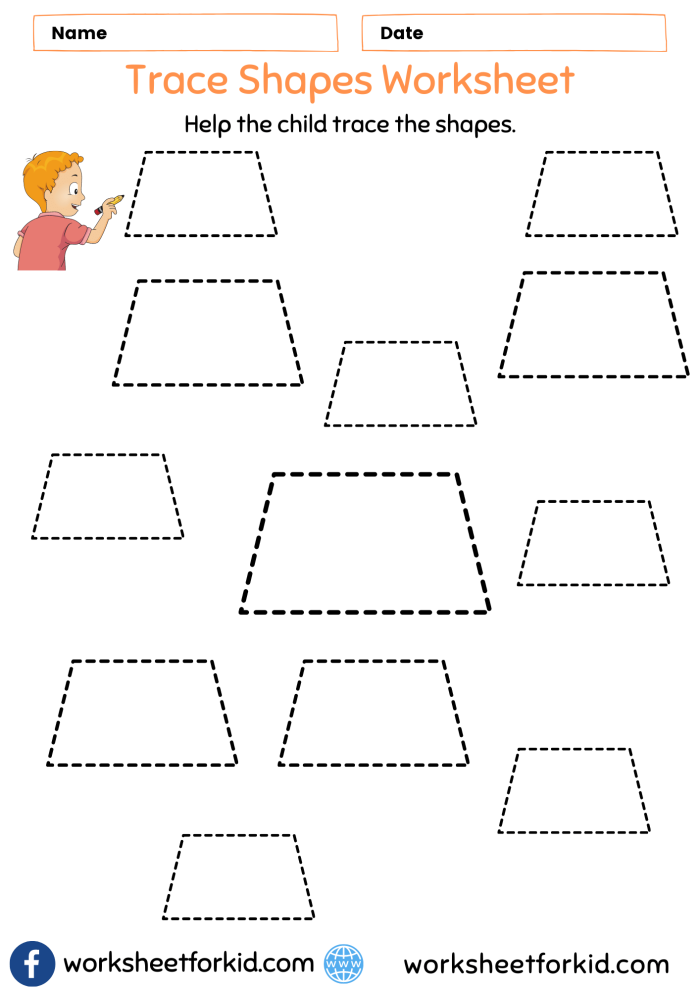
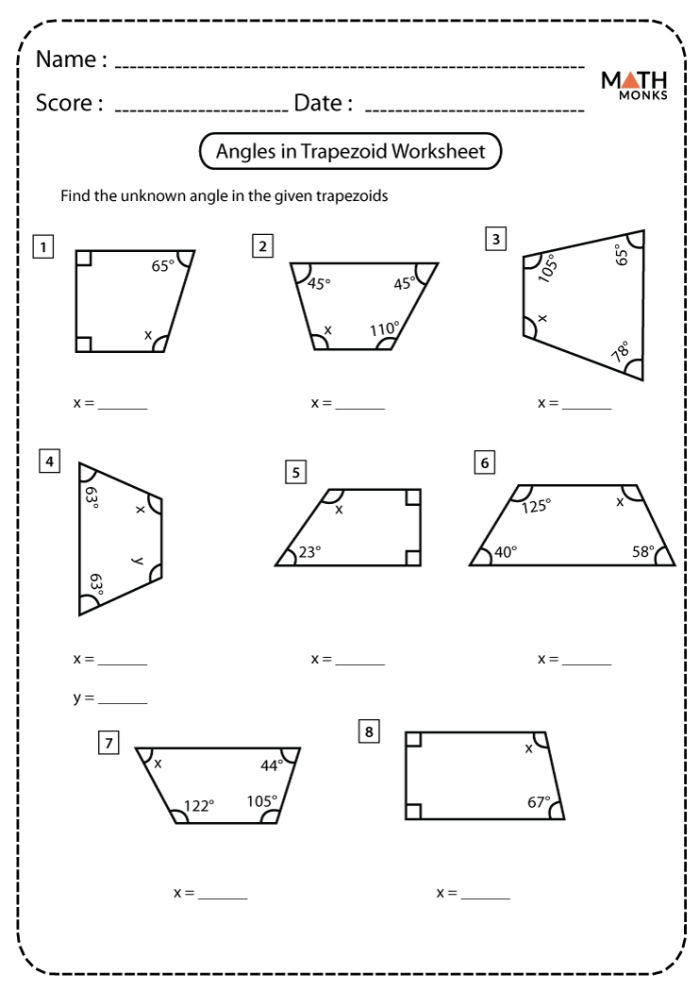
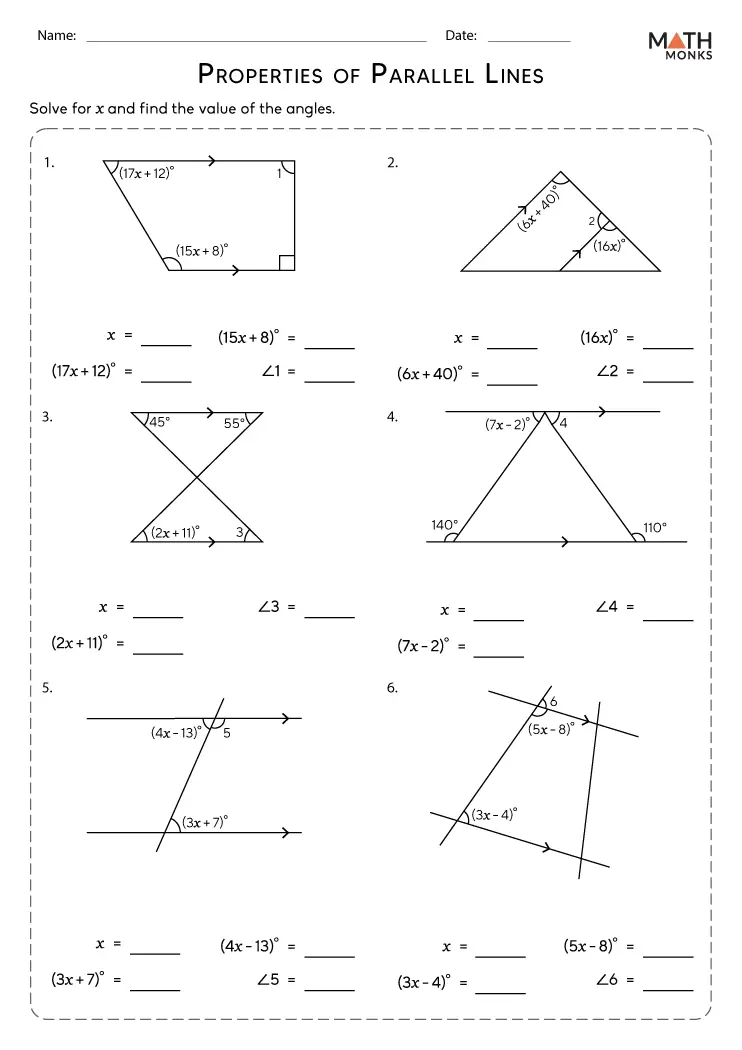
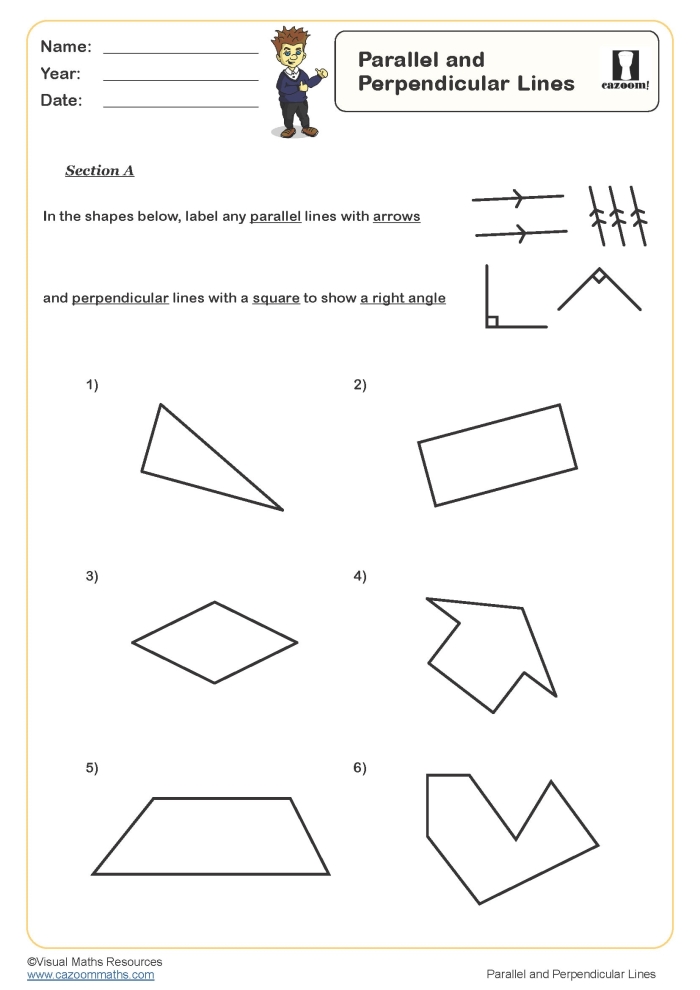
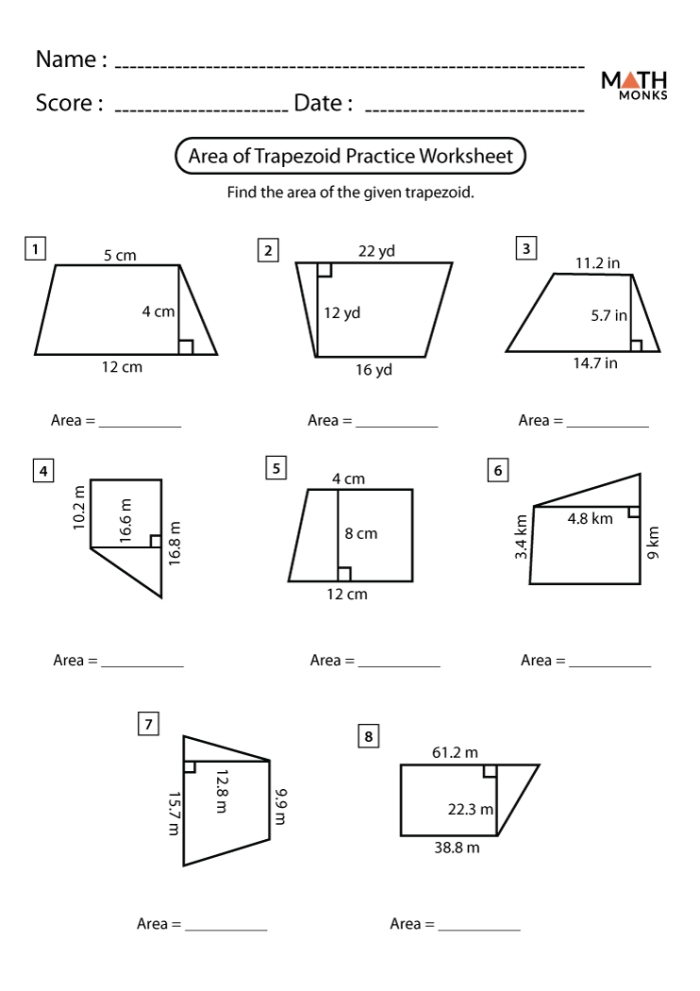
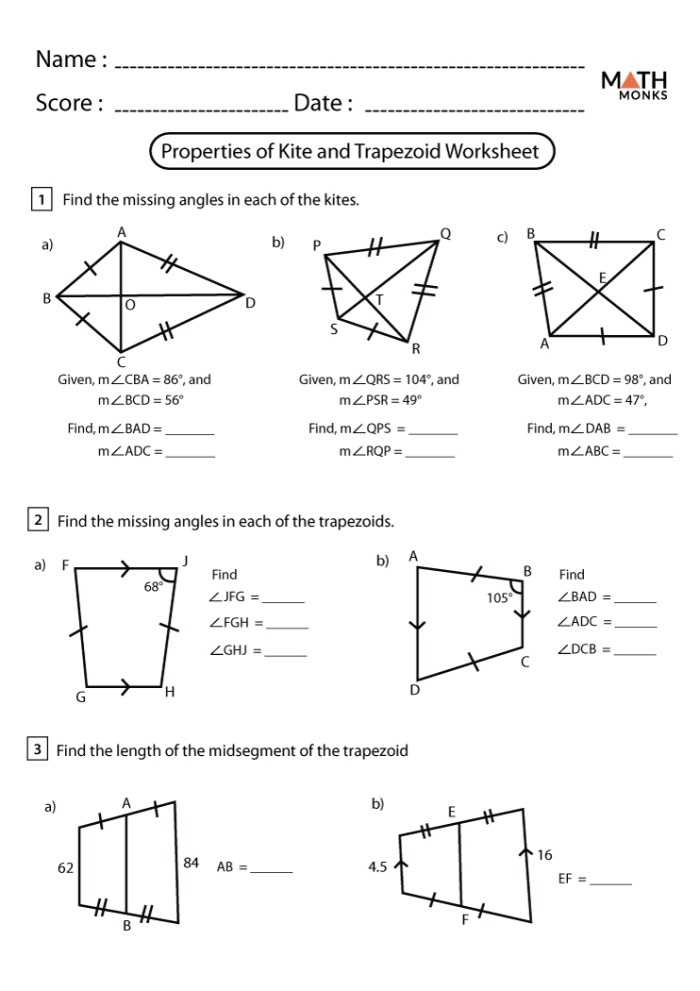
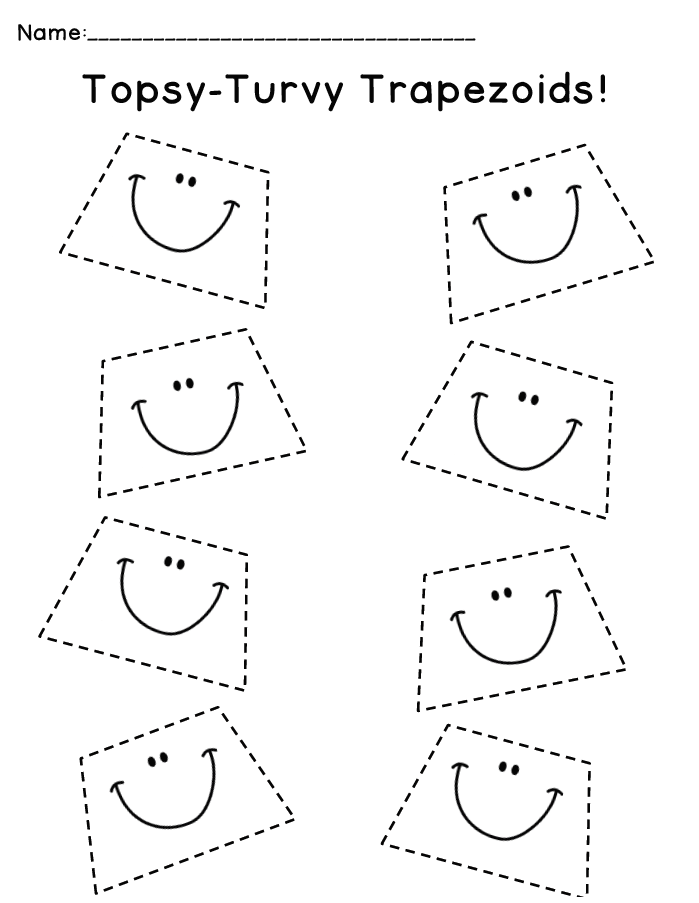
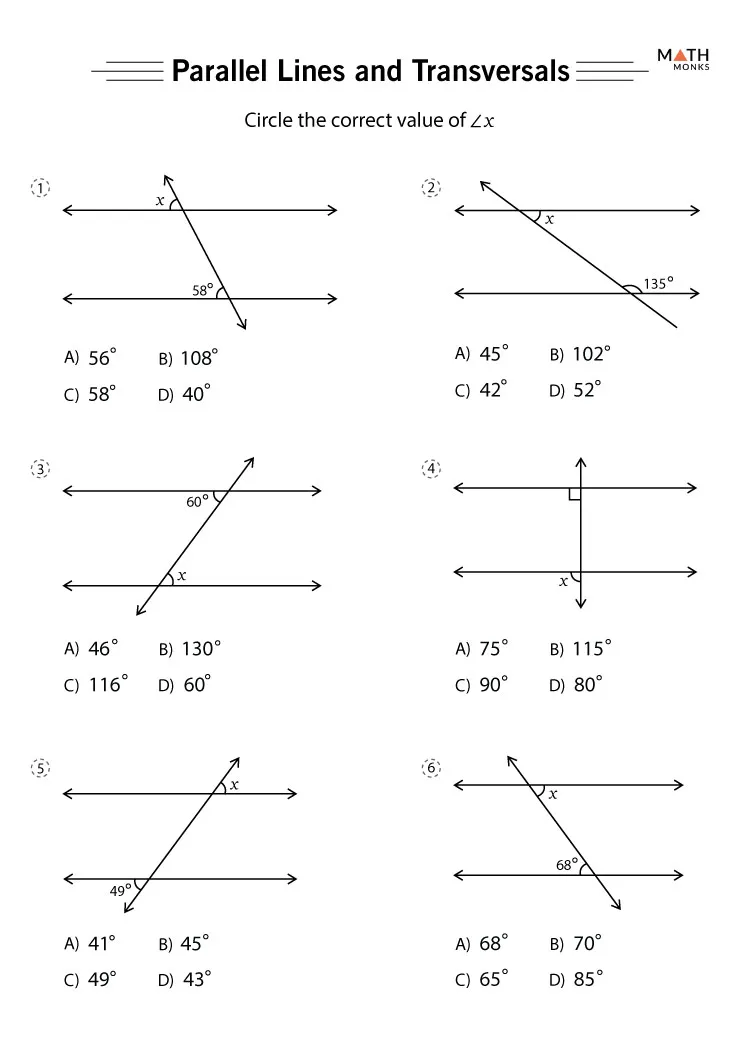
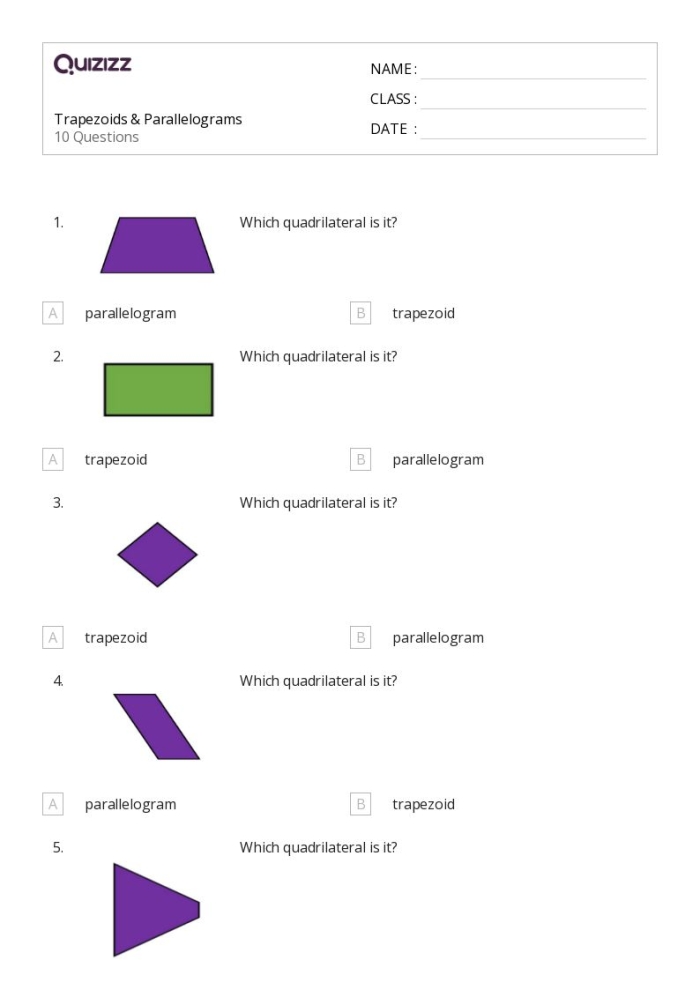
When teaching young learners about trapezoids, it’s beneficial to focus on activities that reinforce the identification of these parallel lines. Using printable worksheets that encourage students to spot and draw trapezoids can be particularly effective. These resources provide hands-on practice, allowing students to engage directly with the material. As they work through the exercises, they will learn to recognize how the properties of trapezoids compare to those of other 2-D shapes, such as rectangles and parallelograms.
A fun classroom activity could involve comparing a trapezoid with other shapes. For instance, students can examine a rectangle and a parallelogram, noting that while all three shapes have straight sides, only the trapezoid has exactly one pair of parallel lines. This comparison not only solidifies their understanding of trapezoids but also enhances their overall grasp of geometry.
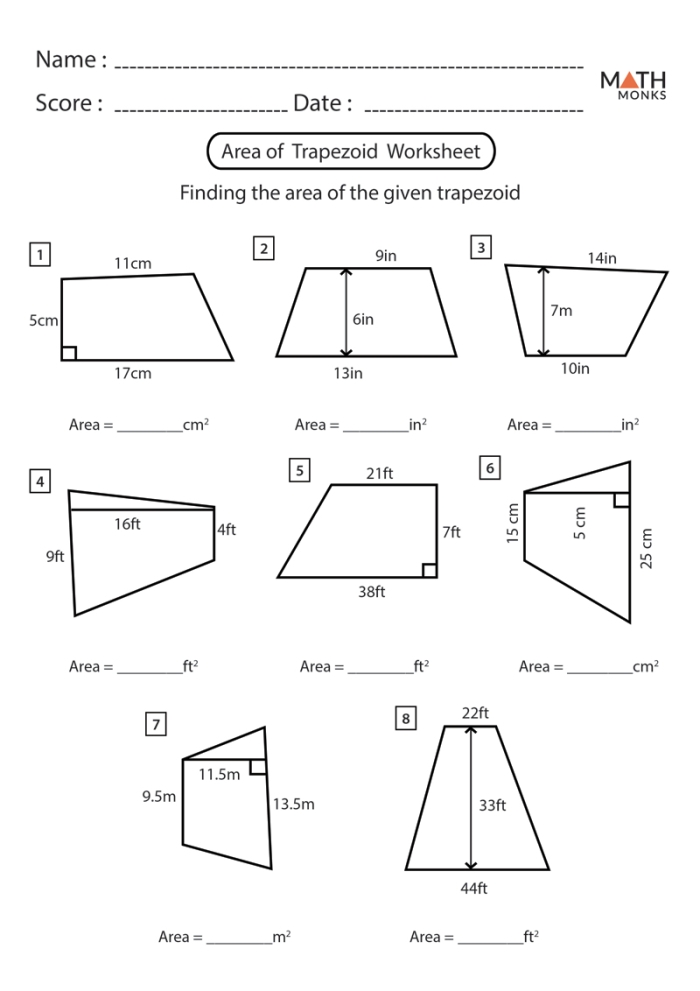
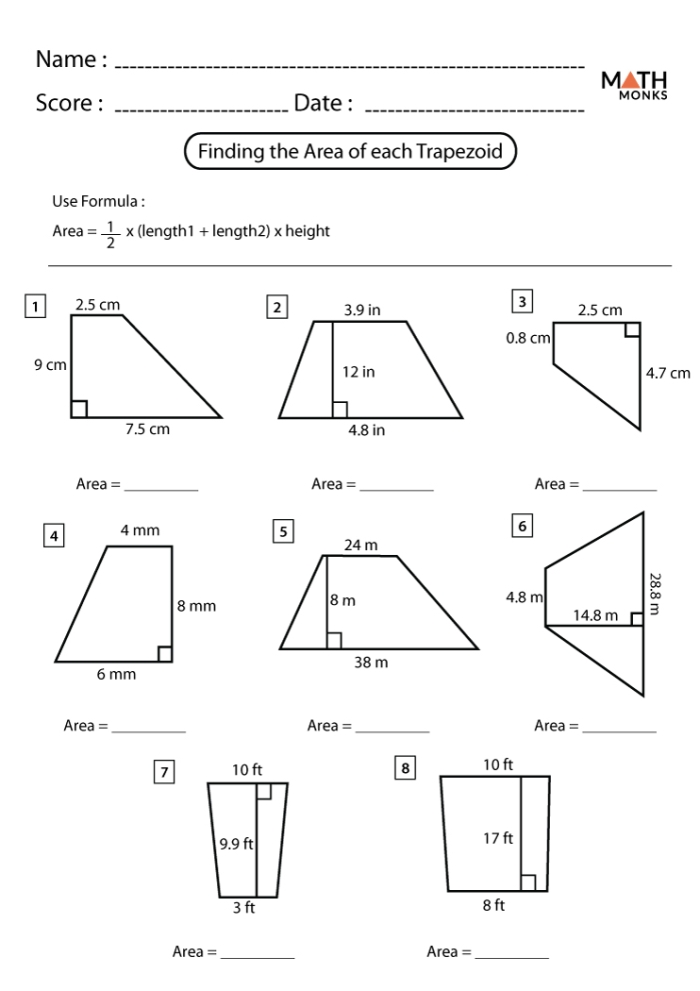
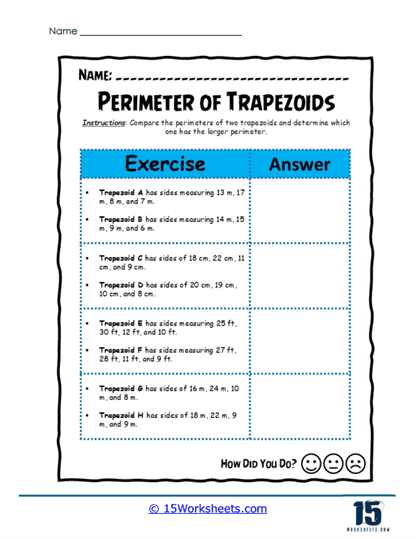
Incorporating these practical exercises into the curriculum enriches the learning experience. Educators can also utilize resources focused on identifying different shapes and calculating their perimeter or area, such as those found at perimeter worksheets and area worksheets. These tools complement the study of trapezoids and further enhance students’ understanding of geometric concepts, making learning both engaging and effective.
Printable Worksheets for Practice