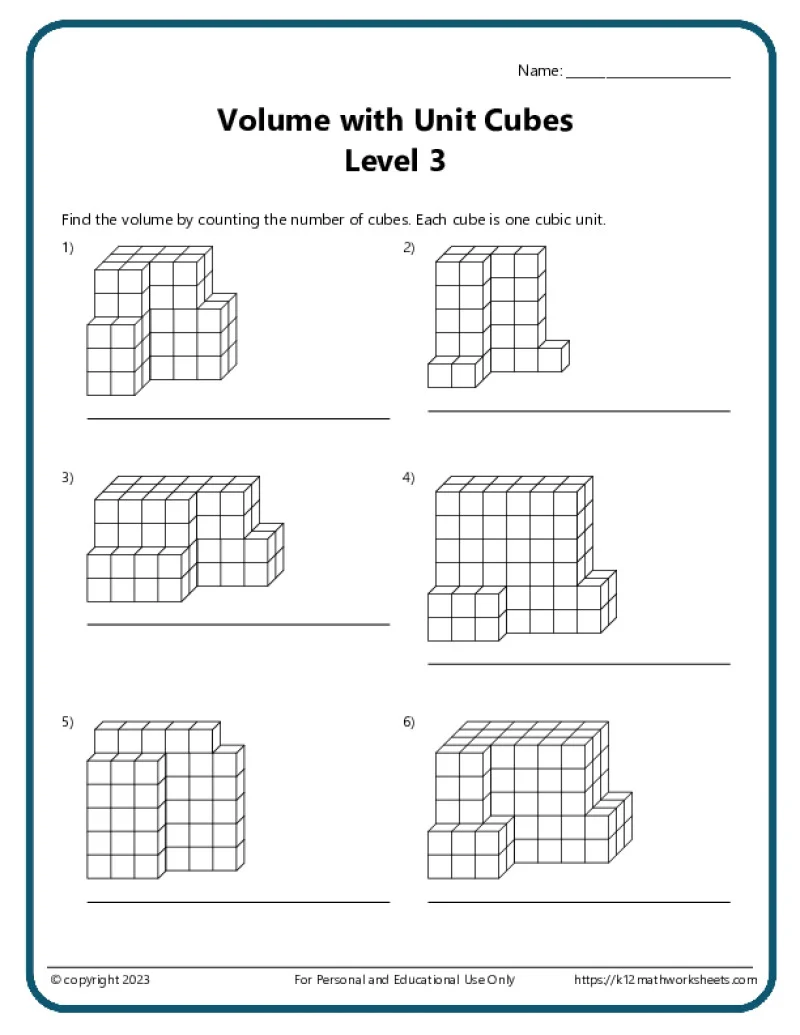
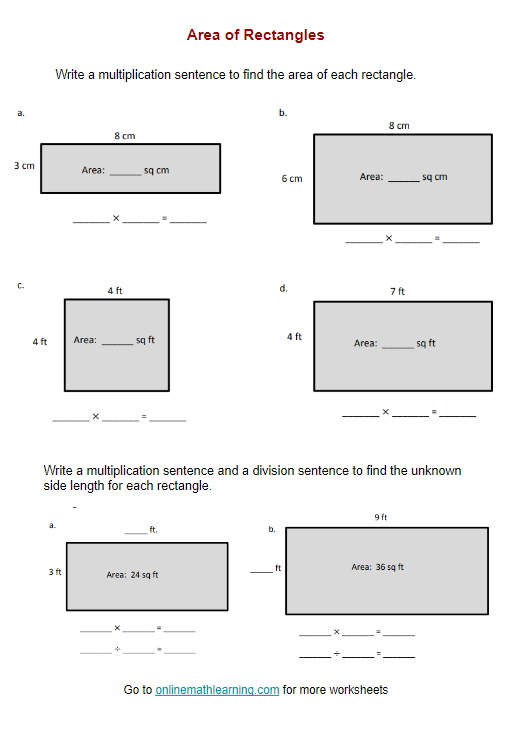
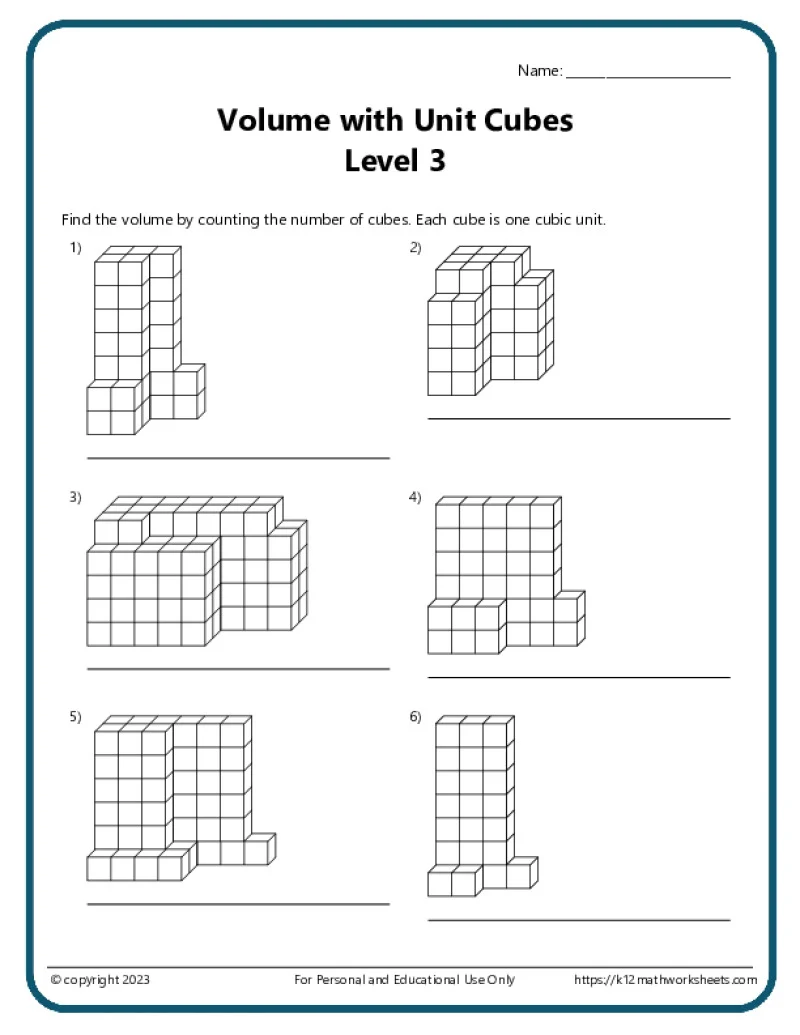
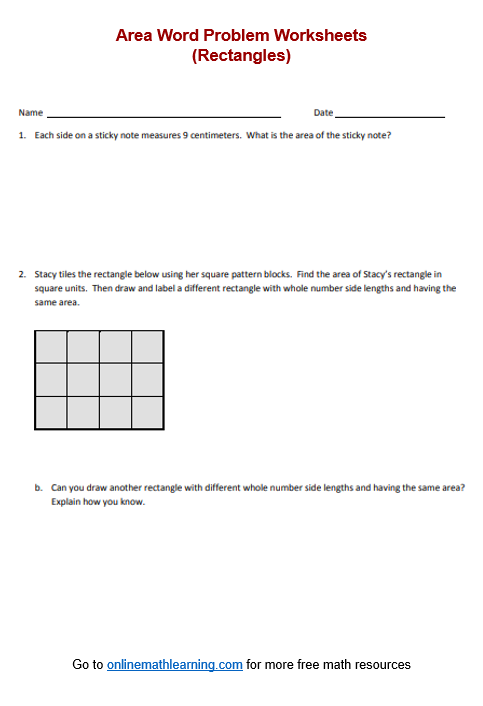
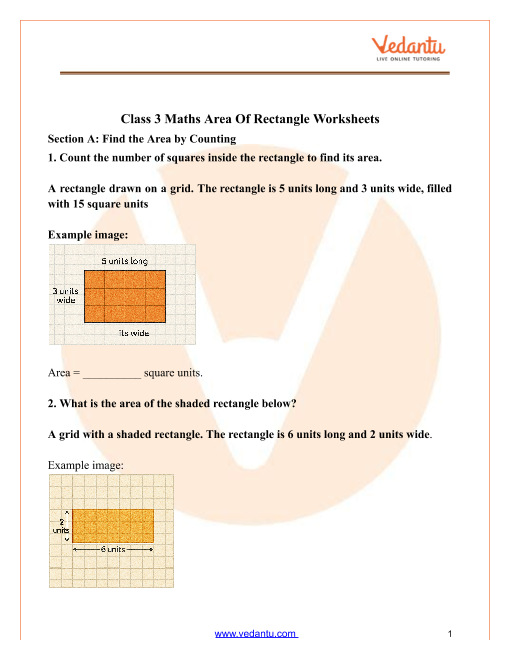
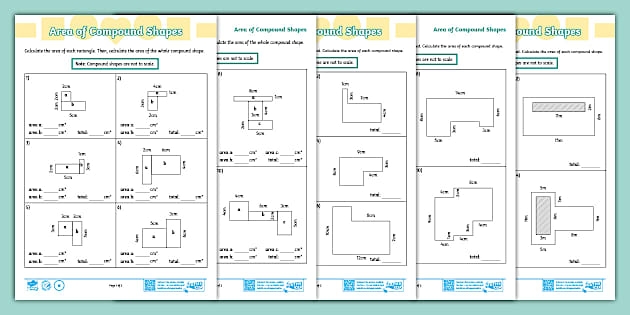
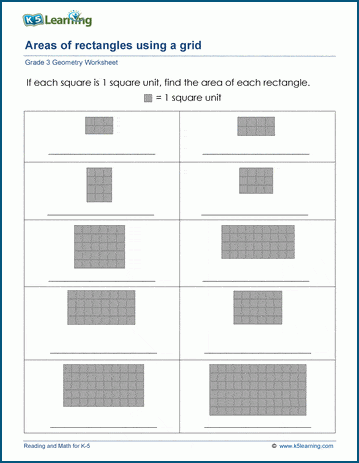
When third grade students first encounter area calculations, the abstract concept of length times width can feel disconnected from anything real. This playful geometry worksheet changes that by placing learners inside six different rooms, each with its own dimensions to measure and calculate.
The worksheet presents a scenario where students become architects or interior designers tasked with finding the area of rectangular spaces. Rather than working through generic numbered problems, they’re solving for the floor space of a bedroom, kitchen, classroom, or living room. This context makes the math feel purposeful. A student might calculate the area of a bedroom to figure out how much carpet is needed, or determine the floor space of a classroom to understand why it feels crowded or spacious.
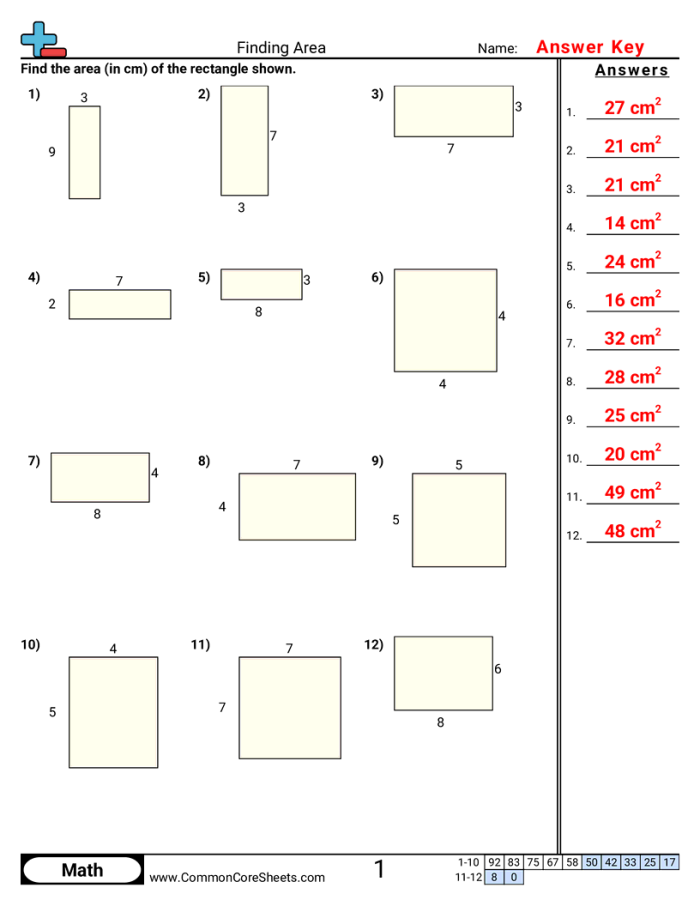
Each room comes with clearly labeled length and width measurements, allowing learners to apply the fundamental formula for rectangle area. Third grade students at this level typically work with whole numbers and straightforward dimensions, which keeps the focus on understanding the concept rather than wrestling with complex arithmetic. The visual representation of rooms helps students grasp that area measures the space inside a shape, not just a number they’re computing.
This approach aligns well with how third graders learn best: through concrete examples they can visualize and relate to their own experiences. When combined with other data and graphing worksheets that develop mathematical thinking, activities like these build confidence in geometry skills. Students who understand area through room scenarios often find it easier to transition to more abstract geometry problems later.
The playful nature of the worksheet keeps engagement high, which matters significantly in third grade classrooms where maintaining focus during math instruction remains a priority. By the time students finish calculating all six rooms, they’ve practiced the area formula multiple times without the repetition feeling tedious.
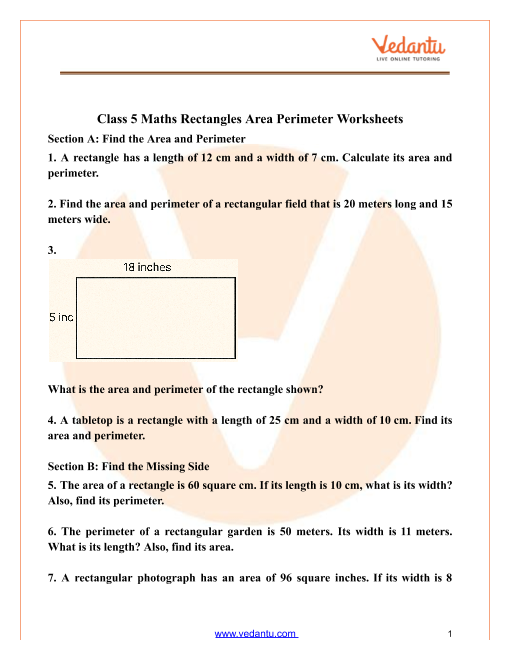
For teachers looking to strengthen foundational geometry skills, pairing this activity with related worksheets on finding the area of rectangles at level 1 creates a comprehensive learning sequence. Students can also benefit from exploring trapezoids and parallel lines to expand their understanding of different shapes, or strengthening their writing skills through opinion paragraphs where they might describe which room they’d most like to design.
Hands-On Worksheet Activities