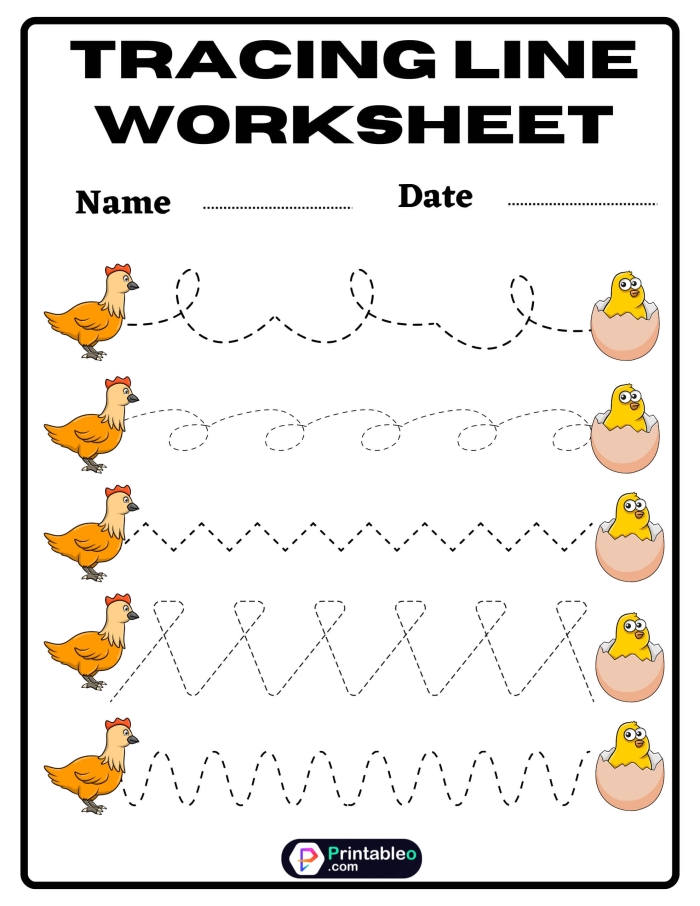
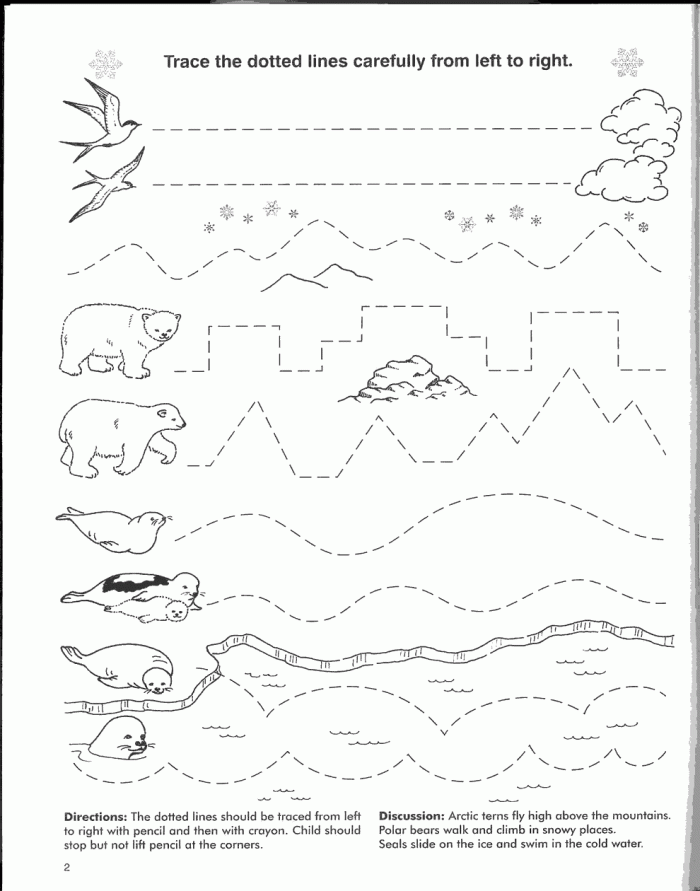
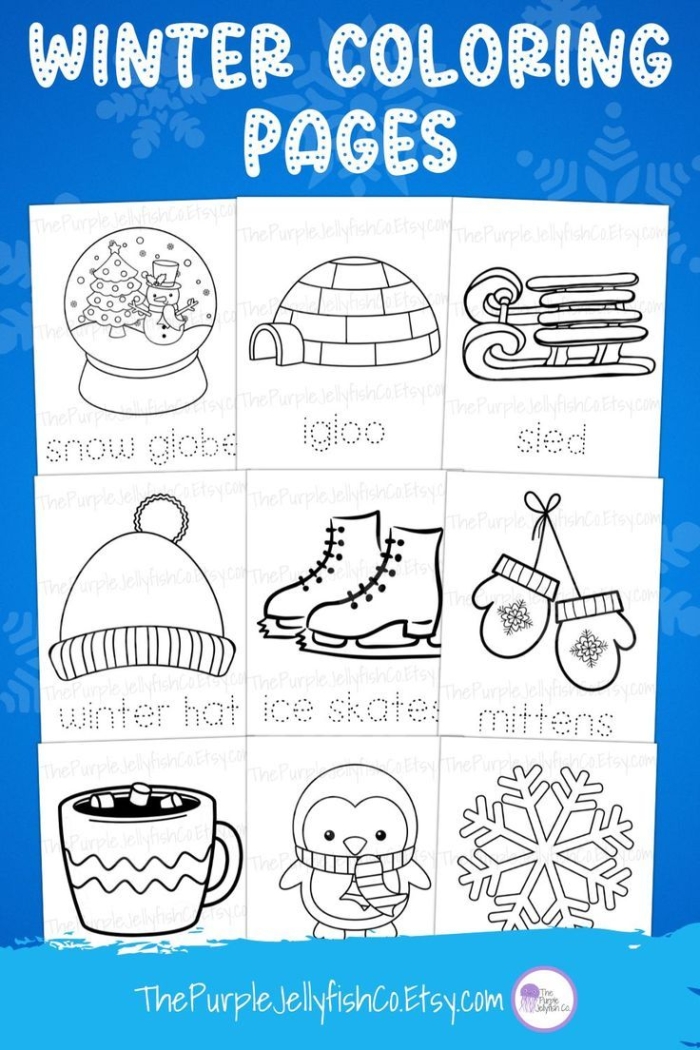
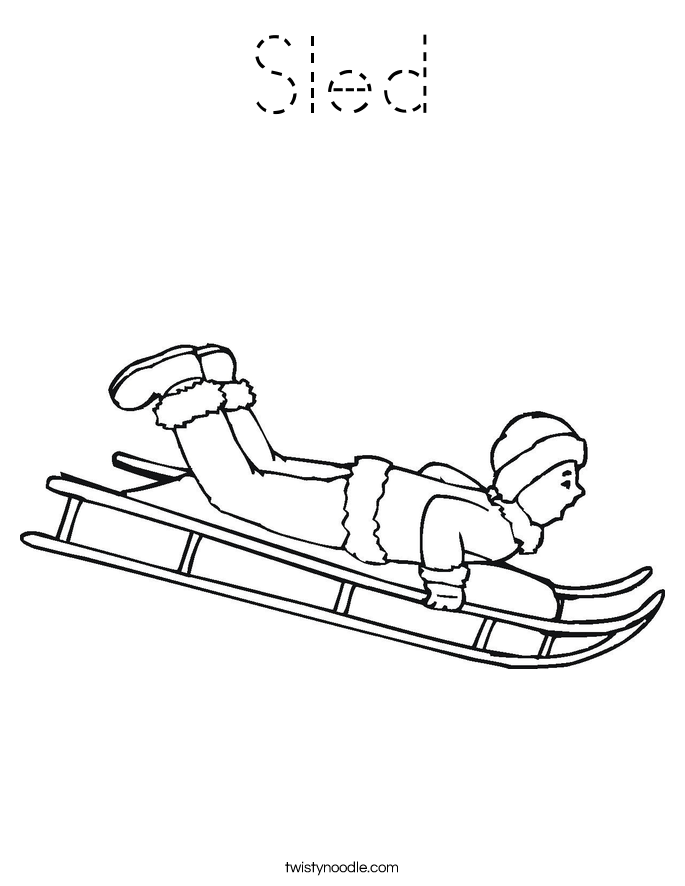
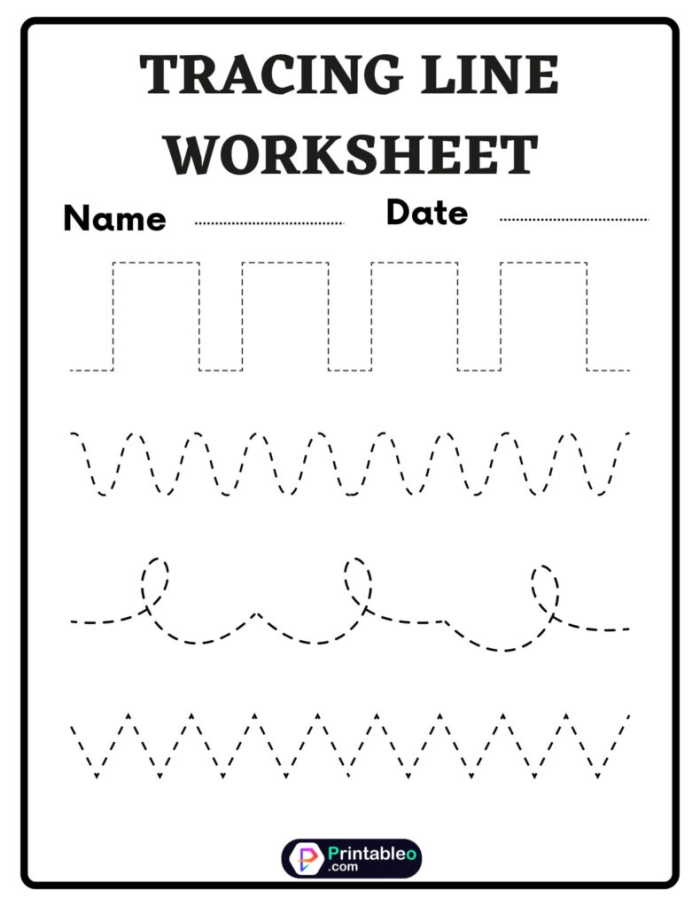
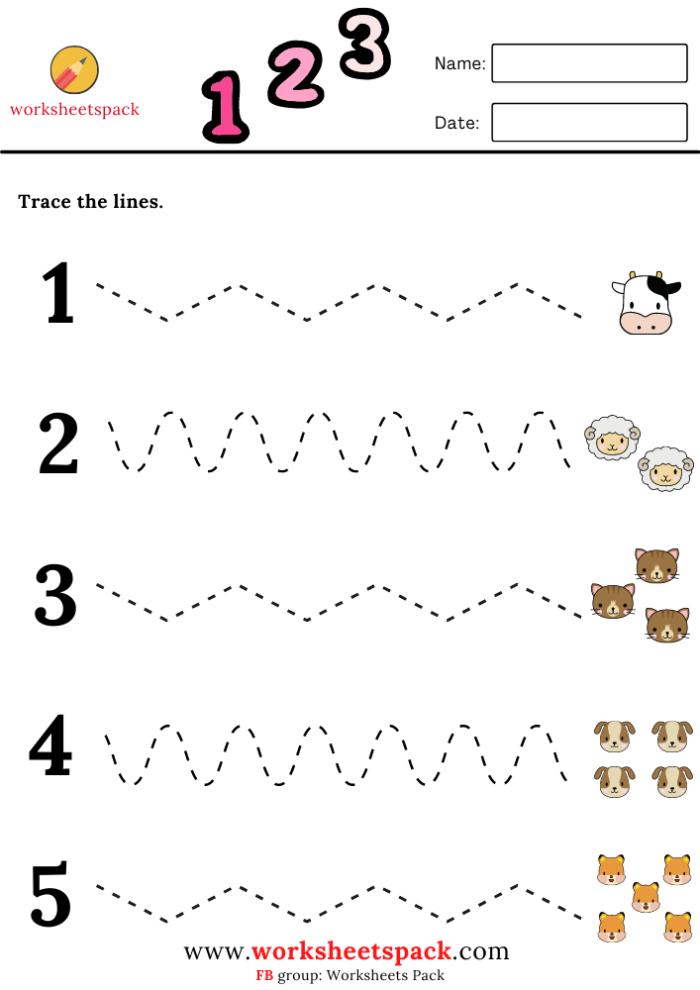
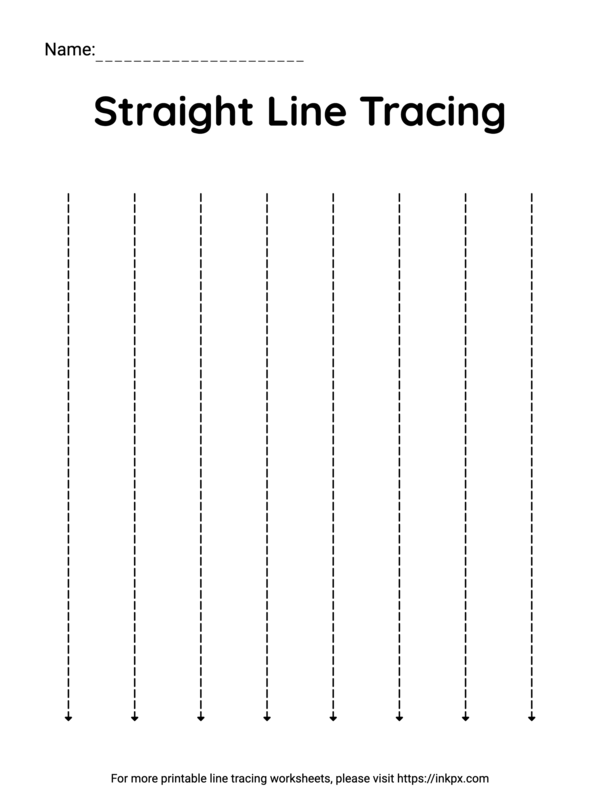
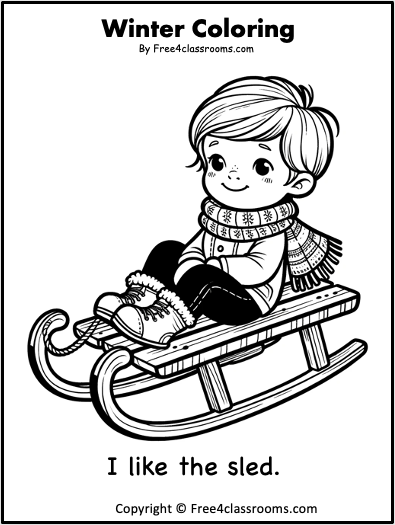
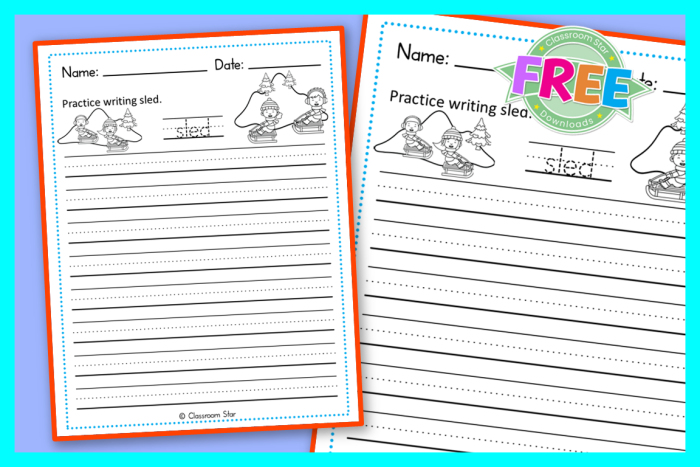
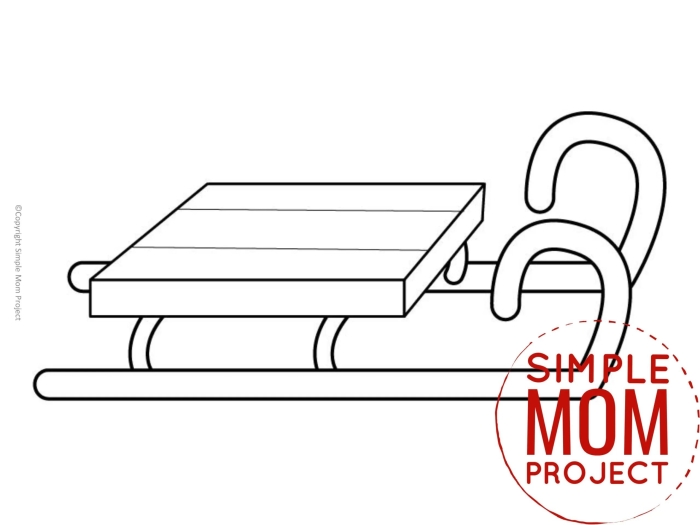
Tracing a snow sled might seem like a simple winter activity, but it’s actually one of the most effective ways to build the hand strength and coordination that Pre-K students need for writing. When a child’s fingers guide a pencil along the curved runners and straight edges of a sled, they’re developing the precise muscle control that will eventually let them form letters and numbers.
The beauty of sled tracing is that it combines seasonal fun with serious skill-building. Unlike abstract line-tracing exercises, a snow sled gives children something concrete to visualize and connect with. Most Pre-K learners have seen a sled or experienced winter play, so the image feels familiar and motivating. Their hand naturally wants to follow the path, which makes the activity feel less like practice and more like drawing.
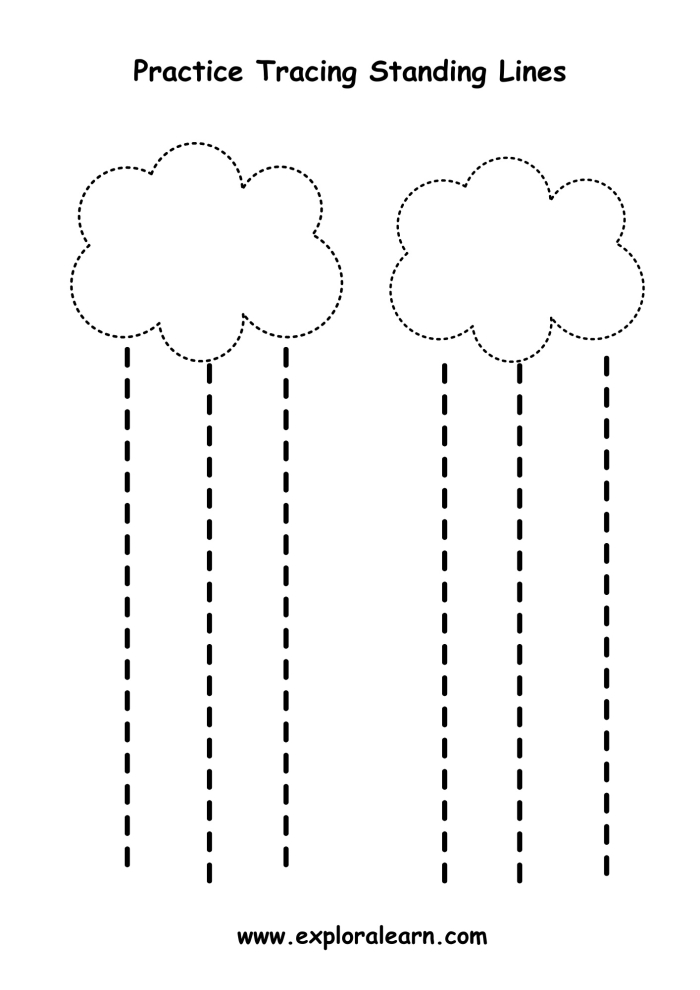
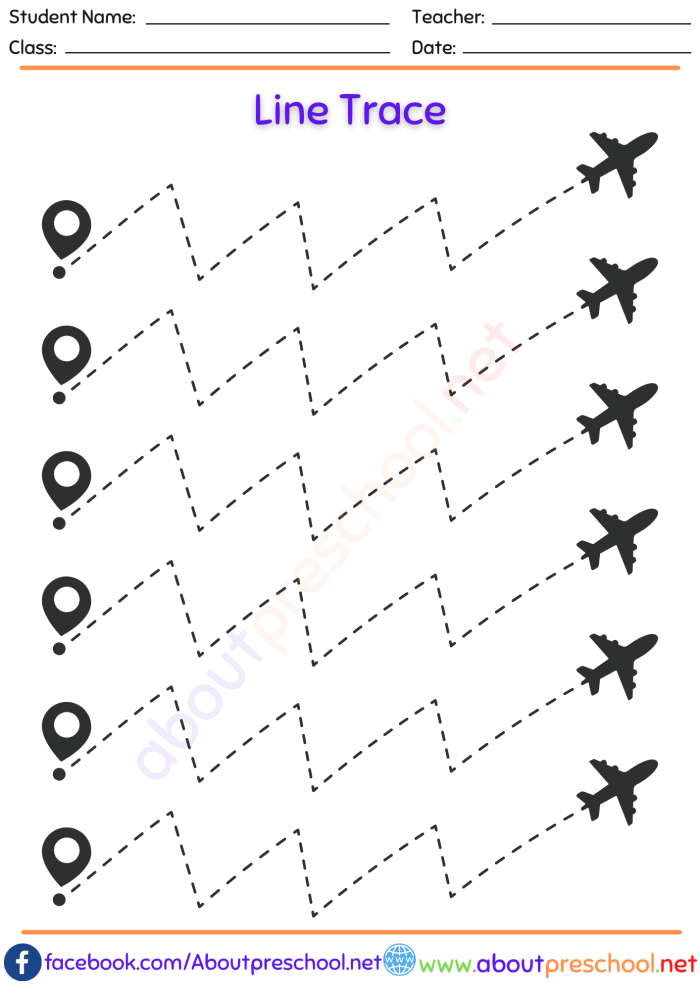
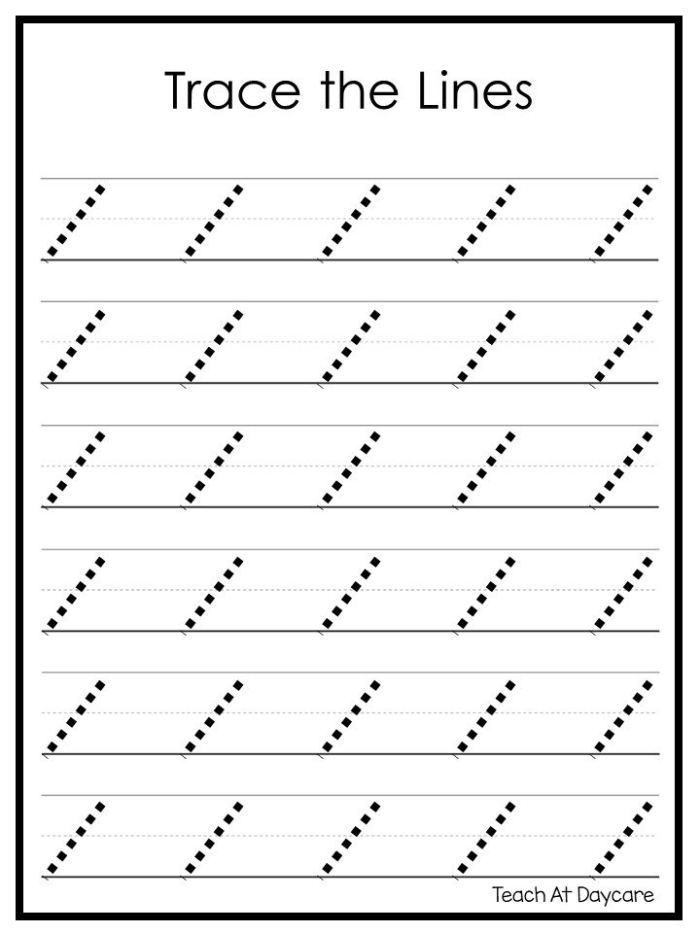
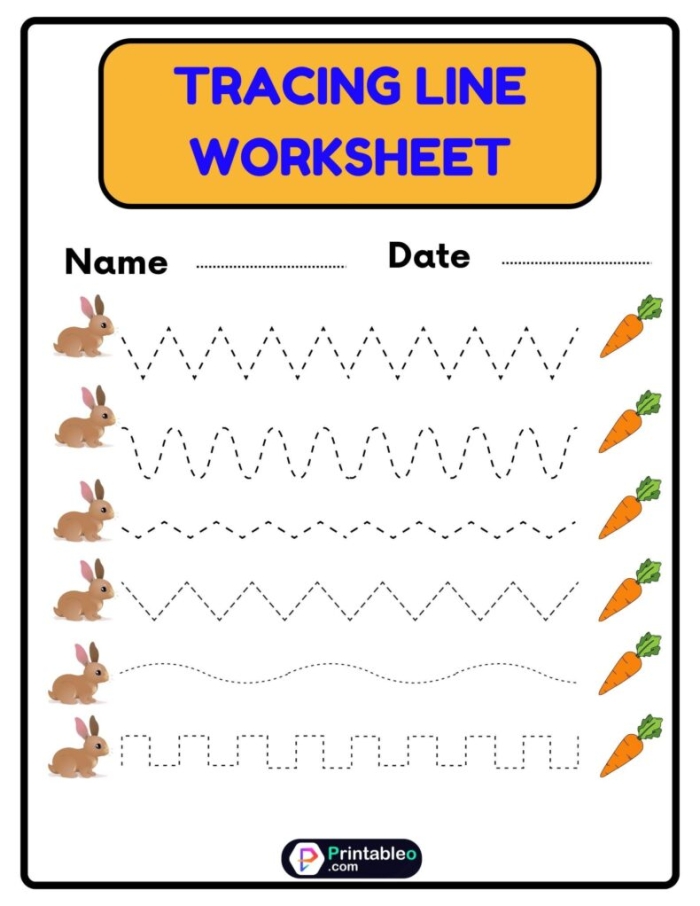
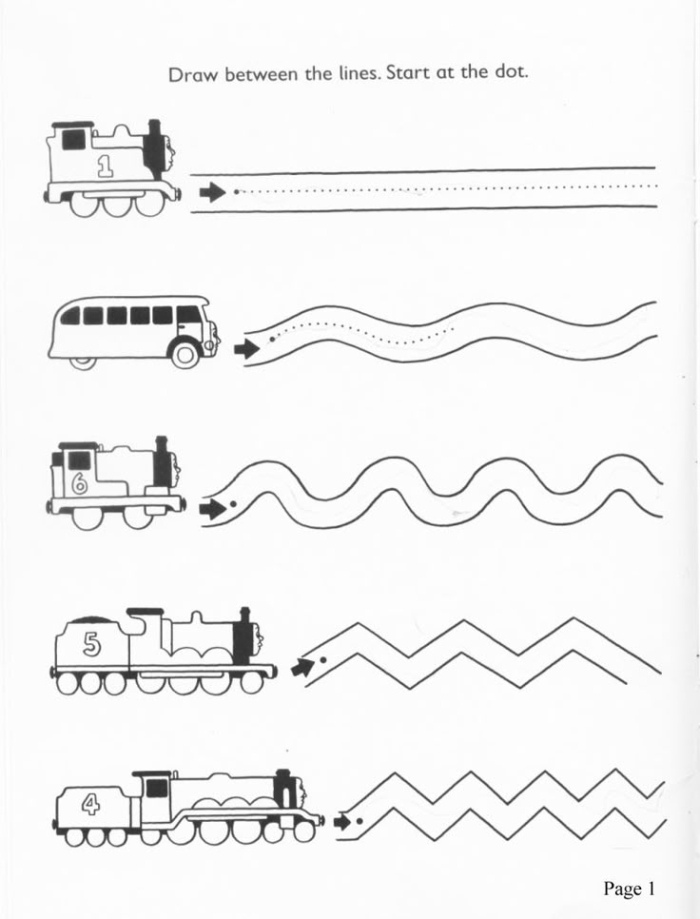
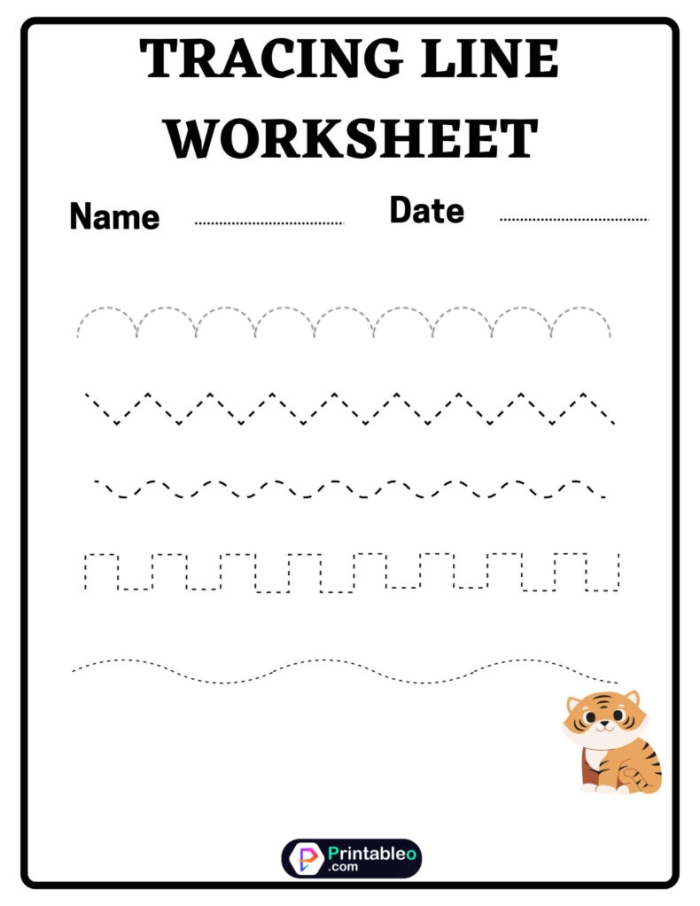
Fine motor skills don’t develop all at once. They build gradually through repeated, purposeful hand movements. When children trace the curved lines of sled runners, they practice the same wrist and finger control needed for cursive writing later on. The straight lines along the sled’s frame teach them how to maintain consistent pressure and direction. These small movements wire their brains for handwriting success.
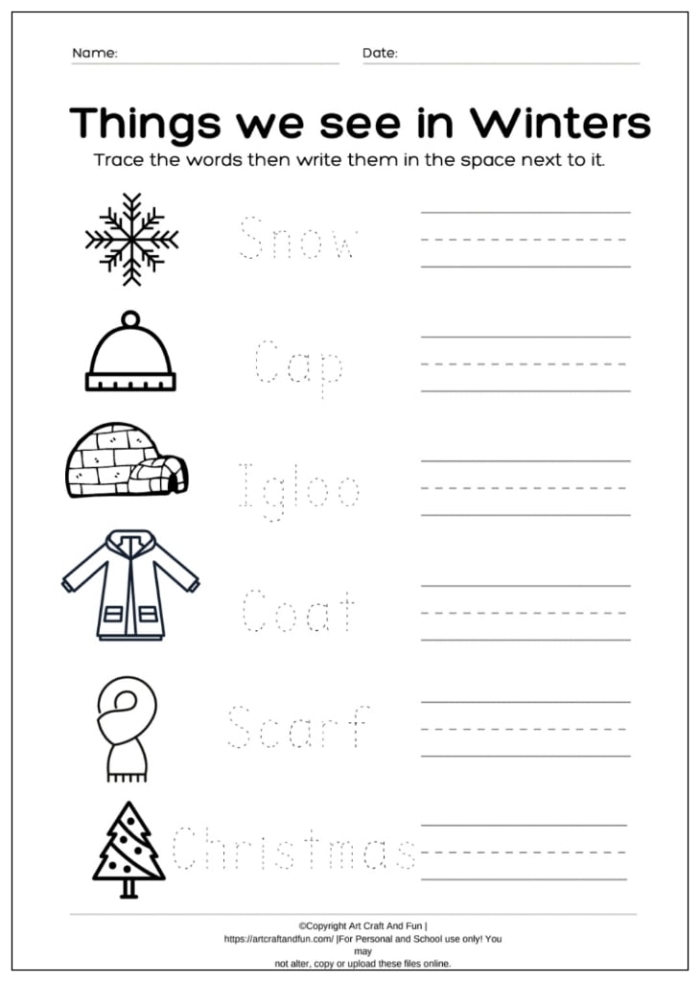
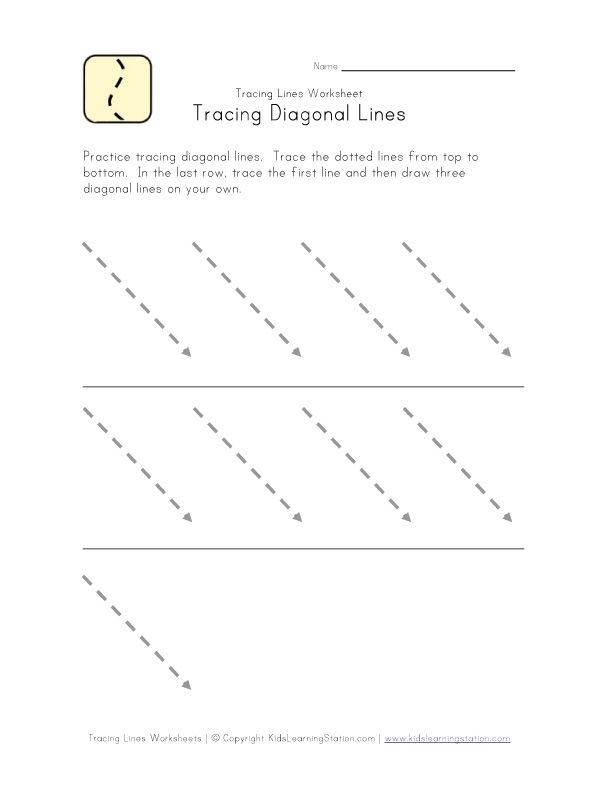
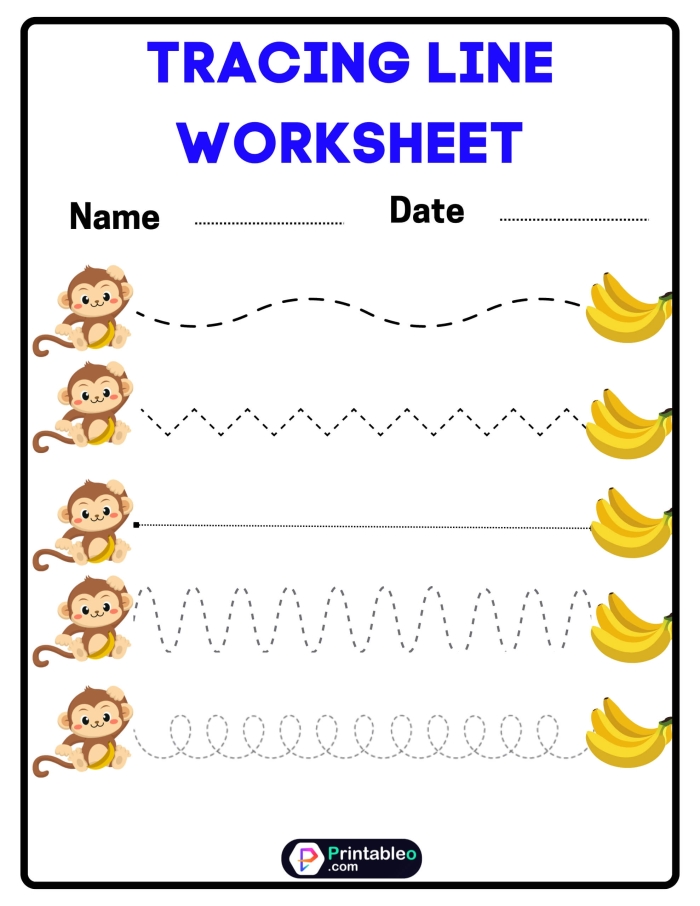
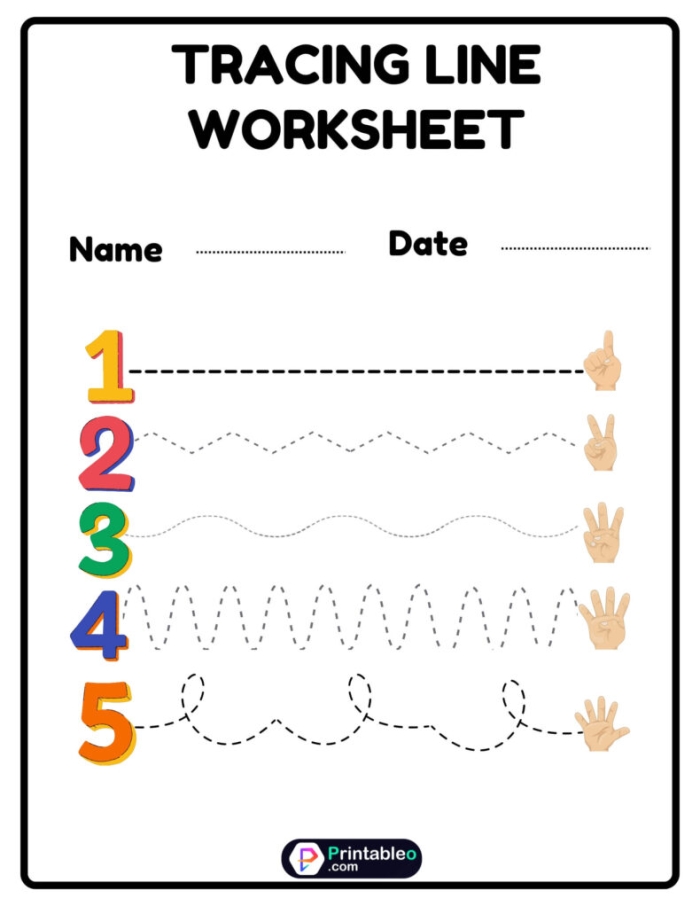
Pairing sled tracing with other Pre-K handwriting activities strengthens the overall learning experience. You might follow up with tracing lowercase letters to connect line skills to actual letter formation. For a seasonal twist, explore weather comparisons to deepen their understanding of winter conditions.
The key is consistency. Short, regular tracing sessions work better than occasional long ones. Five to ten minutes of focused sled tracing, done two or three times a week, will show noticeable improvement in a child’s pencil grip and line control within weeks. Keep the pencil relaxed, the paper steady, and the expectation simple: follow the line.
Try These Printable Worksheets