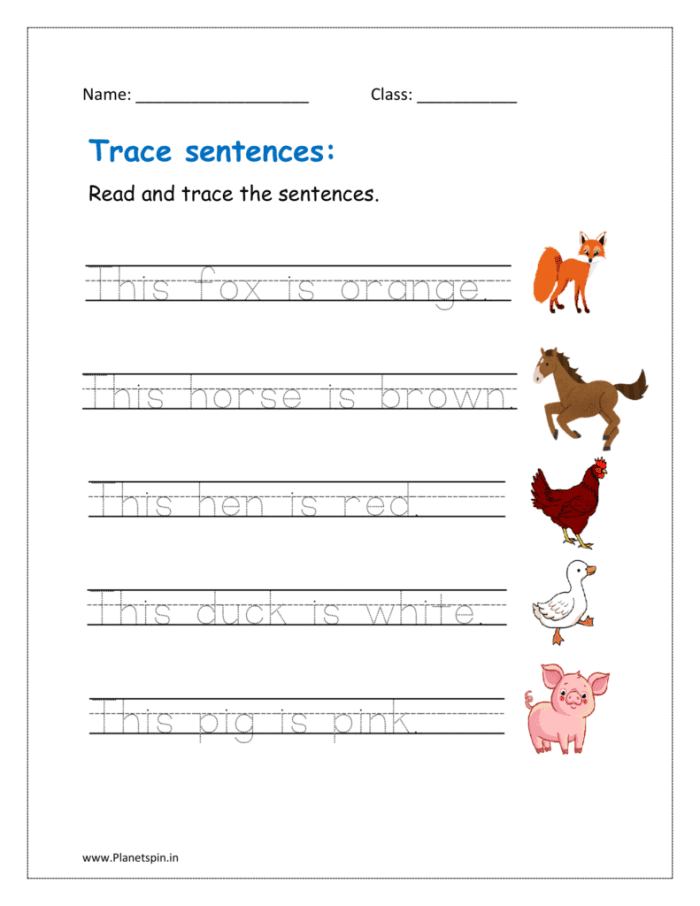
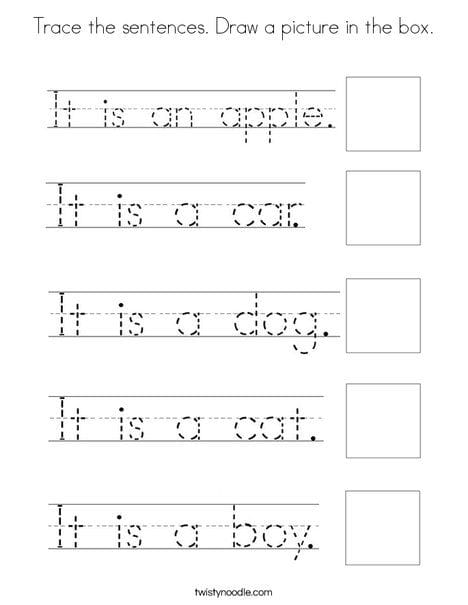
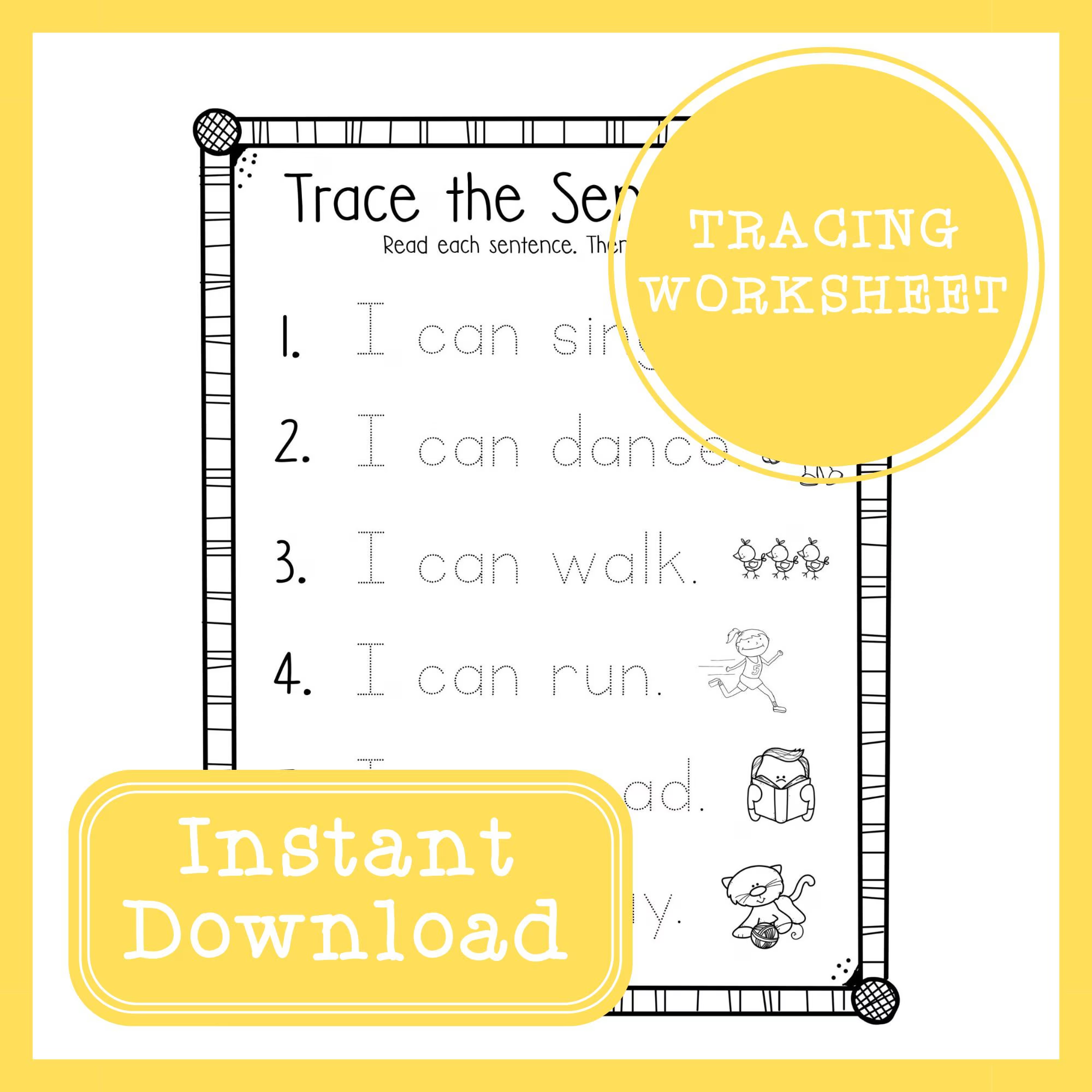
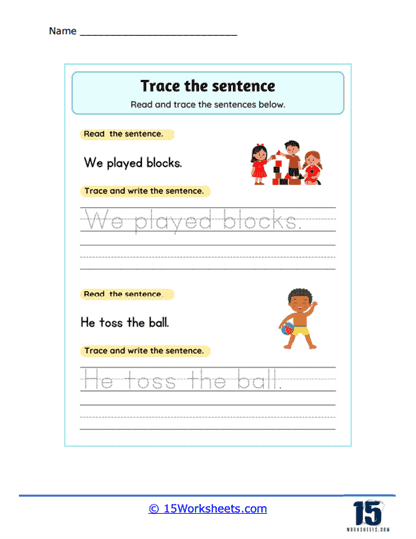
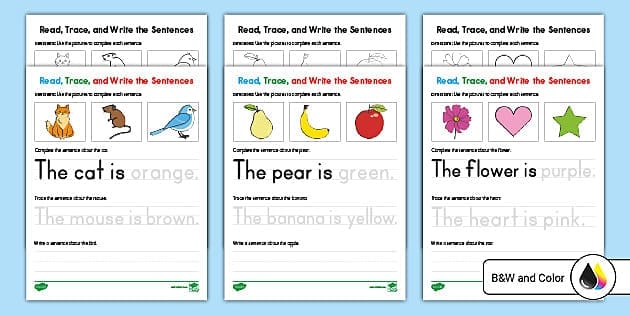
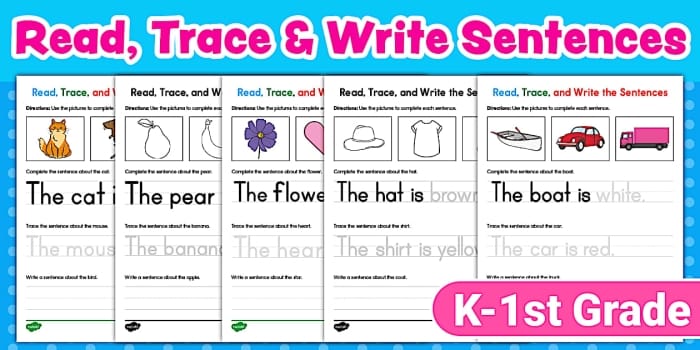
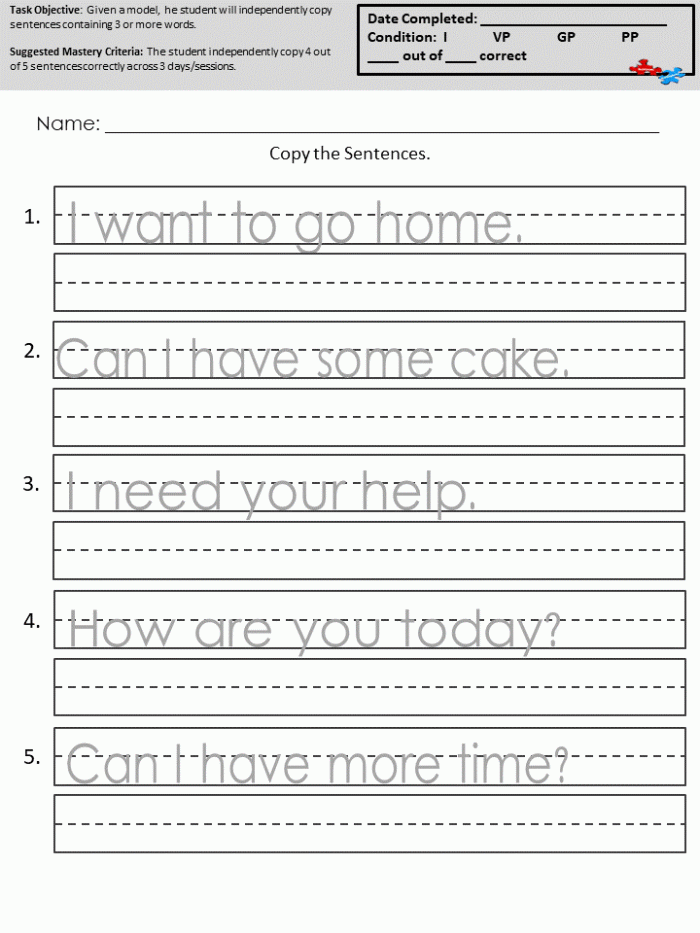
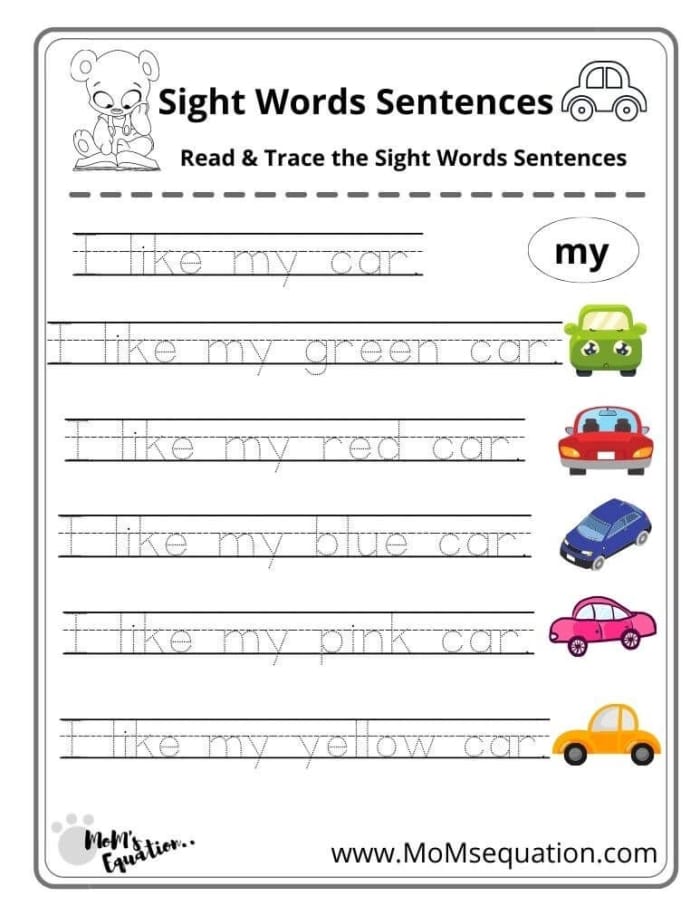
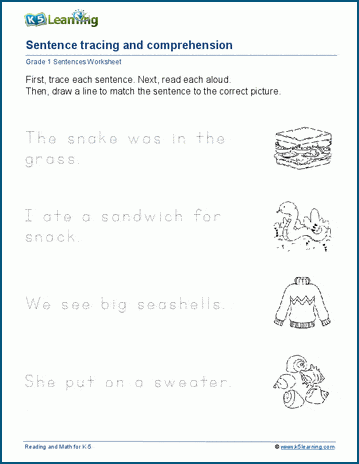
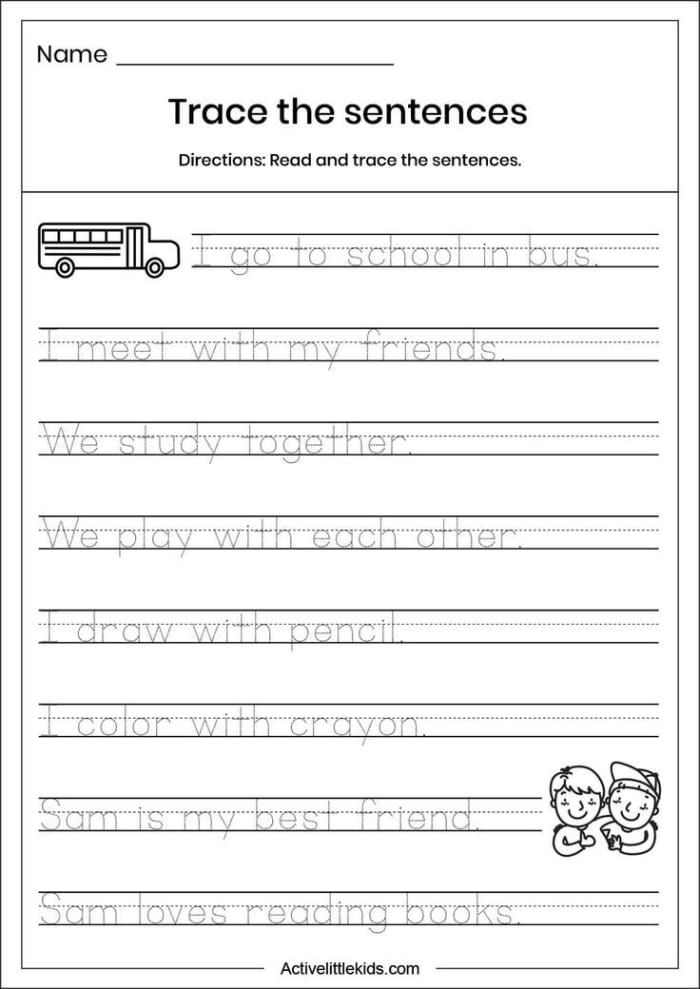
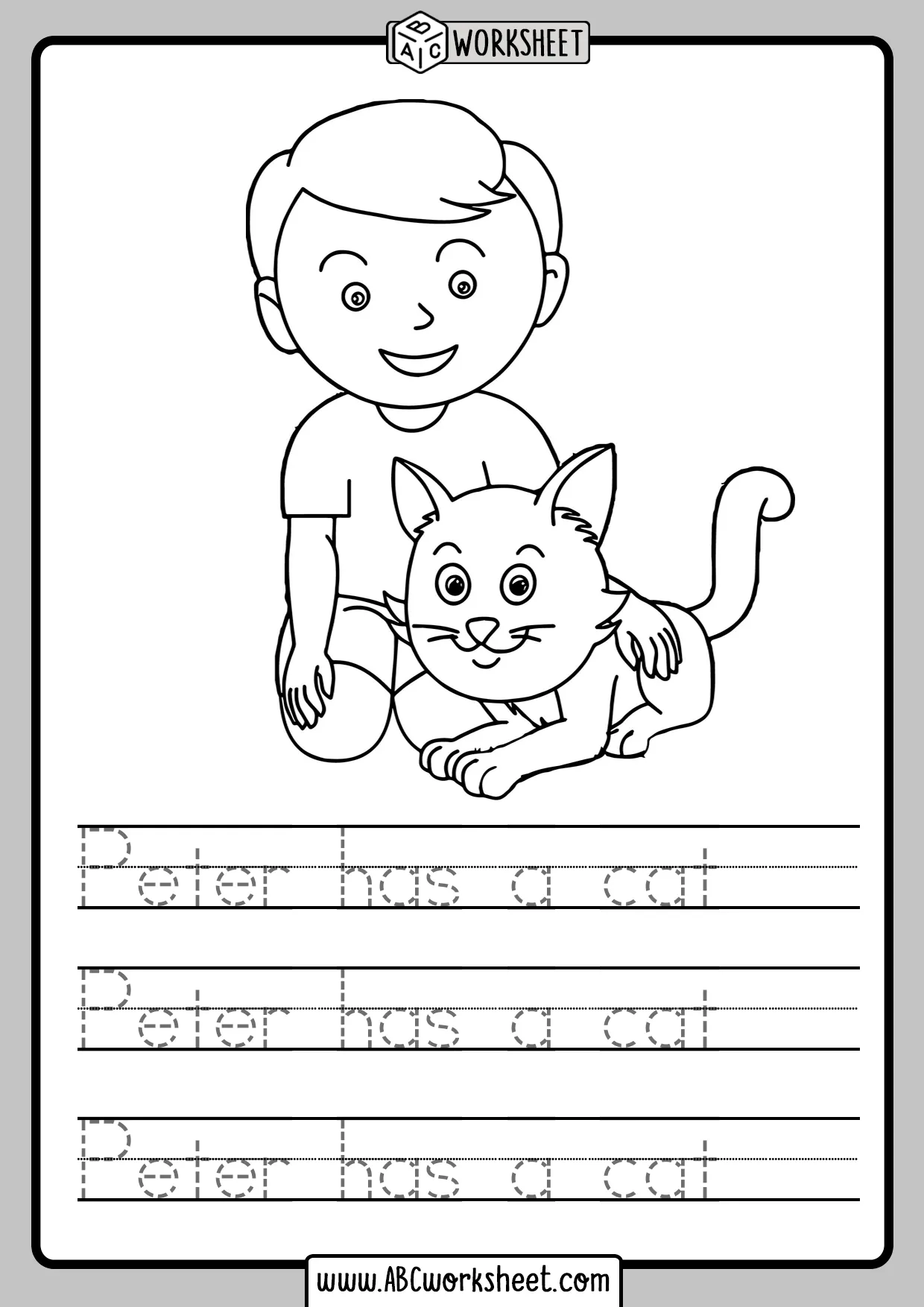
When young learners first encounter written words, the connection between seeing letters and understanding their sounds doesn’t happen automatically. Tracing sentences bridges that gap by combining two essential skills at once: reading comprehension and fine motor control. For Pre-K students, this dual approach makes learning feel less like a formal lesson and more like play.
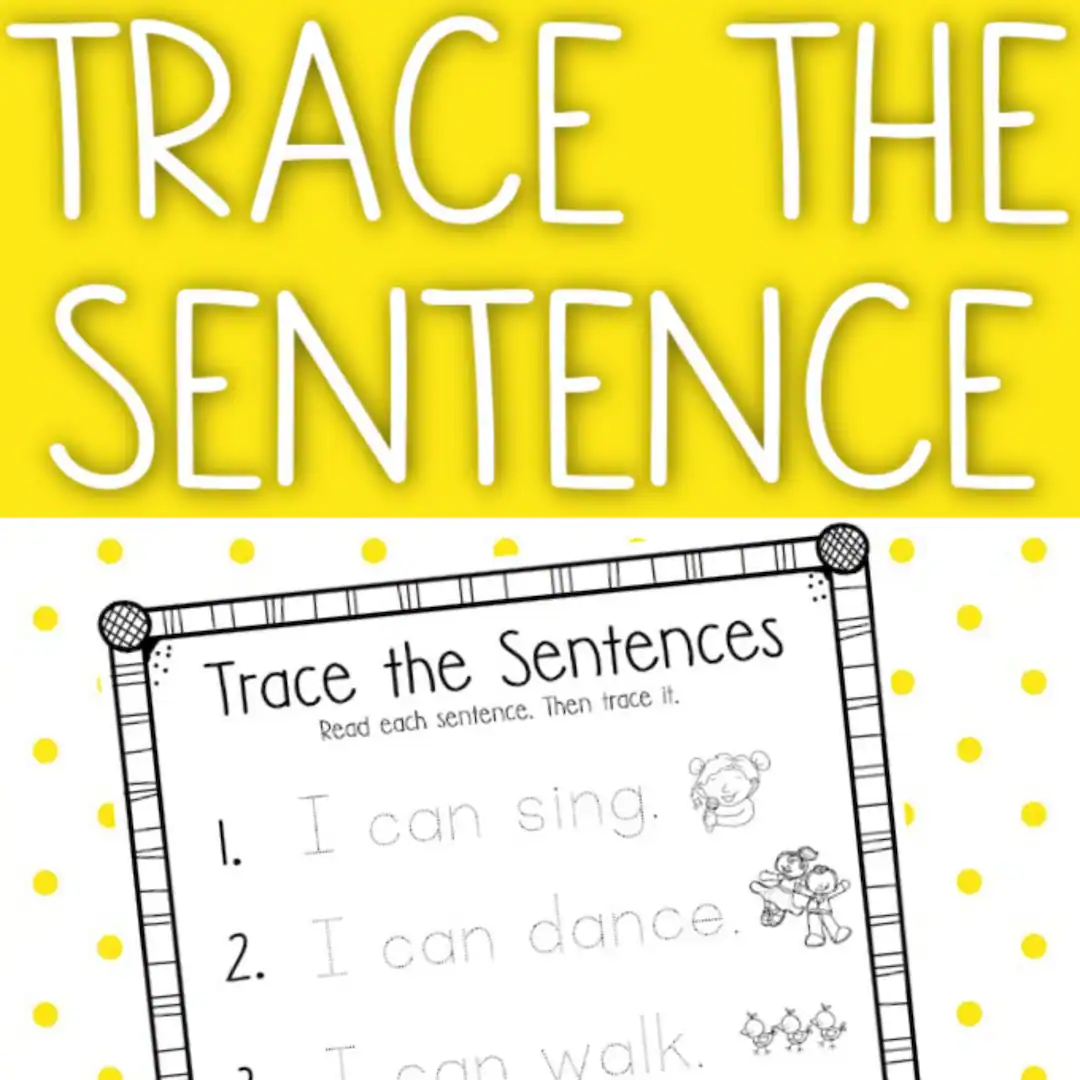
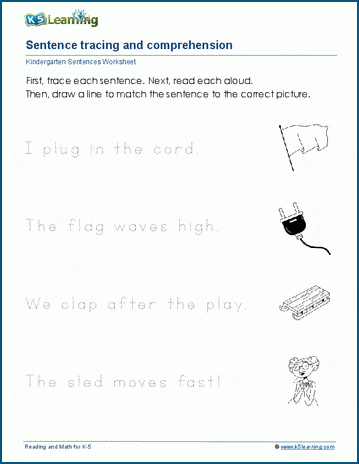
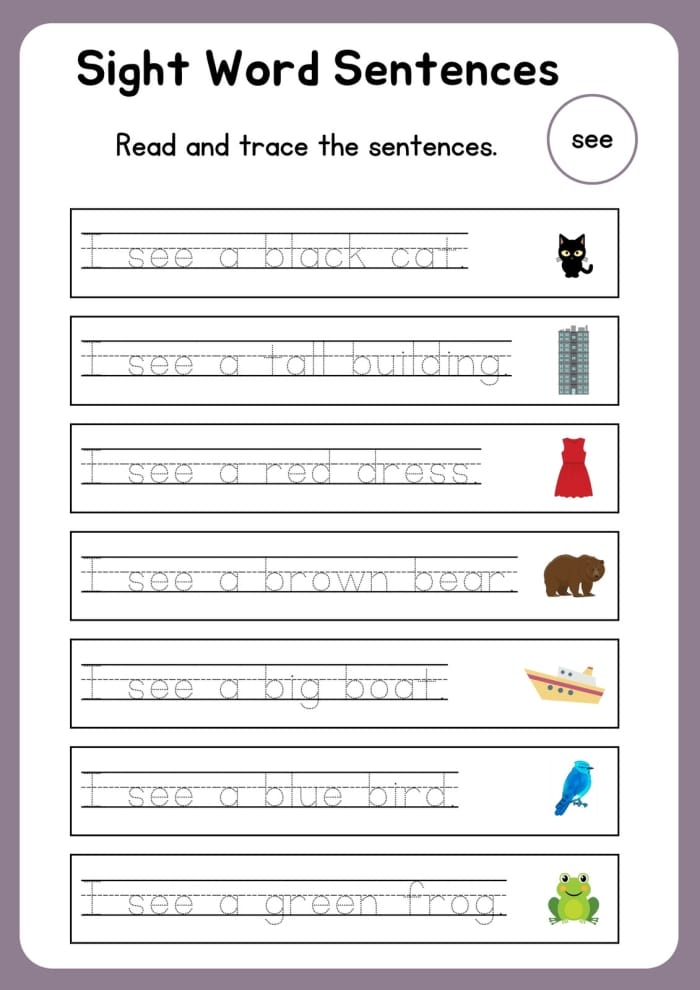
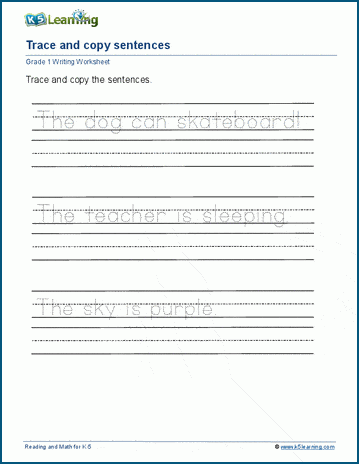
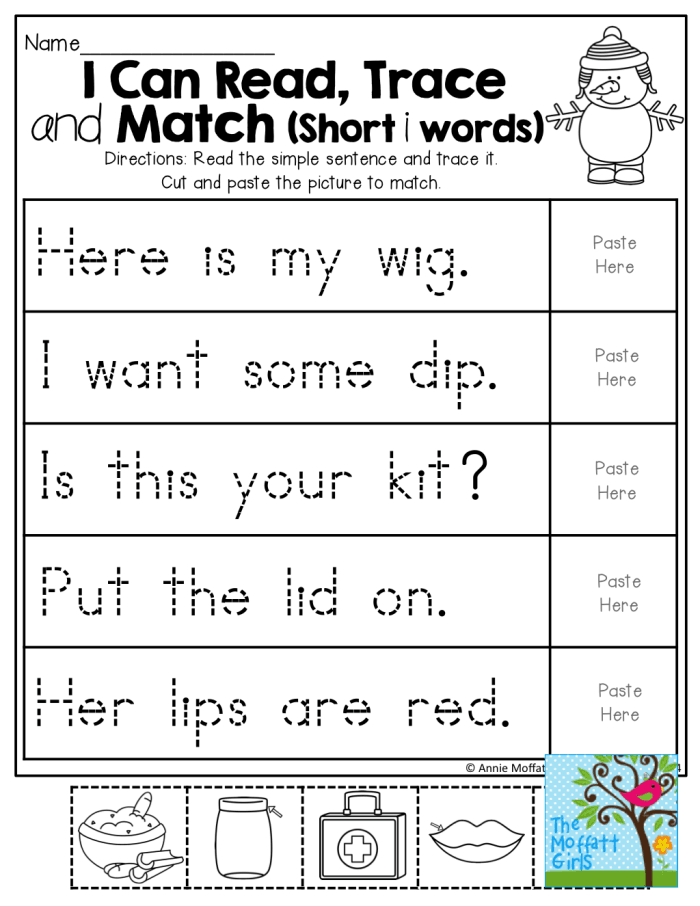
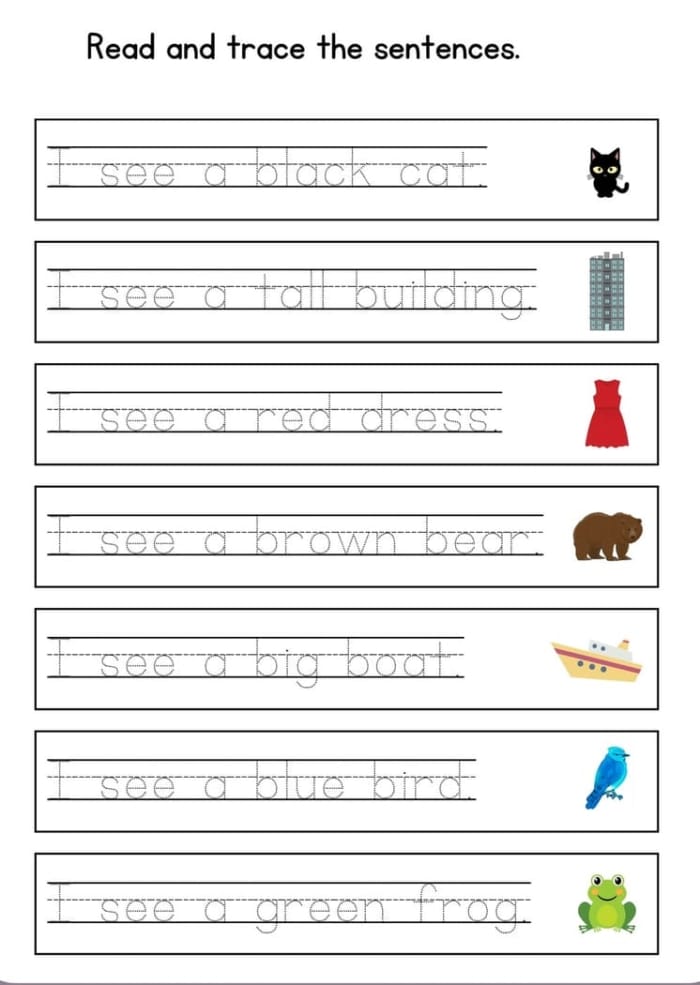
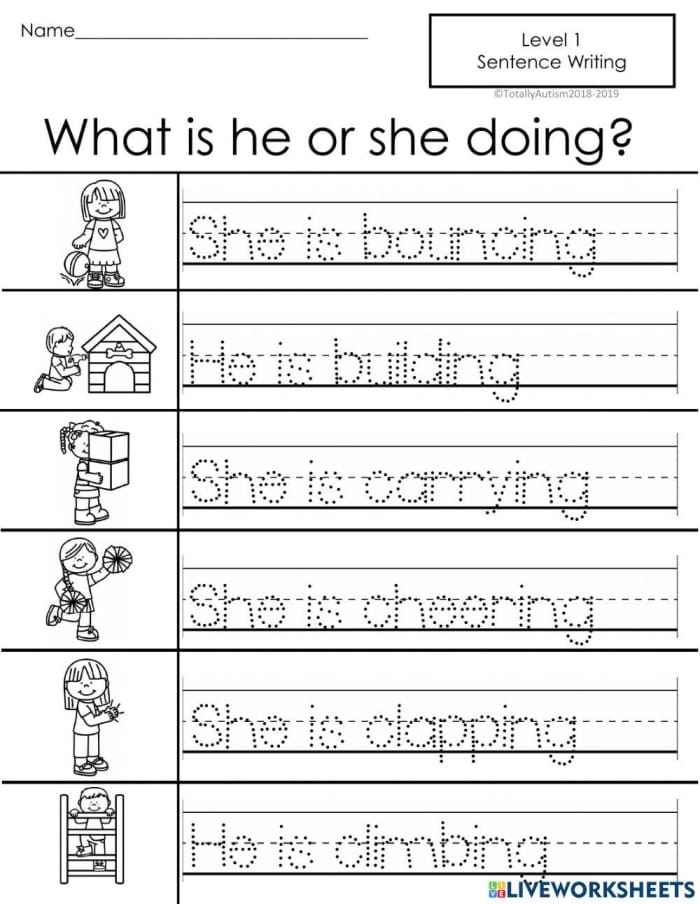
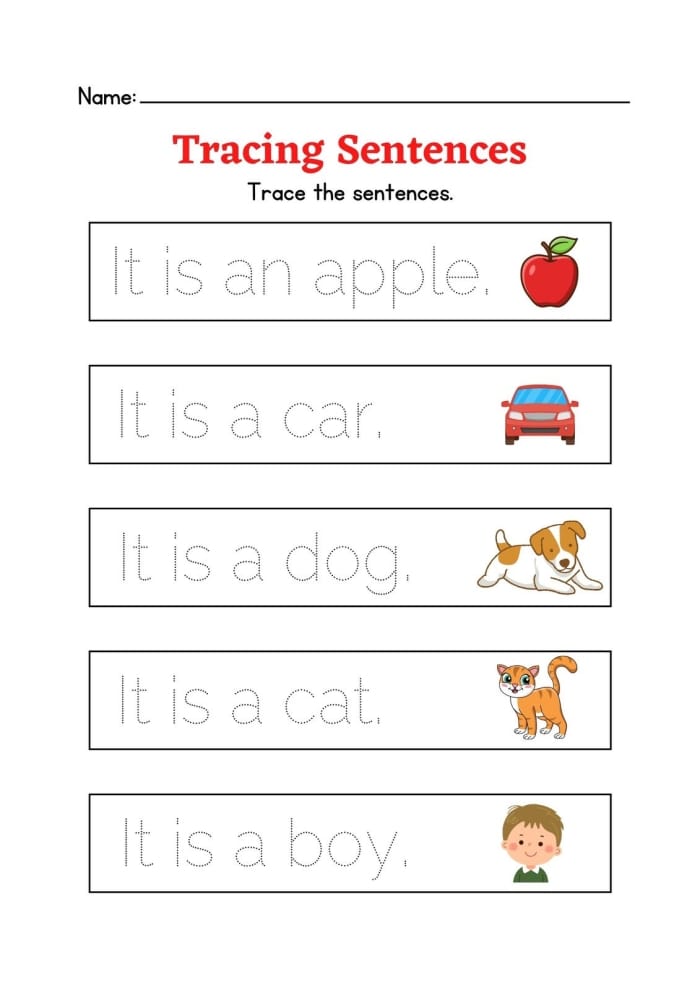
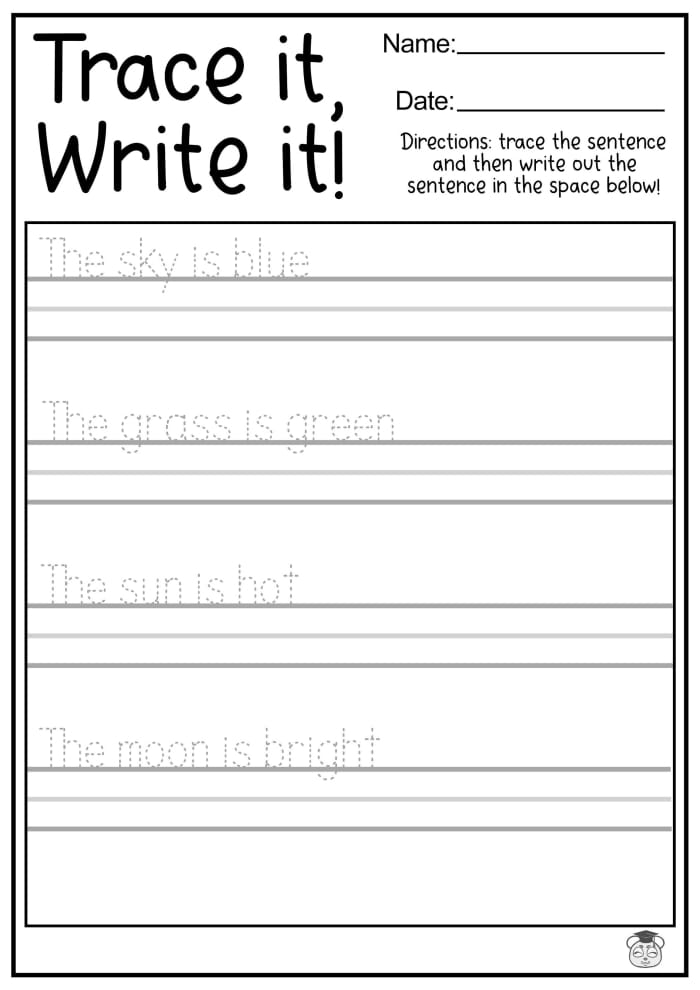
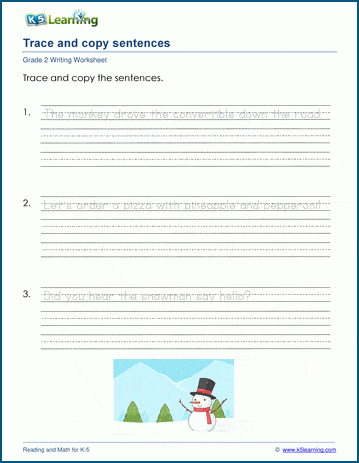
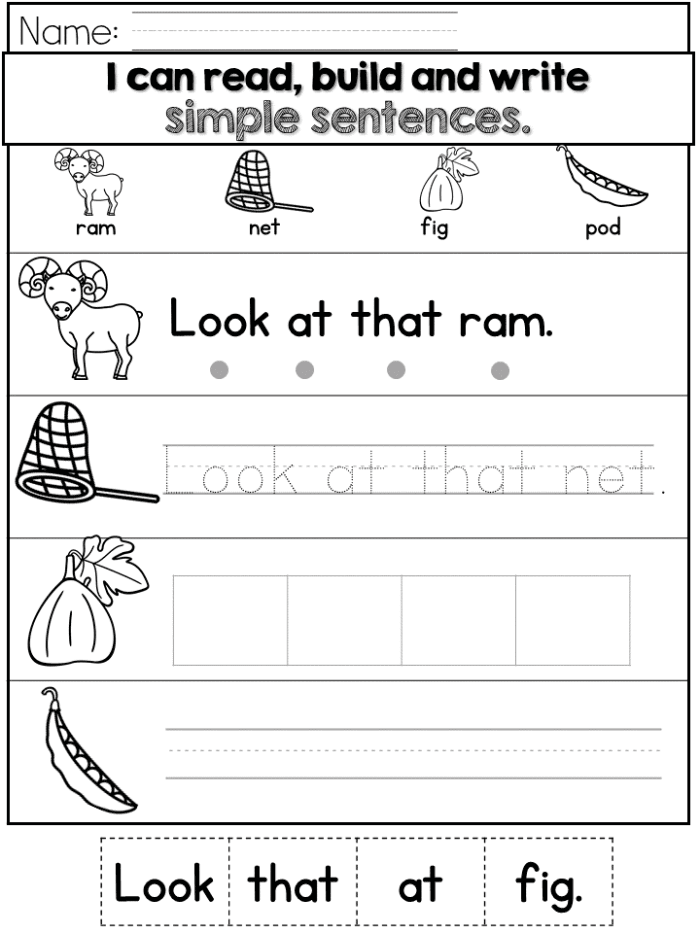
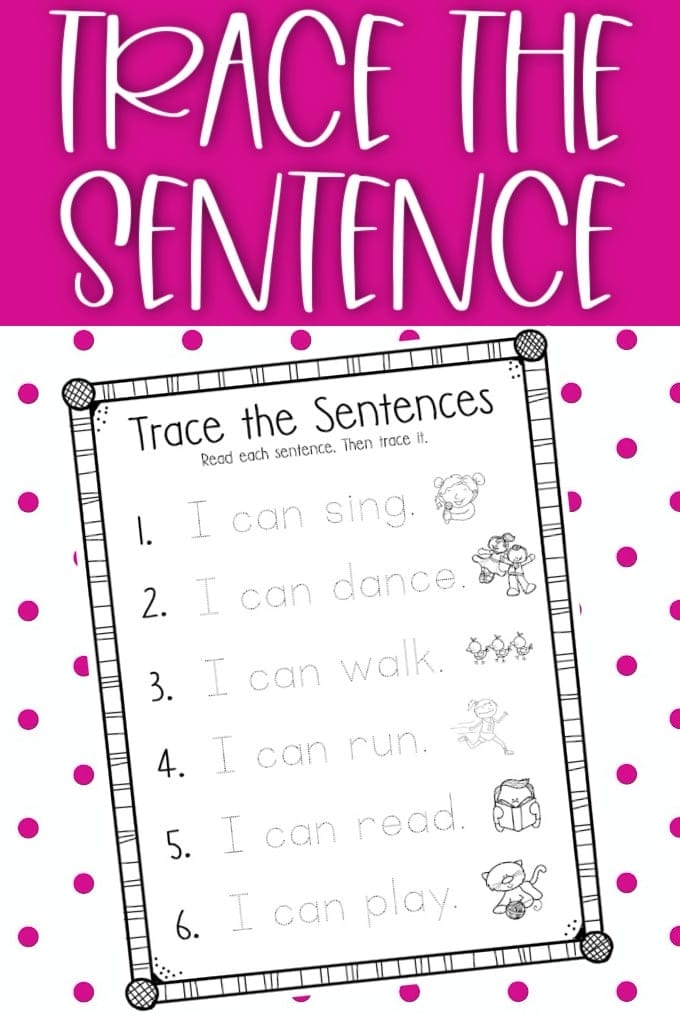
Simple sentence tracing worksheets work because they keep expectations realistic. Rather than asking children to write from scratch, tracing provides a physical guide that their fingers and eyes follow together. This repetition builds muscle memory in the hand while the brain absorbs sentence structure and word order. A child might trace “The cat sat down” multiple times, and by the third or fourth repetition, the words begin to feel familiar rather than foreign.
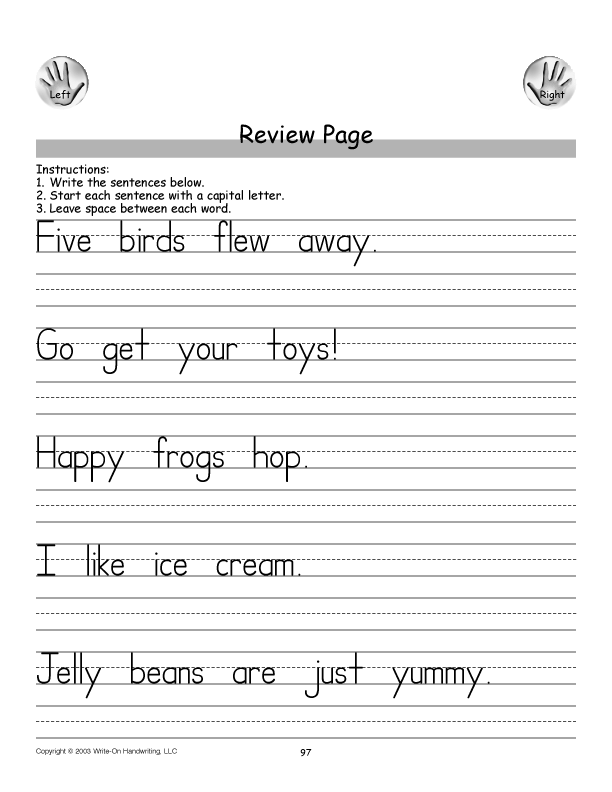
The handwriting component matters more than some parents realize. Pre-K handwriting practice through tracing develops the small muscles in fingers and hands that typing alone cannot build. When children grip a pencil to follow dotted lines, they’re strengthening the exact movements needed for independent writing later. Activities like tracing lines with winter themes or letter-by-letter dot-to-dot patterns make this practice engaging rather than tedious.
Kindergarteners benefit from sentence tracing too, especially those still building confidence with reading. The visual support of seeing complete sentences helps them understand that words work together to create meaning. Pairing these worksheets with letter recognition activities reinforces phonetic awareness across different contexts.
Consistency matters more than intensity. Ten minutes of daily tracing produces better results than sporadic longer sessions, as the brain needs regular exposure to cement these new pathways. When children see their own handwriting improve week to week, they develop genuine confidence in their emerging literacy skills.
Use These Worksheets Today