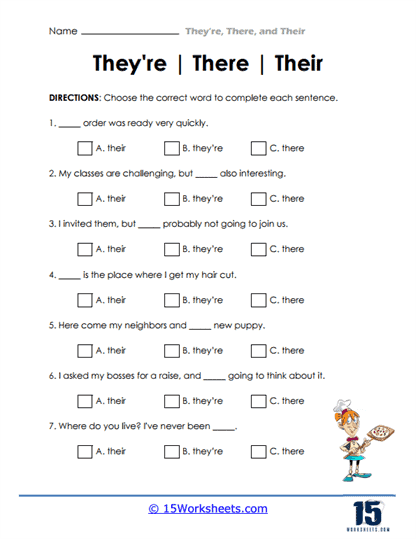
Fourth grade vocabulary instruction often hits a wall when students encounter homophones. These words sound identical but carry completely different meanings, and they trip up even careful readers. The challenge intensifies when learners must choose between their, there, and they’re in actual sentences, where context becomes the only reliable guide.
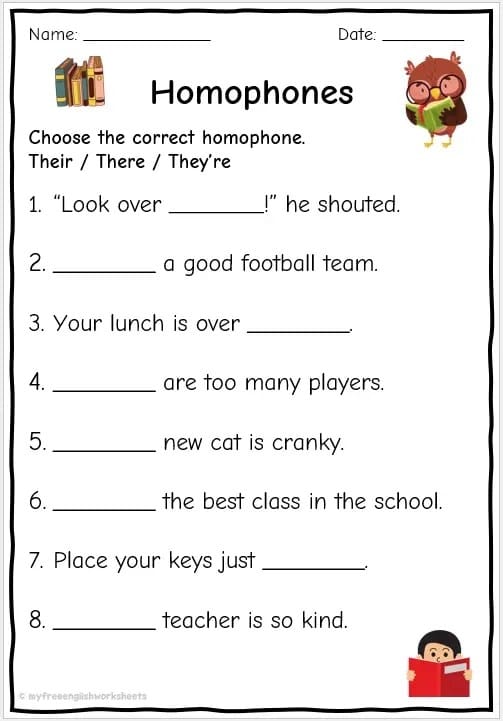
Using context clues to determine the correct homophone for each of eight sentences forces students to slow down and think critically about word meaning rather than relying on phonetic memory alone. This approach works because it mirrors how skilled readers actually process text. When you encounter a word you know multiple ways to spell, your brain automatically checks the surrounding words to confirm which version fits.
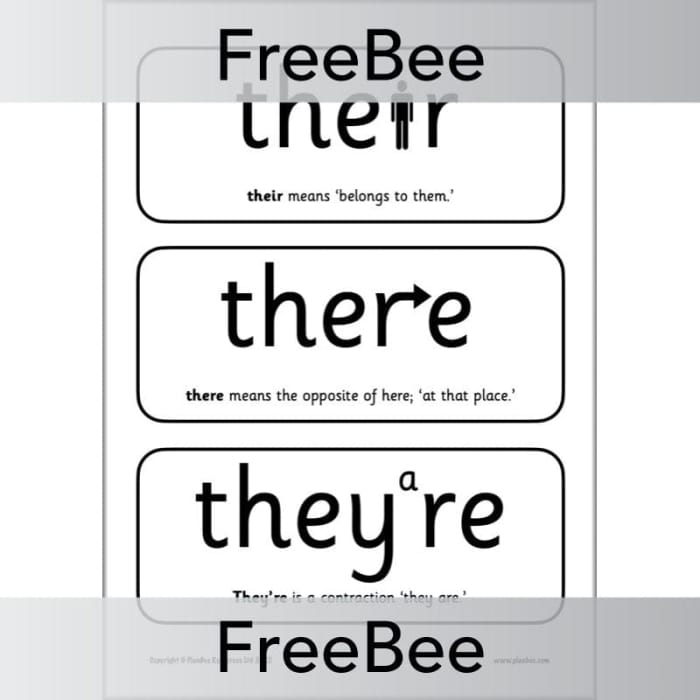
Consider a sentence like: “The students left their notebooks on the shelf.” The possessive pronoun their appears before the noun it modifies, notebooks. A fourth grader who understands this pattern can eliminate there (which indicates location) and they’re (which means they are). This logical elimination process builds stronger retention than simple memorization.
The eight-sentence format provides enough repetition to establish pattern recognition without overwhelming young learners. Each sentence should vary slightly in structure so students encounter their, there, and they’re in different positions and contexts. One sentence might use there as an introductory word (“There are eight homophones in this lesson”), while another uses their as a possessive (“Their understanding improves with practice”).
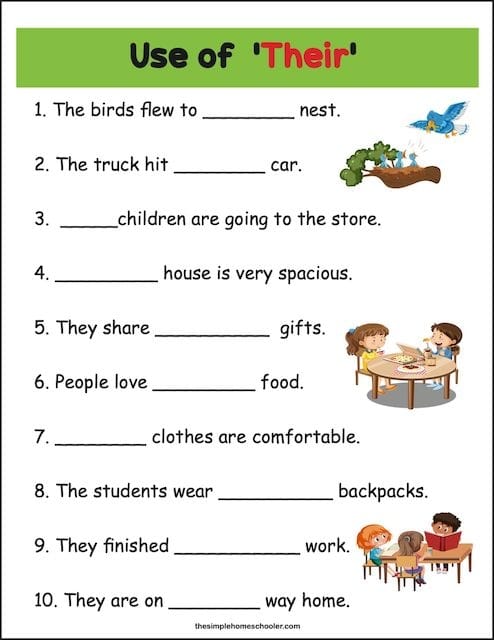
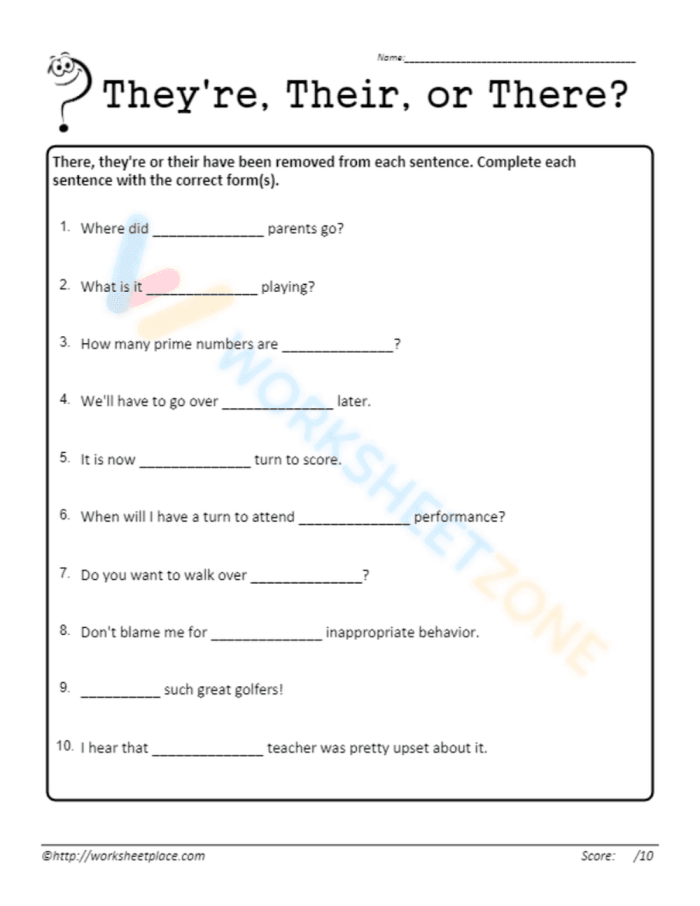
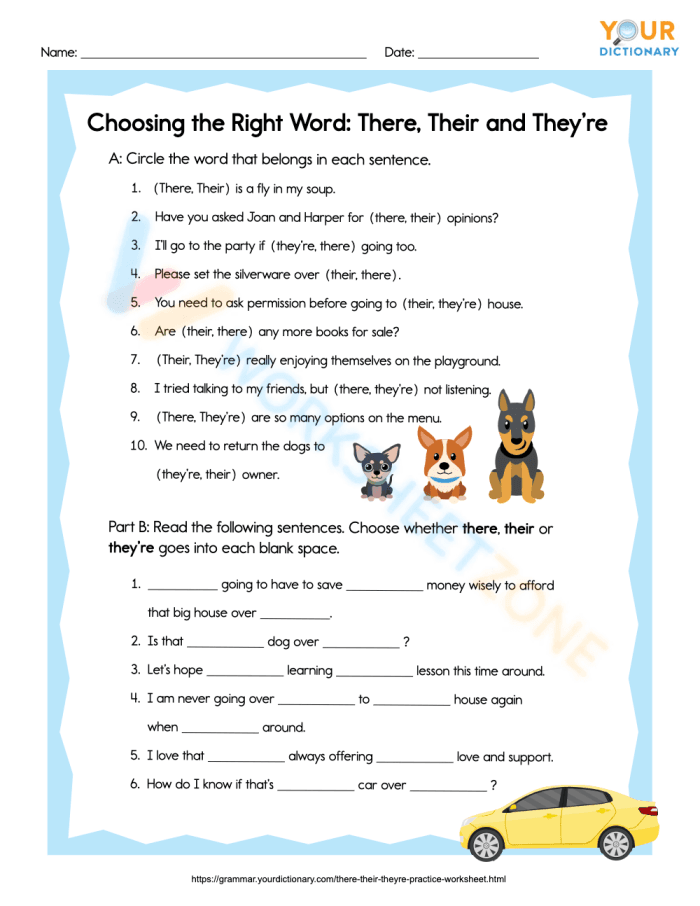
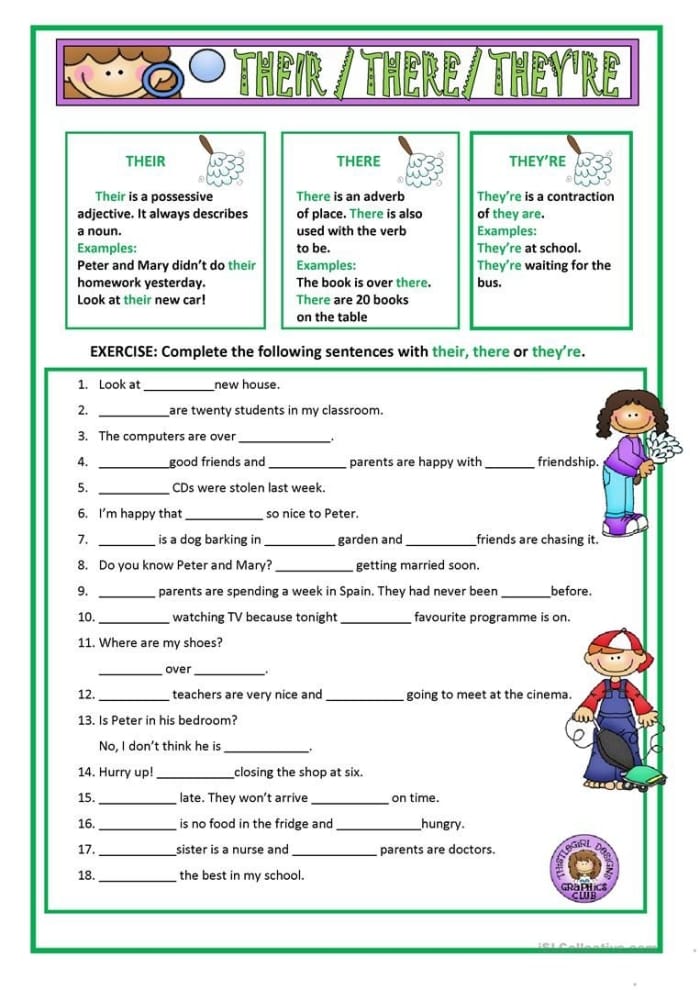
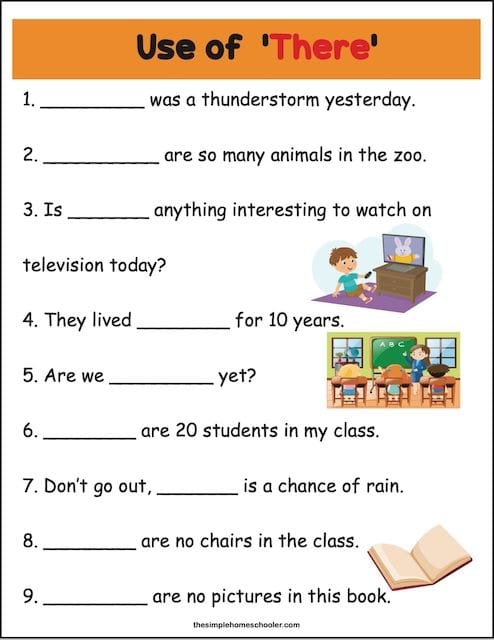
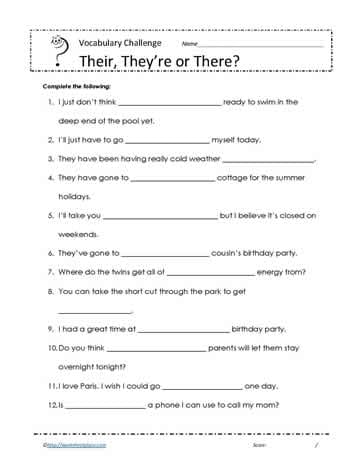
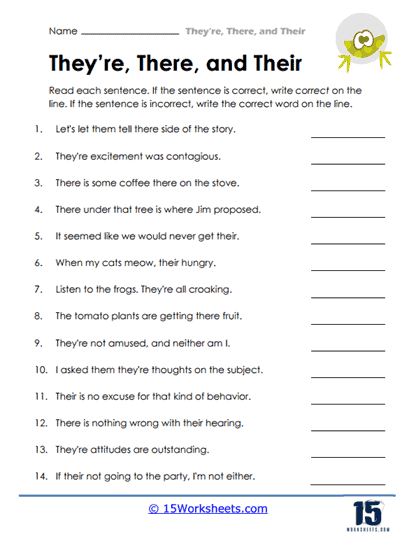
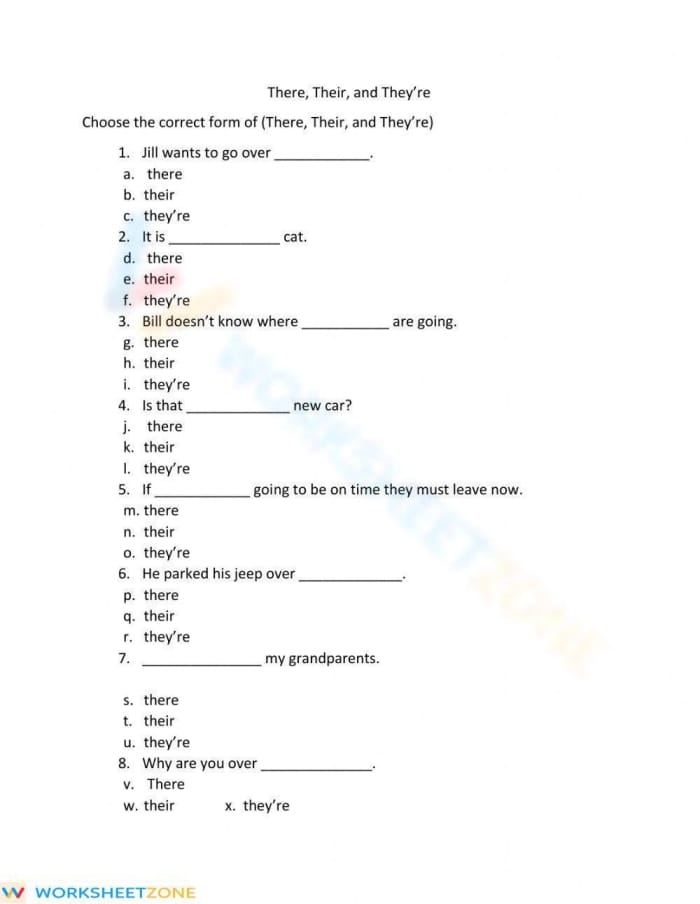
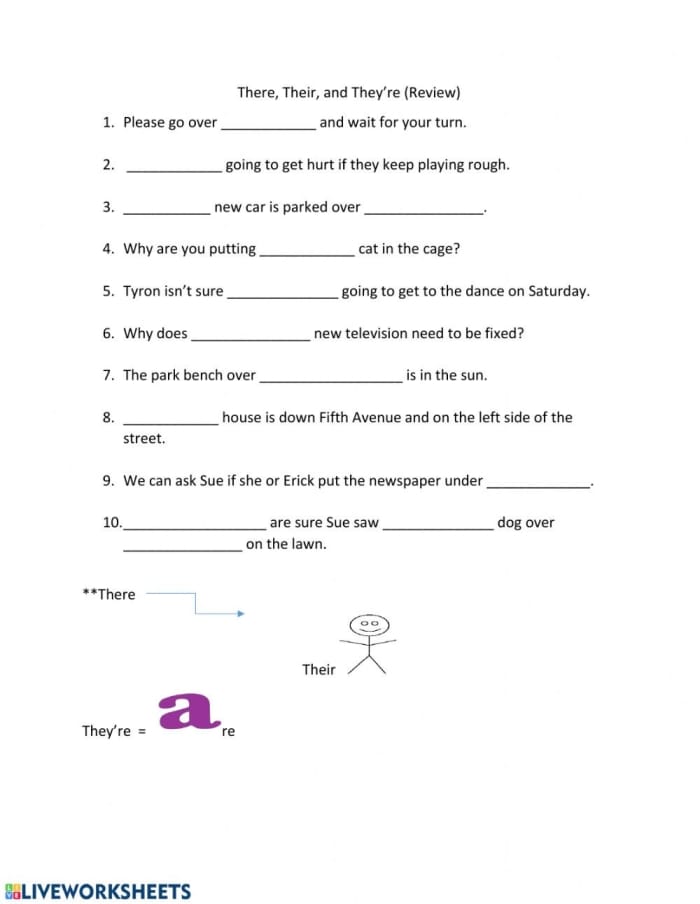
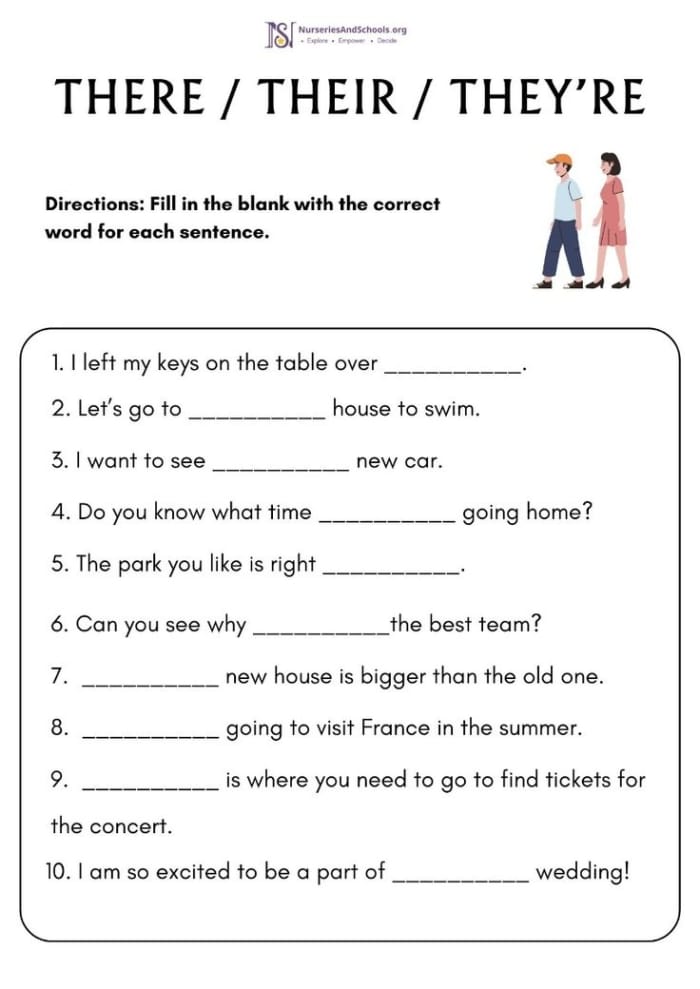
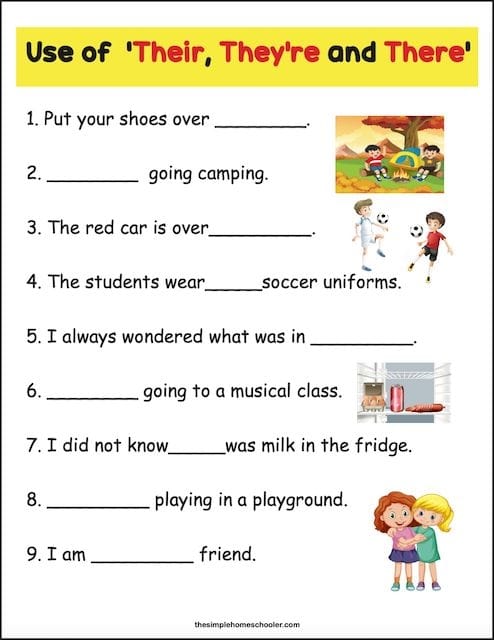
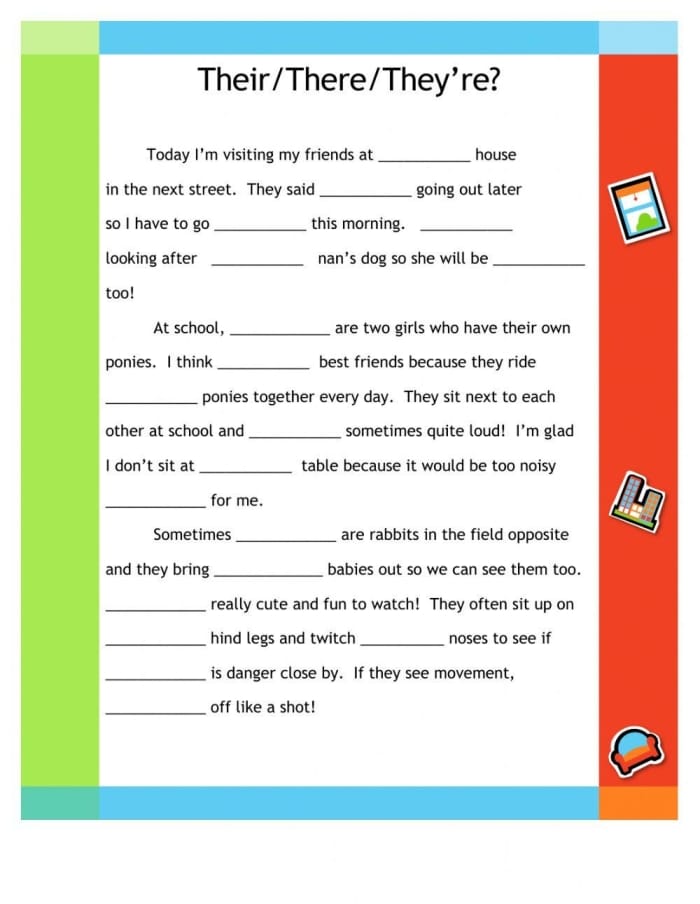
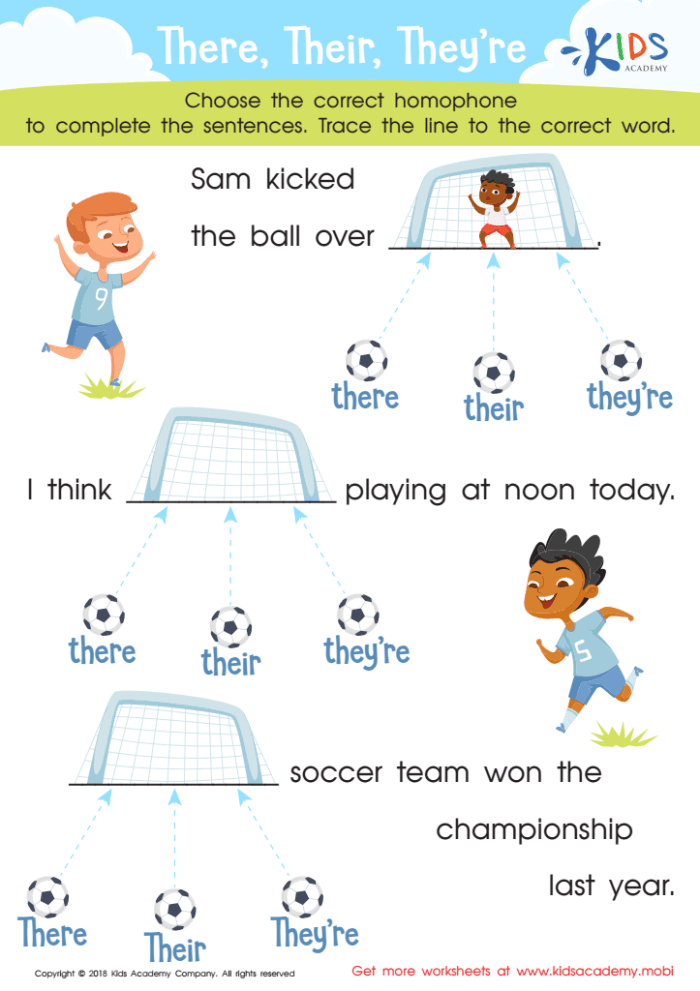
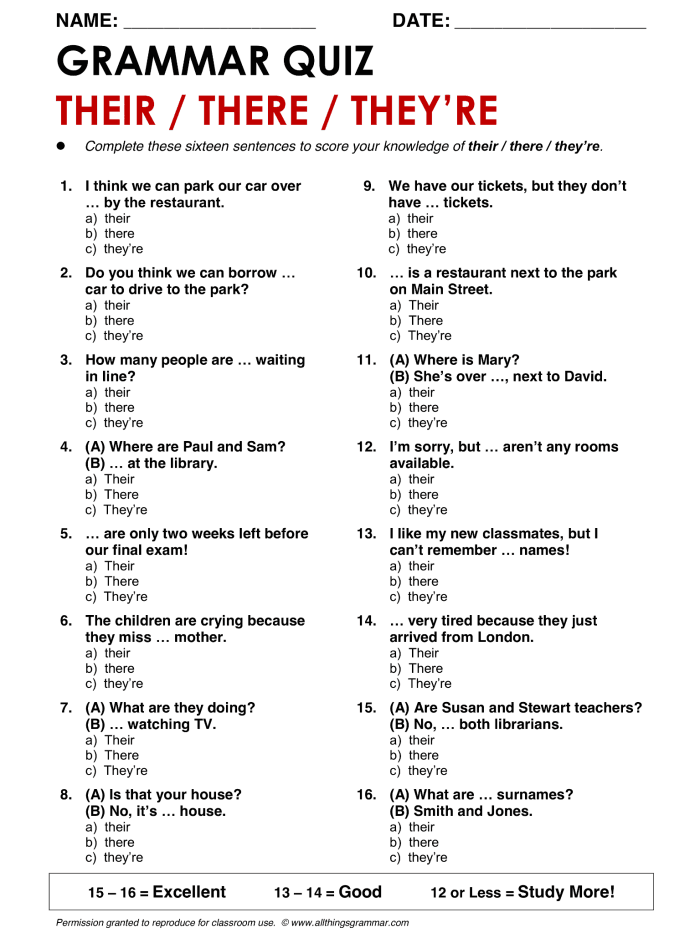
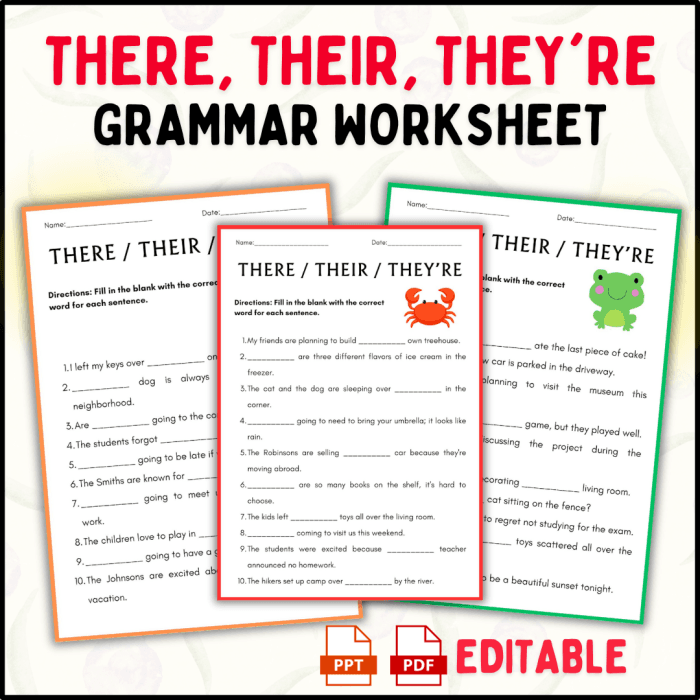
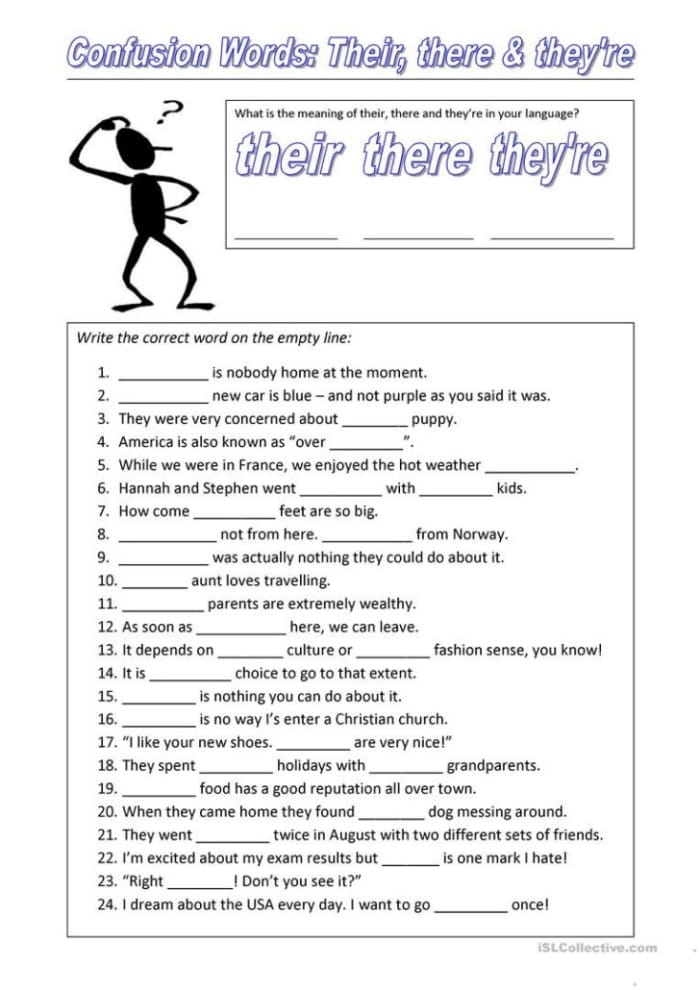
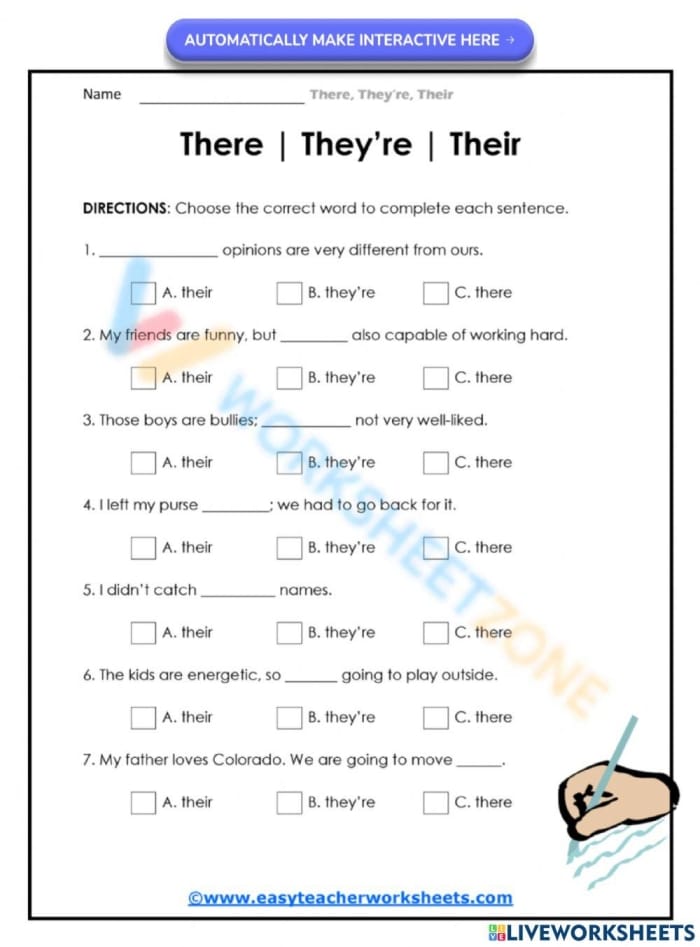
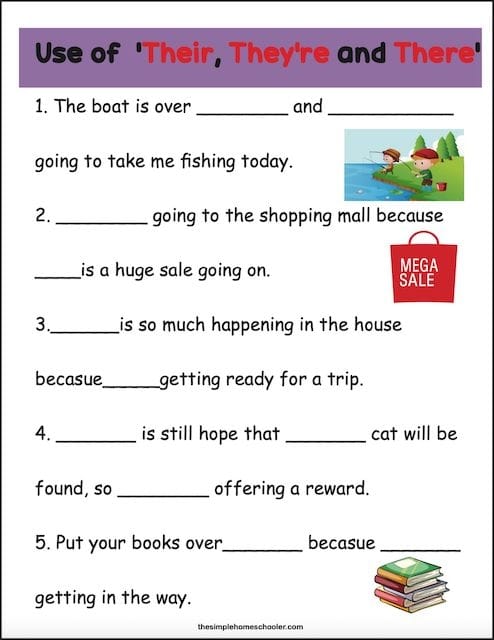
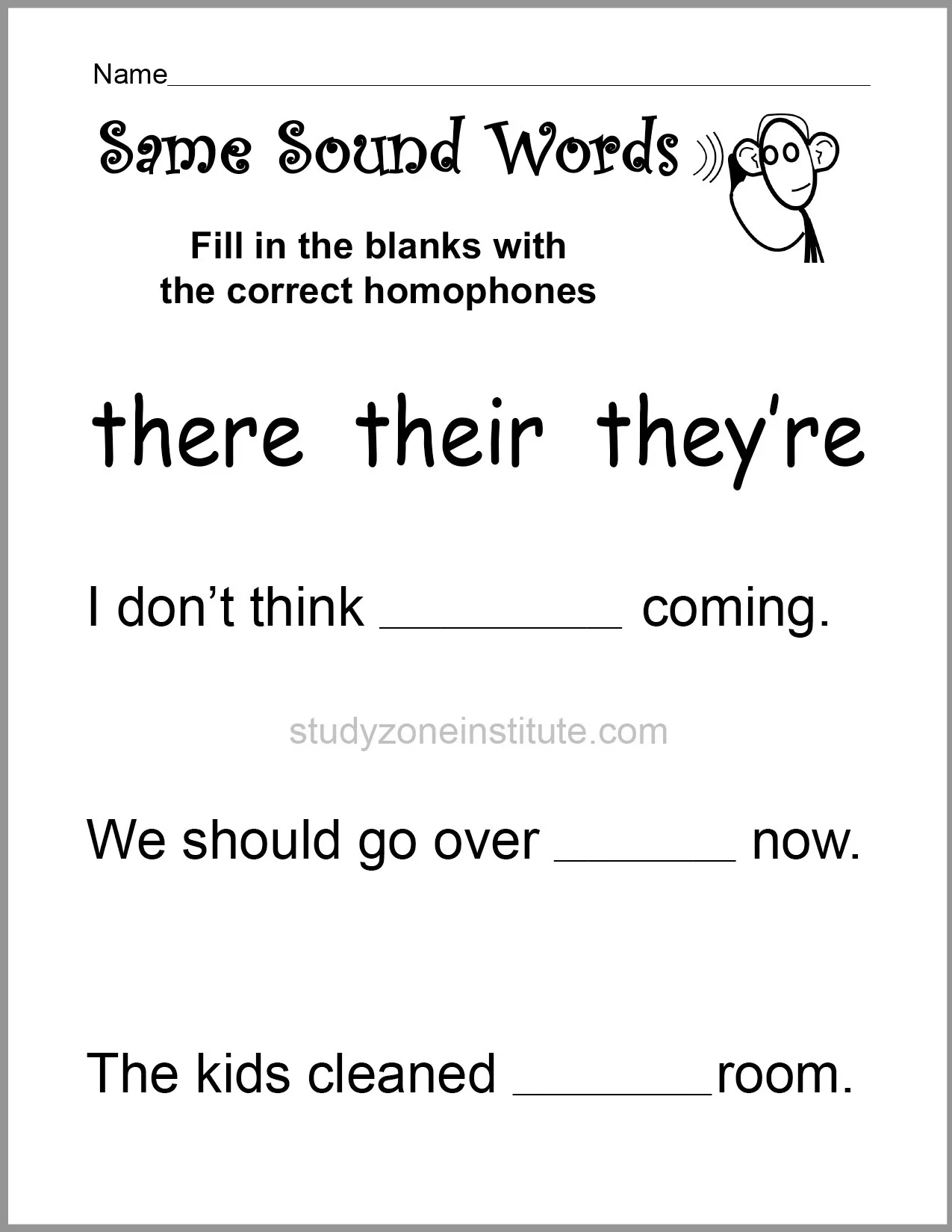
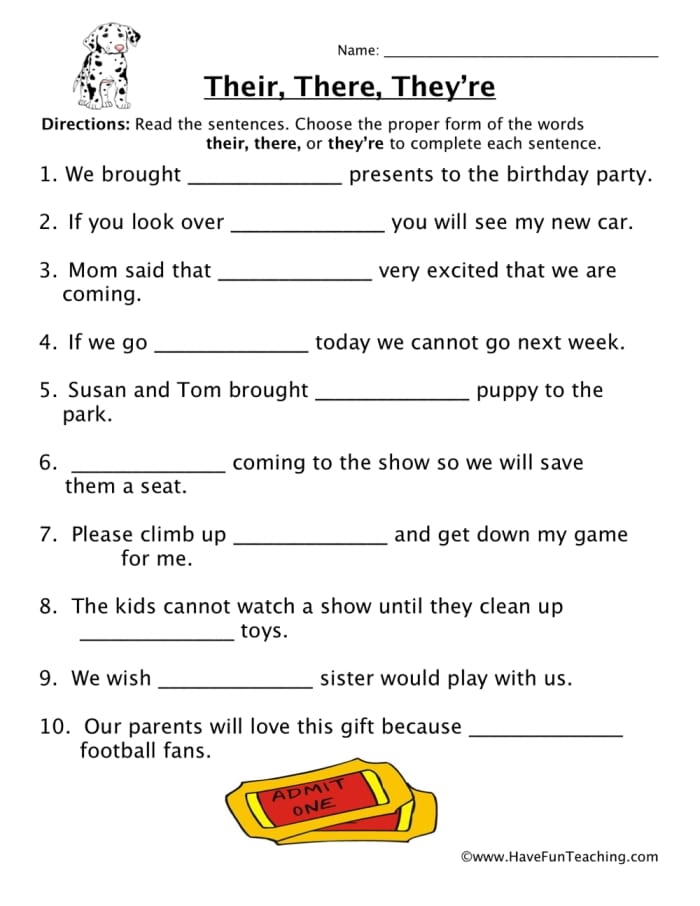
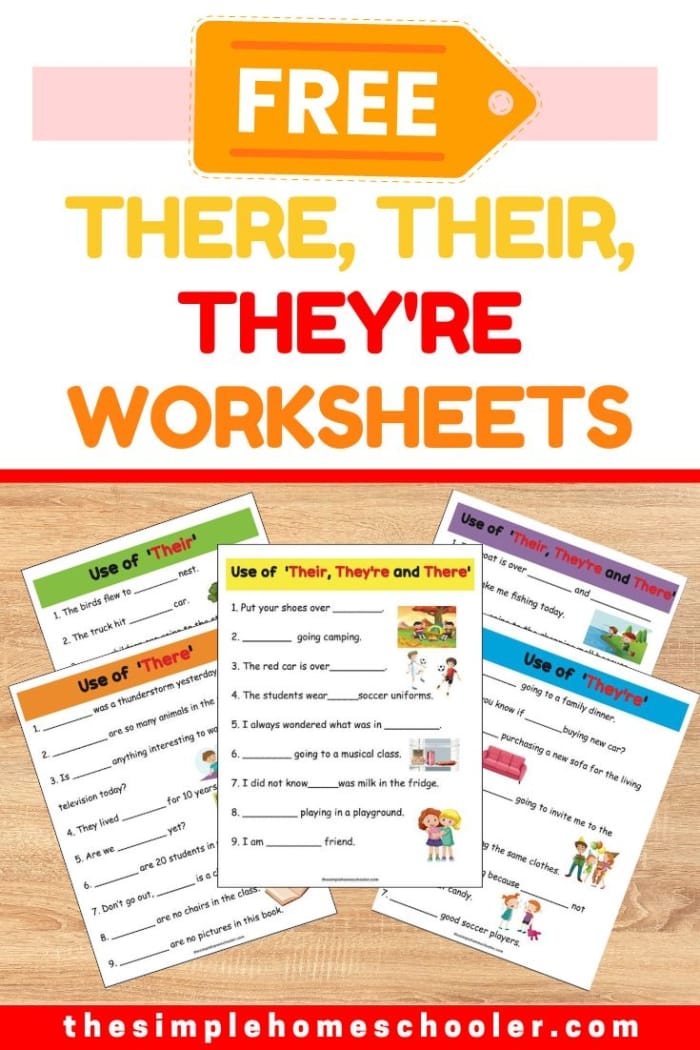
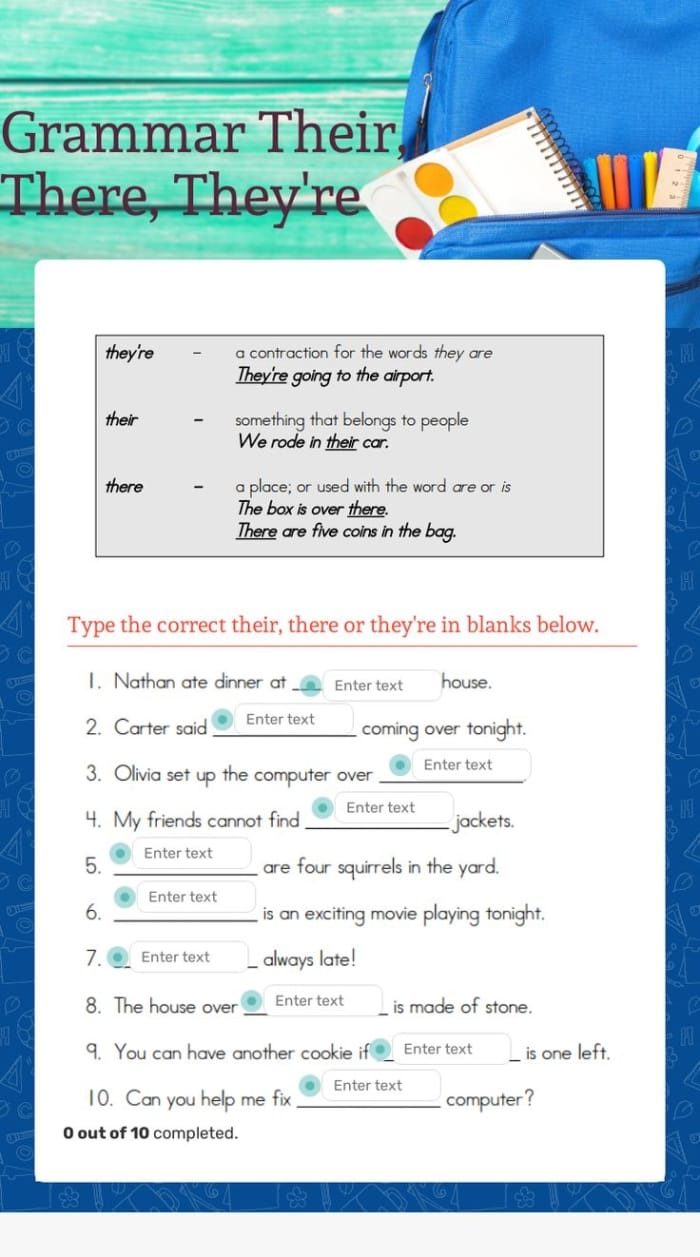
Teachers can enhance this work by pairing it with resources that specifically target these confusing words. A worksheet on their, there, and they’re vocabulary for fourth grade provides structured practice. When students apply context clue strategies consistently, they develop the confidence to tackle these homophones independently.
This method also transfers to other vocabulary challenges. Once fourth graders understand how surrounding words clarify meaning, they apply the same thinking to other commonly confused pairs throughout their reading and writing.
Start Practicing with These Worksheets