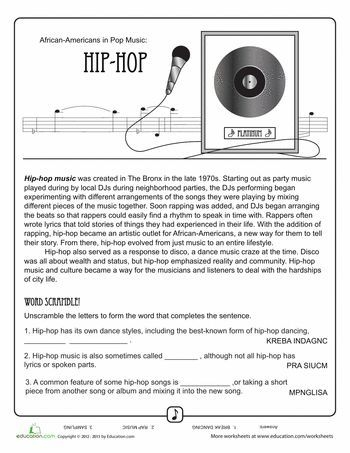
Hip-hop didn’t emerge from nowhere in the 1970s. It grew directly from decades of African-American musical innovation, rooted in soul, funk, and the oral traditions that shaped Black culture long before the first DJ dropped a beat in the Bronx. Understanding hip-hop means tracing back to the artists and sounds that made it possible.
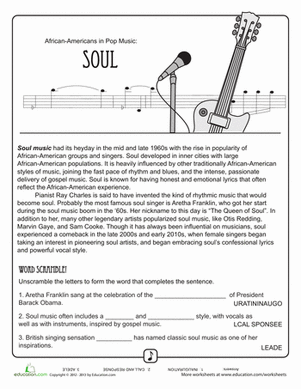
Soul music laid the emotional and technical foundation for everything that followed. Artists like Aretha Franklin, Sam Cooke, and Marvin Gaye didn’t just sing, they told stories of struggle, resilience, and joy. Their approach to vocals, their use of call-and-response, and their willingness to blend genres became blueprints that hip-hop producers and rappers would later sample, reference, and build upon. When you listen to a classic hip-hop track, you’re often hearing the DNA of soul music woven through the production.
The journey from soul to hip-hop represents more than musical evolution. It shows how African-Americans shaped popular music in America despite systemic barriers. From the 1950s through the 1980s, Black artists dominated charts and radio while often receiving less credit and compensation than their white counterparts. Hip-hop emerged as a response, a way for young people in underserved communities to create, perform, and distribute their own music on their own terms.
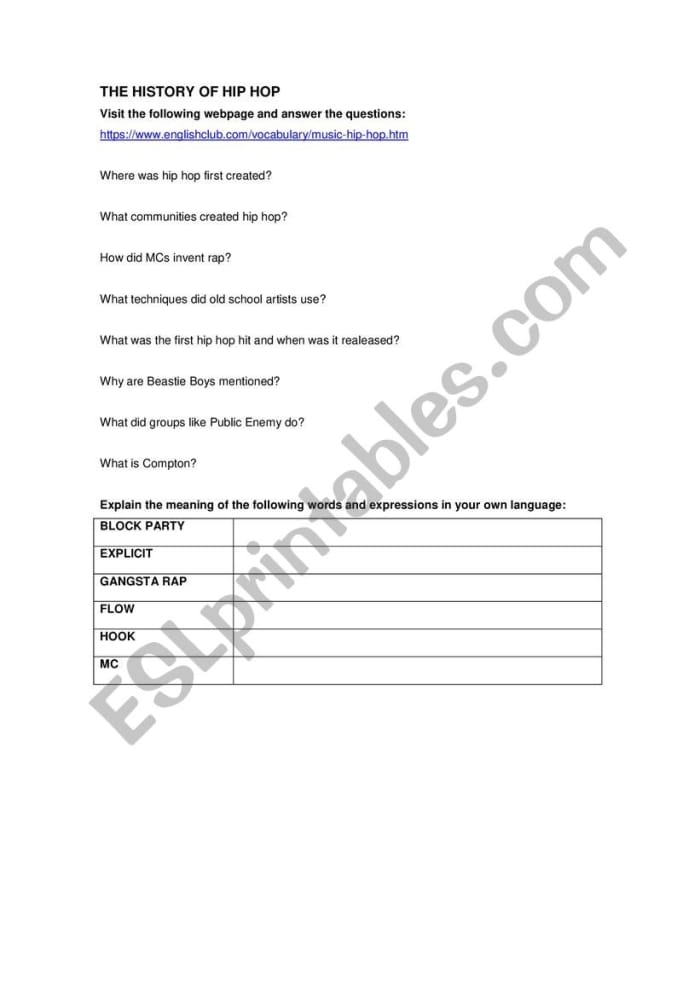
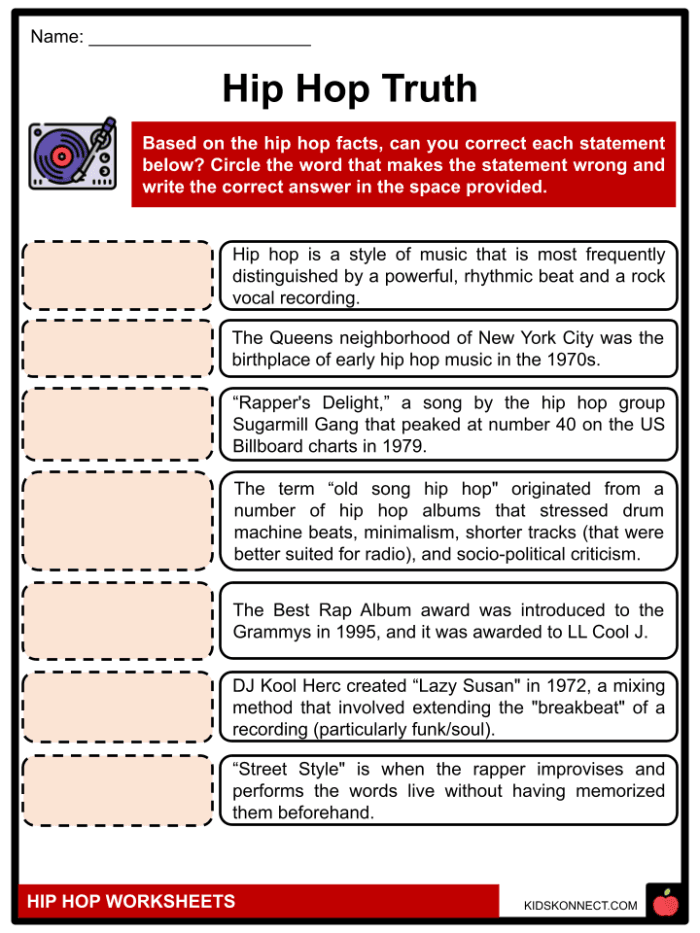
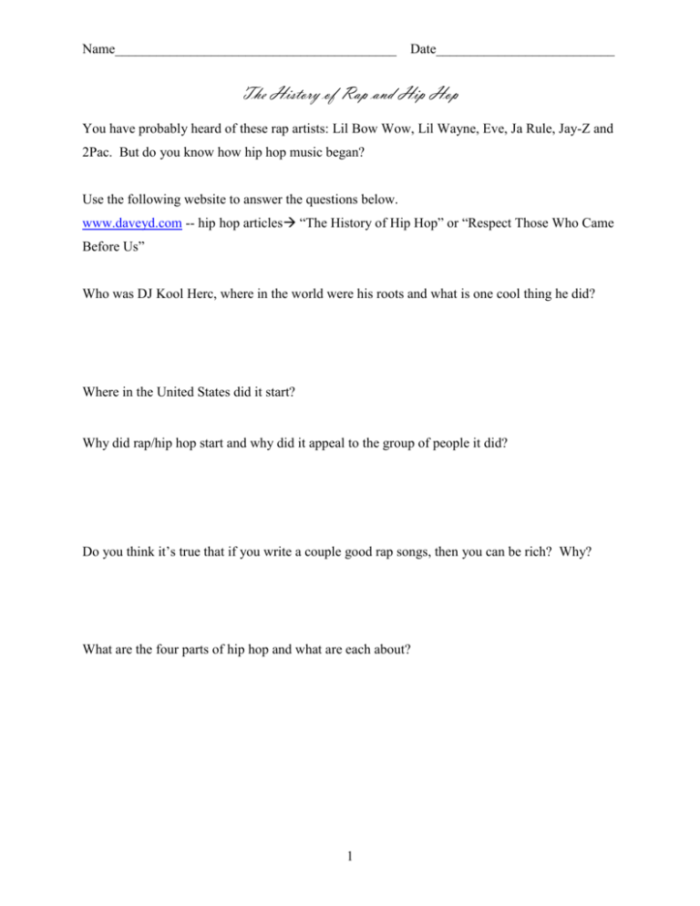
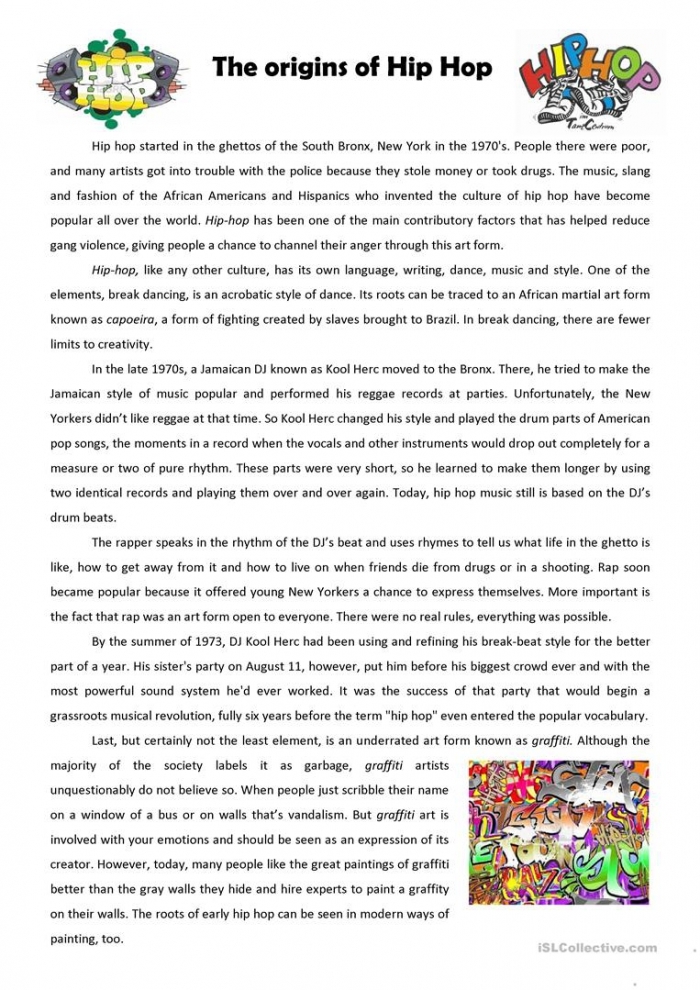
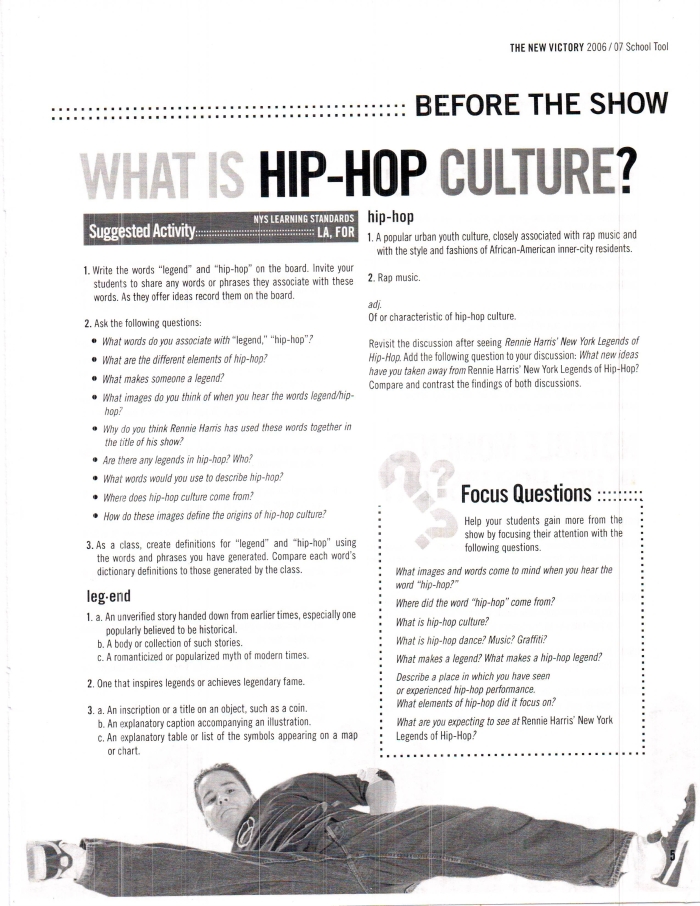
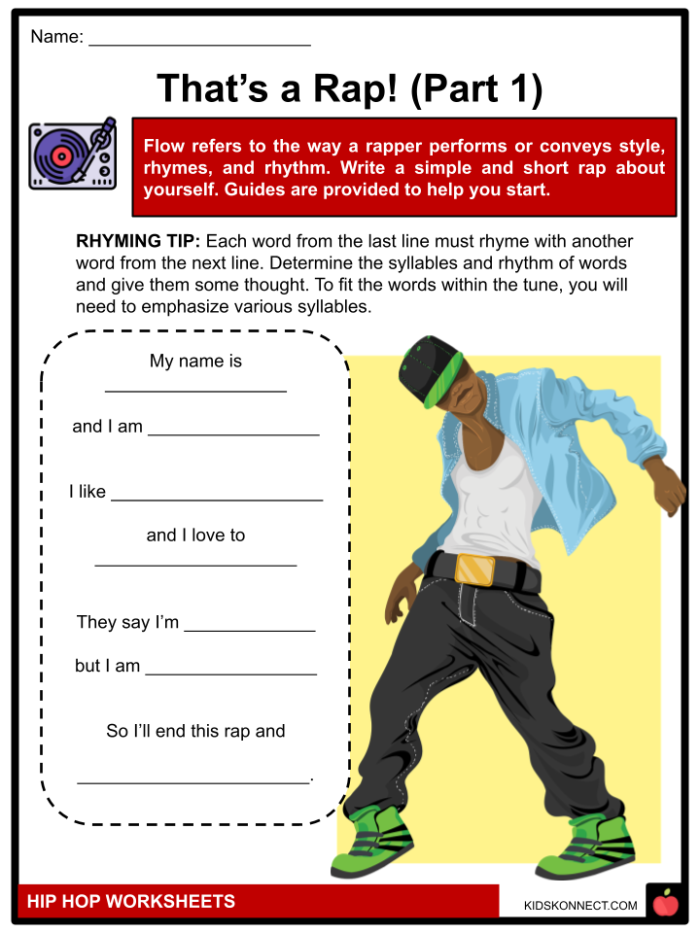
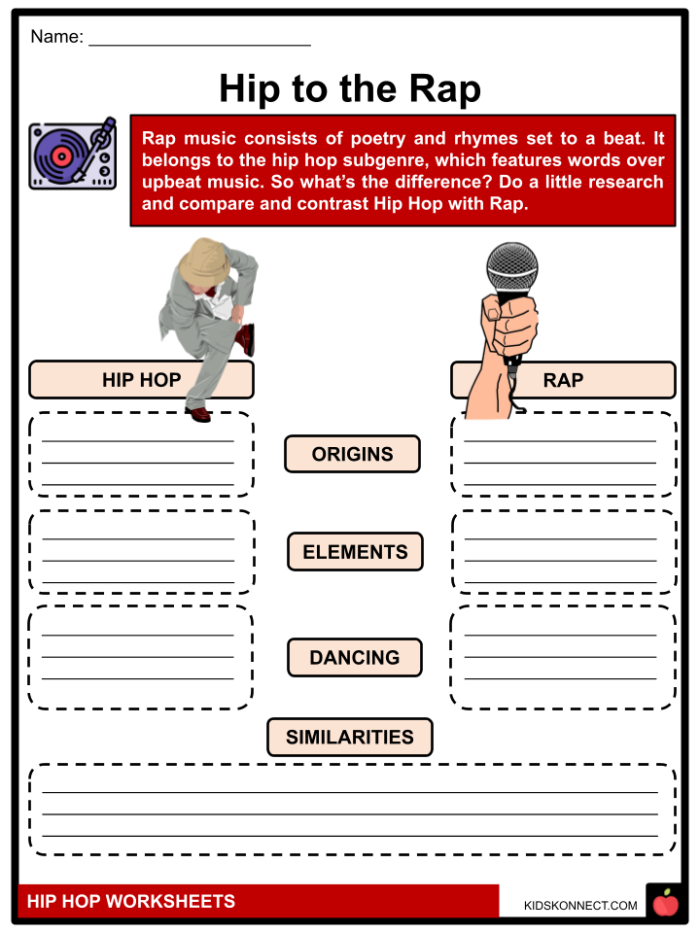
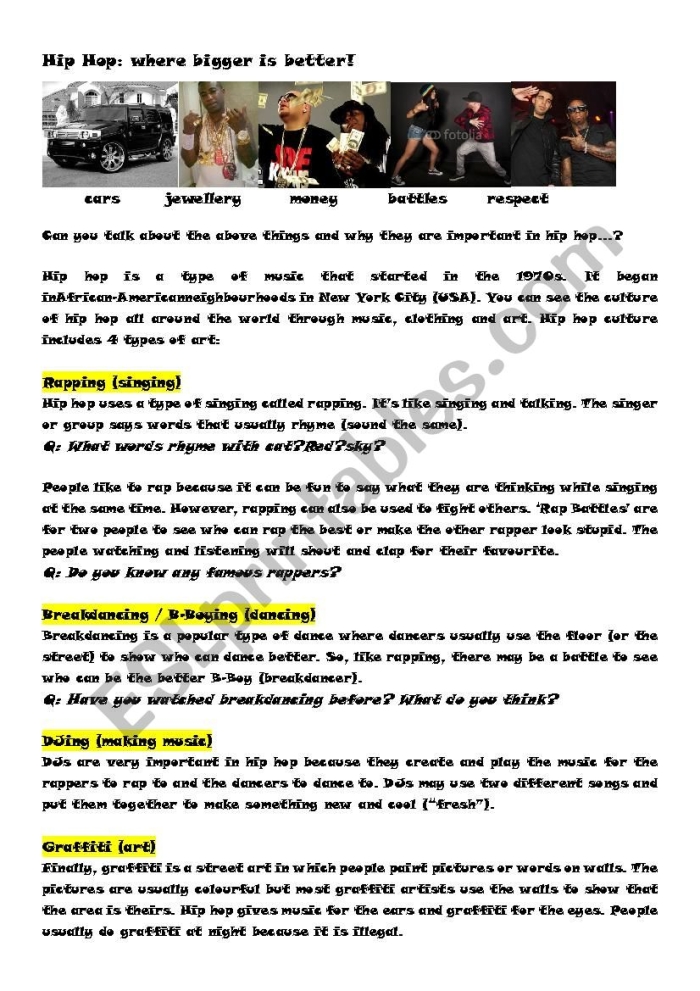
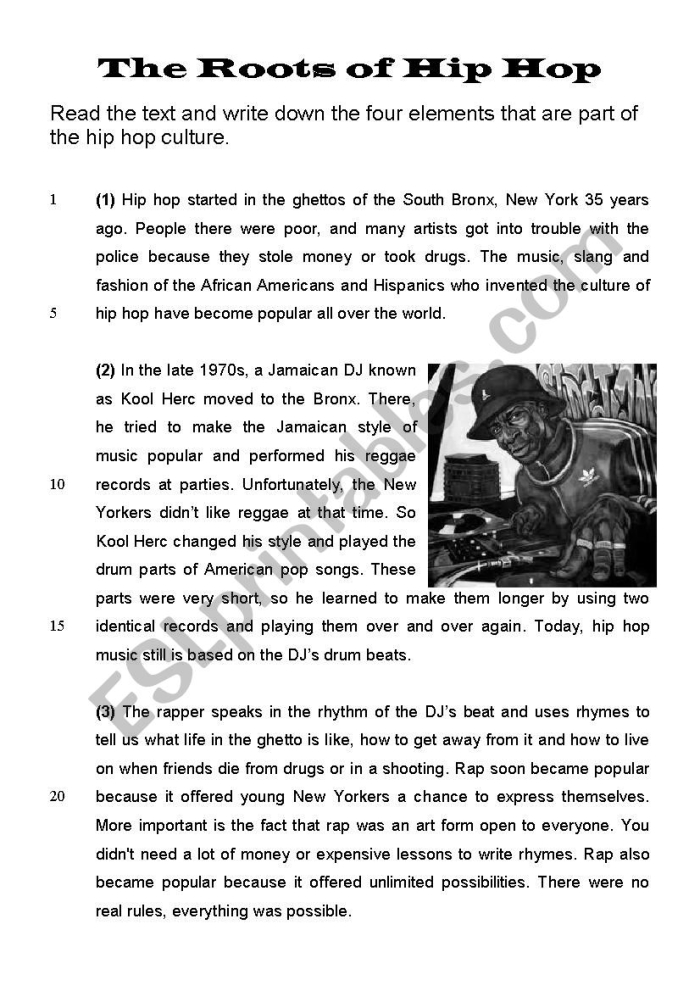
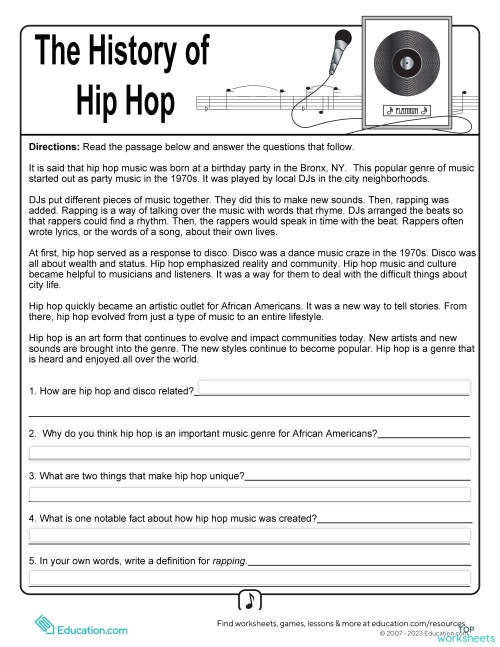
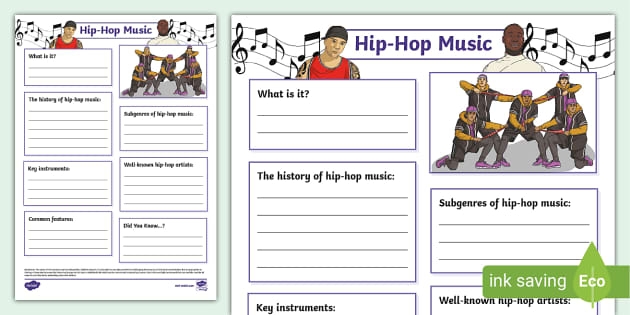
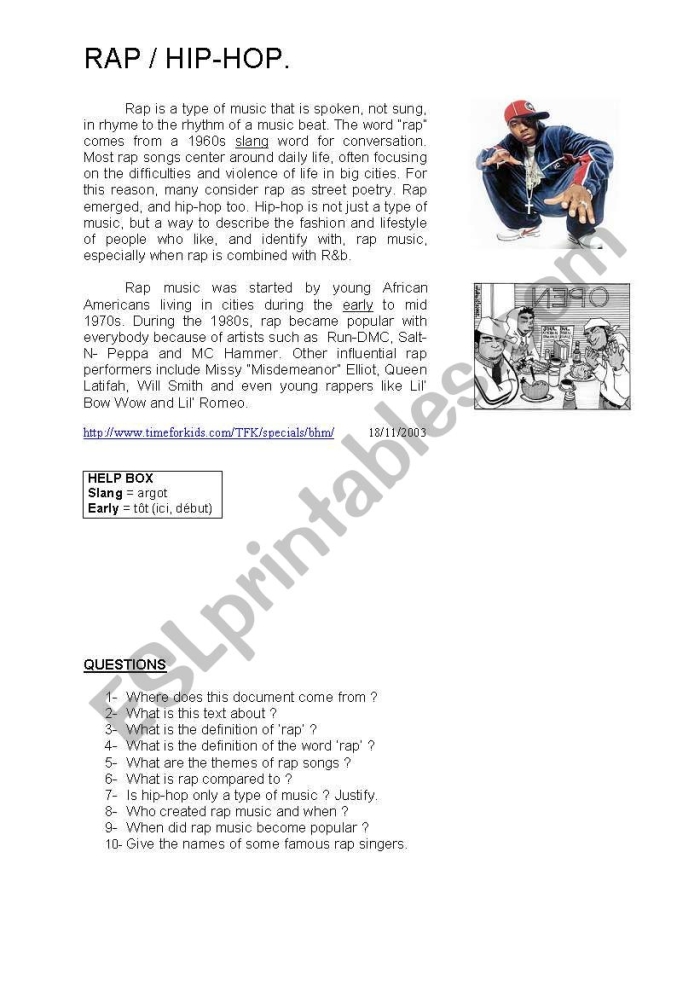
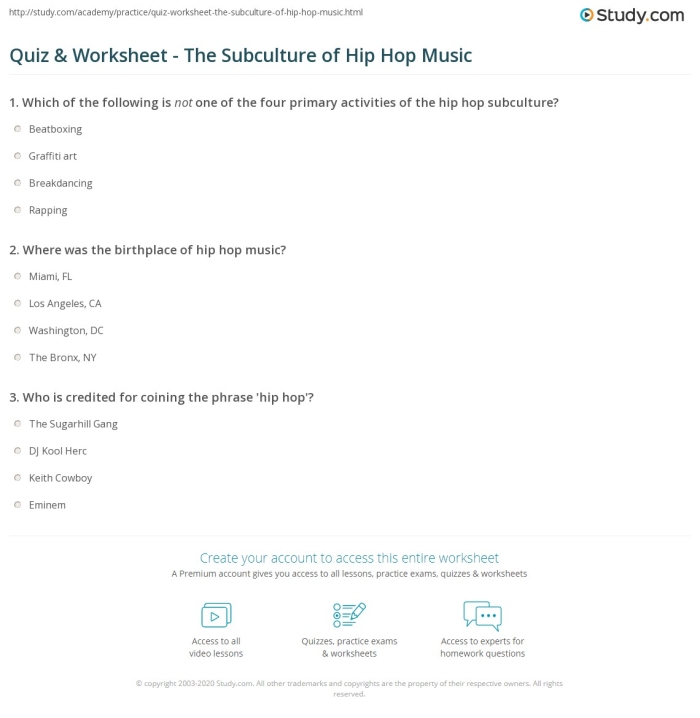
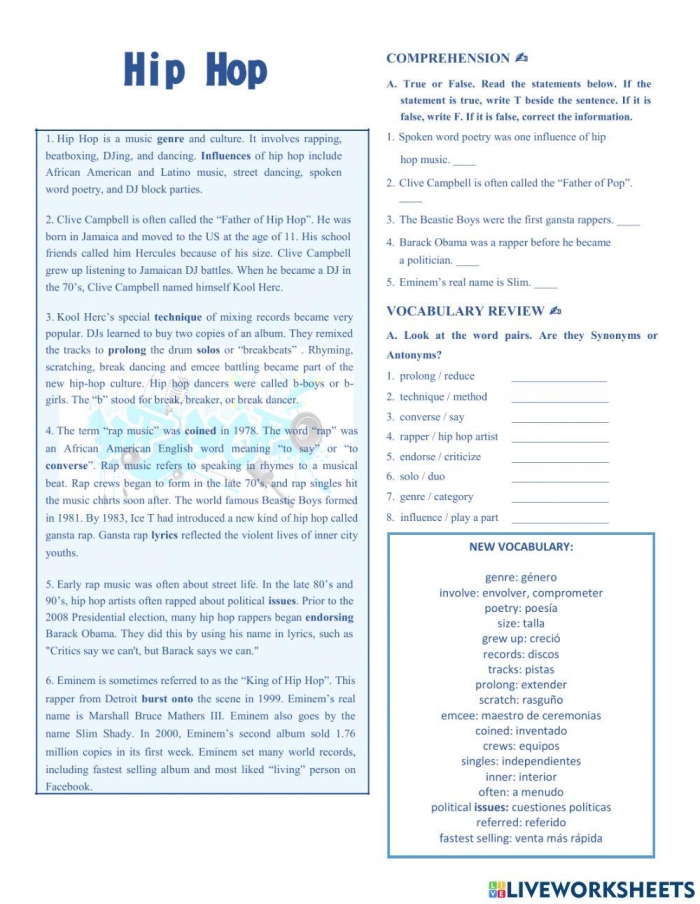
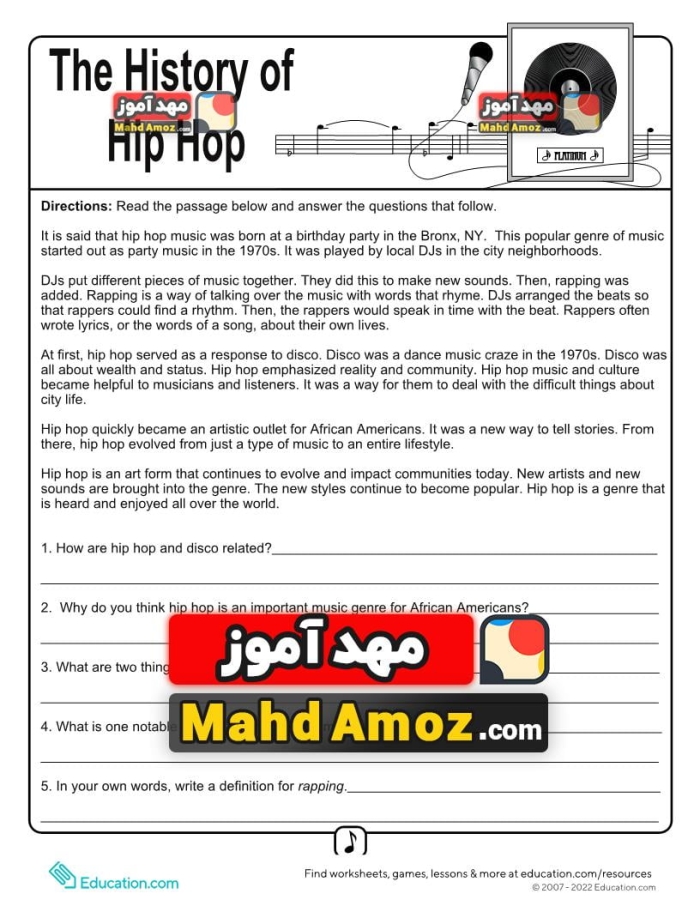
For fourth grade readers studying this history, worksheets focused on hip-hop offer a practical entry point. These resources help students connect lyrics to historical context, understand how artists built on previous generations, and recognize the cultural significance of the genre. When combined with activities like argument writing exercises, students can develop stronger analytical skills while learning about real history.
This Black History Month, exploring hip-hop’s roots in soul and African-American pop music contributions creates meaningful learning opportunities that go beyond memorization.
Start Practicing with These Worksheets