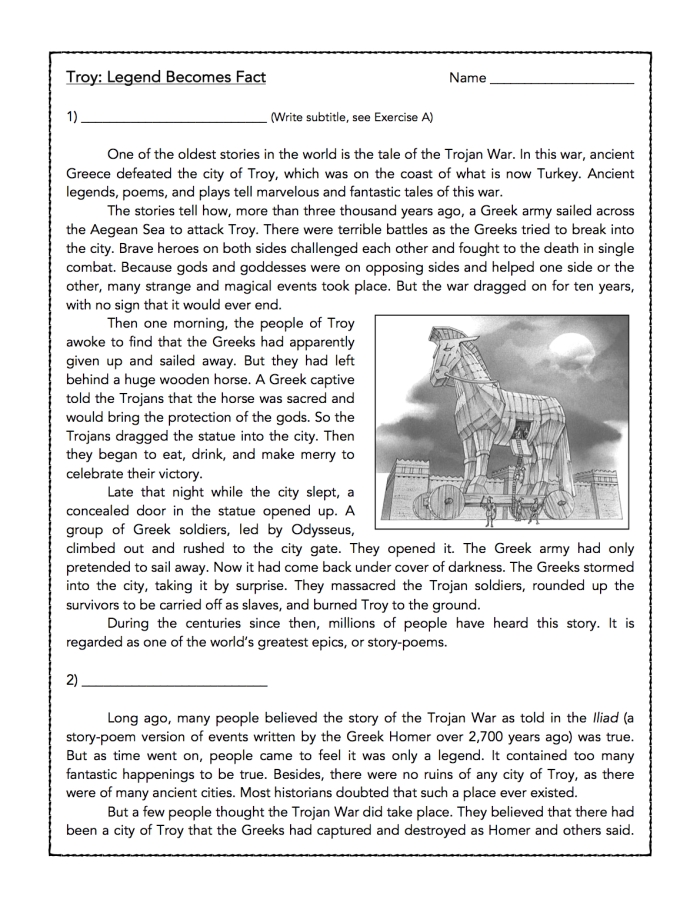
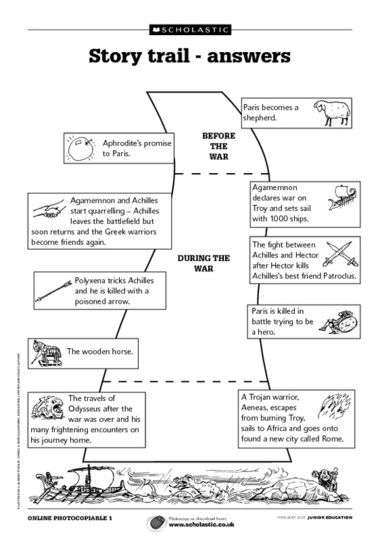
The Trojan Horse stands as ancient Greece’s most audacious military deception, a wooden structure that changed the course of the Trojan War. Unlike straightforward battles fought with swords and shields, this strategy relied entirely on trickery and the enemy’s own curiosity to succeed.
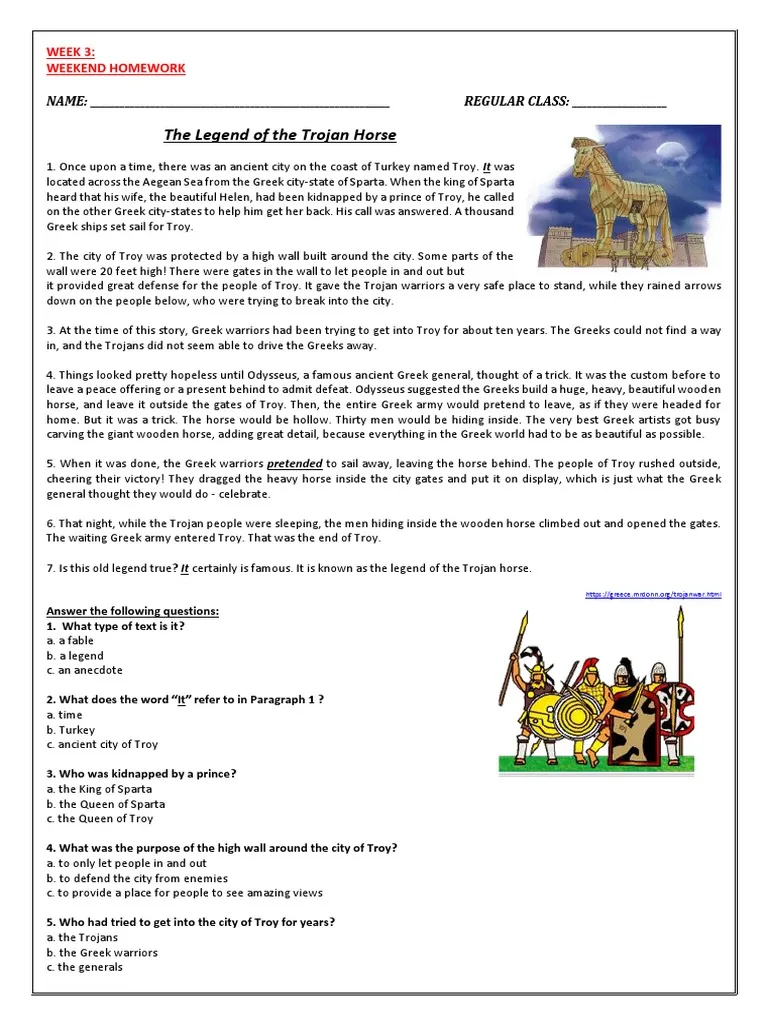
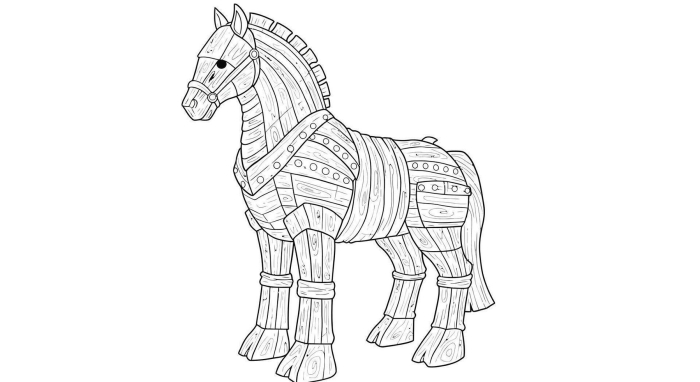
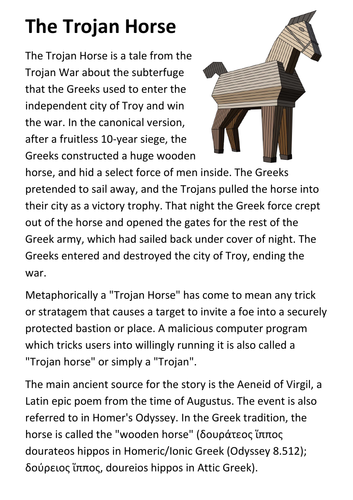
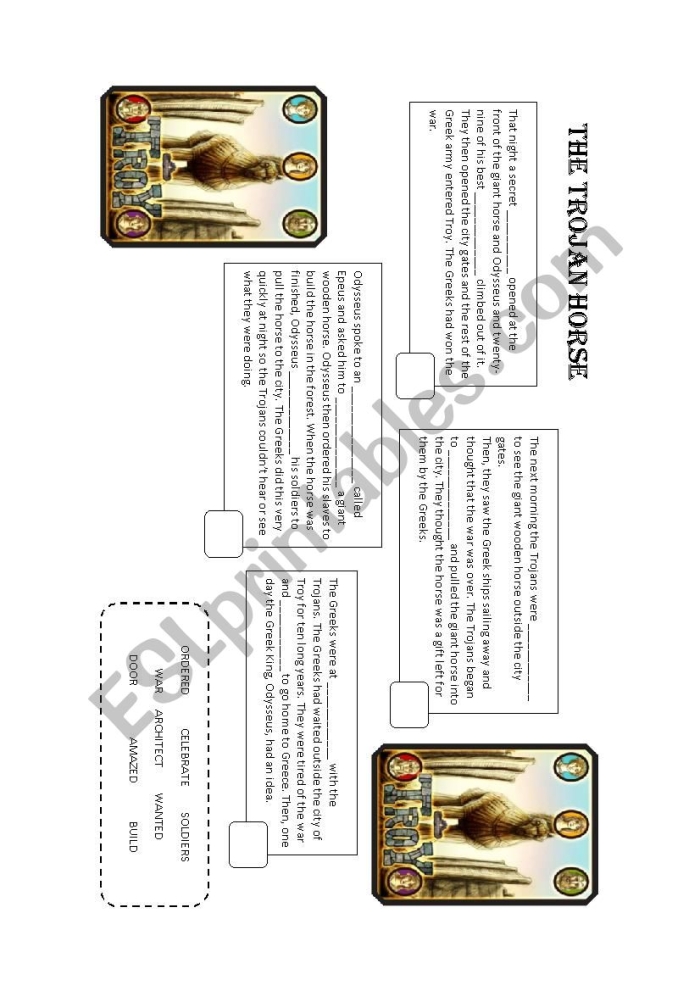
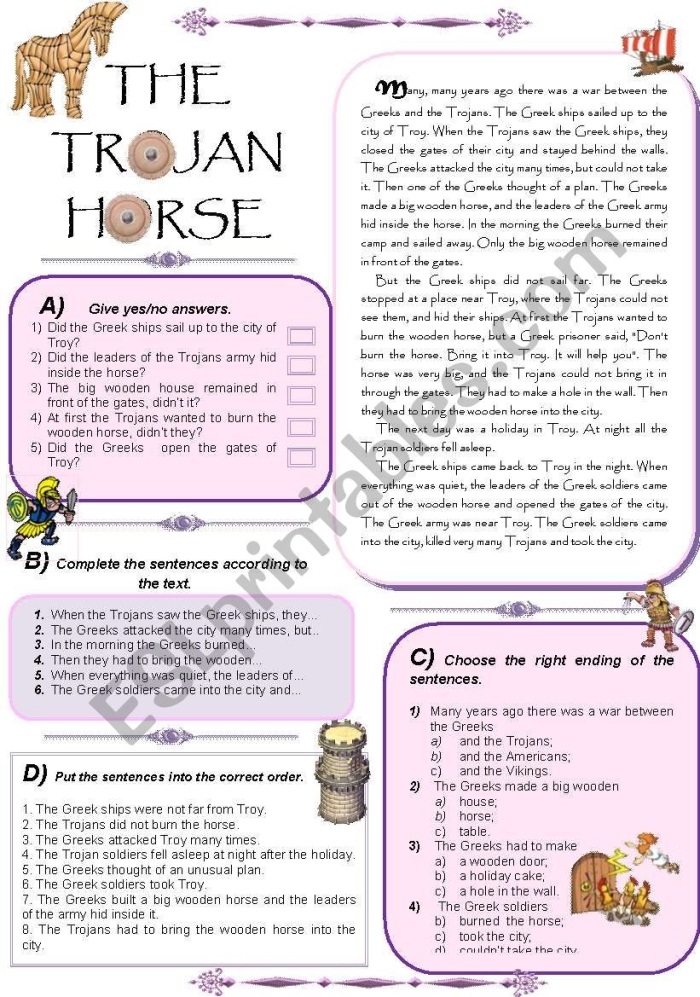
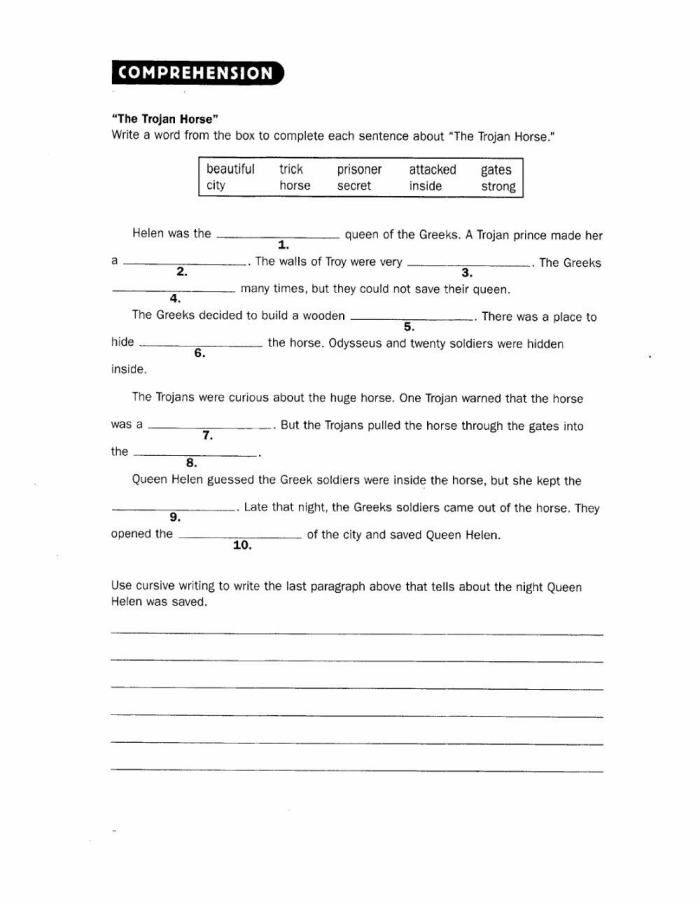
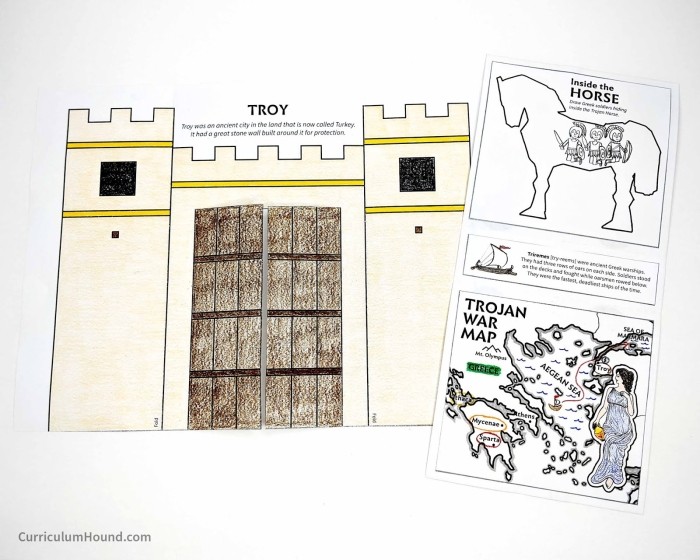
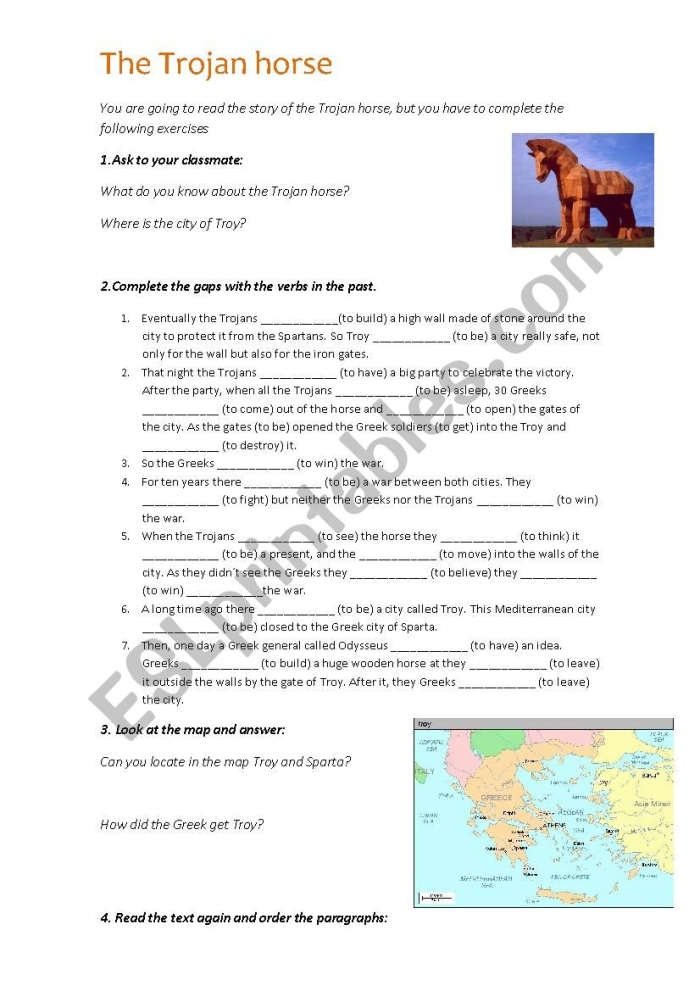
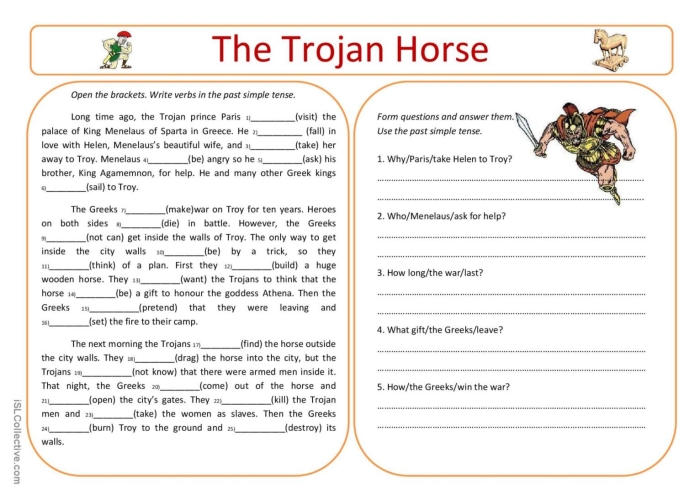
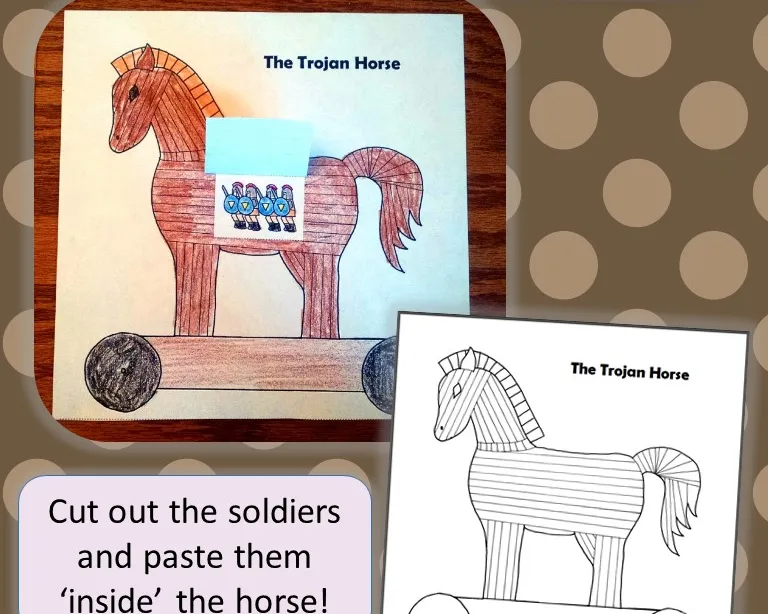
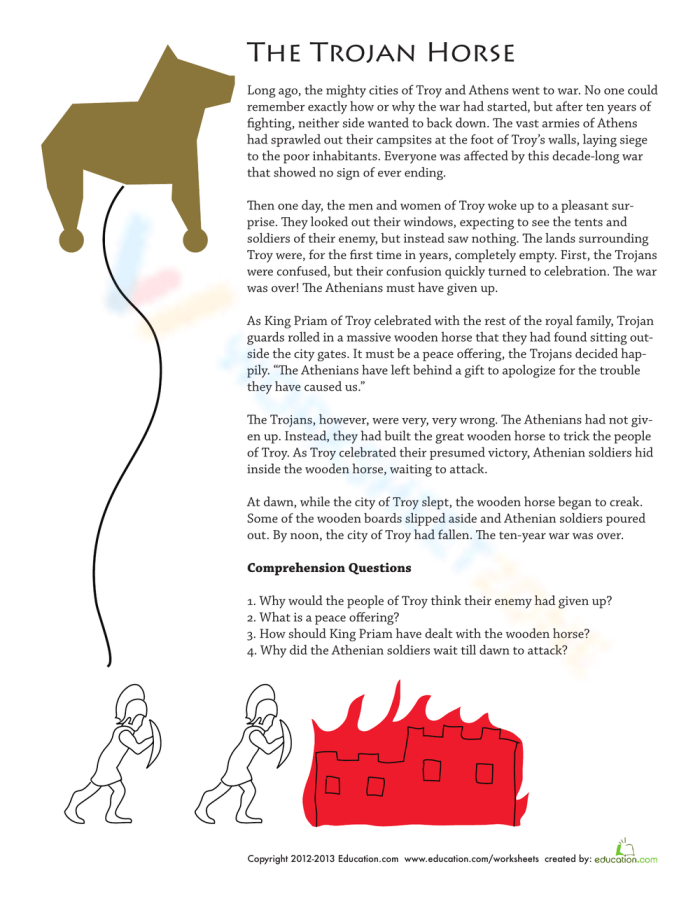
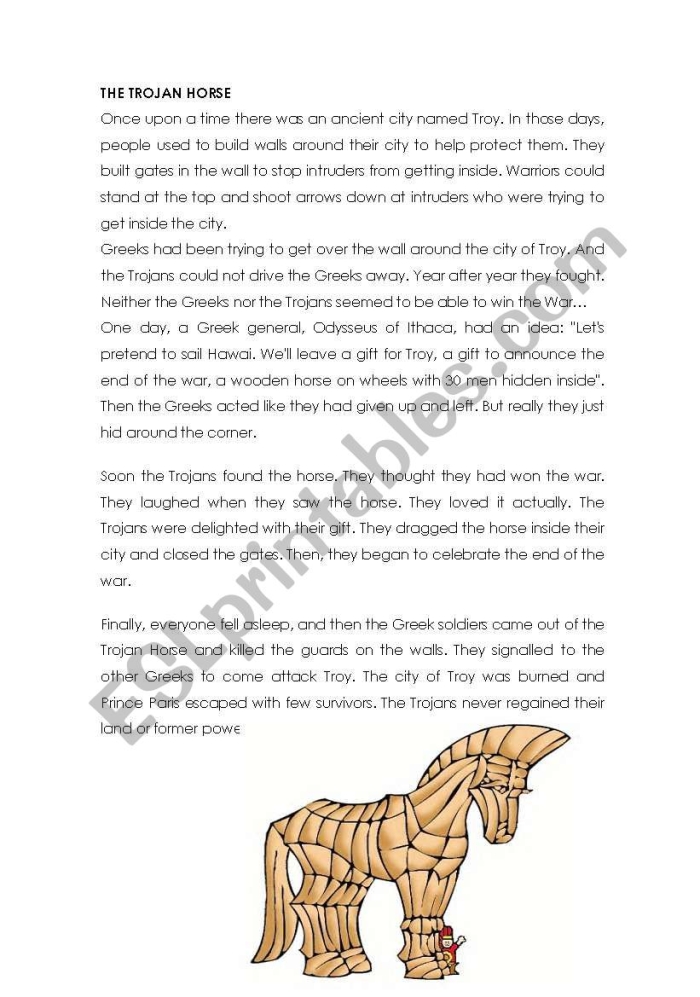
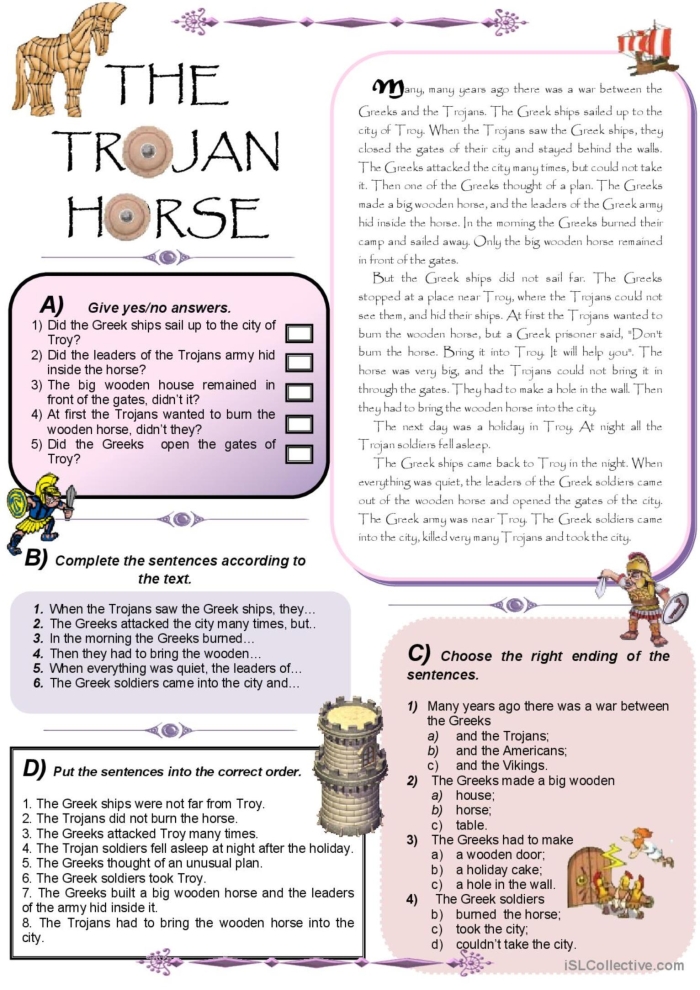
According to Homer’s accounts and later Greek writers, the Greeks had besieged Troy for ten years without breaking through its impenetrable walls. Frustrated by their inability to breach the city’s defenses, the Greek commanders devised something unprecedented: they built an enormous wooden horse, hollow inside, and filled it with their best soldiers. They then pretended to sail away, leaving the horse as a supposed offering to Athena, the goddess of wisdom.
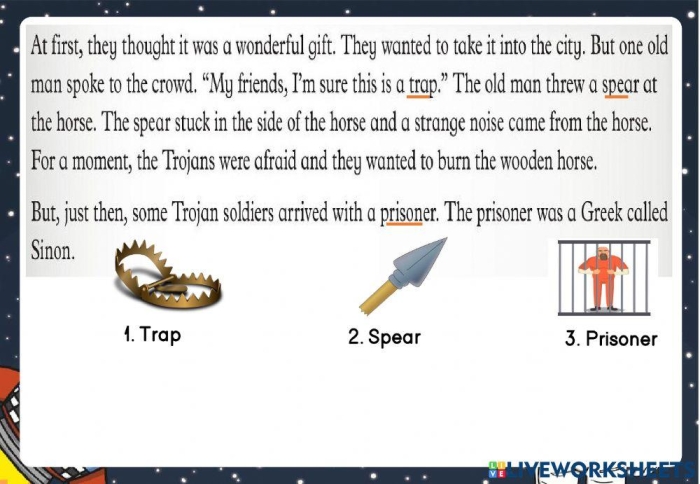
The Trojans, believing the Greeks had finally given up and left a gift, wheeled the horse inside their city gates. That night, Greek soldiers climbed out from the horse’s belly and opened the city gates for their returning army. Troy fell not through strength but through deception, making this moment one of history’s most famous examples of strategic cunning.
For Fifth Grade Reading students, the Trojan Horse offers more than just an exciting story. It teaches how ancient civilizations solved problems creatively and how stories pass down important lessons across generations. The tale demonstrates that intelligence and planning can overcome physical obstacles, a concept that applies far beyond ancient warfare.
Understanding this myth helps students grasp how Greeks explained their own history and valued cleverness alongside courage. You can explore related historical themes through resources like American history cards that highlight important figures and events, which similarly show how history shapes our understanding of the world.
Try These Printable Worksheets