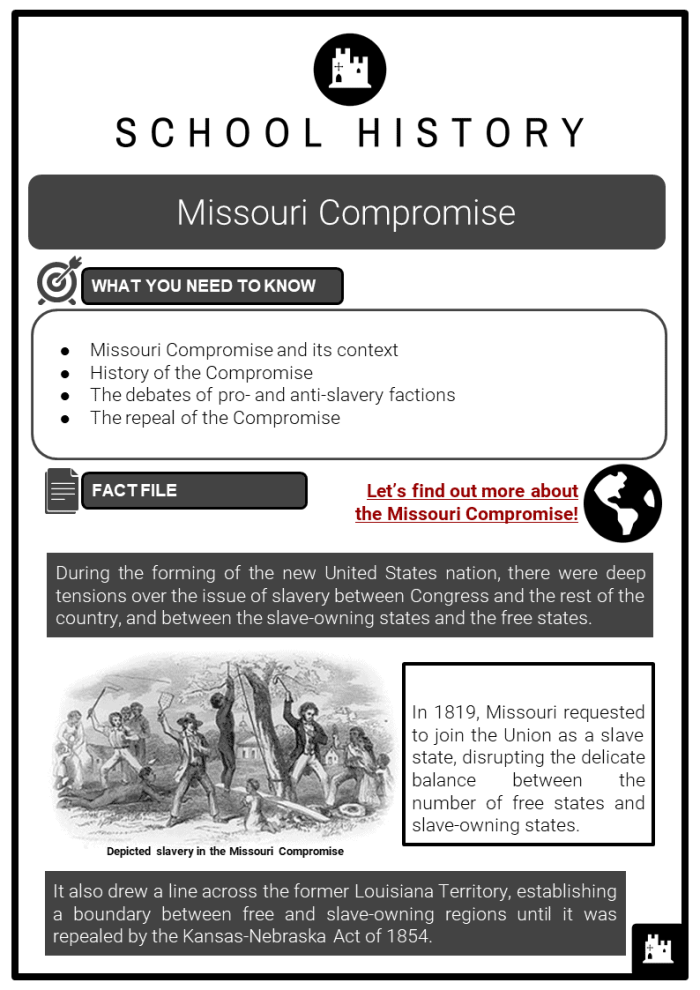
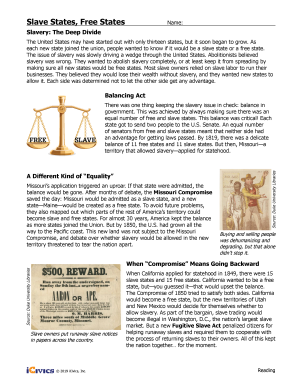
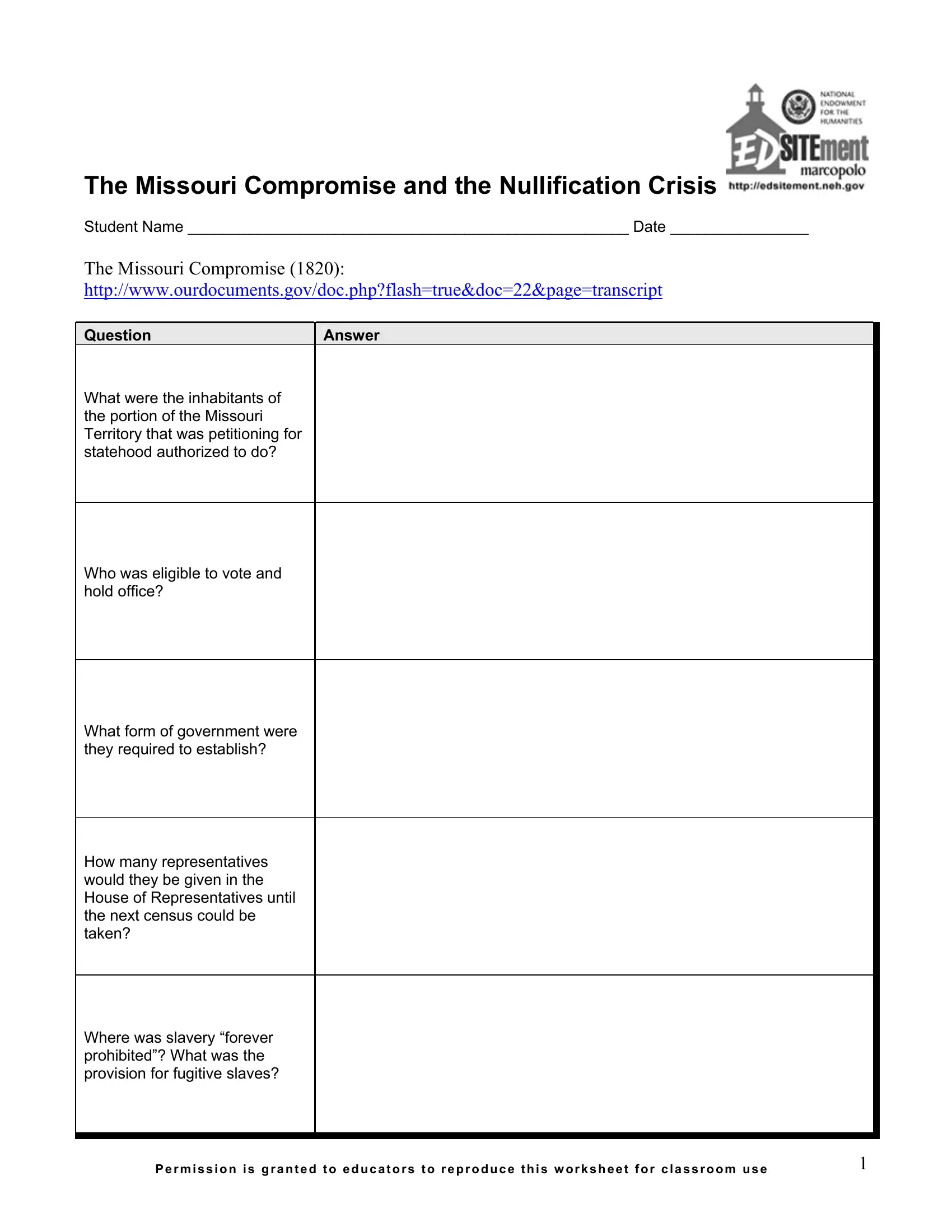
The Missouri Compromise is a pivotal moment in American history that illustrates the complexities of balancing state and federal interests. As students engage with this topic, they uncover how the agreement, enacted in 1820, was an attempt to resolve the heated debate over the expansion of slavery into new territories. By reading background information, they gain insights into the political climate that necessitated such a compromise.
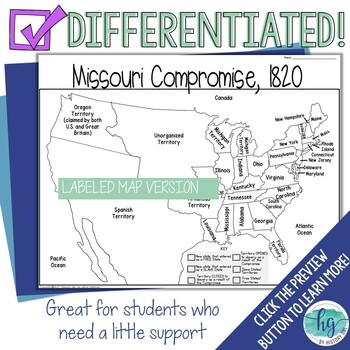
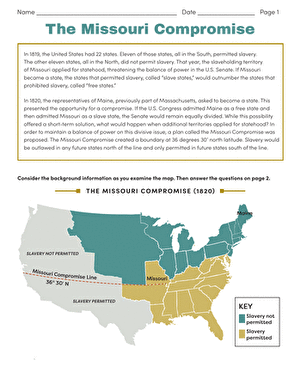
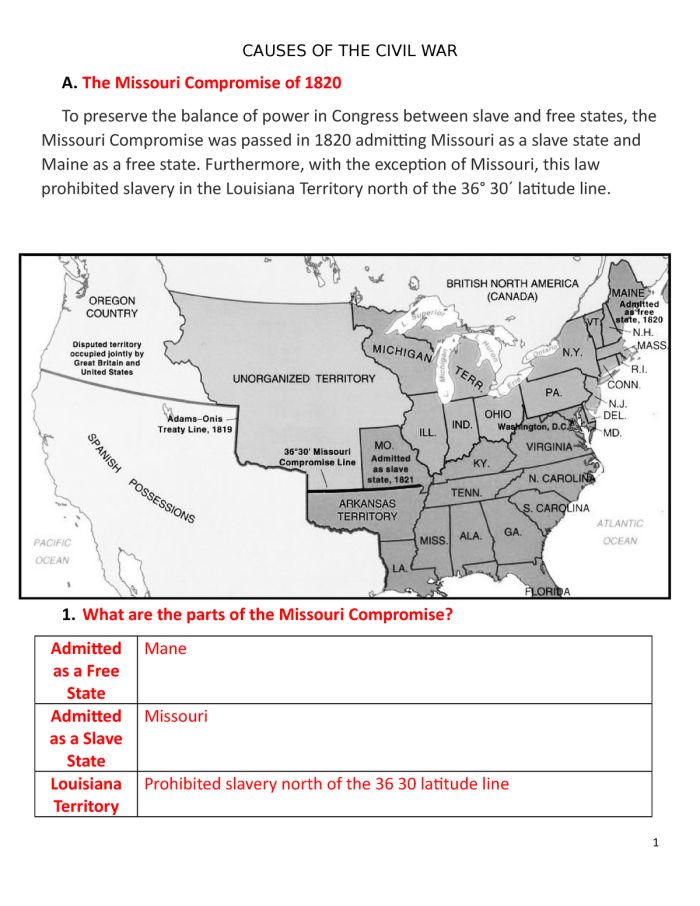
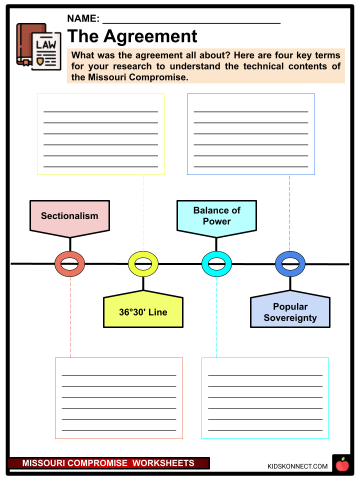
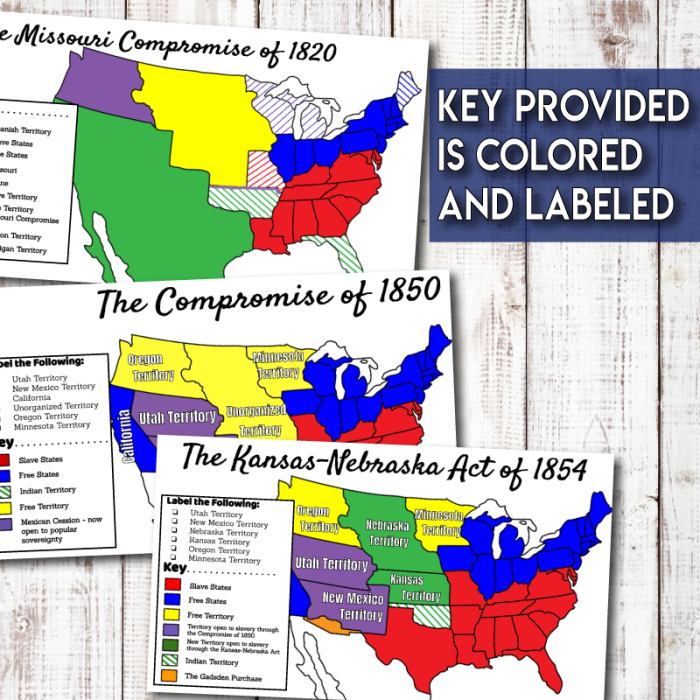
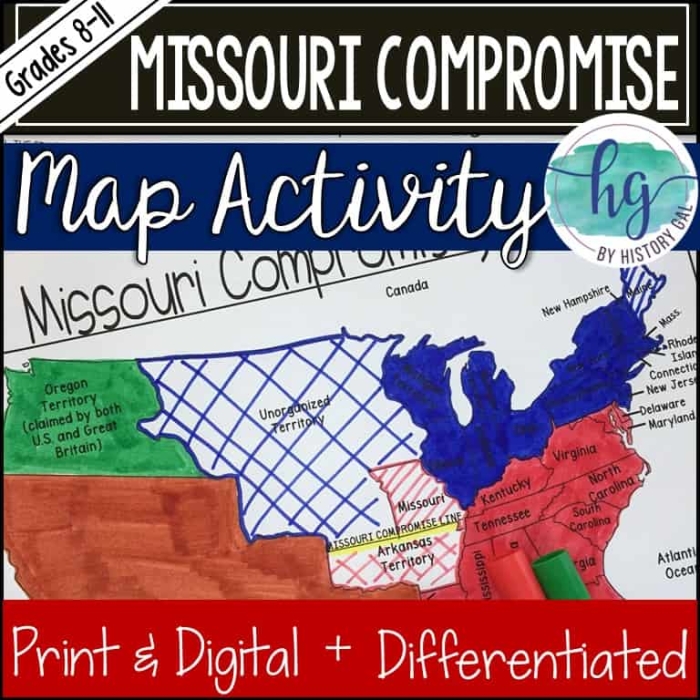
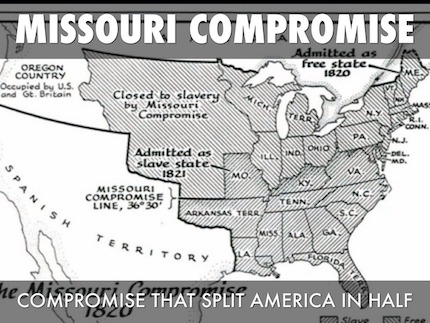
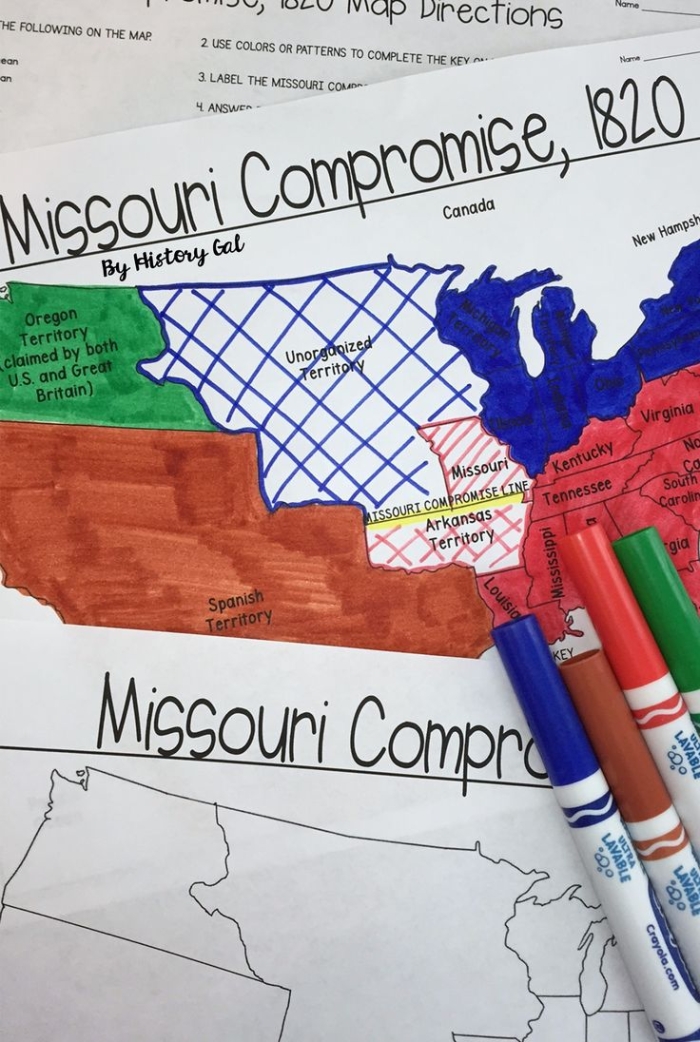
One of the most effective ways to understand the Missouri Compromise is through visual aids. Examining a map that highlights the boundaries established by the compromise allows students to see the geographical implications of the agreement. For instance, the compromise admitted Missouri as a slave state but prohibited slavery in the remaining part of the Louisiana Territory north of the 36°30′ parallel. This geographical division not only shows the line drawn between free and slave states, but it also provides a clear visual representation of the tensions that existed at the time.
In addition to the historical context, students can explore the special exceptions that were part of the agreement. For example, while Missouri was allowed to enter the Union as a slave state, Maine was simultaneously admitted as a free state. This careful balancing act illustrates the lengths to which lawmakers went to maintain a fragile peace between the North and South.
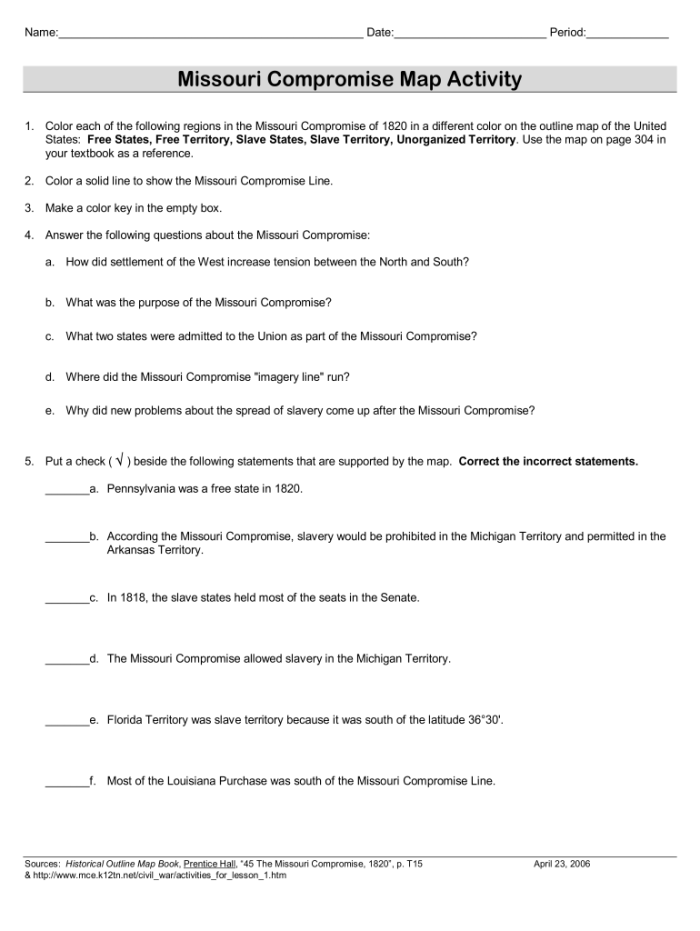
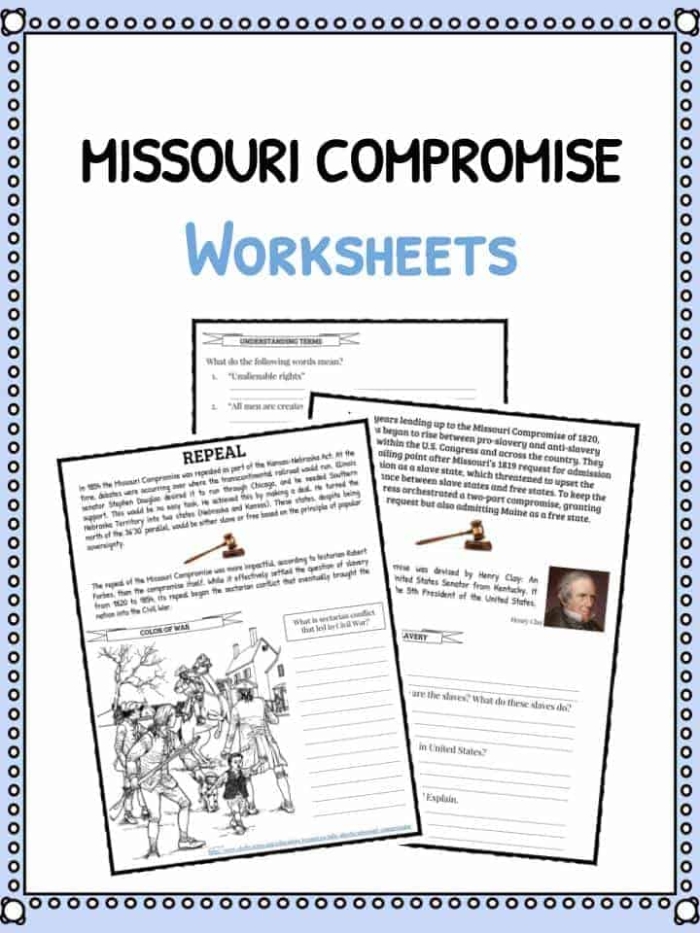
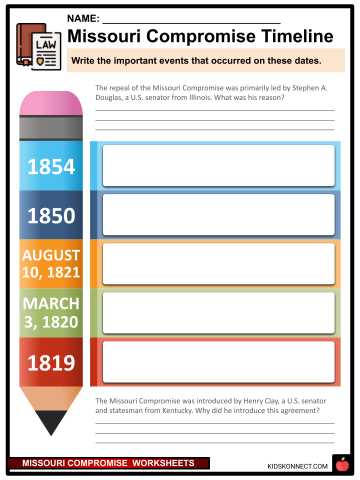
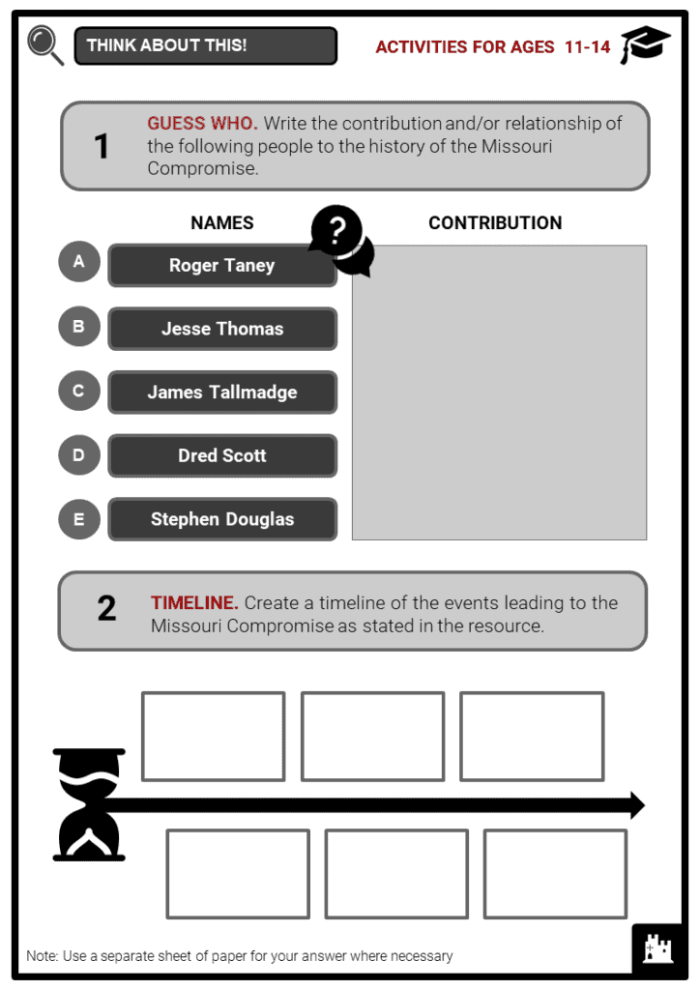
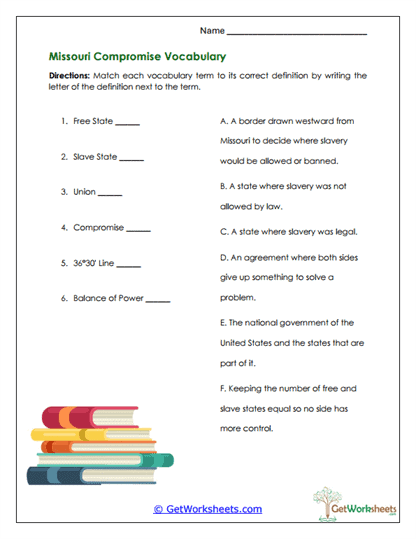
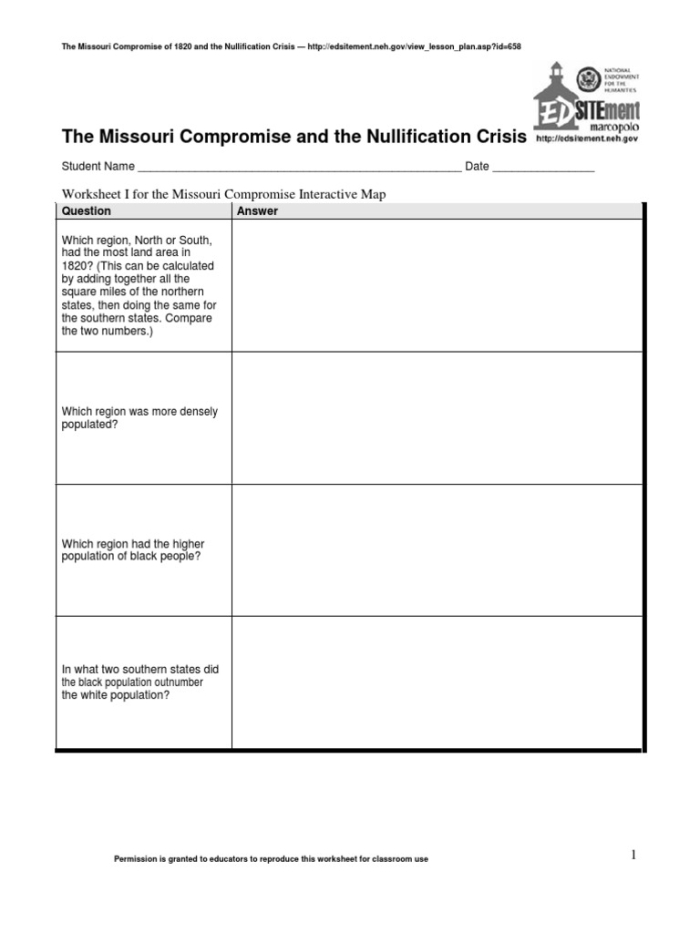
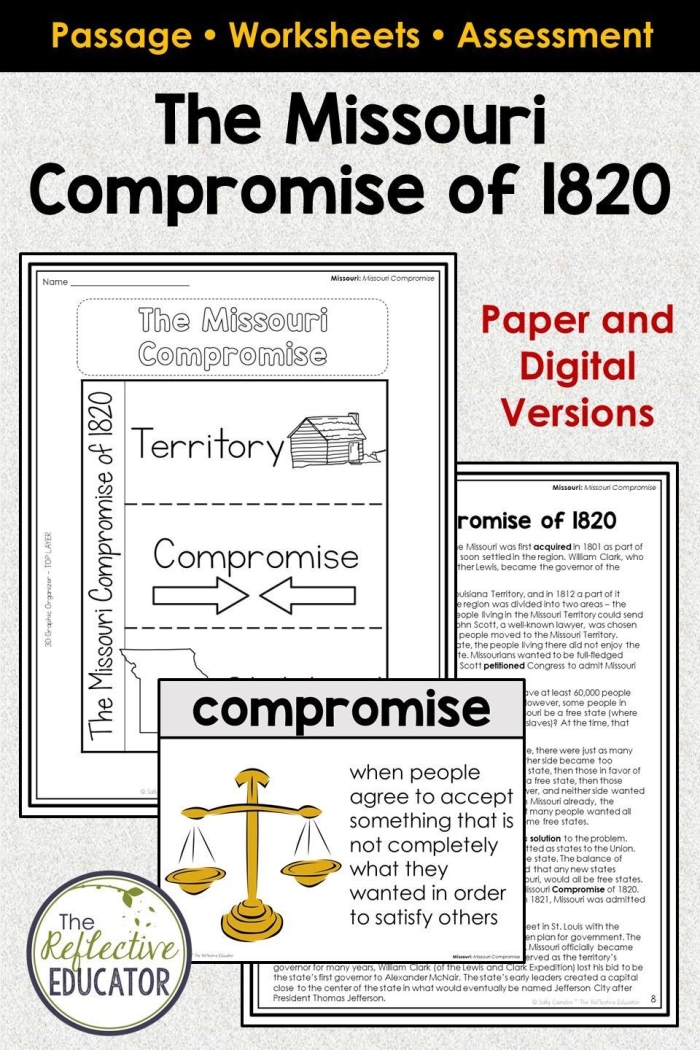
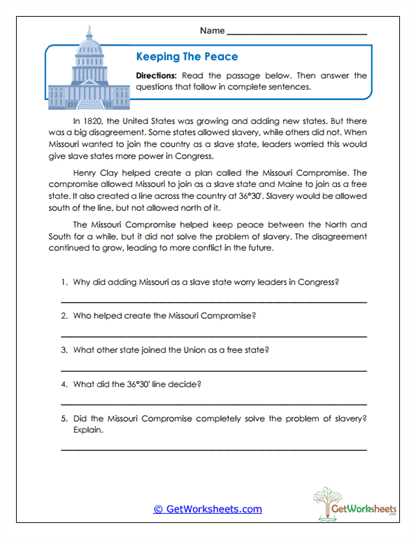
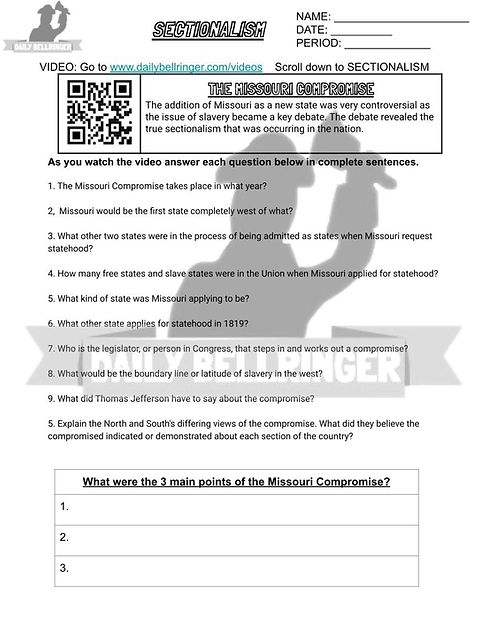
Incorporating these elements into sixth-grade reading lessons enhances understanding and retention. Resources like Printable The Missouri Compromise Worksheets can provide students with engaging activities that reinforce their learning. Such materials not only support the exploration of the agreement itself but also encourage critical thinking about the implications of these historical boundaries.
Ultimately, teaching the Missouri Compromise through both background reading and visual maps equips students with a deeper appreciation for American history and the ongoing dialogue about state rights and federal authority.
Worksheet Practice Section