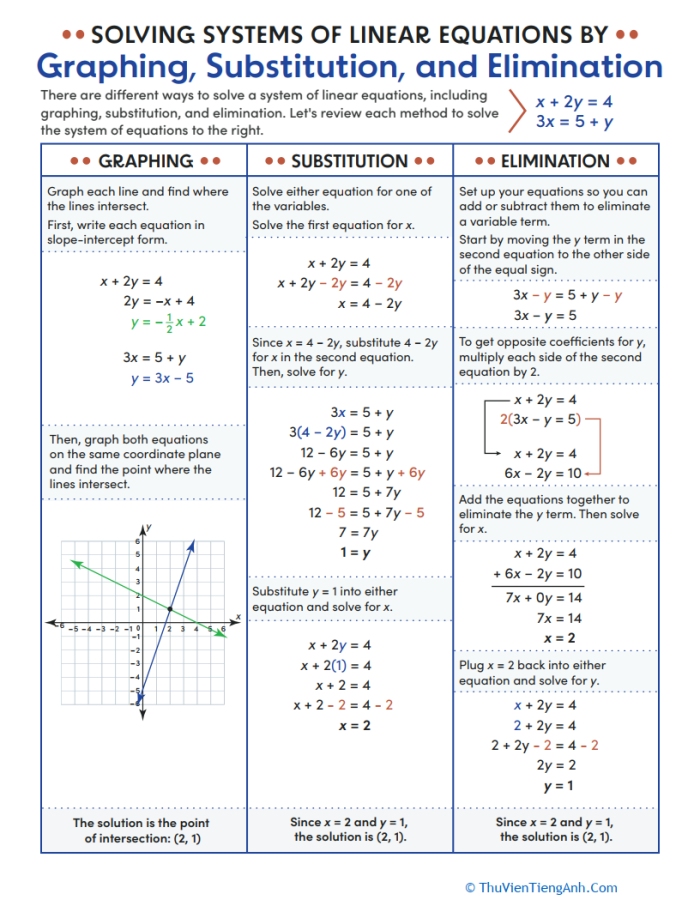
Understanding how to solve systems of linear equations is a crucial skill for eighth graders, especially as they prepare for more advanced math concepts. Using a reference sheet that outlines the three primary methods—graphing, substitution, and elimination—can make this learning process much smoother.
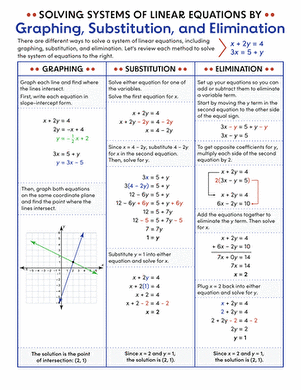
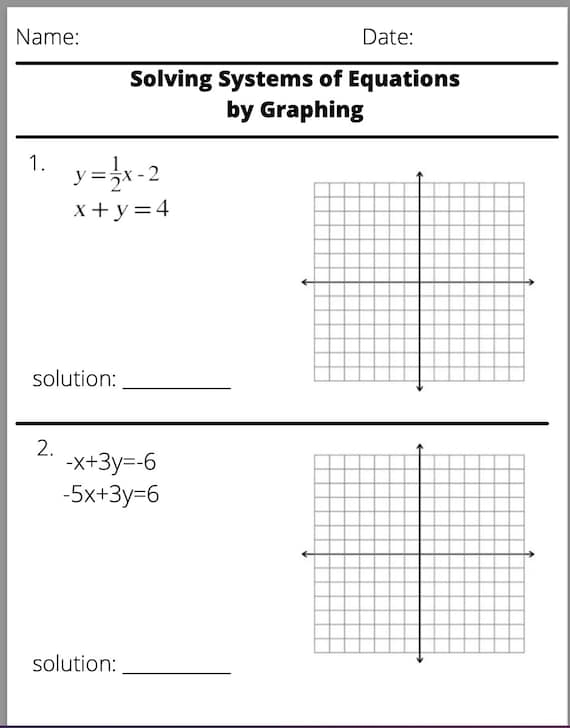
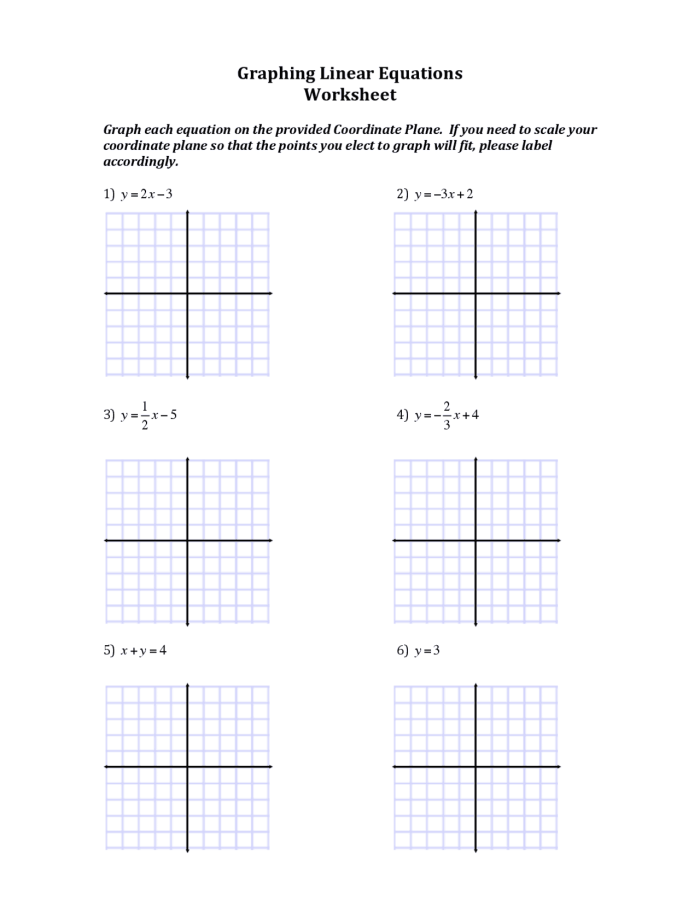
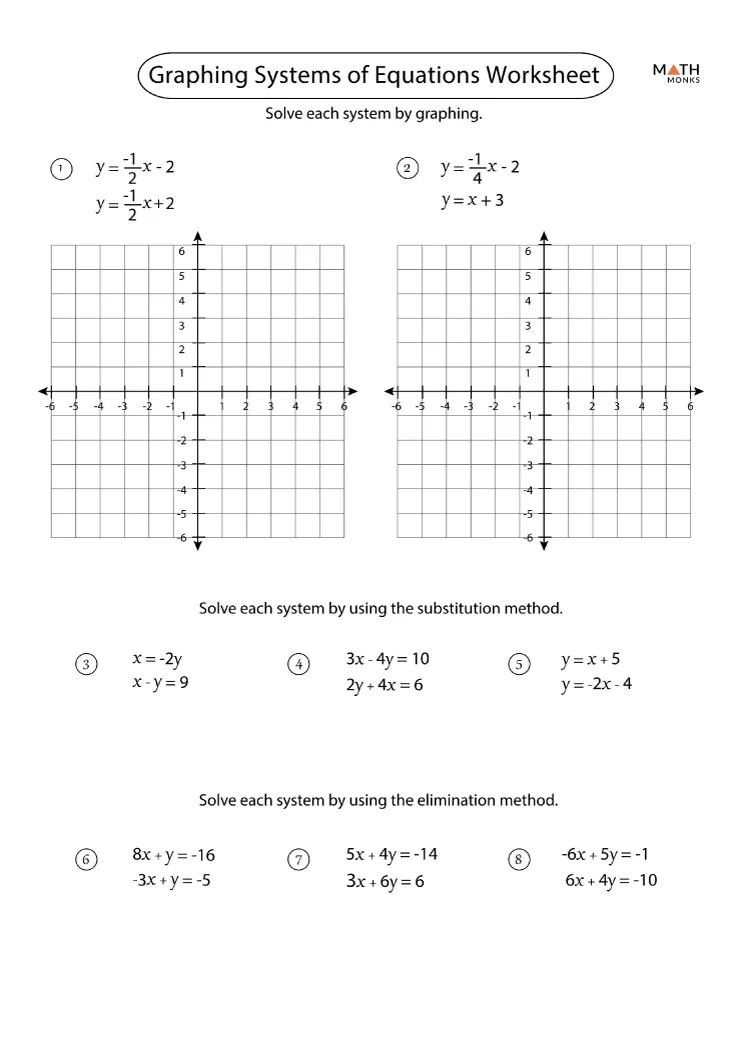
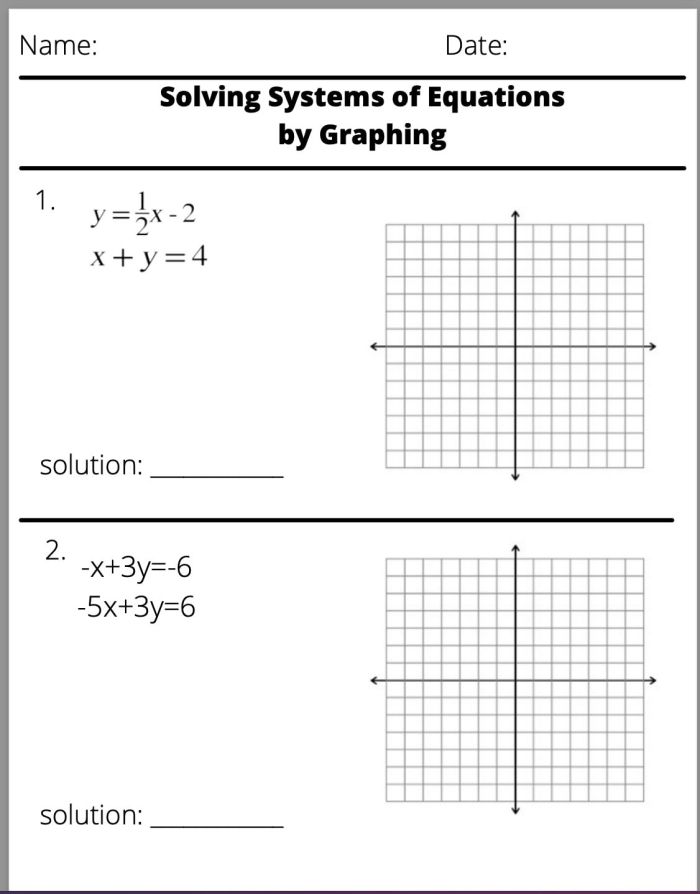
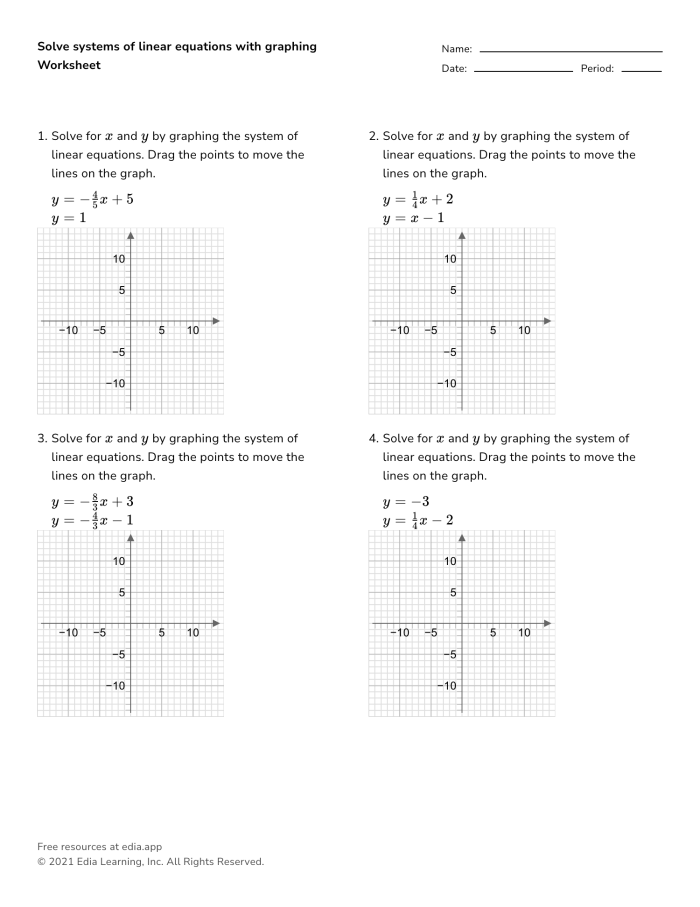
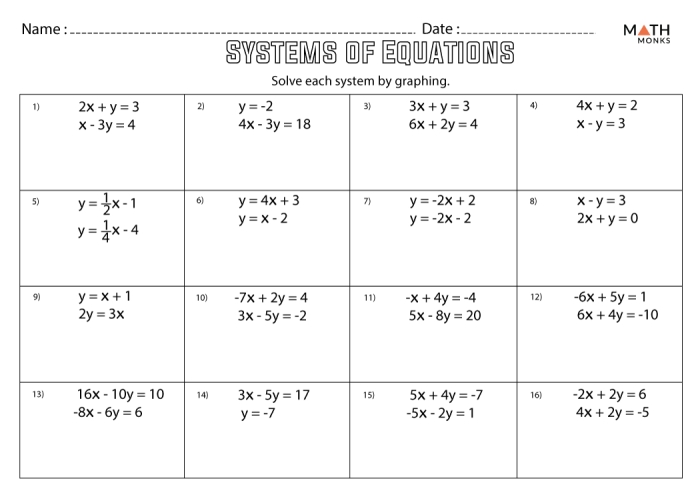
The first method, graphing, involves plotting each equation on a coordinate plane to find the point where they intersect. This visual approach helps students grasp the concept of solutions as points in space. However, it can be challenging for those who struggle with graphing accurately. A handy tip is to encourage students to use graph paper for better precision. This method is particularly effective when both equations are in slope-intercept form.
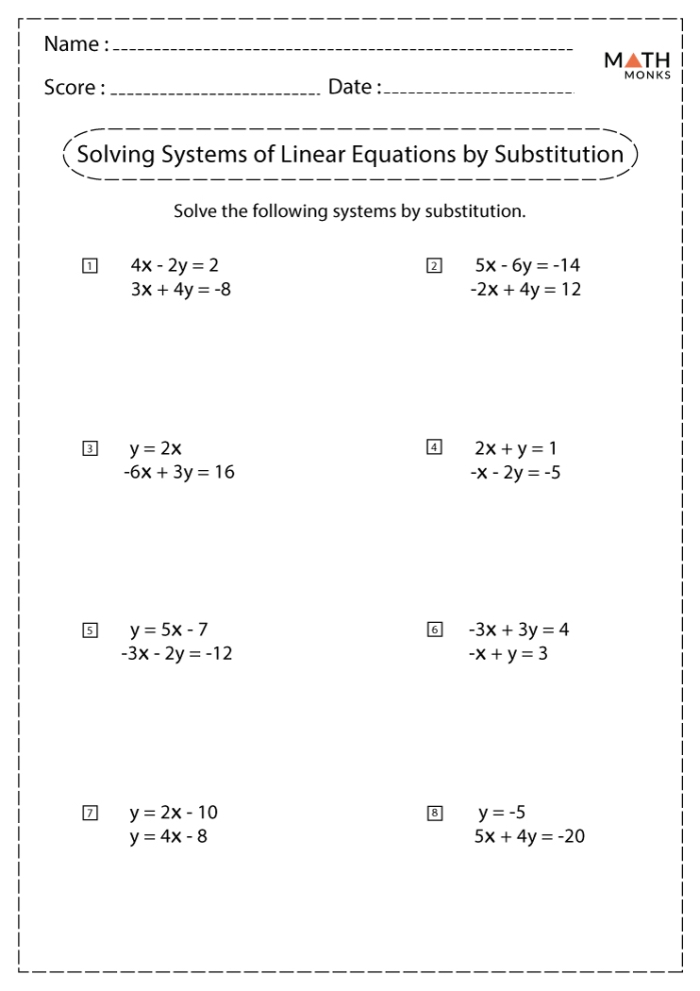
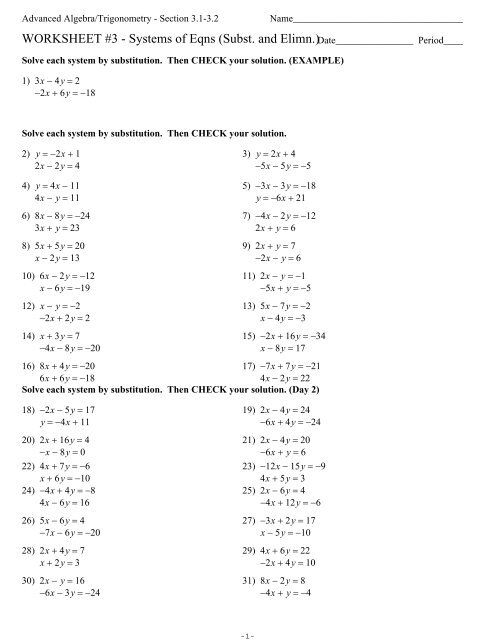
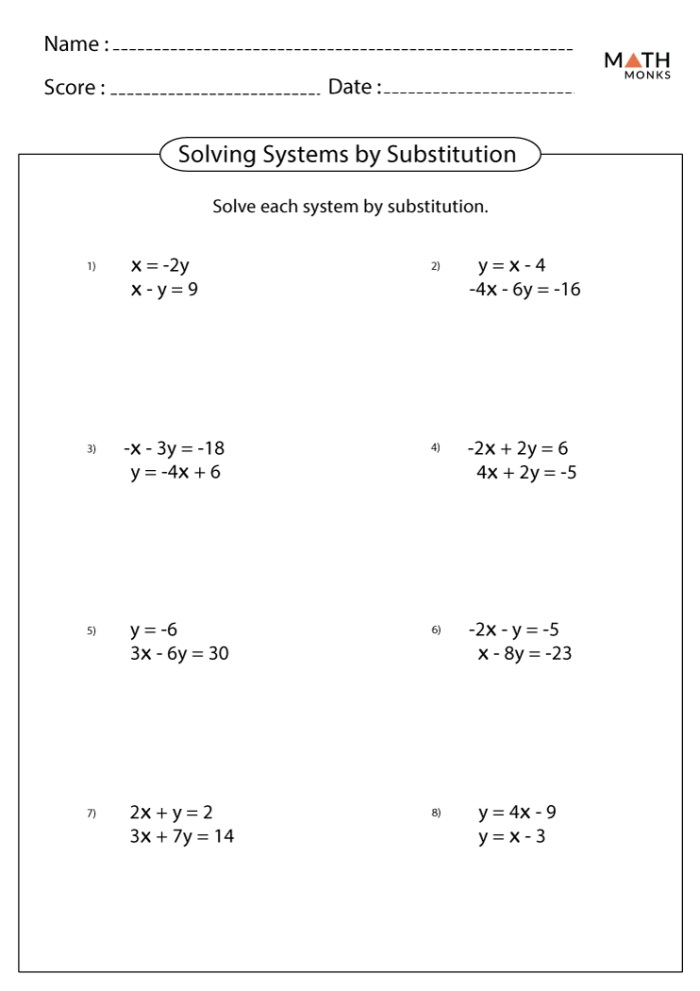
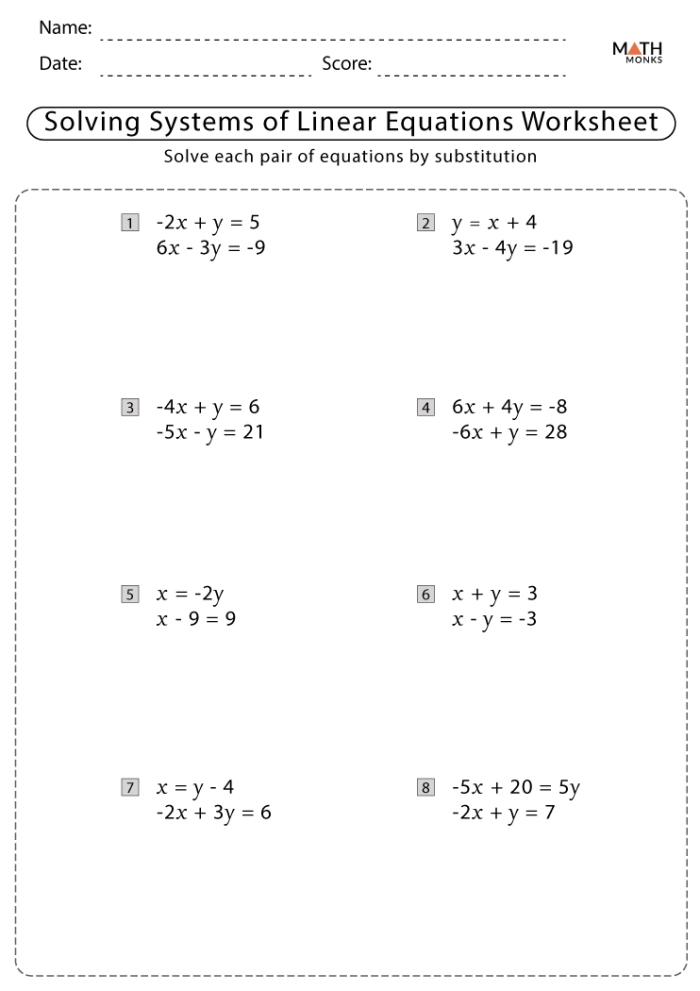
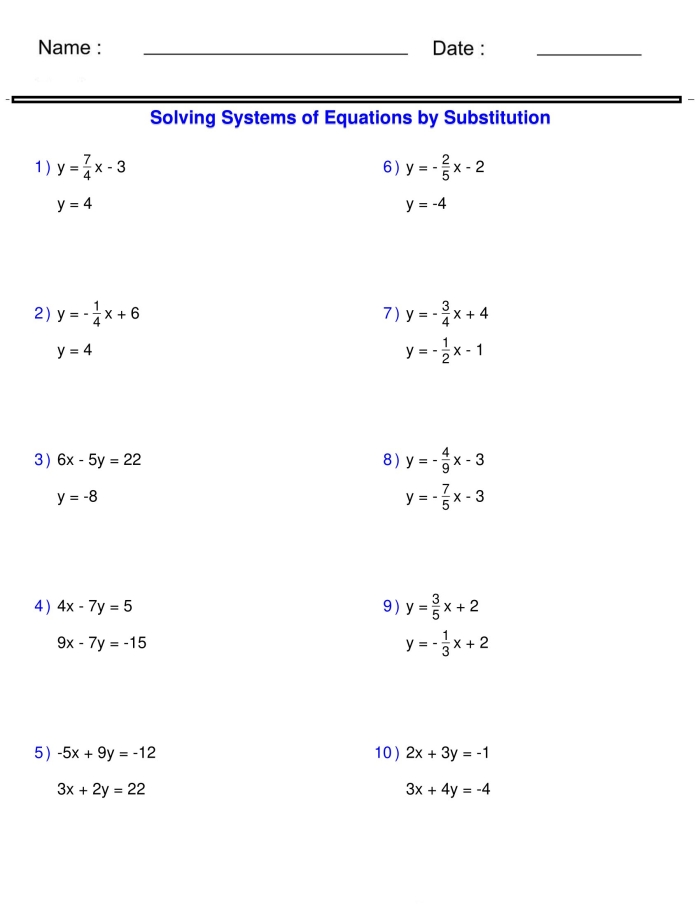
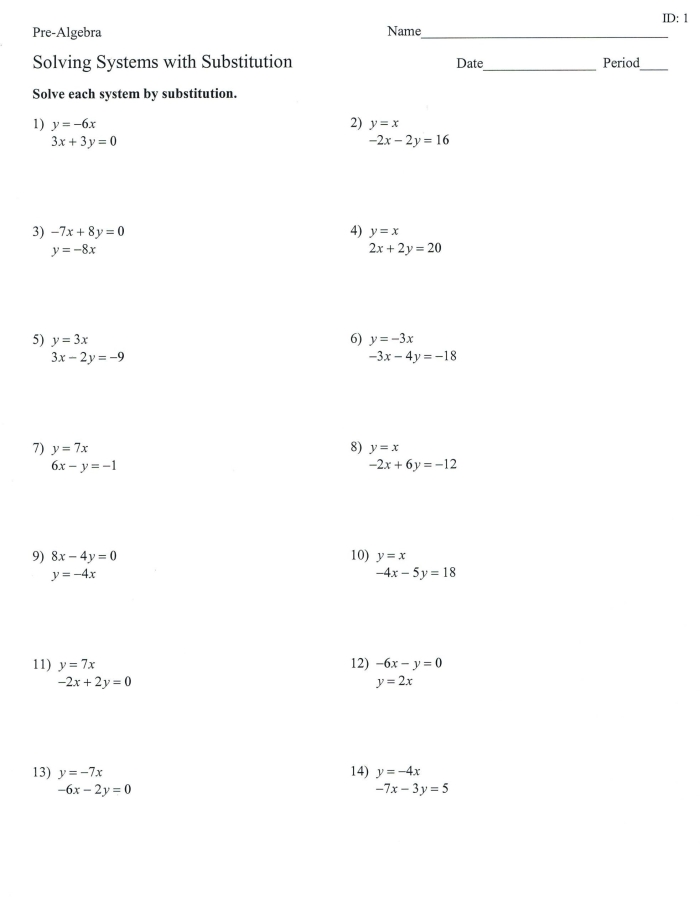
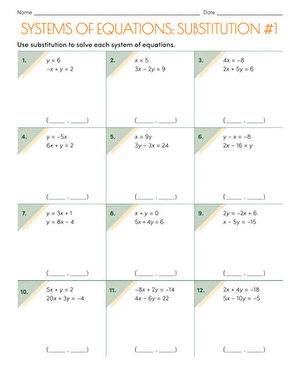
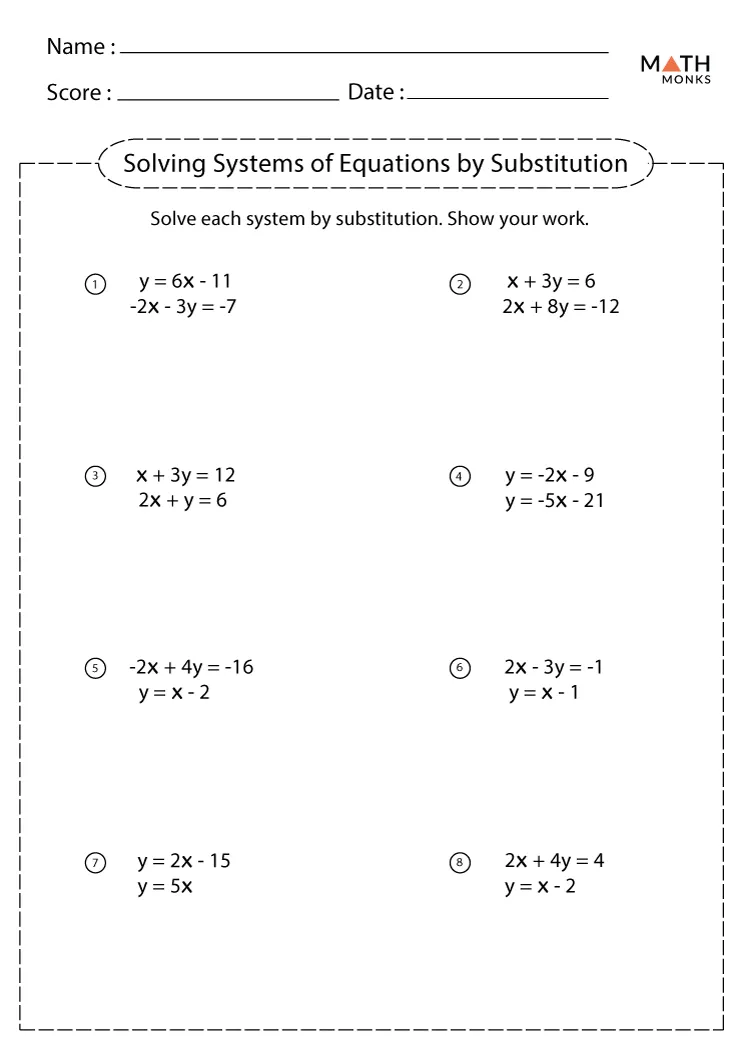
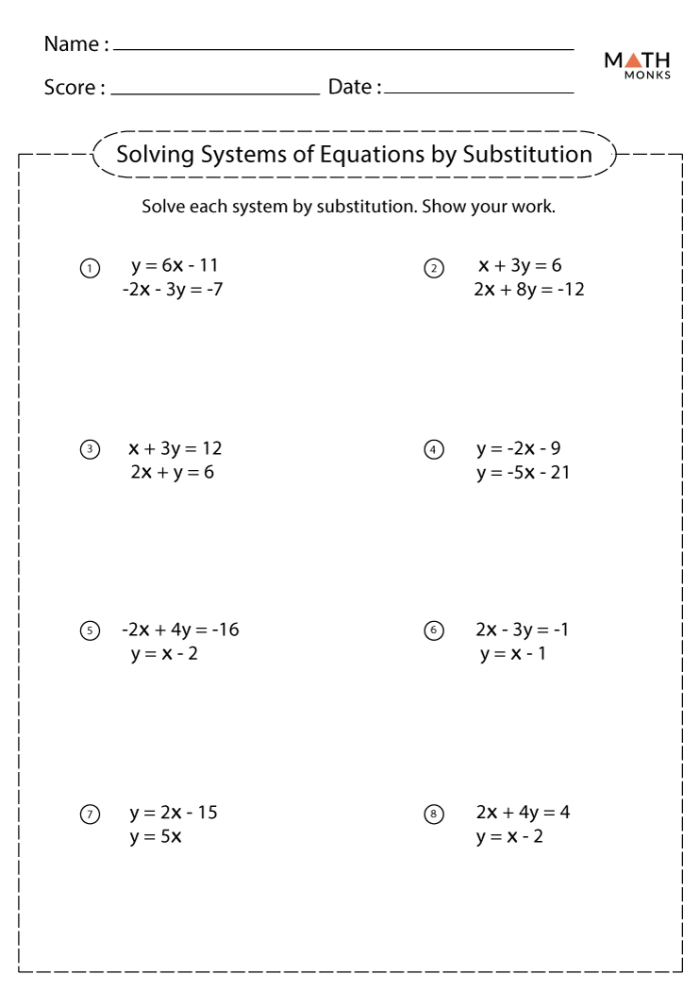
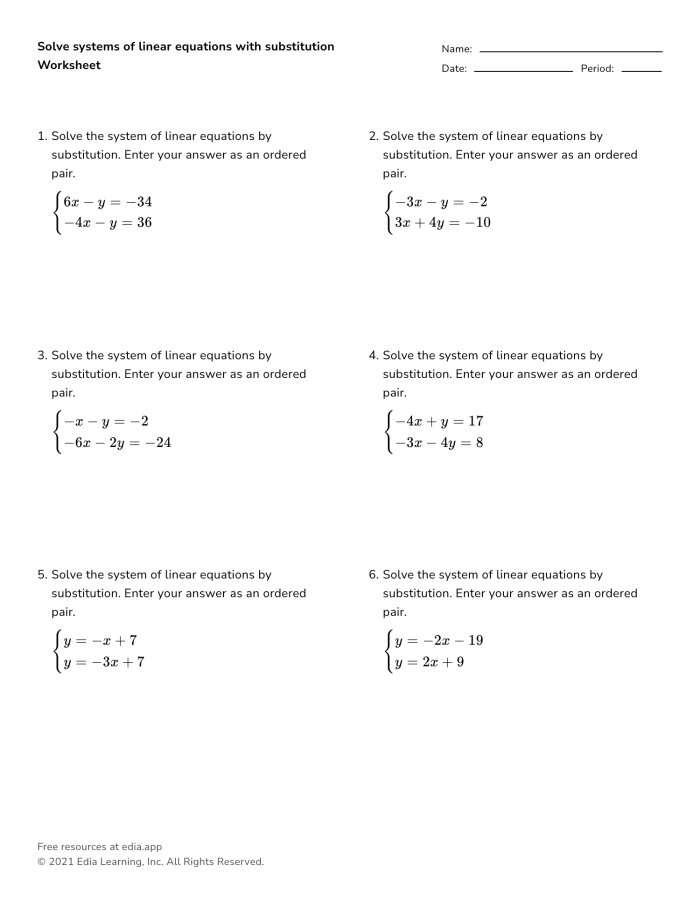
Next is the substitution method, where one equation is solved for one variable, and that expression is substituted into the other equation. This technique can simplify the problem significantly, especially when dealing with equations that are already close to being solved for one variable. Students often find this method to be systematic and less prone to error compared to graphing.
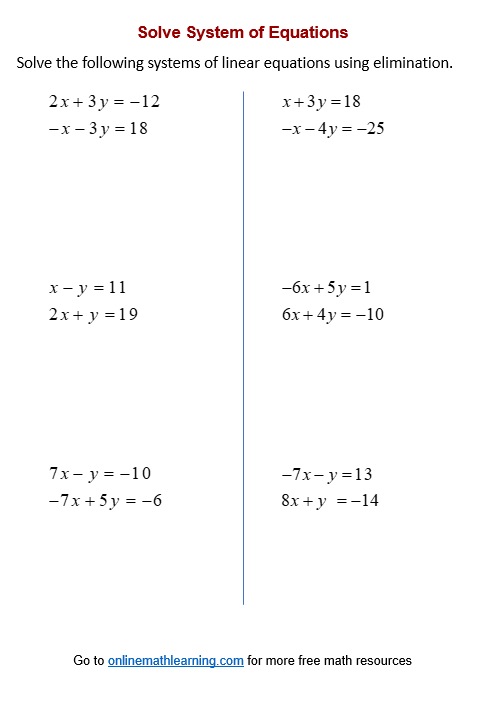
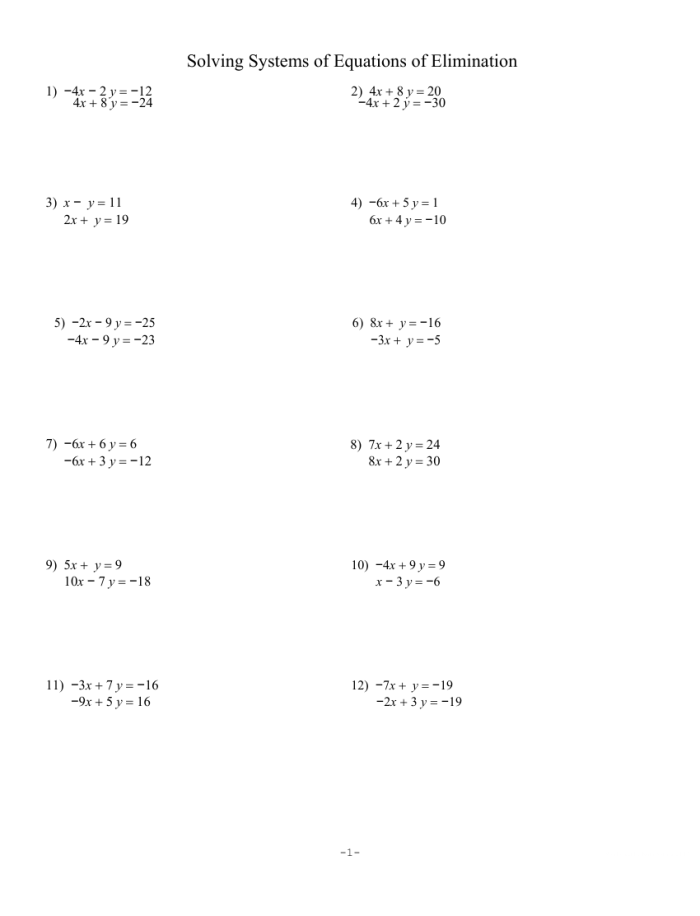
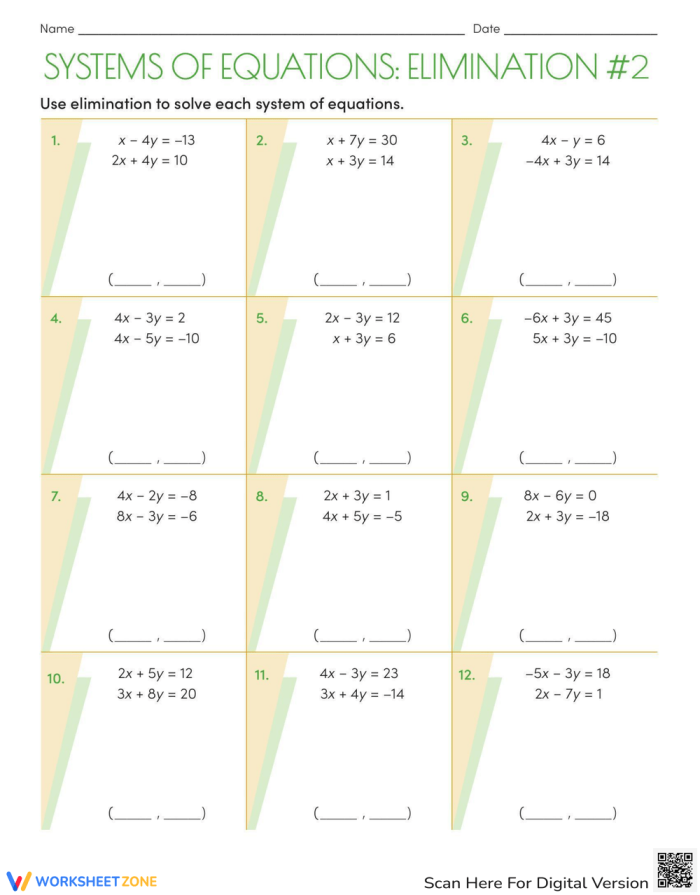
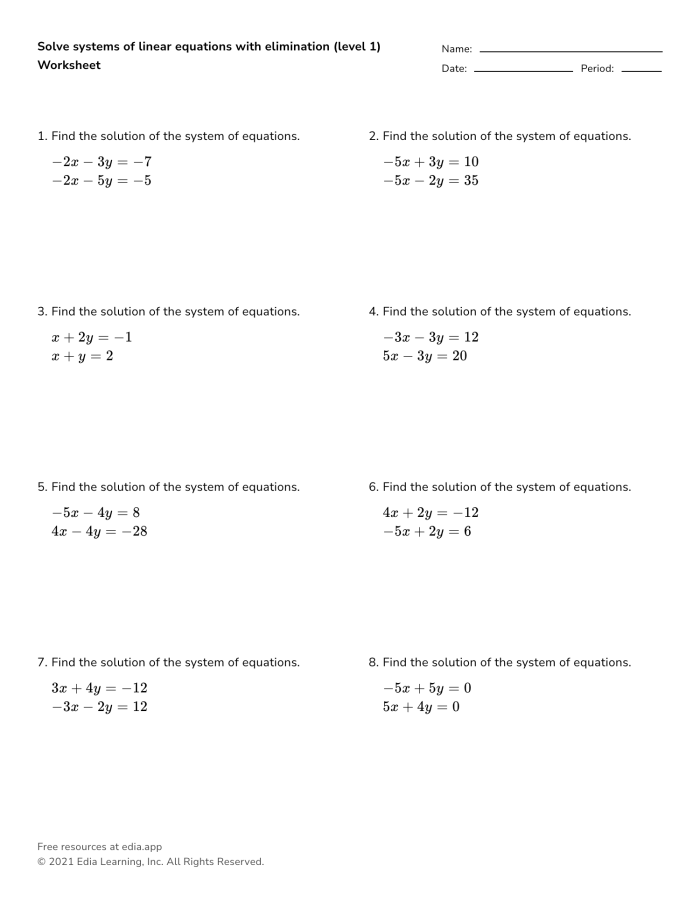
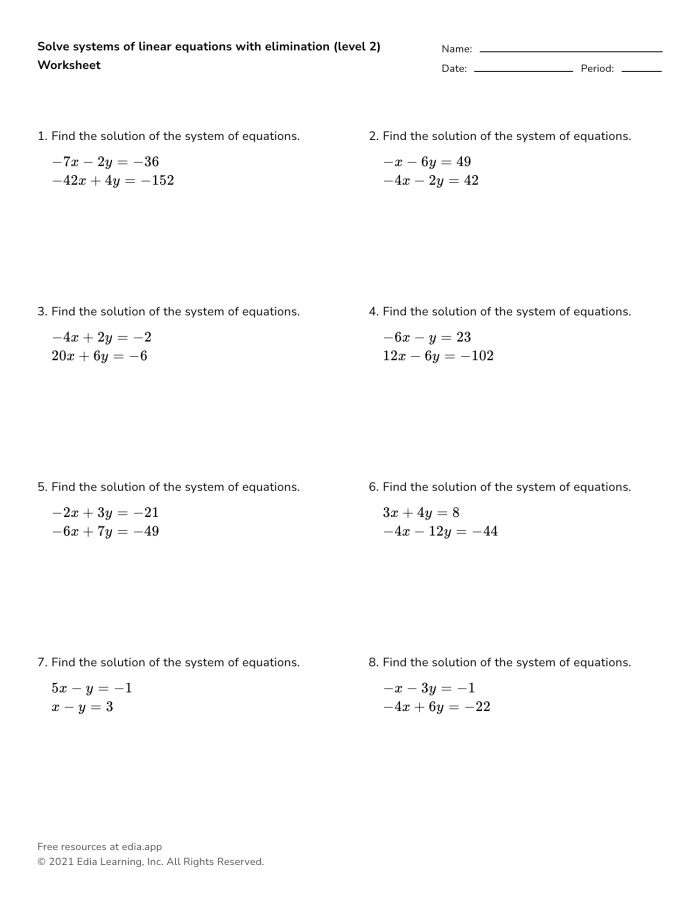
Finally, the elimination method involves adding or subtracting equations to eliminate one variable, making it possible to solve for the remaining variable. This approach can be especially powerful when the equations are structured in a way that allows for straightforward cancellation. It’s a method that many students find efficient, particularly as they practice and become familiar with recognizing patterns in the coefficients.
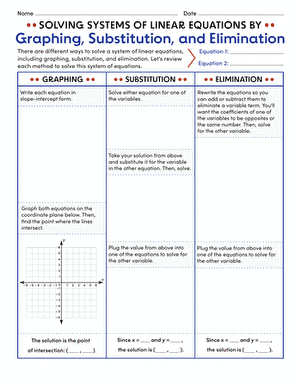
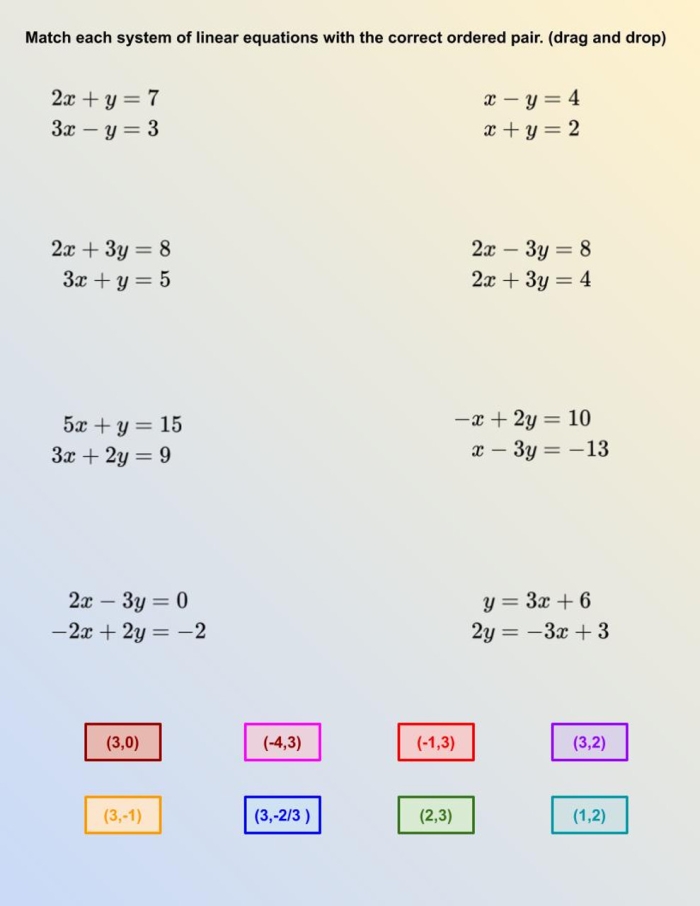
Utilizing a printable handout that summarizes these techniques can be beneficial. It serves as a quick reference for students as they navigate their homework or class exercises. By providing clear examples and step-by-step instructions, this resource can reinforce their understanding and boost their confidence in tackling systems of linear equations.
Practice with These Worksheets