Working with positive and negative decimals alongside mixed numbers can be tricky for many sixth graders, especially when it comes to comparing and ordering them. That’s where targeted word problems become incredibly useful. By practicing with relatable, real-world scenarios, students get a clearer sense of how these numbers interact and how to approach them logically.
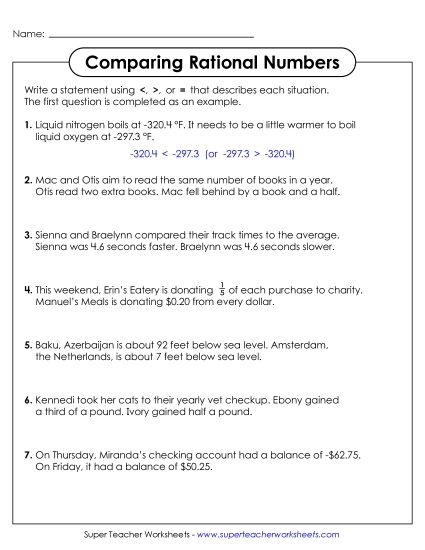
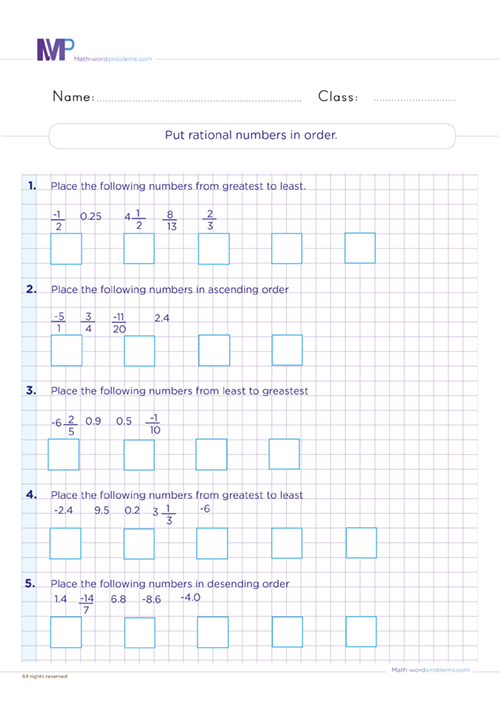
For example, imagine a math problem about temperatures that drop below zero, then rise to positive values. Students might need to compare -3.75 degrees to 2 1/2 degrees or put a series of mixed numbers and decimals in order from smallest to largest. These kinds of questions encourage them to think carefully about the size of each number, not just whether it has a decimal or fraction symbol. Handling negative values alongside mixed numbers requires understanding both the number’s magnitude and its sign, which is a valuable skill beyond just sixth grade math.
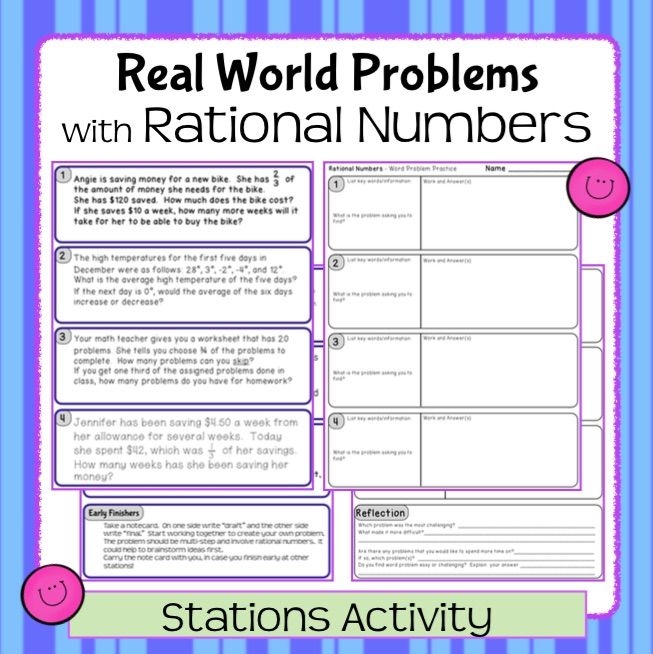
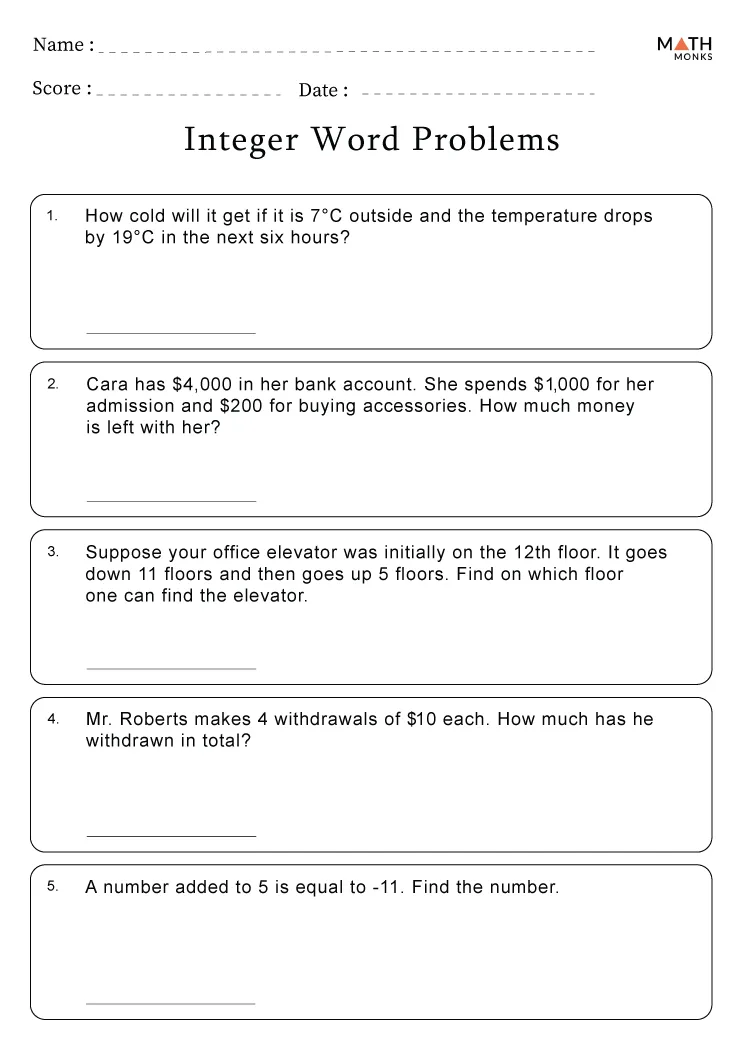
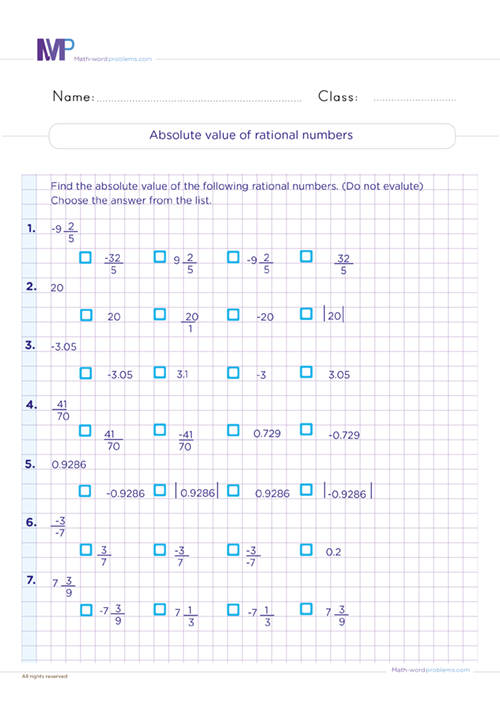
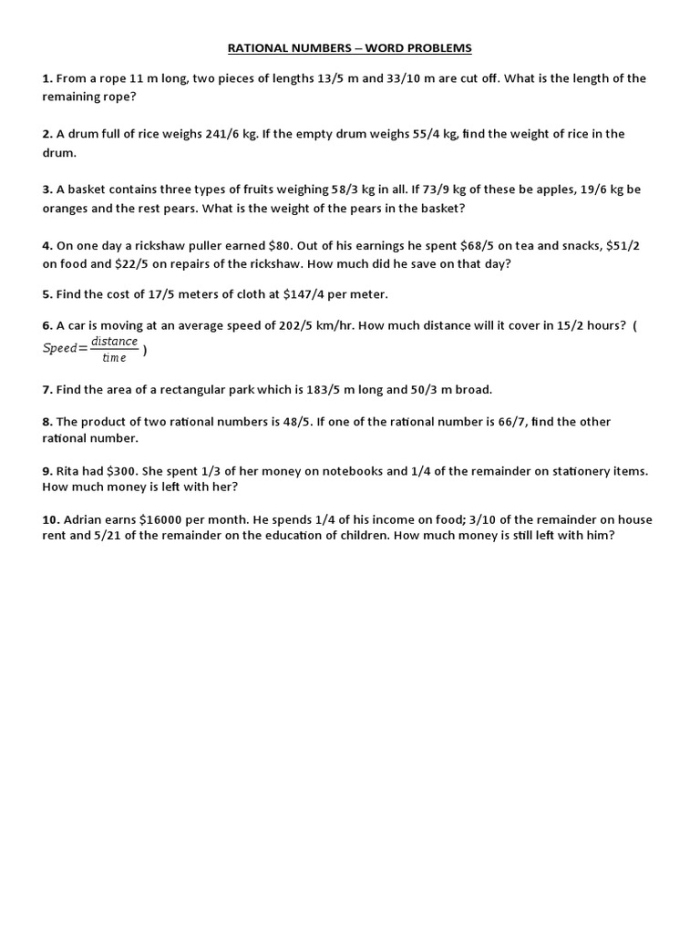
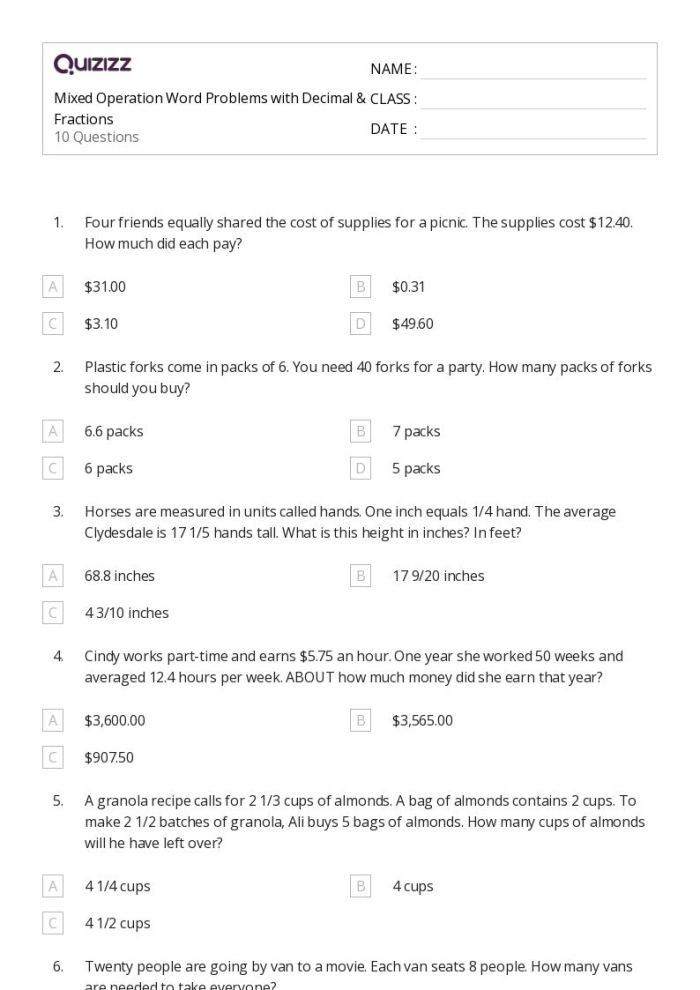
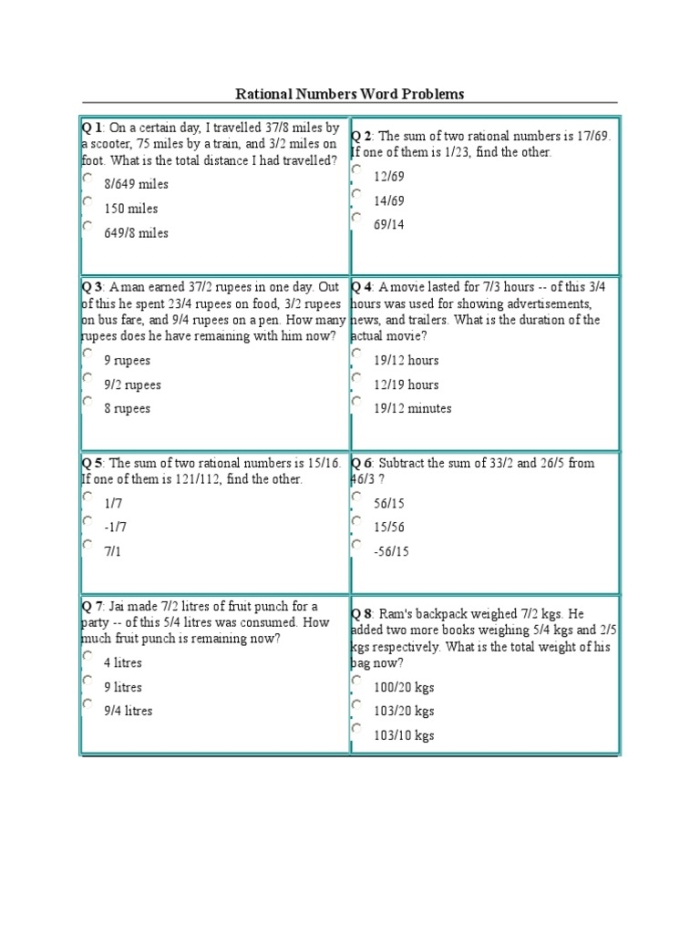
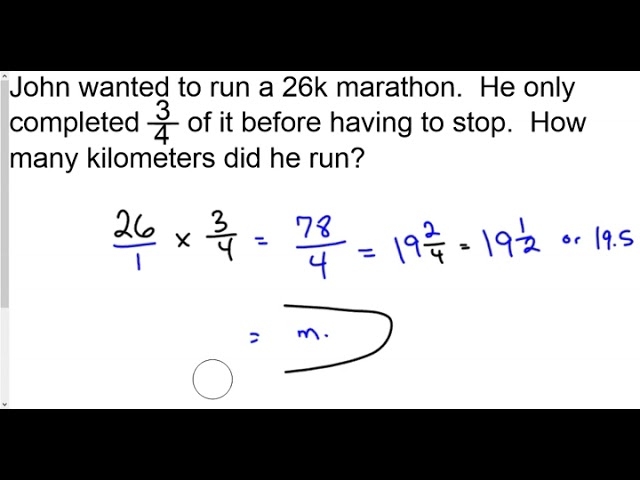
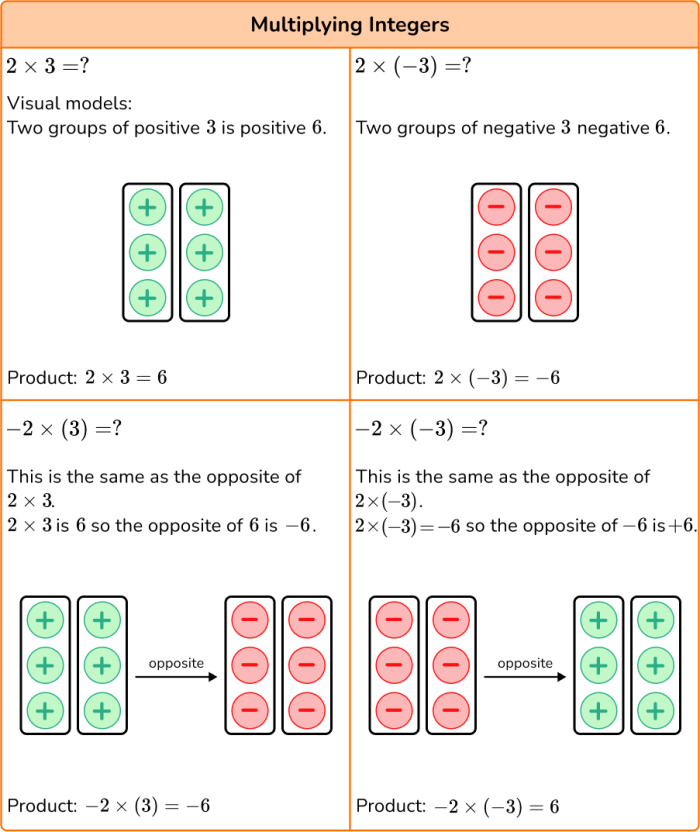
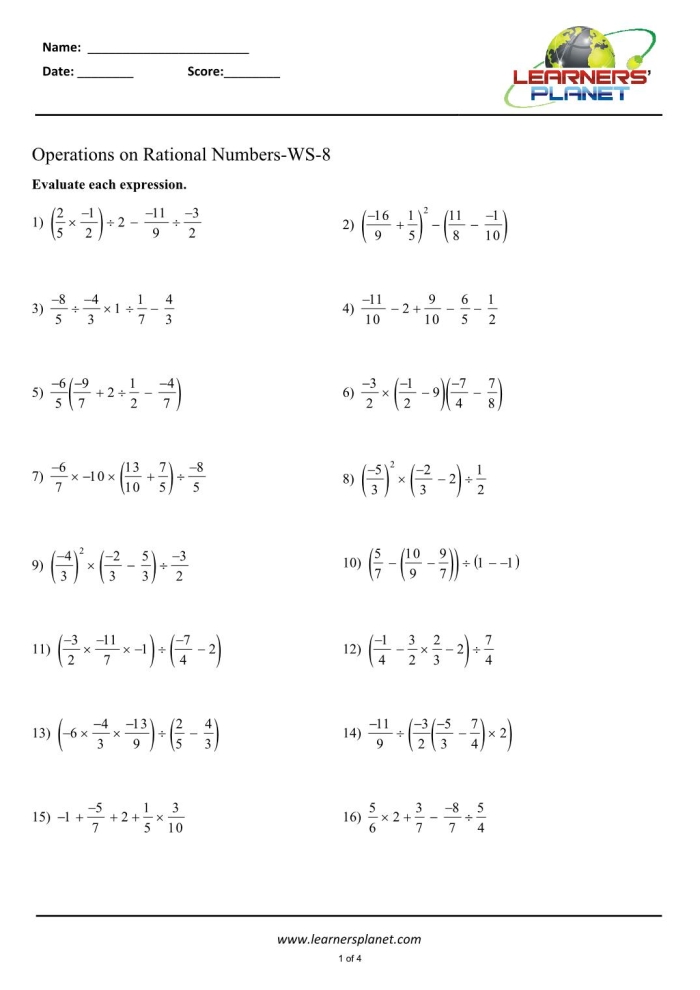
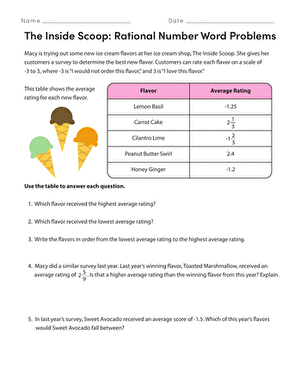
Printable The Inside Scoop: Rational Number Word Problems Worksheets provide plenty of practice for these concepts. They include problems where students multiply decimals and fractions, then compare their results to other numbers on a number line. This kind of practice builds fluency and confidence, especially when paired with multiplication skills. It also helps students see patterns, such as how multiplying a negative decimal by a positive number affects the product’s order relative to other numbers.
One important detail is that students often struggle to convert mixed numbers into improper fractions or decimals to compare them accurately. Using word problems that require these conversions in context helps solidify their understanding. For instance, a problem might involve measuring lengths in meters and centimeters, asking kids to multiply and then order the results. This connects abstract math to something tangible.
For those teaching sixth grade multiplication, integrating these rational number problems with physical examples can make the math feel more engaging. There are resources that also tie in geography, like labeling physical features on maps, which can be combined with numeric problems to create interdisciplinary lessons. You can find such connections in materials similar to those used for simplifying algebraic expressions and multiplication practice.
Ultimately, practicing with these sweet math word problems sharpens students’ ability to compare and order positive and negative decimals and mixed numbers. It equips them with skills that are essential not just for tests but for understanding the real-world number systems they encounter daily.
Try These Printable Worksheets