Helping second grade students become familiar with academic vocabulary can be a challenge, but using engaging topics makes the process smoother and more enjoyable. One effective way to build this comfort is through a short nonfiction text about a chicken’s life cycle. This approach introduces key words in context, giving young learners a chance to identify and define terms naturally while exploring an interesting subject.
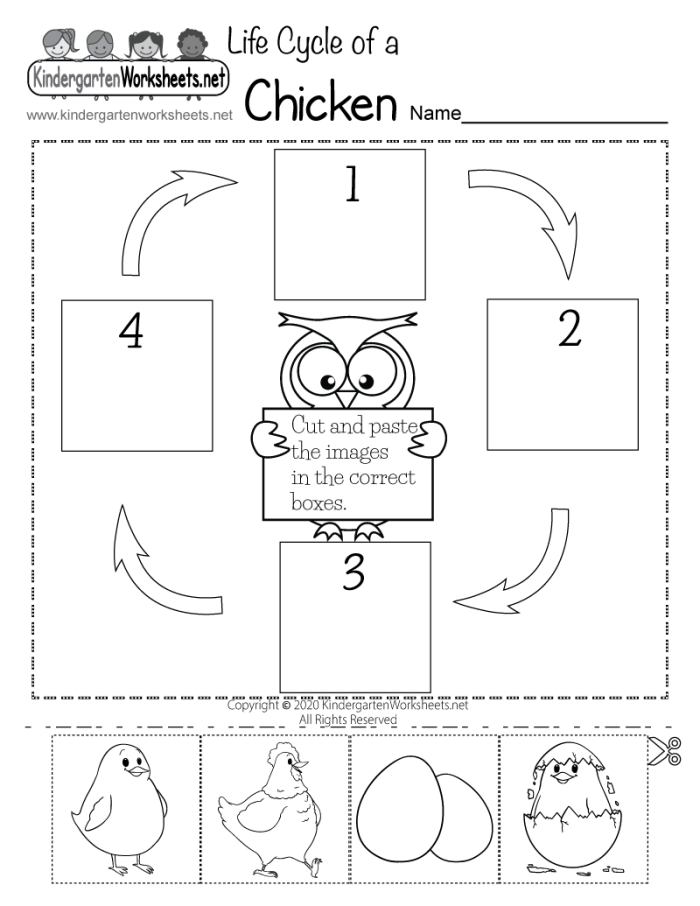
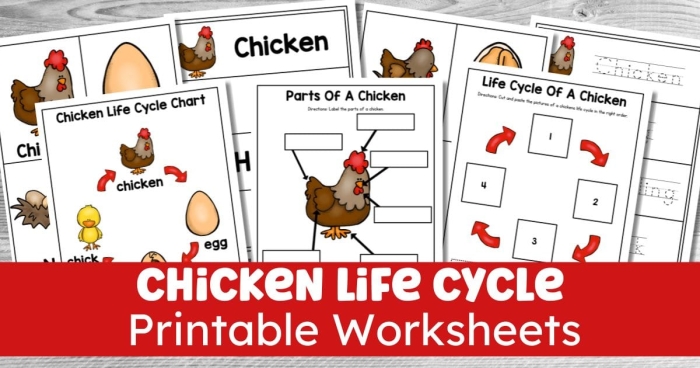
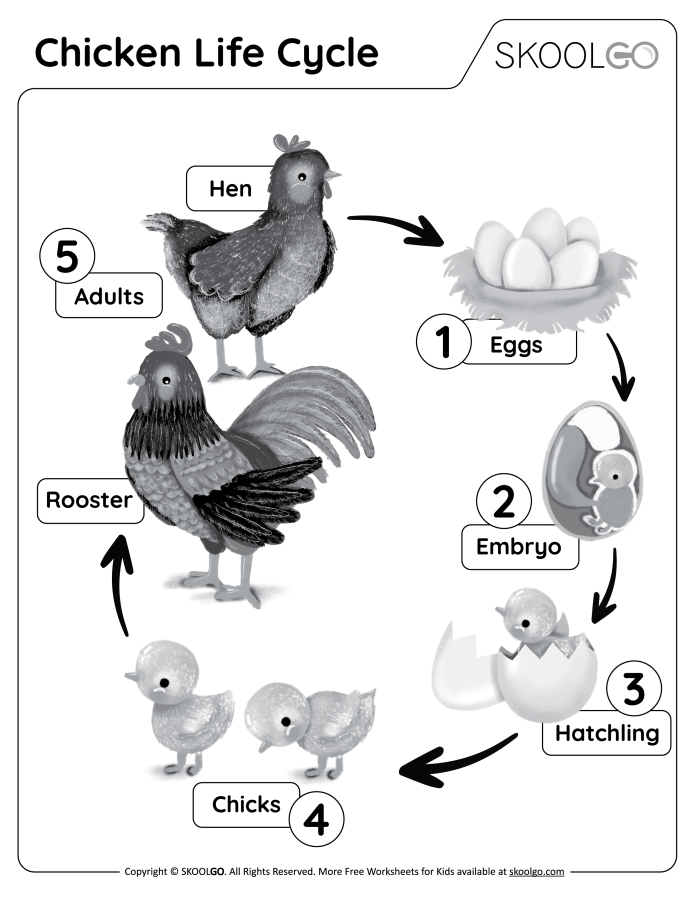
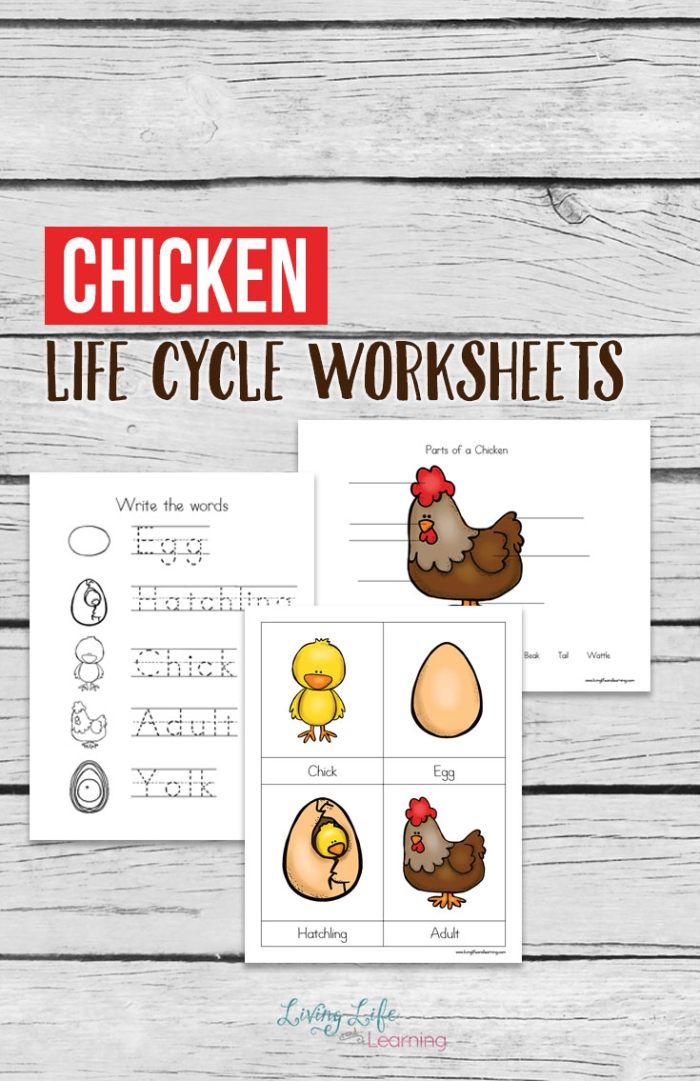
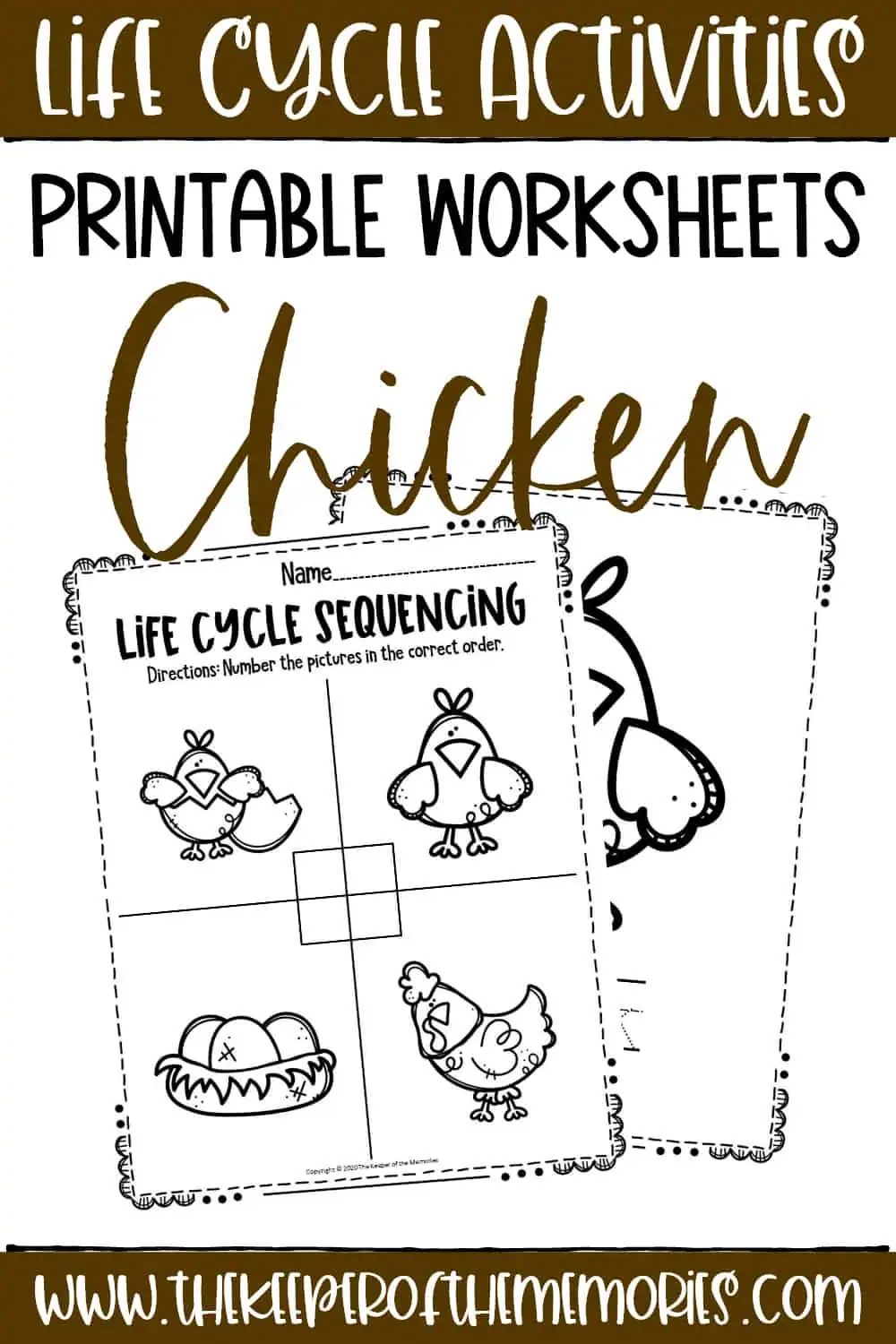
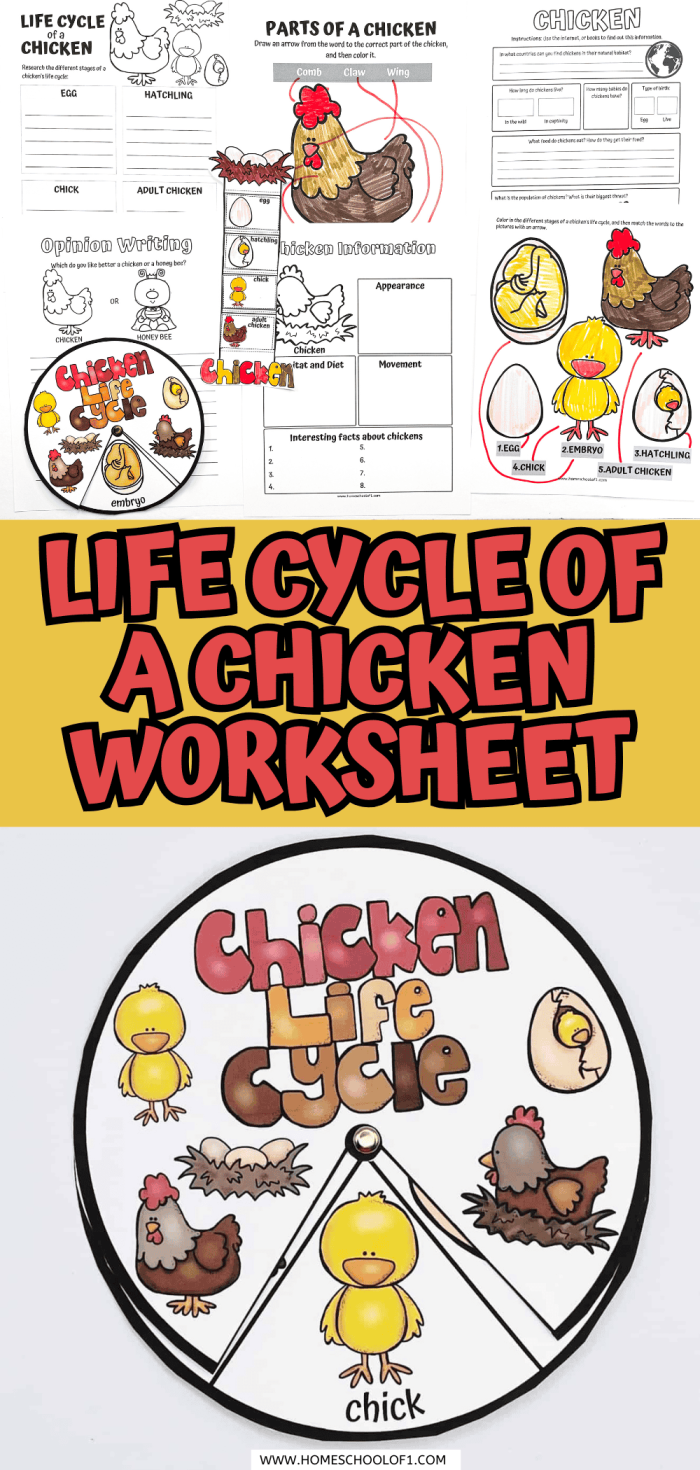
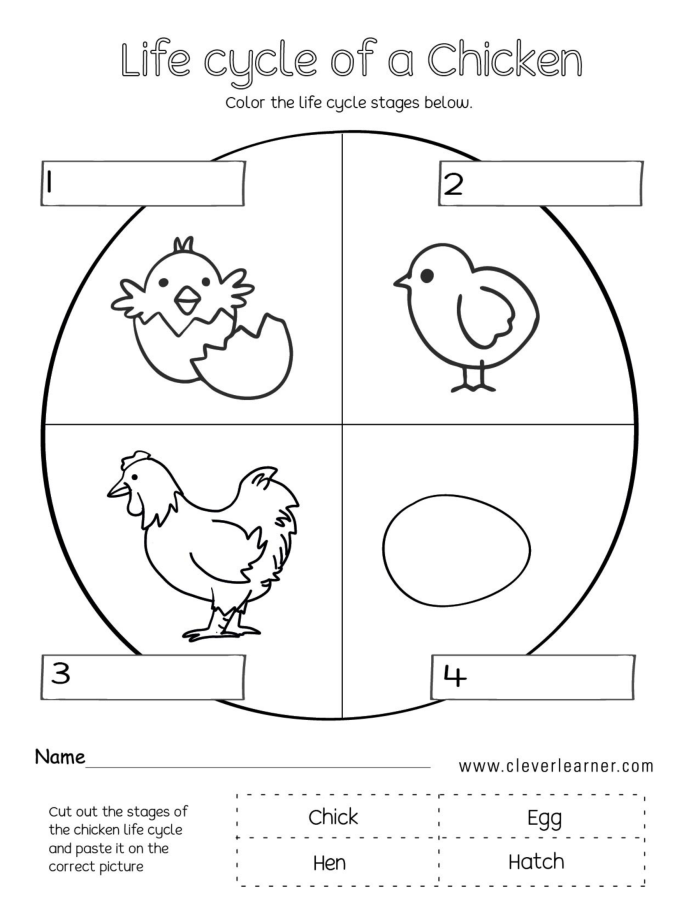
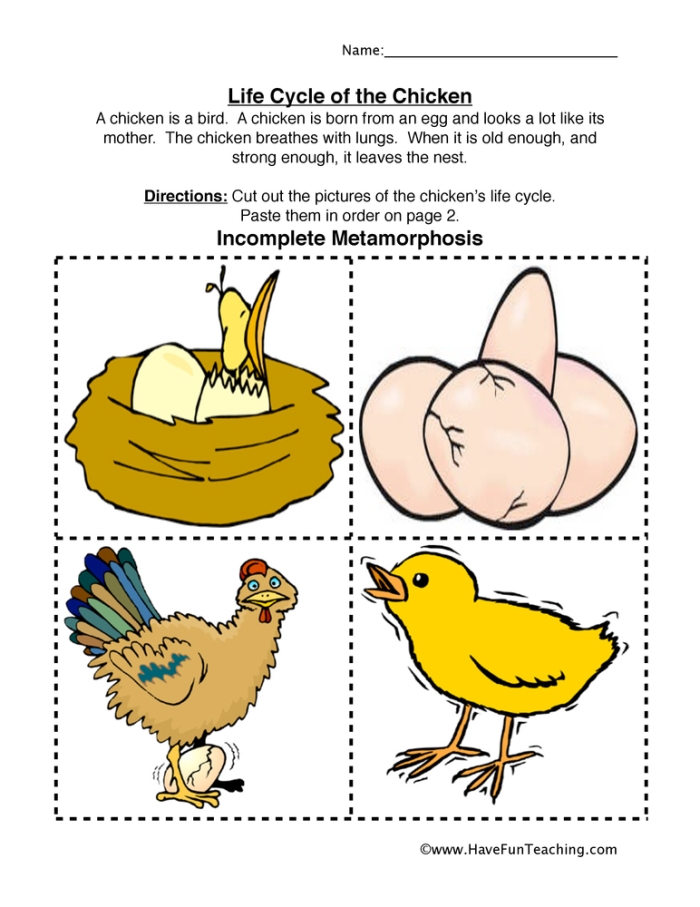
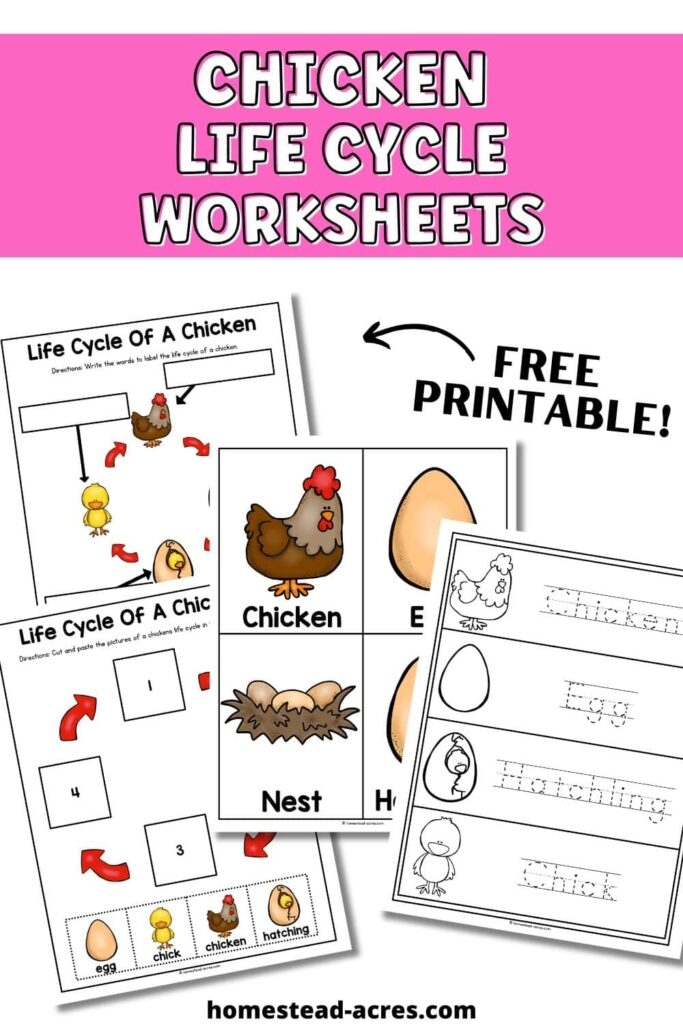
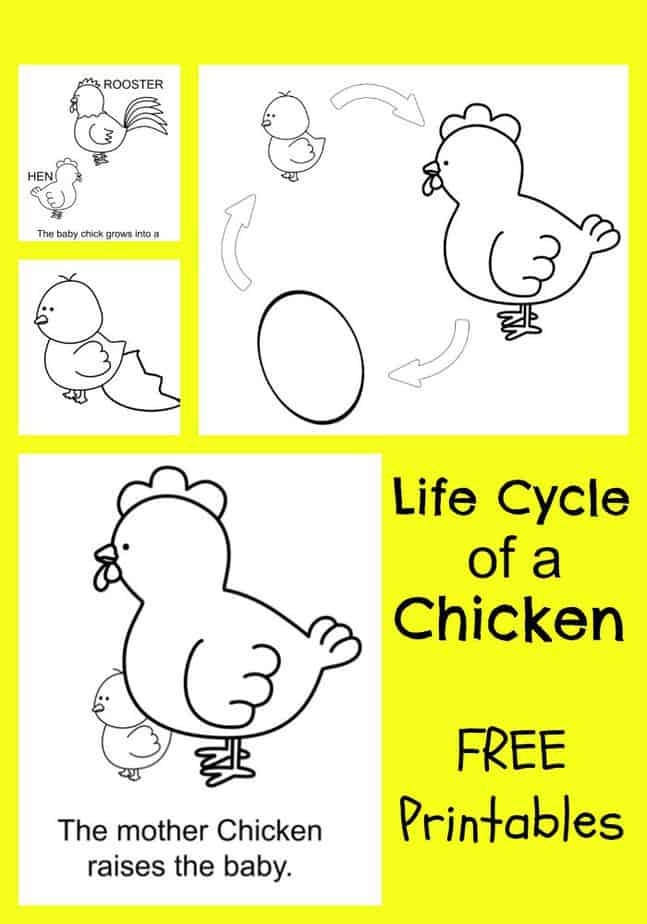
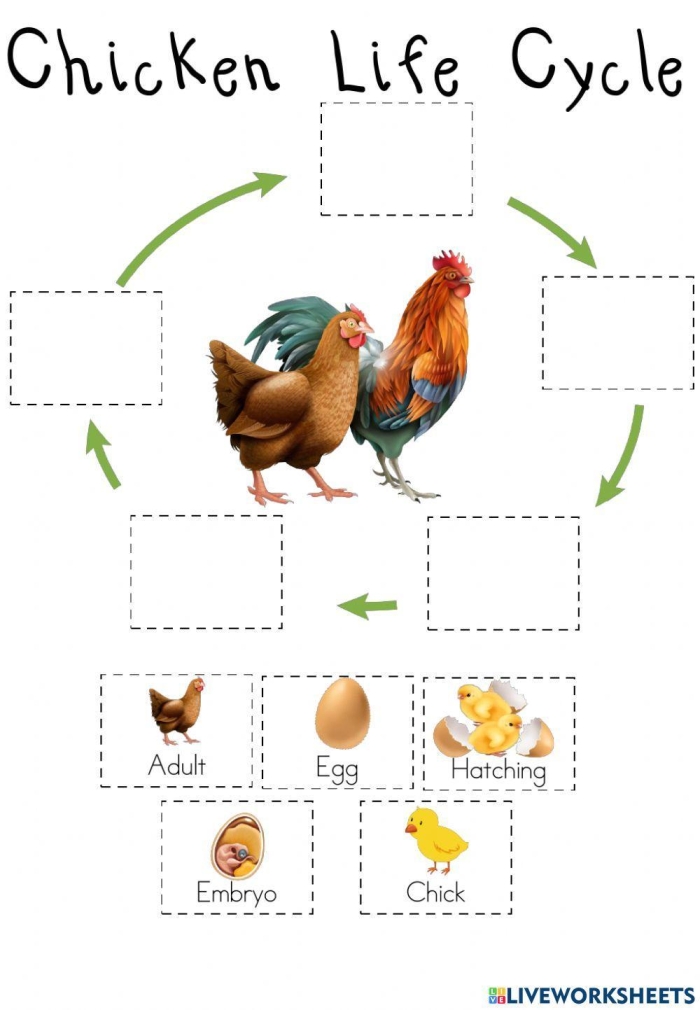
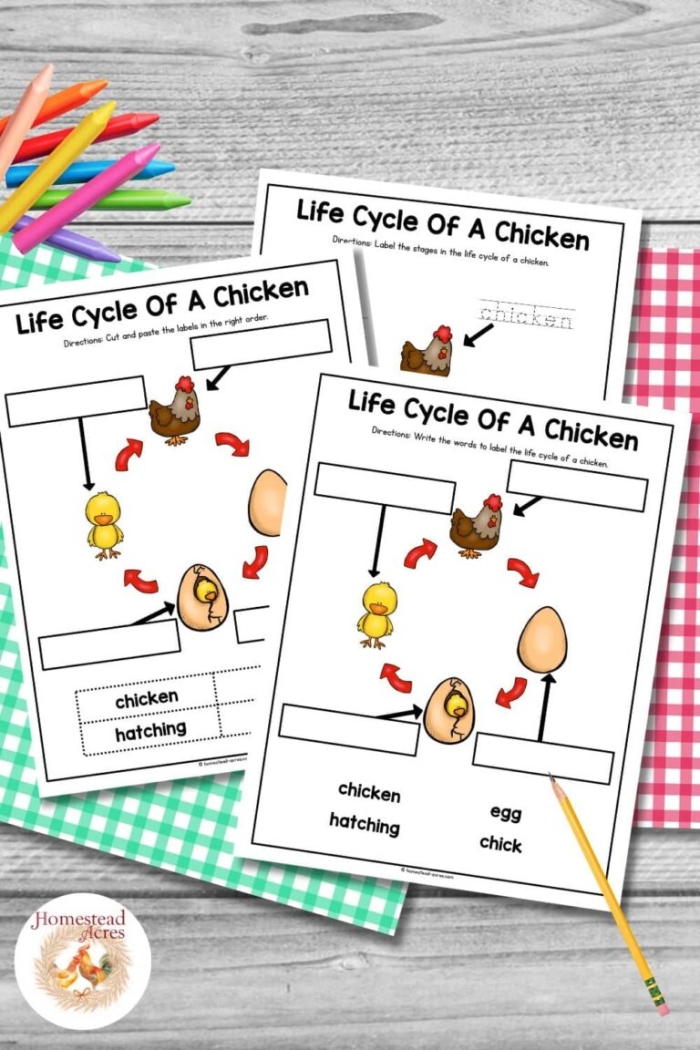
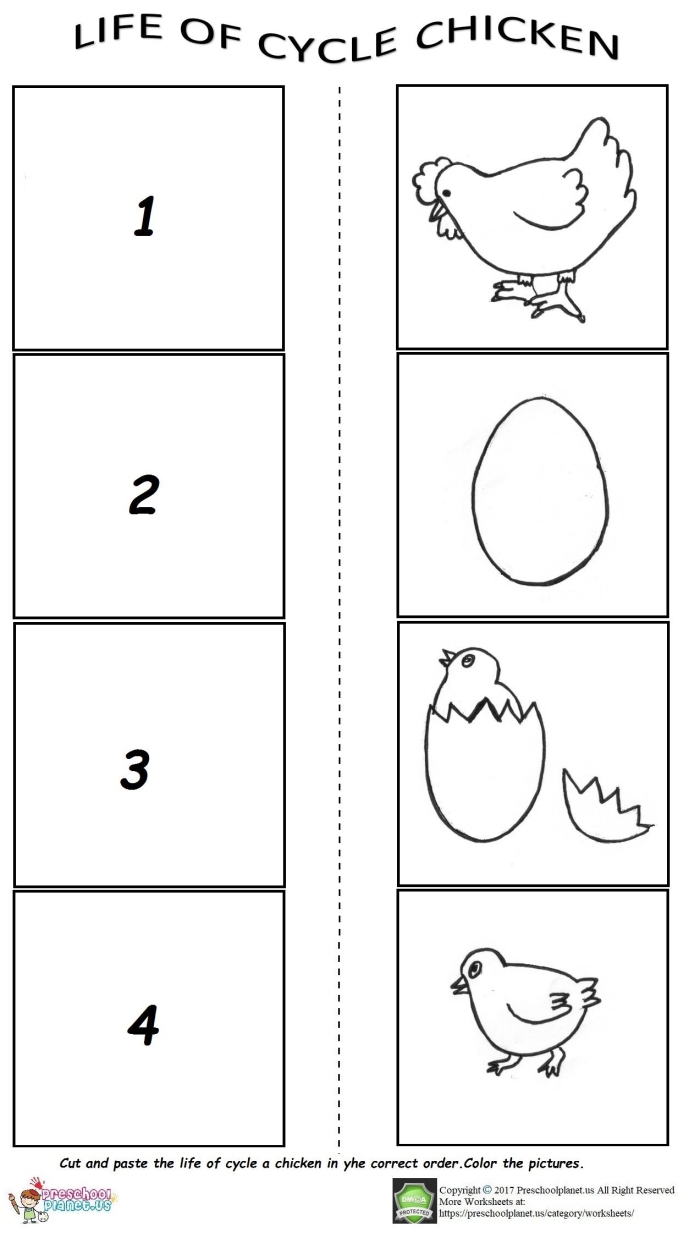
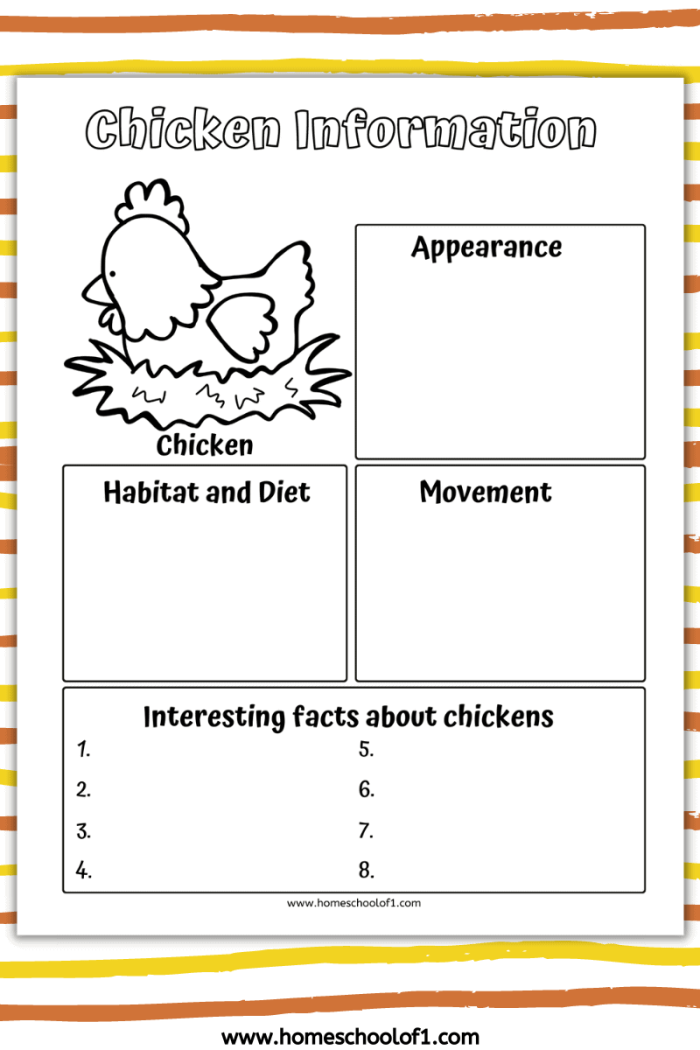
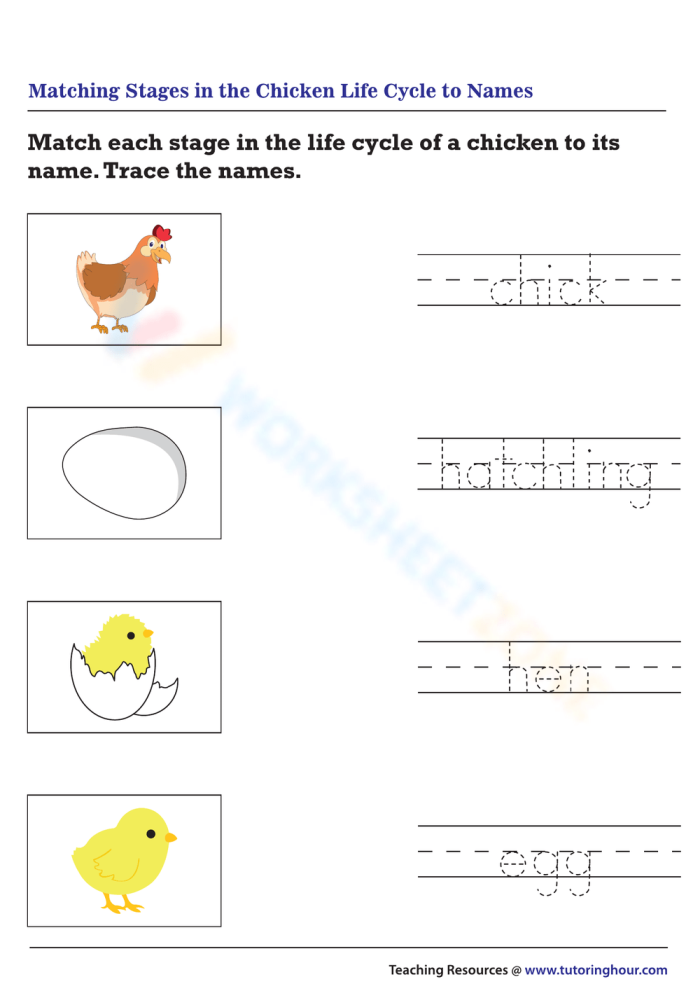
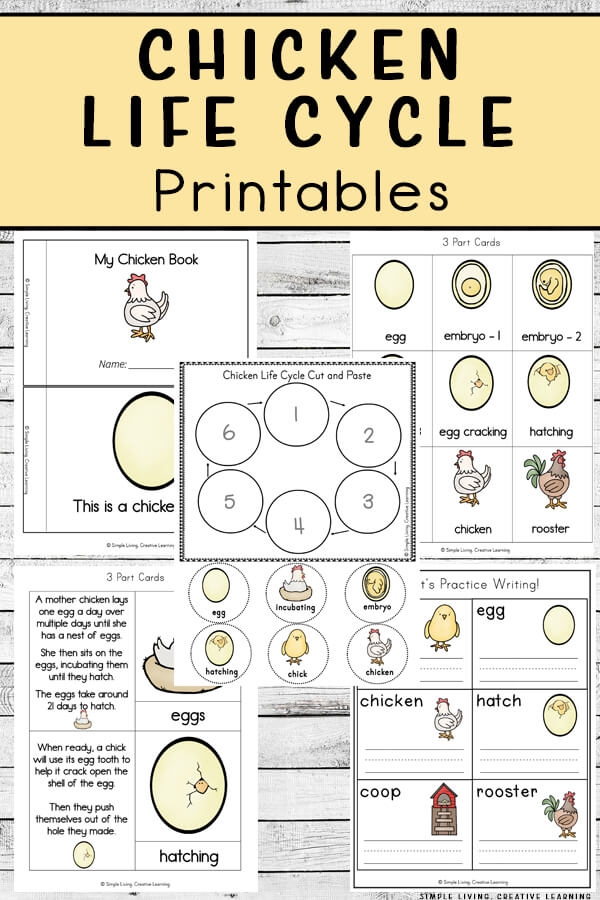
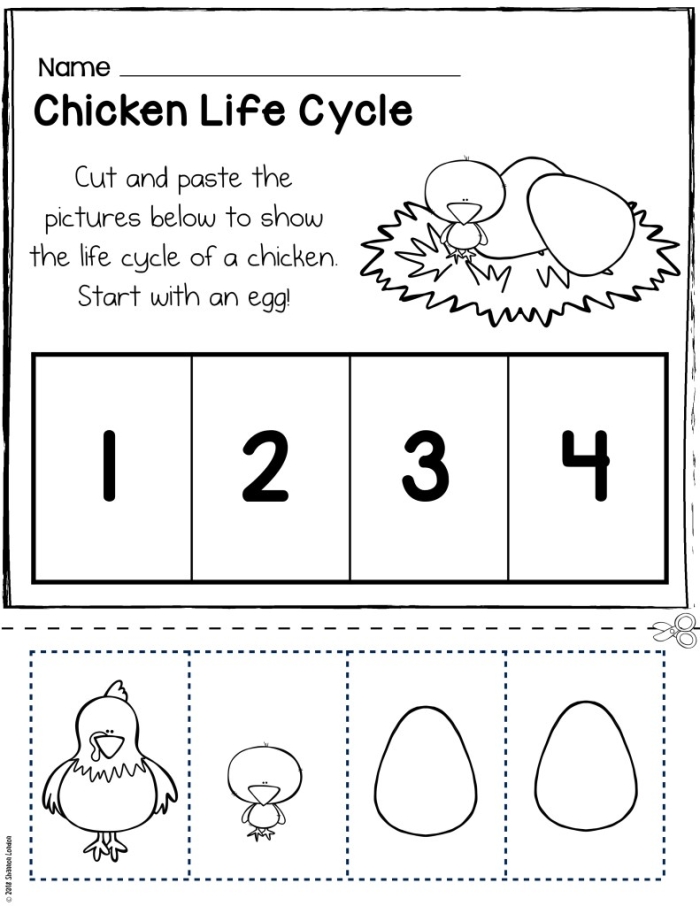
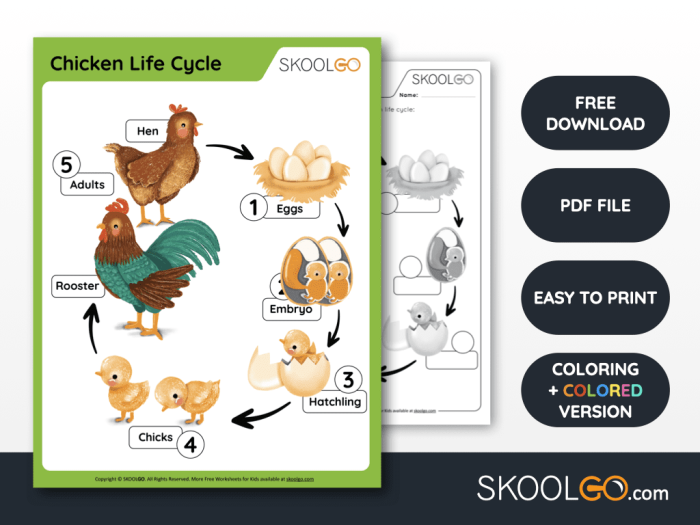
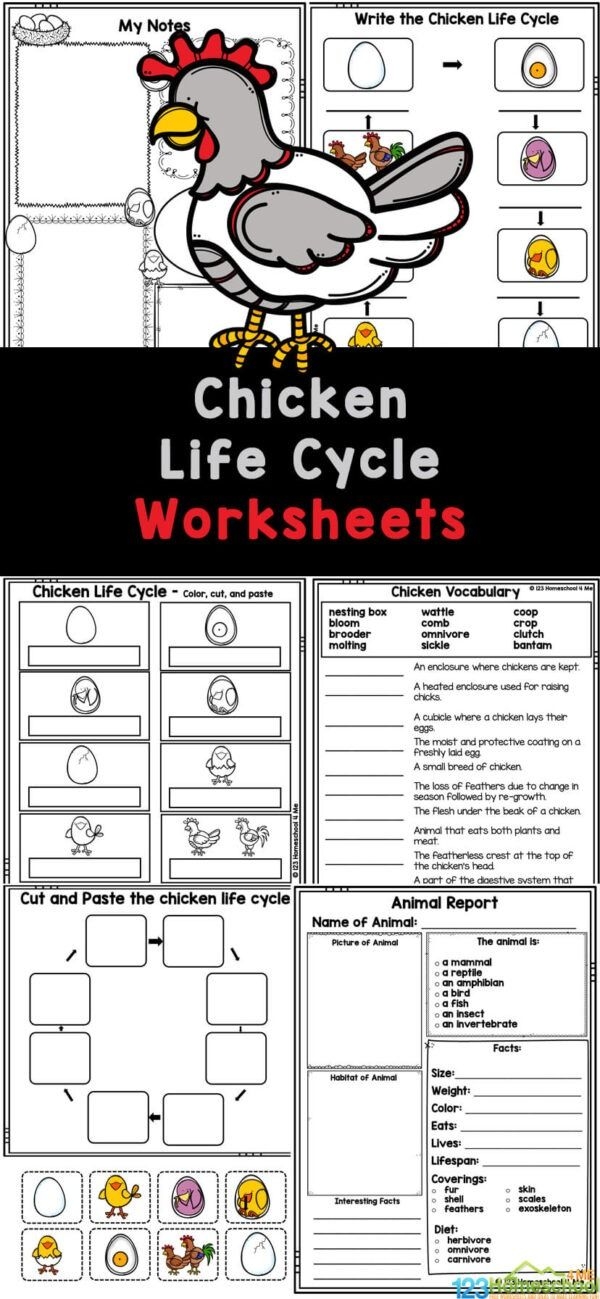
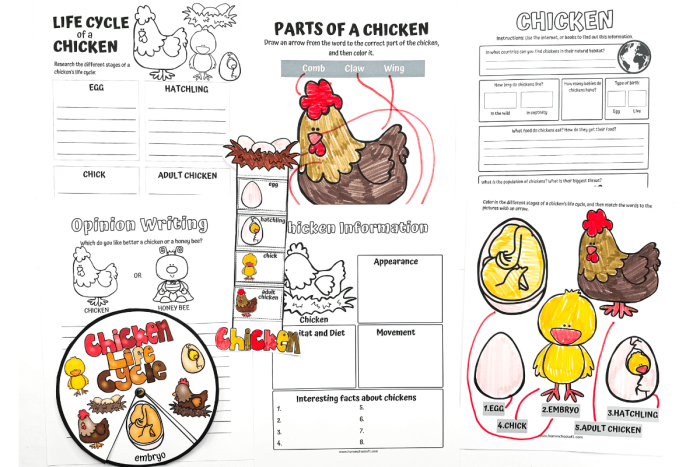
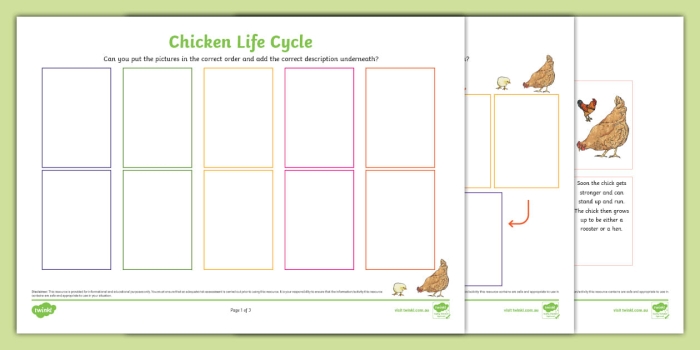
The life cycle of a chicken is a straightforward sequence that children can easily follow: from egg to chick, then to pullet or cockerel, and finally to an adult hen or rooster. This progression provides clear, concrete stages that support vocabulary development. Words like “incubate,” which refers to the warming of eggs until they hatch, or “hatchling,” a newly emerged chick, become meaningful when students see them connected to real-life processes. Including printable a chicken’s life cycle worksheets that feature these terms helps reinforce learning by combining reading with hands-on practice.
Integrating academic vocabulary with familiar math concepts also benefits second graders. For example, while learning about the chicken’s development, students can practice counting the days it takes for eggs to hatch or track growth stages using simple number sequences. This ties into the integers and rational numbers they are beginning to explore in math lessons, making the experience multidisciplinary and more memorable.
Using nonfiction texts focused on life cycles provides an excellent opportunity to bridge science and language skills. Students improve their reading comprehension as they encounter new vocabulary, and the practical examples help deepen understanding. Additionally, pairing this with activities such as subtraction exercises linked to the chicken’s growth timeline can further support their math skills.
Overall, introducing academic vocabulary through the lens of a chicken’s life cycle not only makes learning fun but also supports second graders in mastering both language and math concepts. This method creates a natural, engaging context where students can connect new words to everyday life and numbers.
Use These Worksheets Today