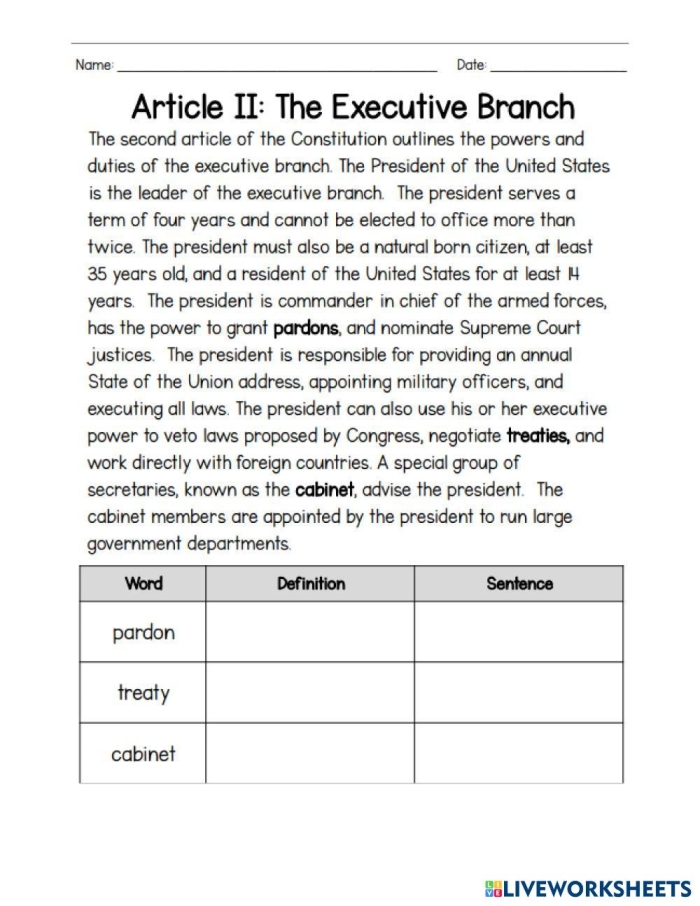
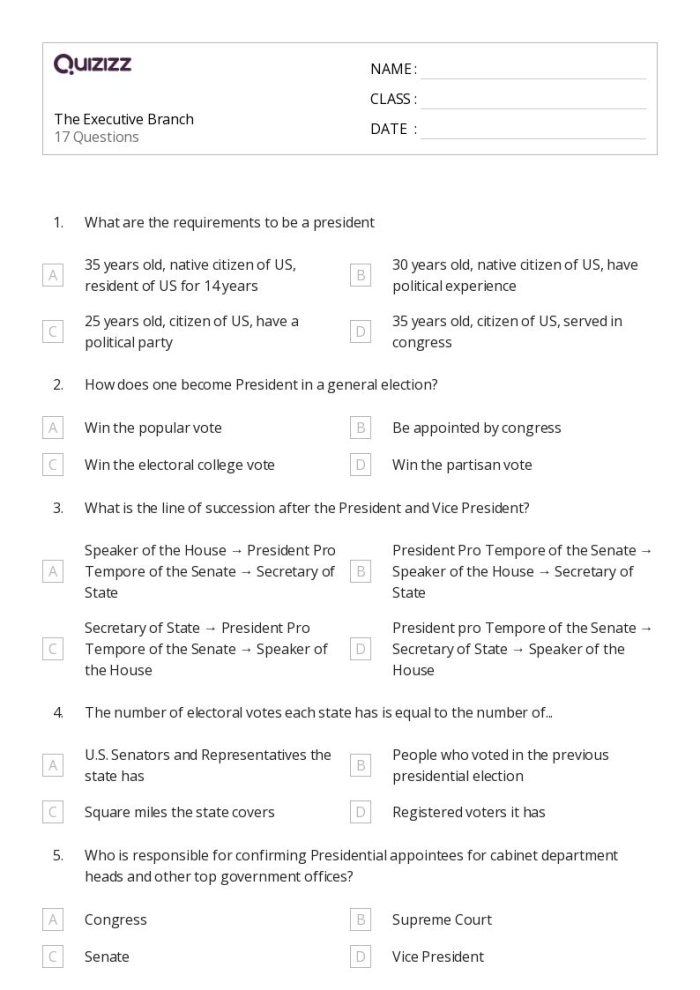
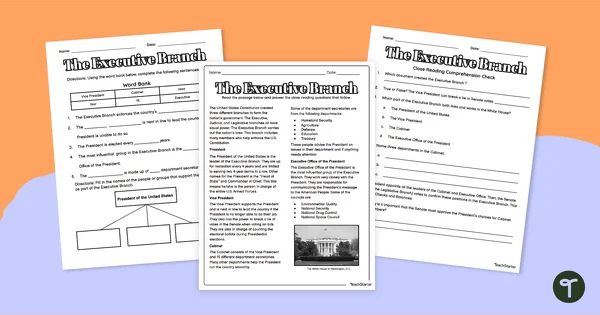
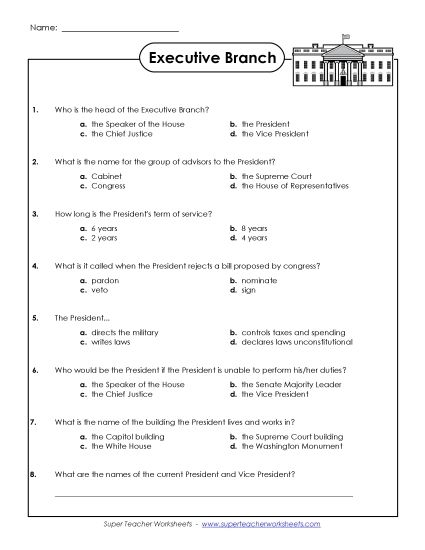
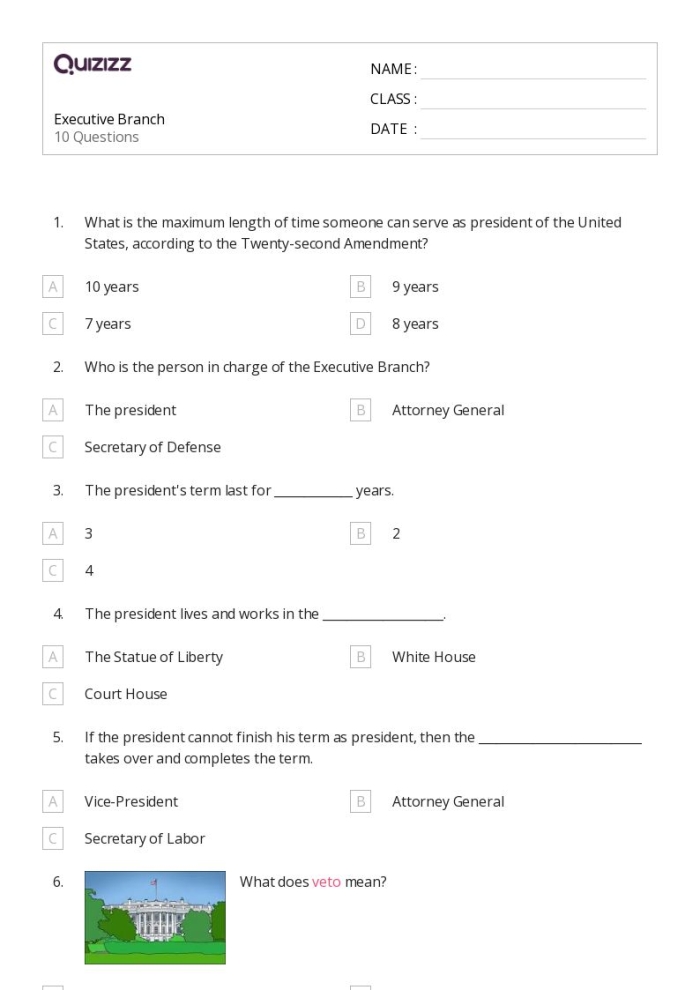
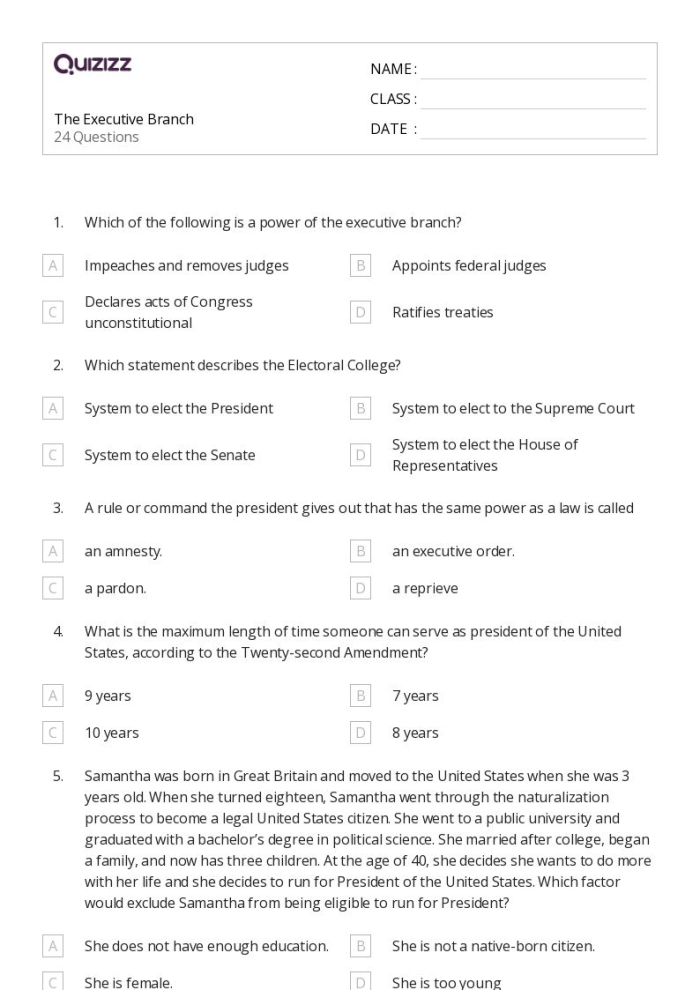
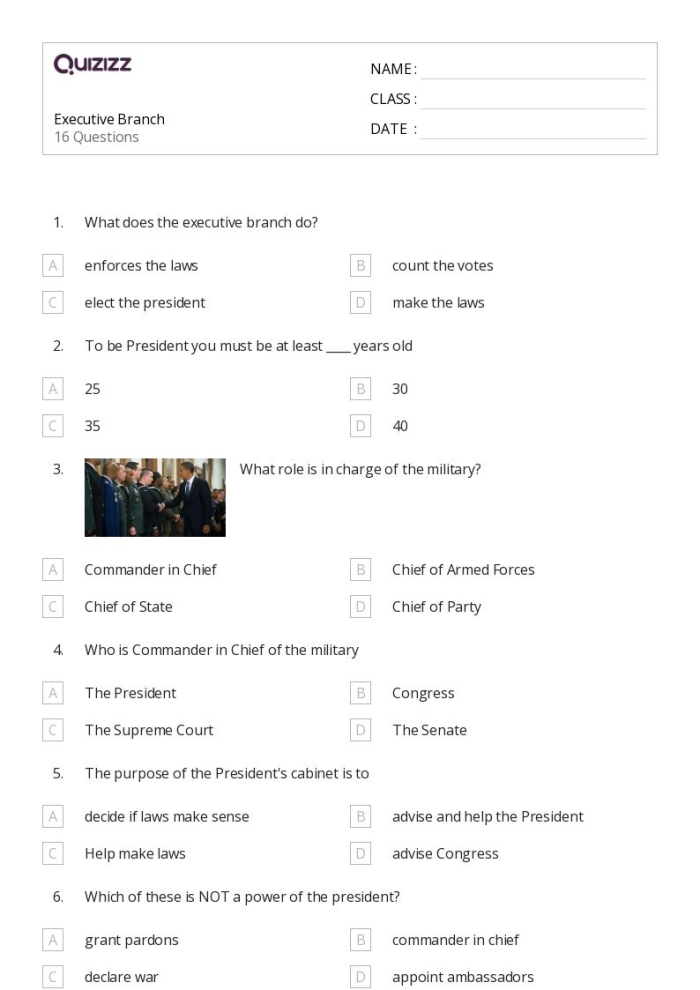
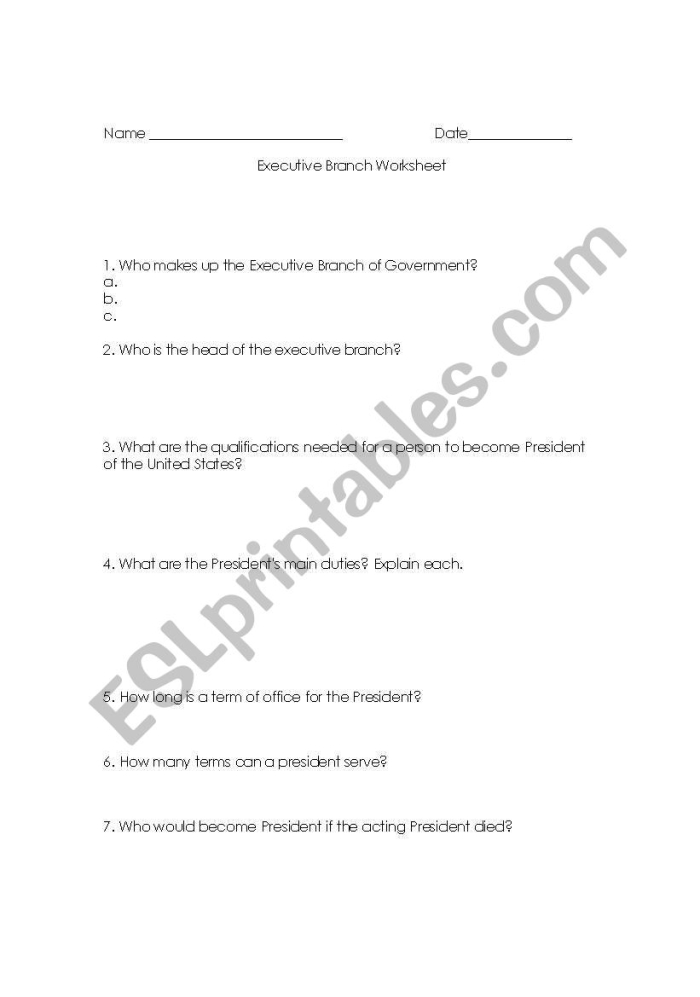
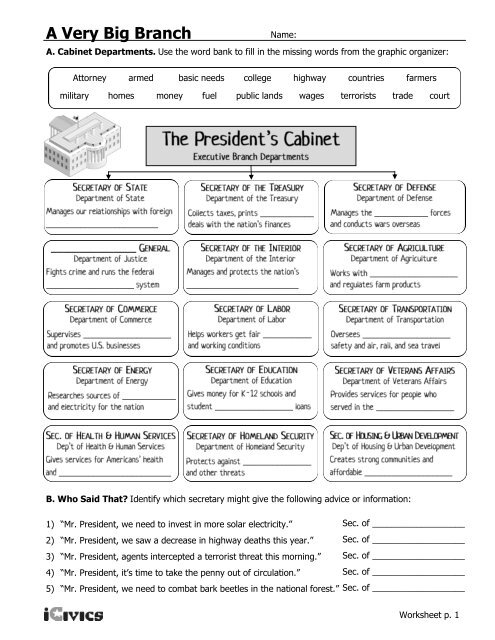
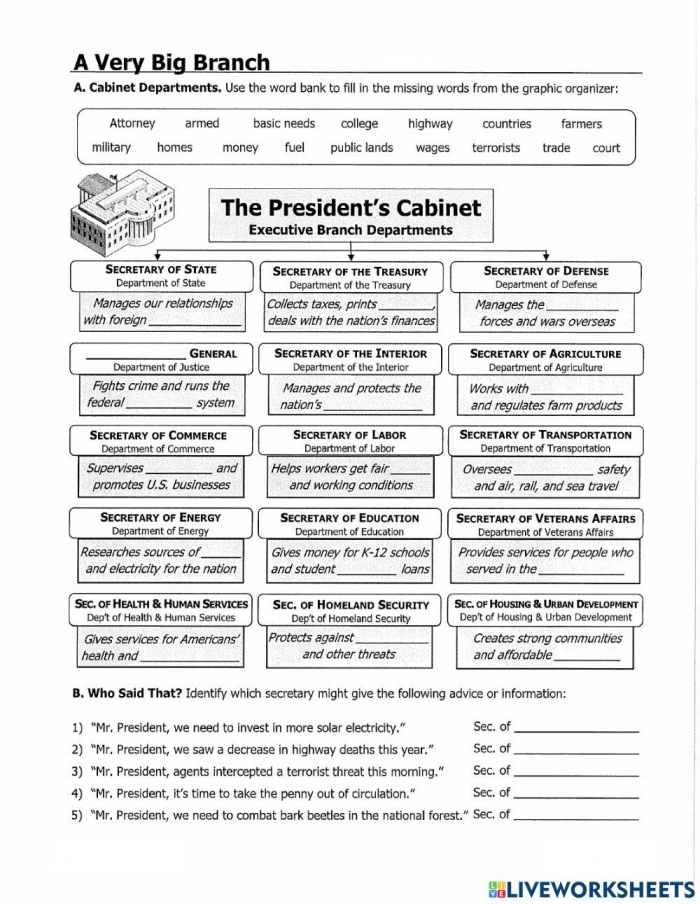
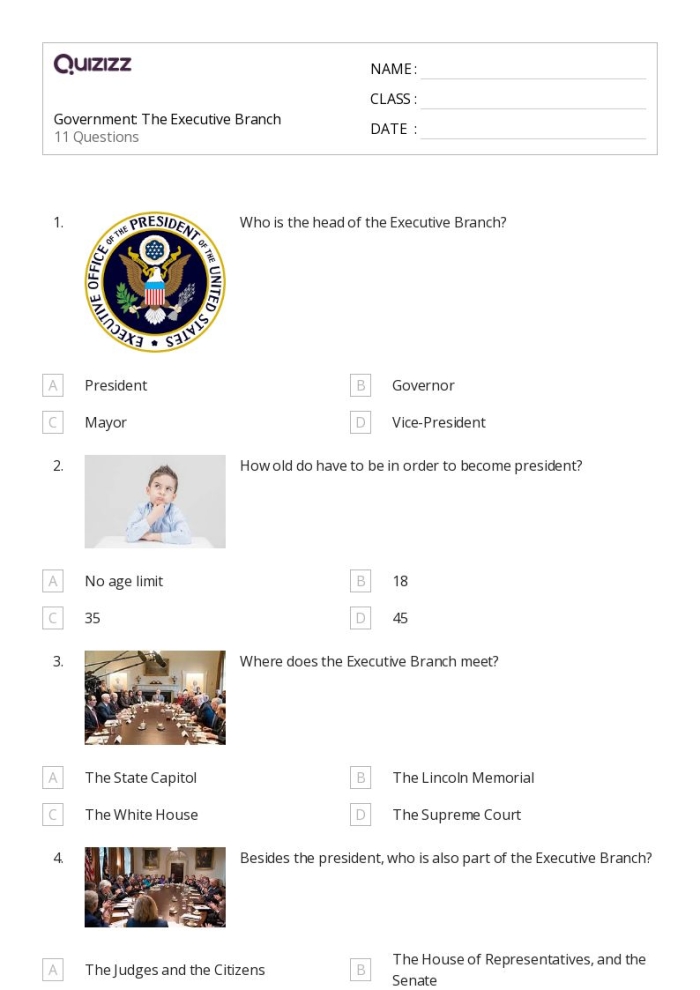
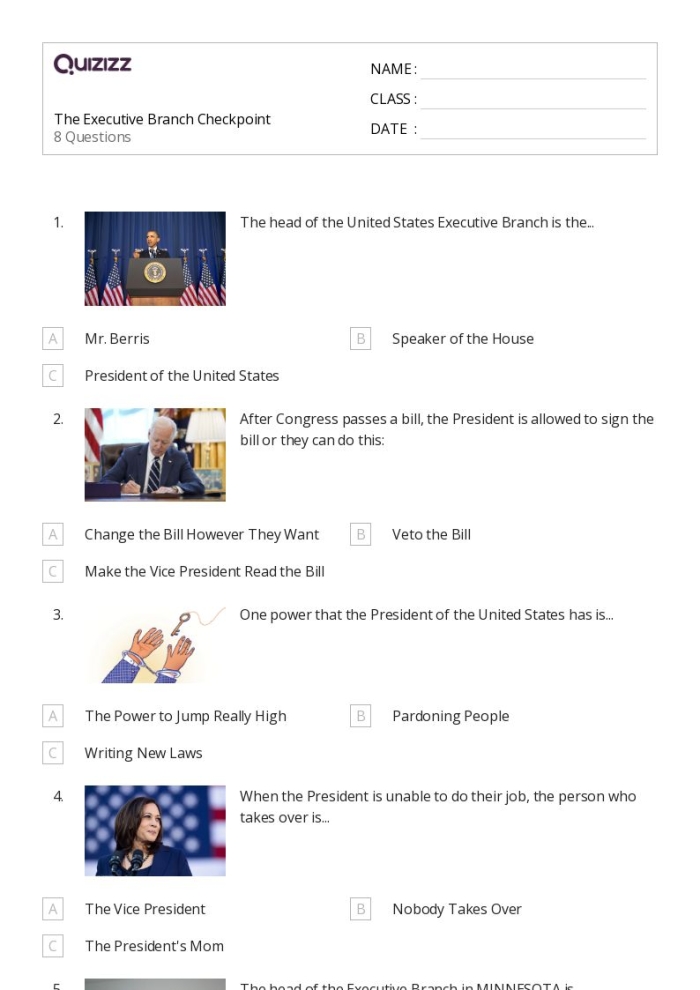
Understanding how the executive branch operates gives students a foundation for comprehending American government. A graphic organizer designed for sixth grade reading and social studies helps break down the complex structure and responsibilities of this crucial branch into manageable pieces.
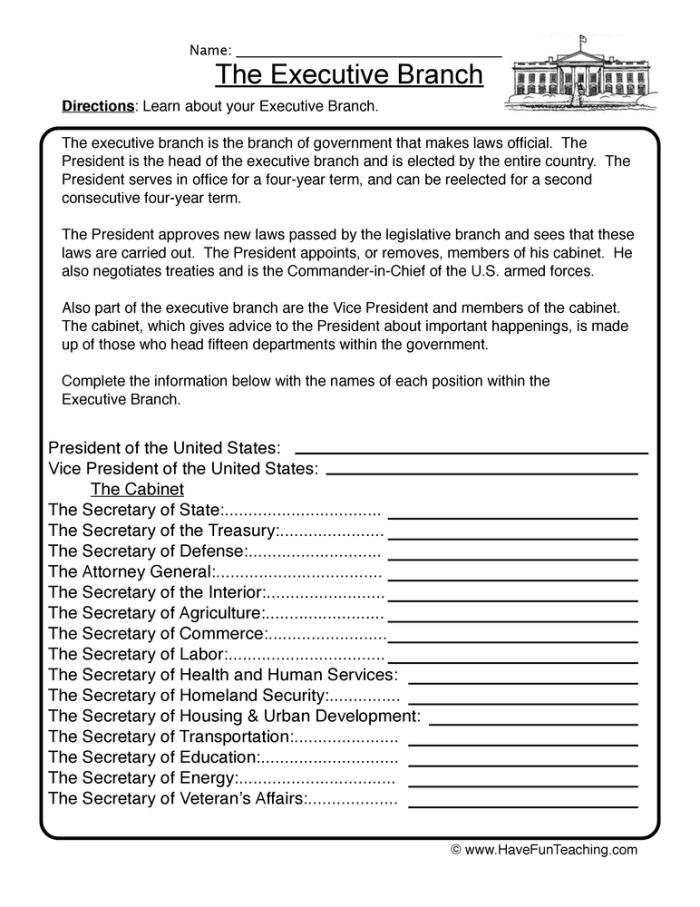
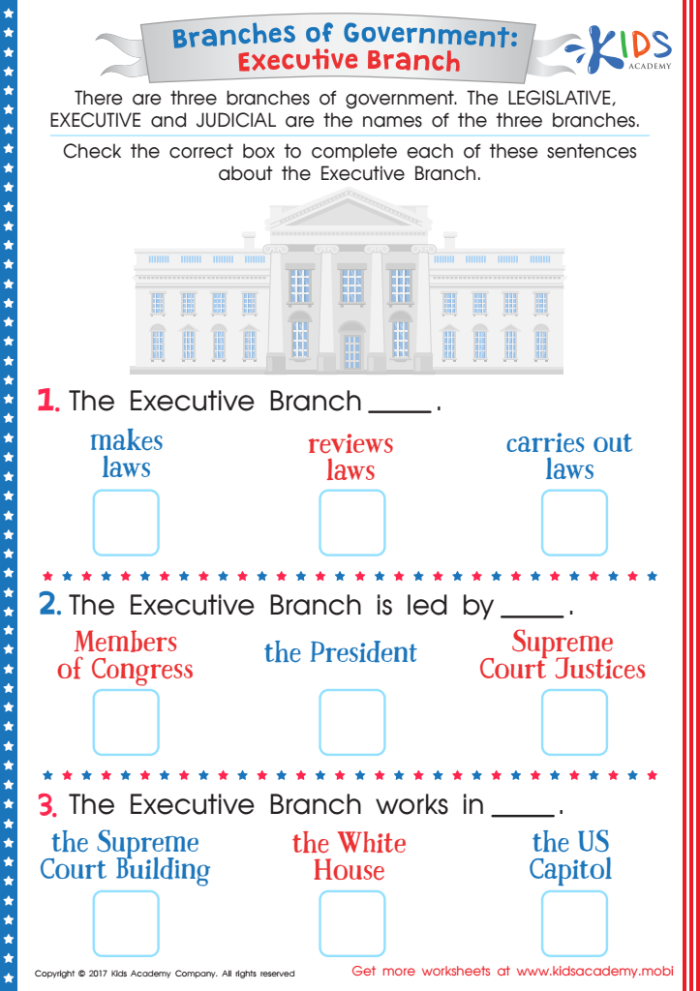
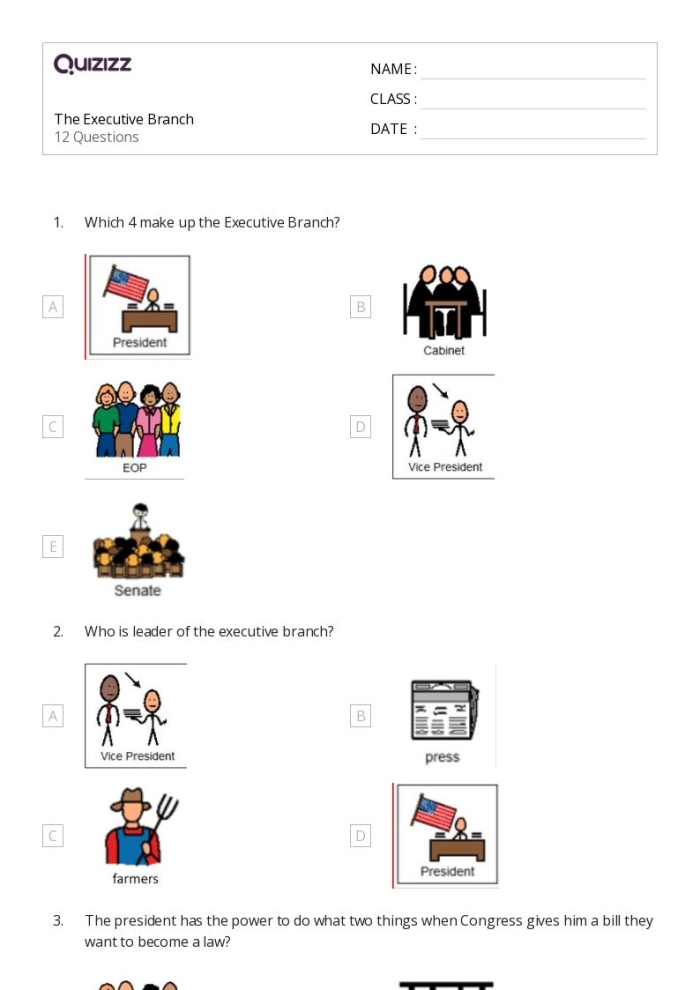
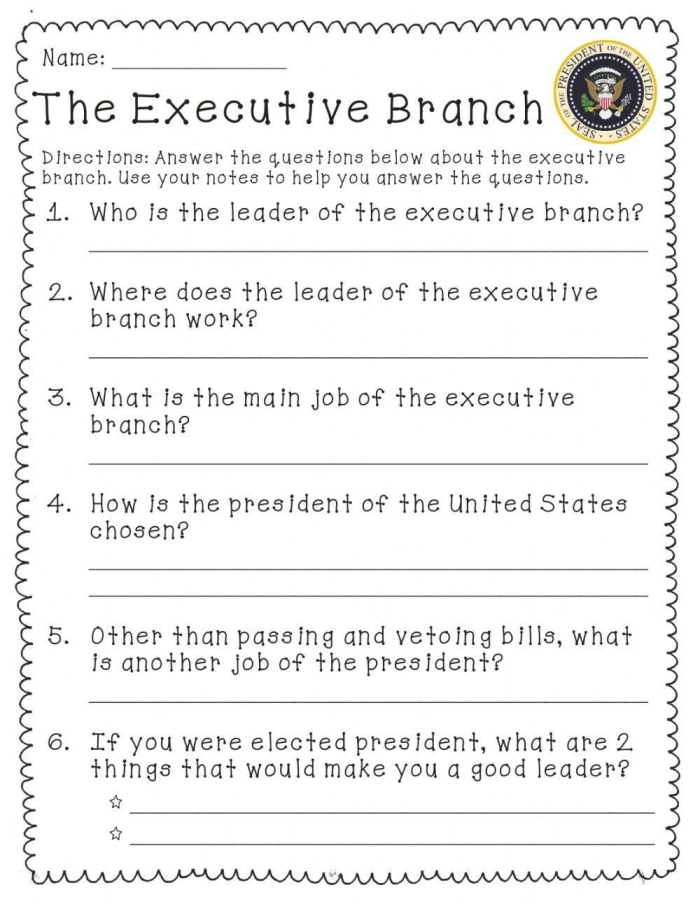
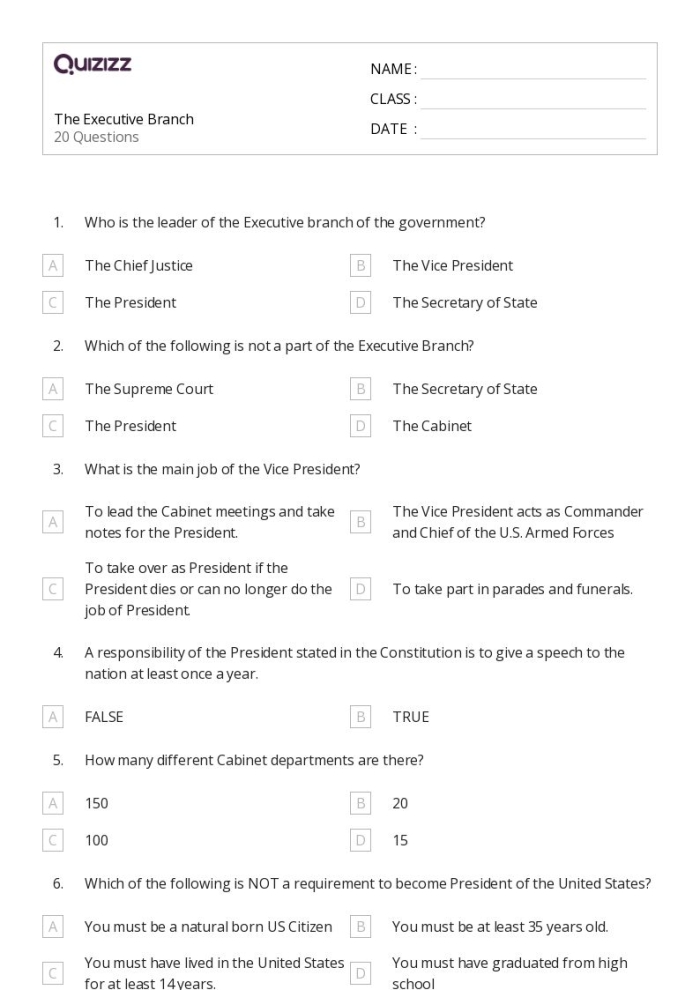
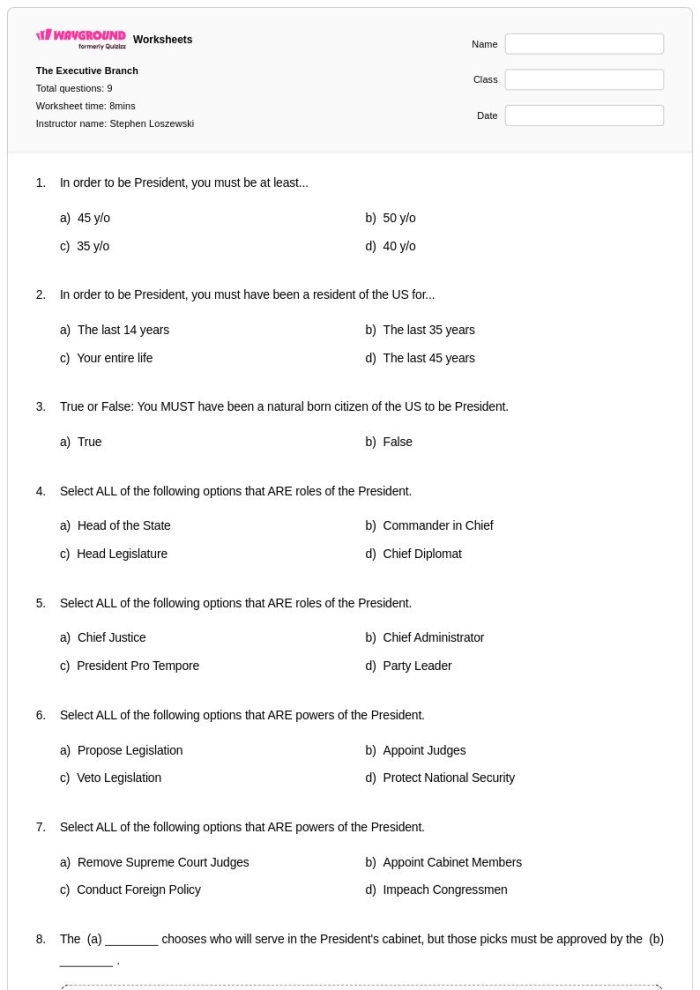
The executive branch, headed by the President, enforces laws that Congress passes. This means the President doesn’t create laws but ensures they get carried out across the country. The President also serves as commander-in-chief of the military, negotiates with foreign countries, and appoints federal judges and cabinet members. These responsibilities affect nearly every aspect of American life, from national defense to environmental protection.
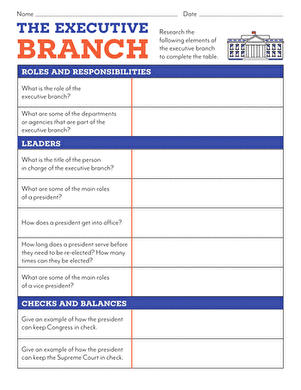
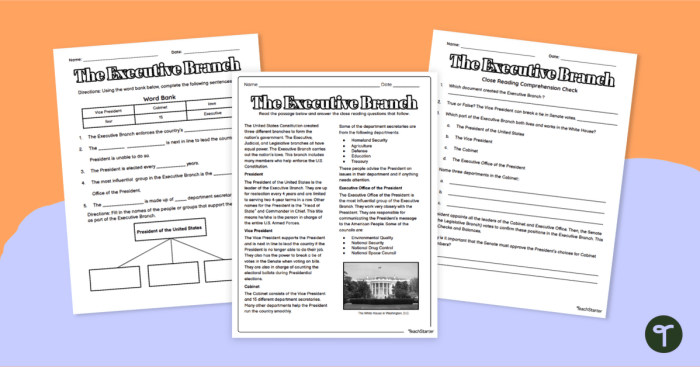
A well-designed graphic organizer helps sixth grade students visualize how the executive branch connects to the other two branches of government. By mapping out the President’s powers, the cabinet departments, and federal agencies, students can see relationships they might otherwise miss. The organizer shows that the executive branch isn’t just one person making decisions alone but rather a network of departments and officials working together.
When students work through an organizer about the executive branch, they’re building skills they’ll use across other subjects. The same organizational thinking applies to analyzing historical events, like understanding the causes and outcomes of major conflicts, or structuring their own writing. Many teachers pair this activity with reading about historical conflicts to show how government decisions shape history.
Using a graphic organizer makes the executive branch concrete rather than abstract. Students can identify specific agencies, understand the chain of command, and recognize why checks and balances matter. This hands-on approach to social studies helps information stick better than reading alone.
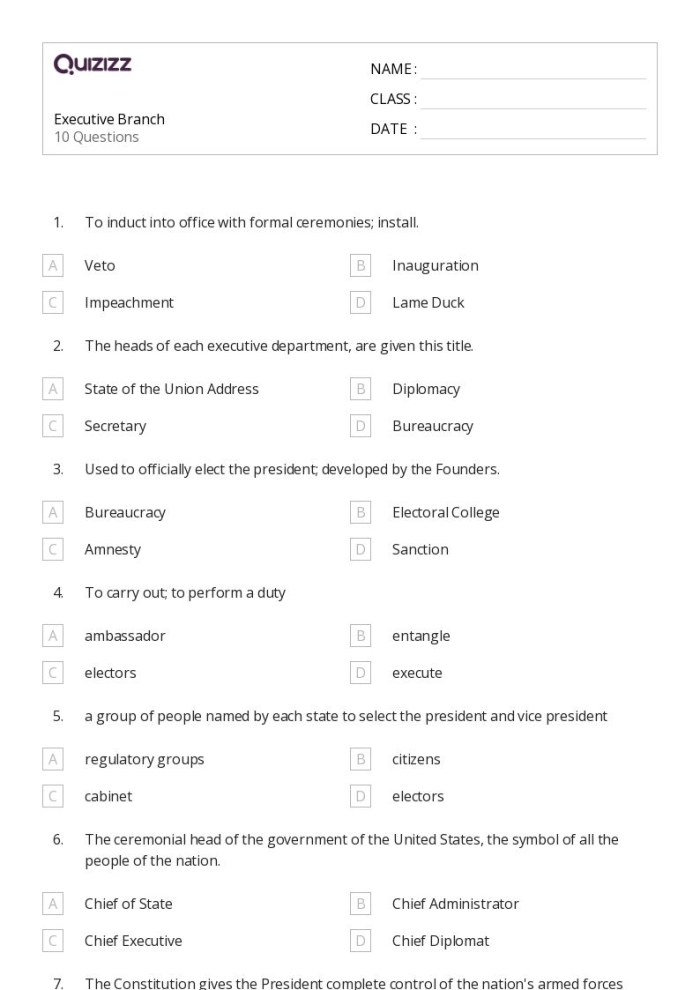
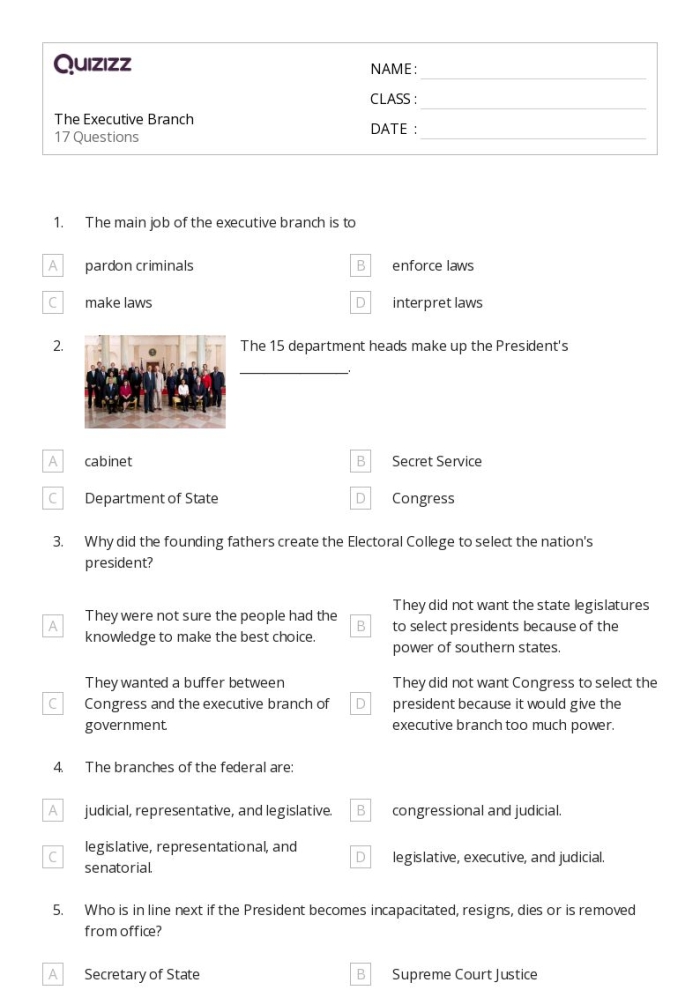
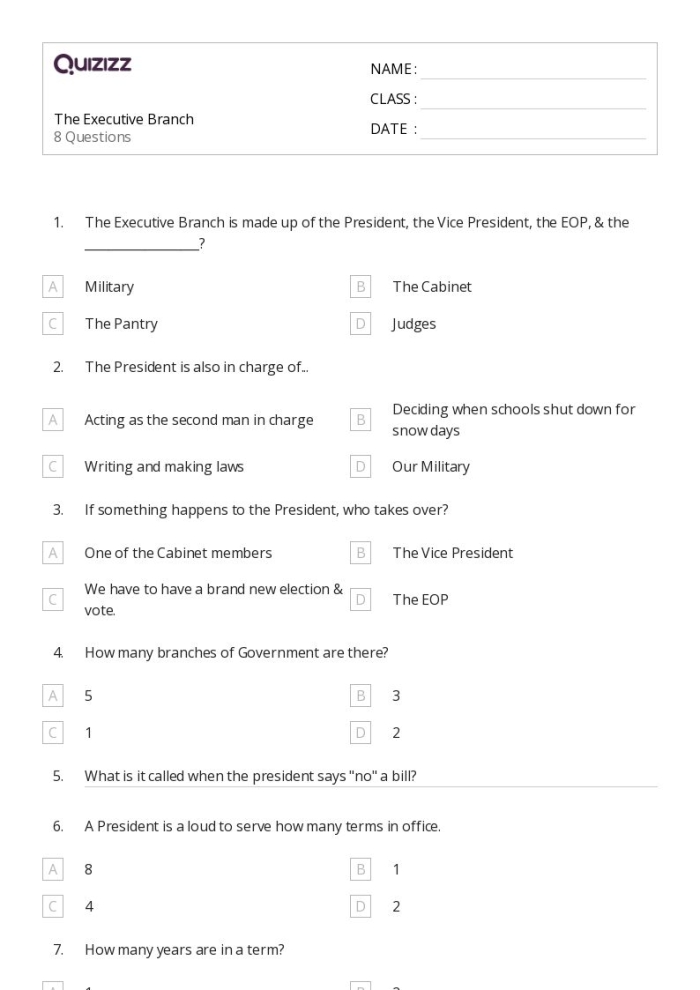
Practice with These Worksheets