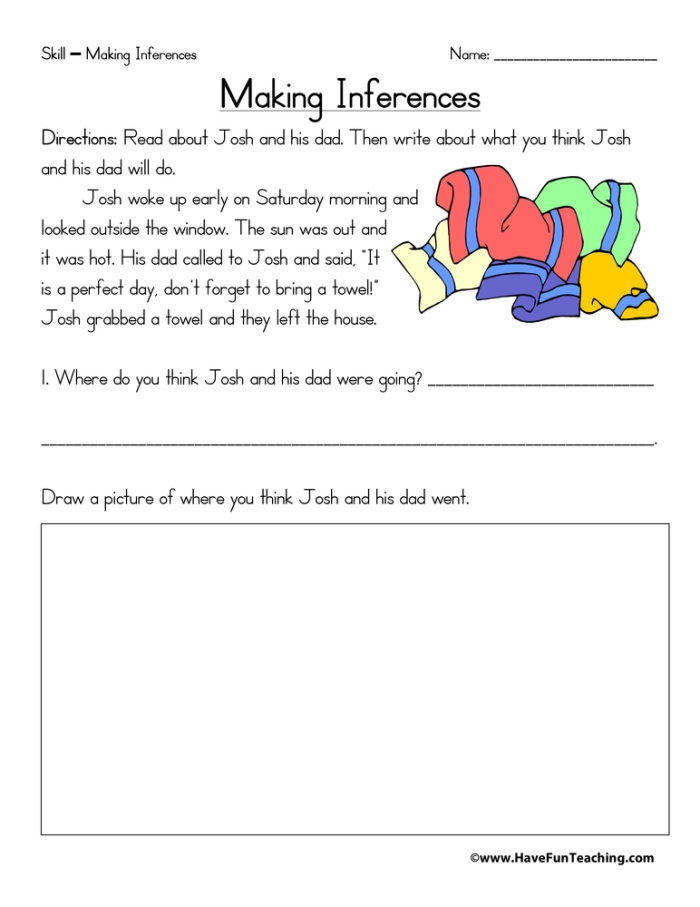
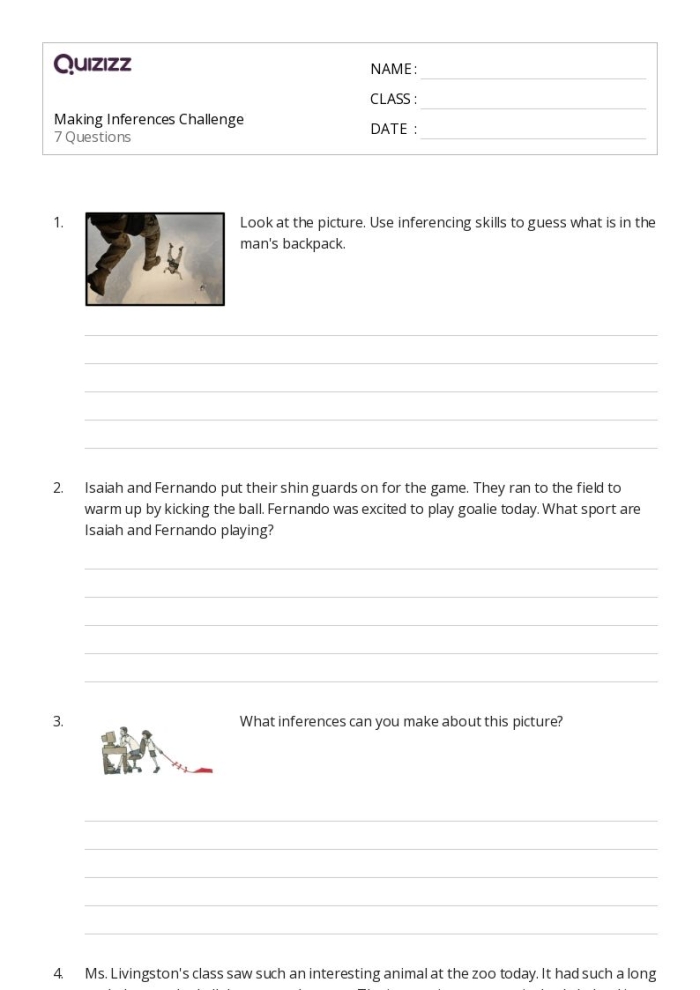
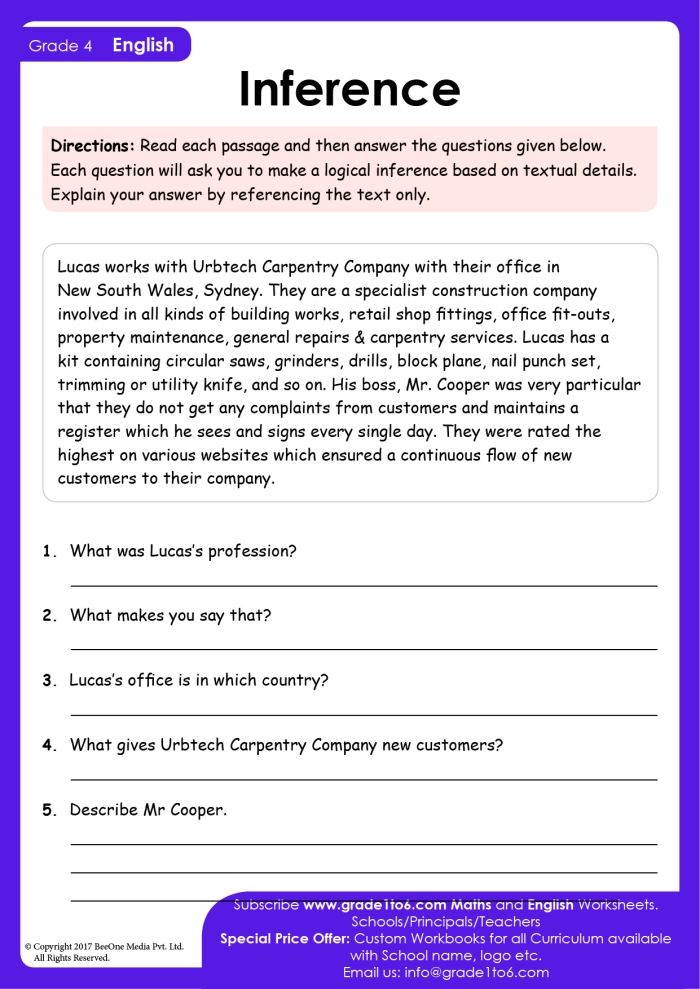
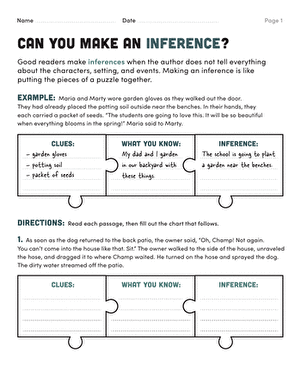
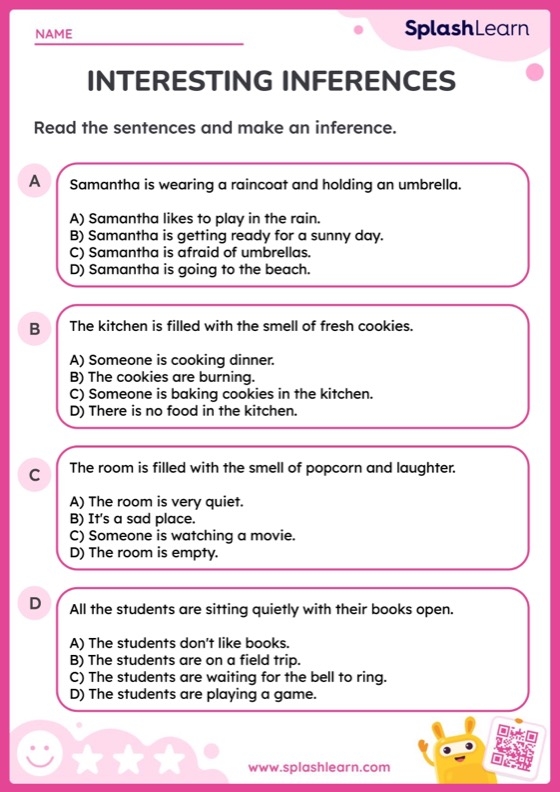
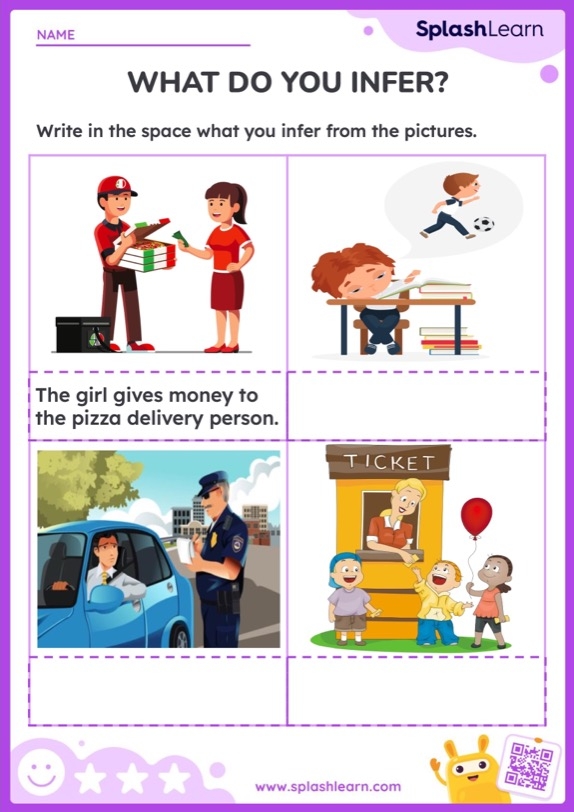
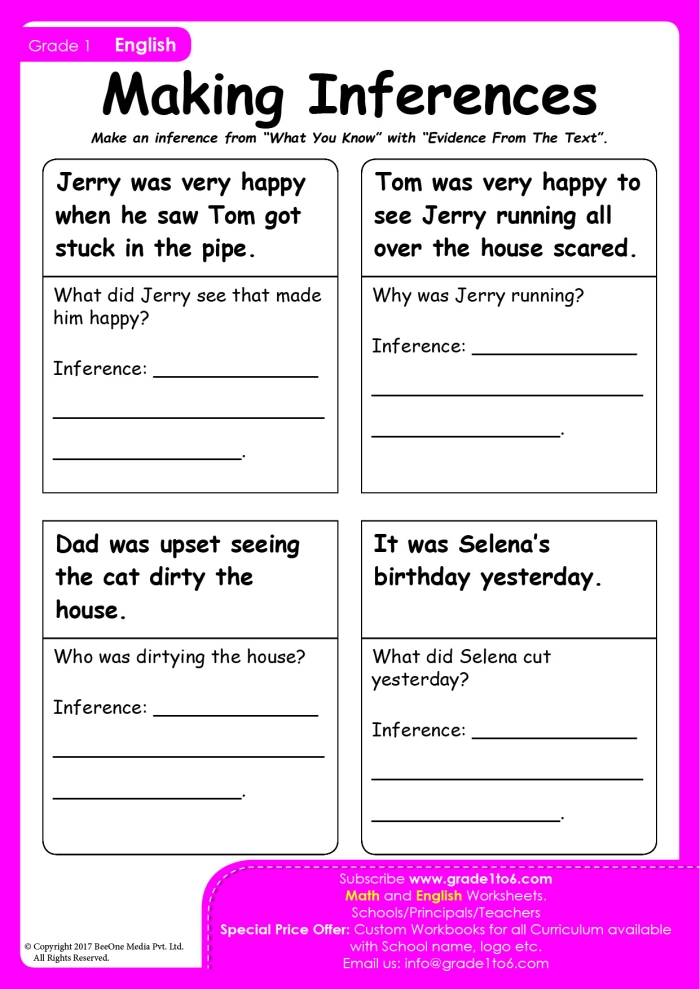
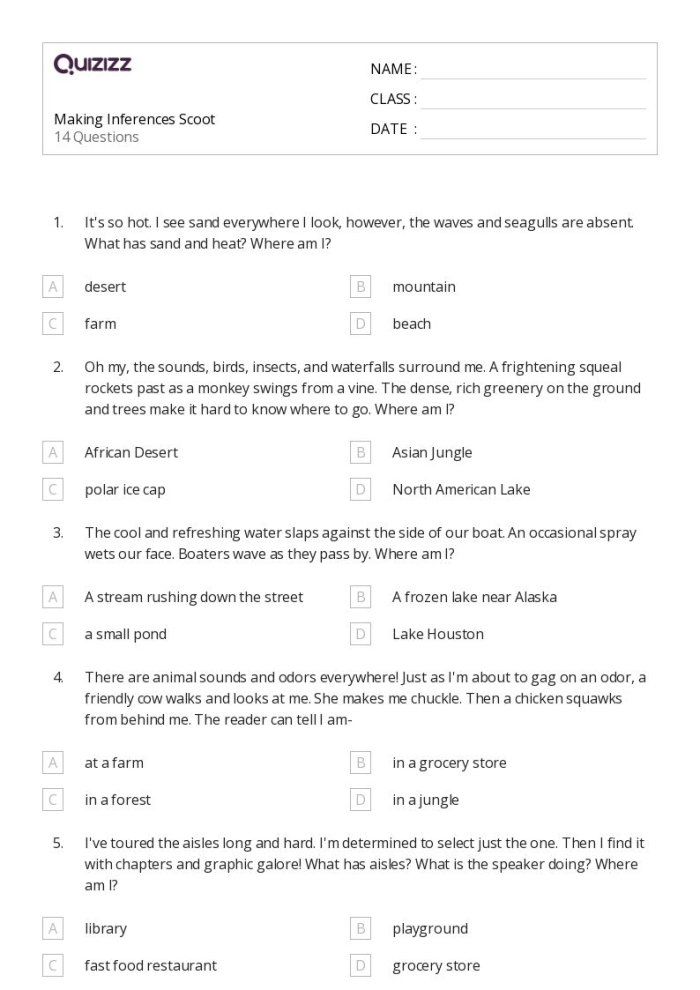
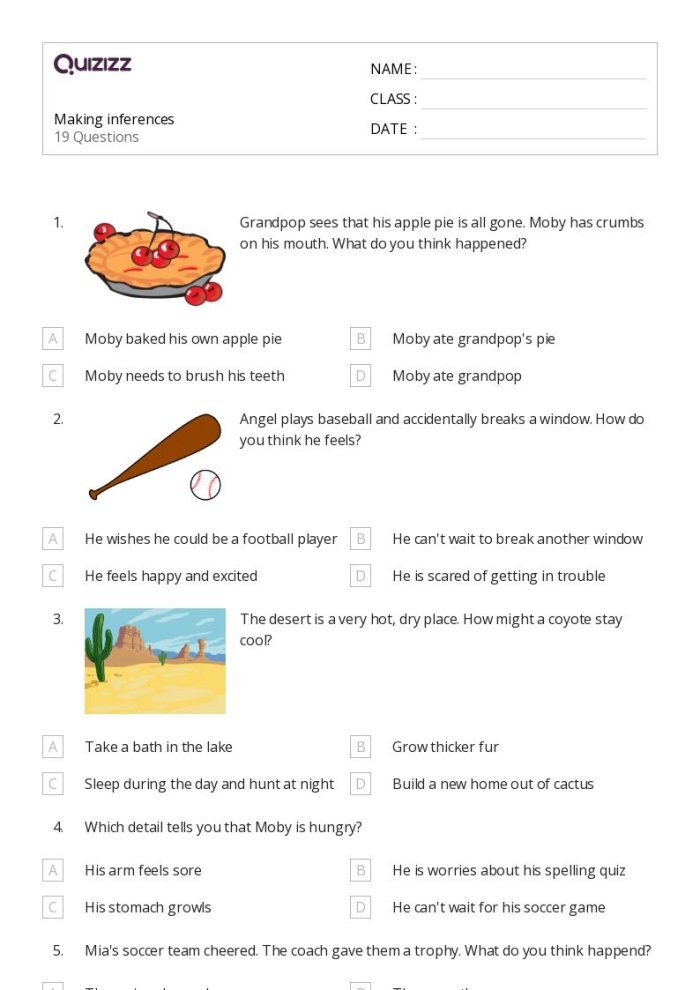
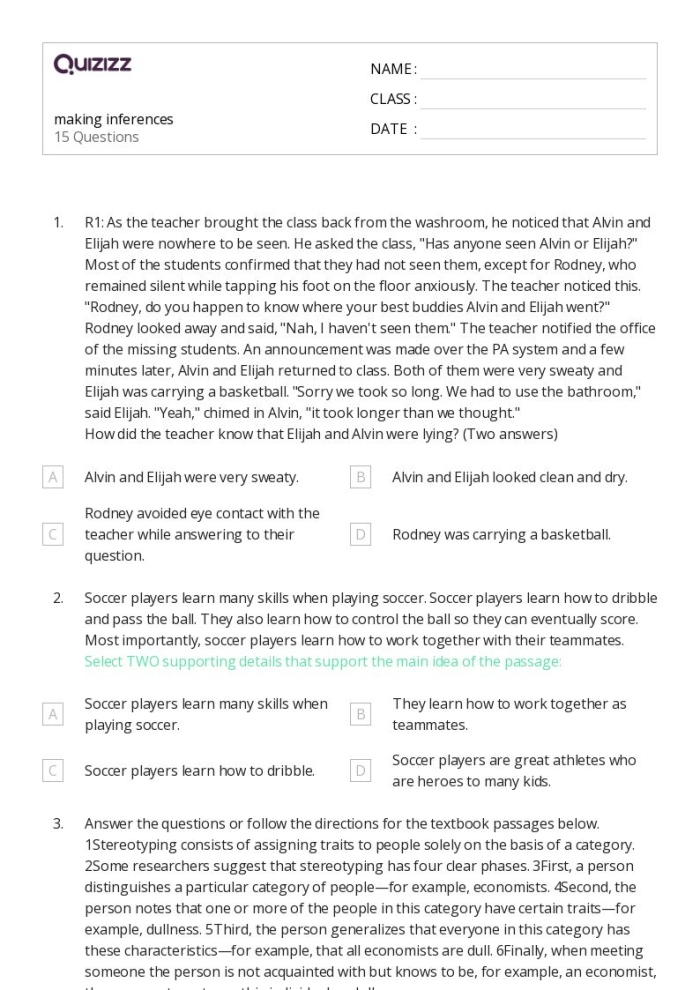
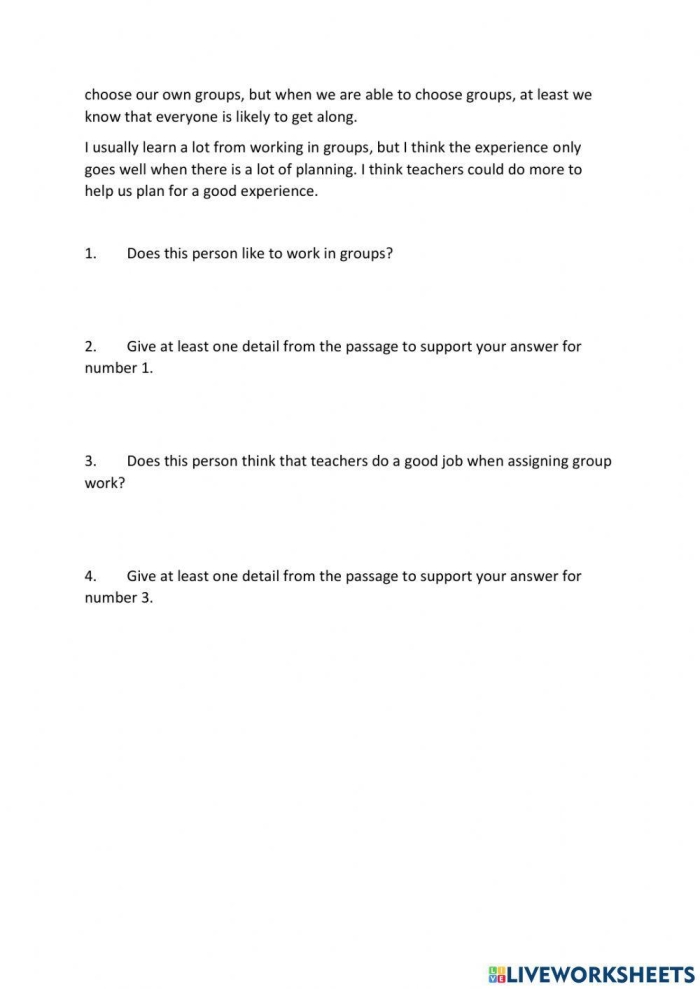
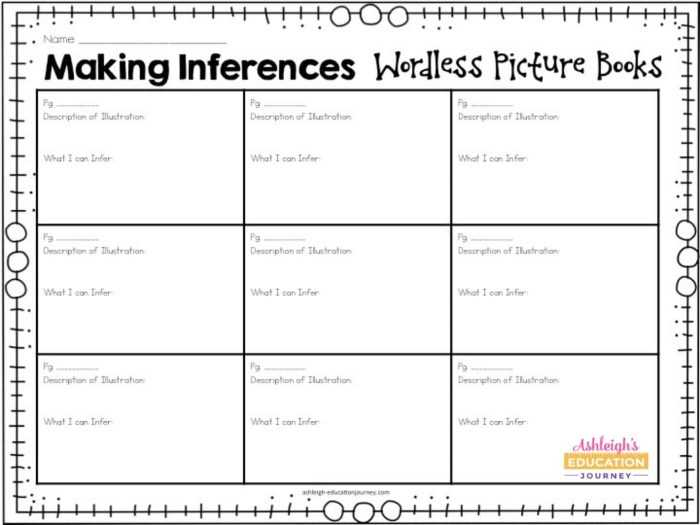
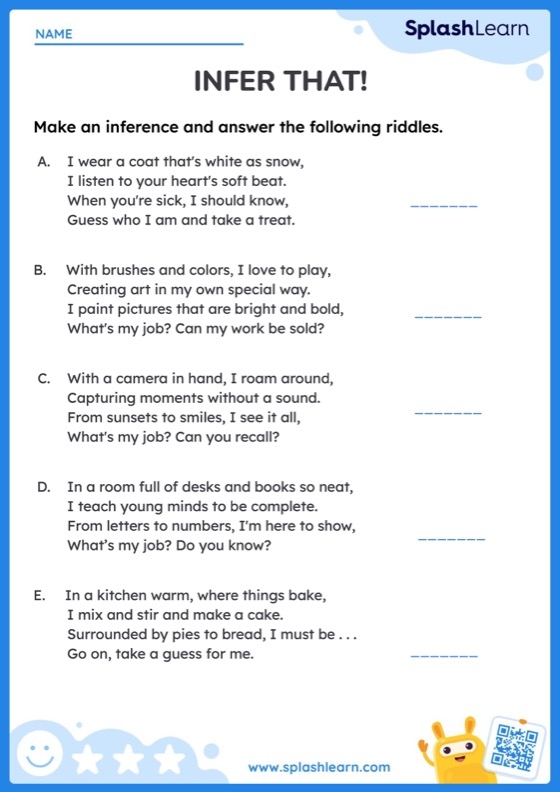
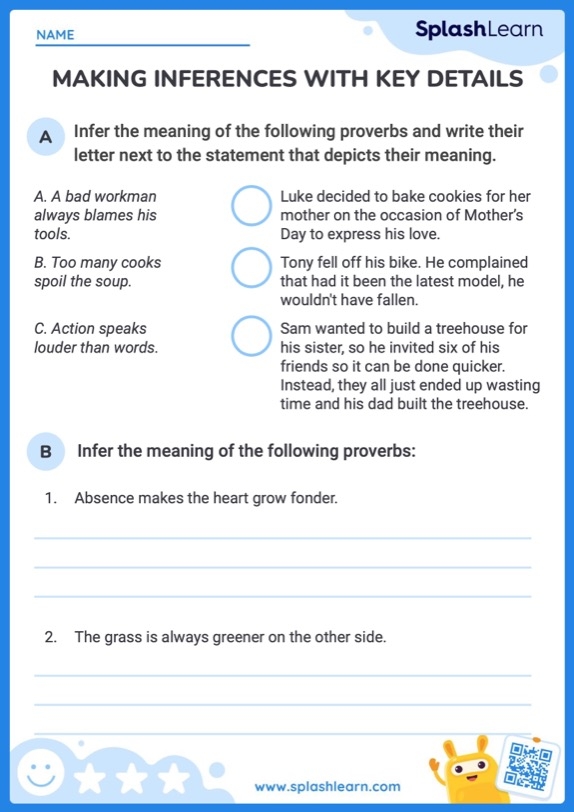
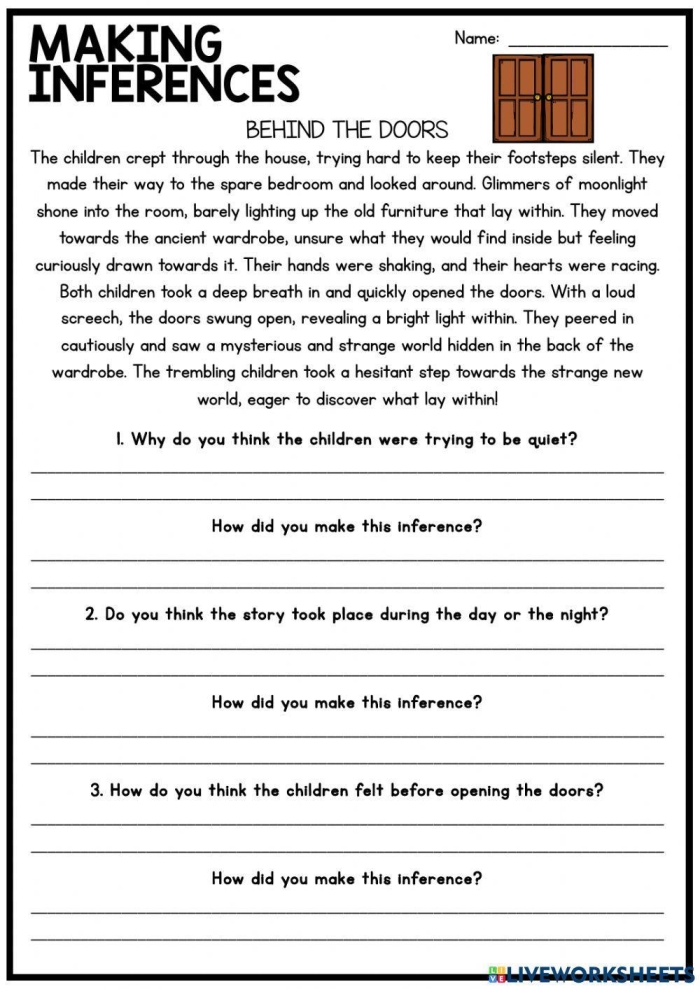
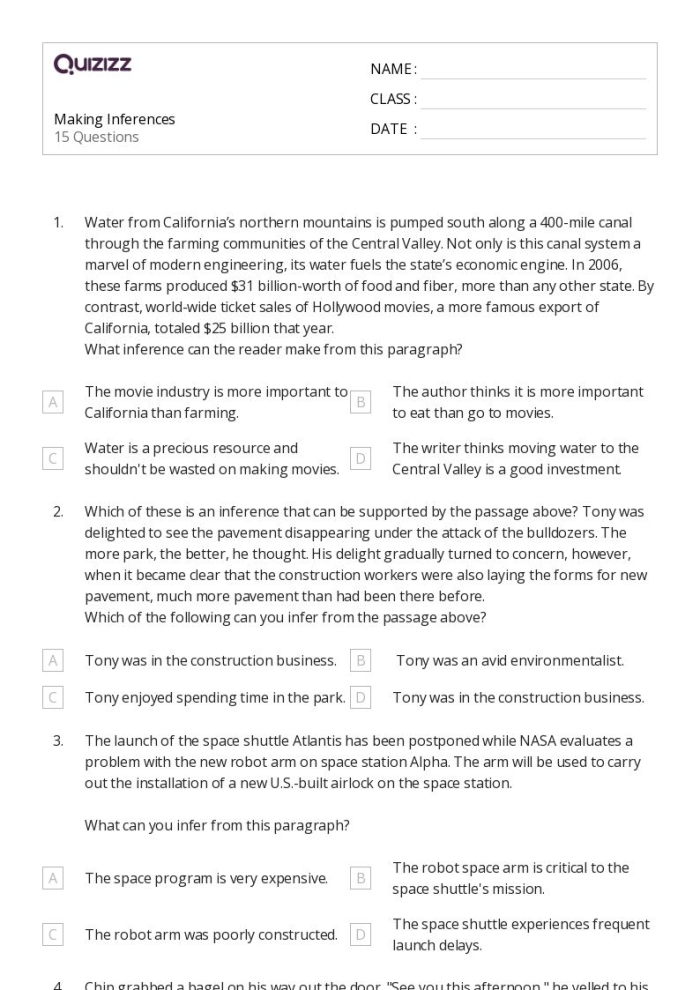
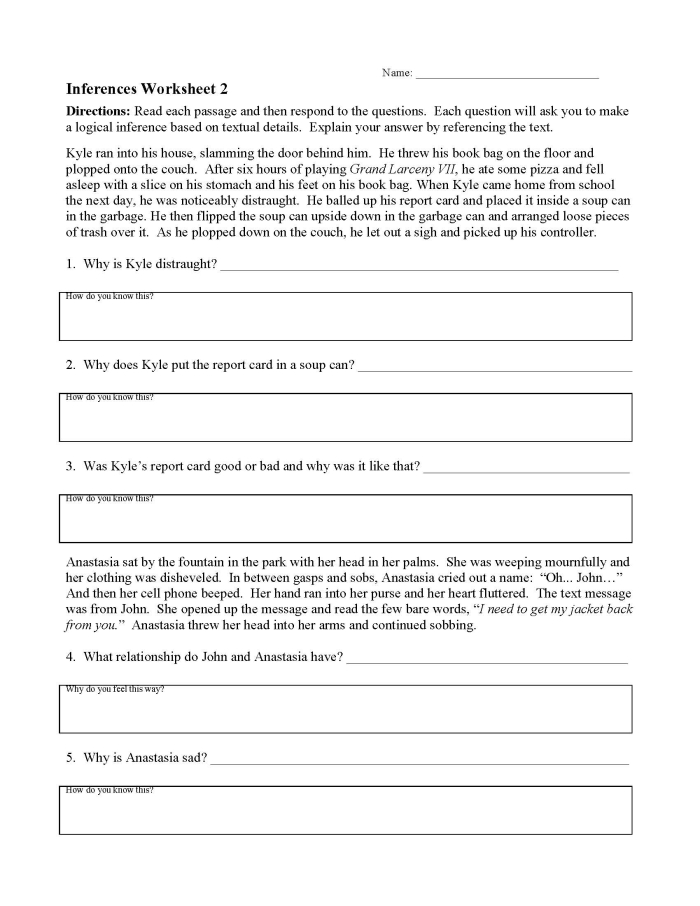
Teaching third grade students to read between the lines is one of the most valuable skills they can develop. When students practice making inferences about the characters, setting, and events based on clues in the passage, they move beyond simply understanding what words say to grasping what they mean. This shift transforms reading from a mechanical task into genuine comprehension.
Inference work requires students to connect dots. A passage might never explicitly state that a character is nervous, but careful readers notice the clues: trembling hands, rapid speech, avoiding eye contact. Third graders learn to gather these details and draw reasonable conclusions. This skill applies directly to word problems they encounter in math as well. When solving two-step addition and subtraction word problems, students must infer what operation to use based on language clues like “altogether,” “left,” or “more than.”
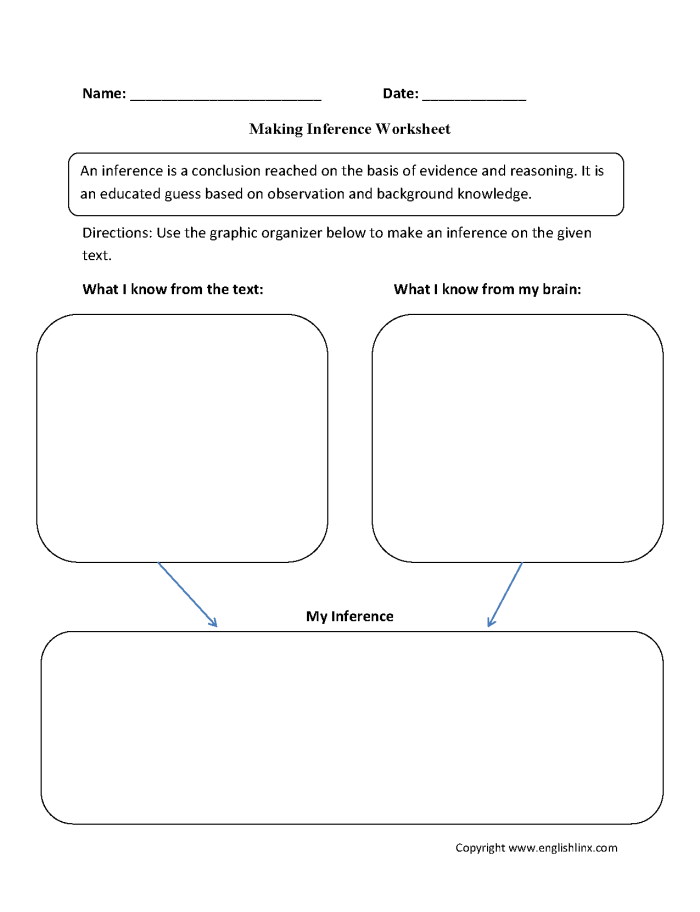
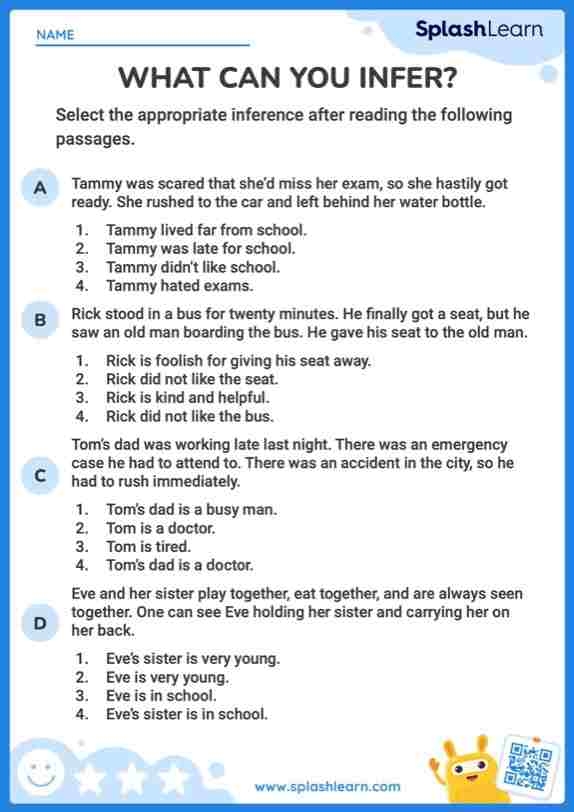
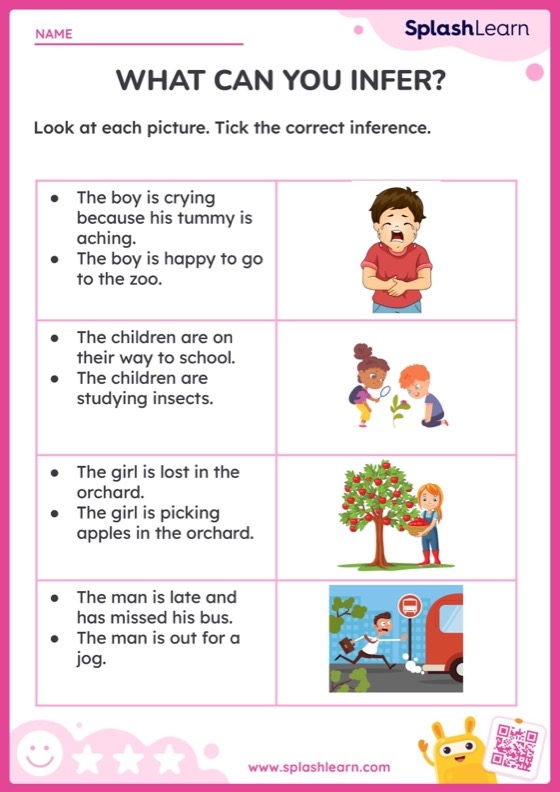
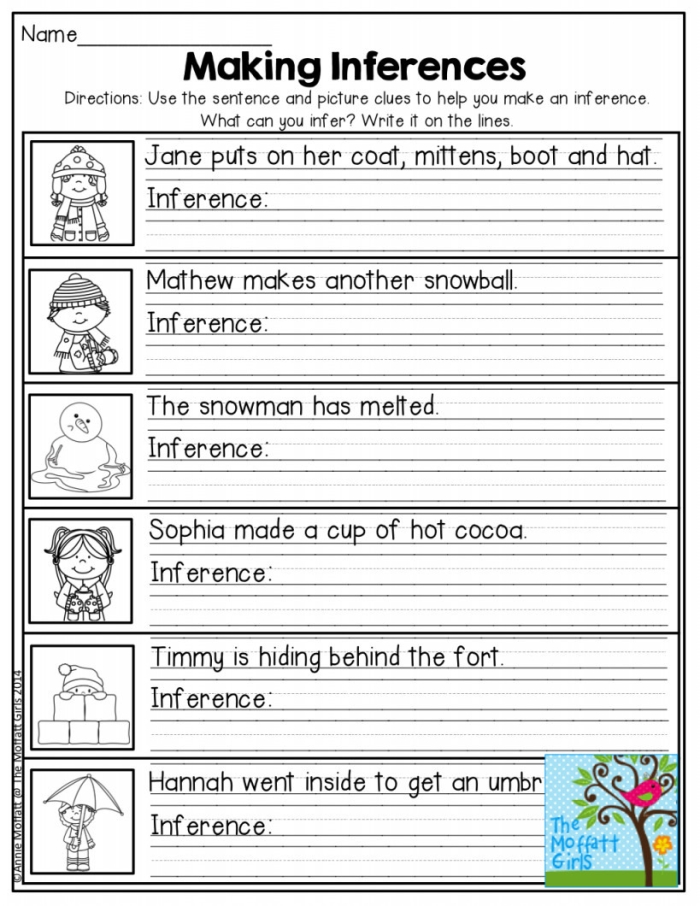
The process works like this: students read a short passage and identify specific evidence. They ask themselves what that evidence suggests about a character’s feelings, why the setting matters to the story, or what will happen next based on current events. This analytical thinking strengthens their ability to work with complex problems, including those involving two-digit addition and subtraction word problems where context determines the correct approach.
Inference practice extends across subjects. In science, students infer animal behavior from habitat clues. In social studies, they infer historical circumstances from primary sources. The skill becomes portable. Third graders who master inference with narrative texts apply the same thinking to multi-step addition and multiplication word problems about sea creatures, where they must infer relationships between quantities.
Starting with accessible passages and clear evidence trails helps students build confidence. Gradually, teachers can introduce more subtle clues and complex scenarios. Students learn that reading involves active thinking, prediction, and reasoning. Whether they’re analyzing a character’s motivation or determining how to add three-digit numbers, inference becomes their tool for making sense of new information.
Printable Worksheets for Practice