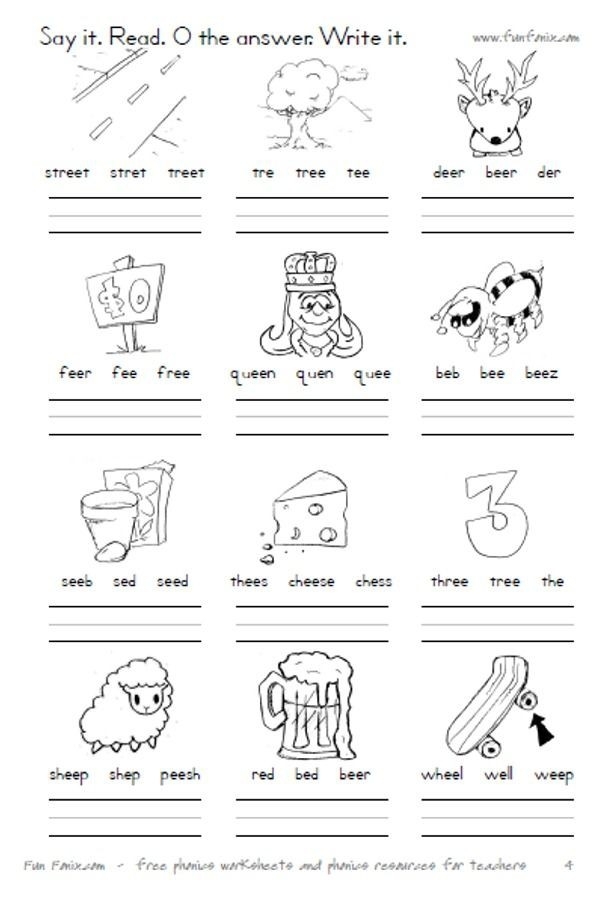
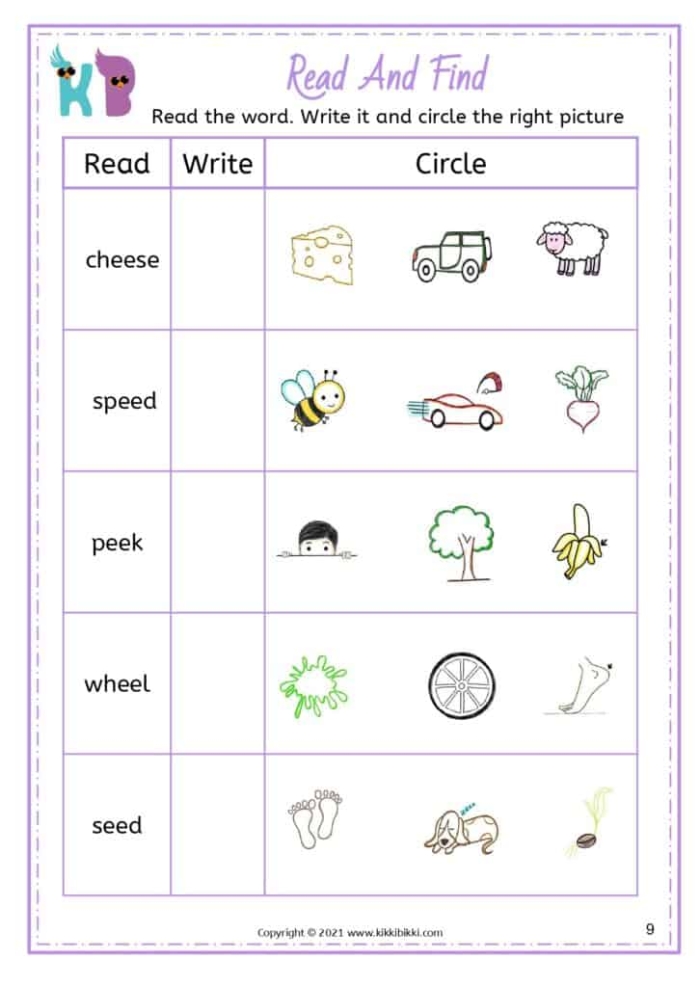
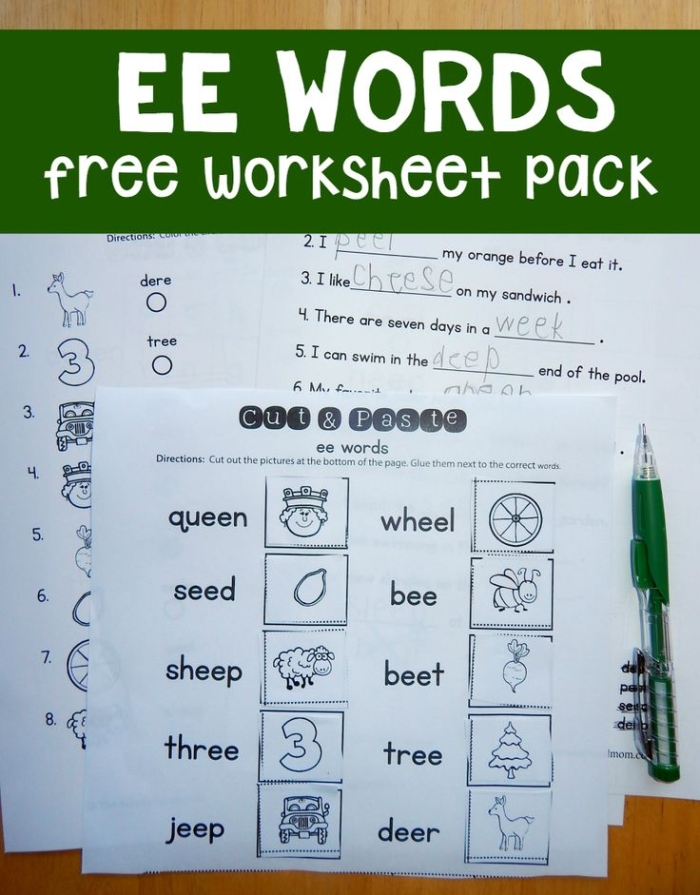
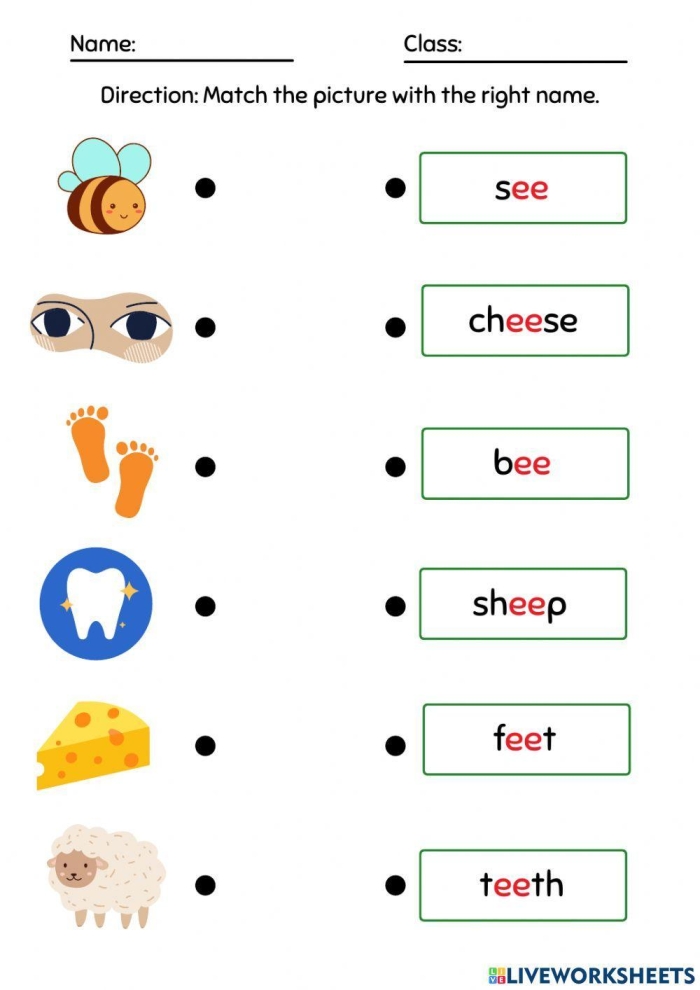
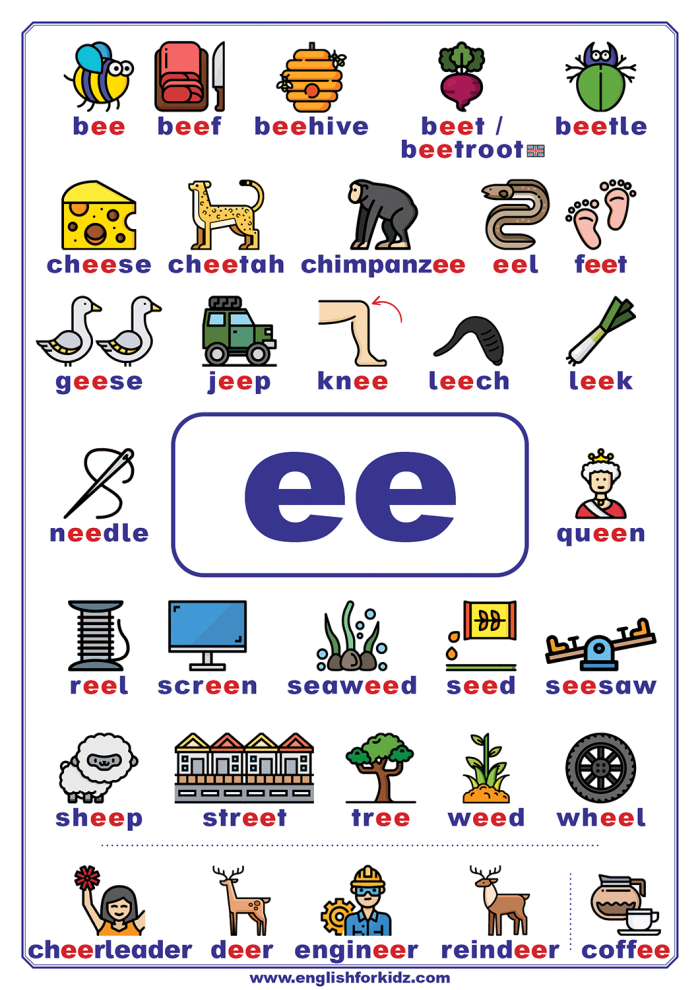
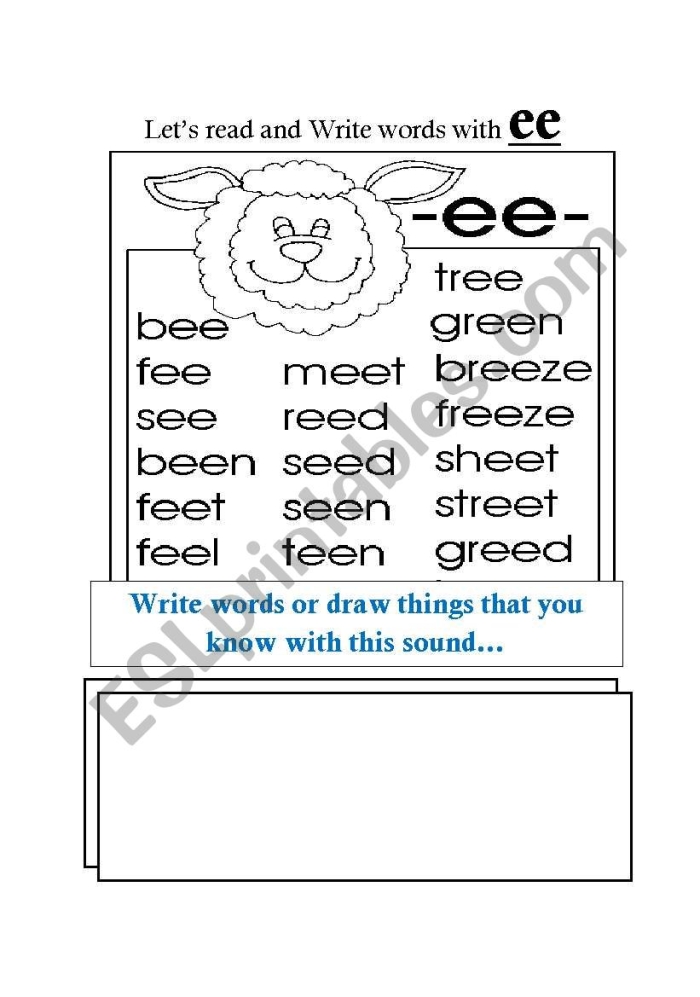
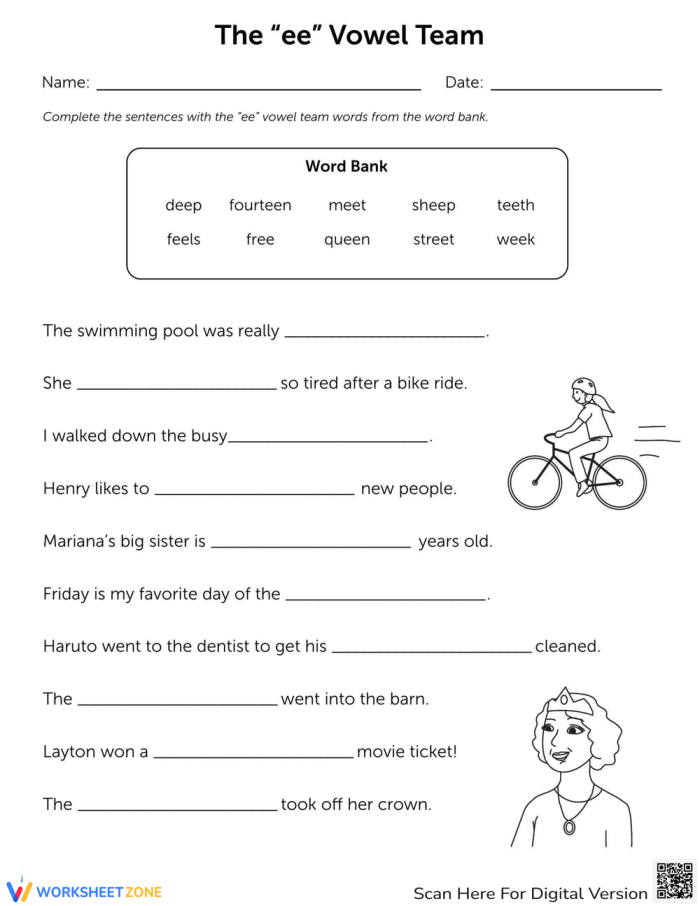
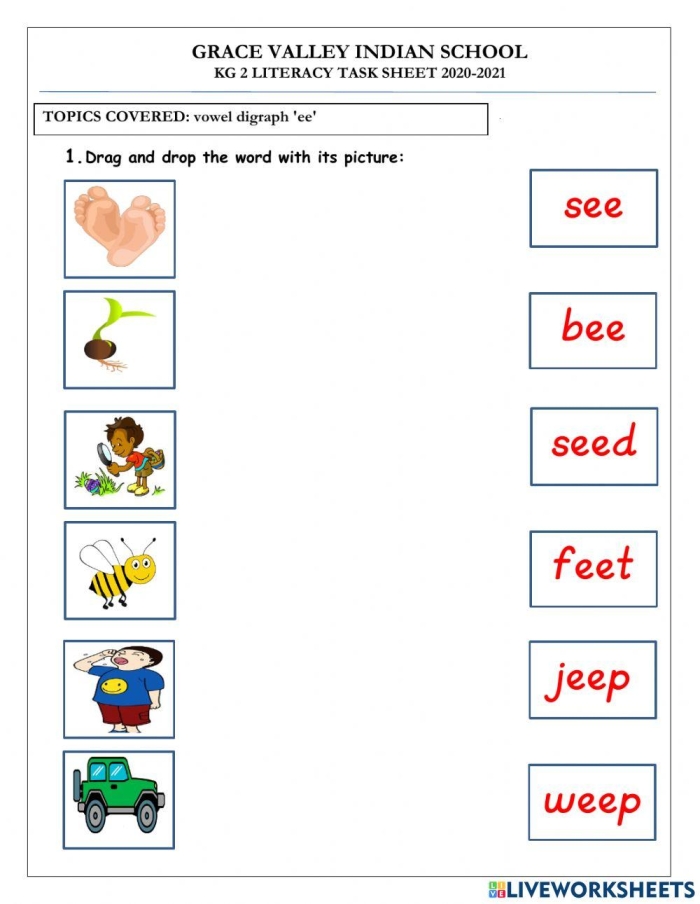
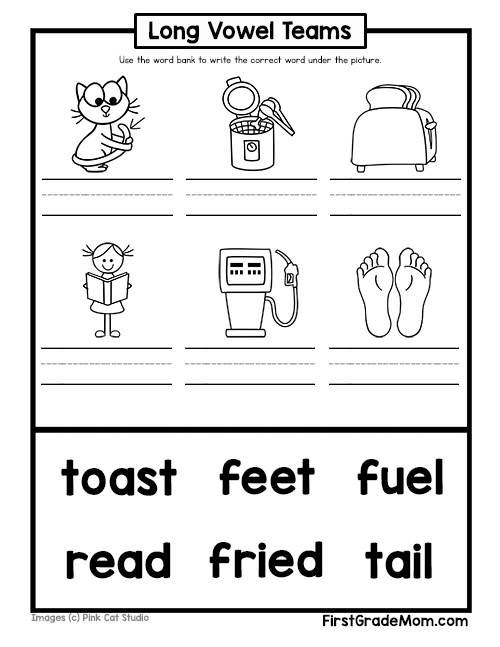
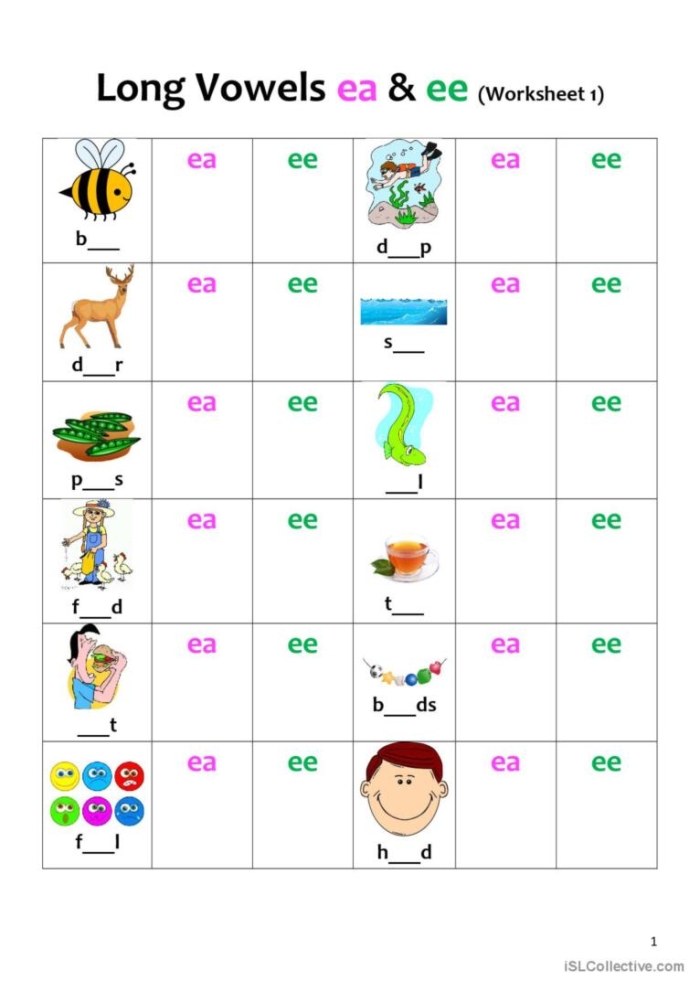
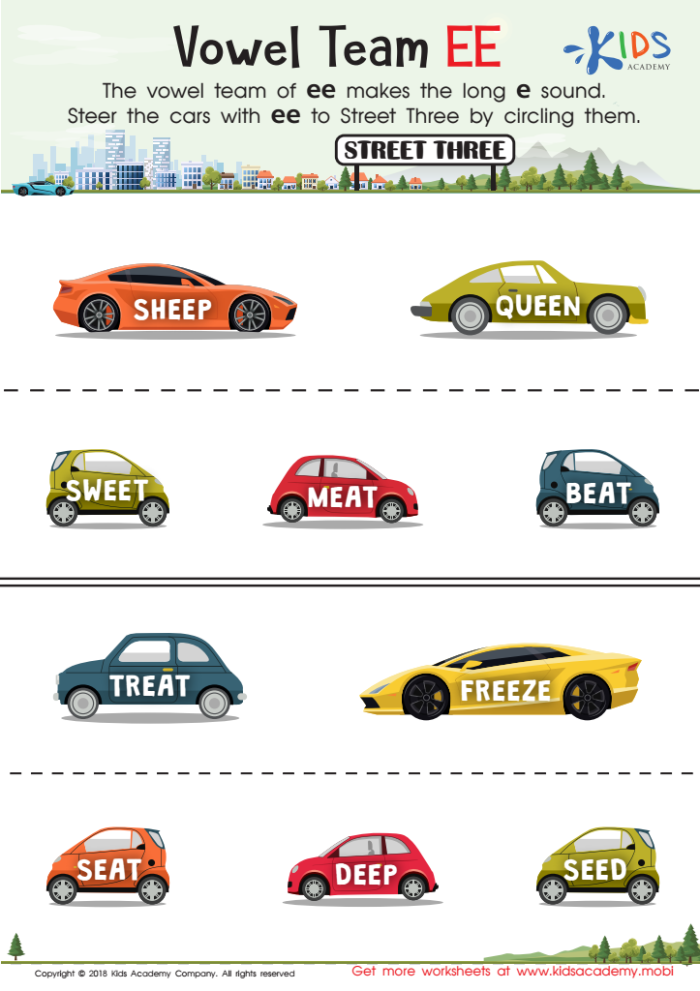
The “ee” vowel team appears frequently in second grade reading materials, and students who master this pattern unlock dozens of common words. This review activity focuses on helping learners recognize and use “ee” words with confidence through context clues and word bank support.
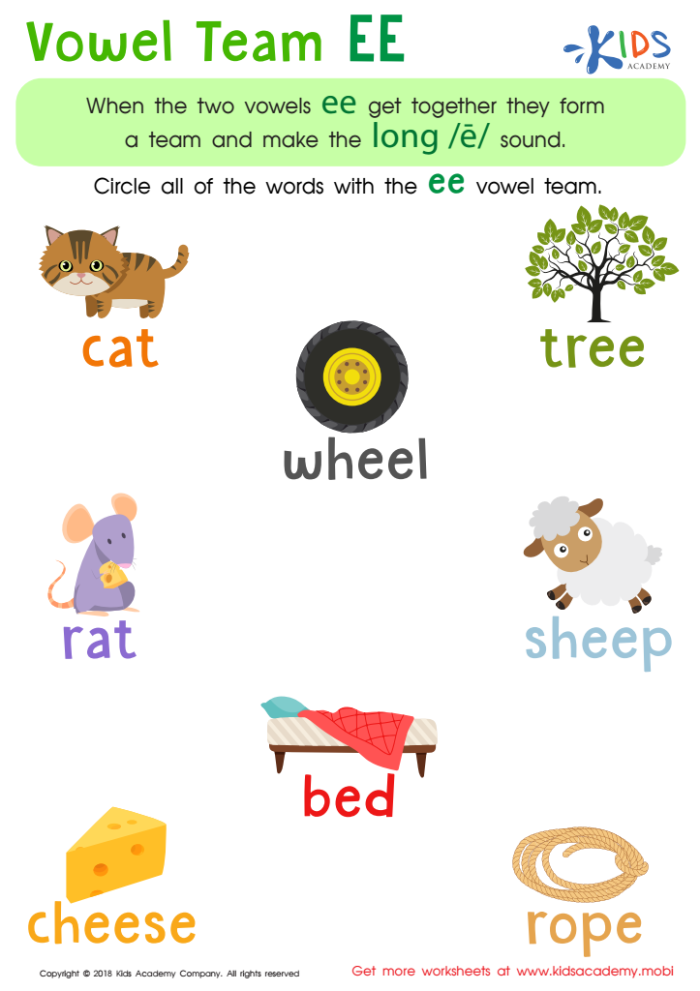
When students encounter the “ee” pattern, they’re learning one of the most reliable vowel combinations in English. Words like “bee,” “tree,” “sleep,” and “queen” all follow the same rule: two e’s together make the long “ee” sound. This consistency makes “ee” an ideal starting point for vowel team instruction in second grade.
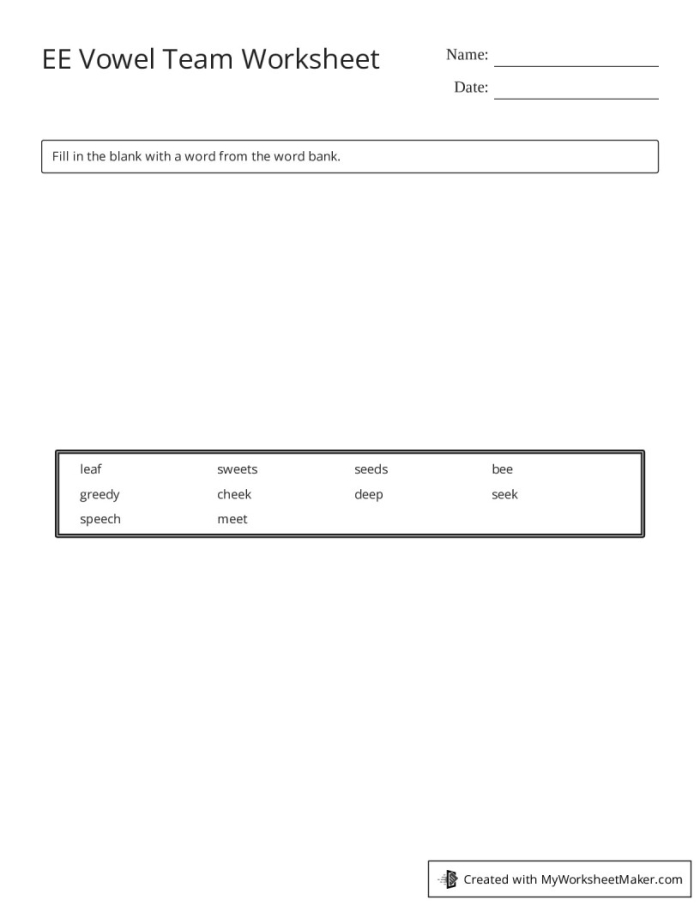
The worksheet approach combines two powerful learning strategies. Context clues teach students to use surrounding words and sentence meaning to determine which “ee” word fits a blank. A word bank removes the pressure of spelling from memory, allowing learners to focus on comprehension and word choice. This scaffolded approach works well for second graders who are still building both reading fluency and confidence.
Students benefit from practicing with familiar contexts. Sentences about everyday situations, animals, or activities make the words stick better than isolated drills. When a child reads “I like to play at the ___” and sees “park,” “tree,” and “beach” in the word bank, they’re practicing real reading decisions.
This type of practice pairs naturally with other second grade skills. While working through “ee” words, students also strengthen their ability to read for meaning, which connects to broader literacy development. Teachers often combine vowel team practice with activities like telling time to five minutes or exploring fraction fundamentals to create balanced, comprehensive lessons.
The repetition inherent in context clue activities helps cement the “ee” pattern in long-term memory. Second graders who practice regularly begin recognizing these words automatically, freeing up mental energy for understanding what they read.
Hands-On Worksheet Activities