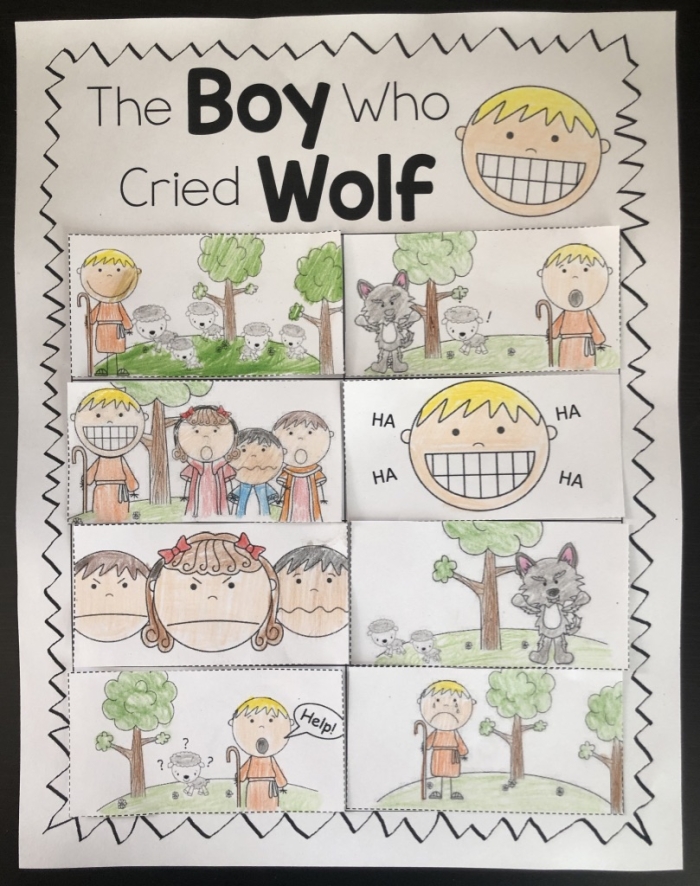
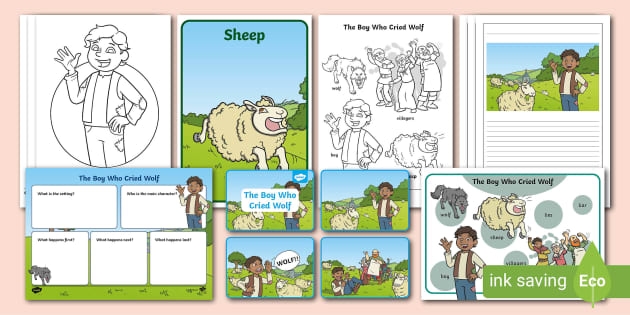
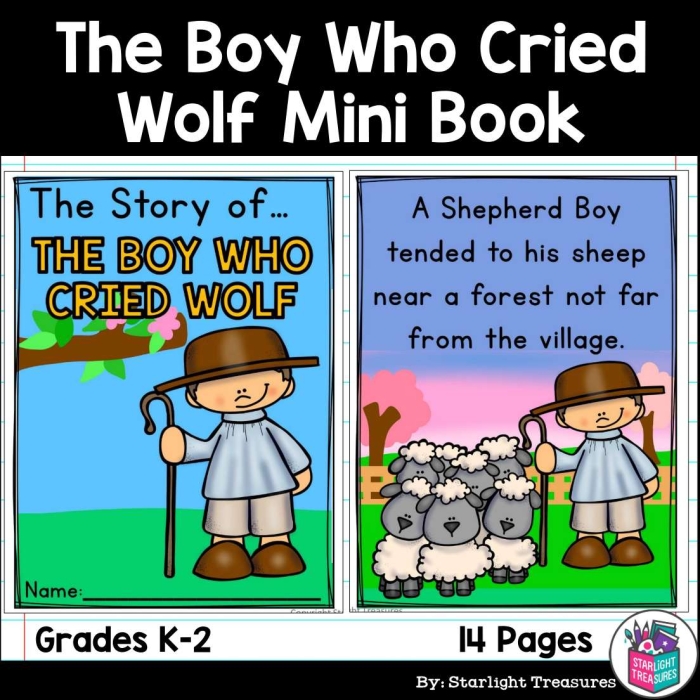
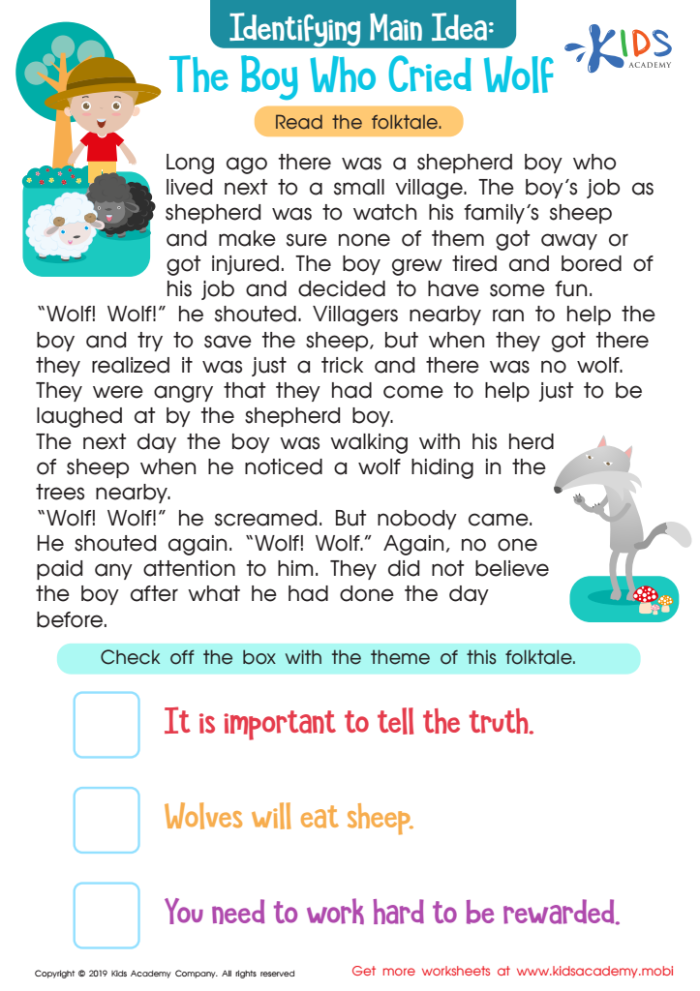
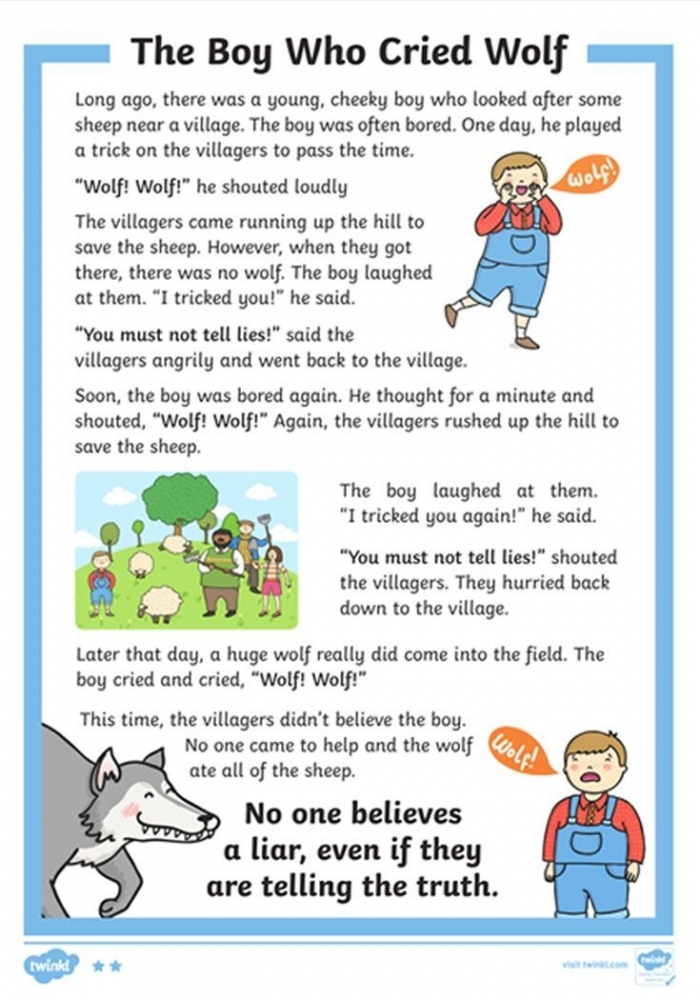
How well do you know your fables? The classic tale of The Boy Who Cried Wolf is a perfect story to engage young learners while also teaching a valuable lesson about honesty. But instead of simply reading it, why not mix up storytelling time by putting the story back in order? This interactive approach can make the experience more enjoyable and memorable for first graders.
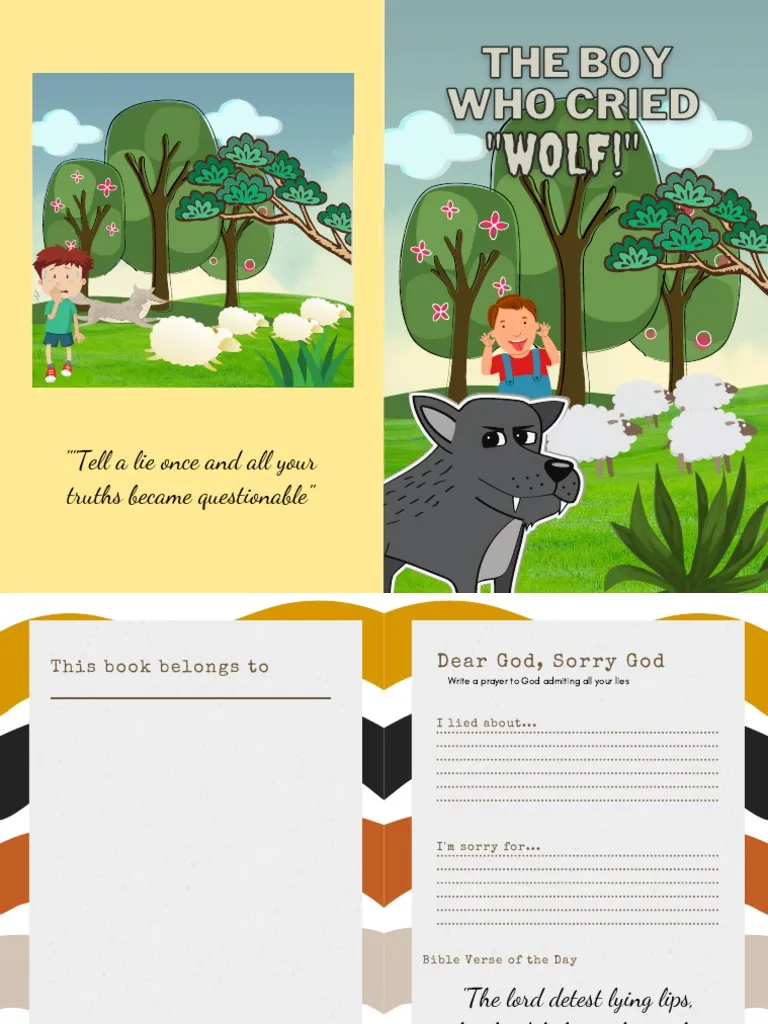
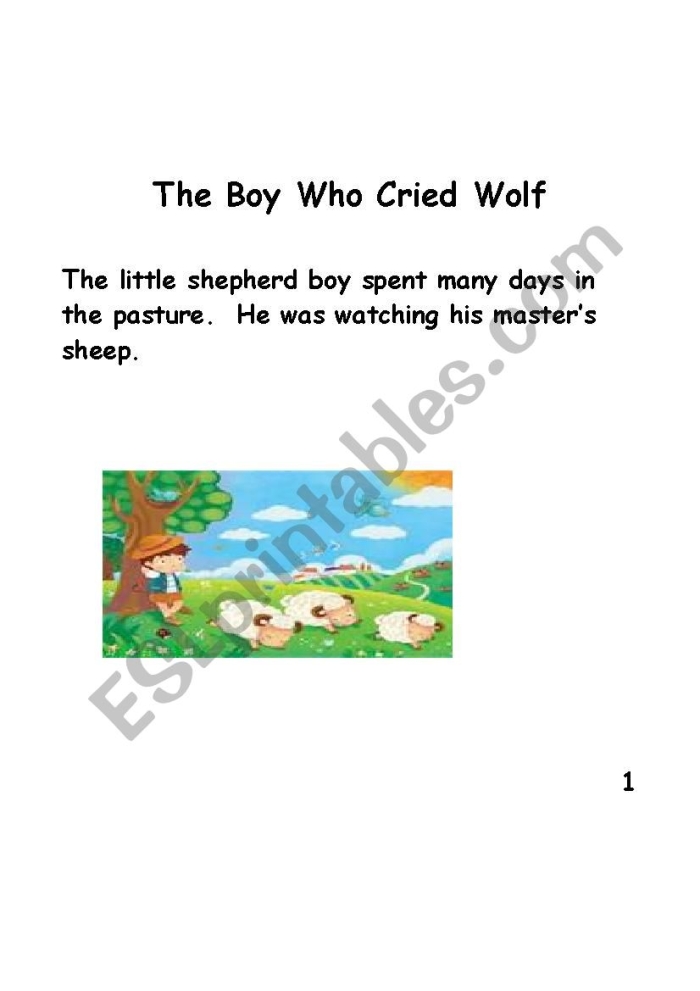
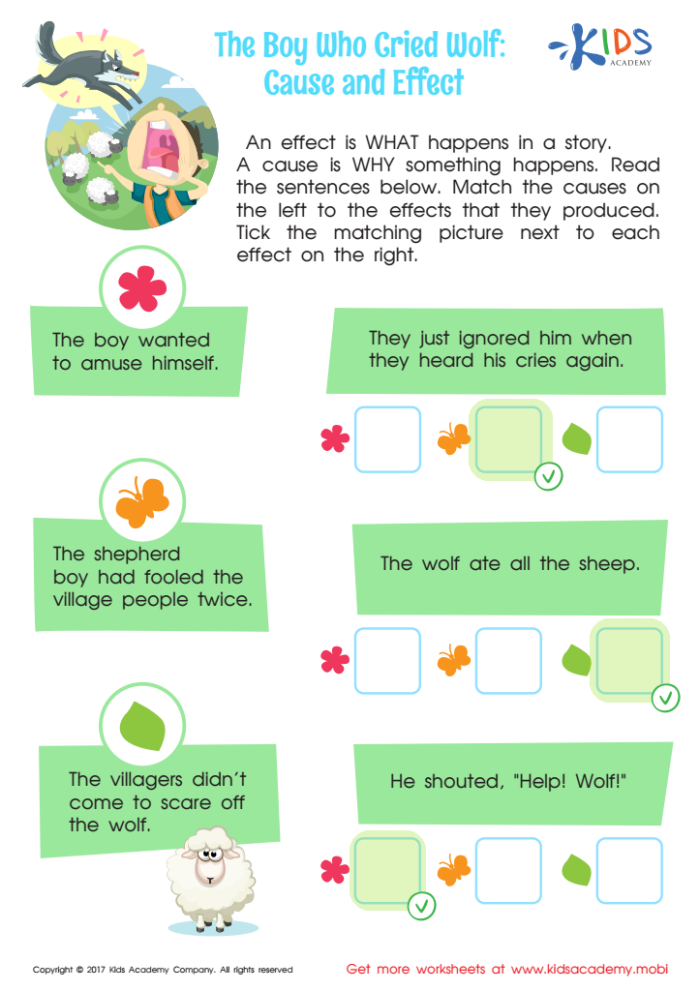
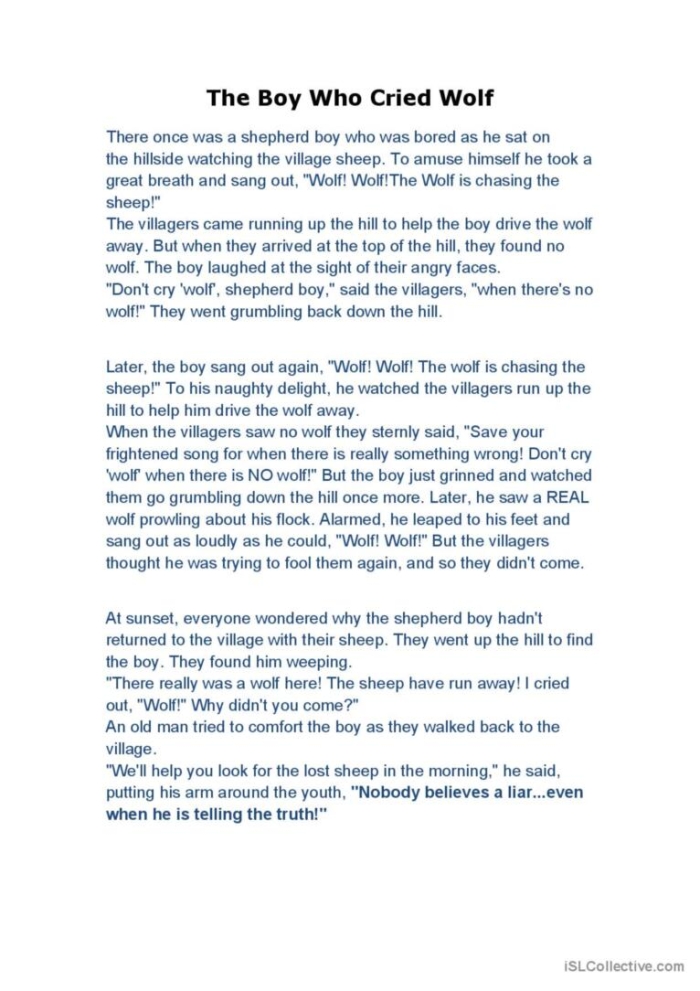
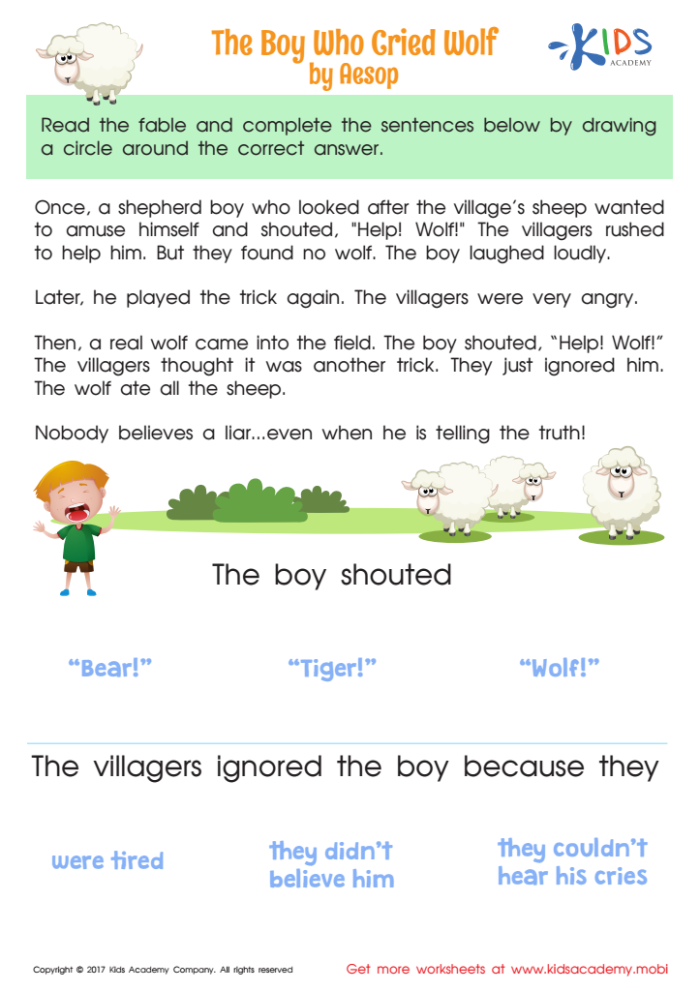
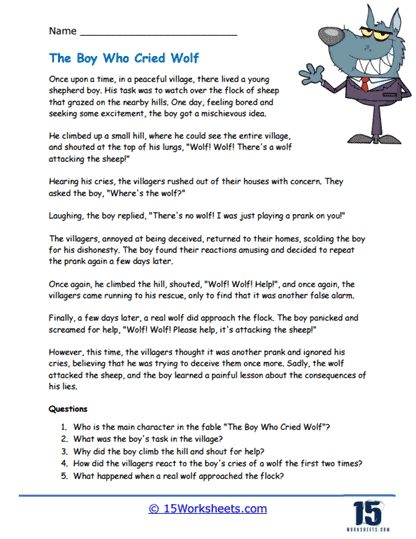
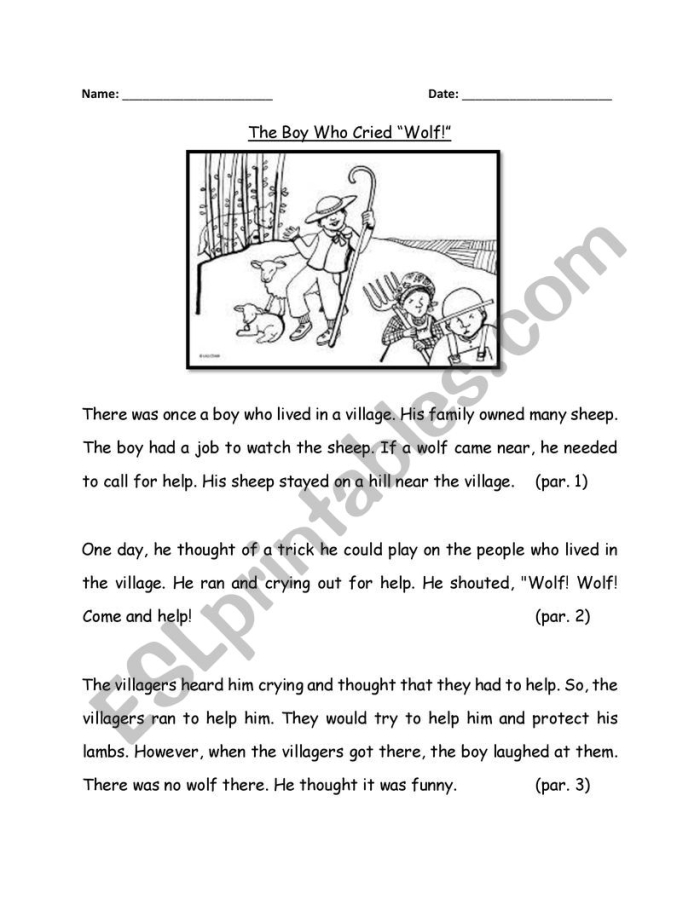
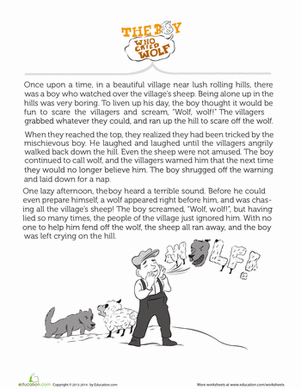
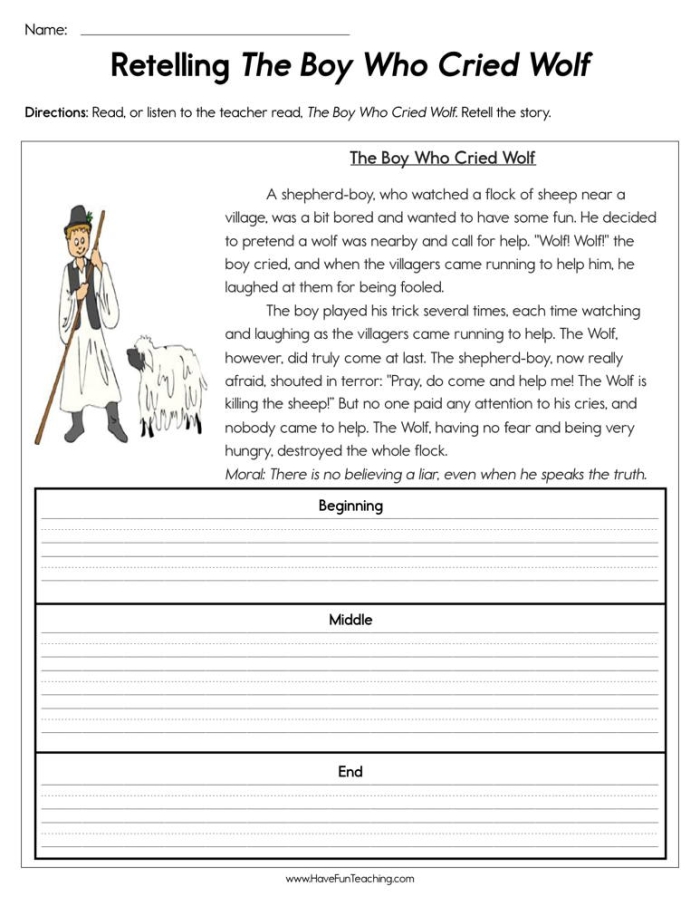
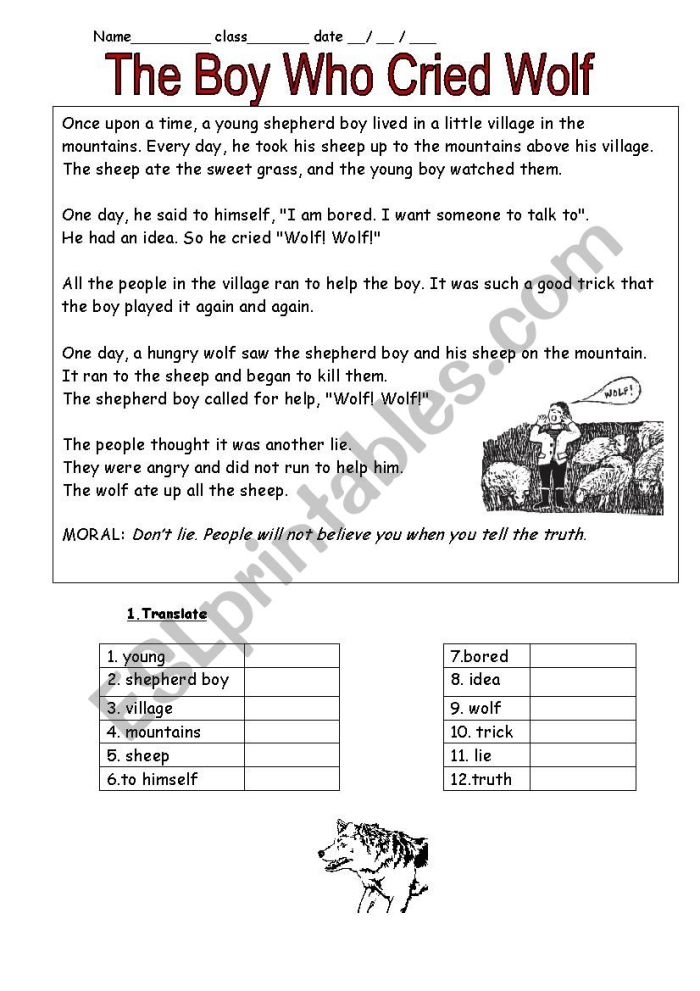
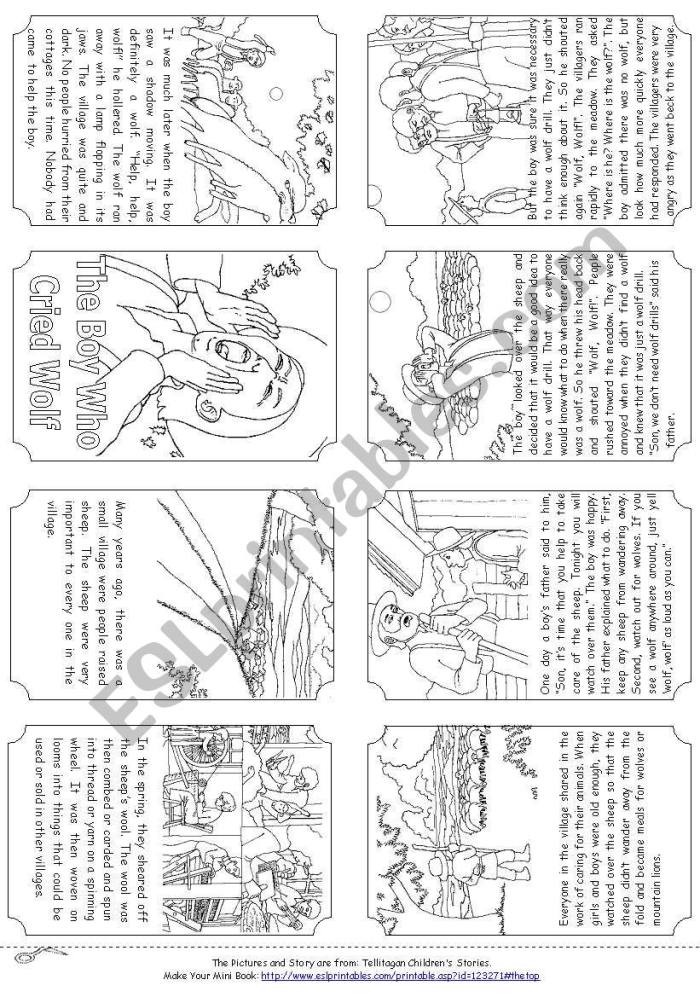
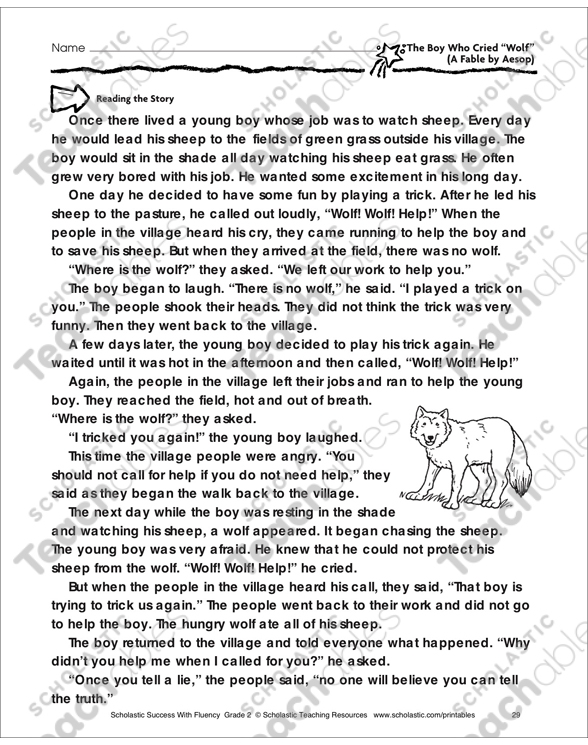
The essence of the story revolves around a young shepherd boy who, feeling bored, decides to trick the villagers by falsely crying out that a wolf is attacking his flock. When the villagers rush to his aid, they find no wolf. This prank continues until a real wolf appears, and when he cries for help, no one believes him. The simple yet effective narrative illustrates the consequences of lying—a theme that resonates with children.
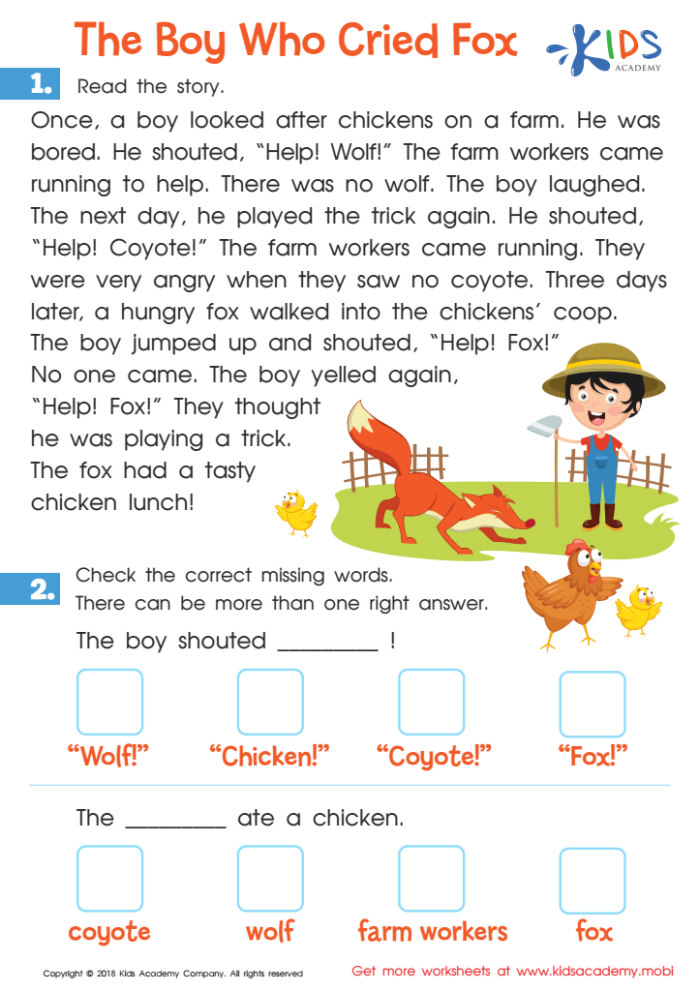
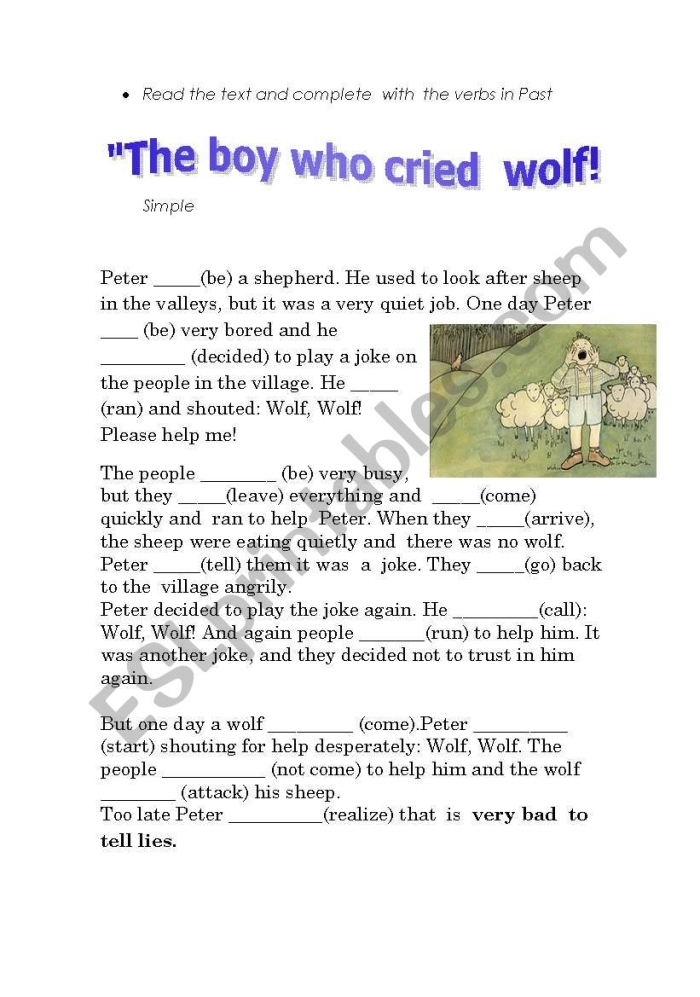
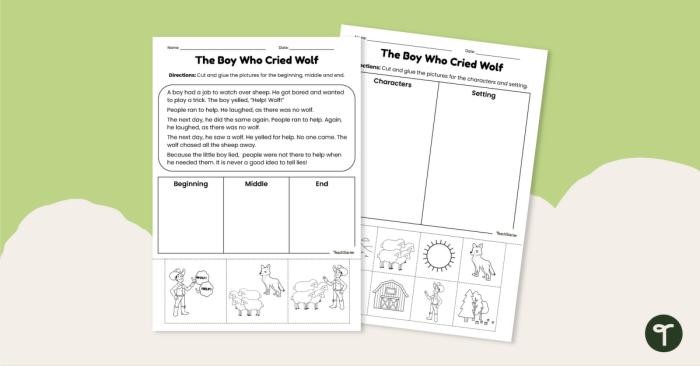
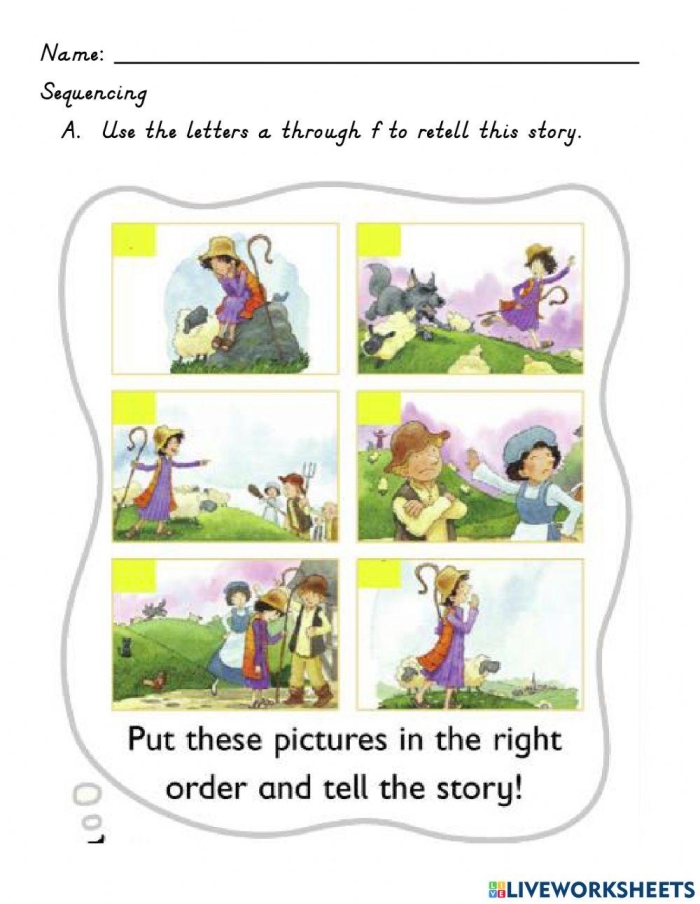
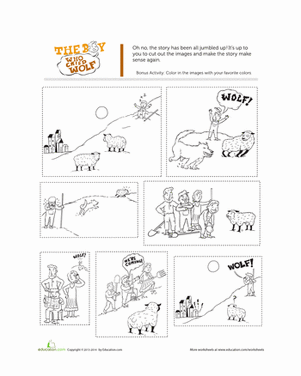
To bring this story to life, consider using printable worksheets. These can help first graders practice their numbers and counting skills while piecing together the events of the story in the correct sequence. Engaging with the story in a hands-on manner not only reinforces their understanding of the fable but also sharpens their critical thinking and sequencing skills. You can find useful resources, including worksheets for numbers and counting, that complement this activity.
Additionally, incorporating elements of storytelling can enhance the lesson. Ask the children to act out parts of the story or illustrate scenes, allowing them to connect with the material on a deeper level. This interactive method makes learning about the importance of truthfulness fun and engaging.
So, gather your first graders and get ready to rearrange The Boy Who Cried Wolf story. It’s a fantastic way to mix storytelling with educational activities, ensuring that the lessons learned will stick with them long after the story is told.
Worksheet Practice Section