Helping third grade students understand the structure of an informative paragraph can be much easier when they actively engage with the text. One effective way to do this is through a color coding exercise, where students highlight different parts of an example paragraph using various colors. This hands-on activity not only clarifies the distinct components of informative writing but also reinforces essential grammar and mechanics skills.
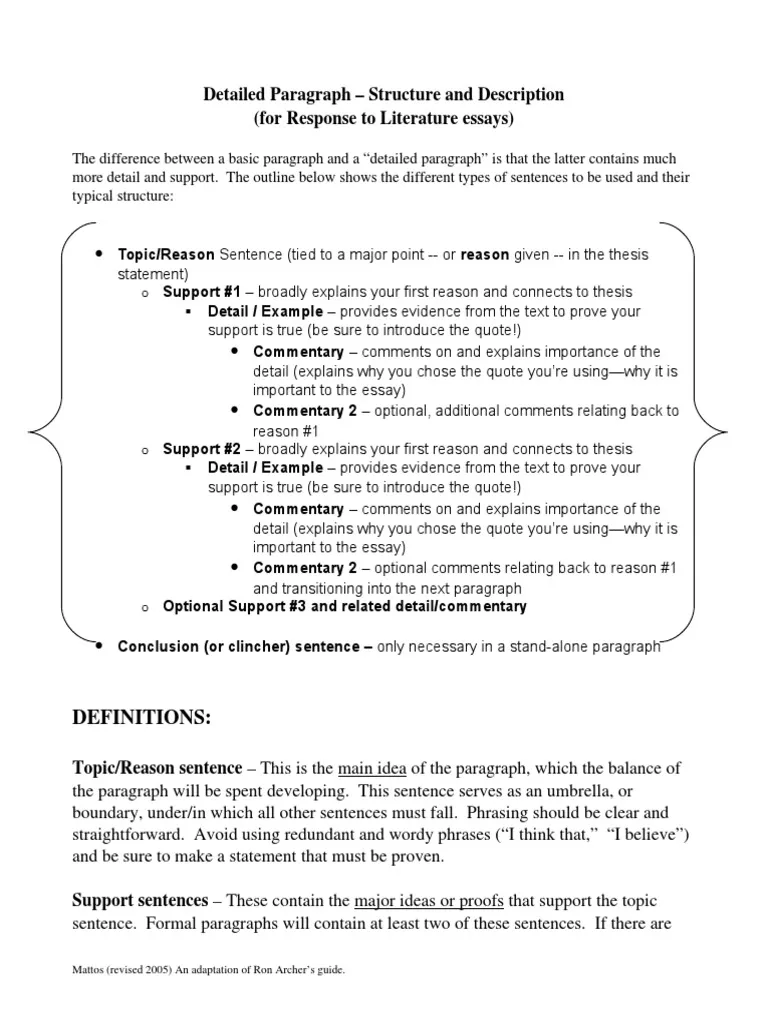
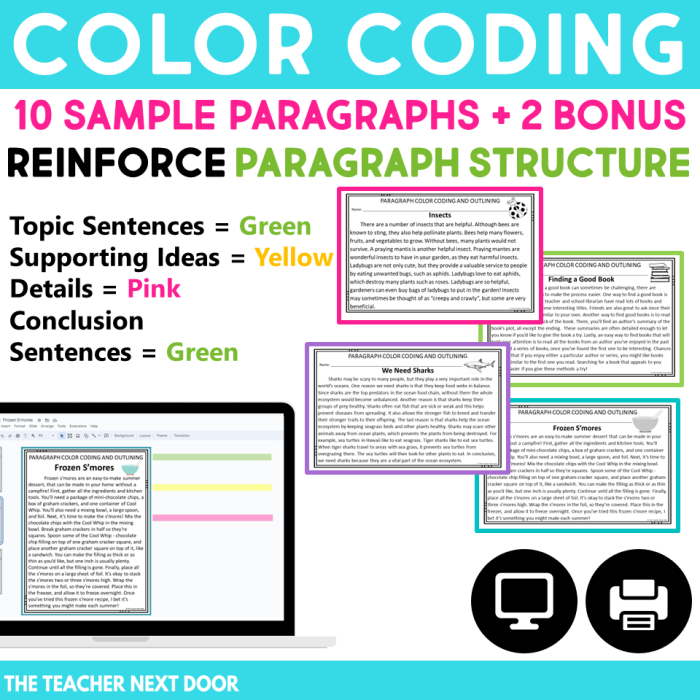
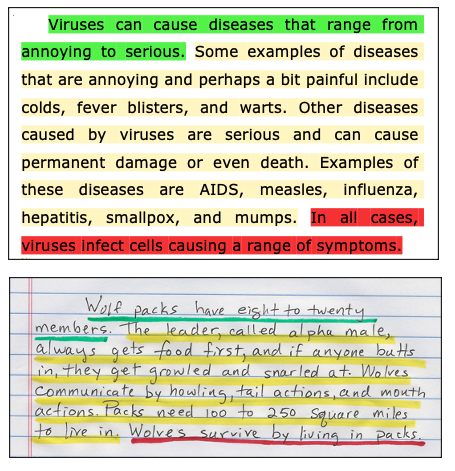
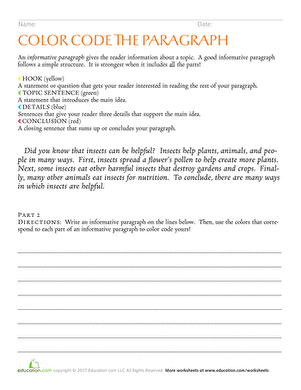
In this exercise, students are given a sample informative paragraph and asked to assign colors to key elements such as the topic sentence, supporting details, and concluding sentence. For example, they might highlight the topic sentence in blue, supporting facts in green, and the conclusion in yellow. This visual distinction helps students recognize how paragraphs are organized, making it easier to replicate the structure in their own writing. It also improves their ability to identify sentence roles, which is a crucial part of the grammar and mechanics curriculum at the third grade level.
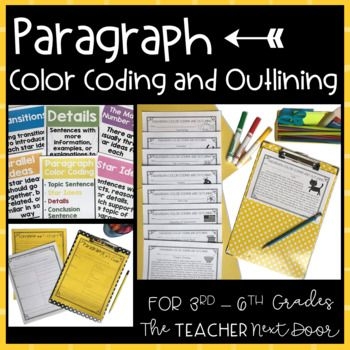
Printable color code the paragraph worksheets are especially useful in classrooms because they provide a consistent format that teachers can use to reinforce these concepts repeatedly. These worksheets often include clear instructions and examples, allowing students to practice independently or in small groups. Additionally, by physically coloring the text, students engage multiple senses, which can enhance retention and understanding.
Activities like this support the development of stronger writing skills by encouraging attention to detail. When students learn to distinguish between the parts of a paragraph, they become more confident in constructing their own paragraphs with clear, logical flow. For teachers seeking to build on this skill, resources such as sentence writing prompts for third grade offer excellent follow-up practice that continues to emphasize grammar and mechanics in context.
Color coding also ties nicely into other language skills. For instance, understanding sentence structure through color coding complements exercises found in a pronoun quiz designed for third grade, strengthening overall language comprehension. By incorporating visual tools like these into lessons, educators can create a more interactive and effective learning environment that supports multiple aspects of language development.
Practice with These Worksheets