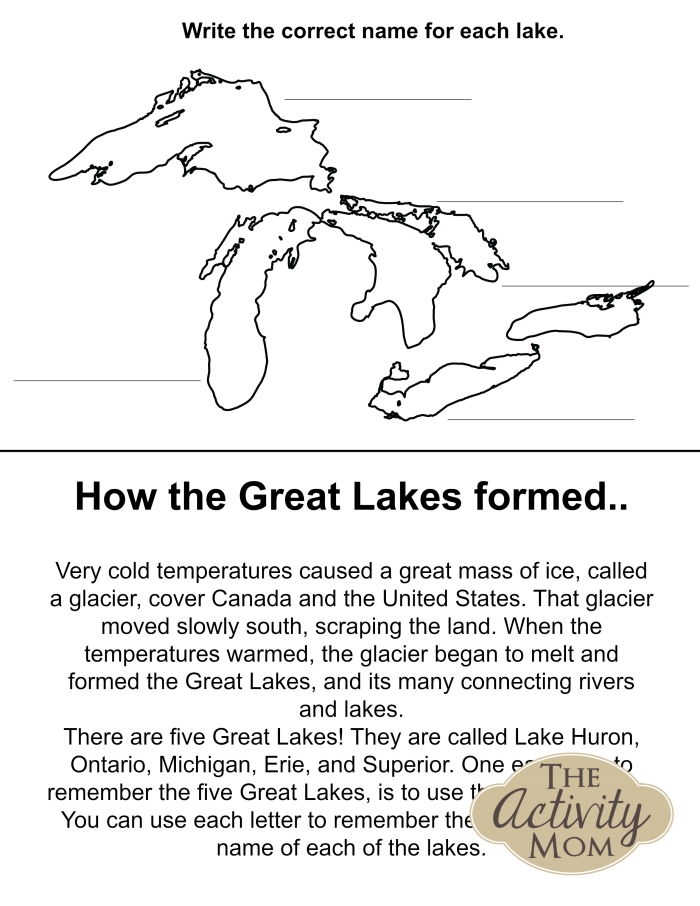
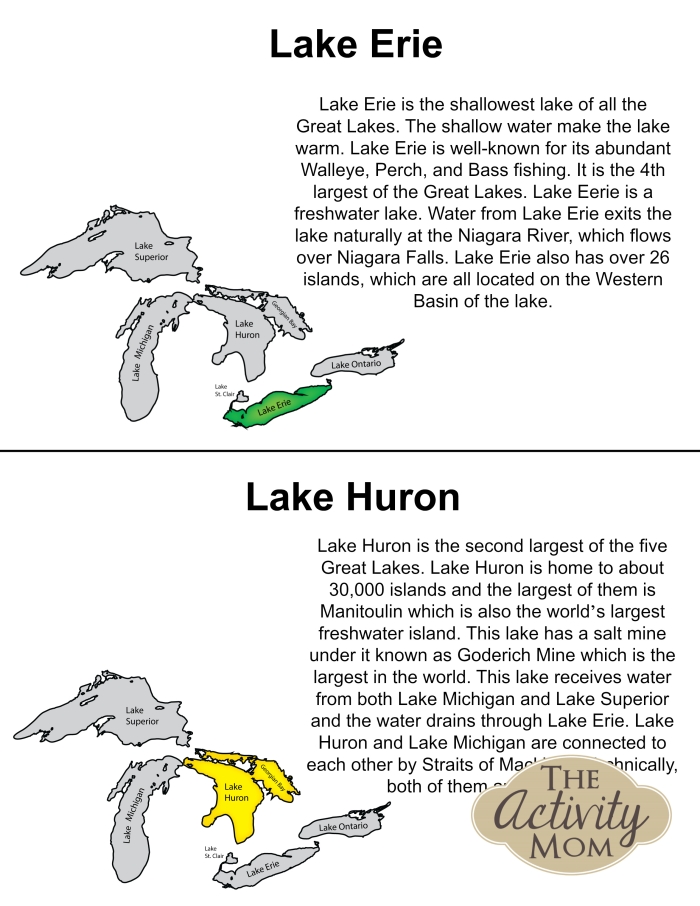
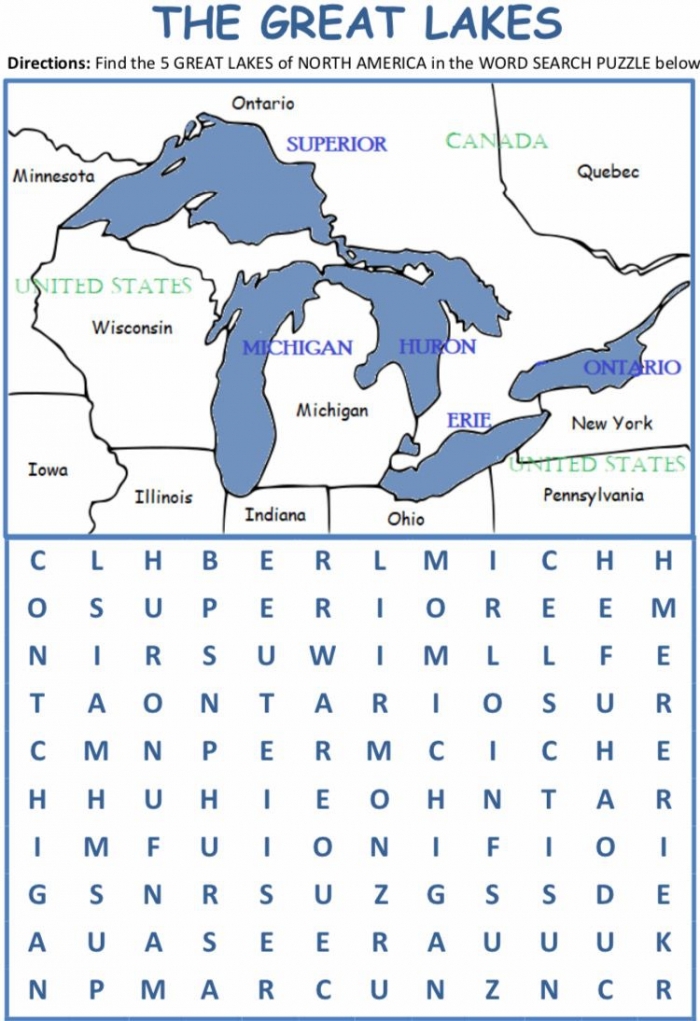
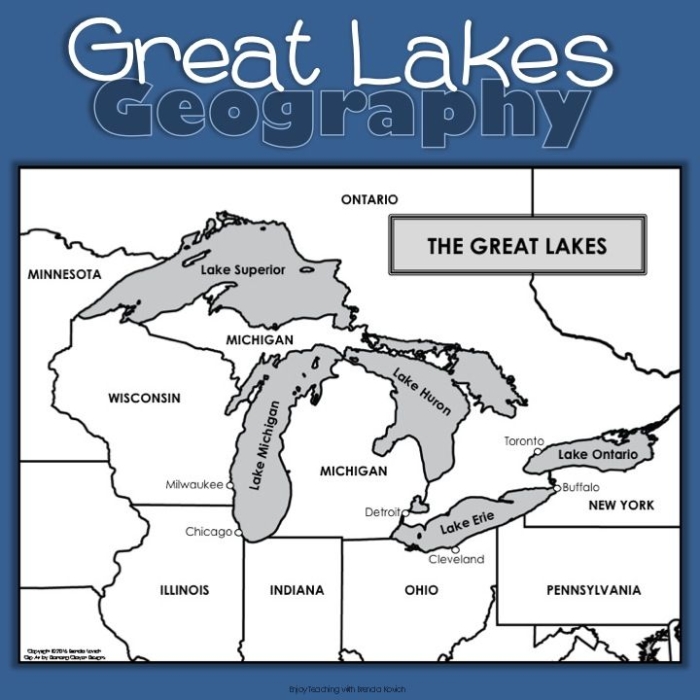
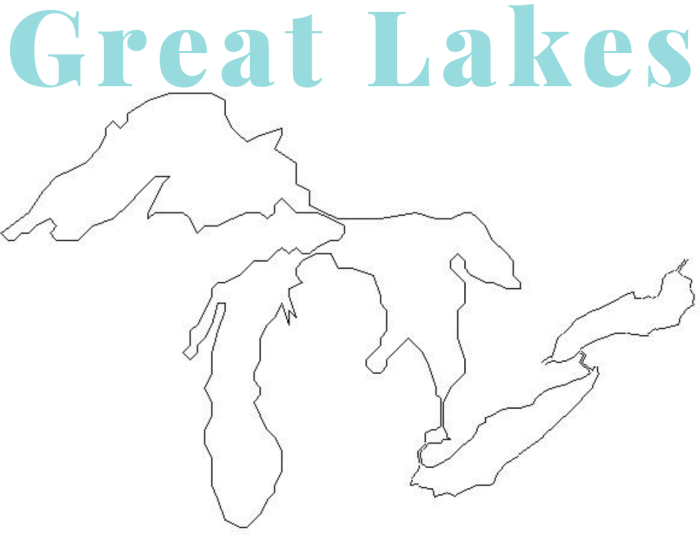
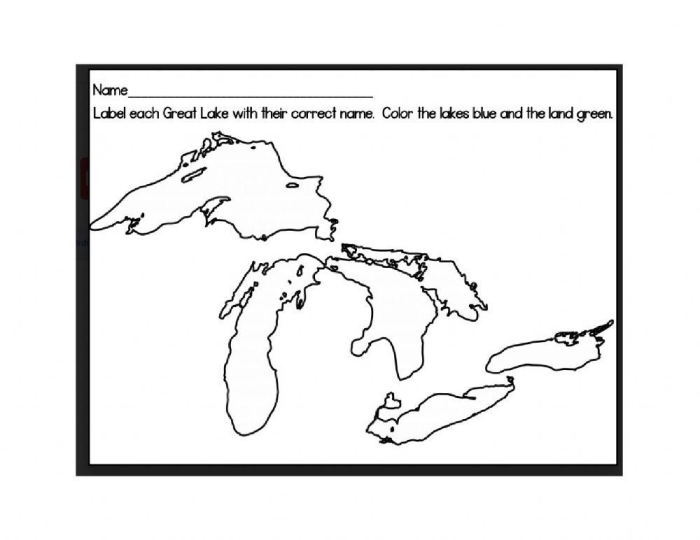
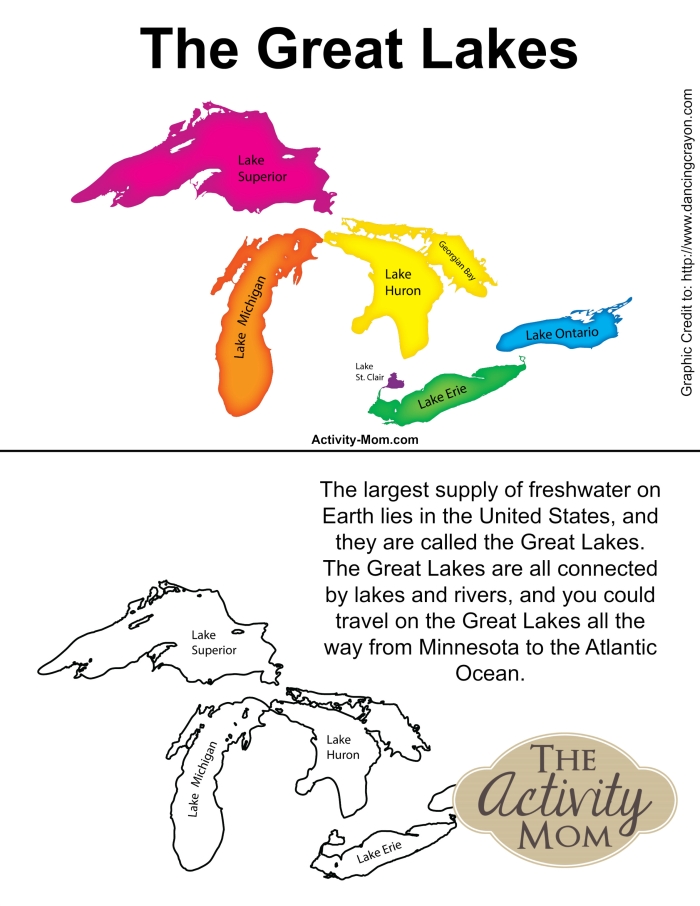
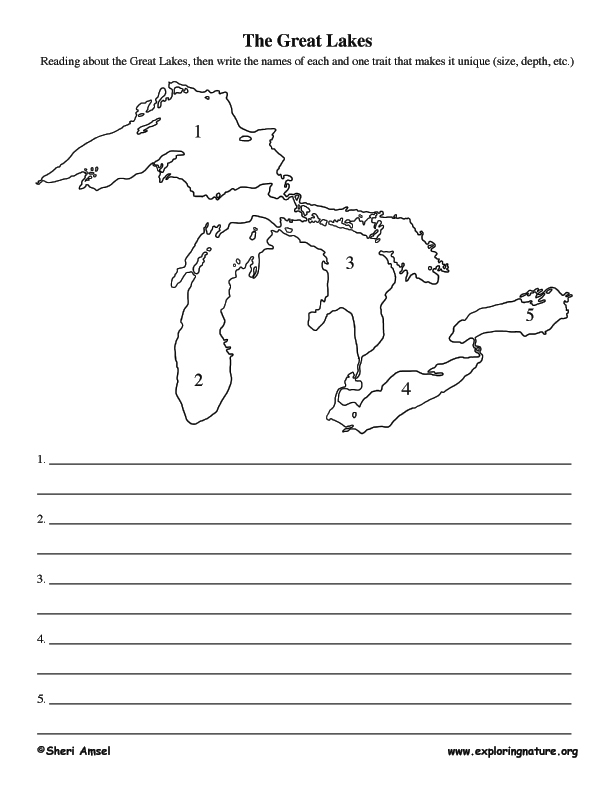
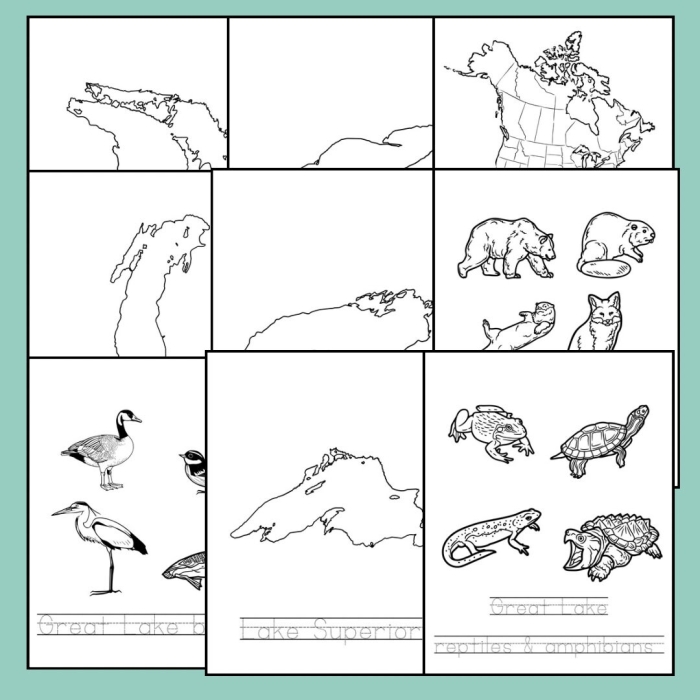
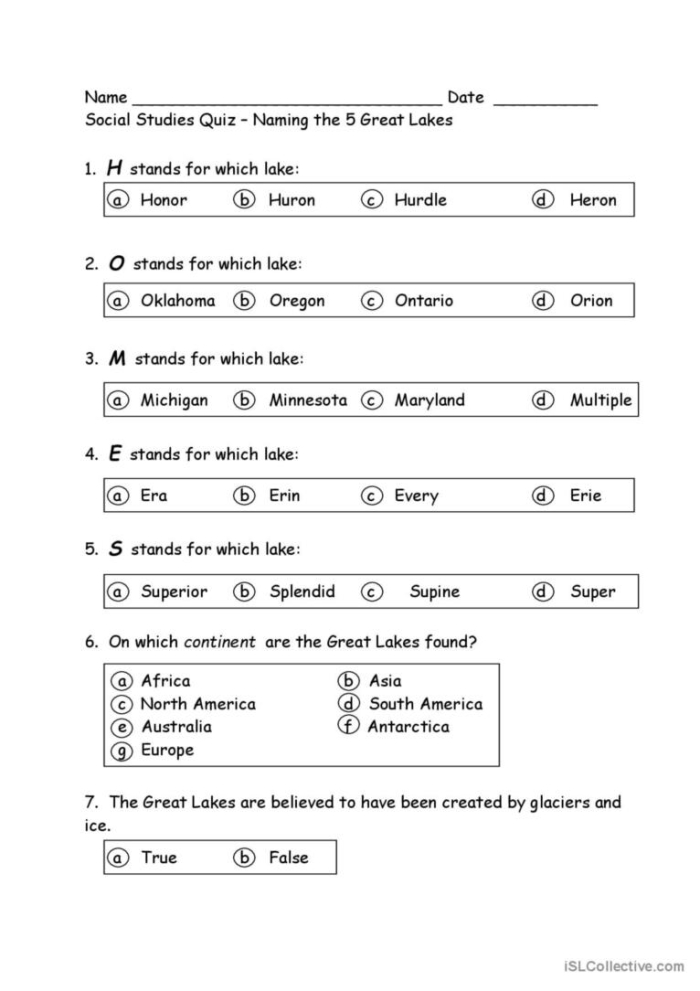
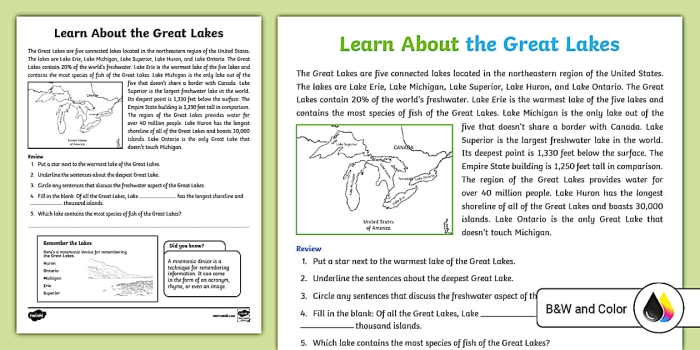
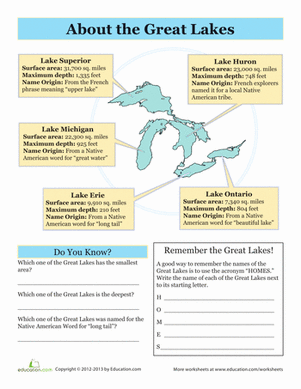
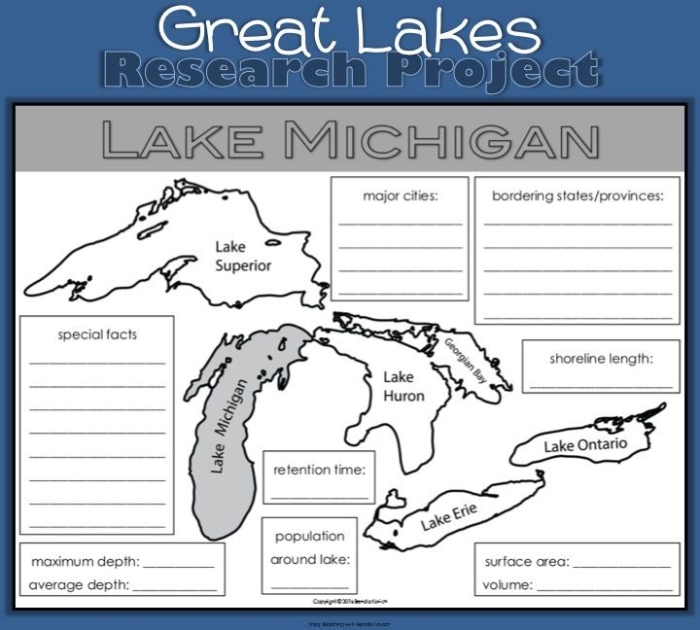
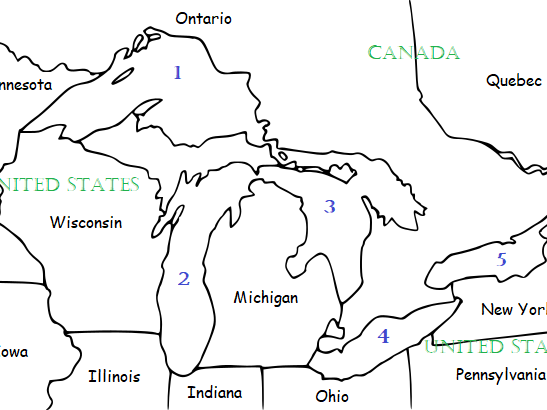
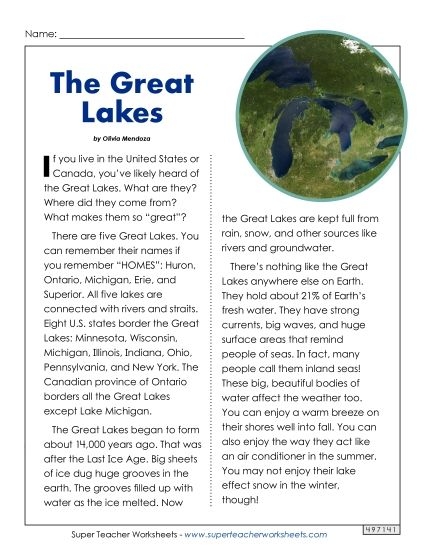
Your second grader is ready to explore one of North America’s most impressive natural features: the 5 Great Lakes. These massive freshwater bodies, consisting of Lake Superior, Michigan, Huron, Erie, and Ontario, cover over 94,000 square miles and hold roughly 21 percent of the world’s surface freshwater. Teaching kids about geography at this age builds foundational knowledge they’ll use throughout their education.
The best way to introduce this topic is through hands-on learning and interactive questions. Rather than simply naming the lakes, ask your child which one is the largest by surface area (Lake Superior), or which lake borders only the United States (Lake Michigan). These questions help cement the information in their memory and encourage critical thinking about geography.
You can strengthen your child’s learning by pairing geography lessons with other second grade skills. For example, use skip counting by 5 activities to estimate the number of miles around each lake, or practice rounding with a chart to learn approximate depths. These connections make abstract geography concepts feel real and measurable.
When you’re ready to formalize the learning, trivia questions work wonderfully. Ask which lake is shared by Canada and the United States (all five are, actually), or which one is the shallowest (Erie). You might also explore how these lakes connect through rivers and straits, creating an interconnected water system that fascinates young learners.
Combine your geography lessons with alphabet-building activities by having your child write the lake names and create sentences about each one. This approach strengthens both their geographic knowledge and their writing confidence during these critical second grade years.
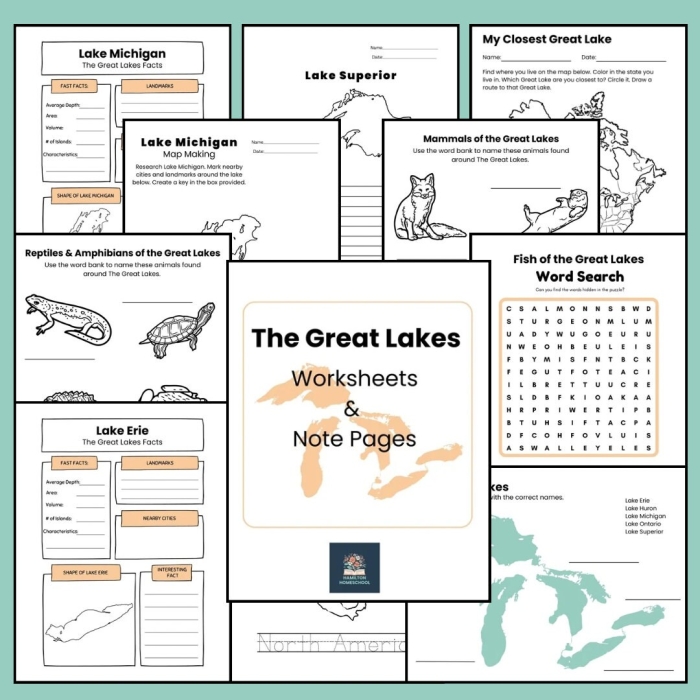
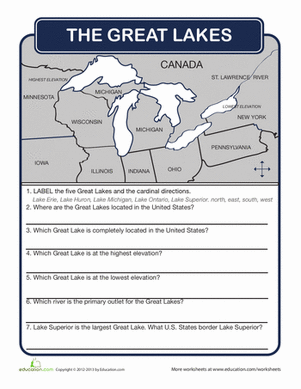
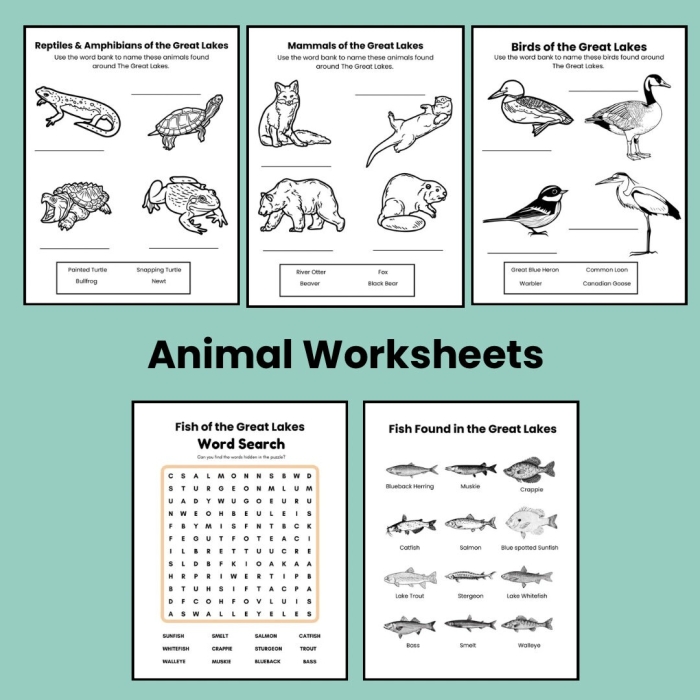
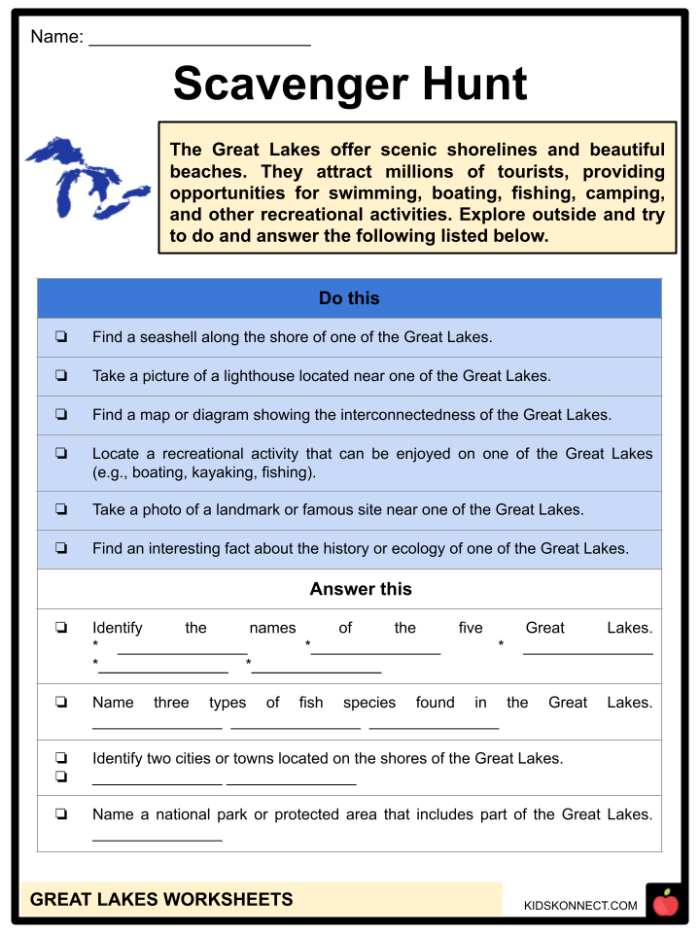
Boost Skills with These Worksheets