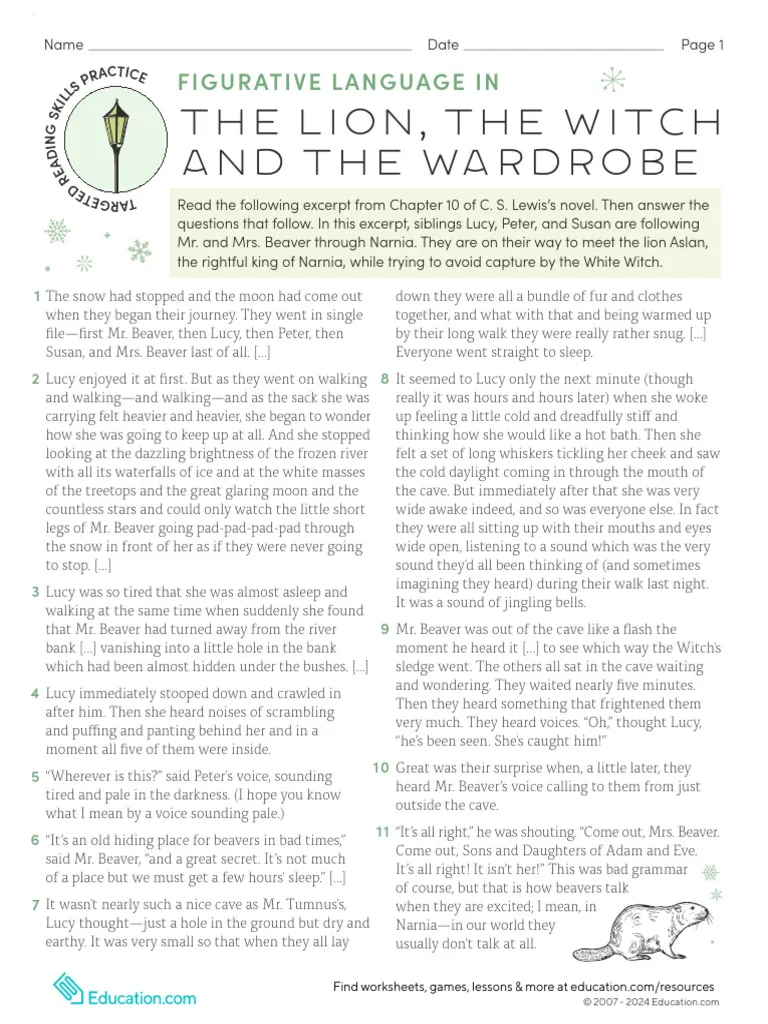
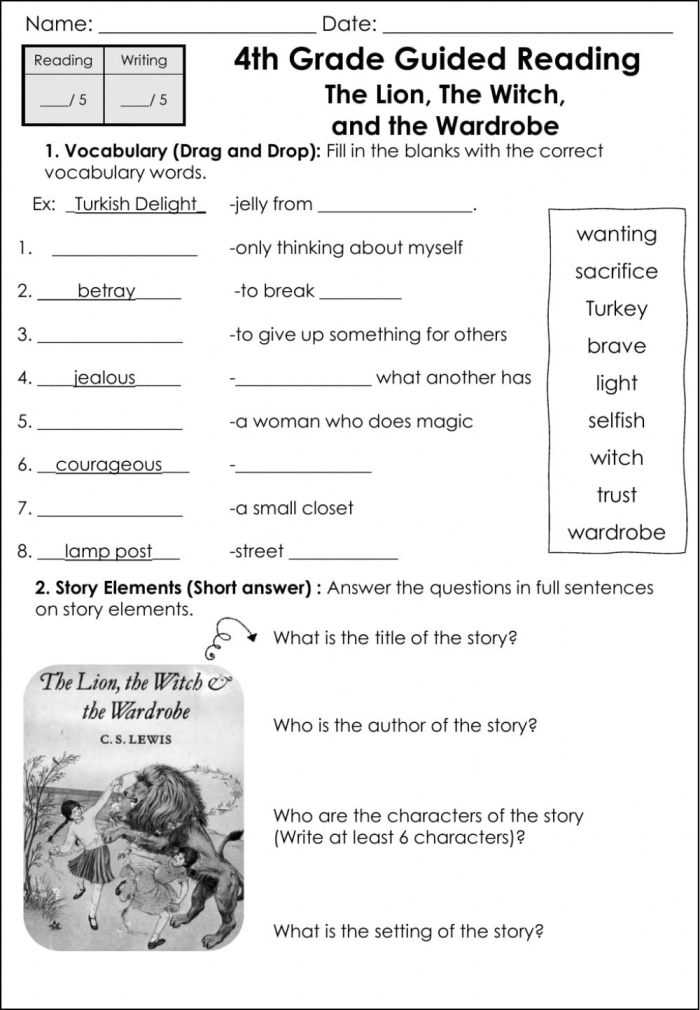
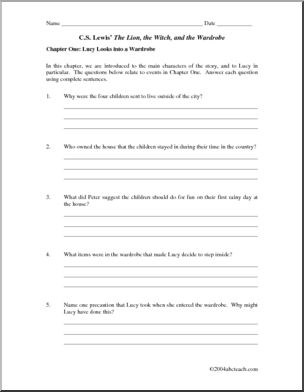
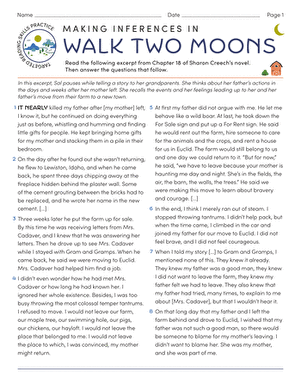
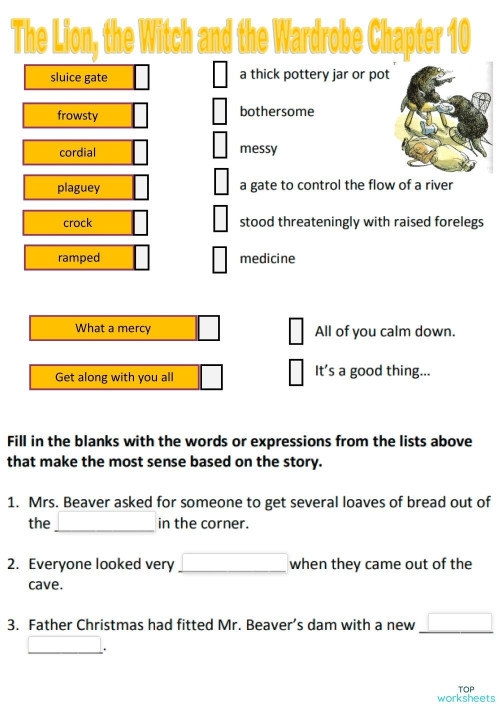
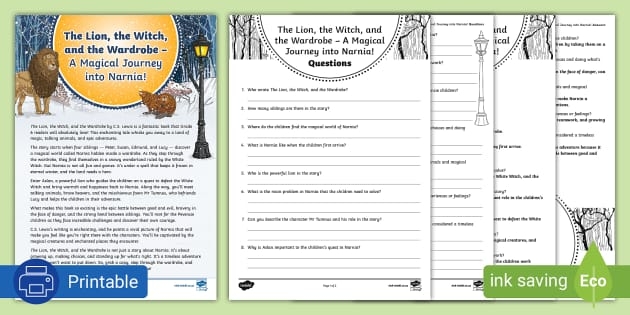
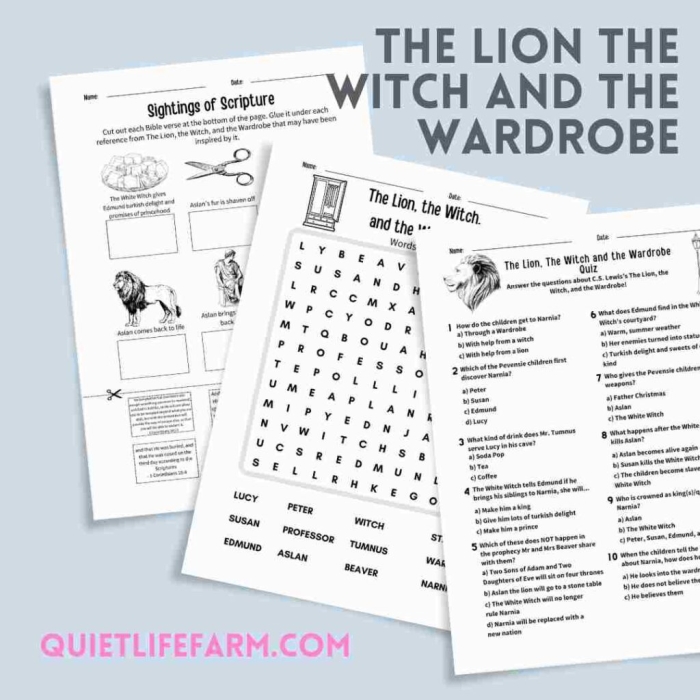
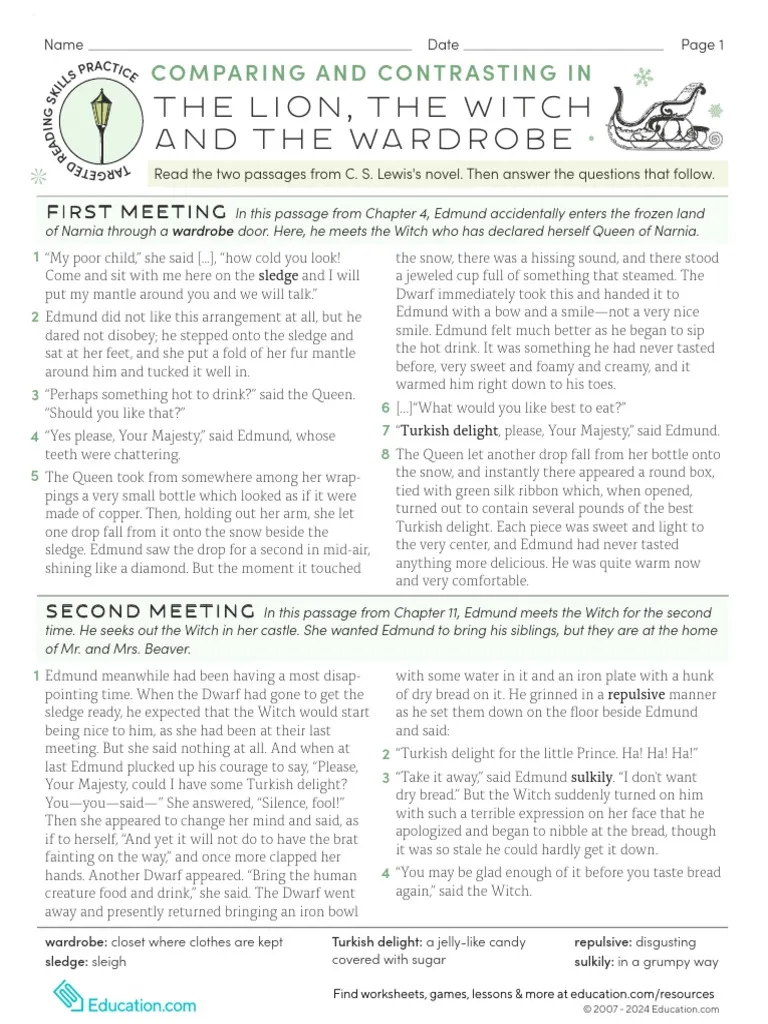
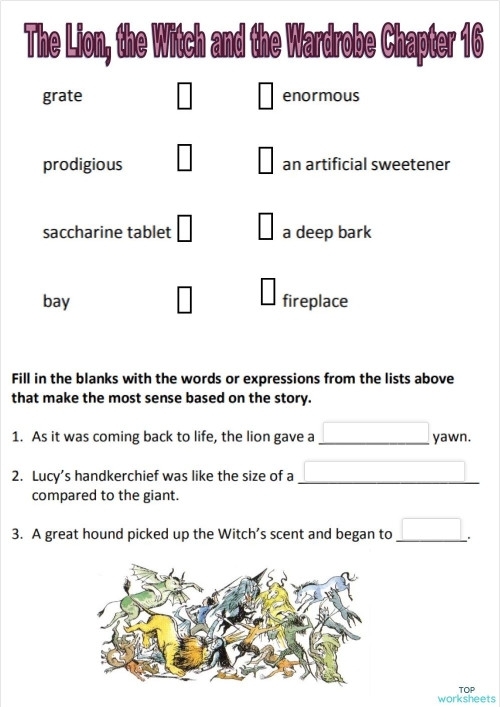
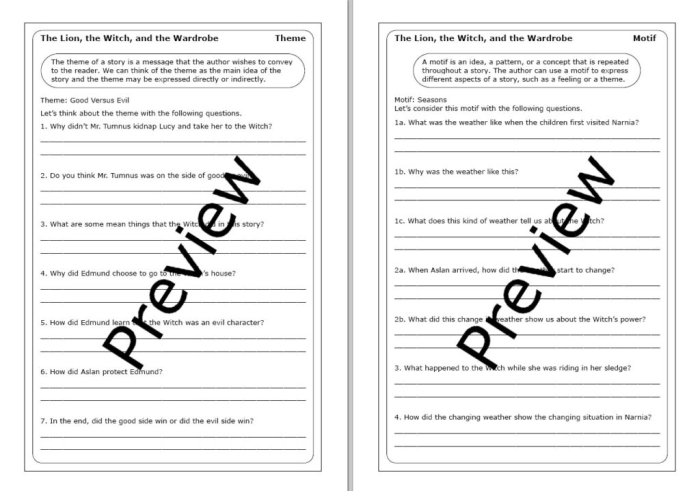
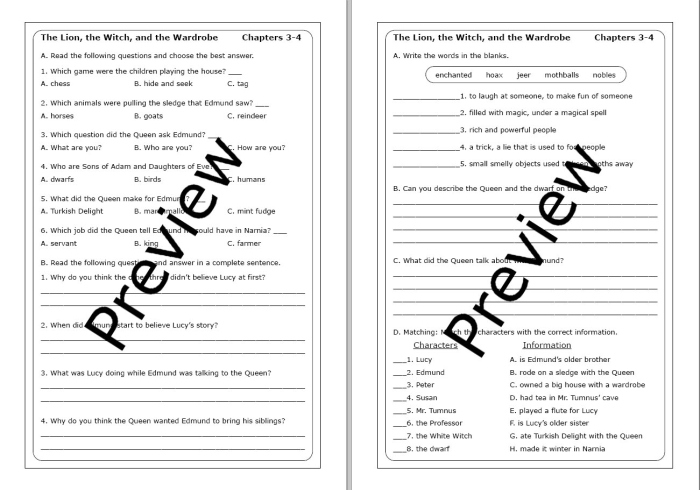
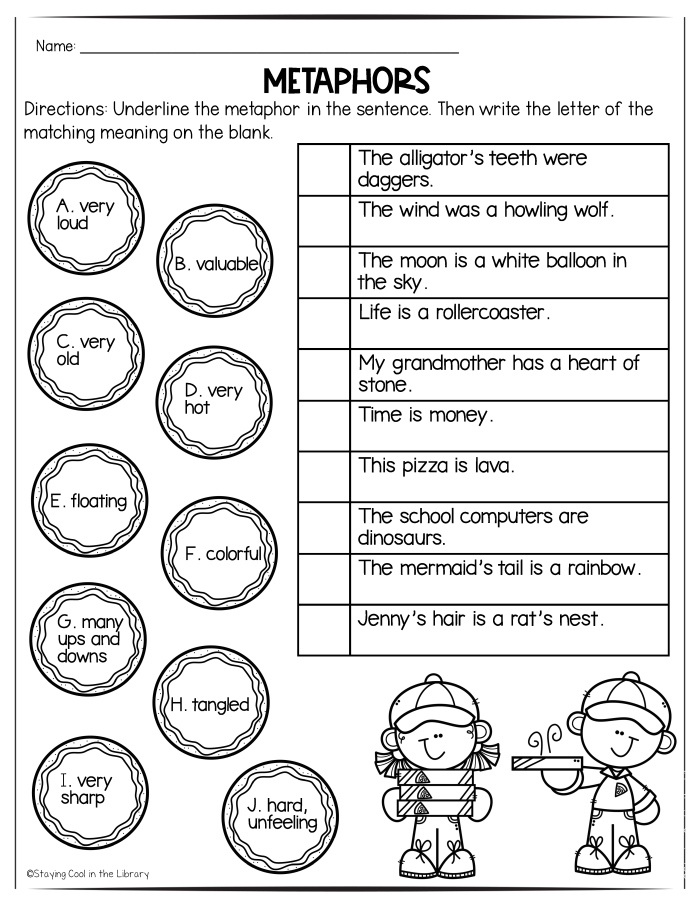
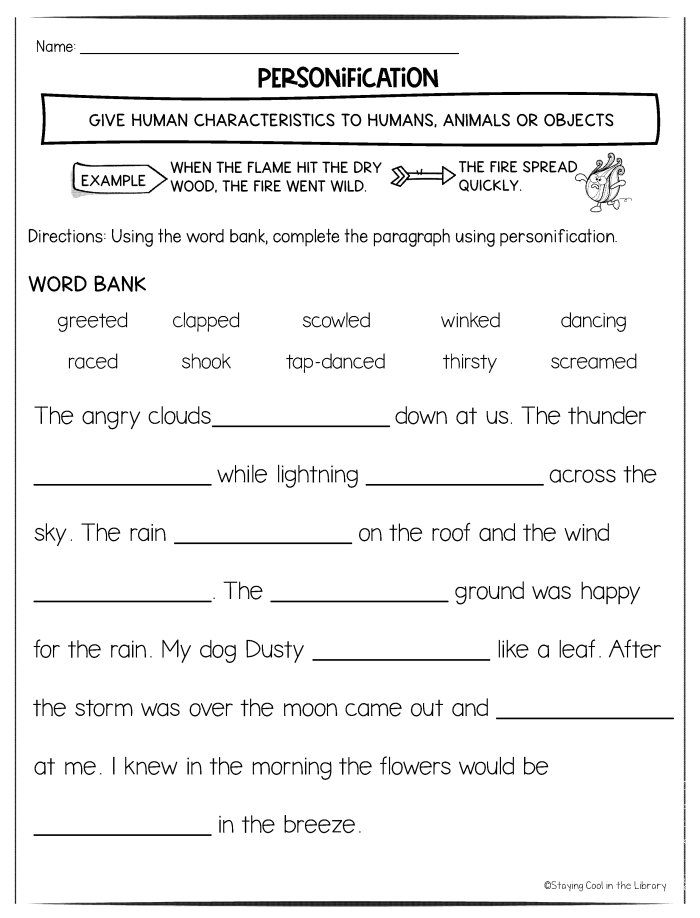
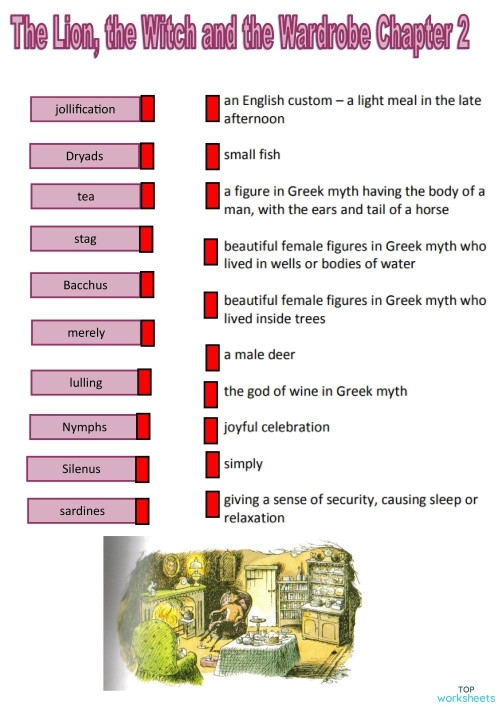
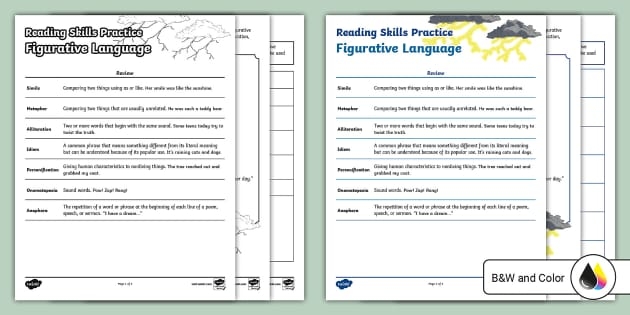
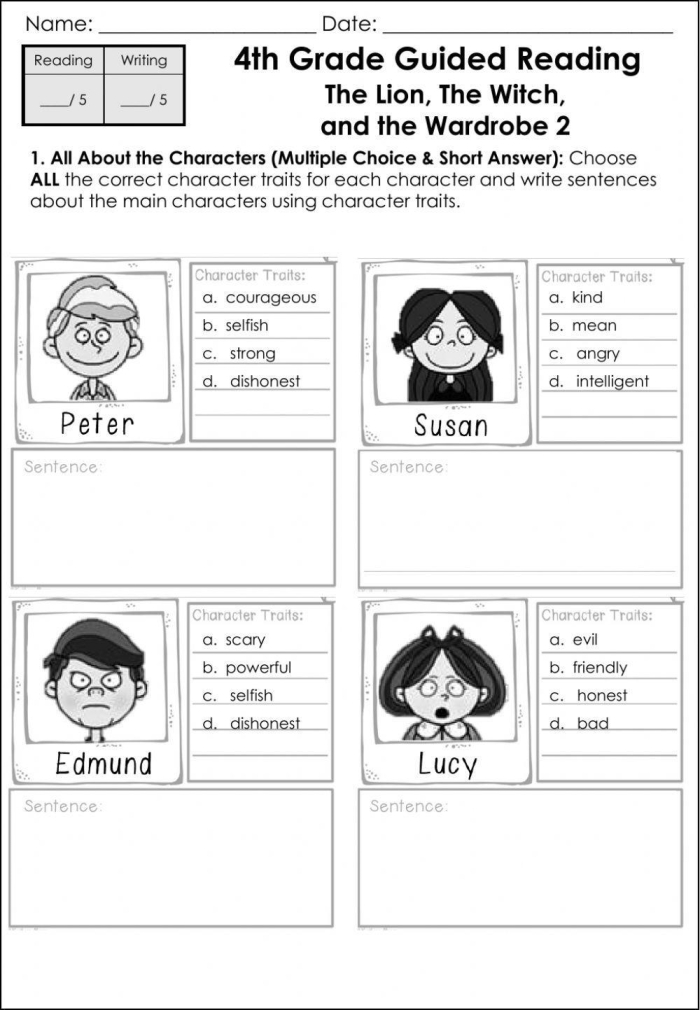
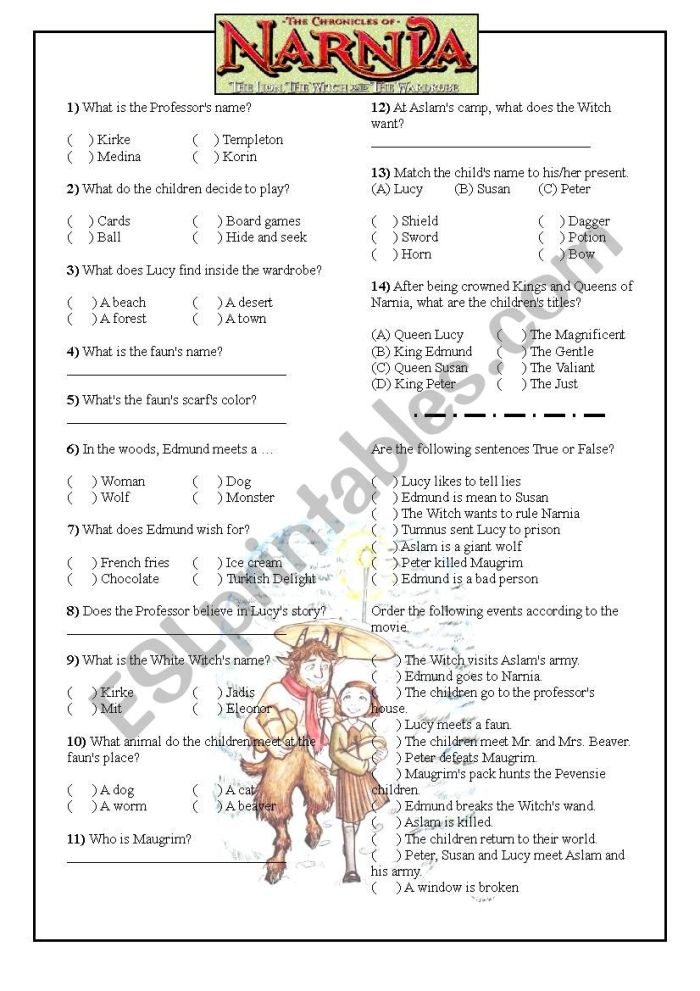
C.S. Lewis packed The Lion, the Witch and the Wardrobe with vivid figurative language that brings Narnia to life on the page. When you work through specific passages from this classic fantasy novel, you develop the ability to spot metaphors, similes, and personification in action, which strengthens your overall reading comprehension skills.
Figurative language works differently than literal descriptions. Instead of simply stating facts, authors use comparisons and imaginative descriptions to create emotional connections with readers. Lewis does this masterfully when describing the White Witch’s palace or the feeling of stepping through the wardrobe for the first time. For sixth grade readers, analyzing these moments helps you understand not just what happens in the story, but how the author makes you feel about it.
When you practice with targeted excerpts, you learn to ask specific questions: What is being compared here? Why did the author choose this particular image? What emotion does this language create? This kind of close reading transfers to other texts you encounter. You might notice similar techniques in exploring an author’s purpose in literary nonfiction or when tracking academic vocabulary across different genres.
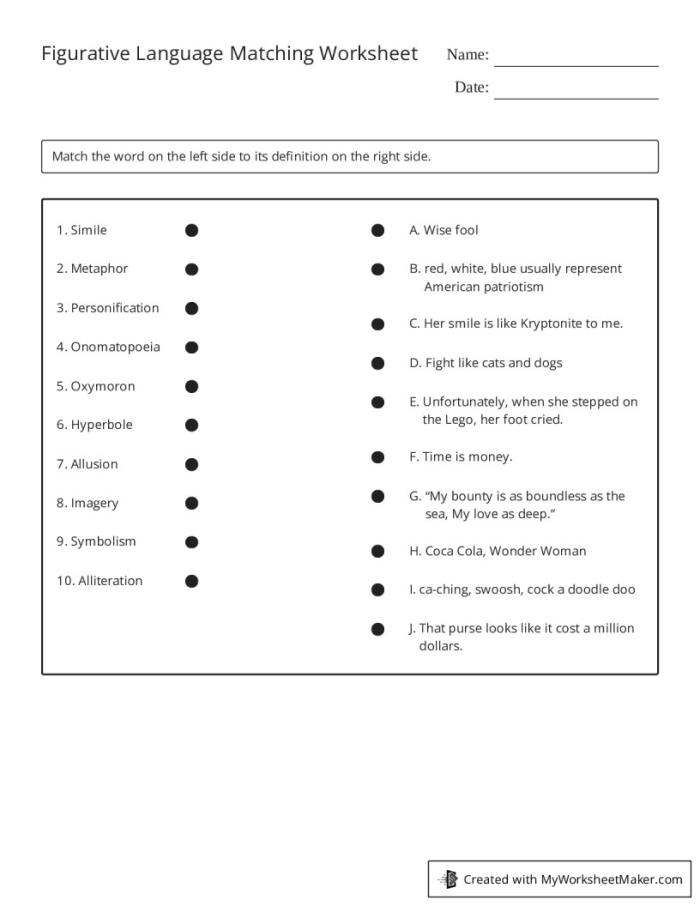
Working through worksheets that focus on figurative language from Narnia gives you concrete examples to reference. You see how Lewis uses description to distinguish between the magical and ordinary worlds. This practice builds confidence in identifying literary devices without relying on explanations from others.
The fantasy setting of Lewis’s novel actually makes figurative language easier to spot and understand. Magical worlds demand imaginative language, so the contrast between plain descriptions and flowery ones becomes obvious. This makes it an ideal text for sixth grade readers developing their analytical skills in reading.
Practice with These Worksheets