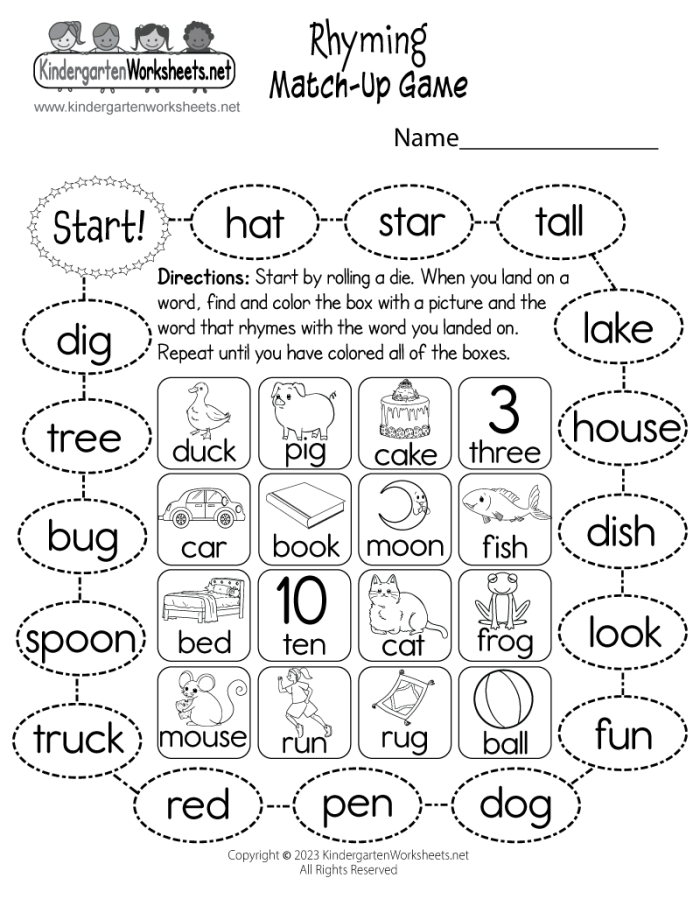
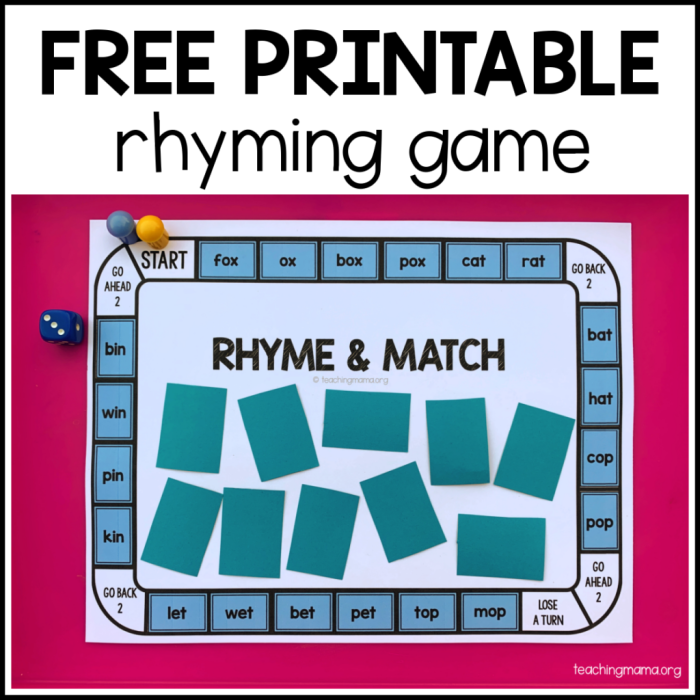
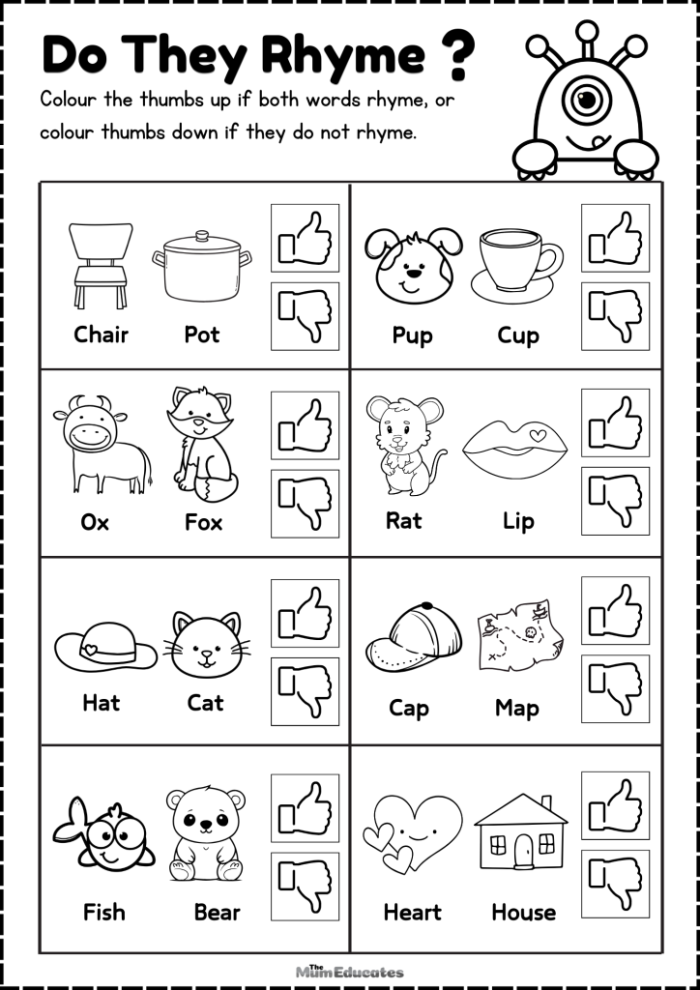
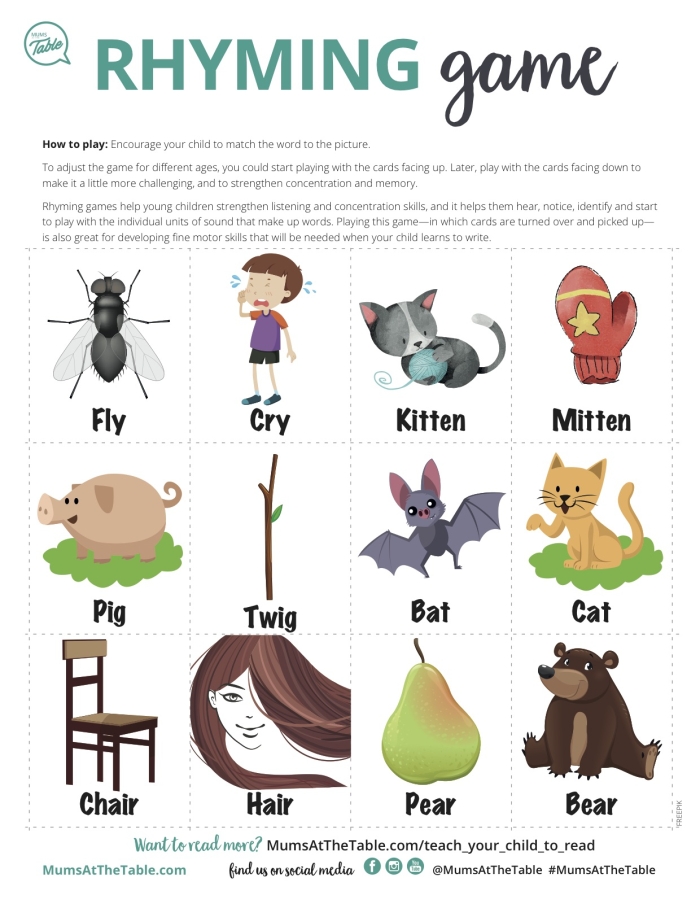
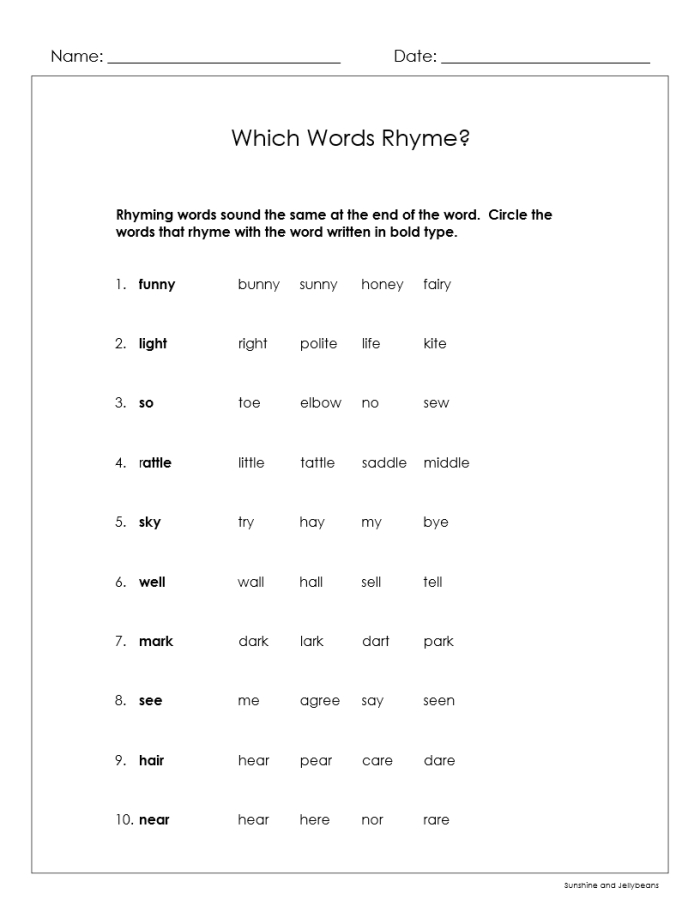
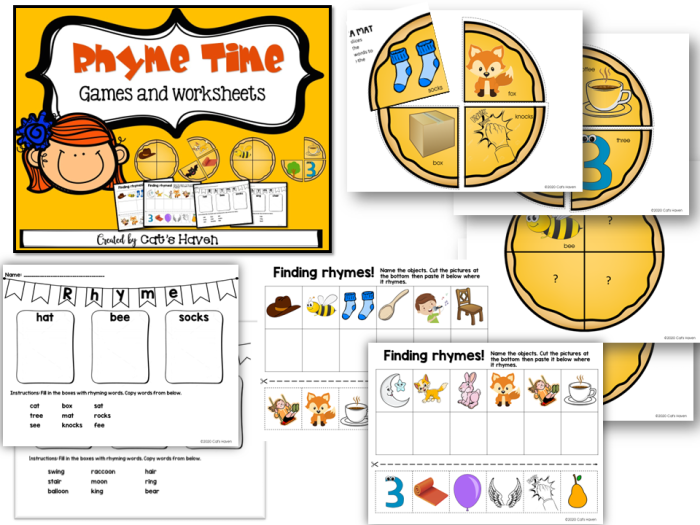
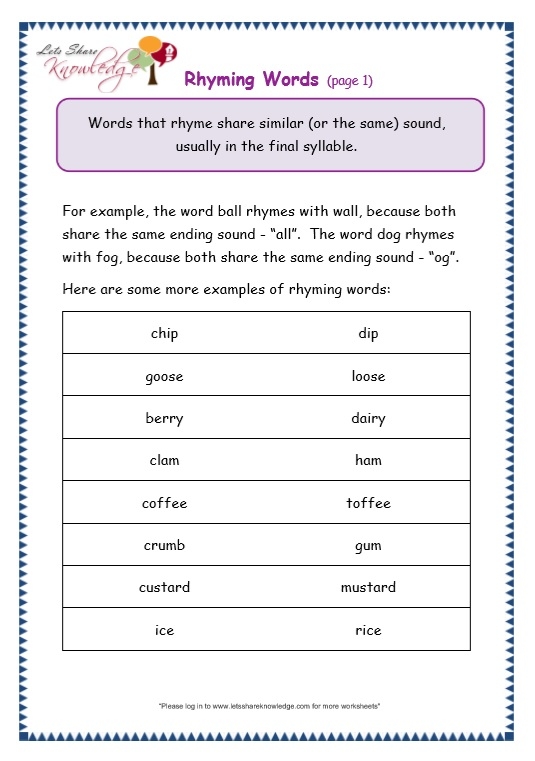
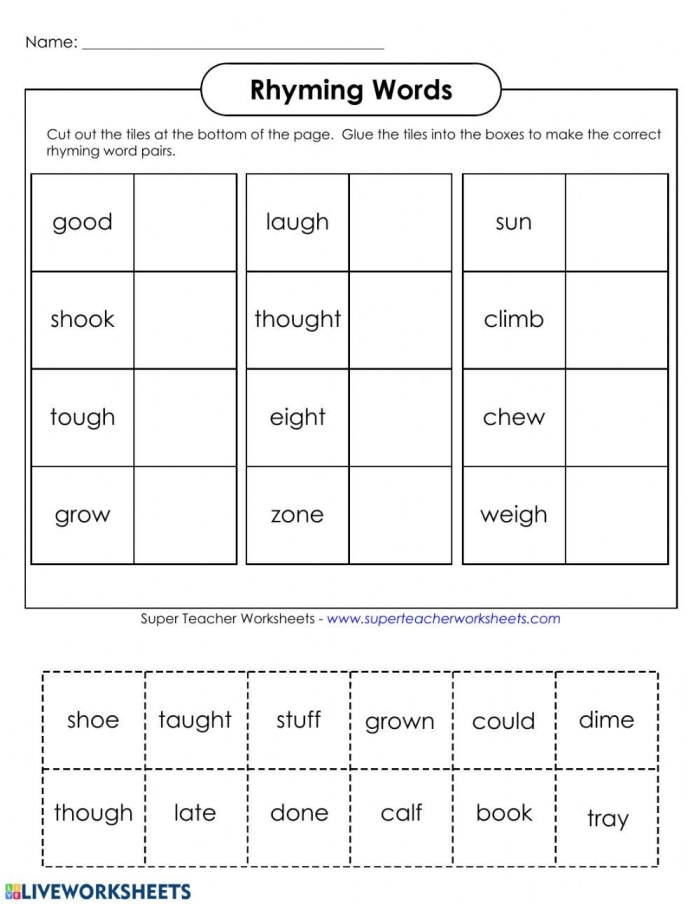
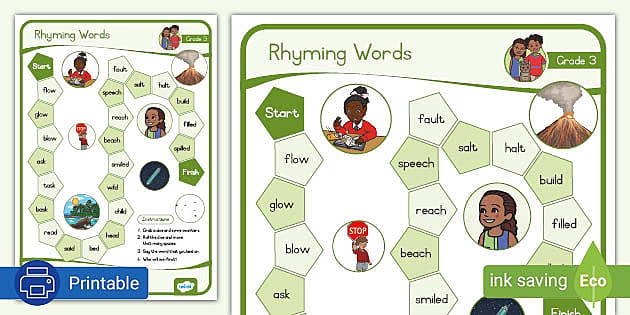
Maze activities offer Pre-K learners a fun way to strengthen their understanding of rhyming words while developing fine motor skills. When you complete a rhyming maze, you’re not just tracing a path, you’re actively listening to word sounds and making critical connections between similar phonetic patterns.
The concept works like this: you start at the entrance and must navigate through the maze by only stepping on words that rhyme with a given target word. Any word that doesn’t rhyme becomes a dead end you need to avoid. This forces young learners to pause, think about pronunciation, and consciously compare sounds rather than simply memorizing rhyme pairs.
For Pre-K students, this approach builds phonological awareness, which is the foundation for reading success. When children engage with rhyming words games, they’re training their ears to detect subtle sound differences. A child working through a maze with words like “cat,” “bat,” “hat,” and “dog” learns through trial and error which sounds belong together.
The maze format itself keeps children engaged because it feels like play rather than instruction. They’re solving a puzzle, which taps into natural curiosity. There’s also immediate feedback, since choosing a non-rhyming word simply leads nowhere, and kids quickly learn to reconsider their choices.
Teachers and parents appreciate these activities because they require minimal setup and work well in small groups or one-on-one settings. You can easily create variations by changing the target word or adjusting difficulty levels. Starting with simple, obvious rhymes before moving to trickier sound patterns helps children build confidence gradually.
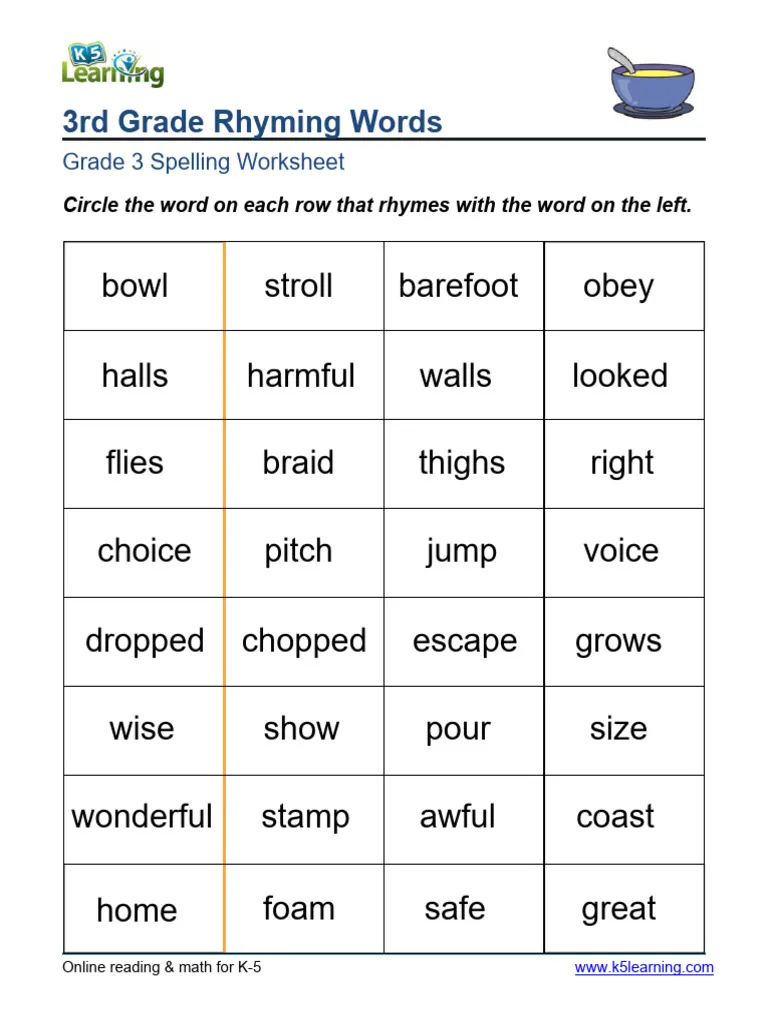
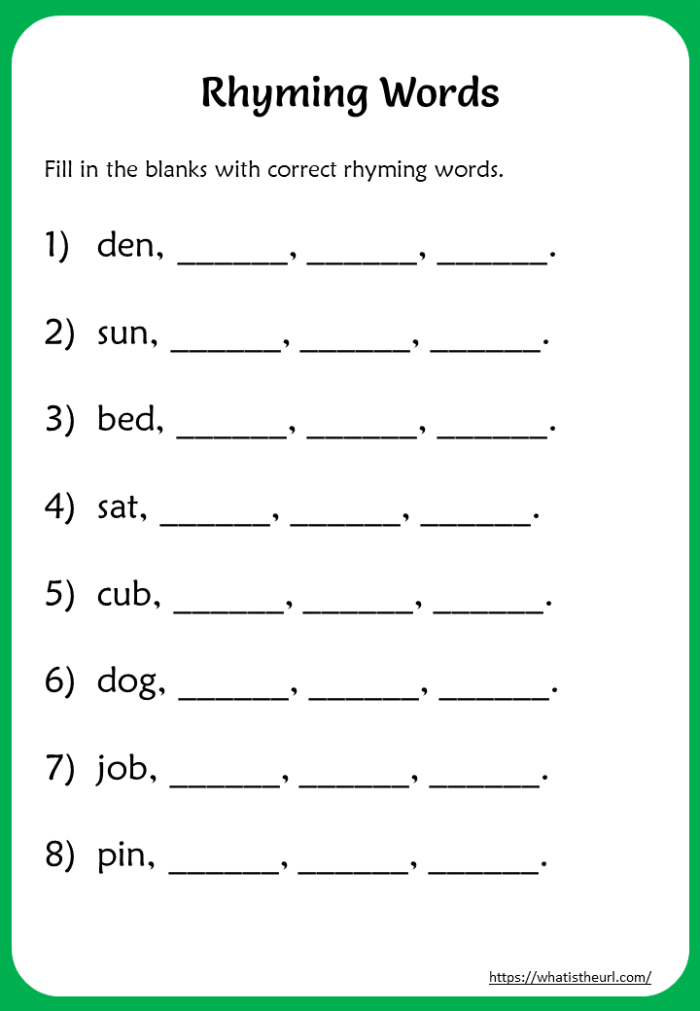
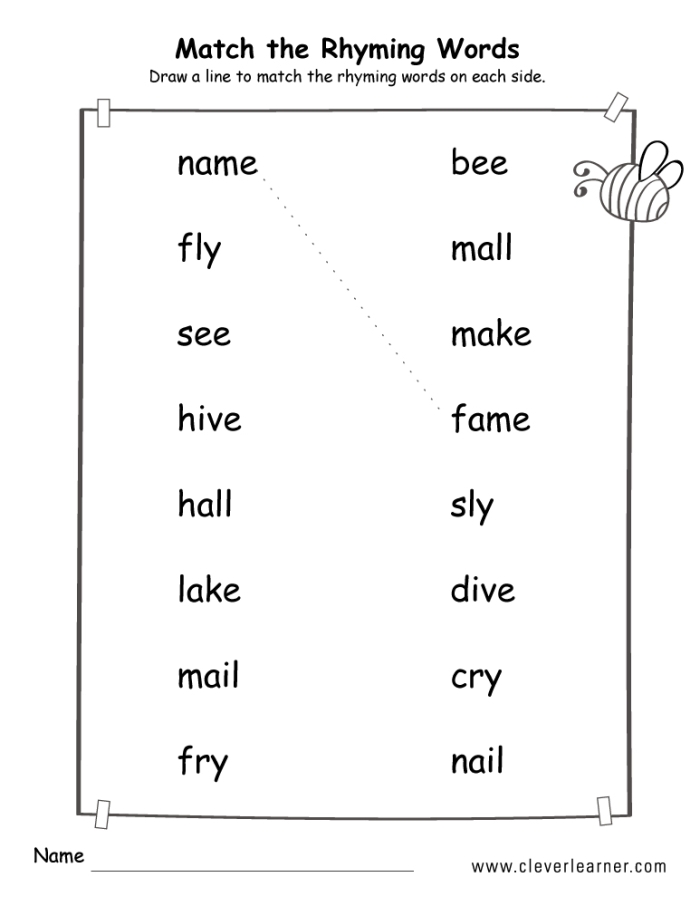
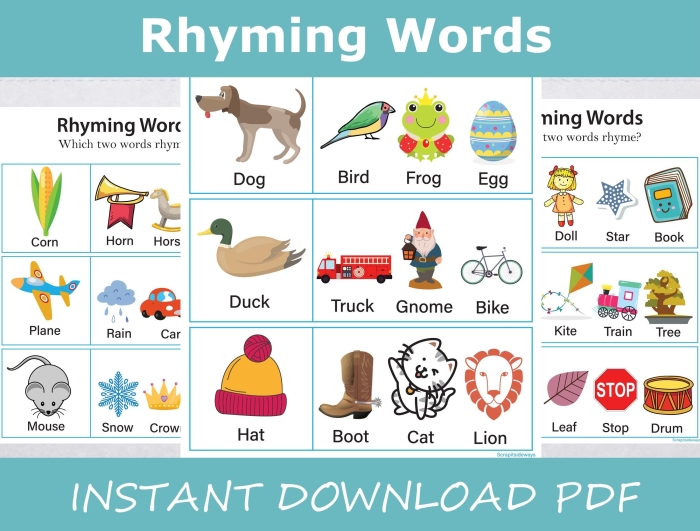
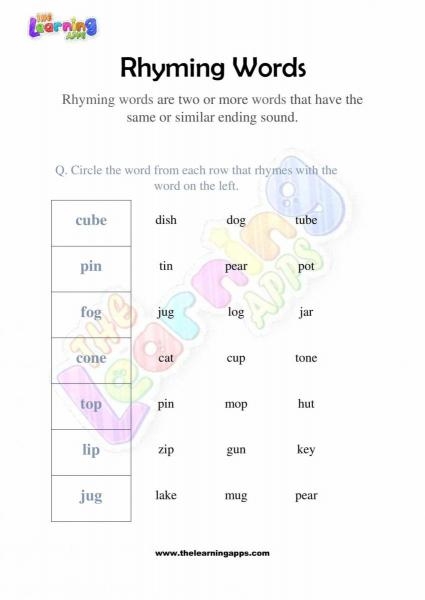
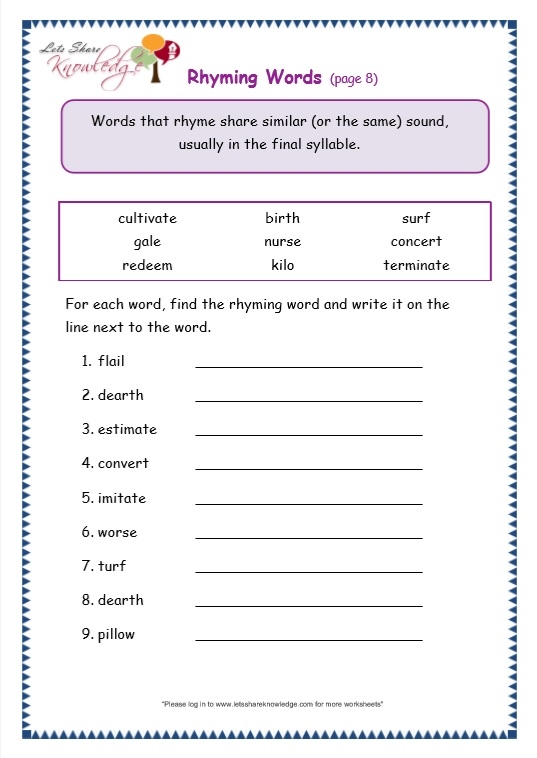
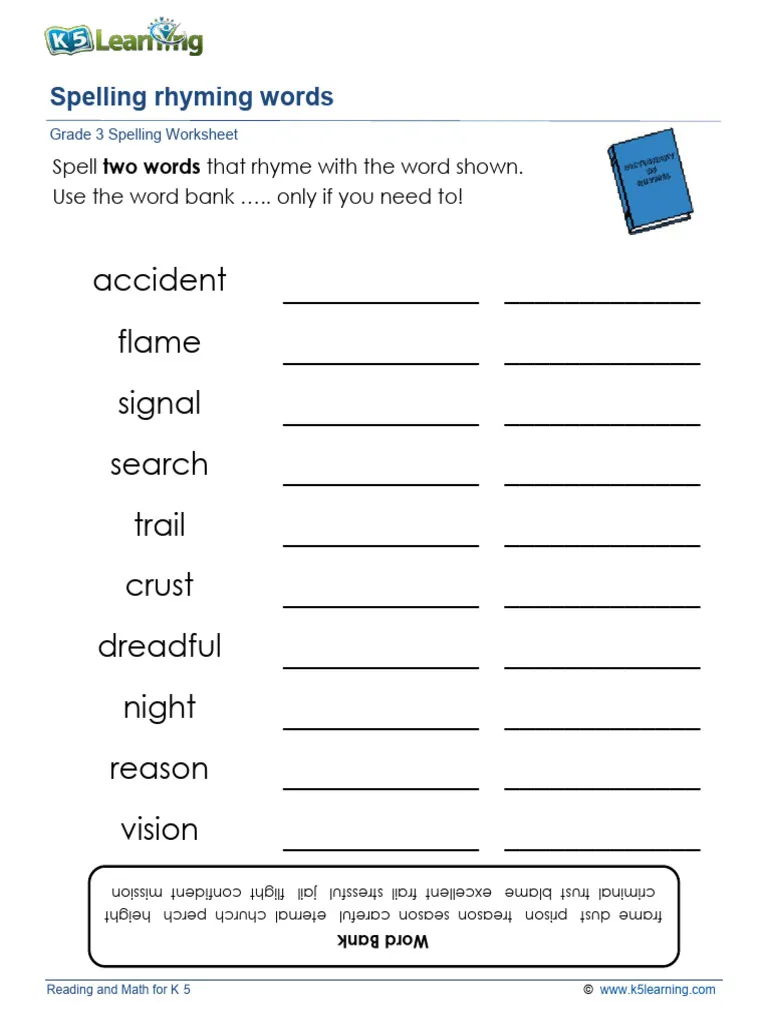
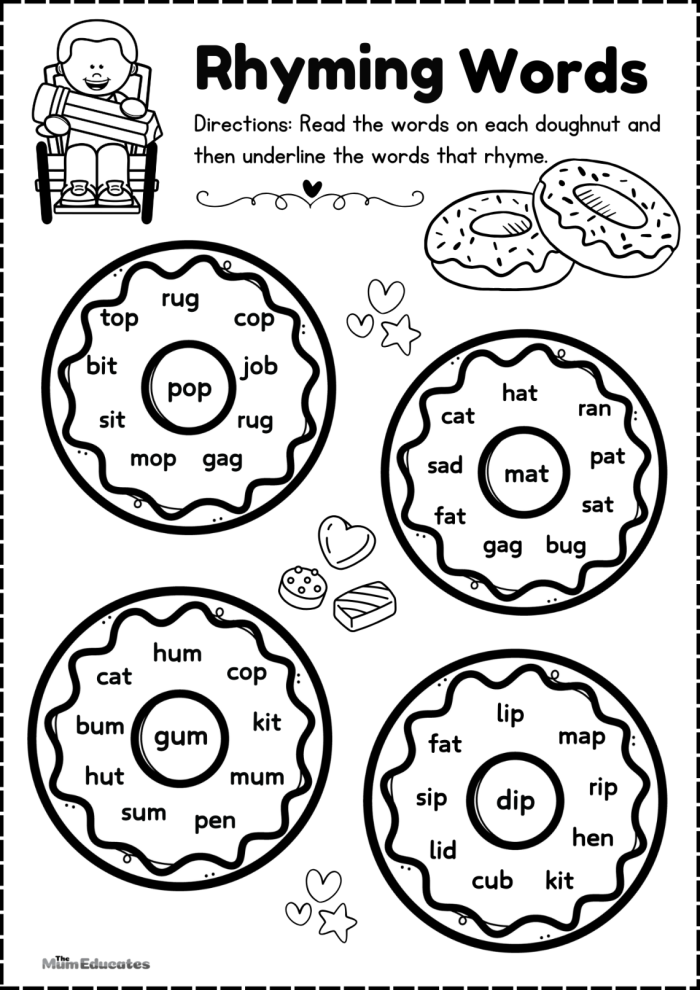
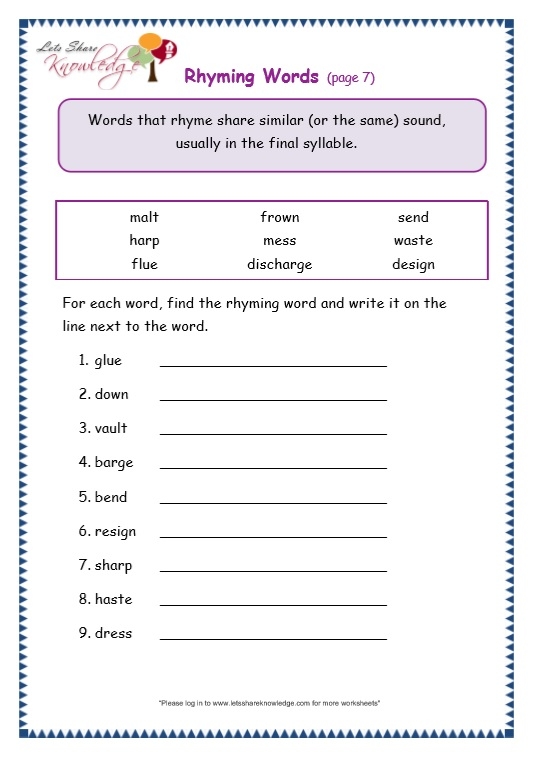
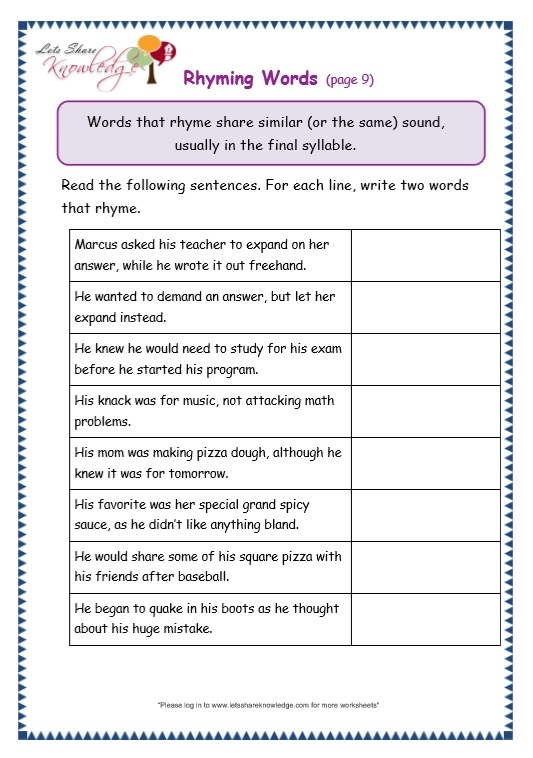
If you’re looking for structured practice, rhyming worksheets for Pre-K provide ready-made options that save preparation time while maintaining educational quality.
Download These Worksheets for Practice