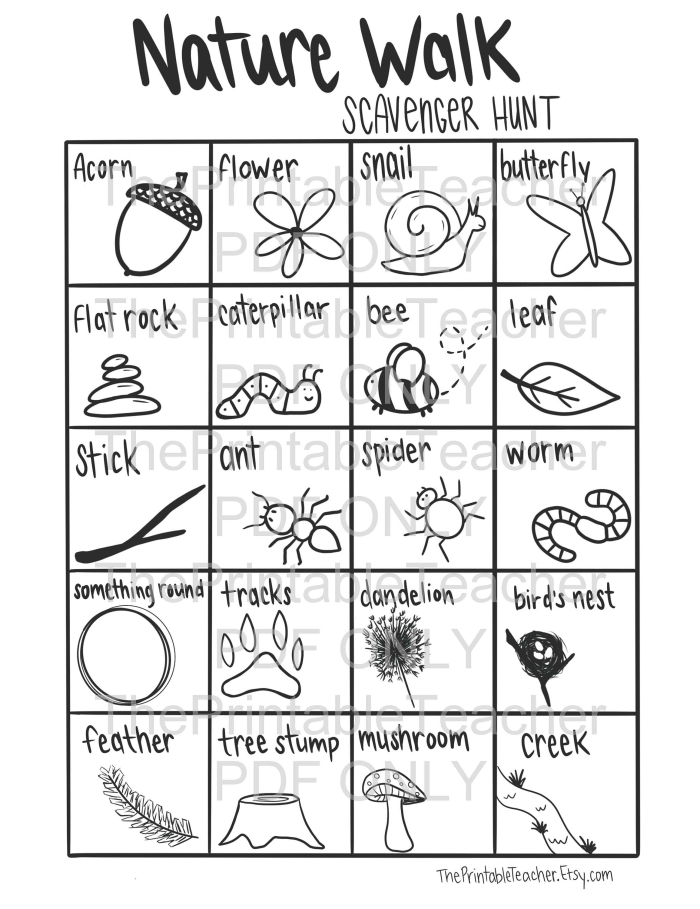
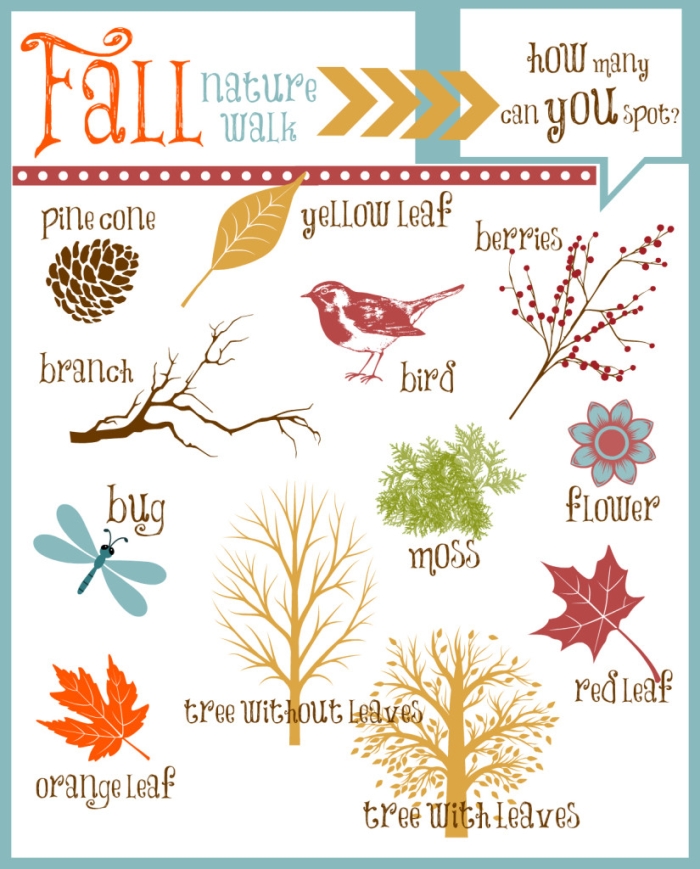
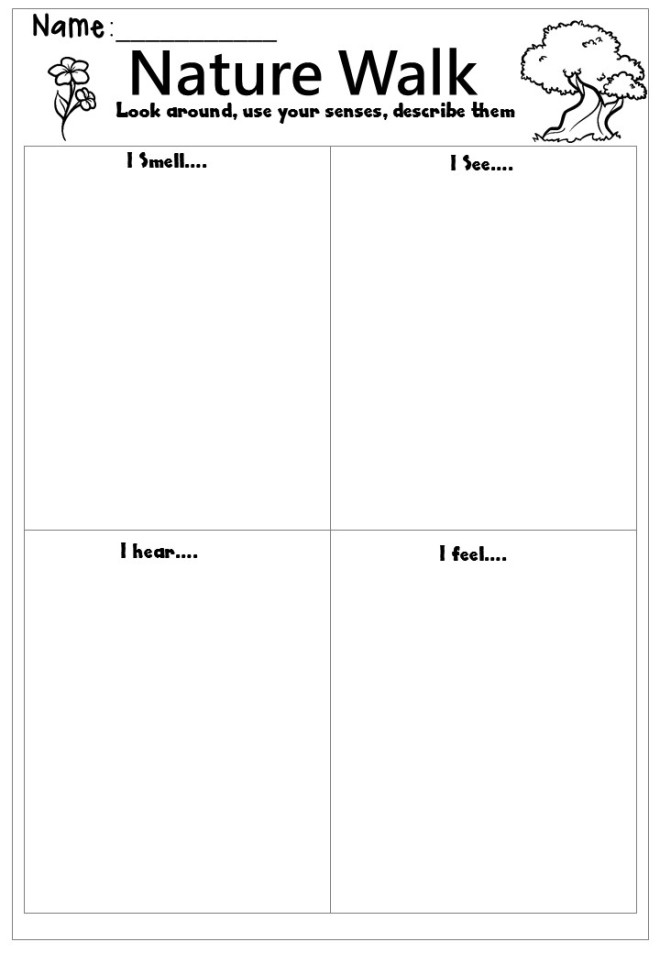
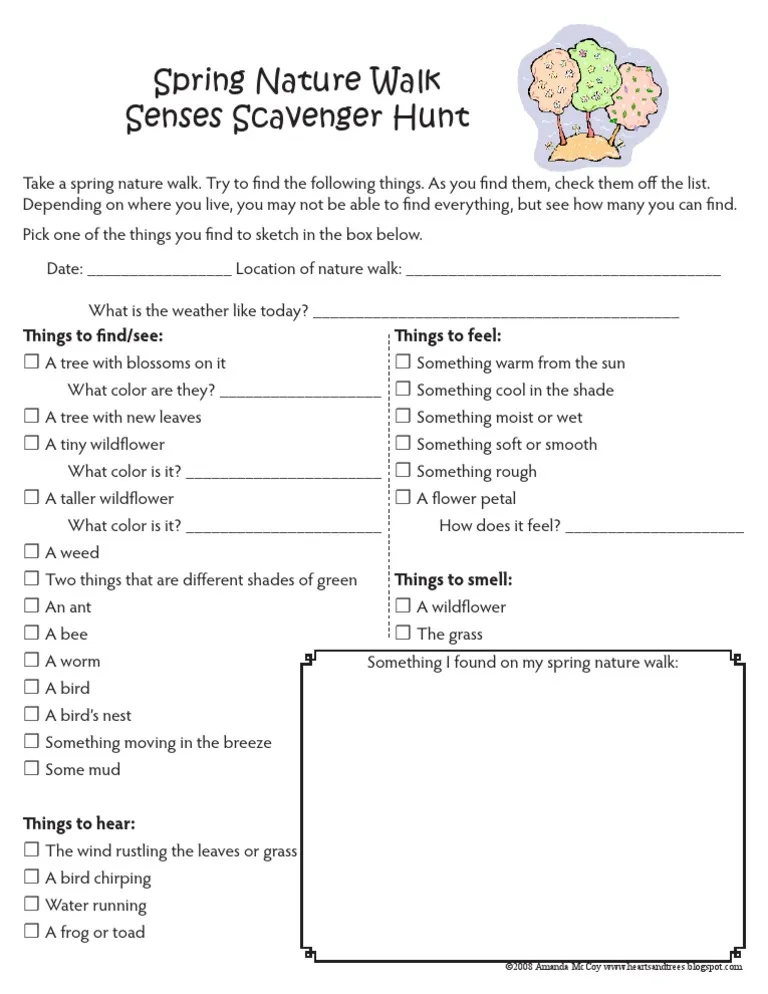
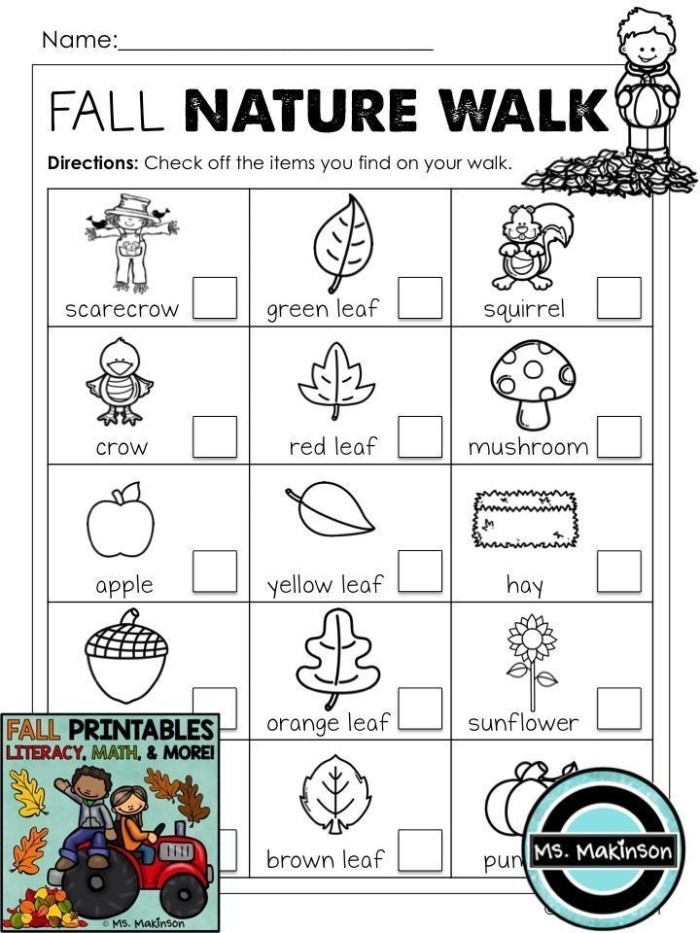
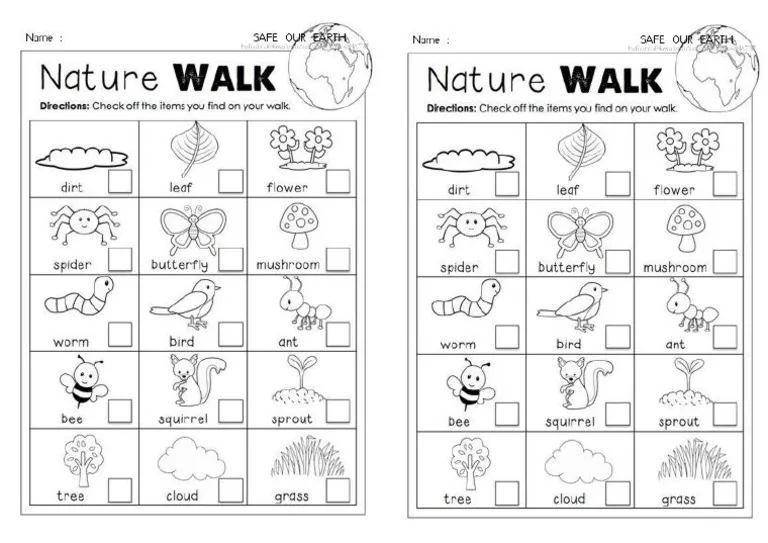
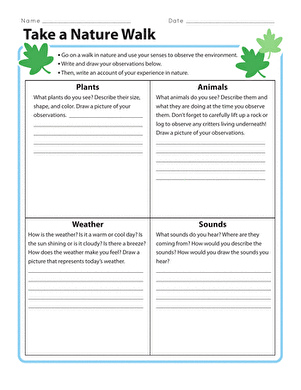
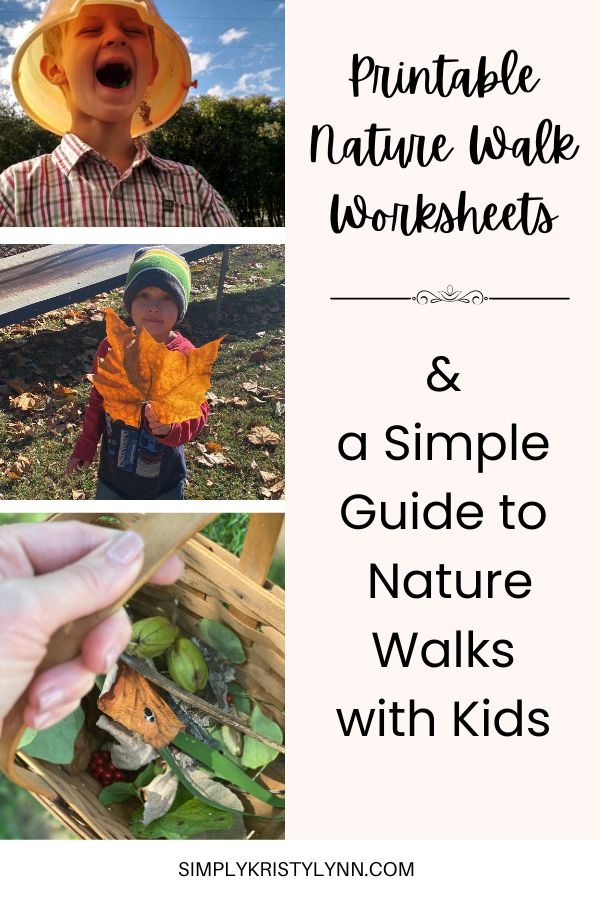
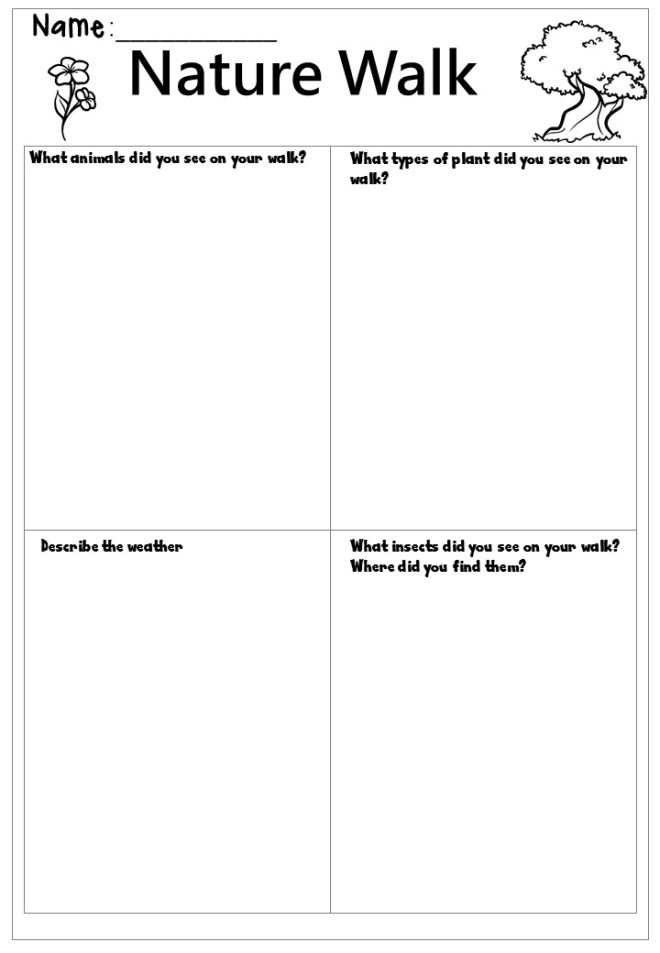
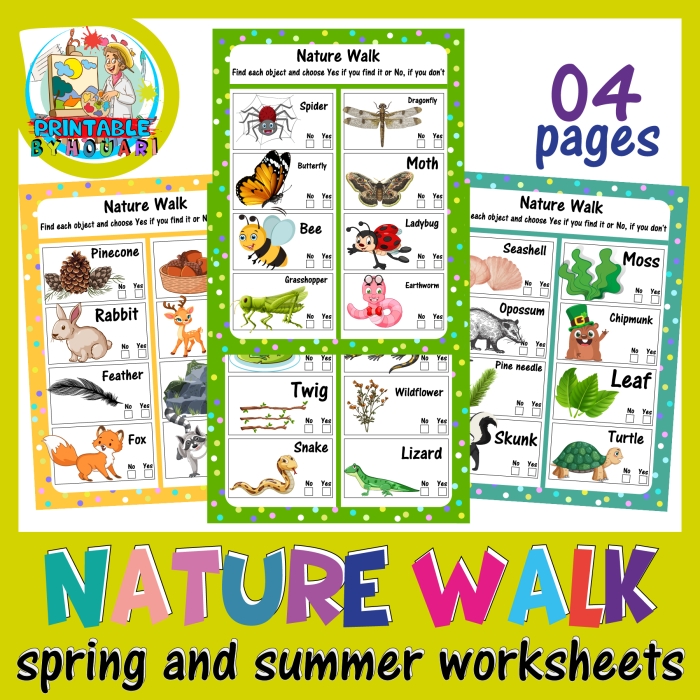
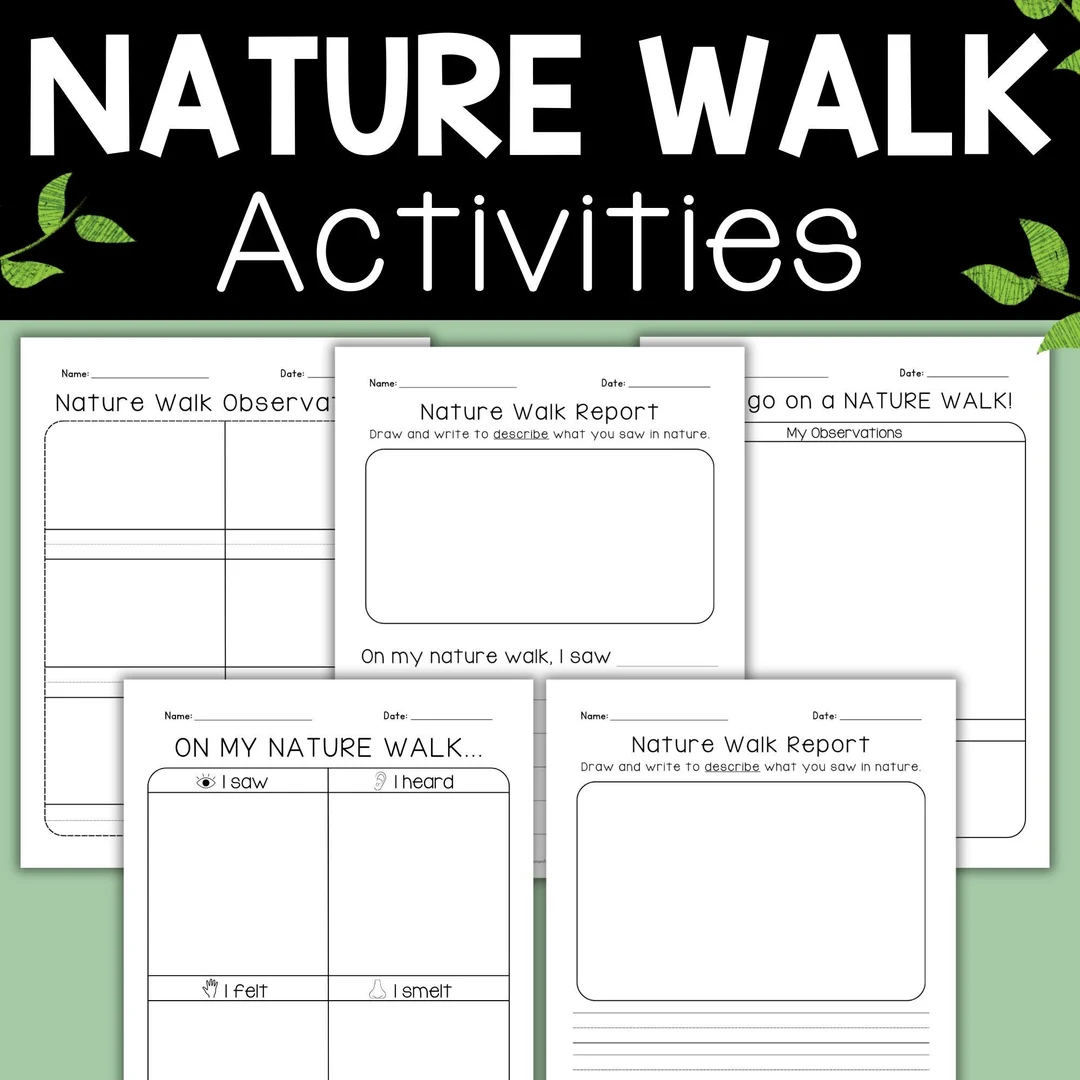
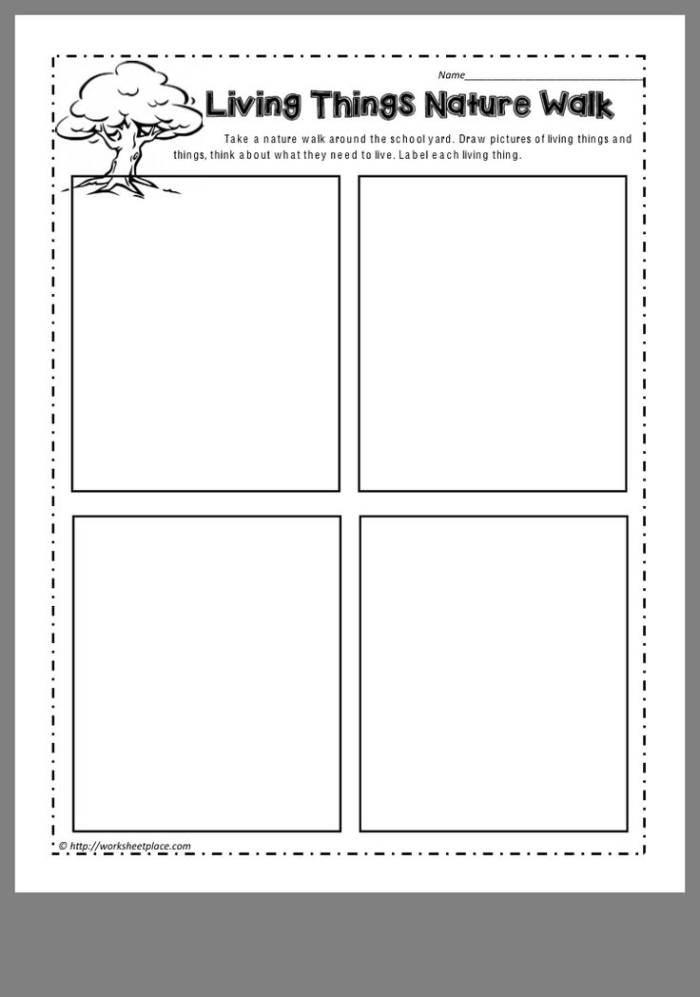
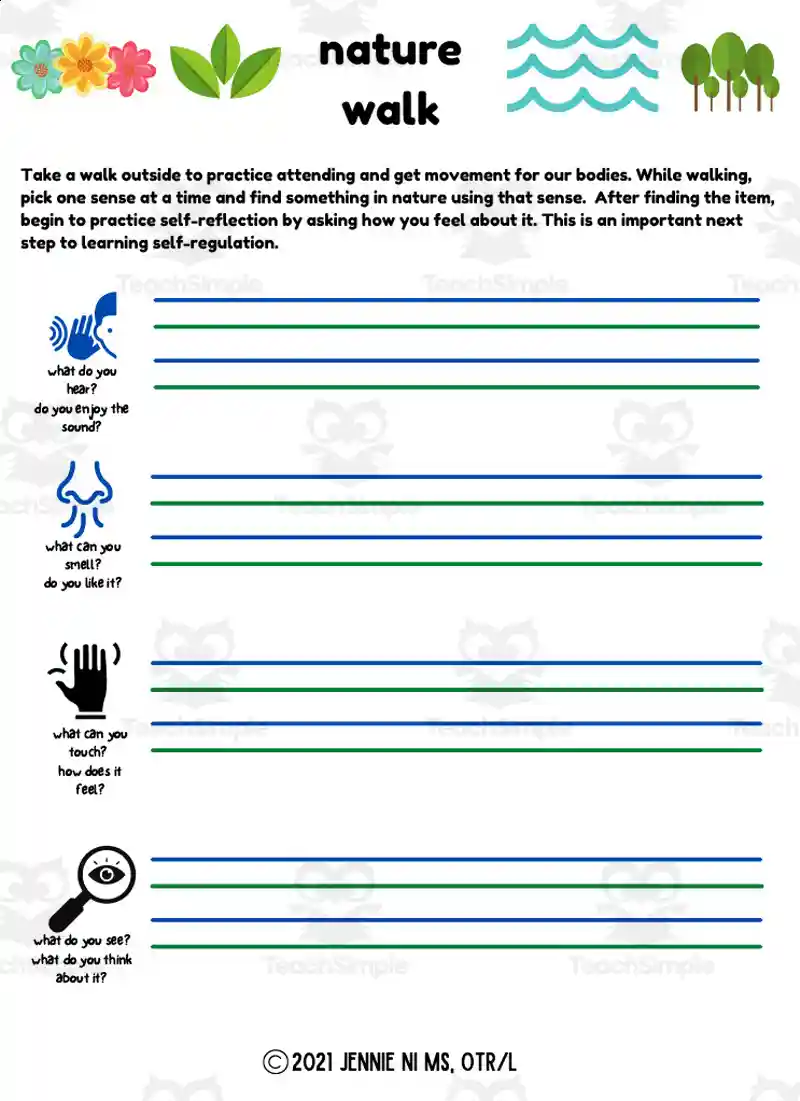
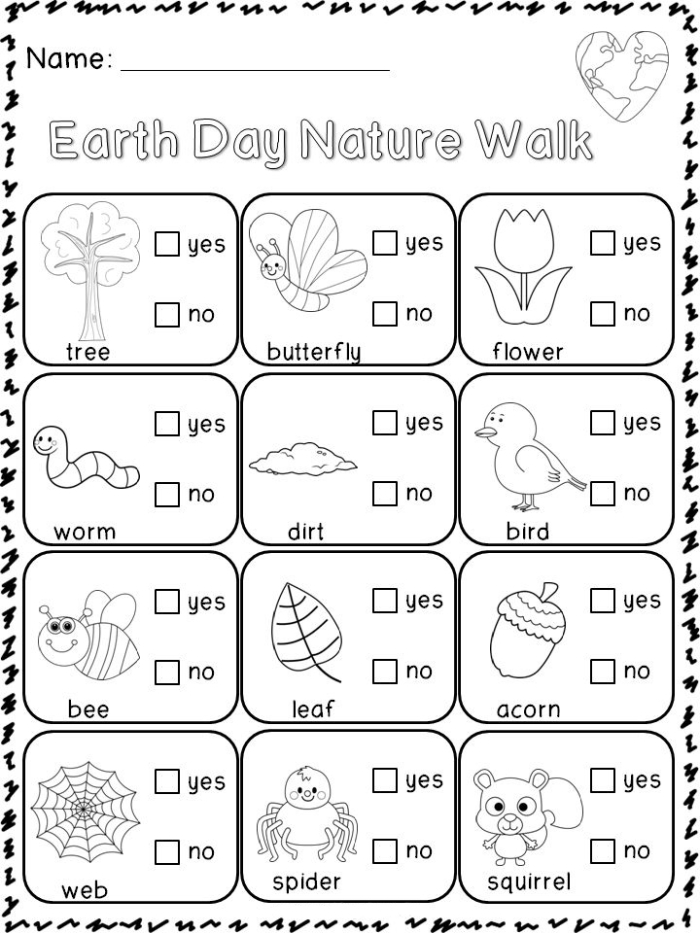
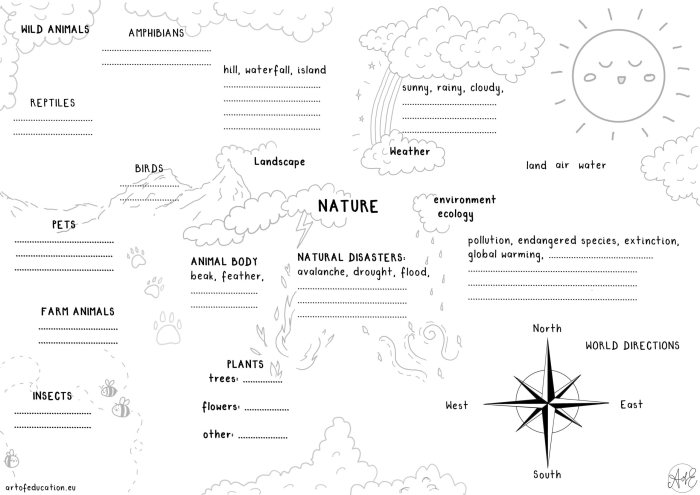
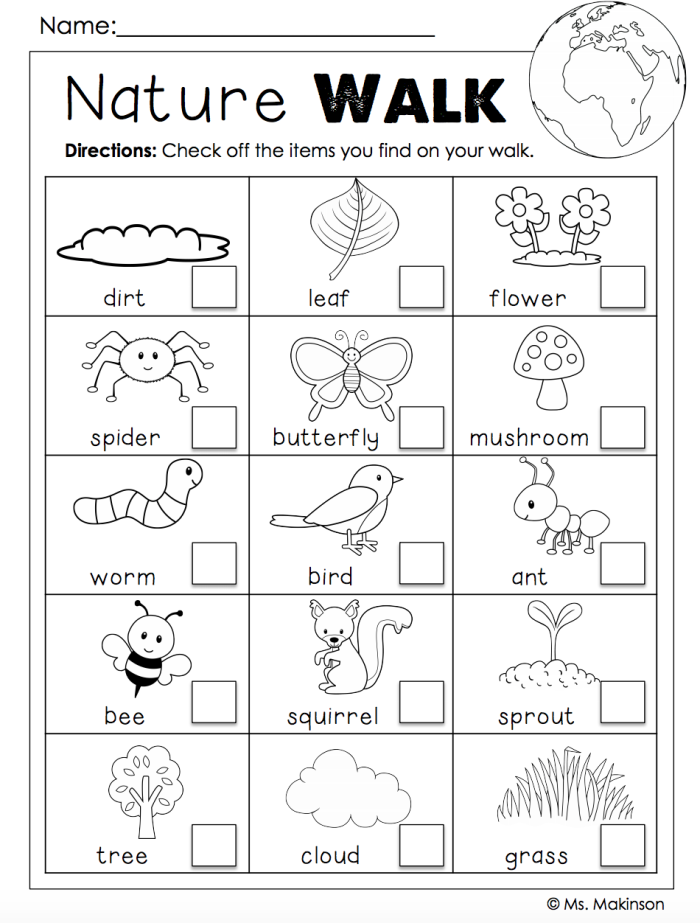
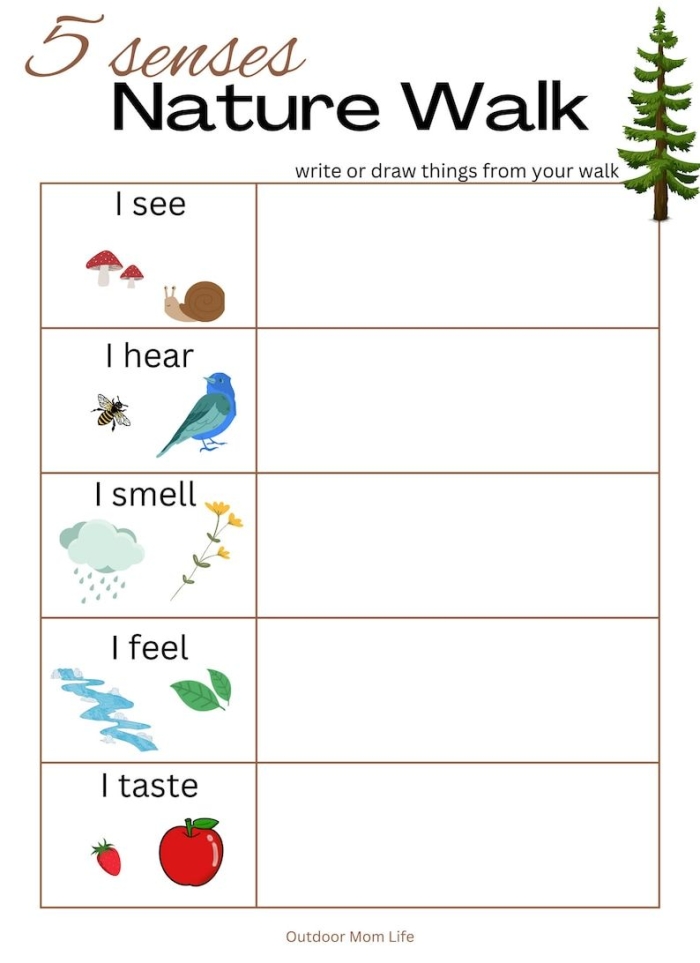
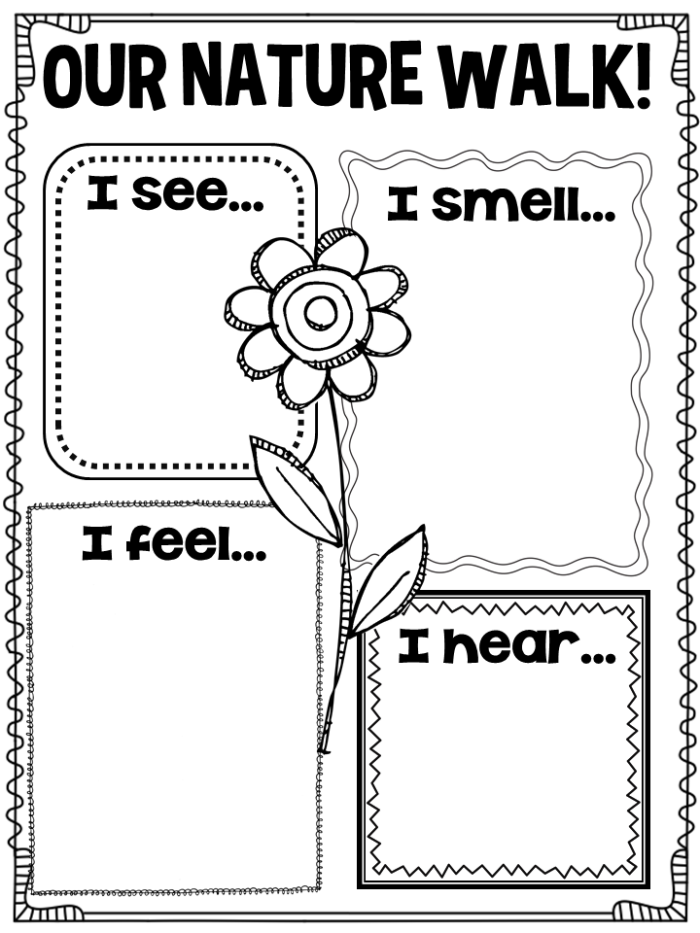
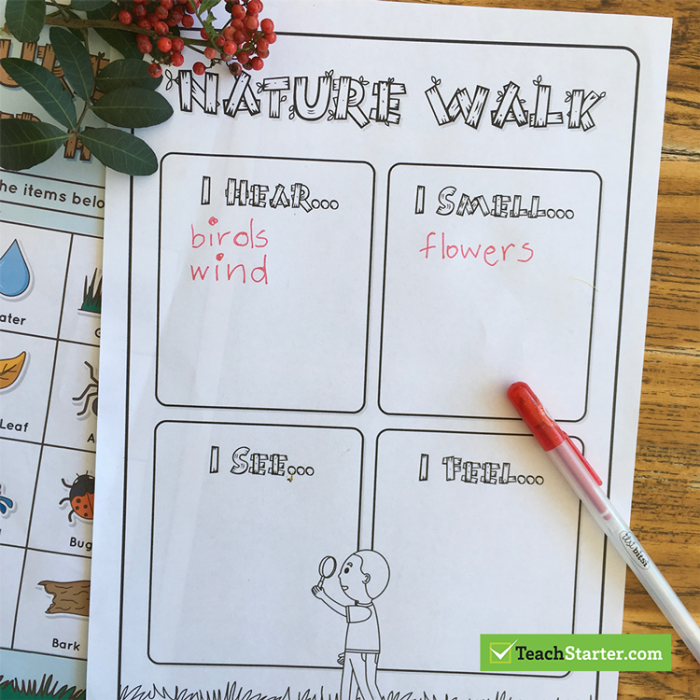
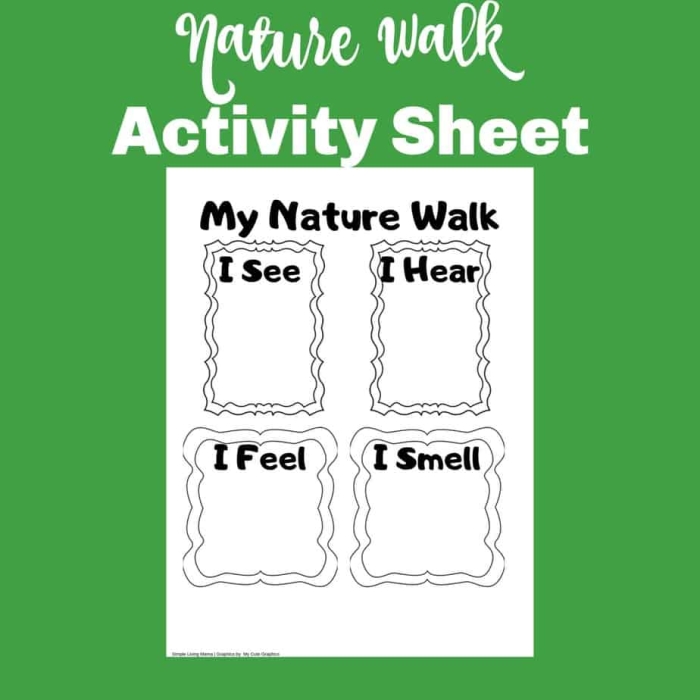
Taking a nature walk can be a delightful way for your child to connect with the world around them. Encouraging your child to observe their environment not only nurtures their curiosity but also enhances their observational skills. With a simple worksheet in hand, they can document their findings through writing and drawing, turning a casual stroll into an engaging educational experience.
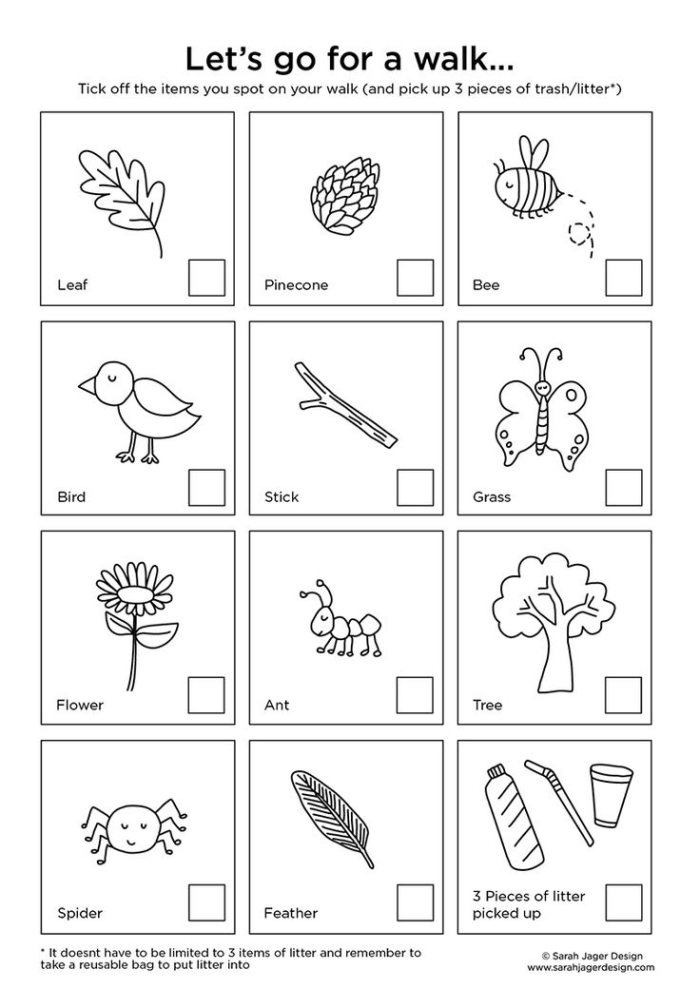
As you set out on your nature walk, remind your child to pay attention to various elements in their surroundings. They can look for different types of plants, listen for birds, and even note the sounds of rustling leaves or flowing water. Using prompts from the worksheet, they can record what they see, hear, and feel. For instance, if they spot a unique flower, they can sketch it and write down its color and shape. This exercise not only helps them learn about biodiversity but also encourages a deeper appreciation for nature.
Moreover, these observations can spark discussions about ecosystems and the roles different organisms play. When your child writes about an animal they encounter, like a squirrel or a butterfly, they can explore their characteristics and behaviors. This is a practical way to integrate subjects like life science into their learning, making it both fun and educational. For additional resources, consider worksheets that cover related topics, such as matching equivalent fractions or cause and effect word families, which can enhance their overall learning experience.
Not only does this activity support their academic growth in third grade, particularly in addition and observational skills, but it also fosters a sense of wonder about the natural world. By encouraging your child to take a nature walk and engage with the worksheets, you are helping them build a foundation for lifelong learning and environmental stewardship.
Worksheet Practice Section