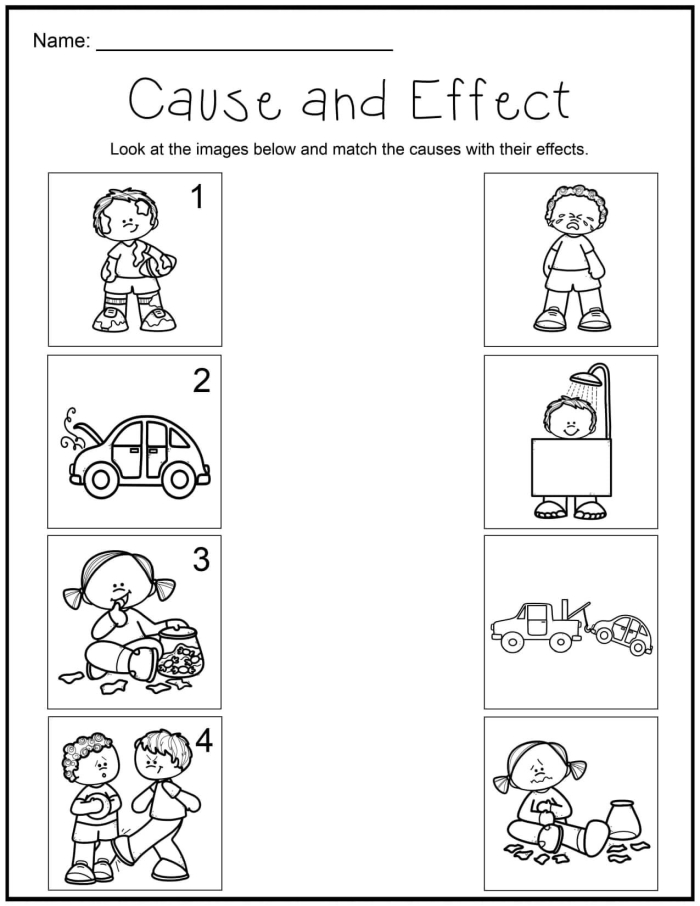
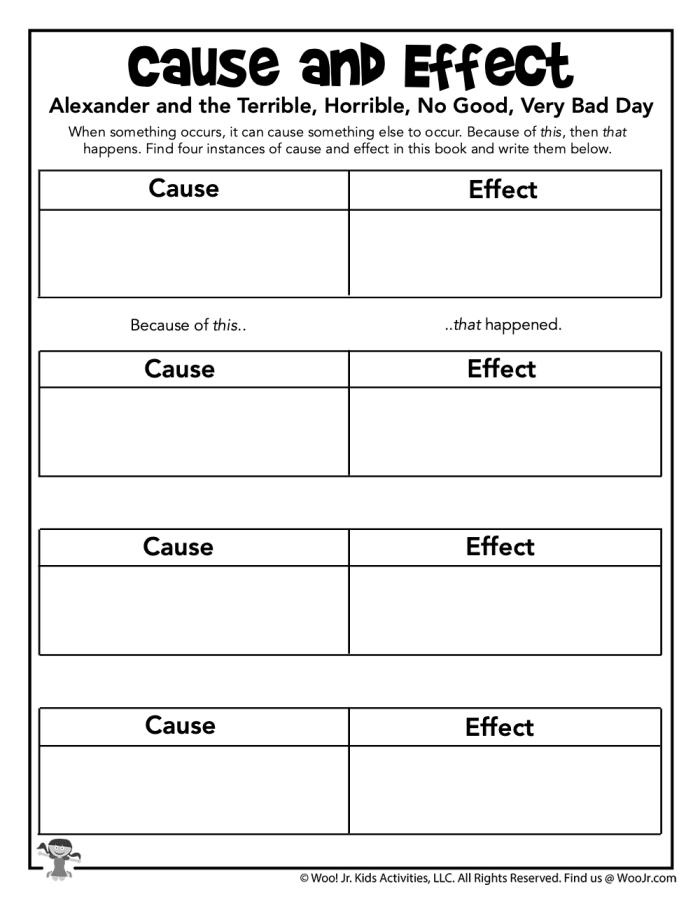
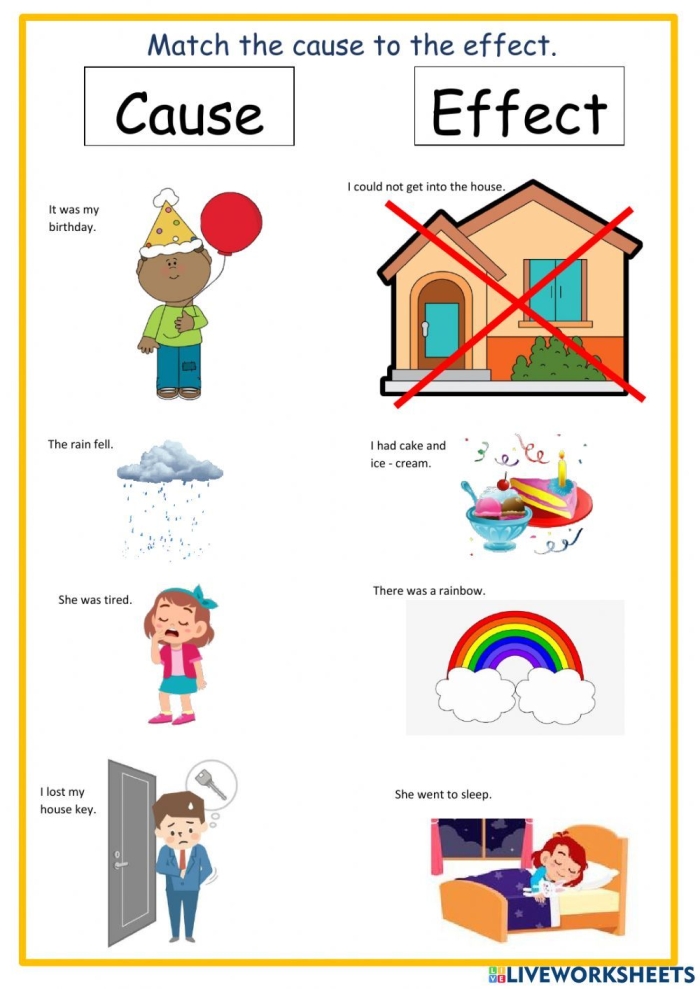
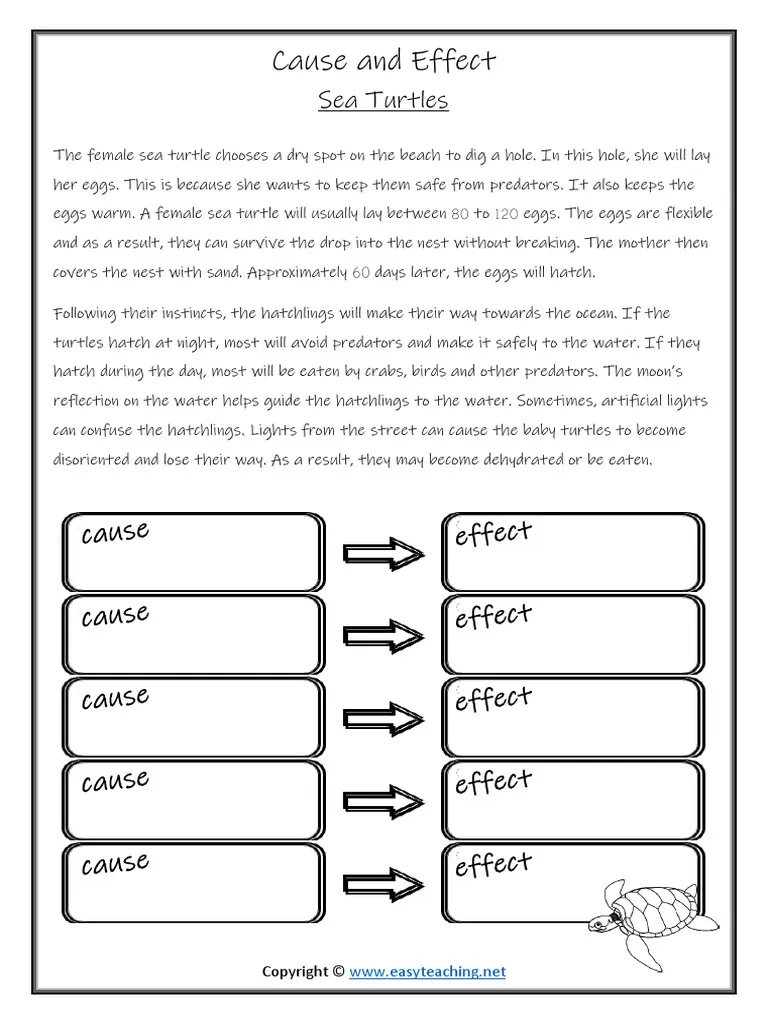
When third grade readers encounter a story where a character misses the bus because they overslept, they’re doing more than following a plot. They’re building a critical thinking skill that connects actions to their results. Understanding cause and effect means recognizing that one event makes another event happen, and this foundation shapes how students comprehend everything they read.
Fiction passages offer the perfect training ground for this skill. Unlike non-fiction, stories naturally weave causes and effects into character decisions and plot developments. A child reads that it rained all night, so the soccer game got cancelled. They notice that the main character felt nervous, which caused them to speak quietly during the presentation. These connections don’t feel forced because they emerge naturally from the narrative.
Third grade teachers often use short passages because they allow students to focus without getting overwhelmed by complex plots. A passage might be just three or four sentences, making it manageable to identify what happened and why it happened. Students learn to ask themselves two simple questions: What occurred? What made it happen?
Word families strengthen this learning in unexpected ways. When students recognize that words like “care,” “careful,” and “careless” share the same root, they begin seeing how word choices themselves can signal cause and effect relationships. The suffix “-less” implies something is missing or absent, which connects to consequence. This pattern recognition helps readers spot cause-and-effect language more easily across different passages.
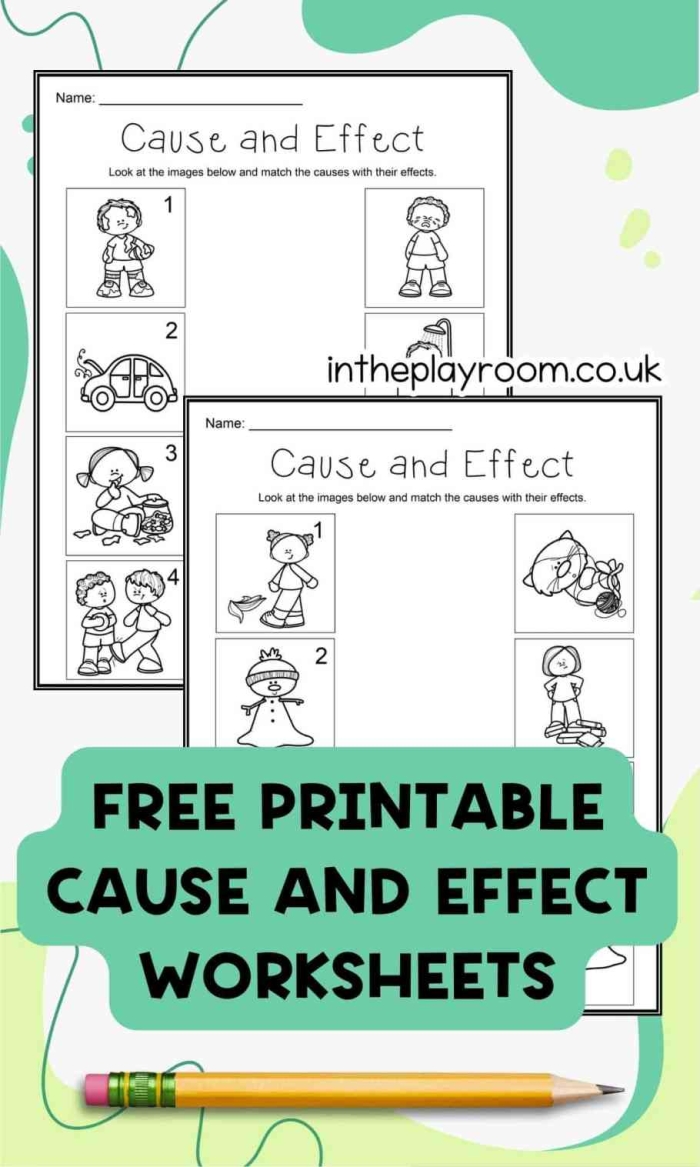
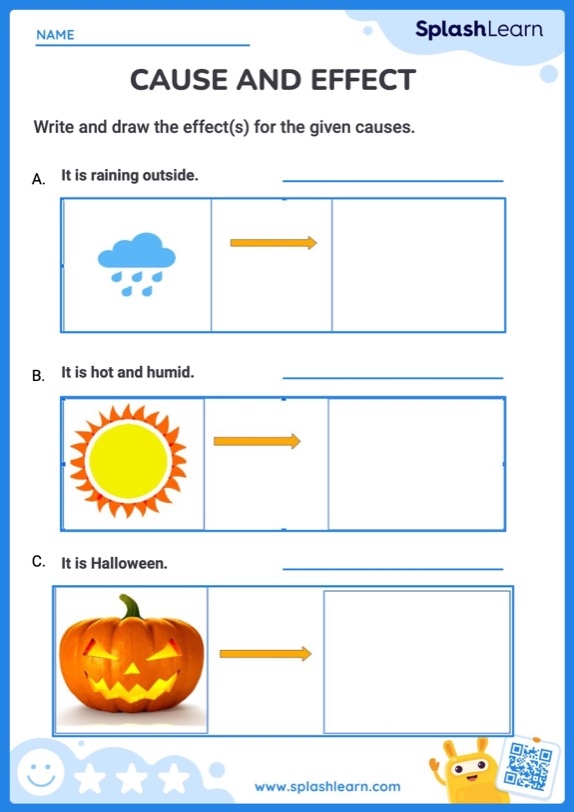
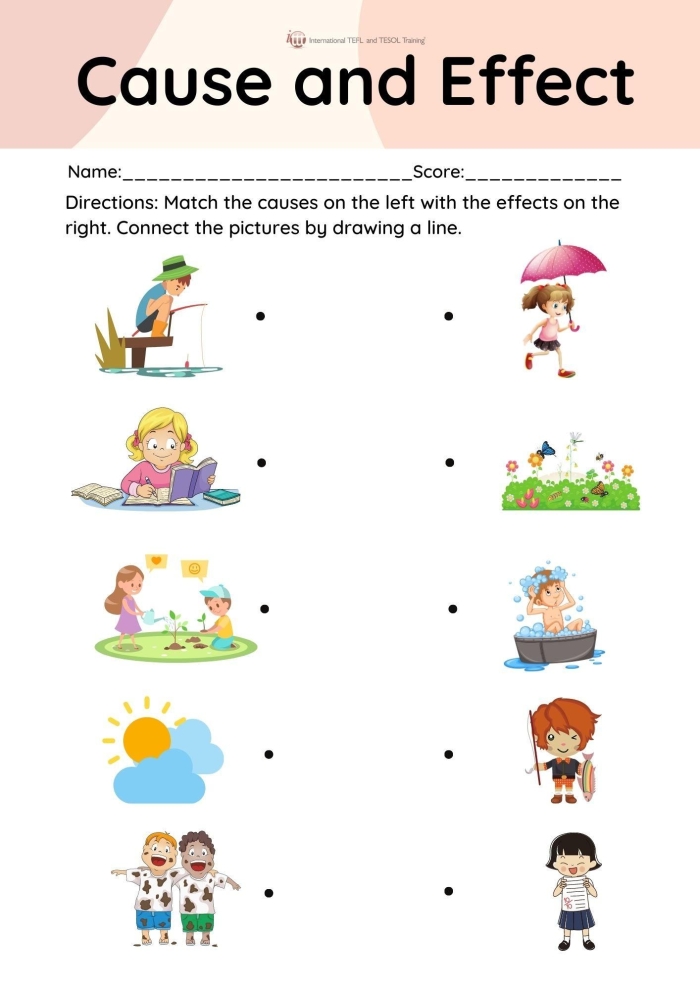
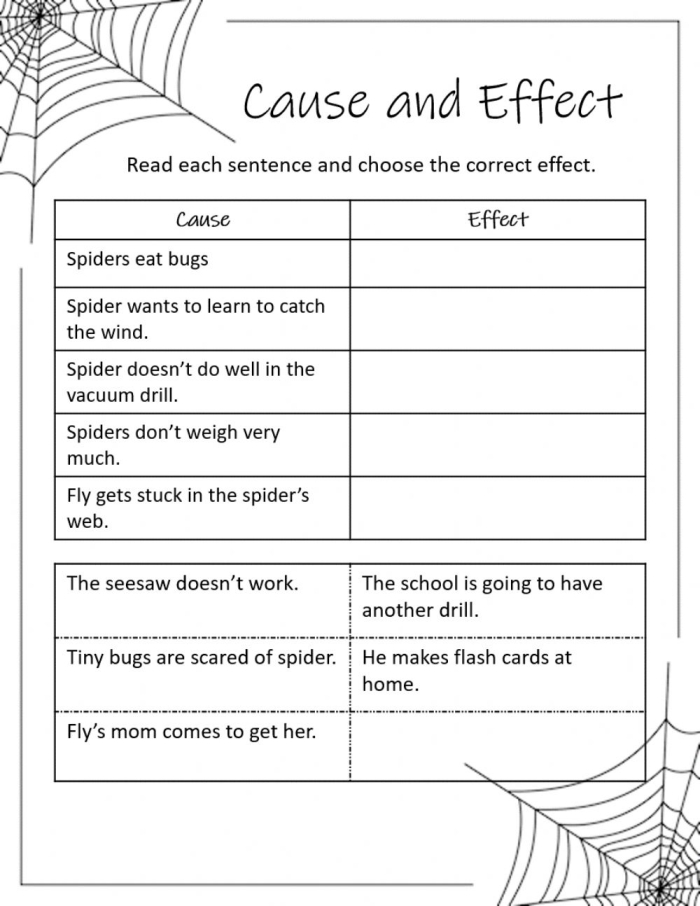
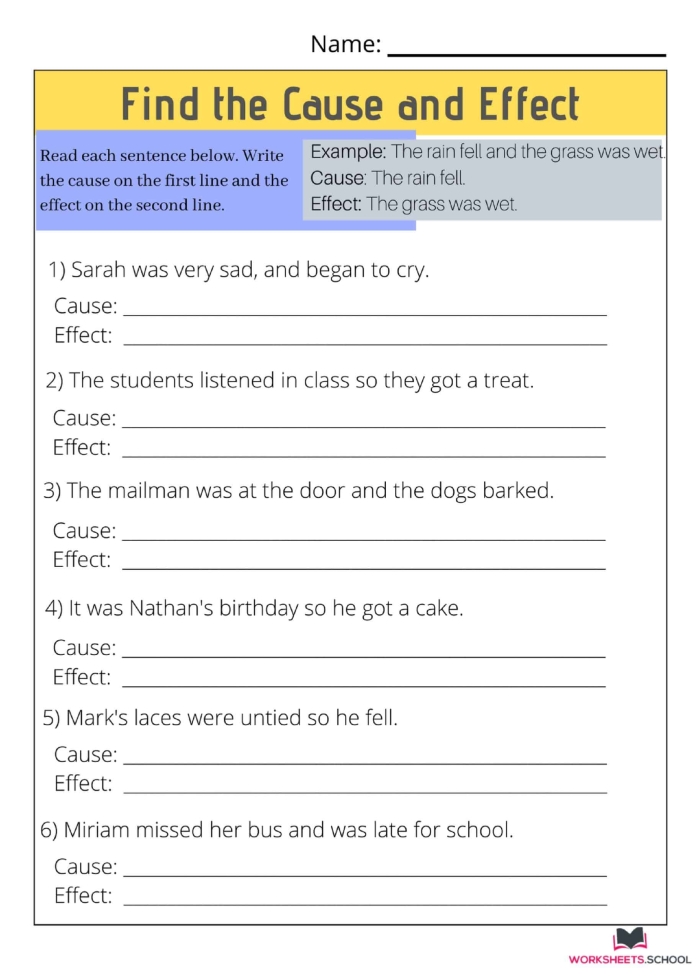
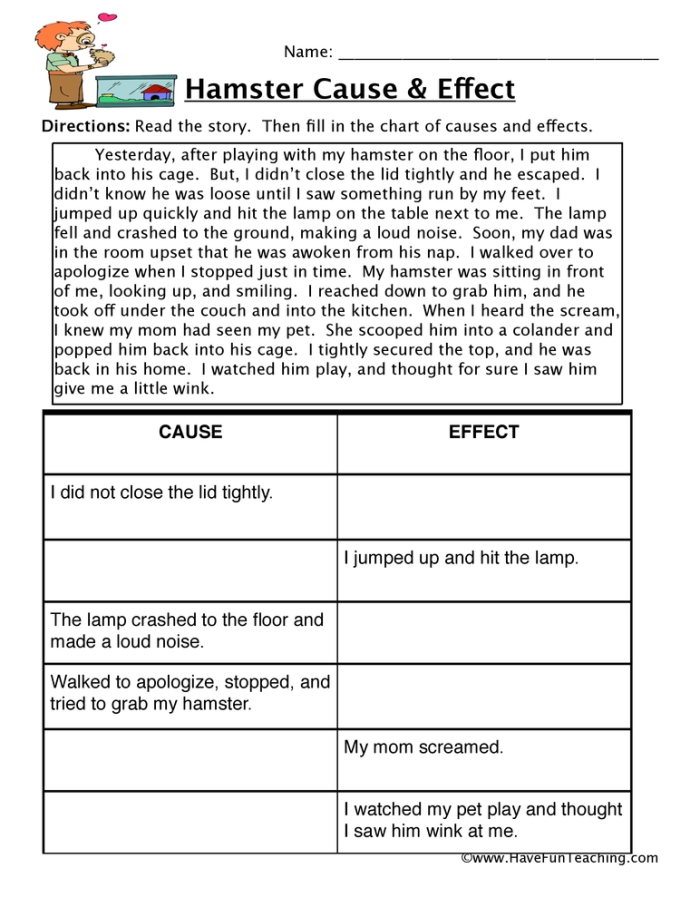
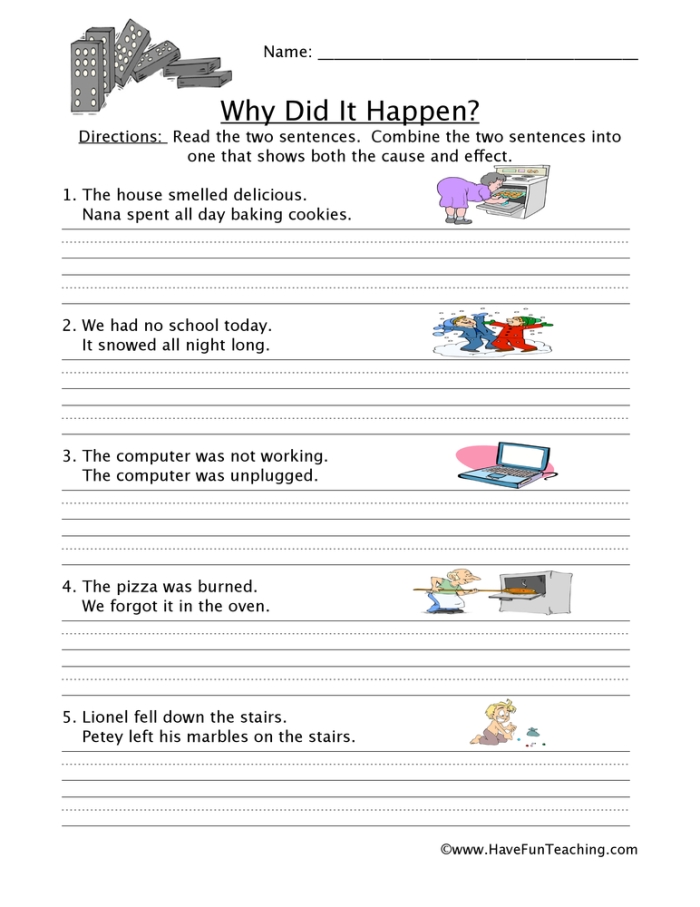
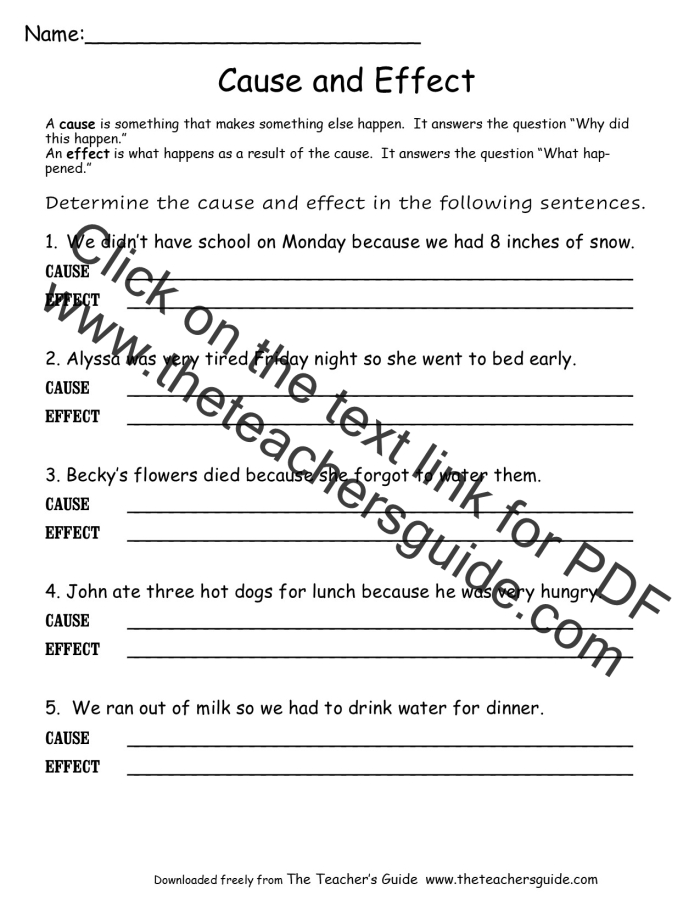
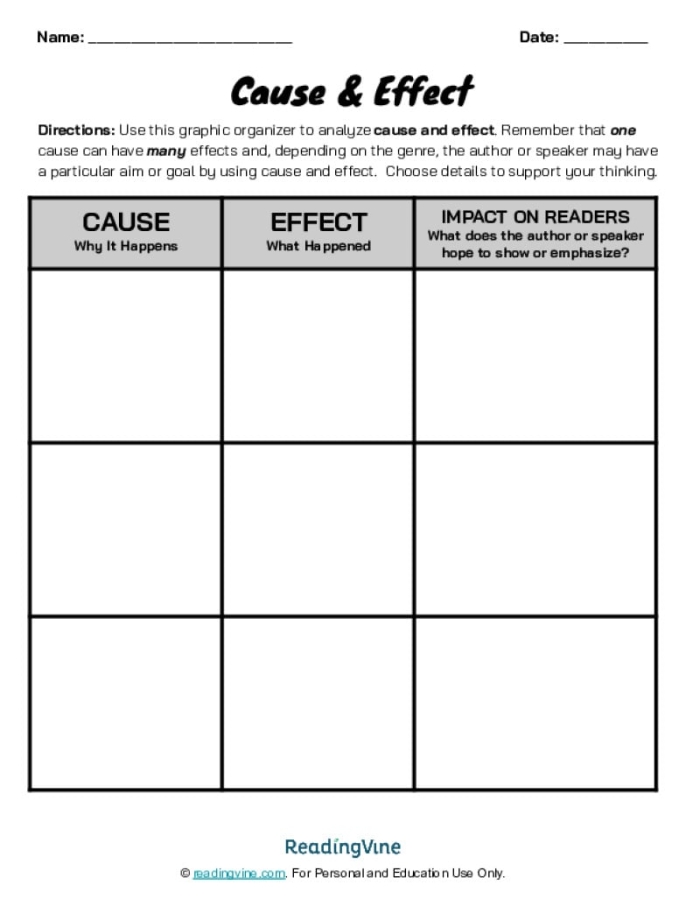
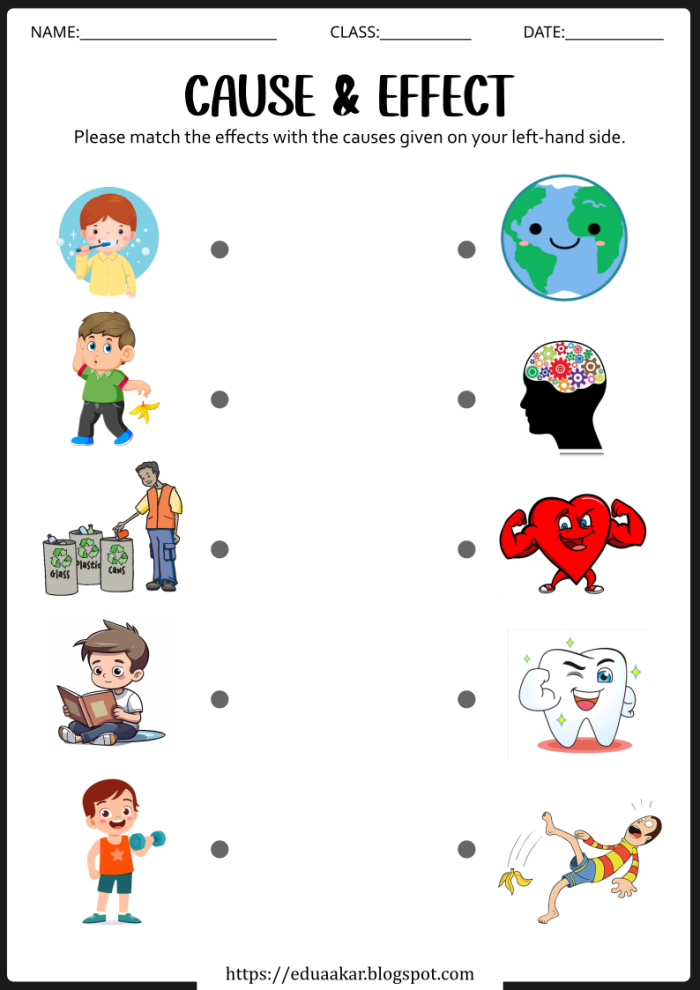
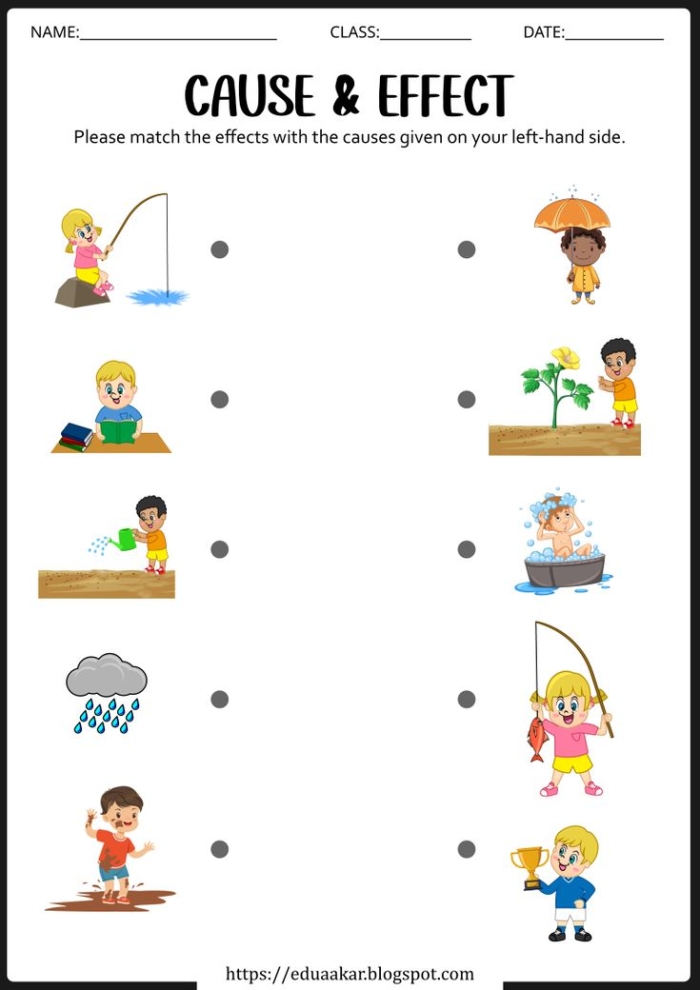
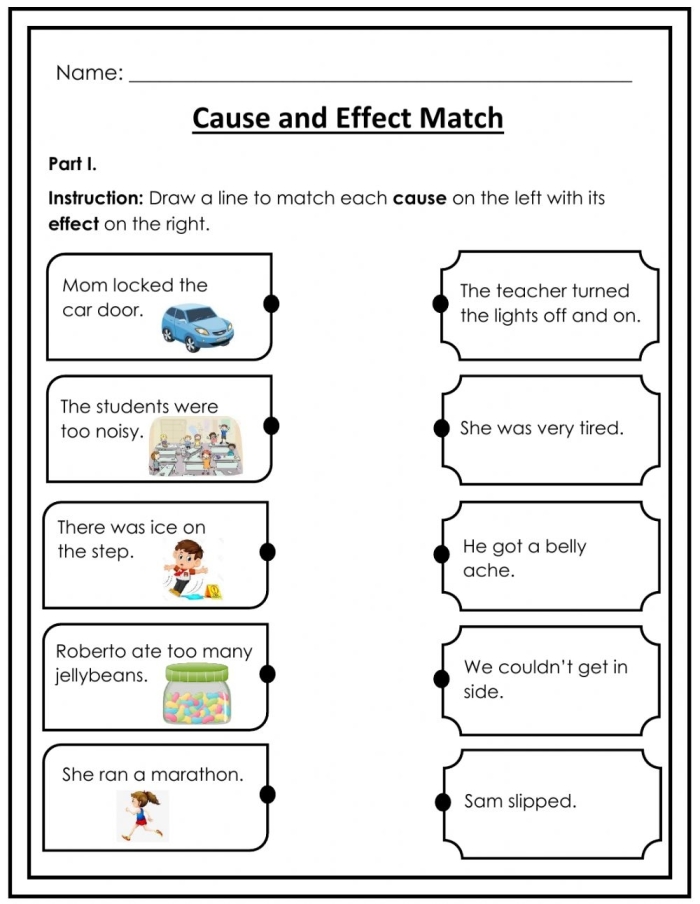
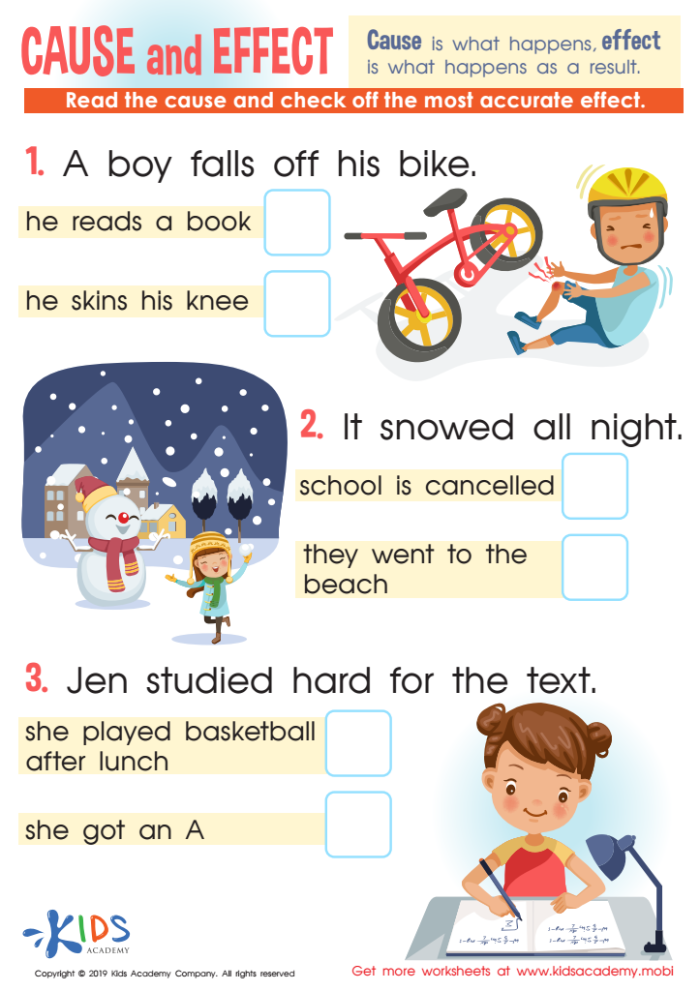
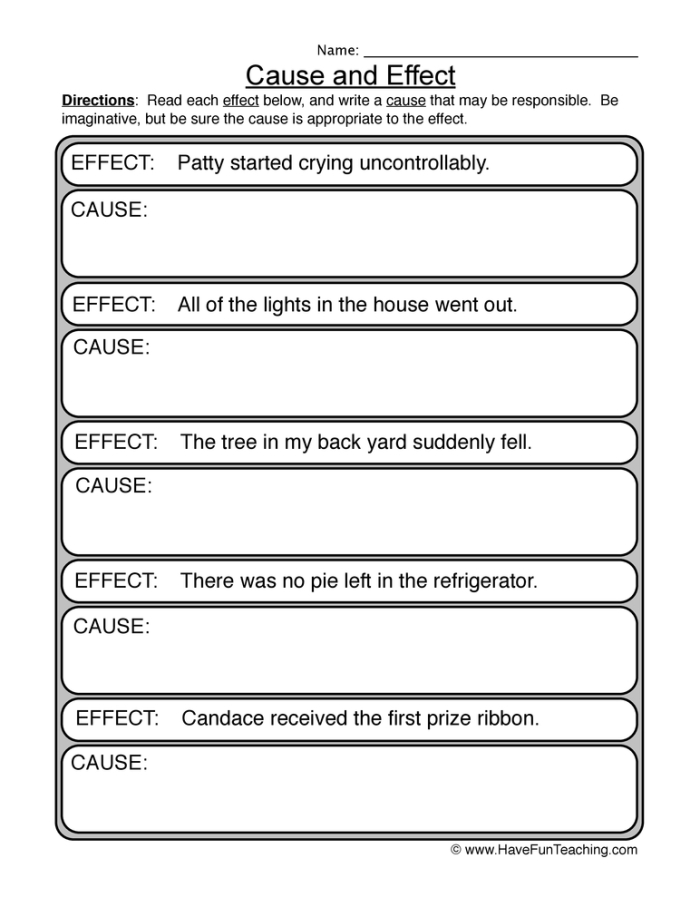
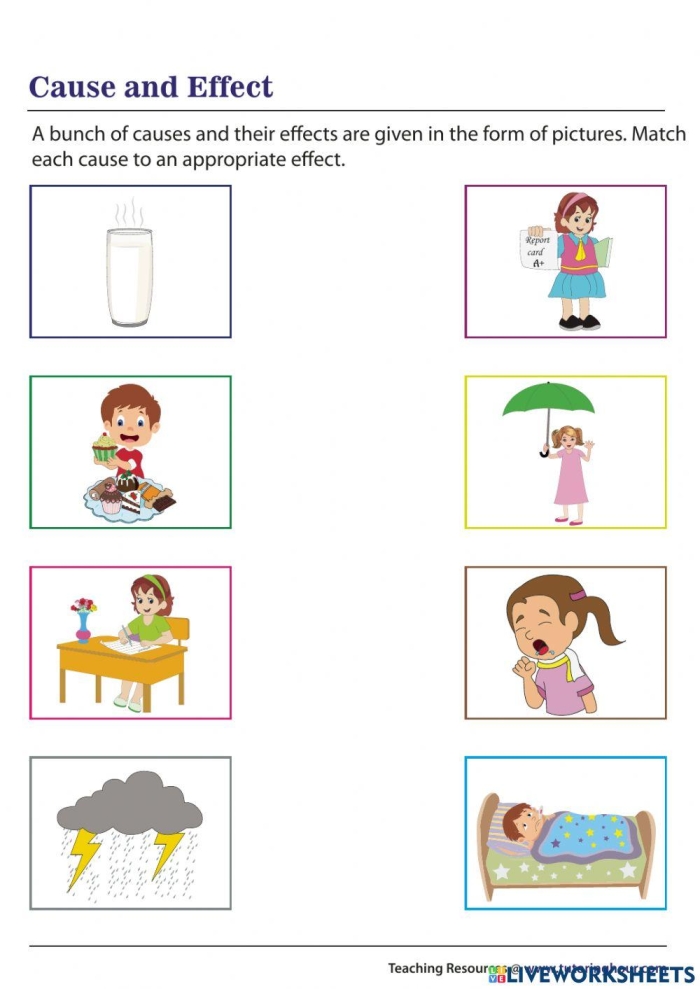
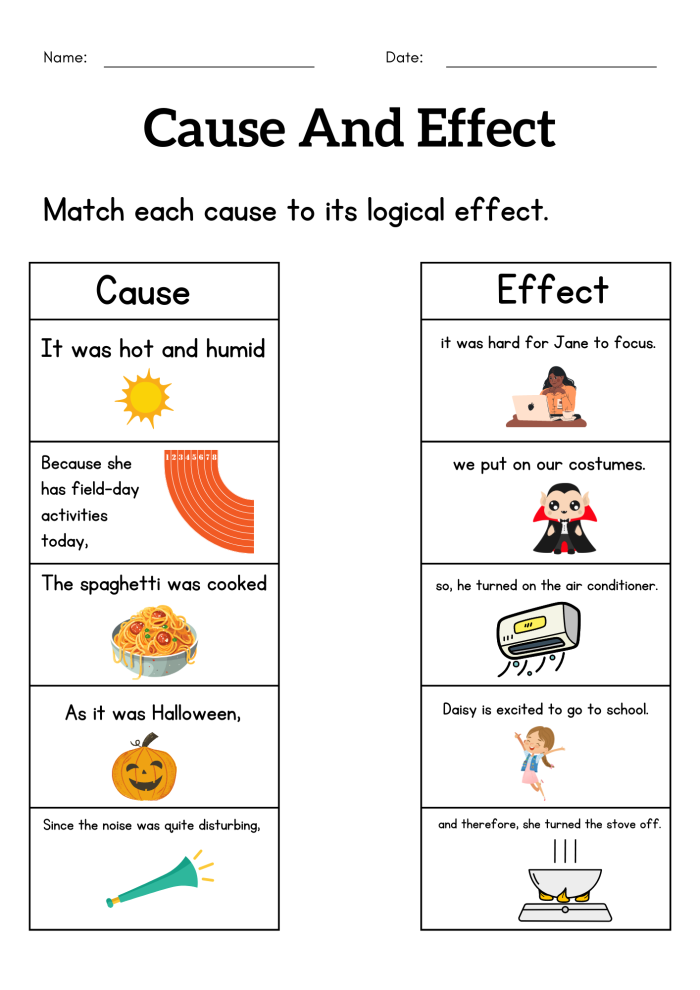
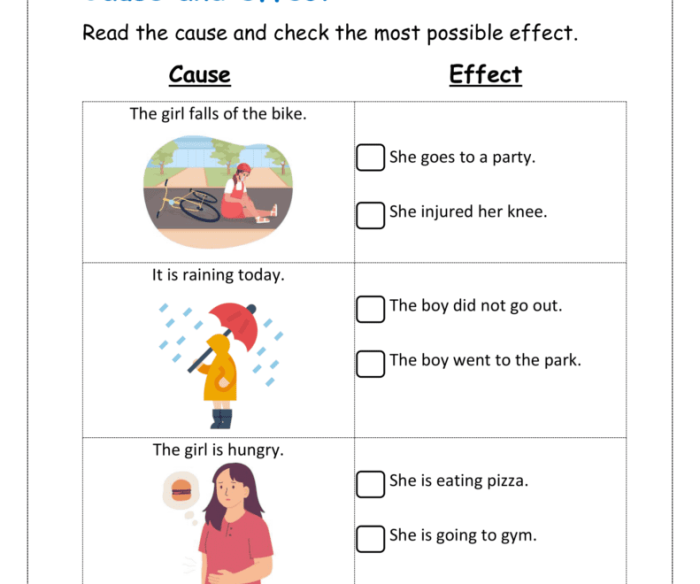
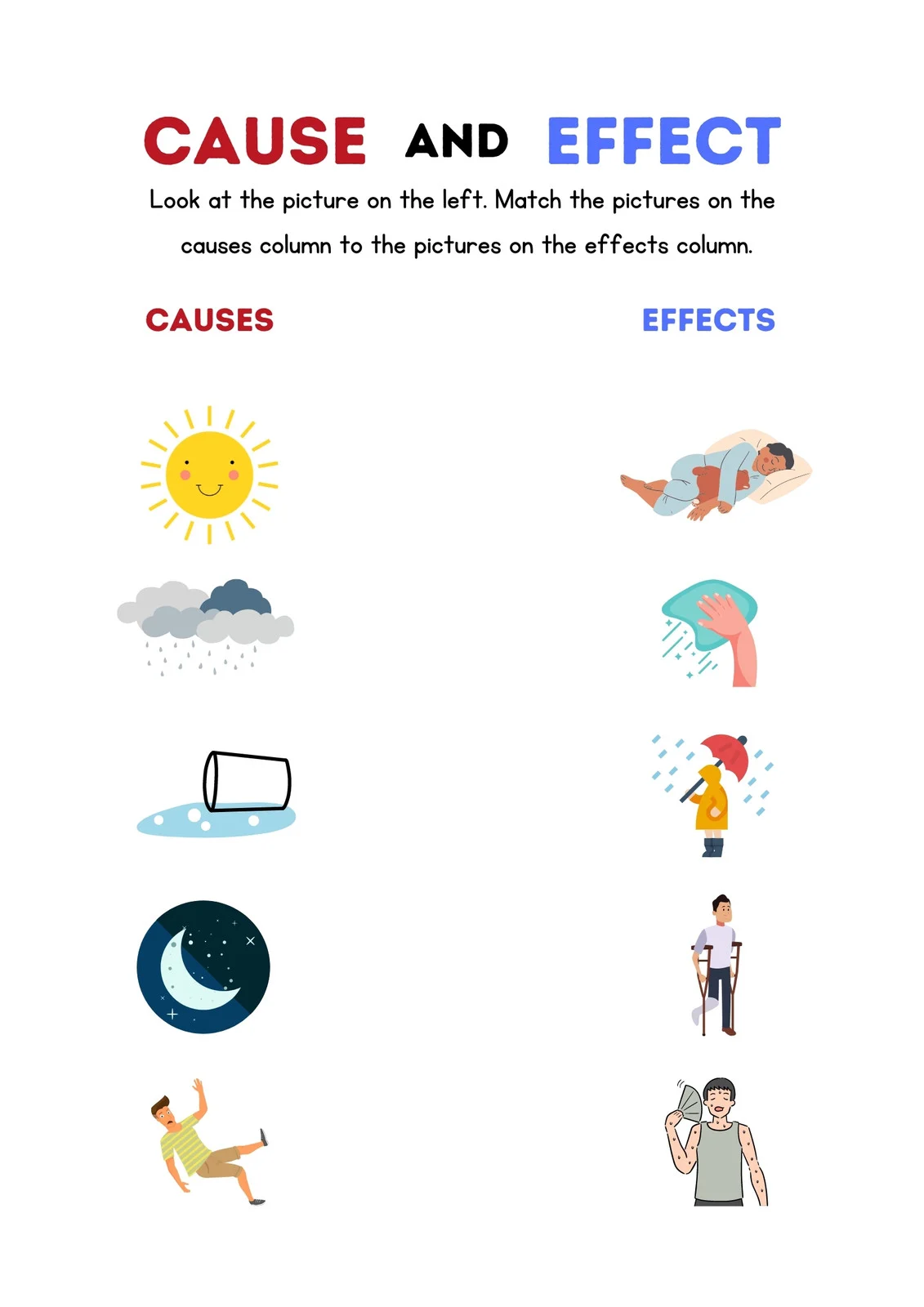
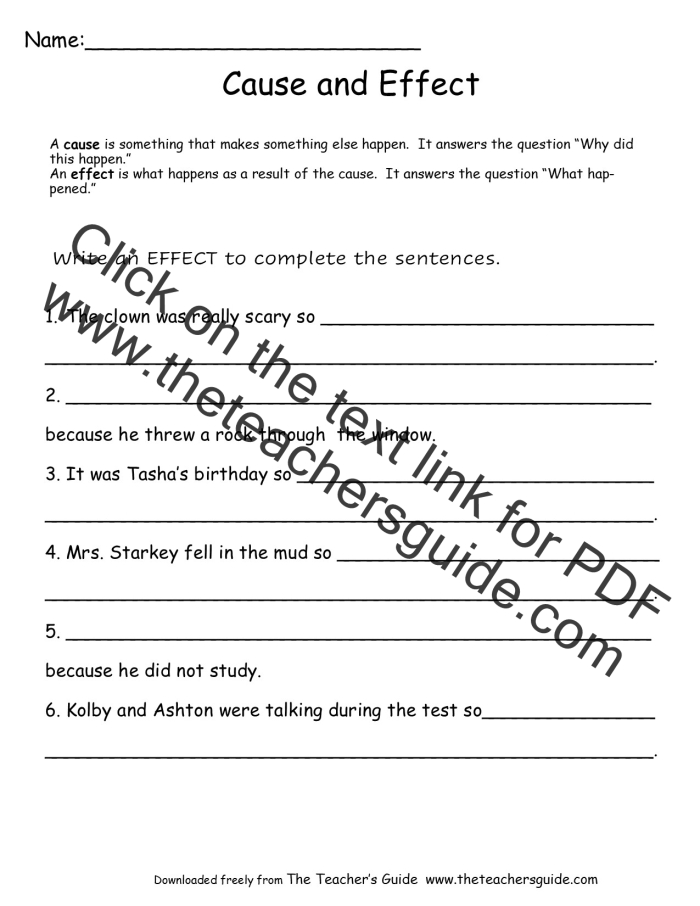
Practicing with printable cause and effect worksheets designed around word families gives students repeated exposure to both concepts simultaneously. They’re not just answering comprehension questions; they’re building neural pathways that connect language patterns to logical thinking. This dual focus accelerates their ability to understand how stories actually work.
Boost Skills with These Worksheets