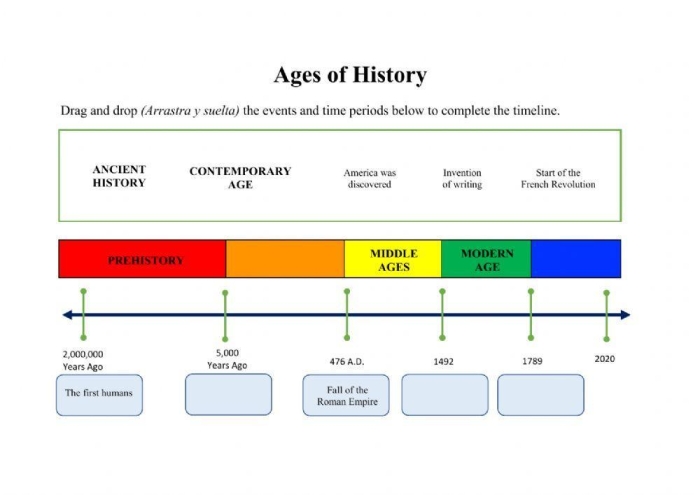
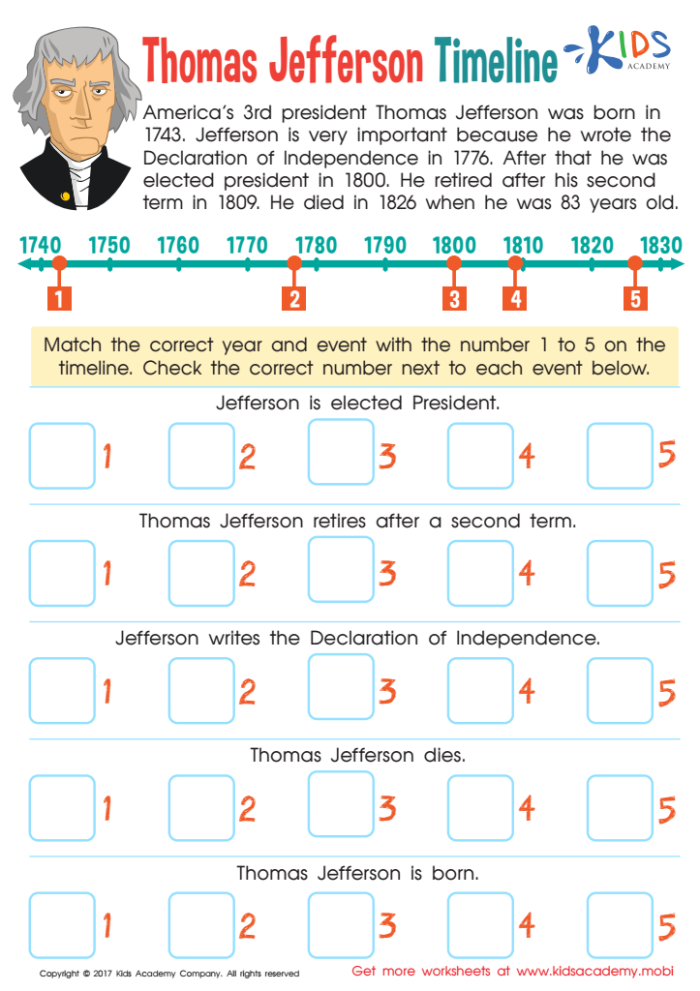
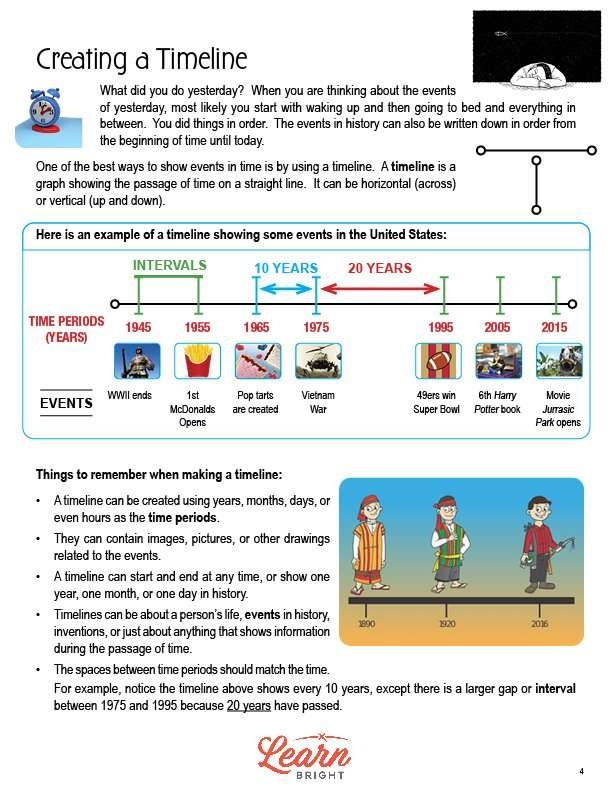
Timeline skills matter more than most teachers realize. Third grade students who can read and interpret timelines develop a concrete sense of sequence and cause-and-effect that transfers across subjects. When kids see events arranged chronologically, they start understanding that history isn’t random, stories have order, and one thing often leads to another.
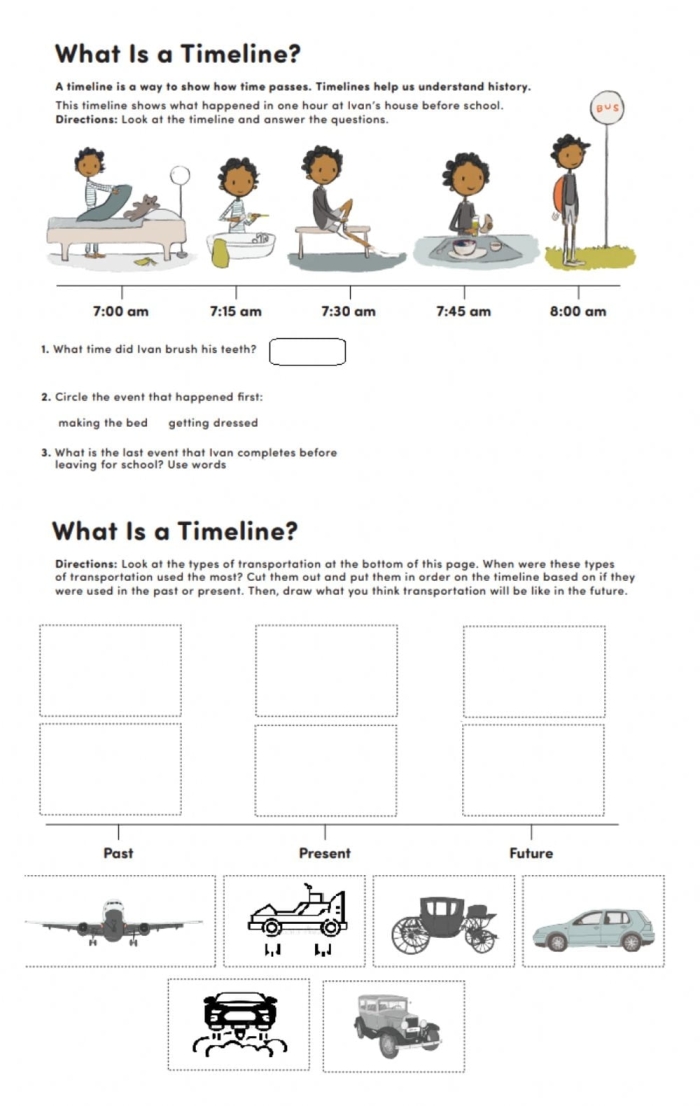
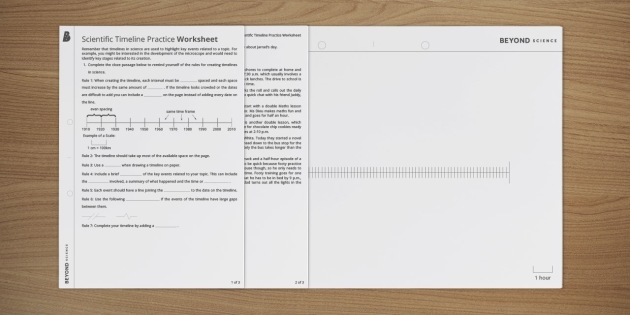
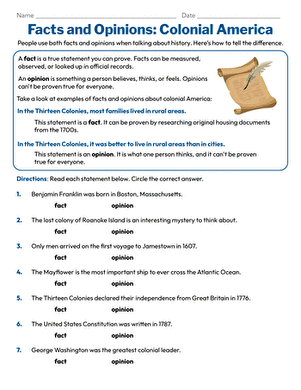
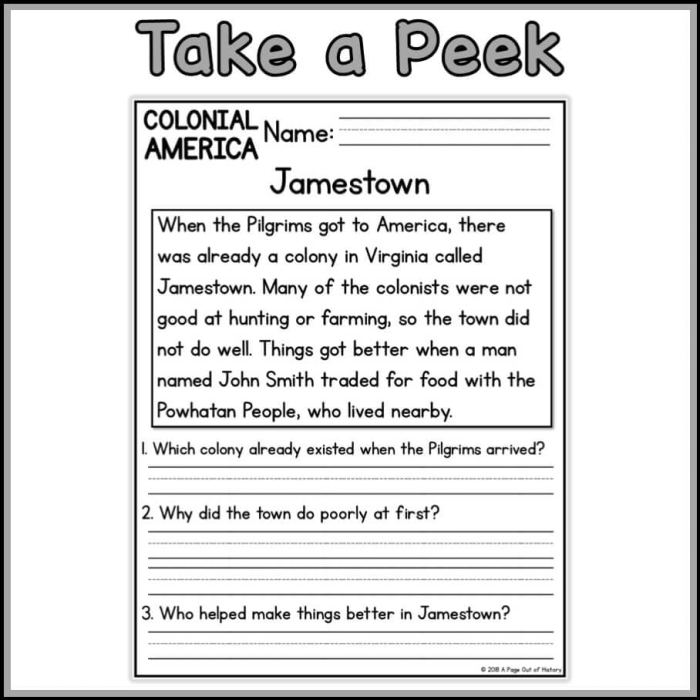
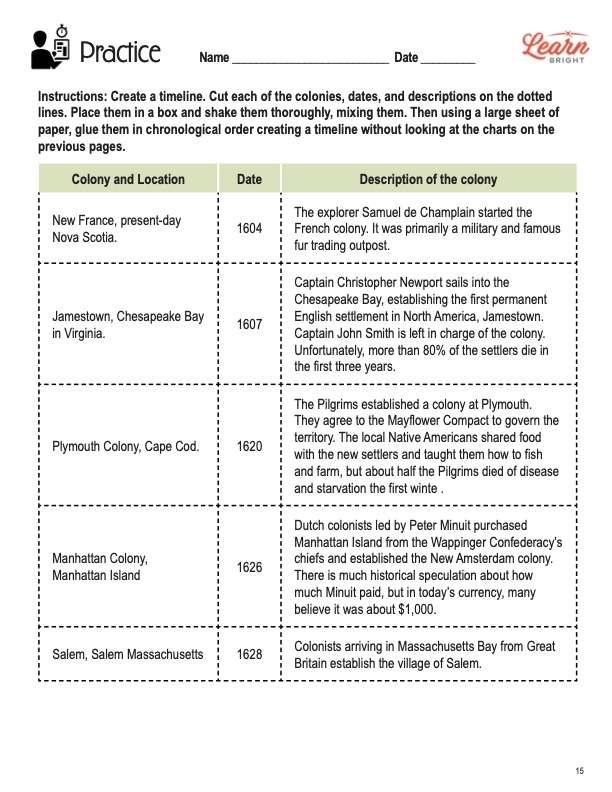
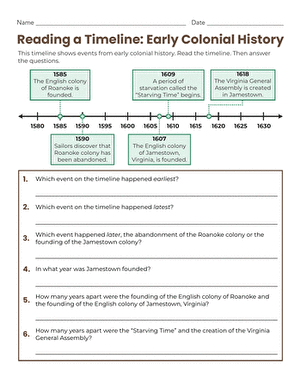
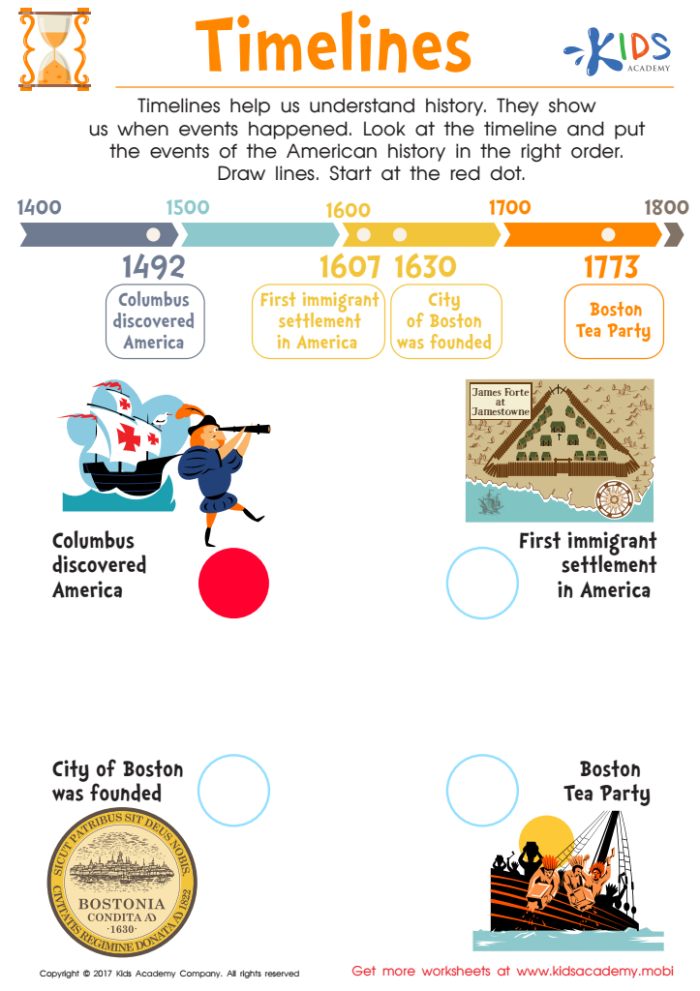
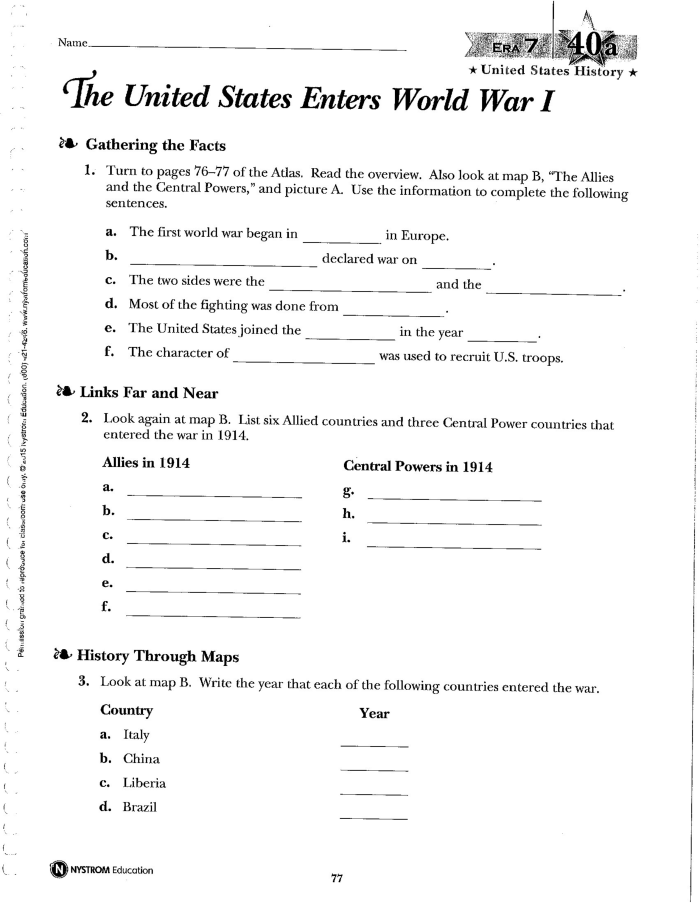
A solid timeline worksheet does something specific: it teaches students to extract information from visual arrangements of events, connect dates to what actually happened, and recognize patterns across time. Early colonial history offers particularly rich material for this kind of learning. Students encounter names, places, and events that feel distant enough to be interesting but close enough in American history to matter.
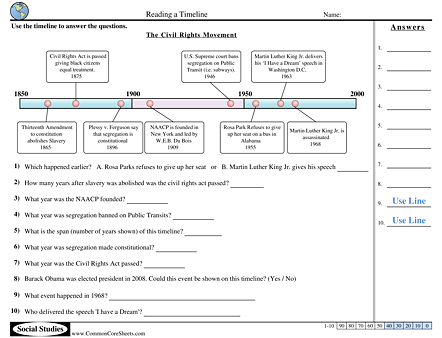
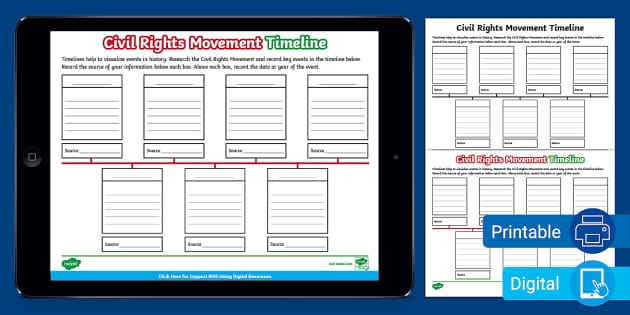
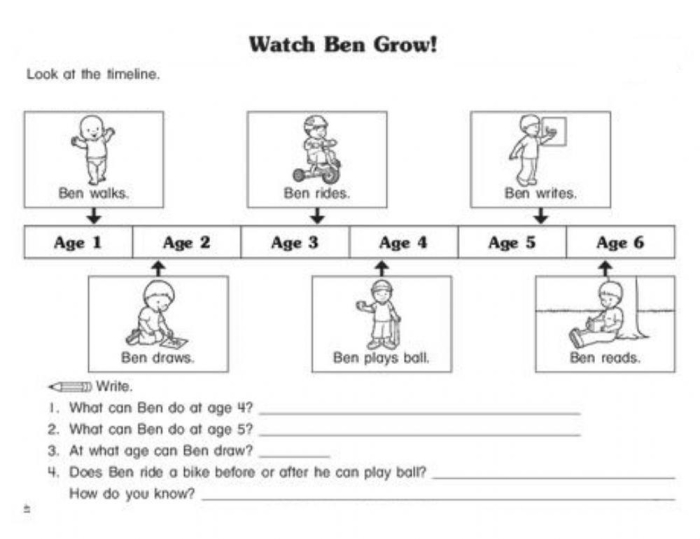
The best worksheets combine reading comprehension with writing practice. Third graders benefit from answering questions about timelines because it forces them to look carefully at details. Did the Selma to Montgomery march happen before or after another event? What happened first? These aren’t trick questions, they’re scaffolding. Students learn to scan, locate information, and express their findings in complete sentences.
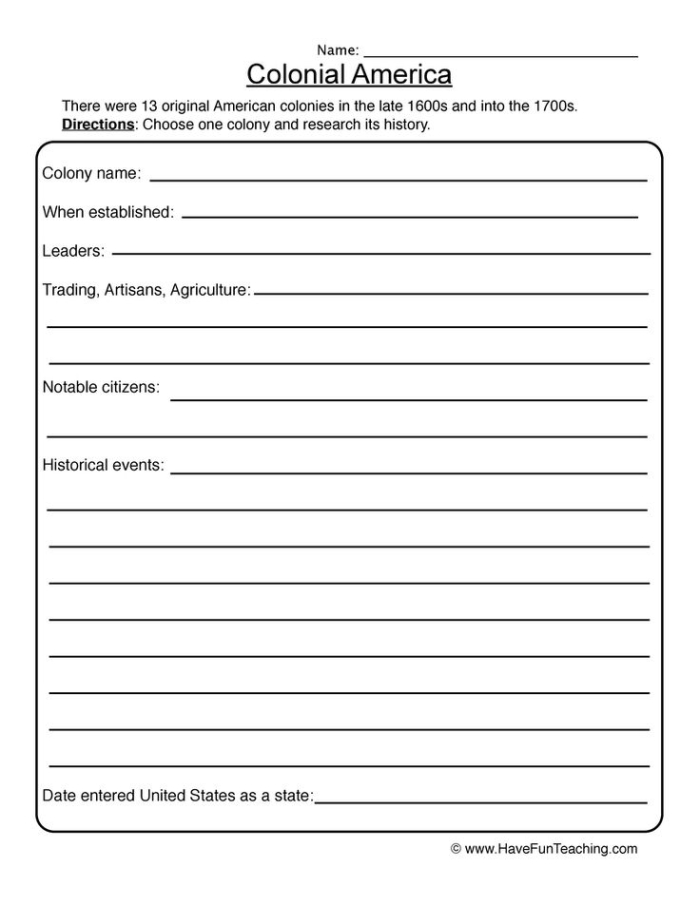
When you pair timeline work with other third-grade writing skills, the learning compounds. A student working on writing comparative and superlative adjectives can describe how one colonial settlement was larger or smaller than another. Someone practicing writing limericks might create one about a historical figure. Even handwriting practice, like cursive j writing or cursive r writing, becomes more purposeful when students copy important dates and names from history.
The real value sits in building confidence. Third graders who successfully read a timeline feel like historians. They’ve decoded something real, answered real questions, and contributed real observations. That confidence spreads to other subjects and other challenges they’ll face.
Grab These Worksheets Now