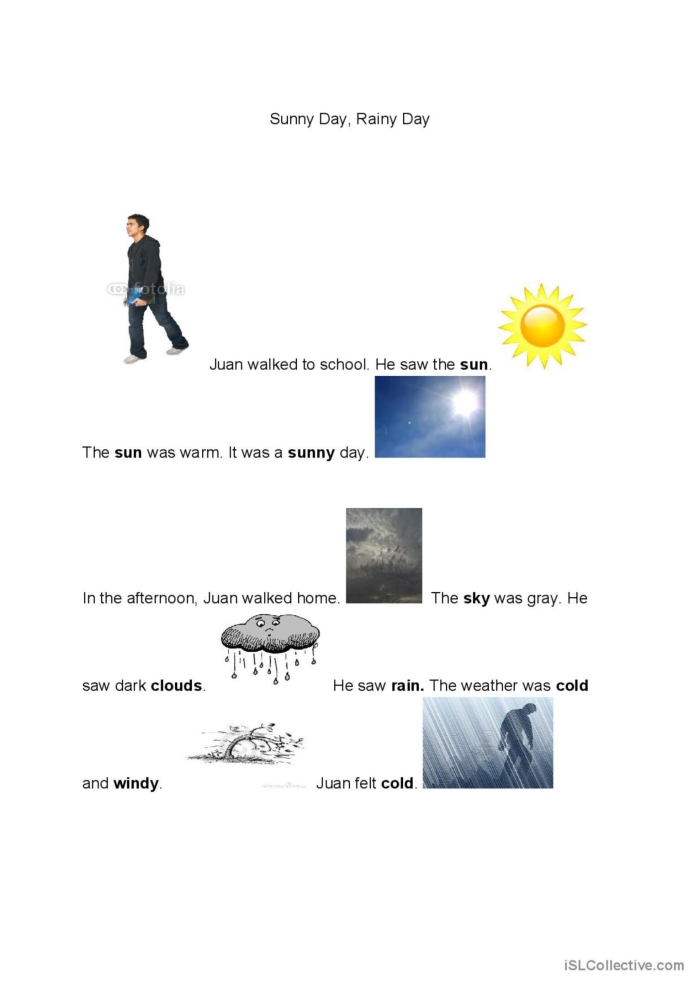
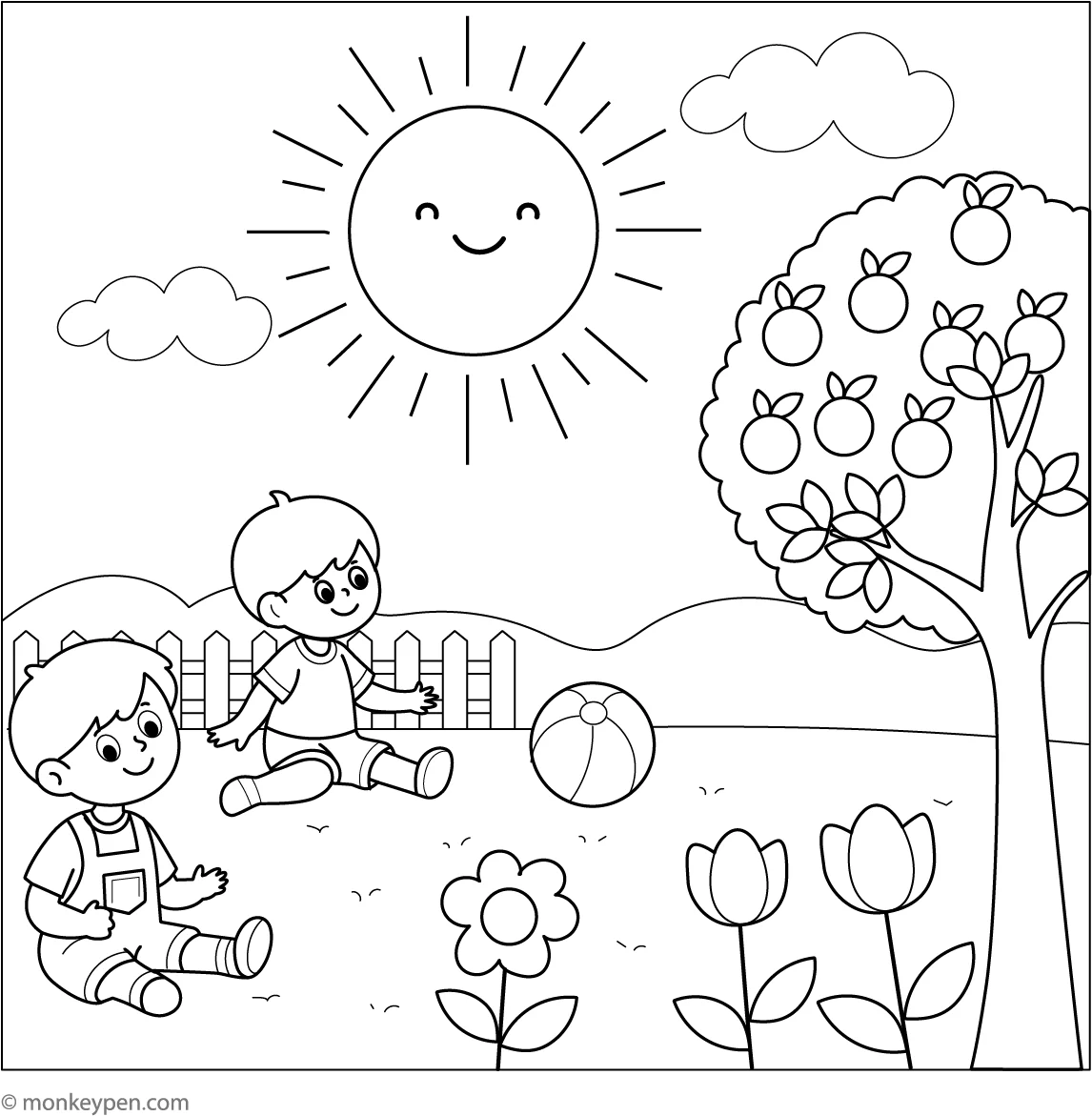
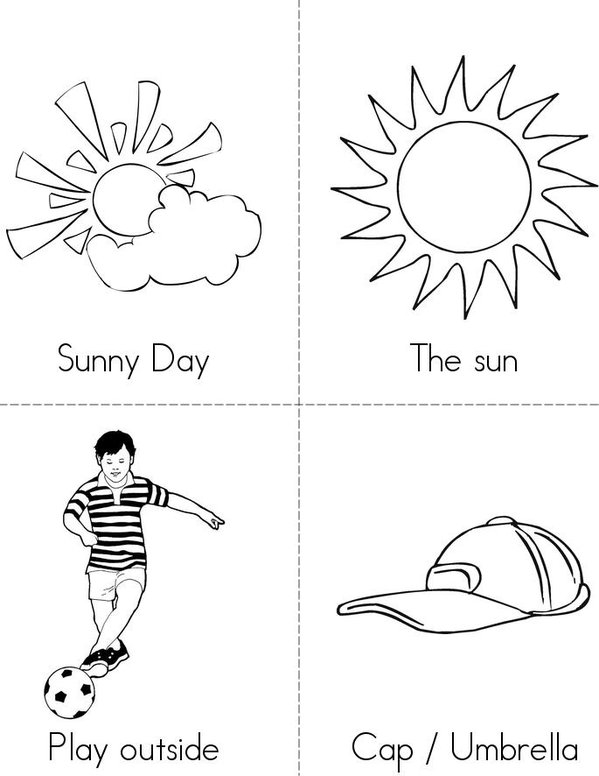
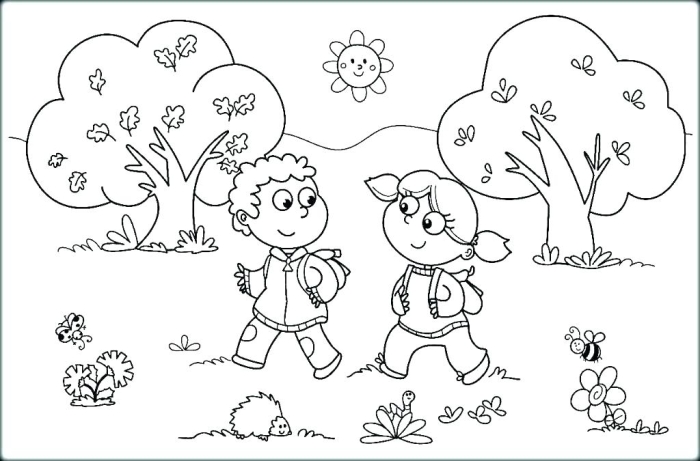
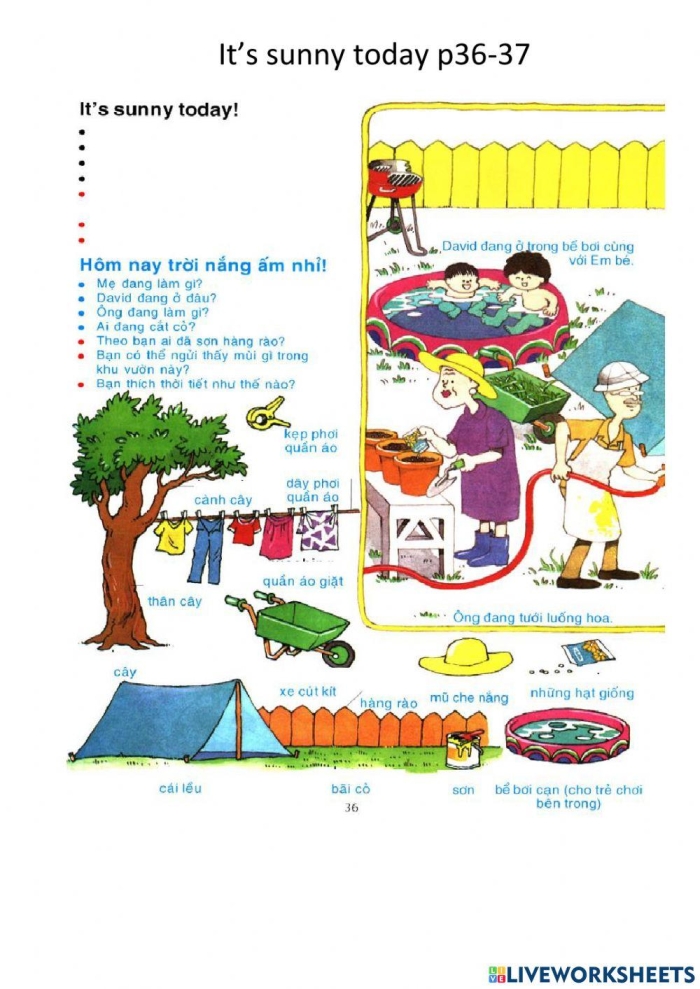
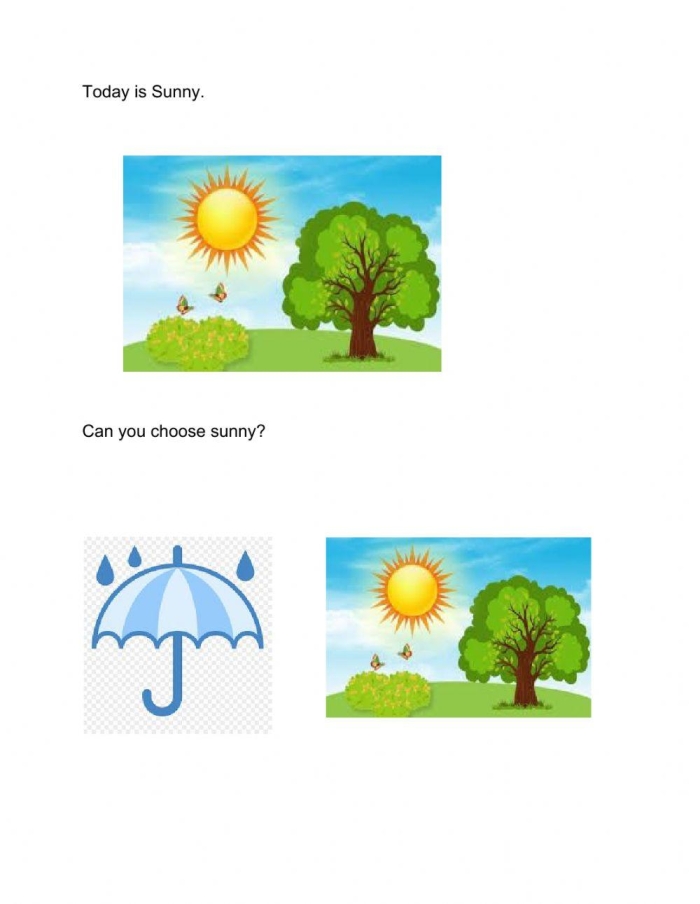
Sunny days offer the perfect opportunity to teach your Pre-K learner about the world around them. When the sun is shining and temperatures climb, children naturally become curious about what makes these days special and what they need to stay safe and comfortable outdoors.
Start by talking with your little one about what they see, feel, and need during sunny weather. This simple conversation becomes a foundation for understanding sunny day concepts in Earth and Space Science. Ask them questions like: What do you wear when it’s sunny? What do we bring outside? Why do we need certain things on a bright day?
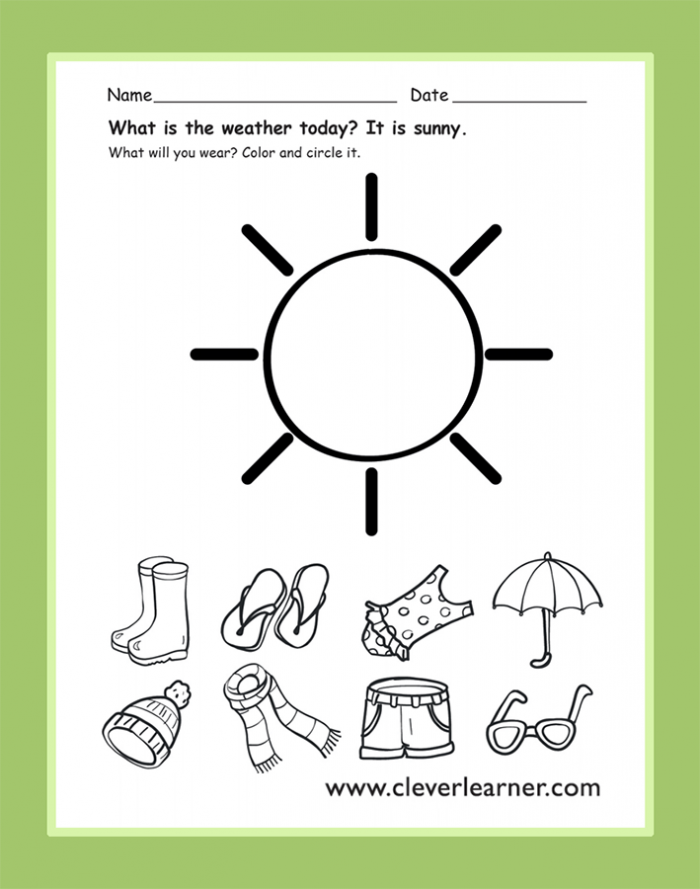
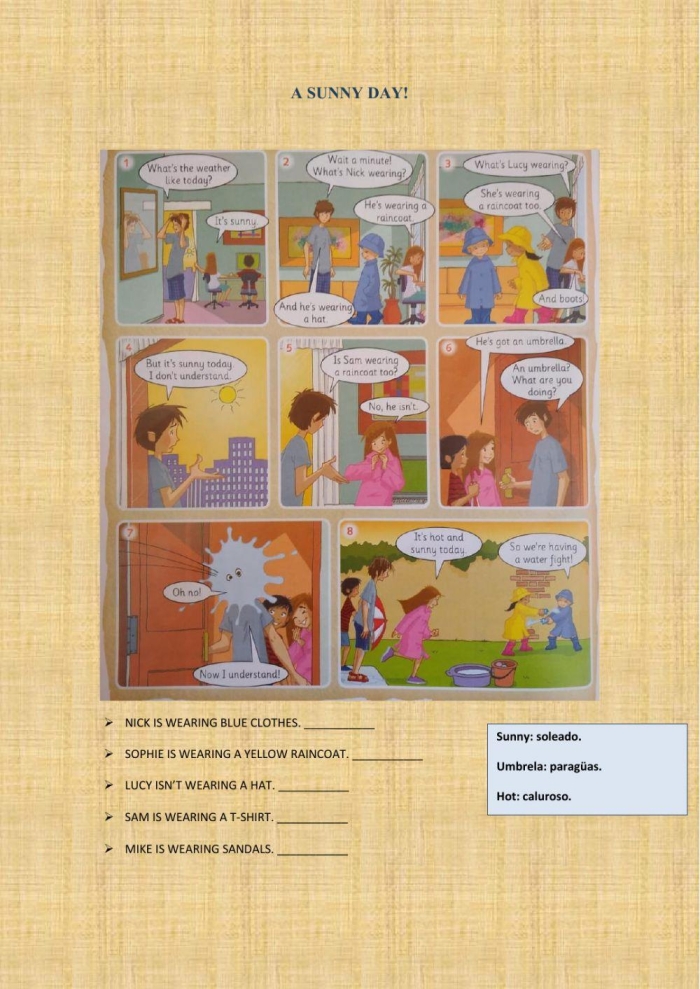
The essentials for a sunny day include sunscreen, which protects skin from harmful UV rays, a hat or cap to shade the head and face, sunglasses to protect eyes, and light-colored or lightweight clothing that keeps kids cool. A water bottle is equally important, as the sun’s heat causes children to dehydrate faster than they realize. Don’t forget a beach towel, beach toys, or outdoor play equipment that makes the experience enjoyable.
Beyond physical items, help your learner identify what they observe on sunny days. Talk about shadows, which appear darker and sharper in bright sunlight. Notice how plants look greener and flowers seem more vibrant. These observations build vocabulary and awareness of how sunlight affects the environment around them.
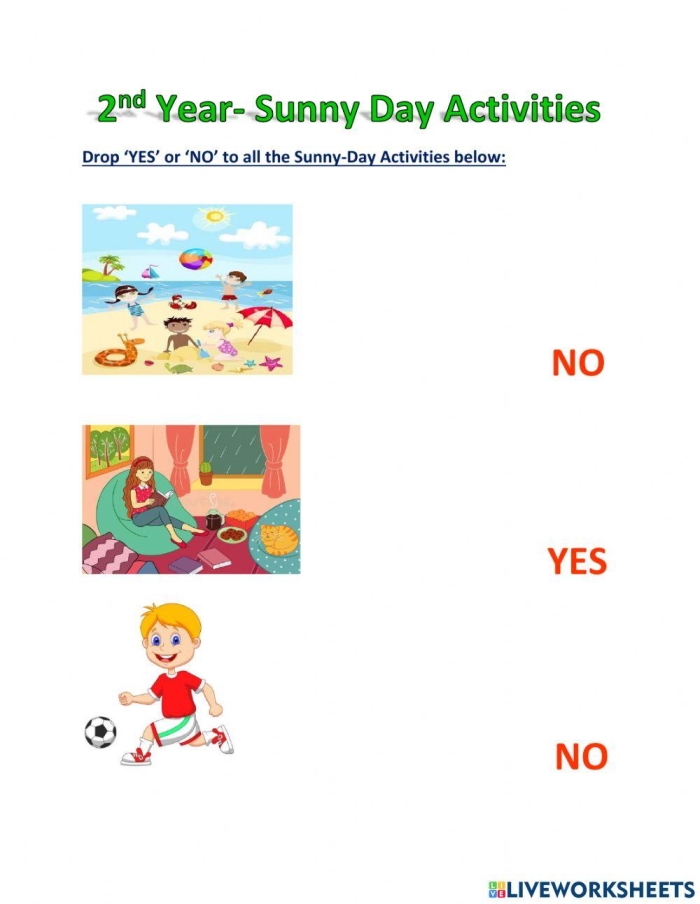
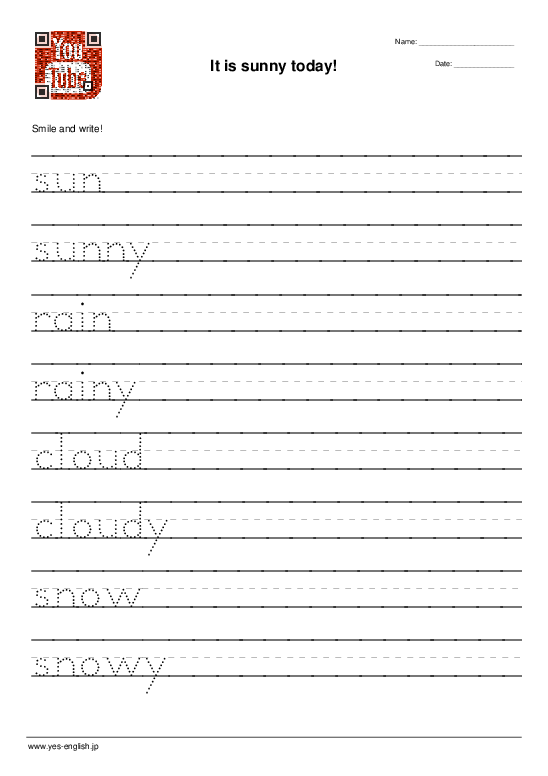
You can reinforce these lessons with hands-on activities. Create a sunny day checklist together, or explore seasonal learning activities that compare different types of weather. Drawing pictures of sunny day outfits or matching items to weather conditions helps cement the concept.
Outdoor exploration during sunny weather becomes a natural classroom for Pre-K Earth and Space Science learning. Your child develops observation skills while building practical knowledge about how weather affects daily life.
Grab These Worksheets Now