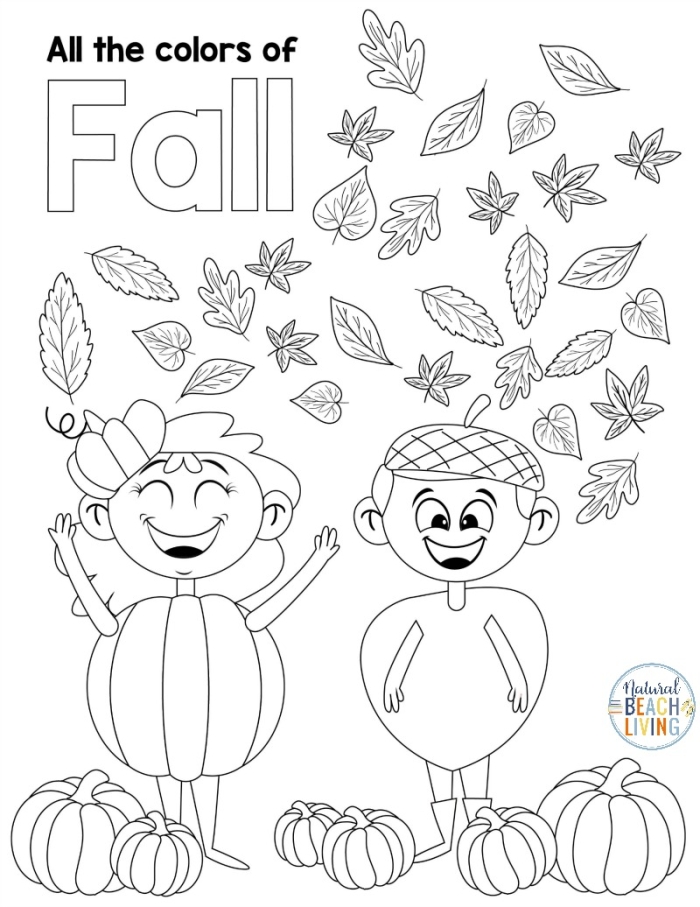
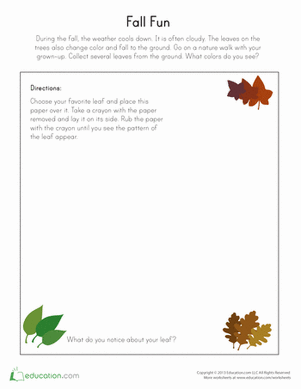
Leaf rubbing printables turn a simple autumn activity into something that sticks with young learners long after the leaves fall. When Pre-K students press paper over textured leaves and rub with crayons, they’re not just making colorful art. They’re building understanding about how seasons change and weather patterns shift throughout the year.
The beauty of this approach lies in how it combines tactile learning with science concepts. As children feel the veins and edges of different leaves through the paper, they’re developing fine motor skills while observing natural variation. Some leaves are broad and smooth, others deeply lobed or delicately serrated. These differences matter for Earth and Space Science learning, even at the Pre-K level.
When you use a leaf rubbing printable, you’re creating space for conversations about why leaves change color in fall. Kids naturally ask questions when they’re actively engaged. Why do some leaves turn red while others turn yellow? Where do the leaves go? These questions open doors to discussing temperature changes, daylight hours, and how plants prepare for winter. The worksheet becomes a springboard for deeper exploration rather than just a coloring exercise.
For educators looking to expand on seasonal learning, pairing leaf rubbings with other activities strengthens comprehension. You might combine this with a weather vocabulary activity to build language around fall conditions, or incorporate matching exercises that connect weather words to seasonal changes.
The printable format makes it practical for classrooms with varying resources. You can use leaves from outside your building, making the activity immediately relevant to each child’s local environment. This direct connection between worksheet and nature creates memorable learning moments that extend well beyond October.
Practice with These Worksheets