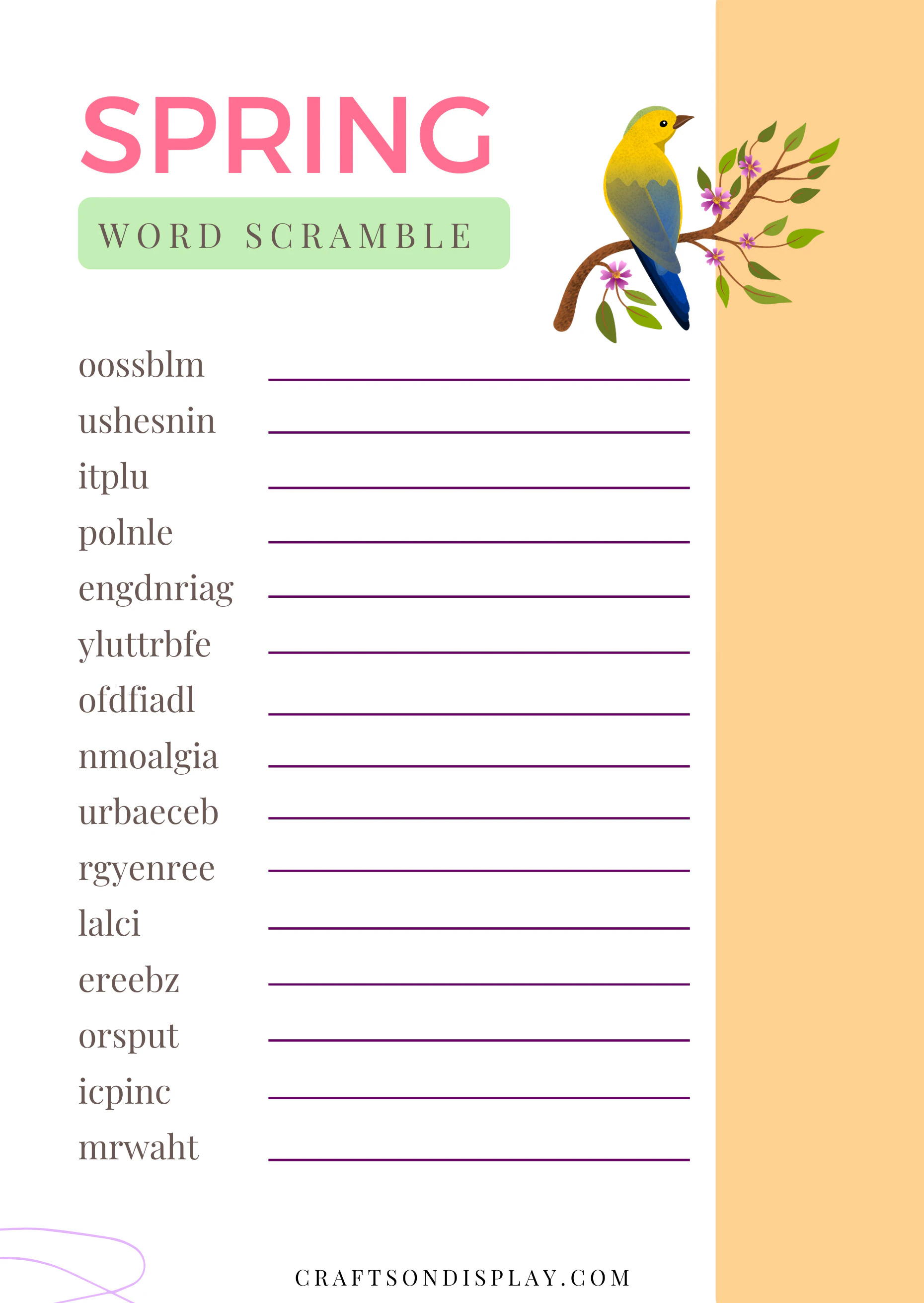
Word scrambles work differently than most spelling exercises because they force your brain to hold letters in working memory while testing pattern recognition at the same time. When a third grader unscrambles a spring-themed word, they’re not just memorizing spelling, they’re actively problem-solving by testing different letter combinations until something clicks into place.
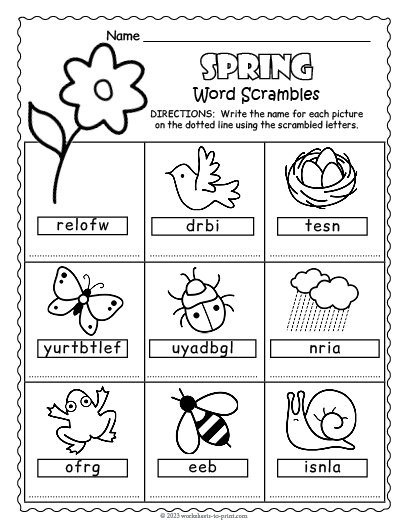
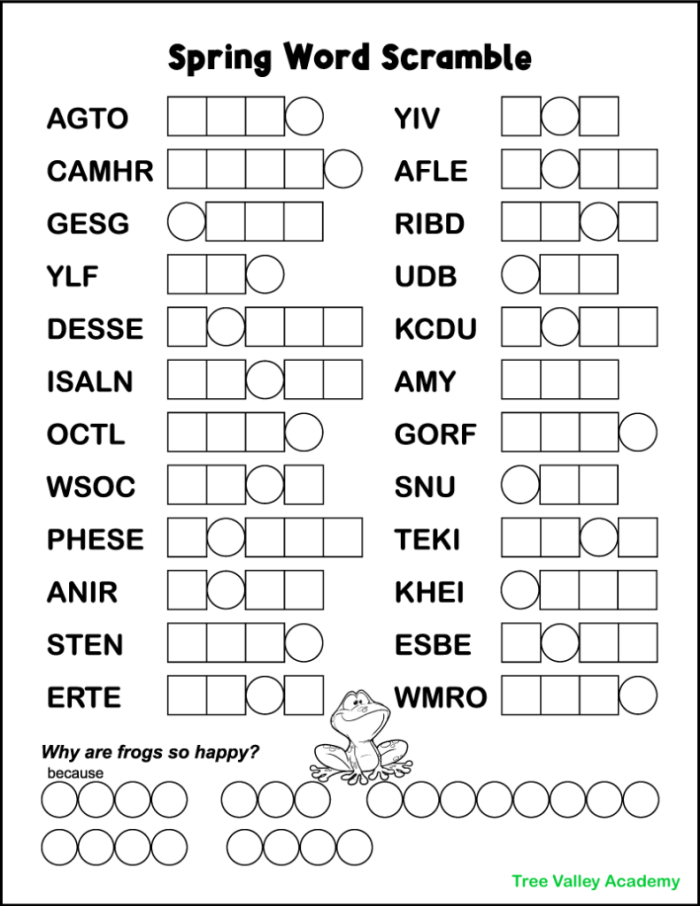
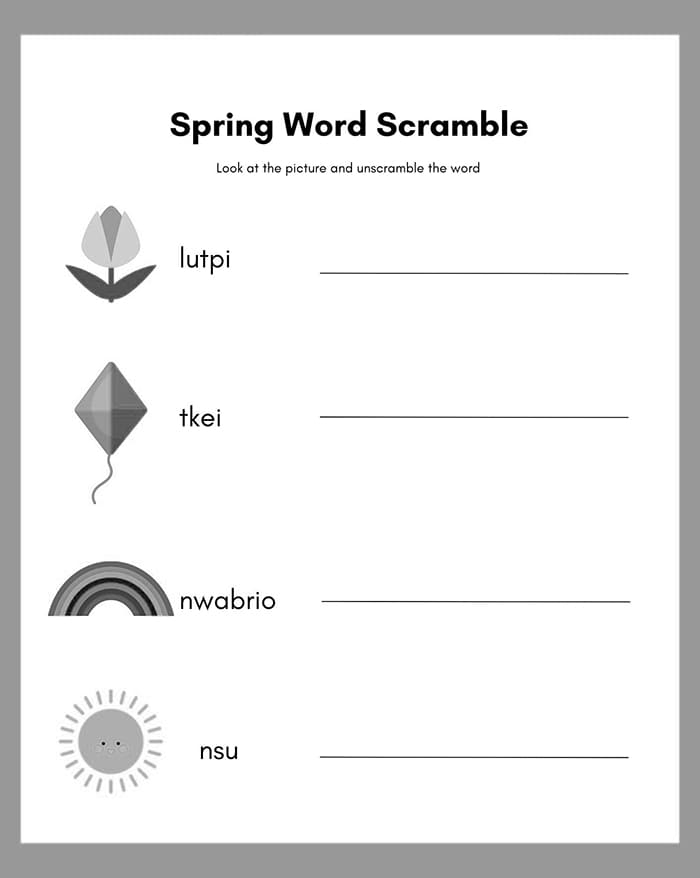
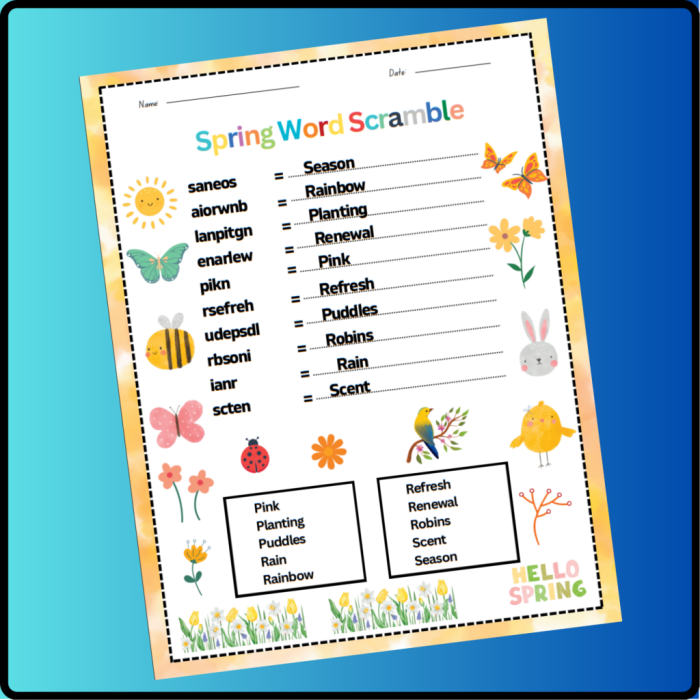
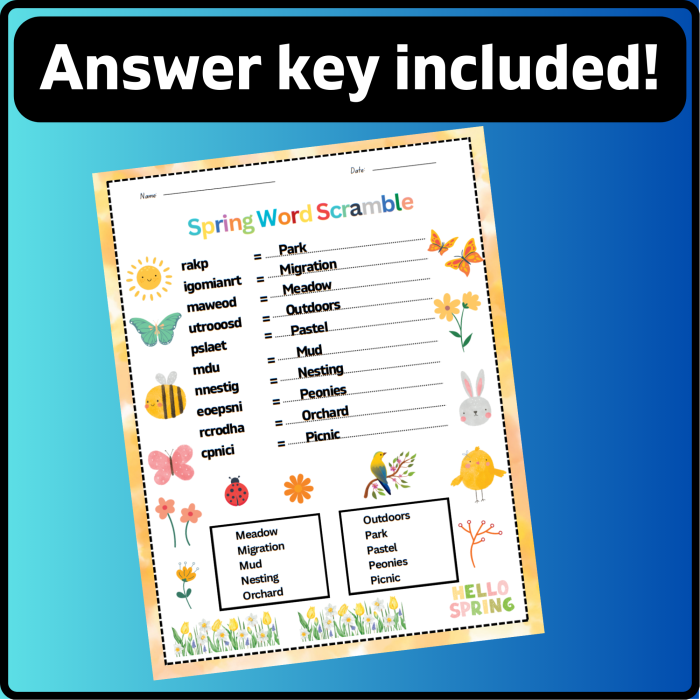
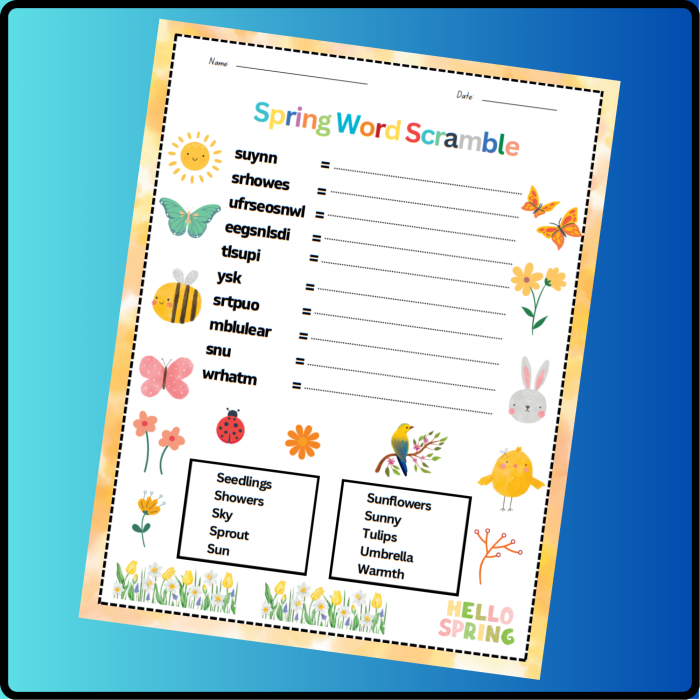
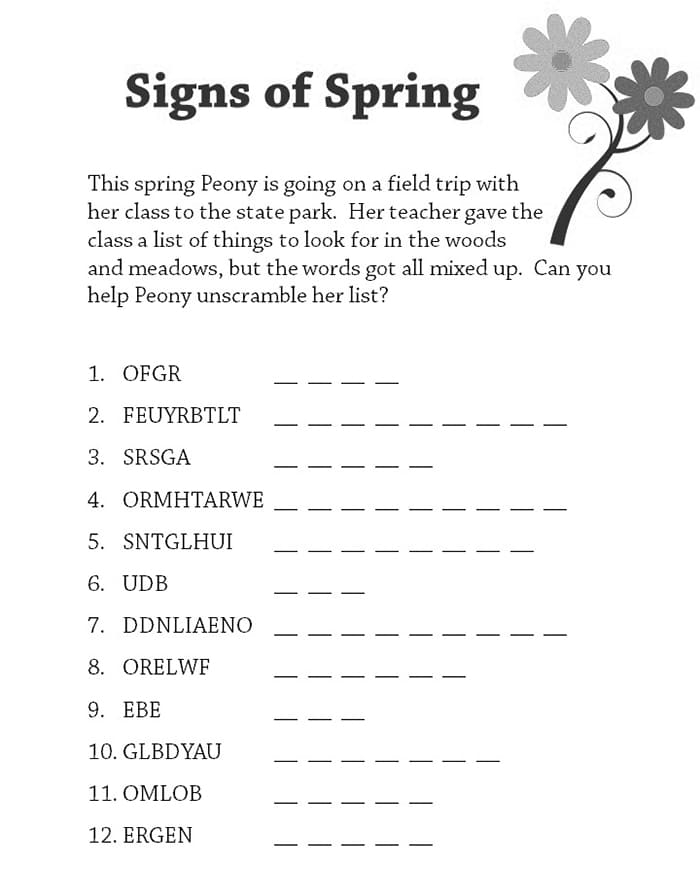
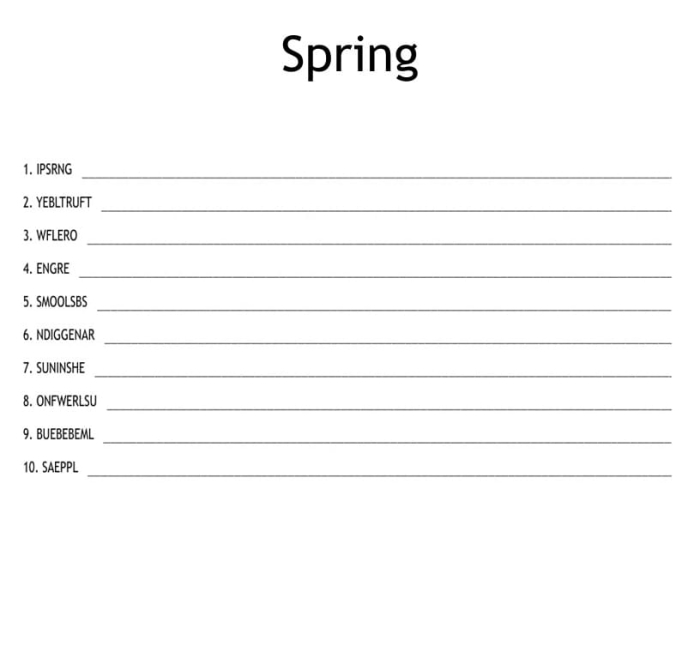
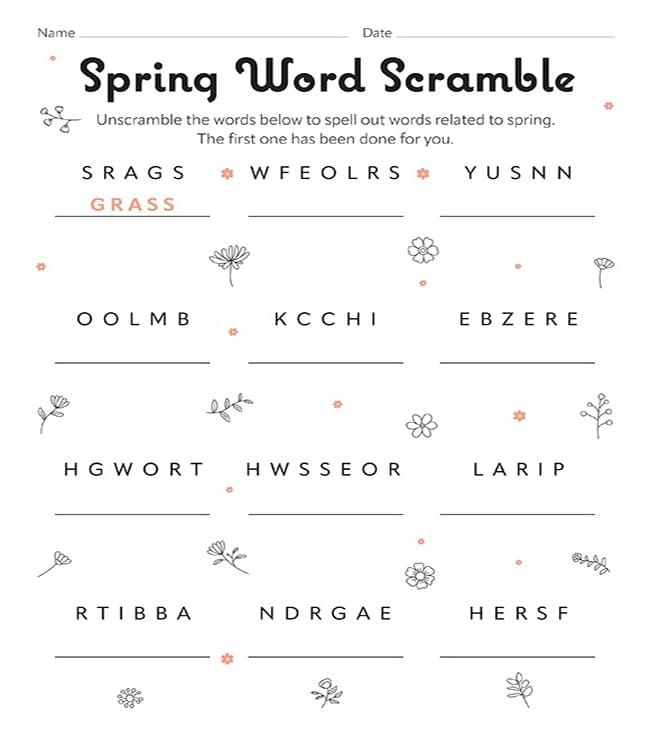
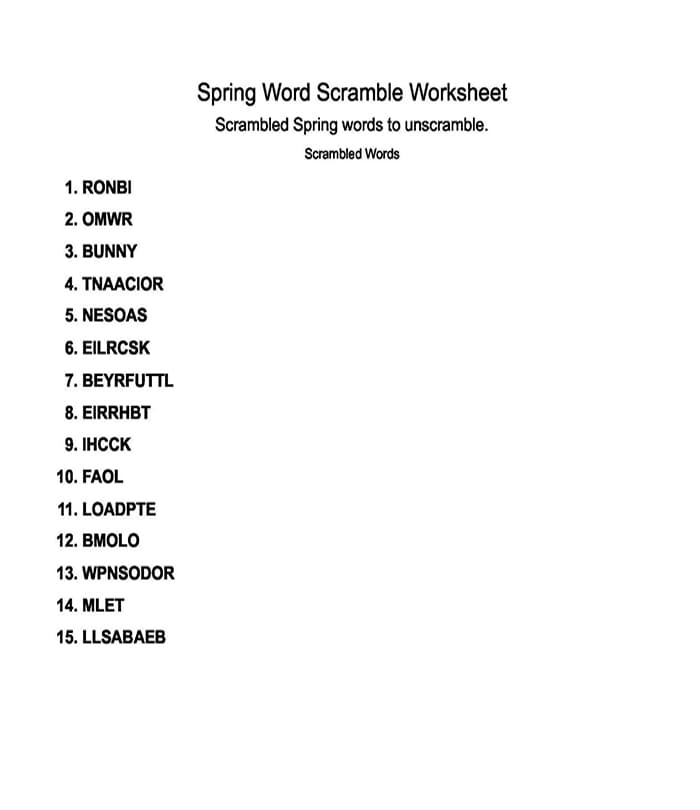
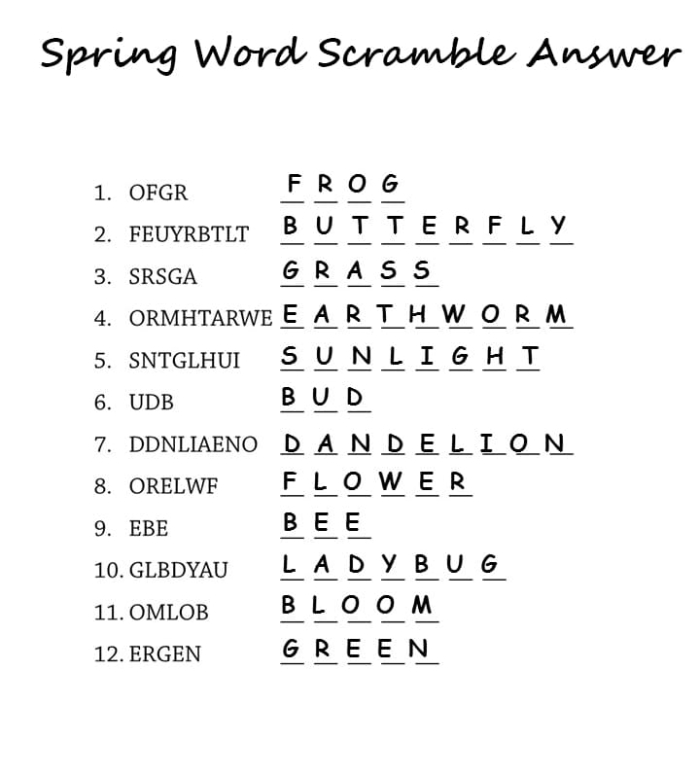
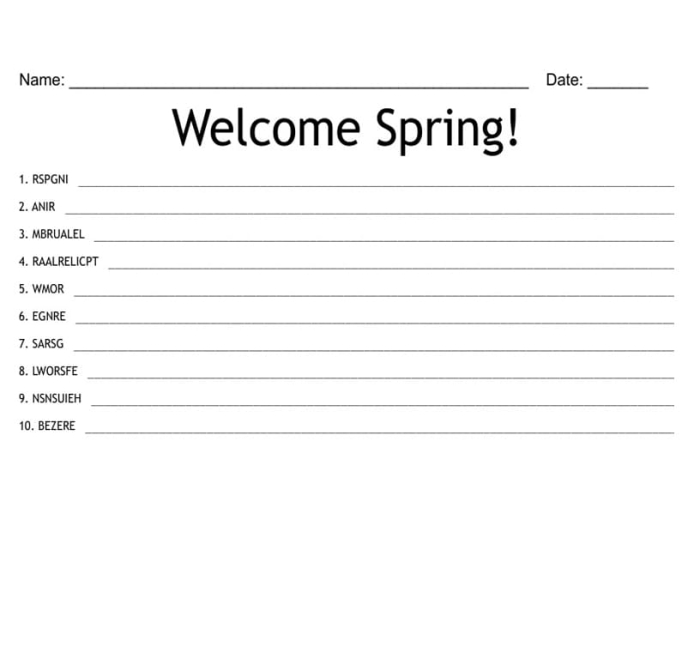
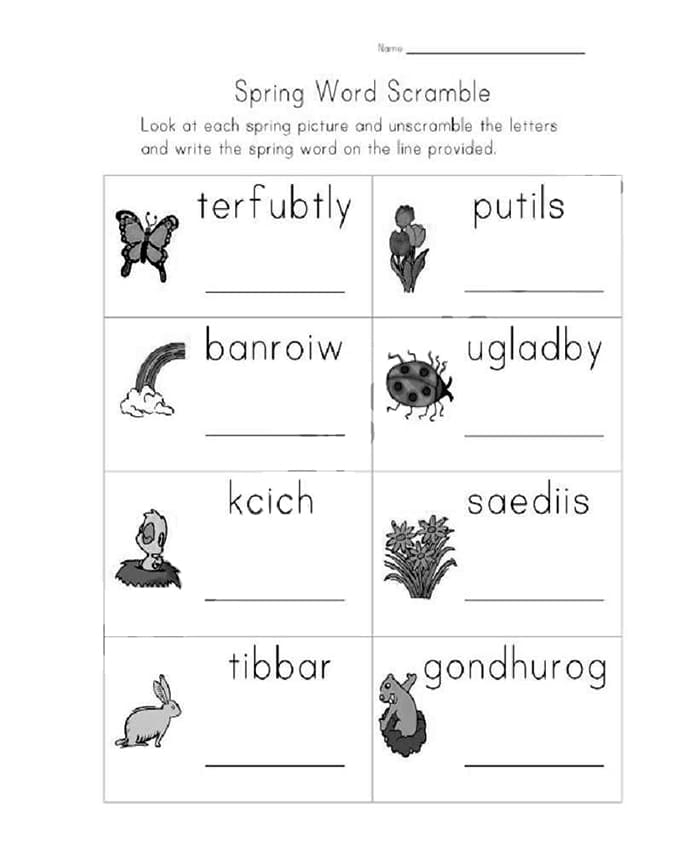
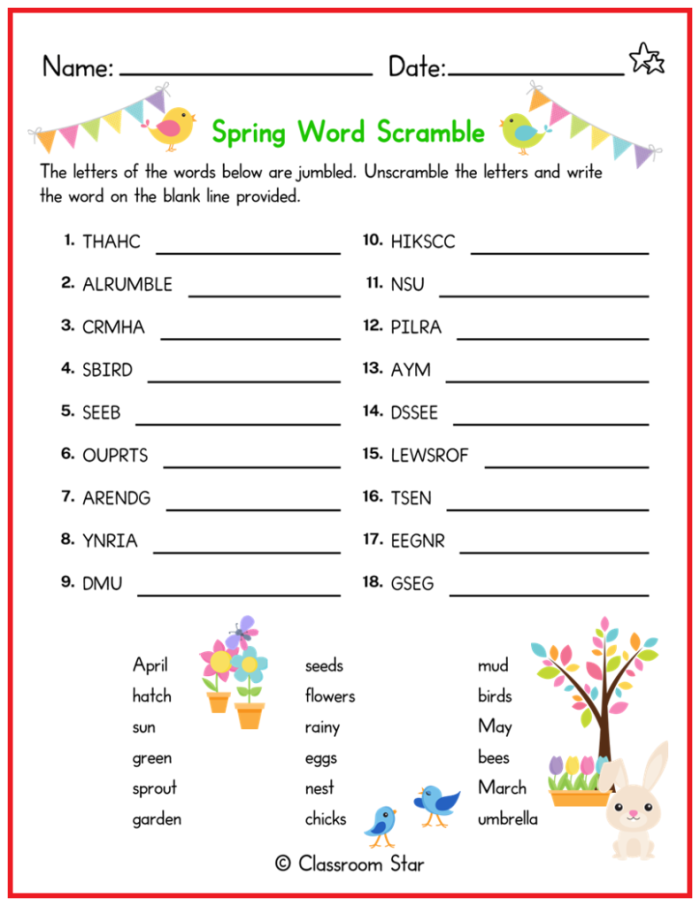
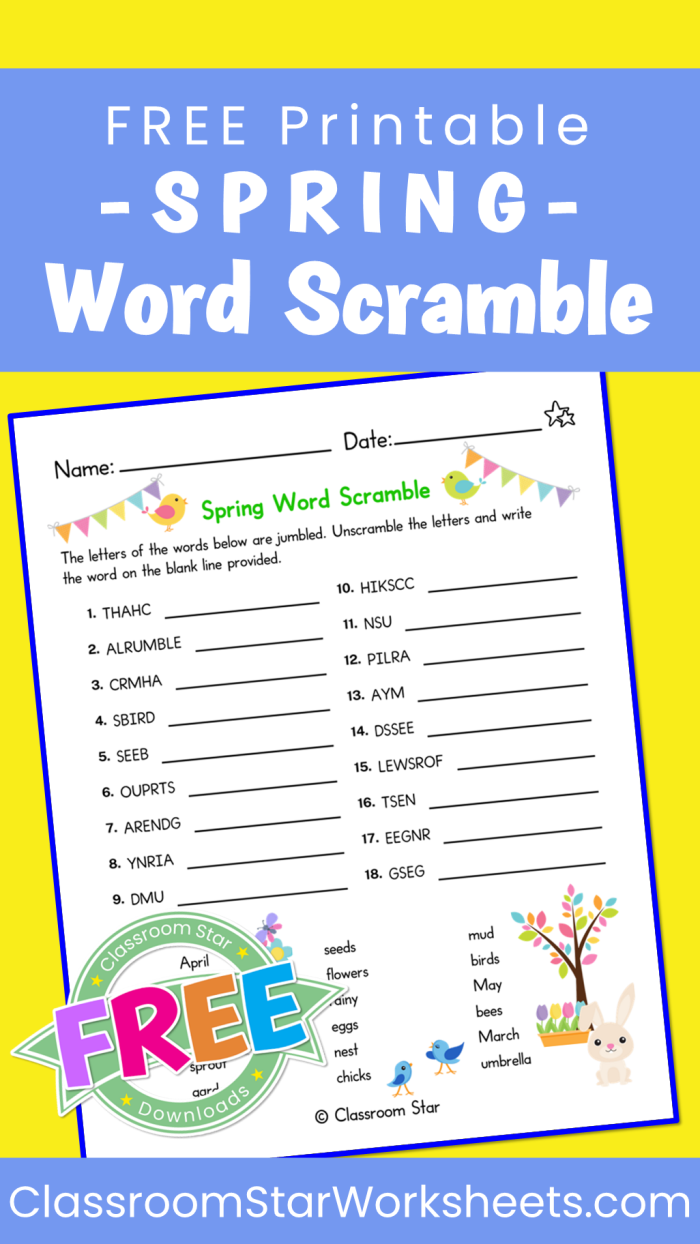
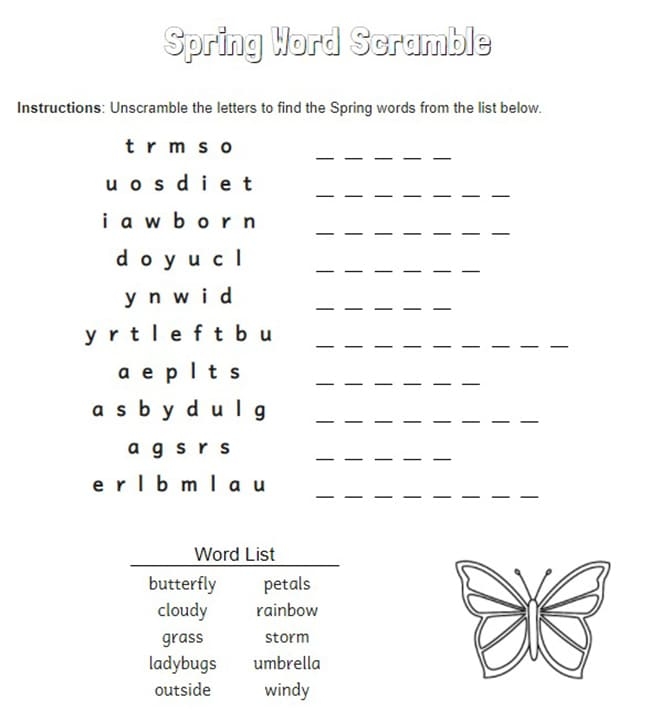
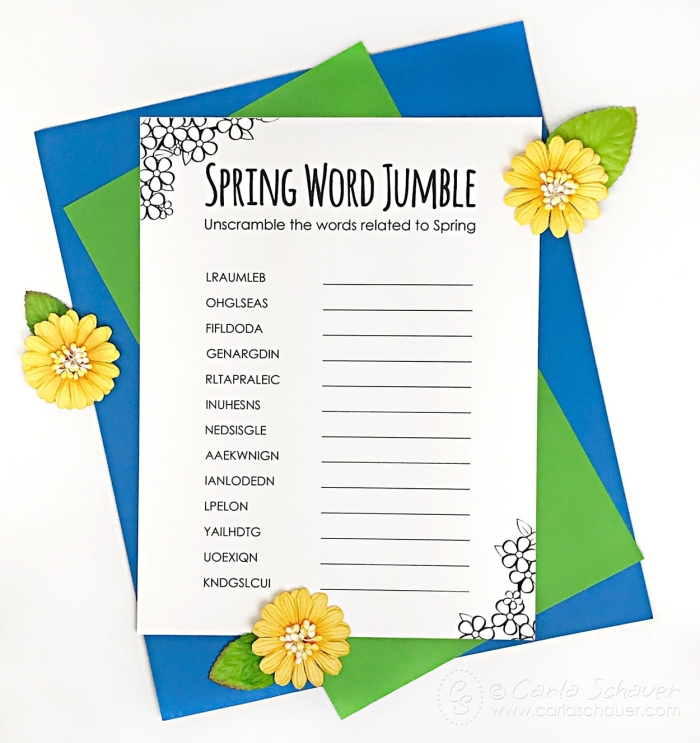
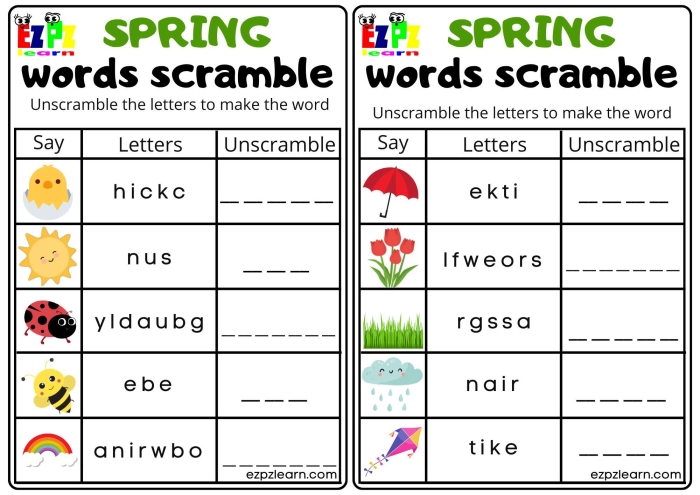
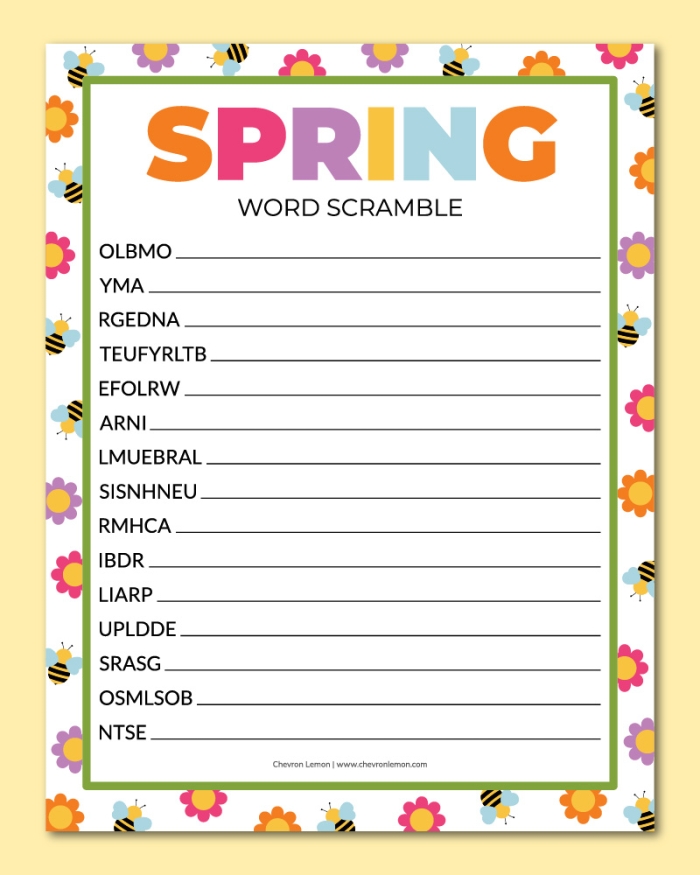
This particular worksheet contains 11 spring words waiting to be decoded from jumbled letters. The words themselves carry seasonal meaning: think blooming flowers, warming weather, and activities that happen when winter ends. For third grade students, this approach beats traditional spelling lists because the scramble format keeps their minds engaged rather than passive. They have to think about what makes sense both visually and contextually.
The cognitive load here is intentional. Students must remember what letters they have available, consider which combinations form real words, and verify their answer makes sense within the spring theme. This combination of spelling awareness and logical reasoning strengthens both skills simultaneously. If your students struggle with traditional unscramble spelling words worksheets, adding a thematic connection often helps them stay focused longer.
Third graders at this level typically recognize common spring vocabulary, so the word list shouldn’t feel random or disconnected from their experience. They’ve seen these words in books, heard them from teachers, and experienced the season itself. That familiarity becomes an asset when decoding scrambled letters, because they can use context and prior knowledge alongside pure spelling skills.
Pairing this activity with other spelling approaches works well too. You might combine it with compound words exercises or time-based spelling activities to build a more complete word study unit. The variety keeps students from getting bored while reinforcing the same foundational skills across different formats.
Grab These Worksheets Now