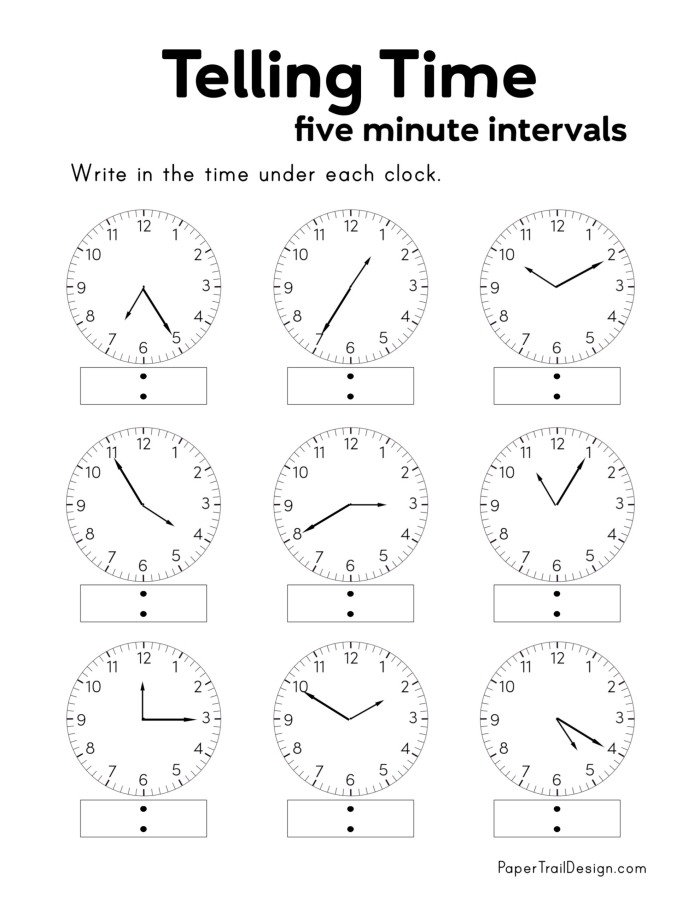
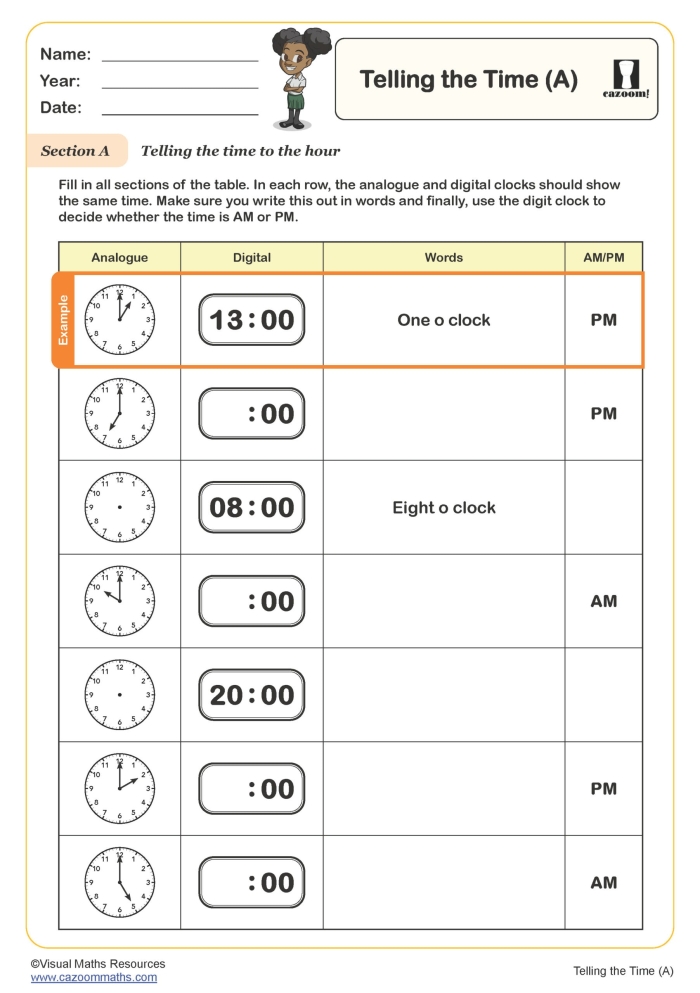
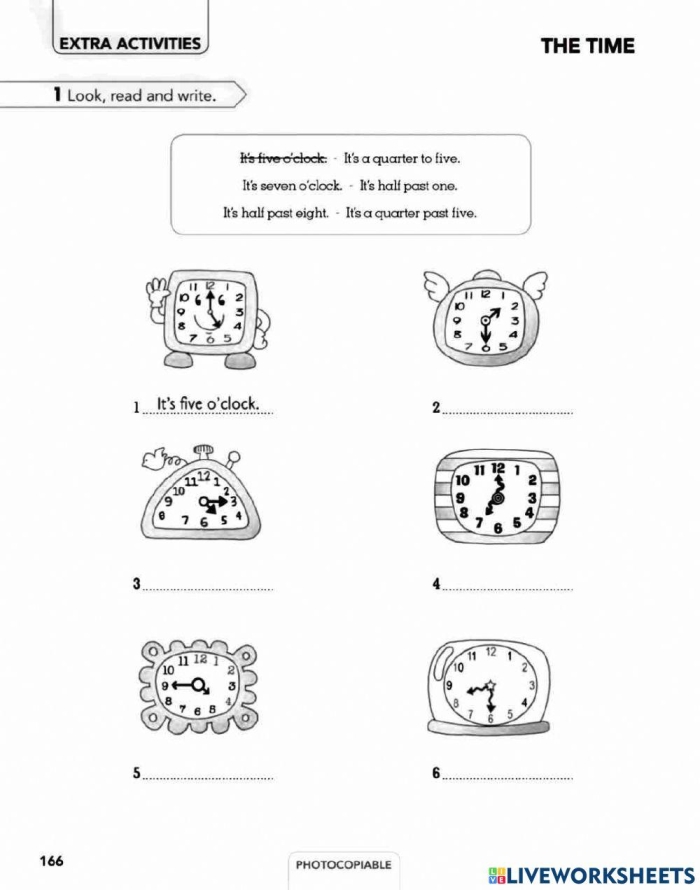
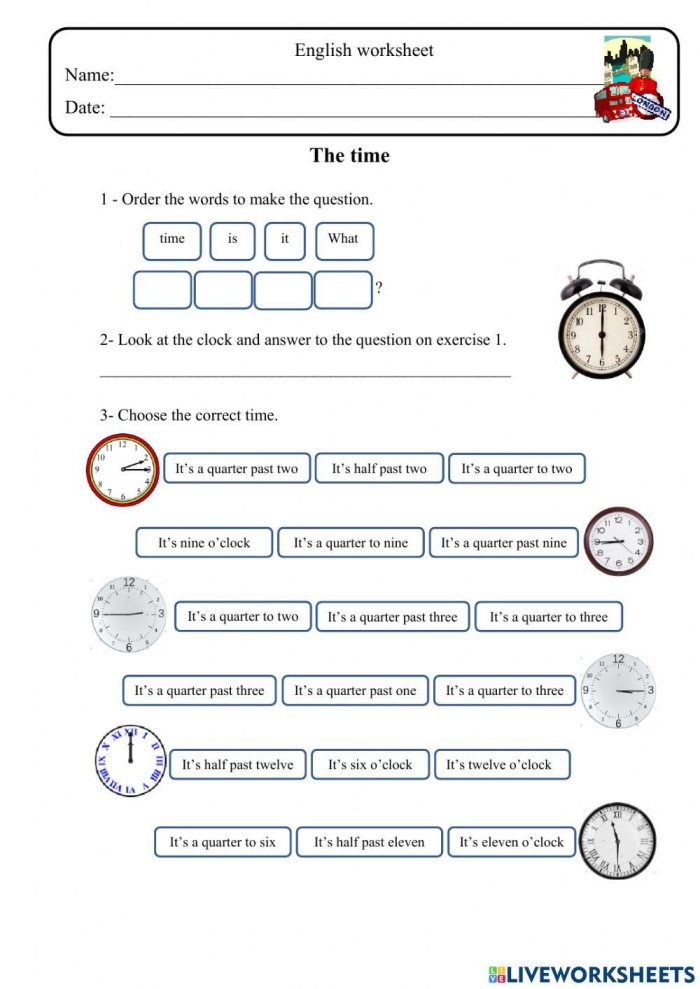
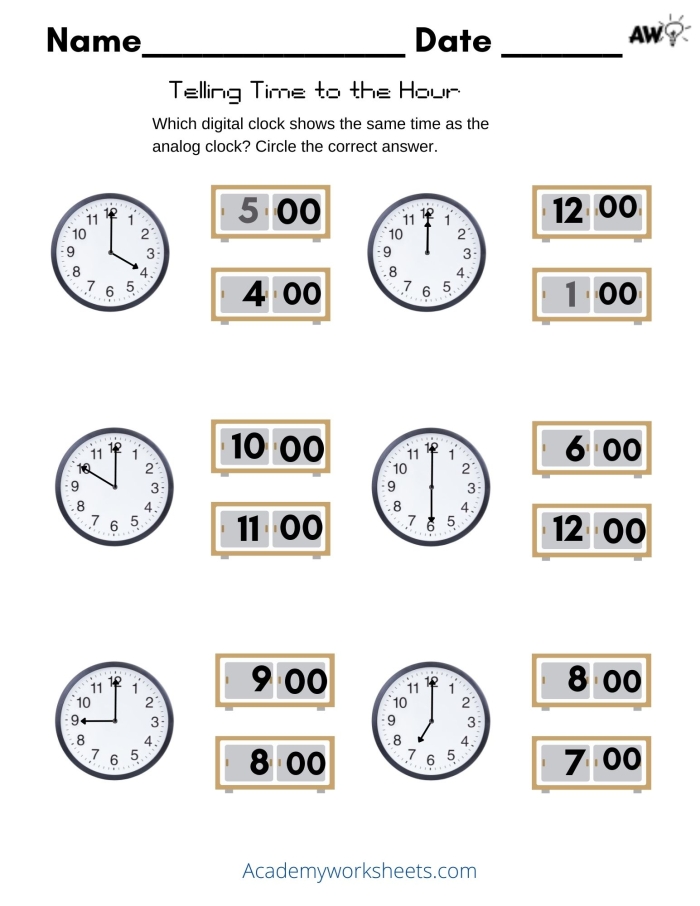
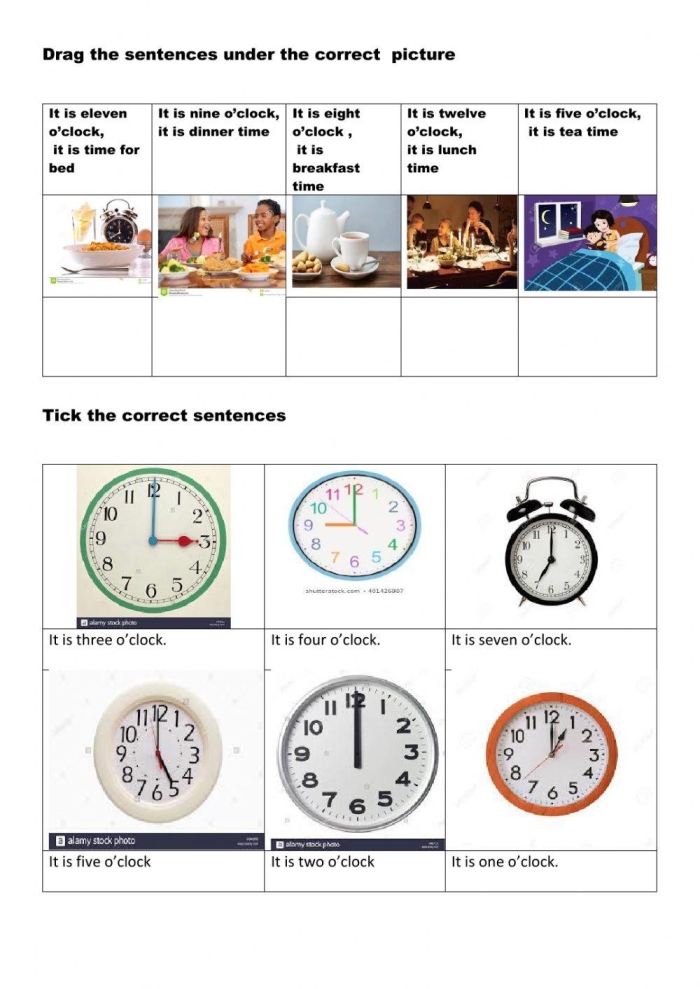
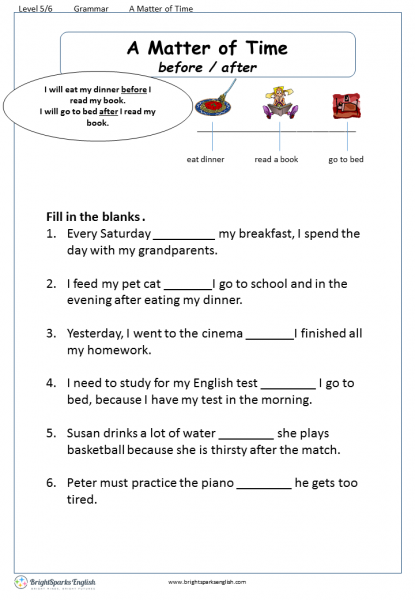
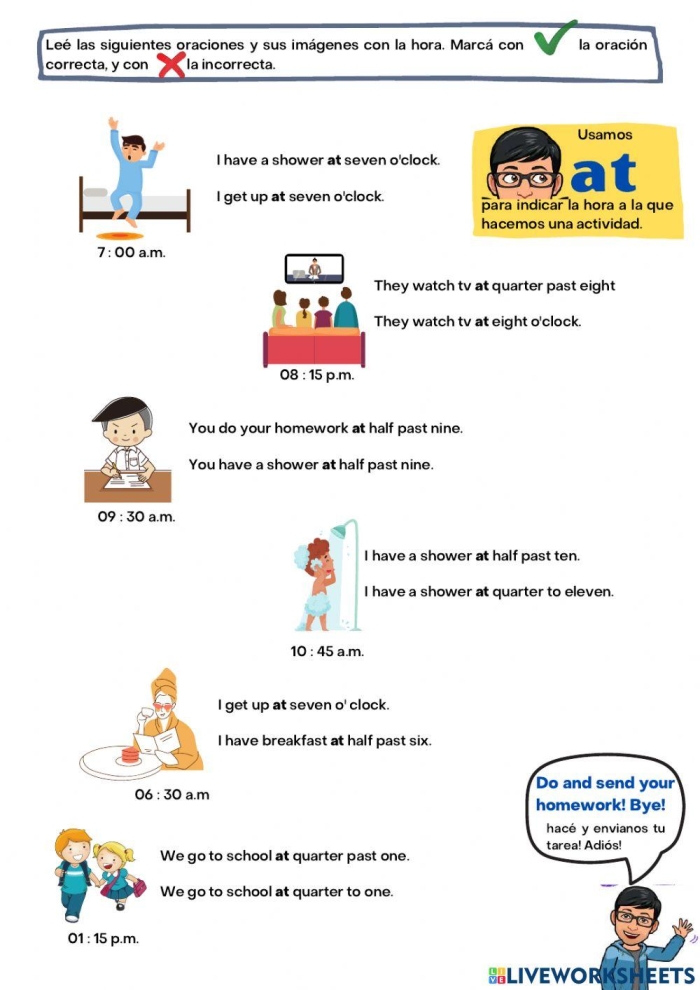
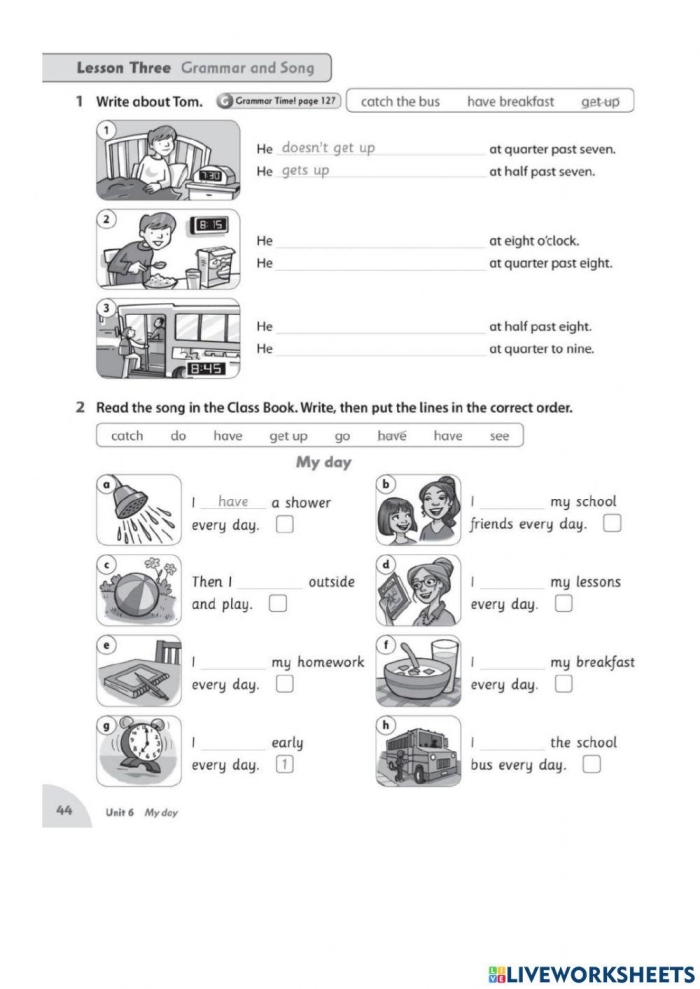
Third grade students often struggle with time concepts because quarter hours don’t align neatly with how they naturally think about duration. When a child needs to figure out that 2:15 to 3:00 equals 45 minutes, they’re juggling multiple cognitive tasks at once: reading an analog or digital clock, understanding fractional parts of an hour, and performing mental math. This is where word problems become essential teaching tools.
A typical problem might ask: “Soccer practice starts at 1:30 and ends at 2:45. How long is practice?” Students must identify both times, calculate the span between them, and express the answer in quarter-hour increments (in this case, 1 hour and 15 minutes, or one and one-quarter hours). By working through five problems in succession, children build pattern recognition and develop confidence with time intervals.
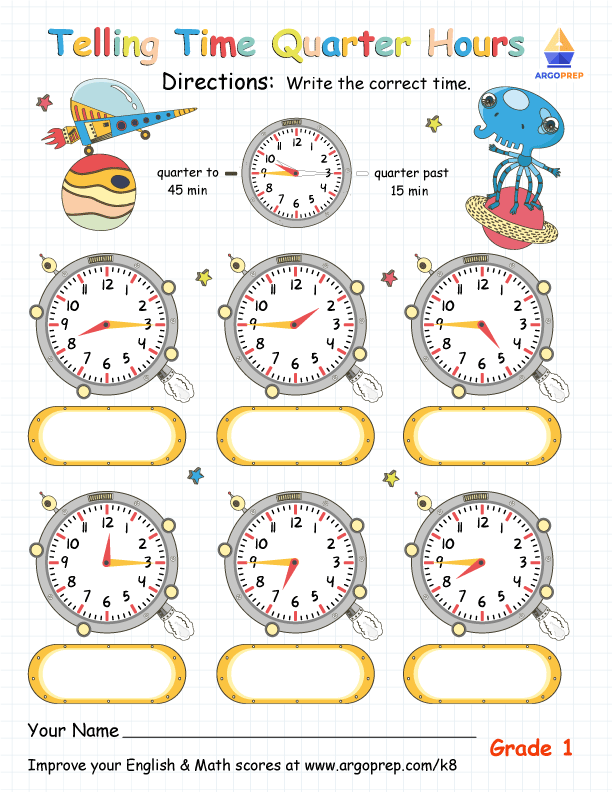
The quarter-hour constraint is deliberate. Rather than asking for answers to the nearest minute, which overwhelms young learners, quarter hours (15-minute blocks) provide a manageable framework. Children can visualize a clock face divided into four sections and count by 15s, which connects to skills they’ve already mastered in multiplication and skip counting.
These worksheets work best when paired with other literacy activities. While your child tackles time problems, they might also benefit from reviewing spelling practice that reinforces word recognition, strengthening their ability to read problem text accurately. Similarly, word scramble activities keep vocabulary skills sharp during the same study session.
The real payoff comes when children start noticing time intervals in their daily lives. After solving these problems, they naturally begin asking how long until lunch, recognizing that 20 minutes is close to a quarter hour, and understanding why schedules matter. That practical awareness is what makes time problems more than just worksheet exercises.
Practice with These Worksheets