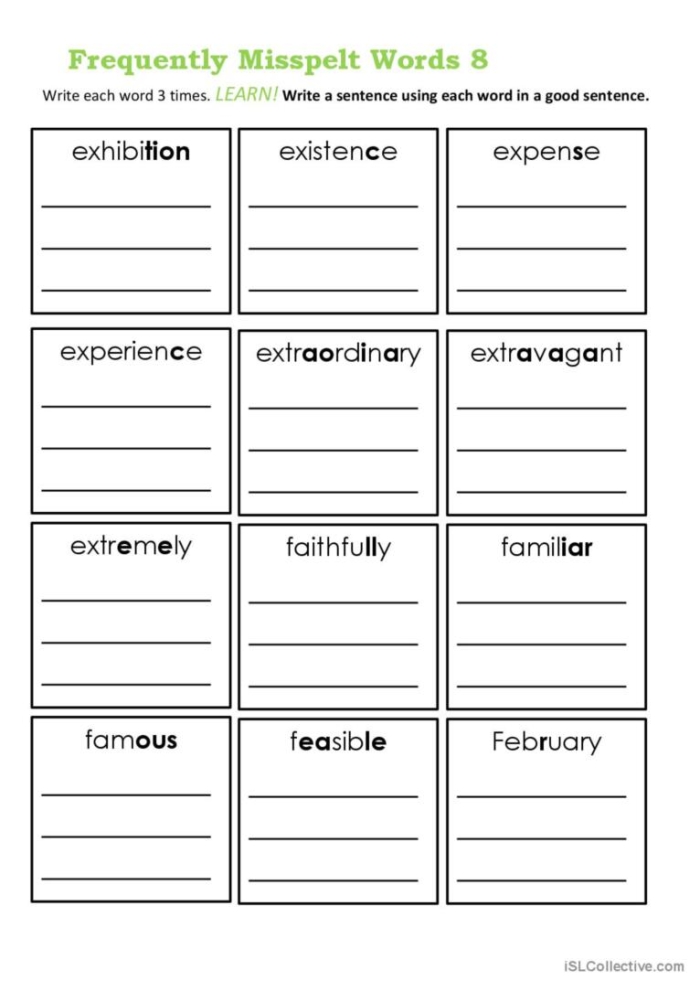
Spotting spelling mistakes on a page requires a different skill than writing correctly in the first place. When students read their own work, their brains often fill in the correct spelling automatically, even when errors sit right in front of them. This is where targeted practice makes a real difference.
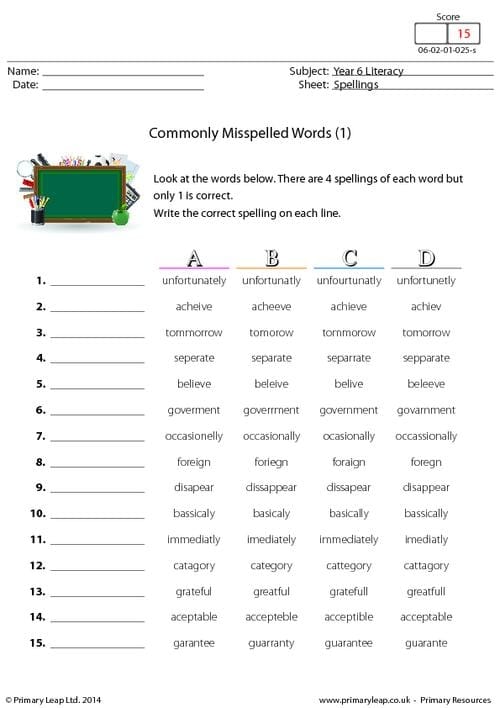
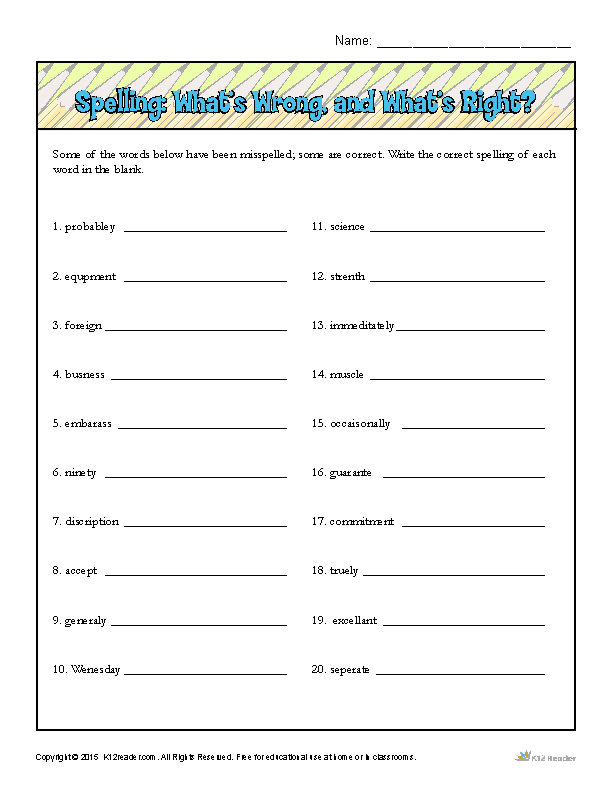
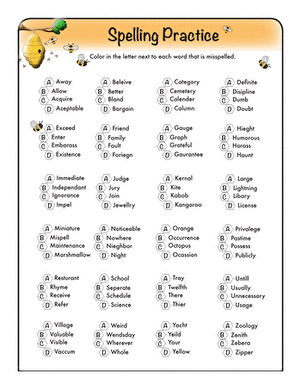
A quick spelling quiz focused on finding errors trains students to slow down and look critically at words. Rather than testing recall from memory, this approach asks third graders to compare what they see against what they know is correct. The shift in thinking helps develop genuine proofreading habits that stick with them long after the worksheet ends.
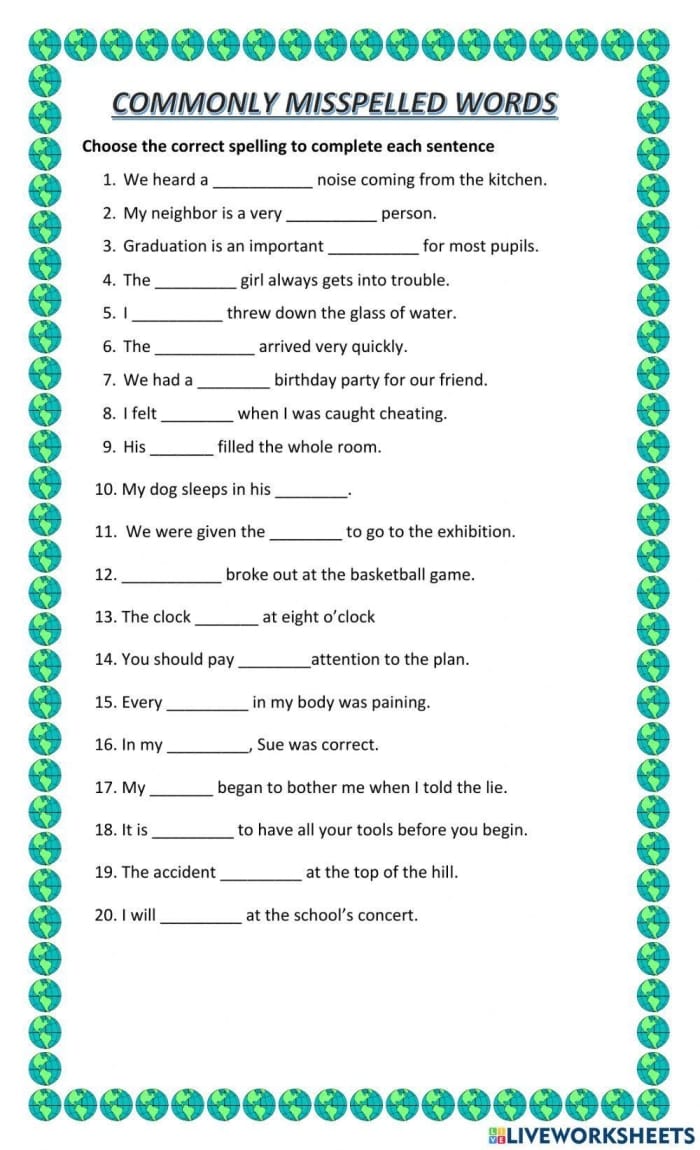
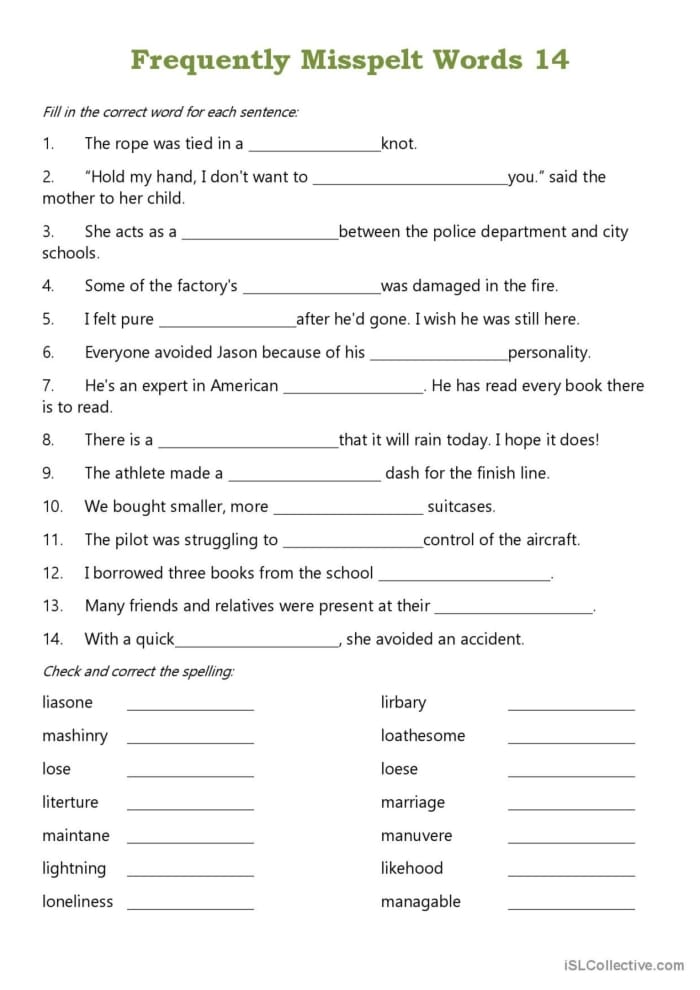
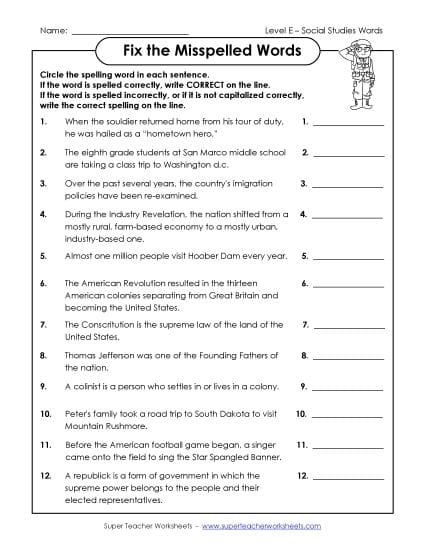
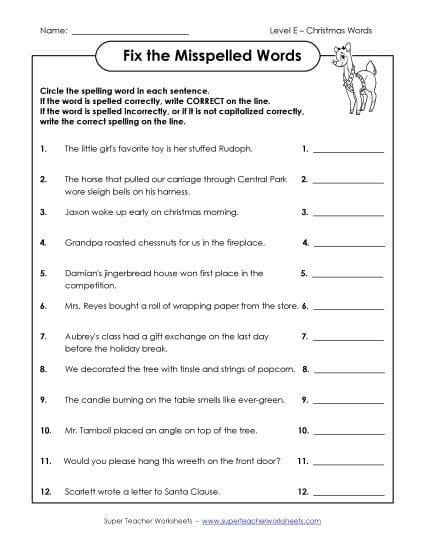
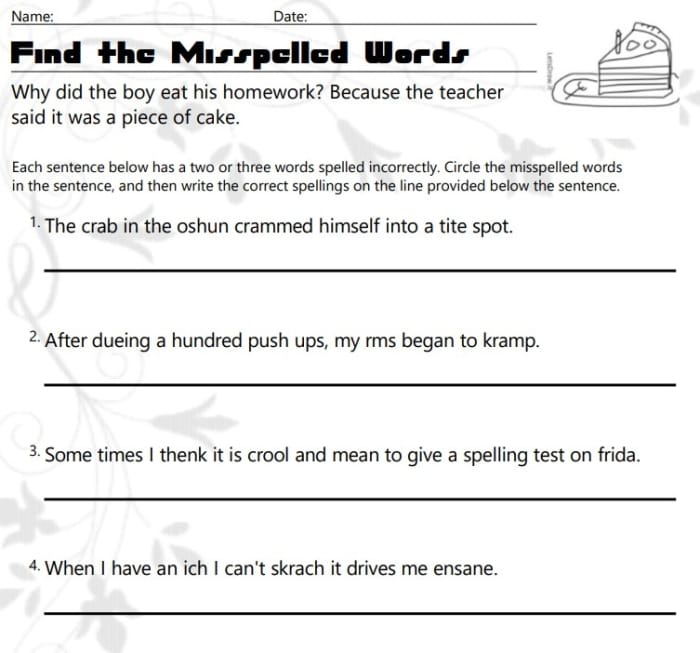
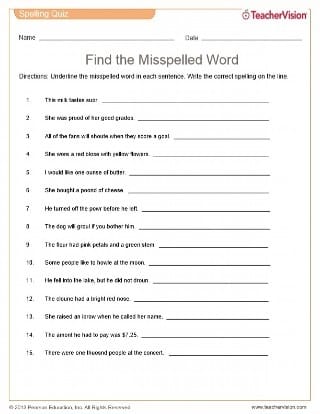
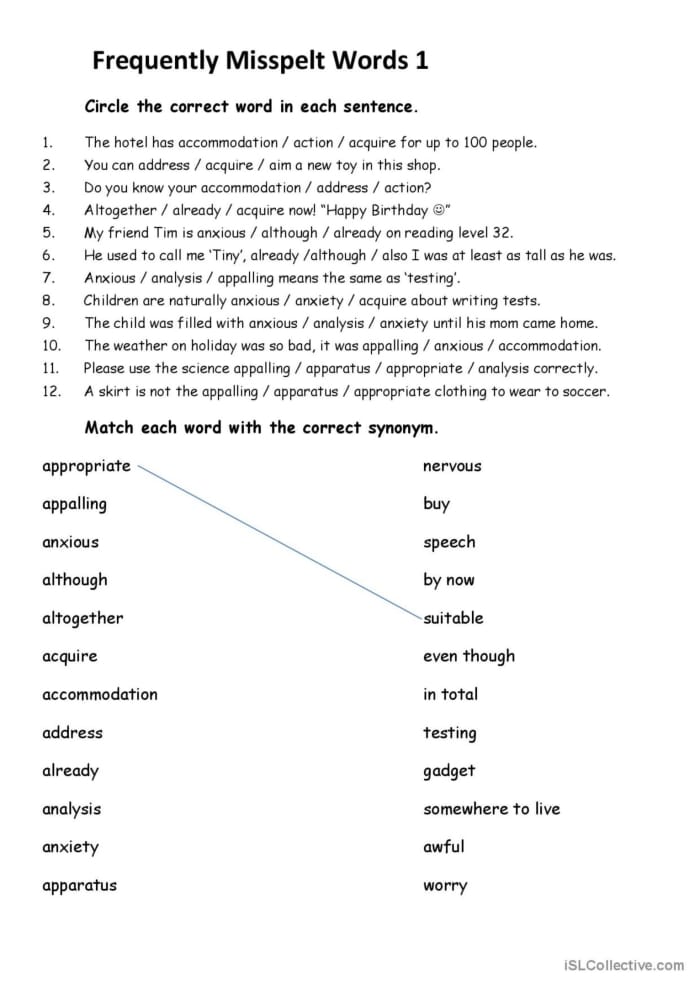
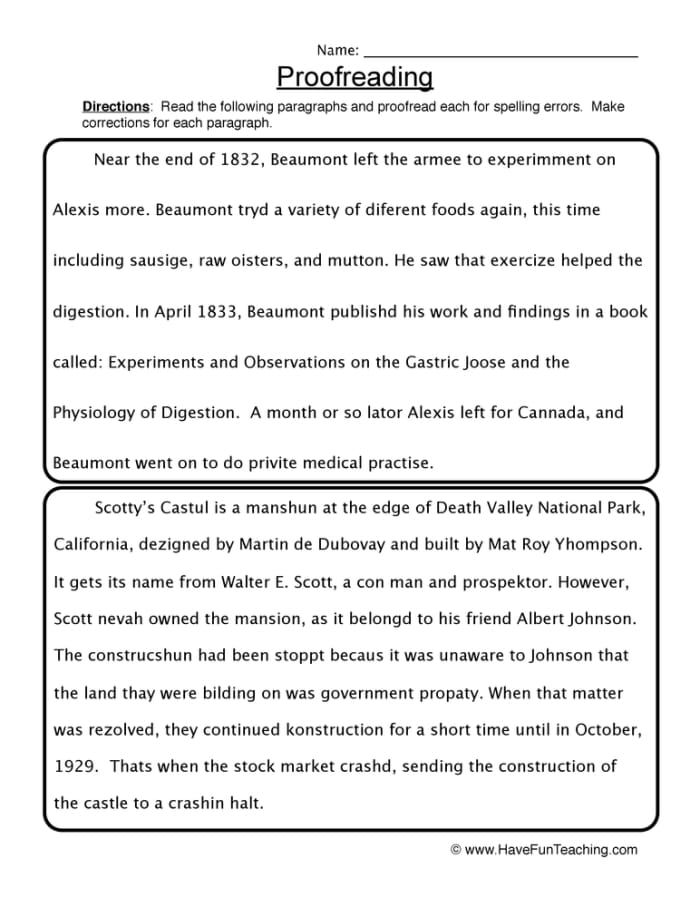
The mechanics are simple but effective. Present sentences or passages with intentional misspellings mixed in with correct words. Students circle or highlight the mistakes, then write the correct spelling. This dual action, spotting plus correcting, reinforces the right spelling pattern while making the error obvious. Third grade is the ideal time for this work, as students have enough spelling foundation to recognize problems but still need practice applying those skills strategically.
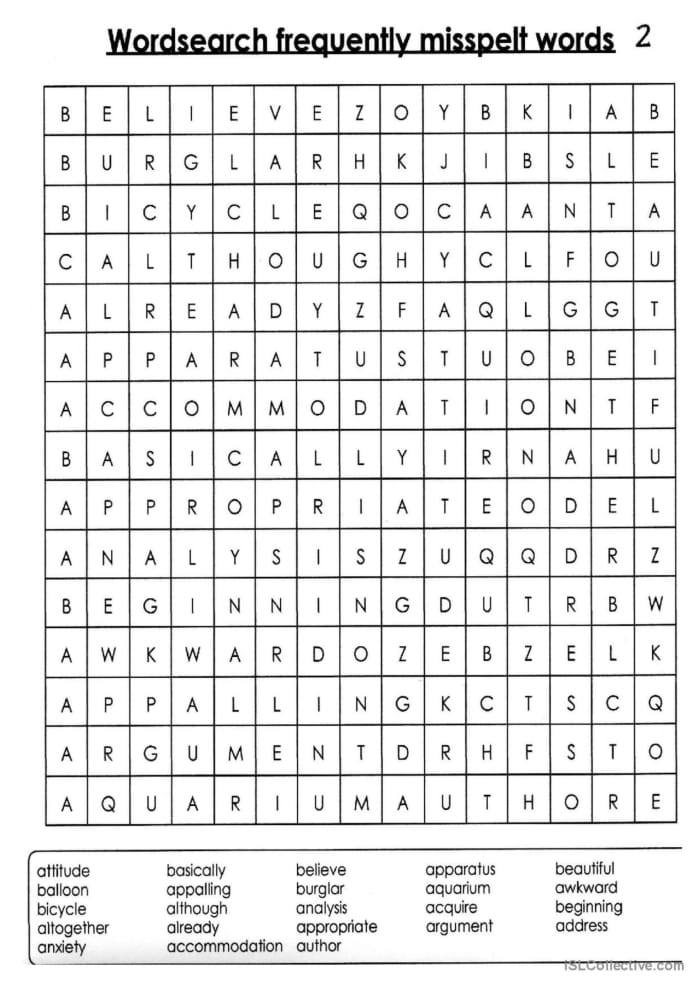
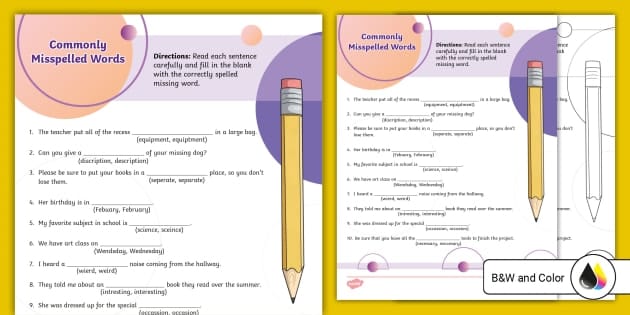
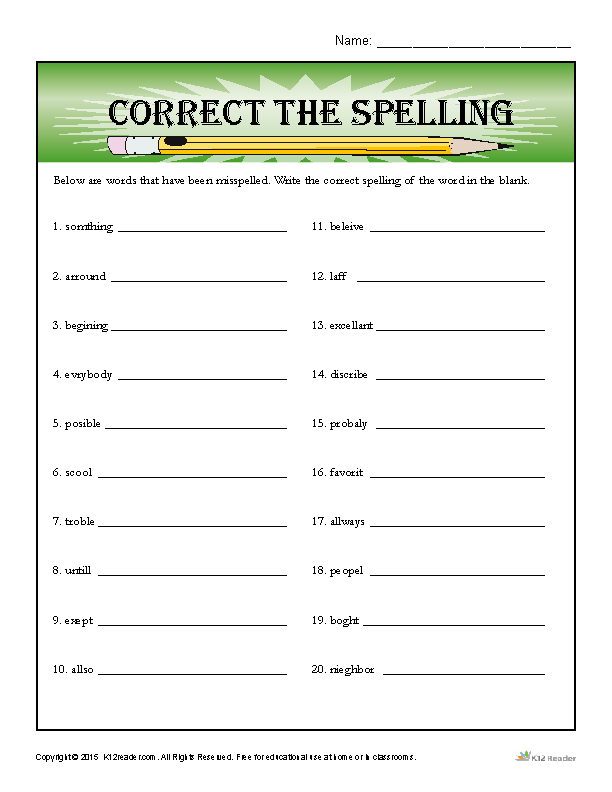
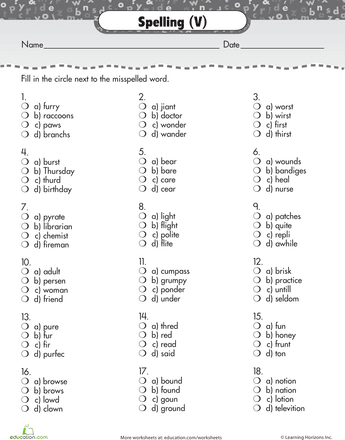
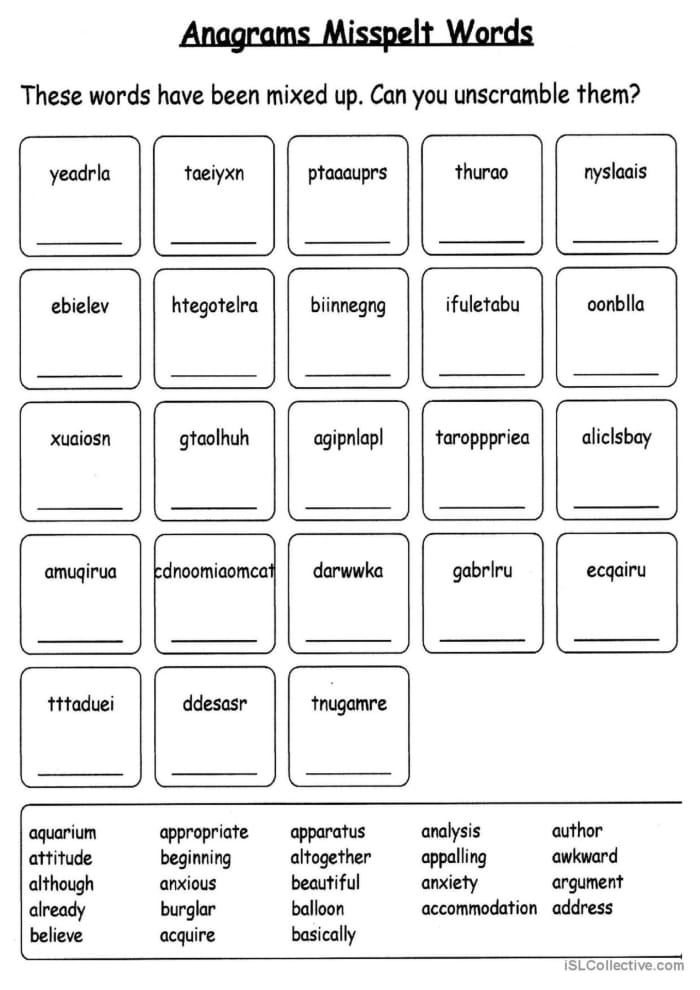
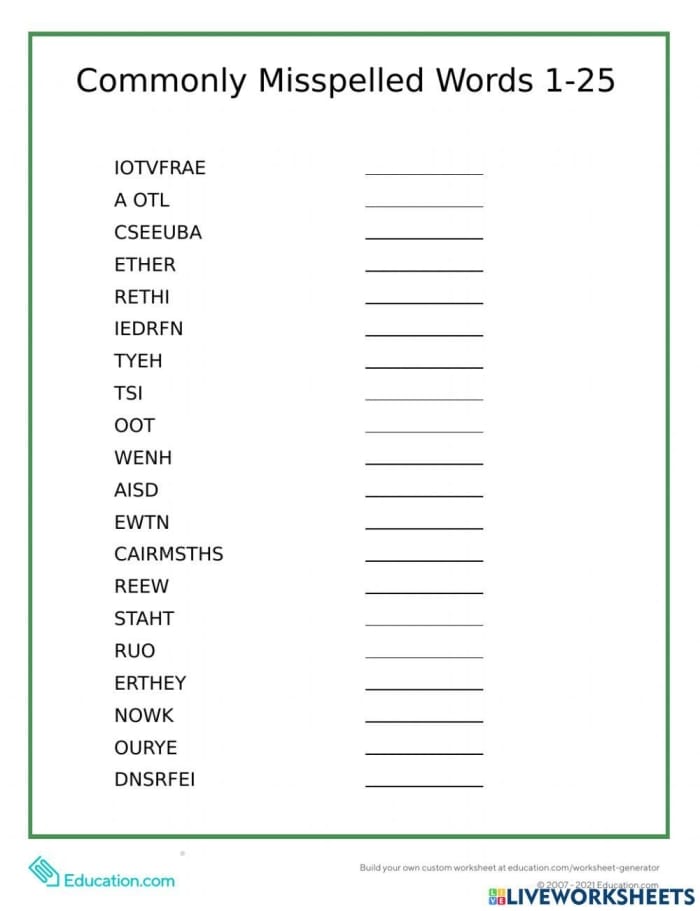
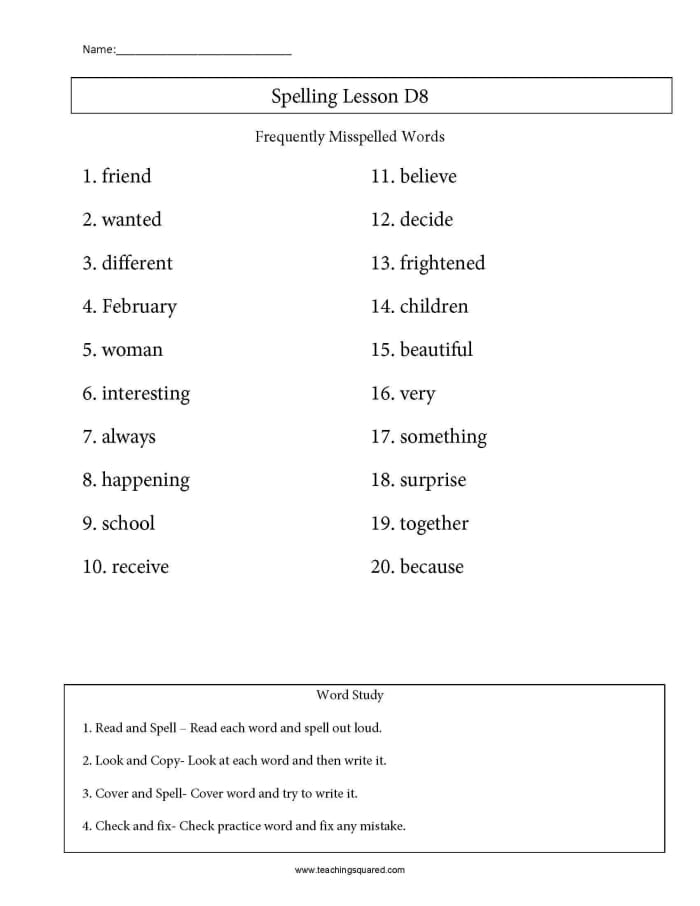
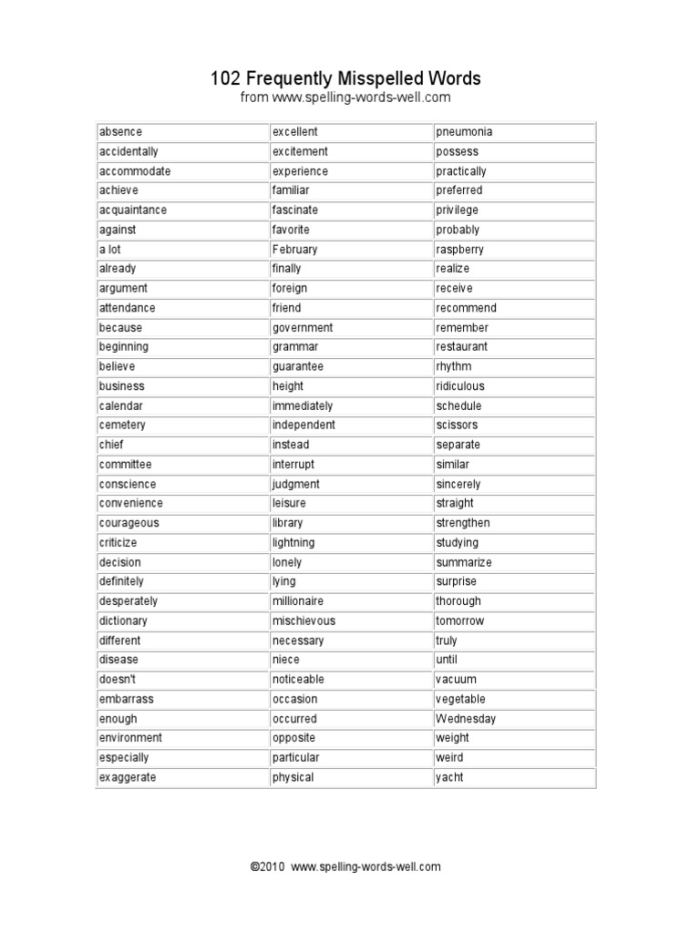
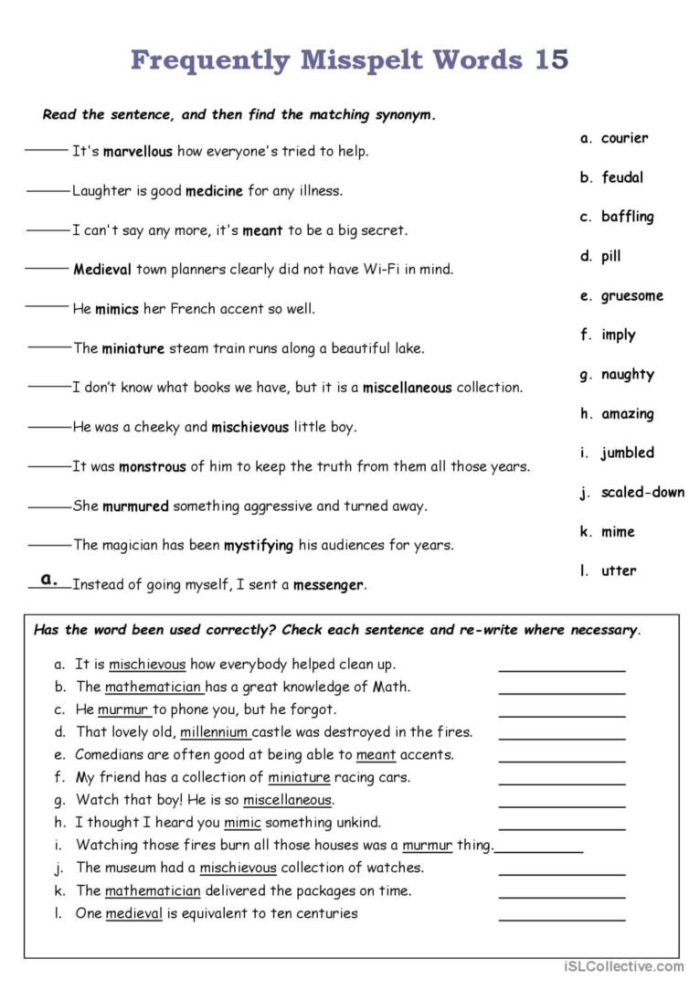
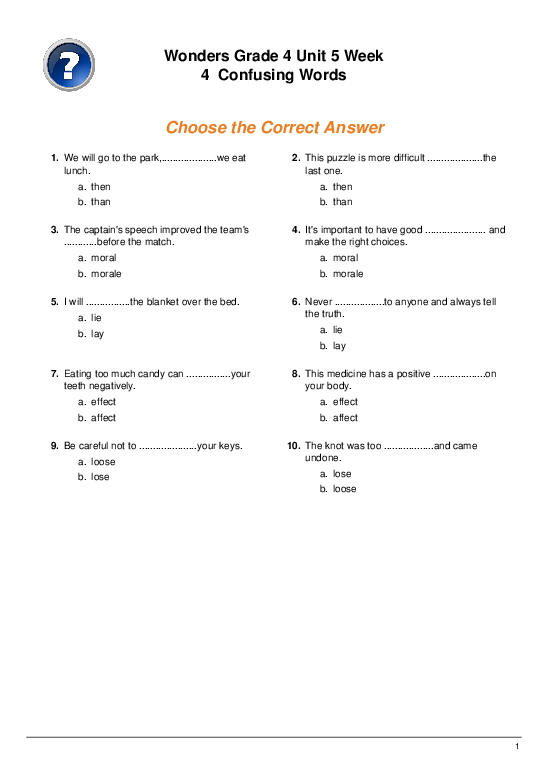
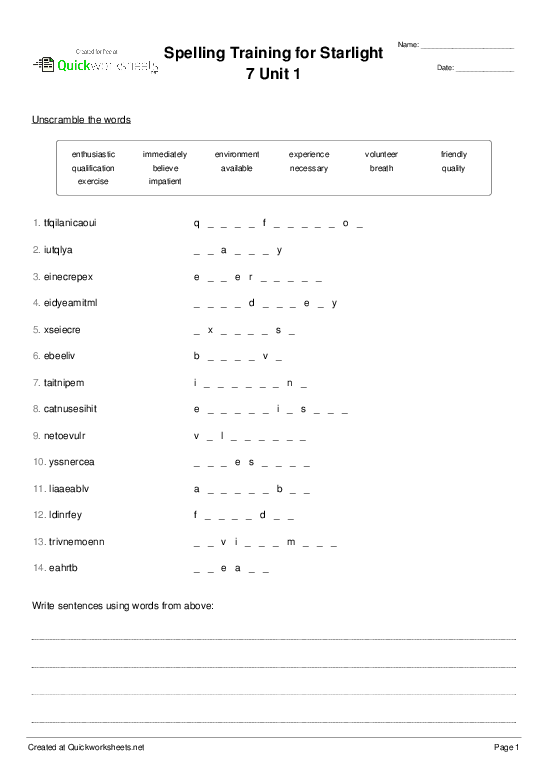
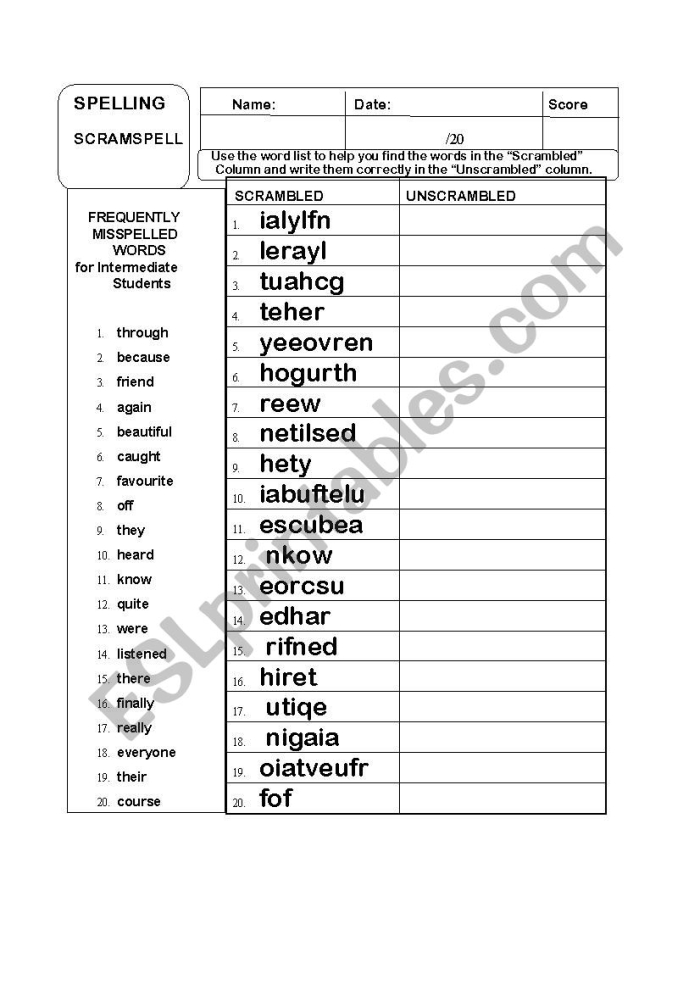
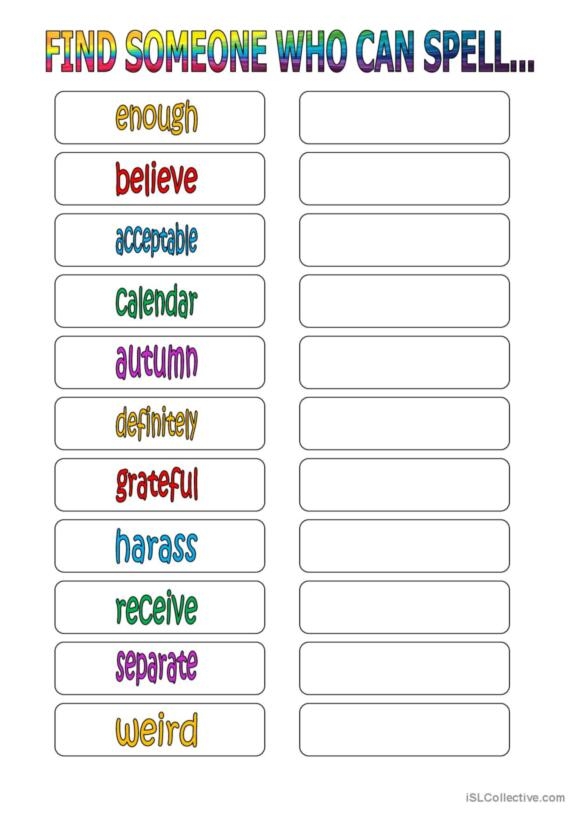
Variety keeps the activity fresh. You might use find the misspelled words worksheets one day, then switch to word scrambles the next. Rotating through different formats prevents monotony while targeting the same core skill. Some students benefit from working with specific word types like verbs and adjectives, which helps them notice patterns in how these words are typically misspelled.
The real payoff appears when students transfer this skill to their own writing. Once they develop an eye for spotting errors in others’ work, they start catching their own mistakes before submitting assignments. That awareness is what genuine proofreading looks like.
Start Practicing with These Worksheets