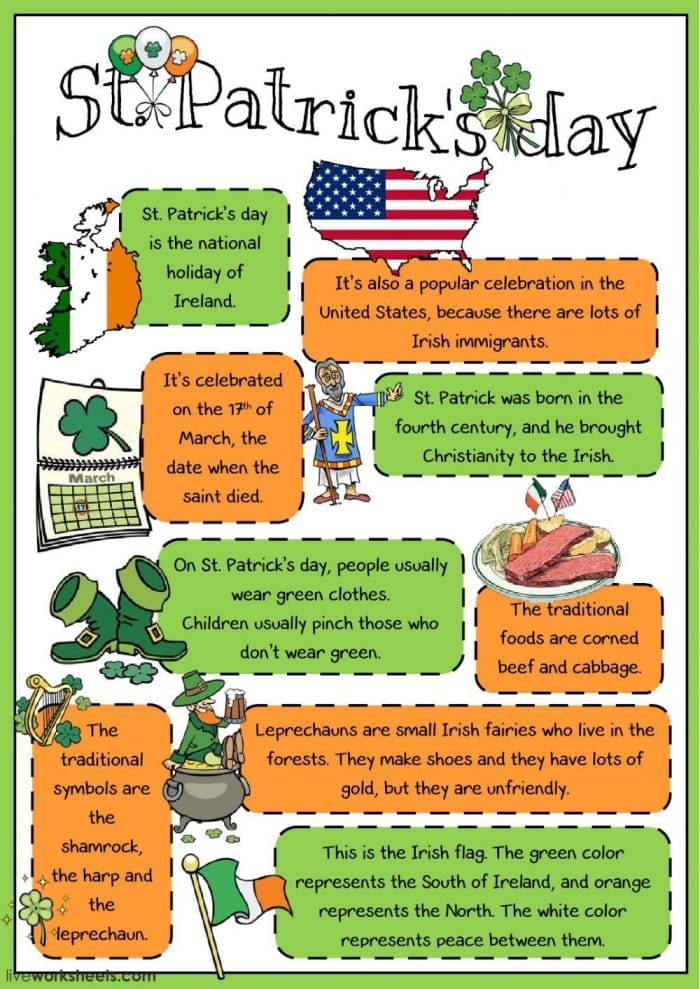
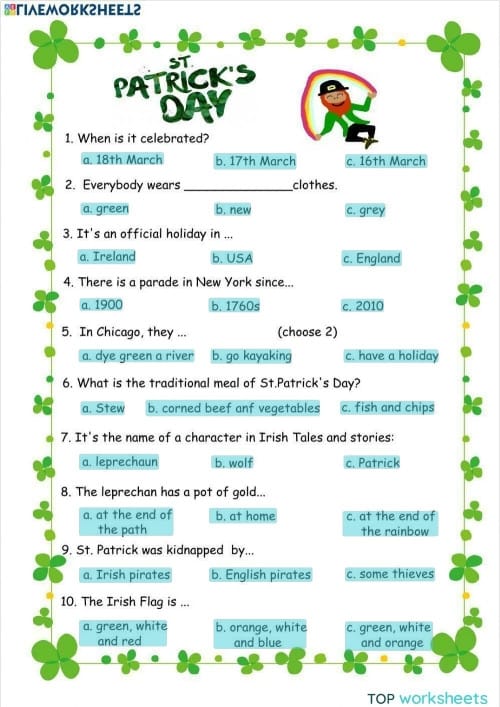
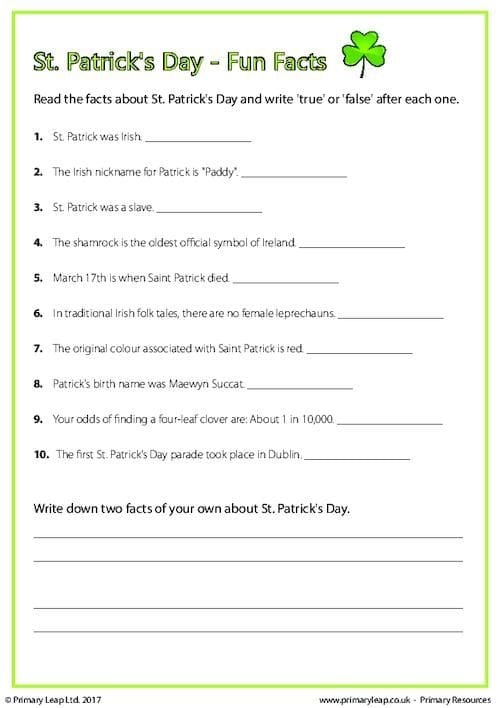
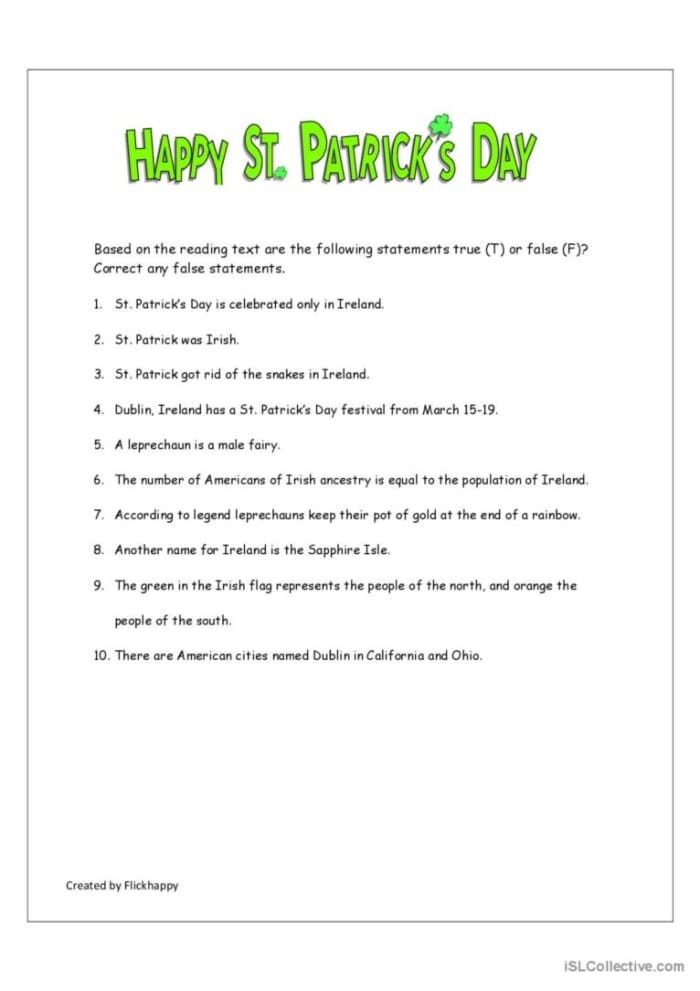
St. Patrick’s Day offers a perfect opportunity to explore the real history behind one of the world’s most widely celebrated holidays. Rather than just wearing green and eating corned beef, fifth grade readers can discover the fascinating story of Saint Patrick himself, the symbolism woven throughout the celebration, and how this Irish tradition became a global phenomenon.
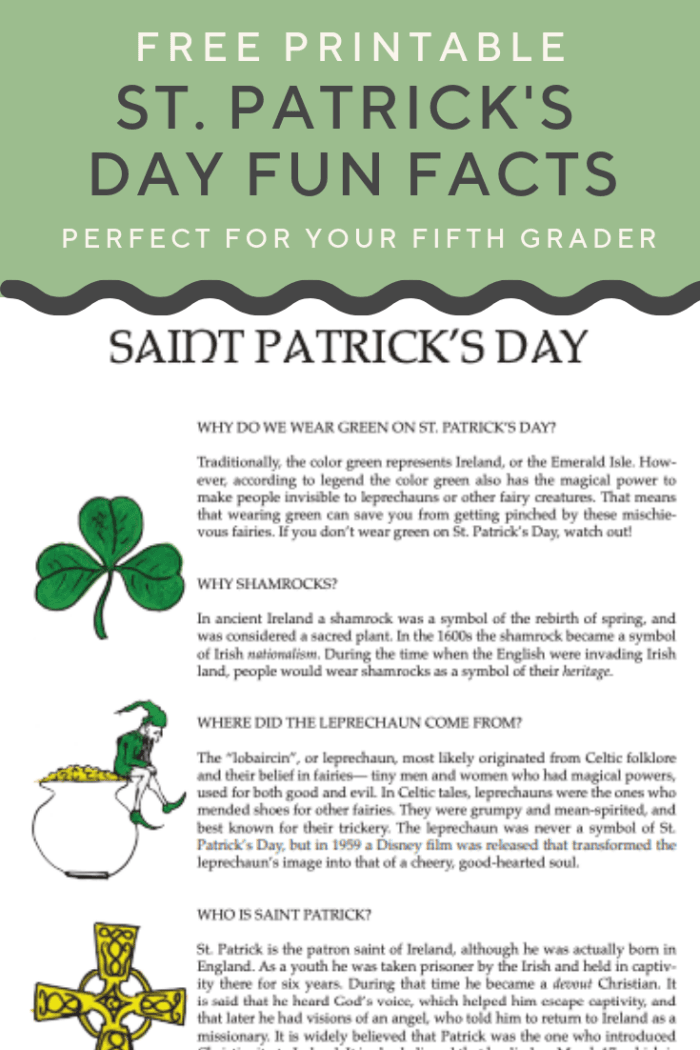
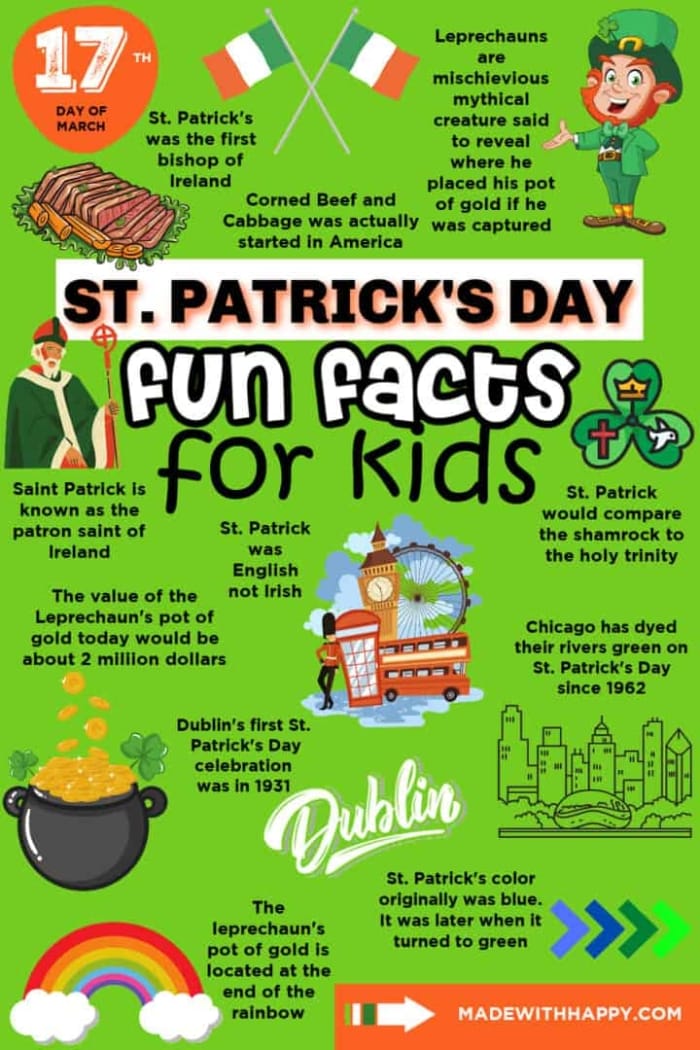
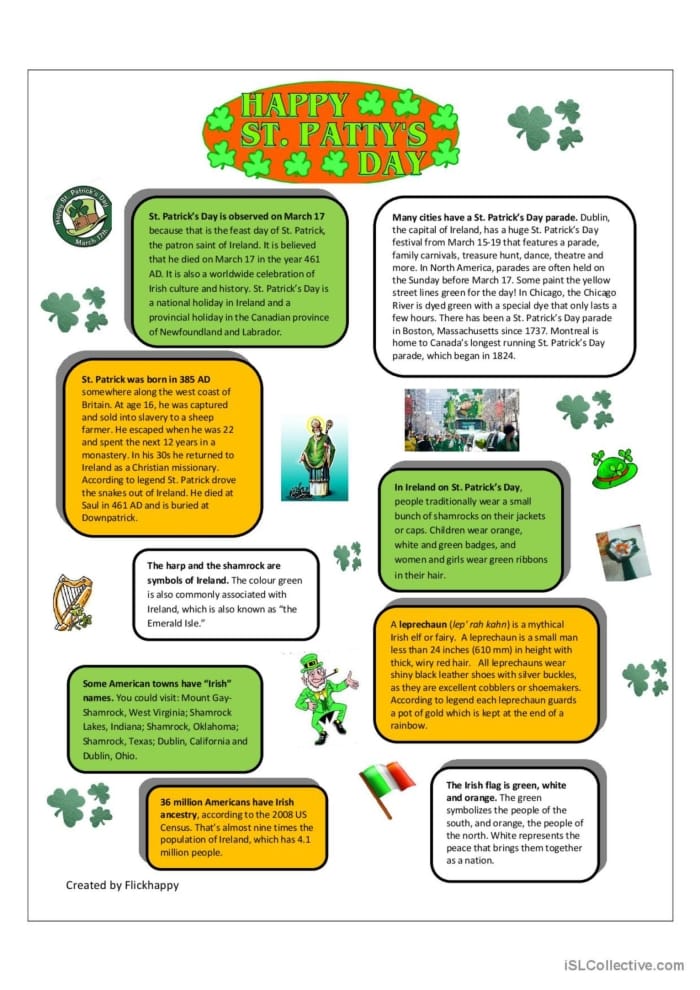
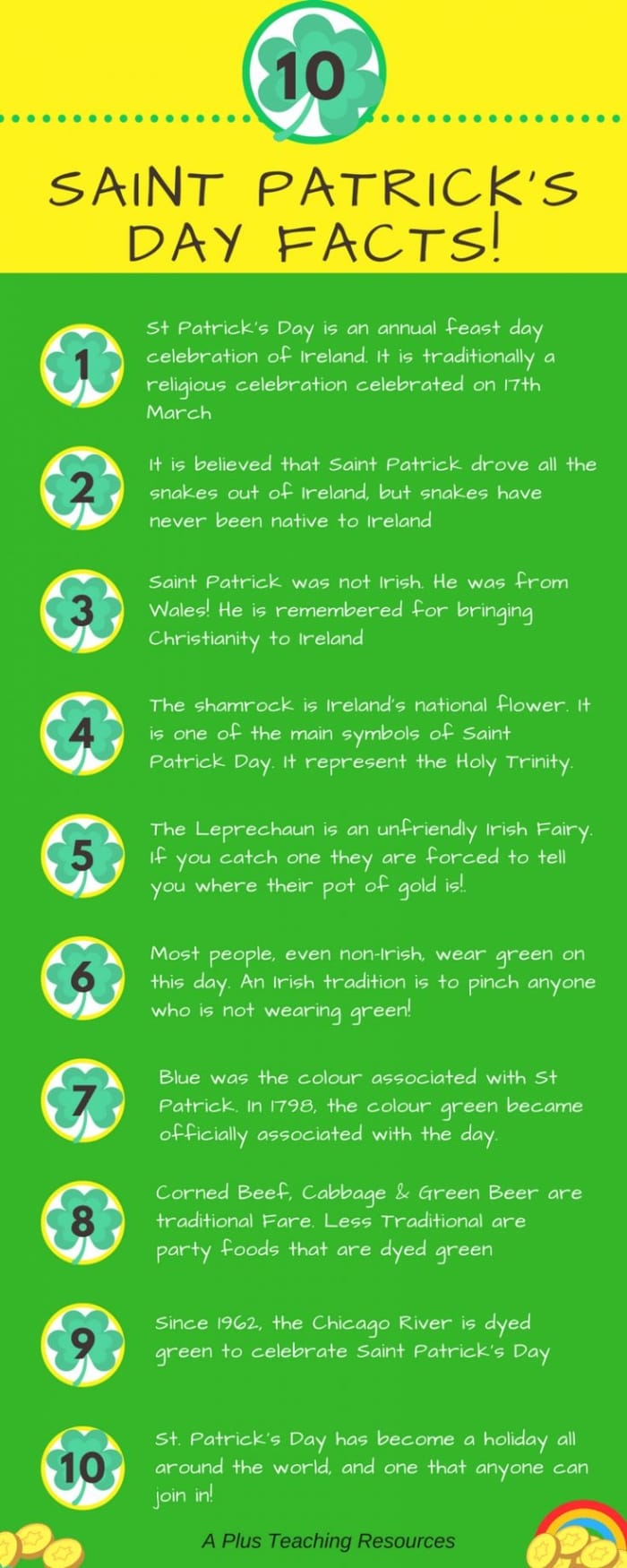
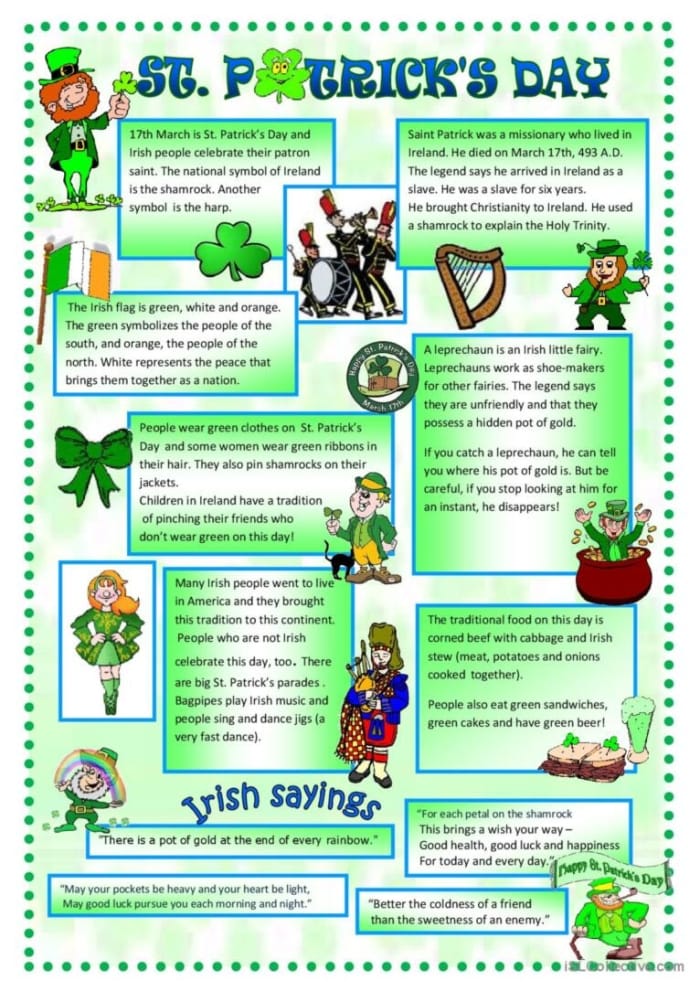
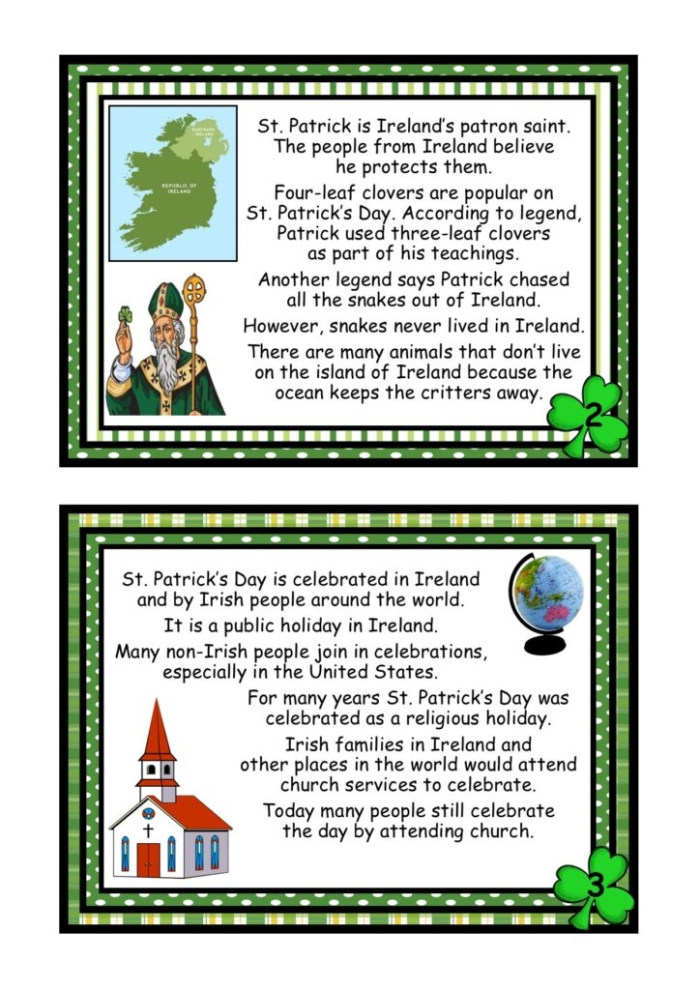
The holiday traces back to the fifth century, when Patrick, a Romano-British missionary, brought Christianity to Ireland. Unlike the popular image of a jolly man in green, the historical Saint Patrick was a serious religious figure who faced significant challenges converting the Irish people. One legend claims he used the three-leaf clover, or shamrock, to explain the concept of the Holy Trinity to his followers, making it one of the most recognizable symbols of the holiday today.
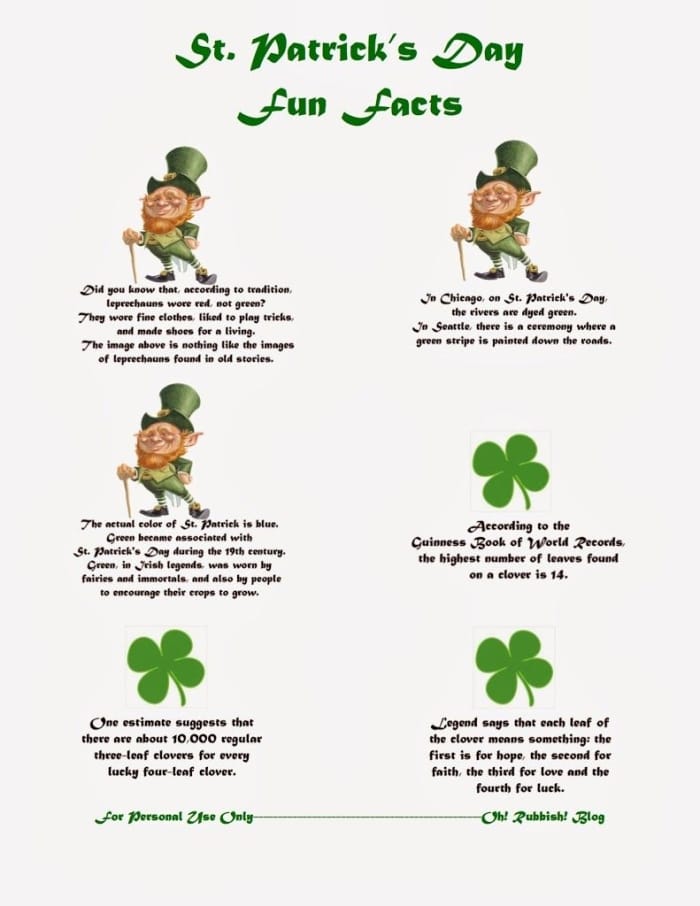
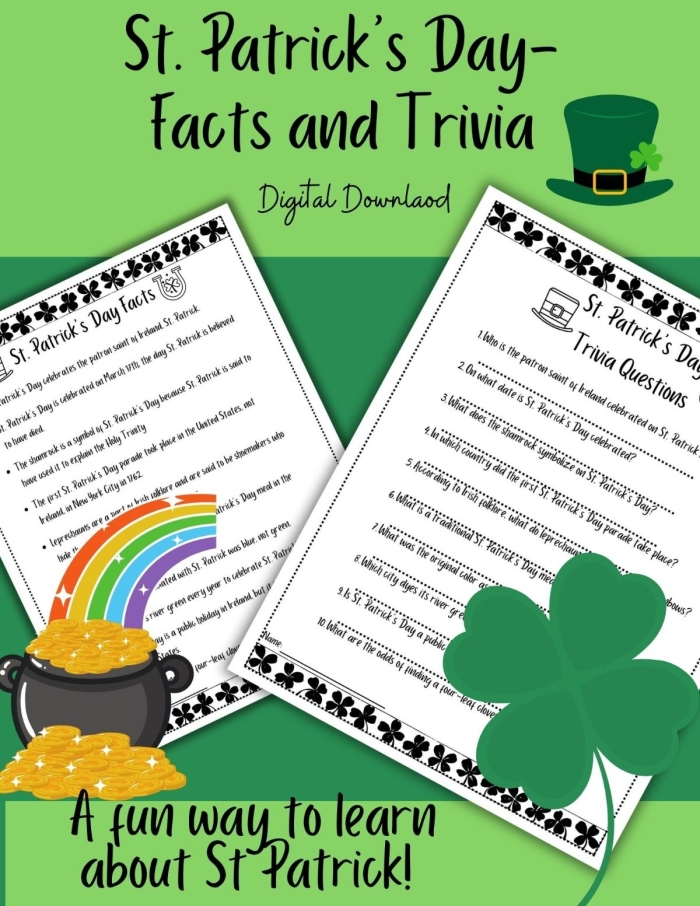
What many people don’t realize is that the color associated with St. Patrick’s Day wasn’t always green. In the 1700s, the color was actually blue. The shift to green happened gradually as Irish nationalism grew stronger, and the shamrock’s natural color became linked to Irish identity.
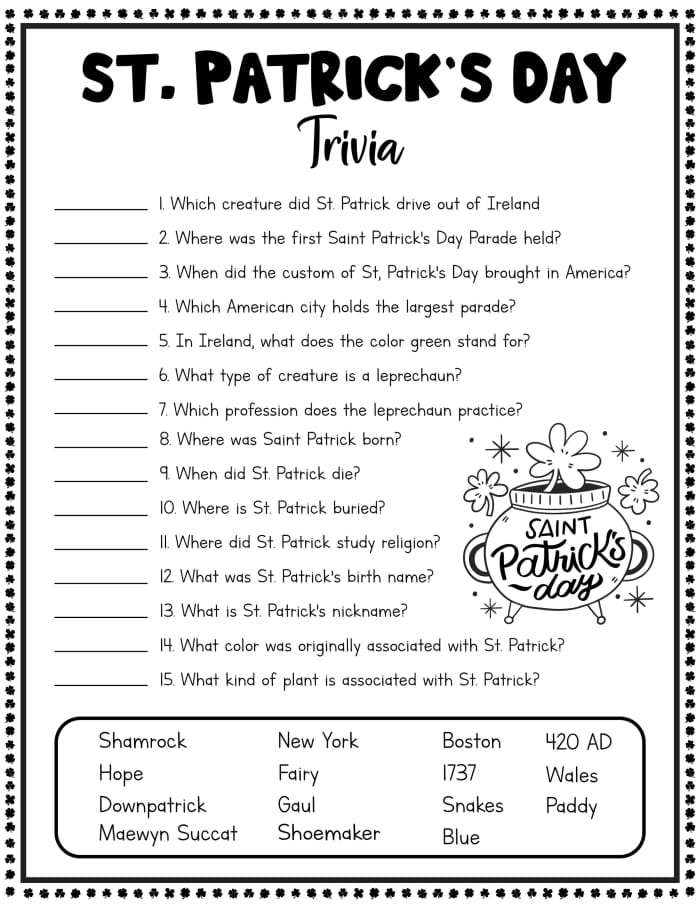
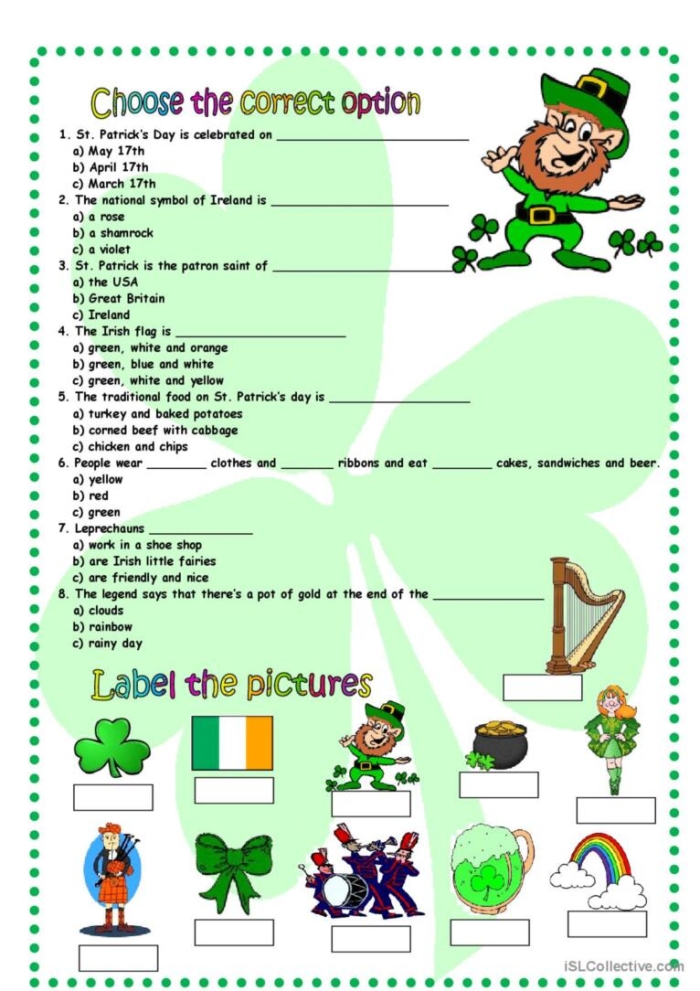
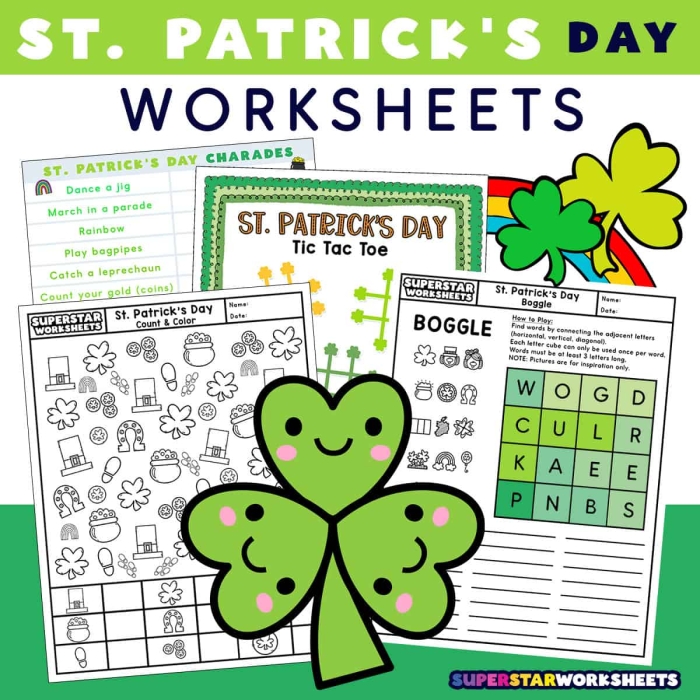
For fifth grade reading comprehension, exploring these details helps students understand how holidays evolve and what cultural symbols actually mean. Students can practice skills like comparing and contrasting myths by examining different versions of Patrick’s life story, or work on identifying idioms commonly used in St. Patrick’s Day celebrations.
Reading about St. Patrick’s Day history transforms the holiday from a surface-level celebration into a genuine learning experience. Students discover that behind every tradition lies a story worth understanding, making the holiday both fun and educational.
Printable Worksheets for Practice