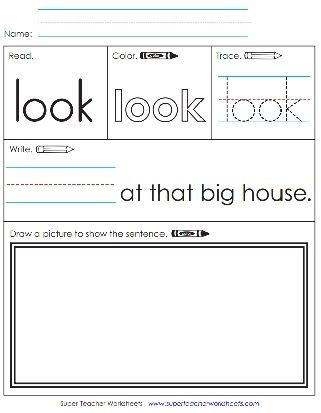
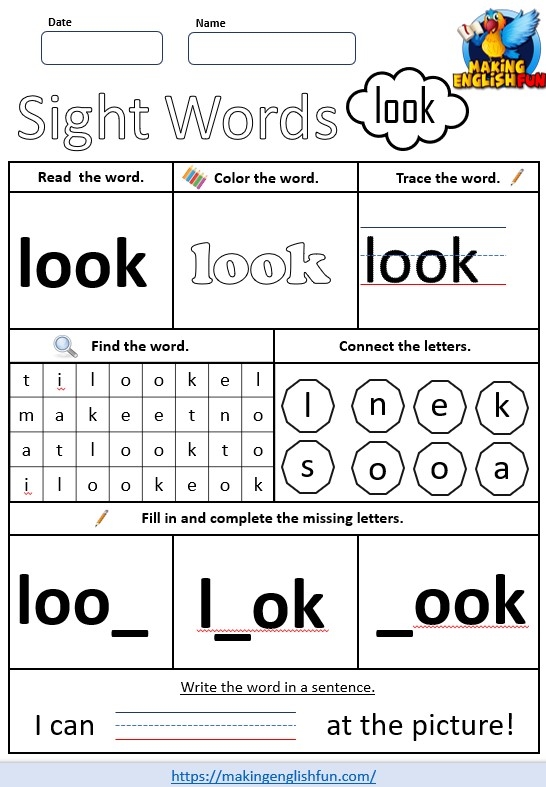
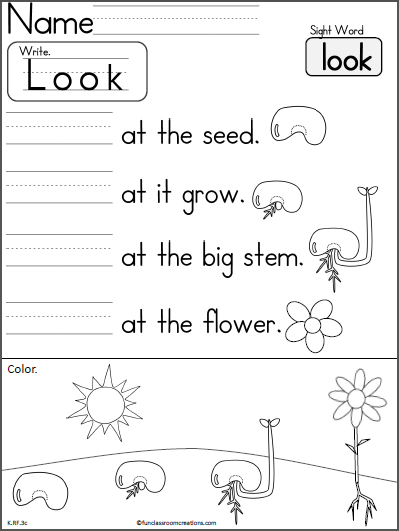
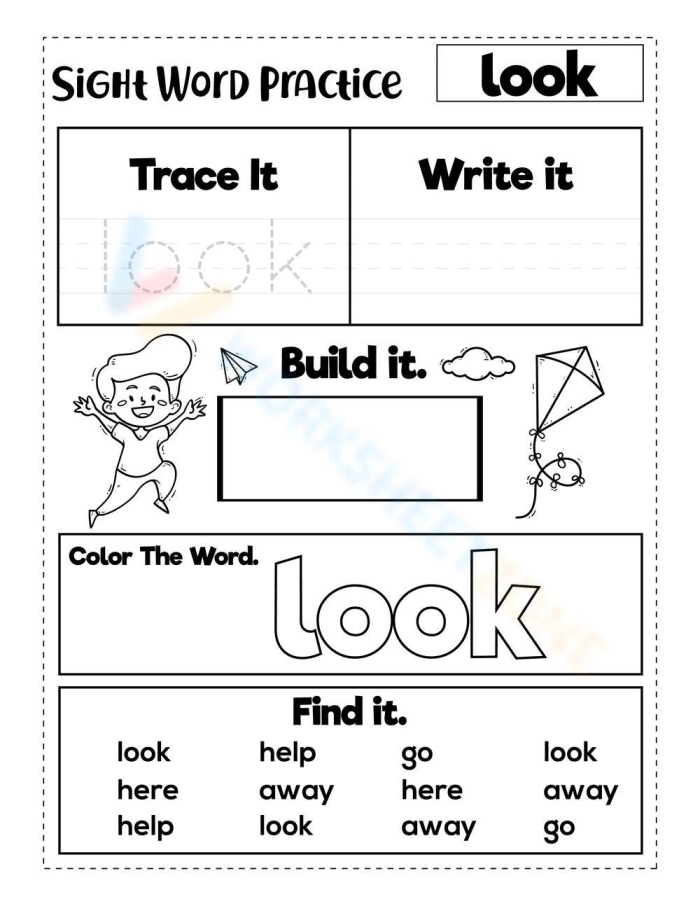
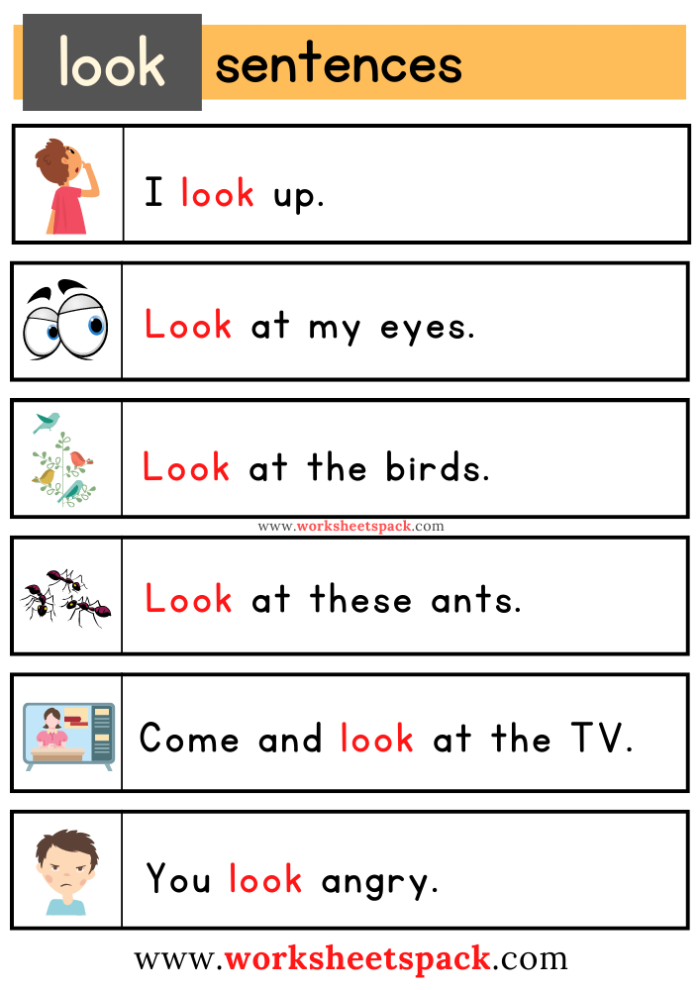
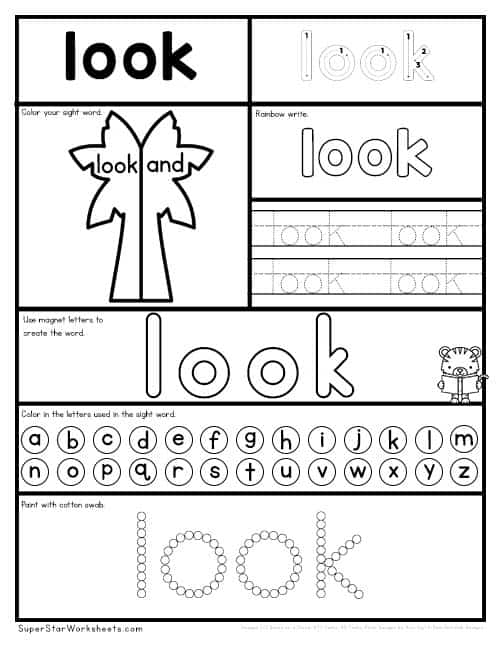
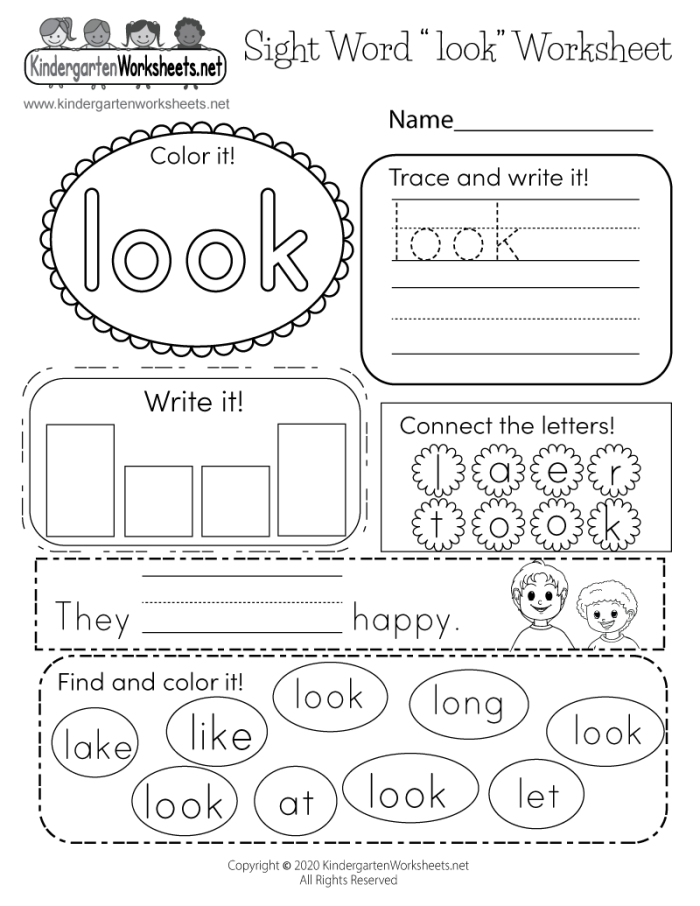
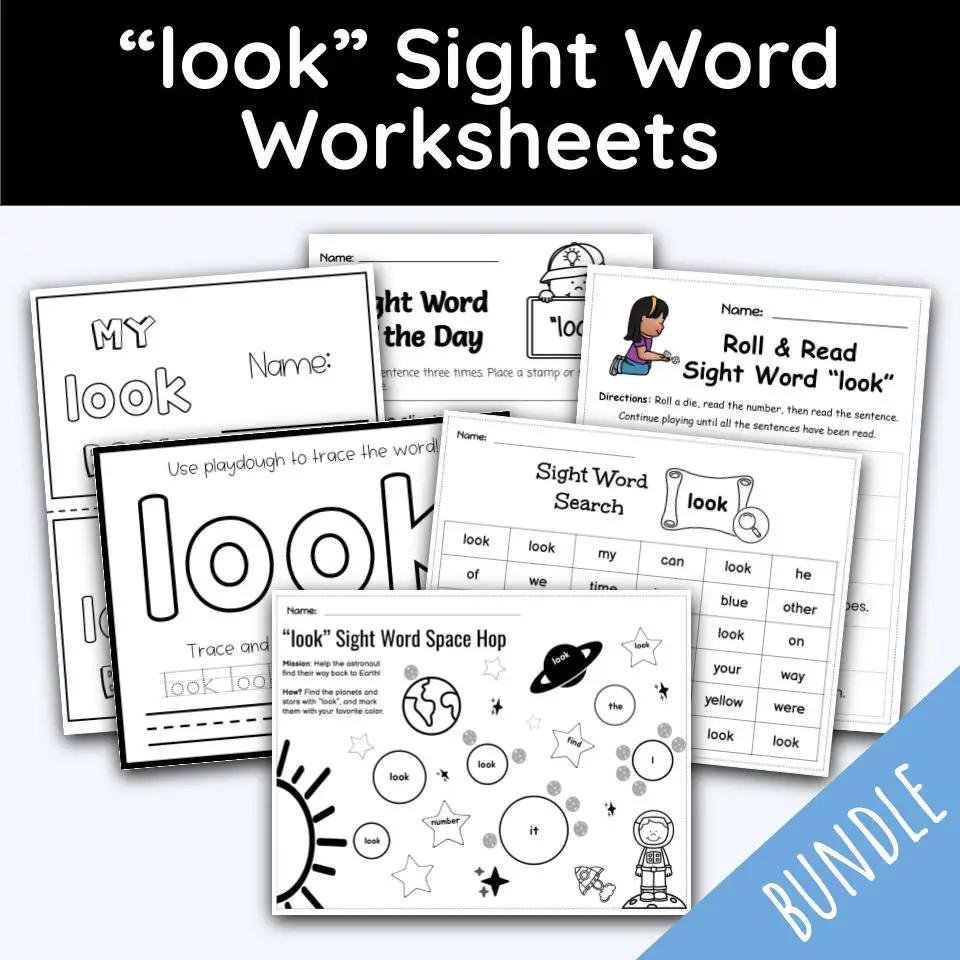
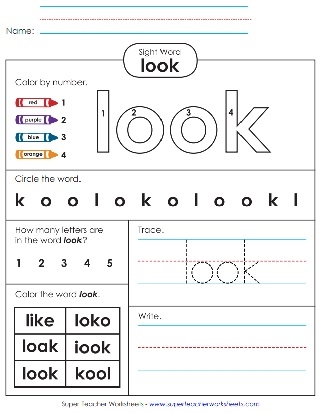
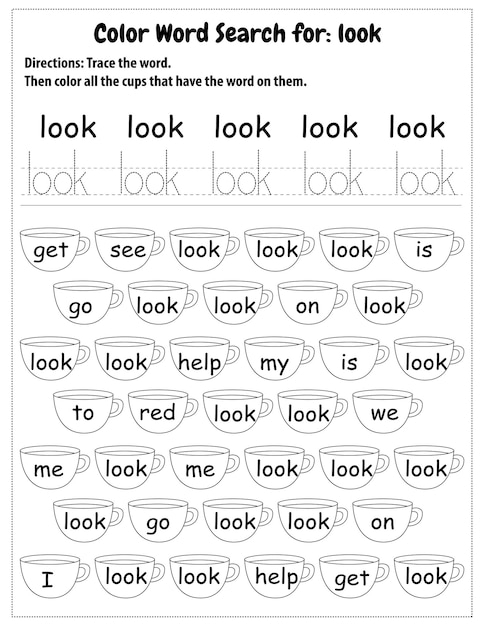
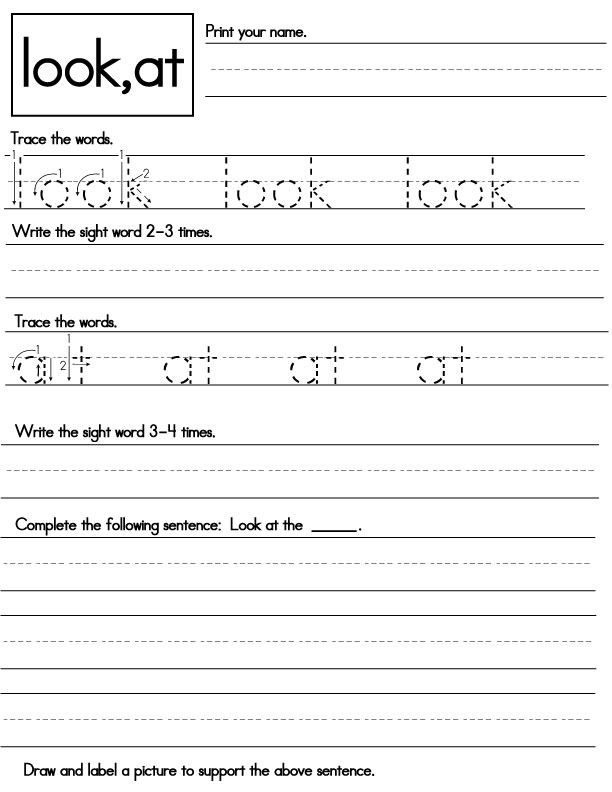
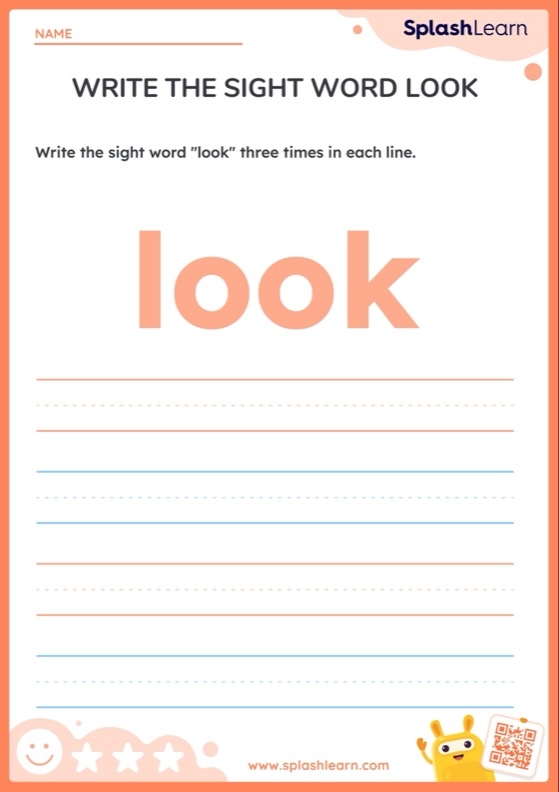
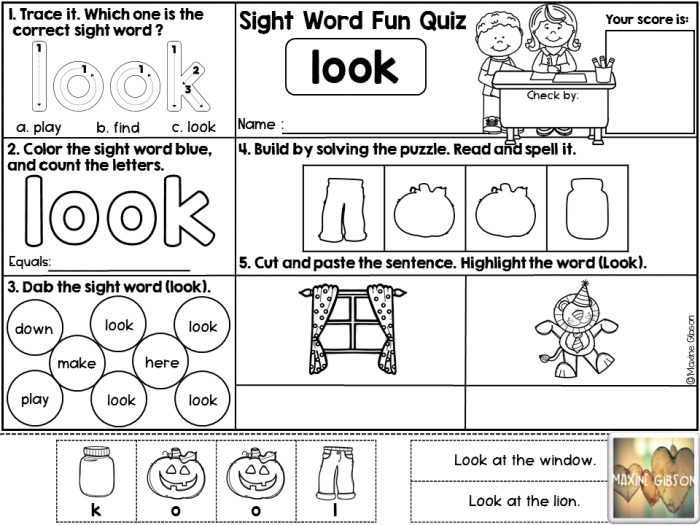
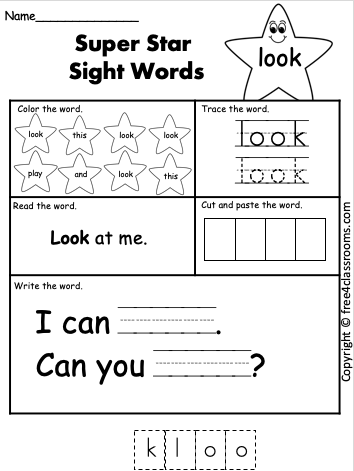
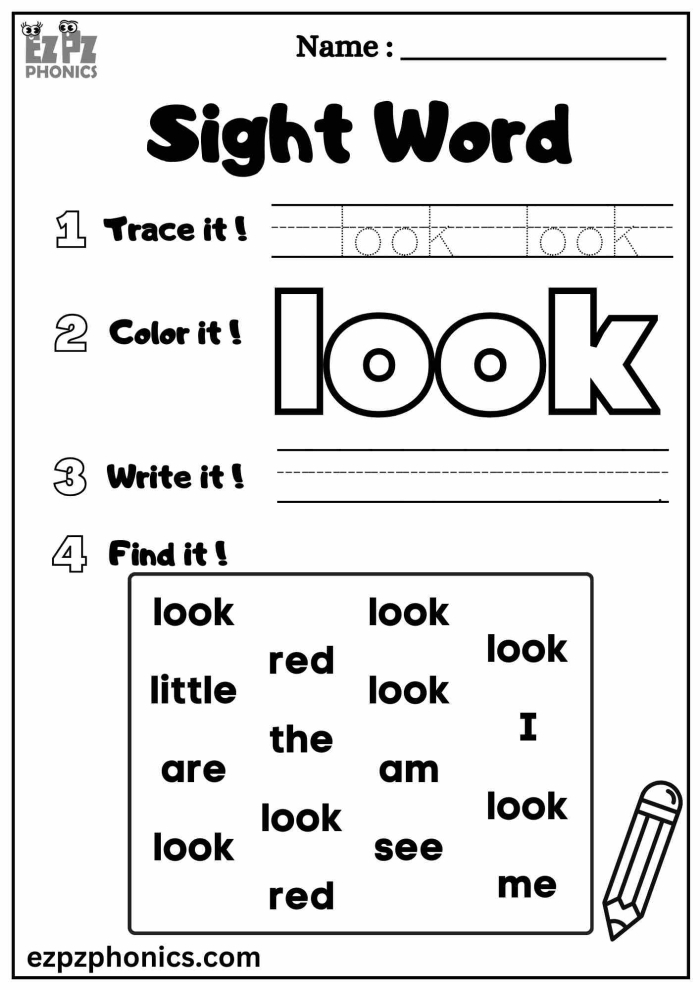
Coloring a word on a worksheet might seem boring, but add some animal parts and suddenly you’ve got a Pre-K activity that actually holds kids’ attention. The sight word “look” becomes something worth paying attention to when children get to transform the letters into creatures and creative designs.
This hands-on approach works because young learners connect better with words when they interact with them physically. Rather than just repeating the word or tracing it passively, kids color each letter, decide which animal features to add, and make choices about their design. They might turn the “o” into an owl’s eye, add whiskers to the “l,” or stick bird feathers on the “k.” By the time they finish, they’ve spent real time with that word in a way that feels like play instead of a lesson.
The Pre-K reading stage is exactly when sight words like “look” need to become automatic. These are words that appear constantly in books, and kids benefit from seeing them repeatedly in different contexts. An art activity anchors the word in memory better than flashcards alone because it engages multiple senses and creative thinking at once.
If your child enjoys this type of activity, you might also explore other hands-on learning options. Fine motor skills develop alongside reading readiness, so activities like cutting practice with fun designs and tracing individual letters support the same goals. You could even combine this sight word project with journaling activities to reinforce vocabulary in different ways throughout the week.
The beauty of decorating sight words with animal parts is that there’s no wrong way to do it. Kids take ownership of their work, and that confidence carries over into their willingness to tackle new reading challenges.
Start Practicing with These Worksheets