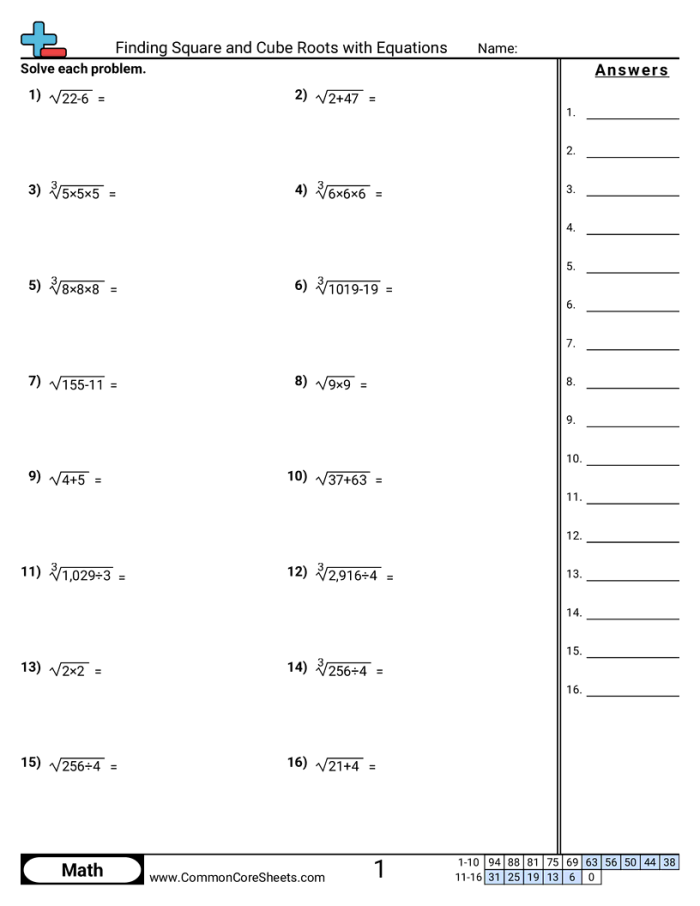
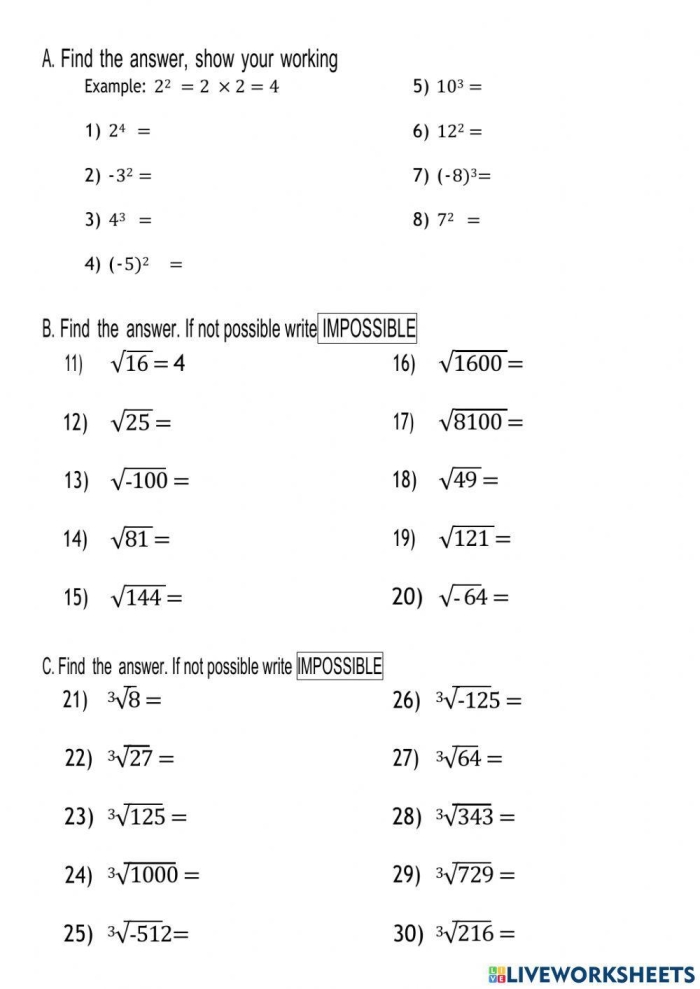
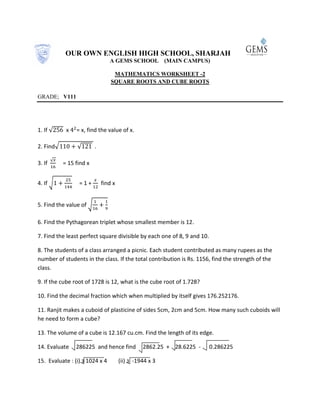
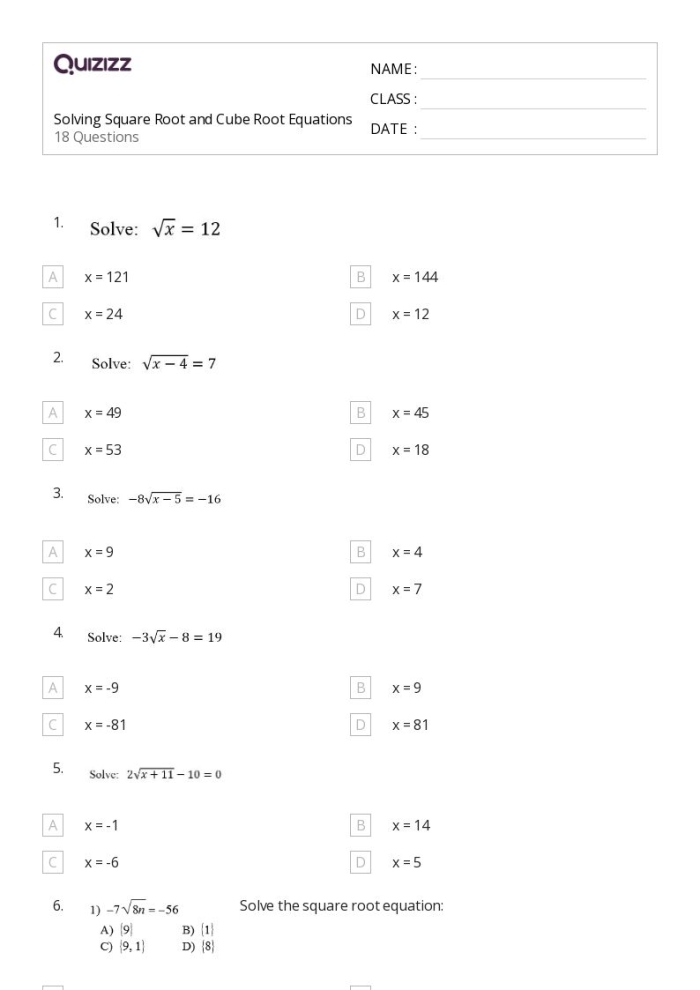
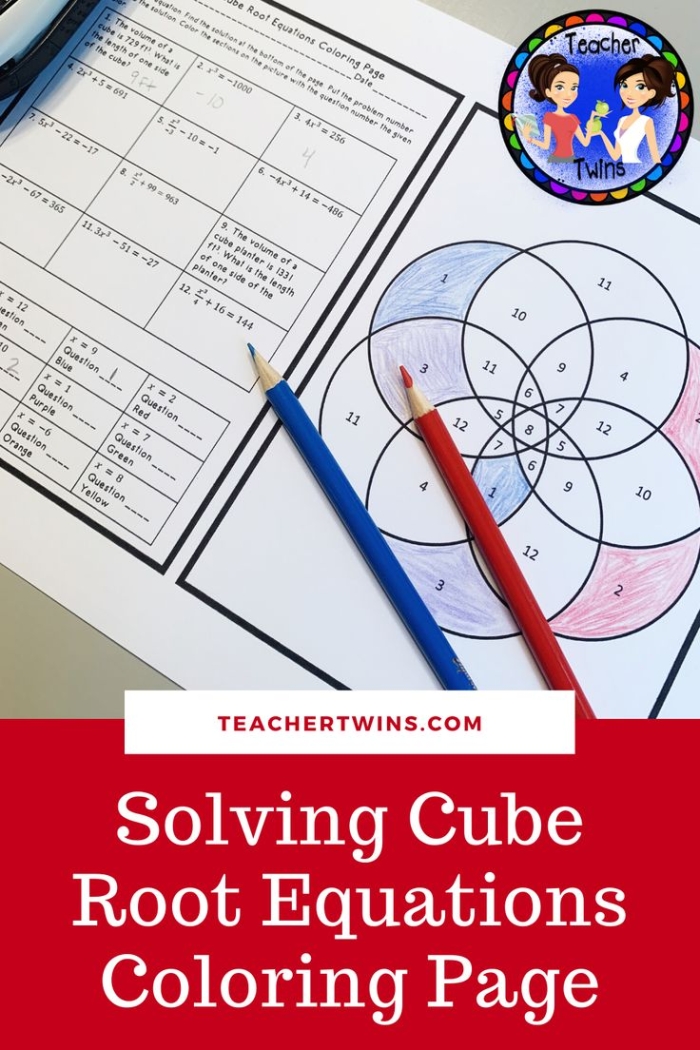
Eighth-grade students often hit a wall when equations stop being straightforward and variables start getting cubed. This is where many learners realize that algebra isn’t just about isolating x anymore, it’s about understanding what happens when numbers are multiplied by themselves three times over.
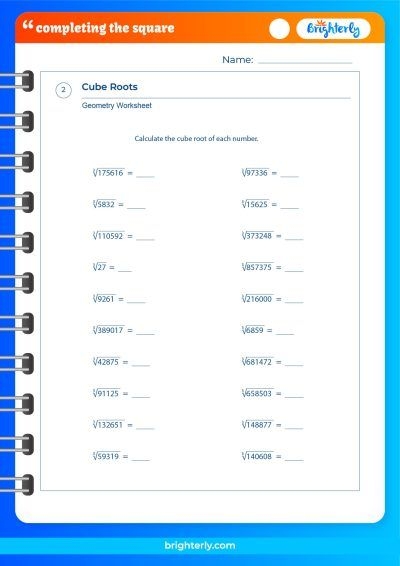
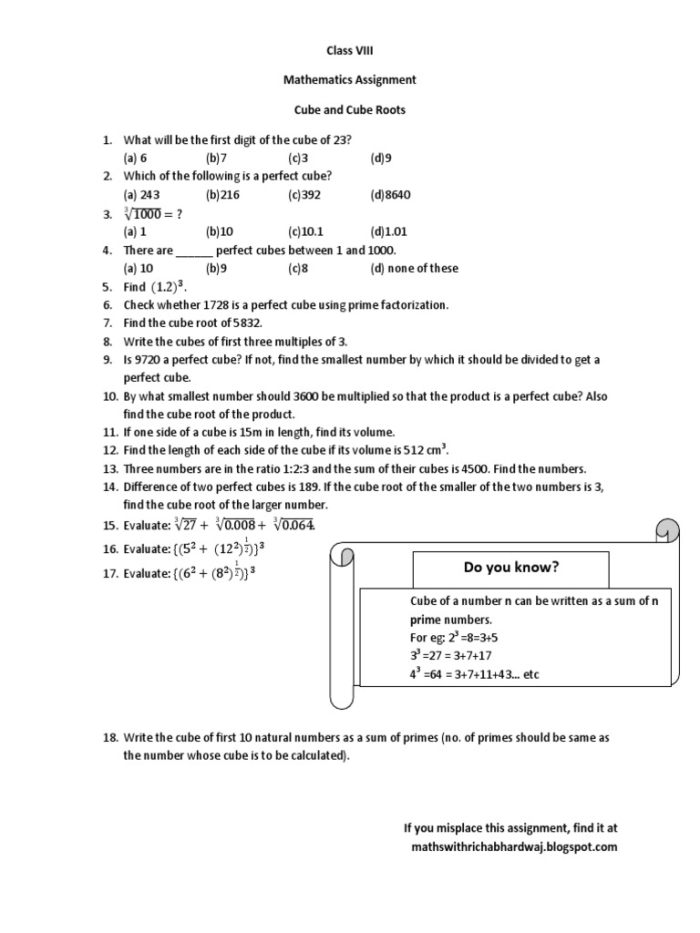
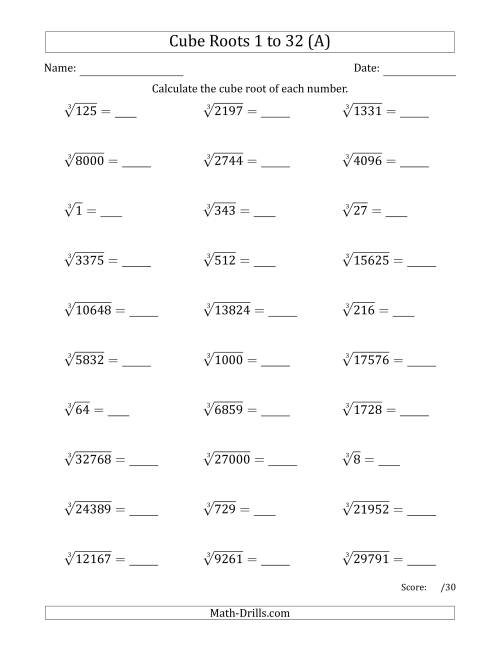
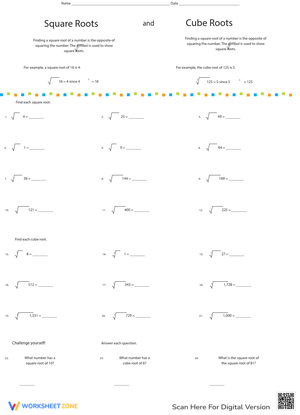
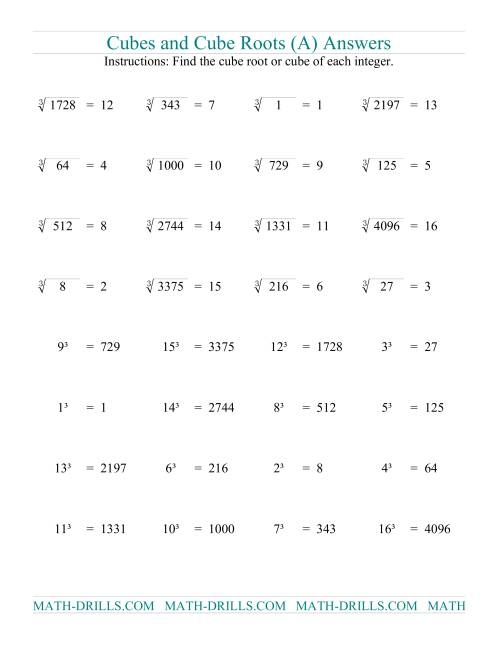
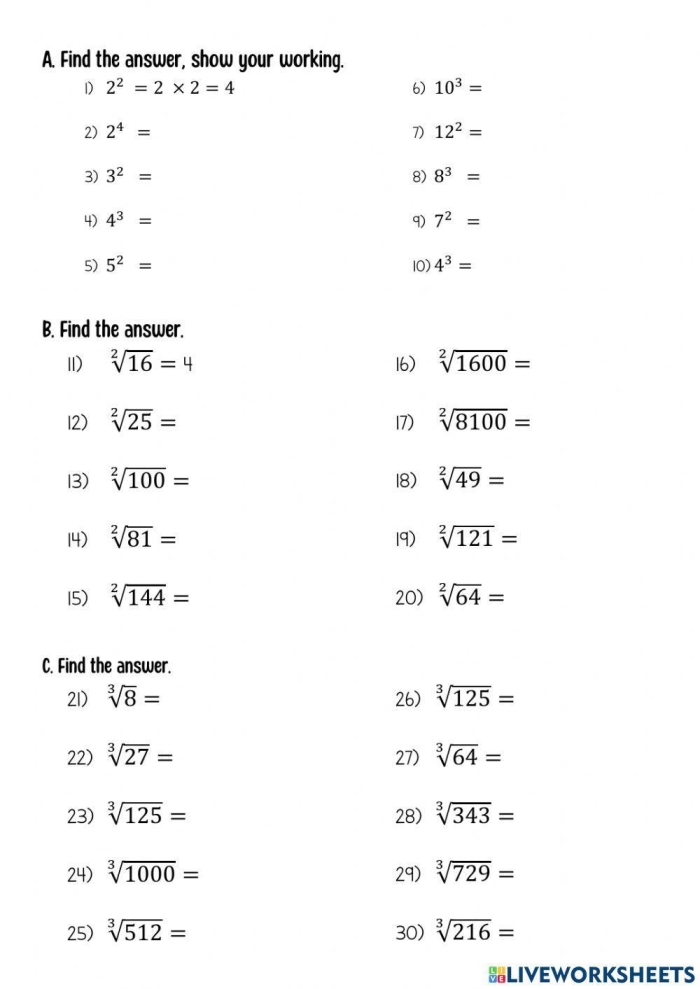
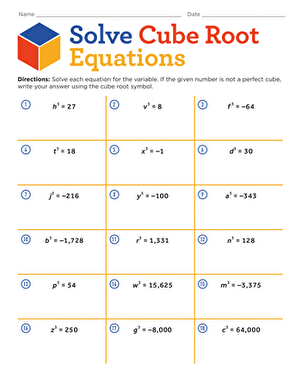
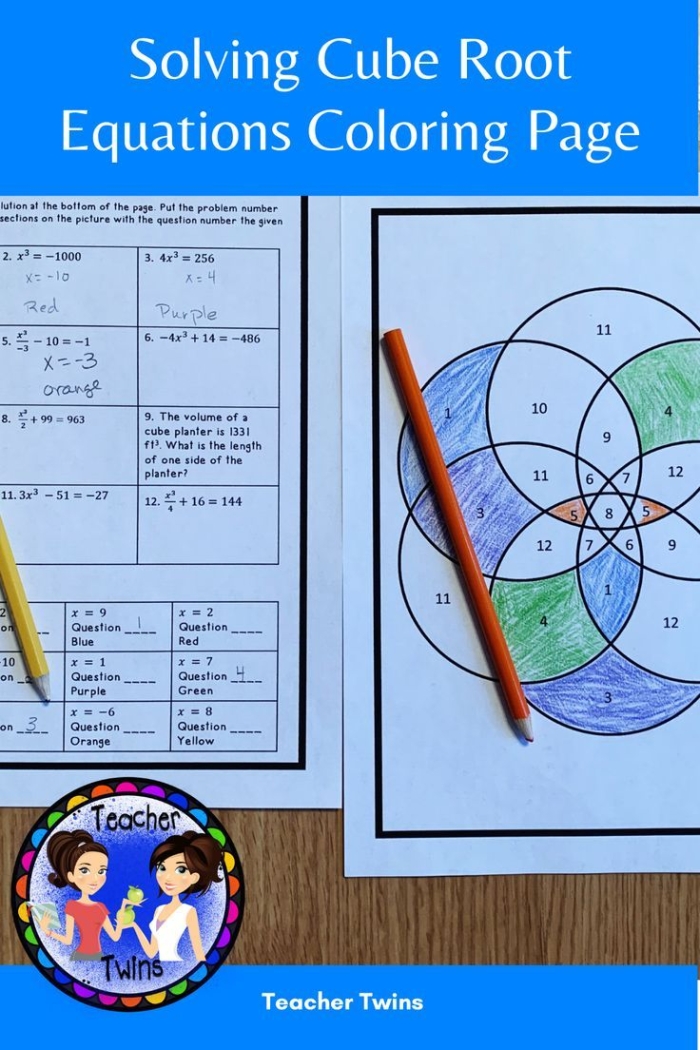
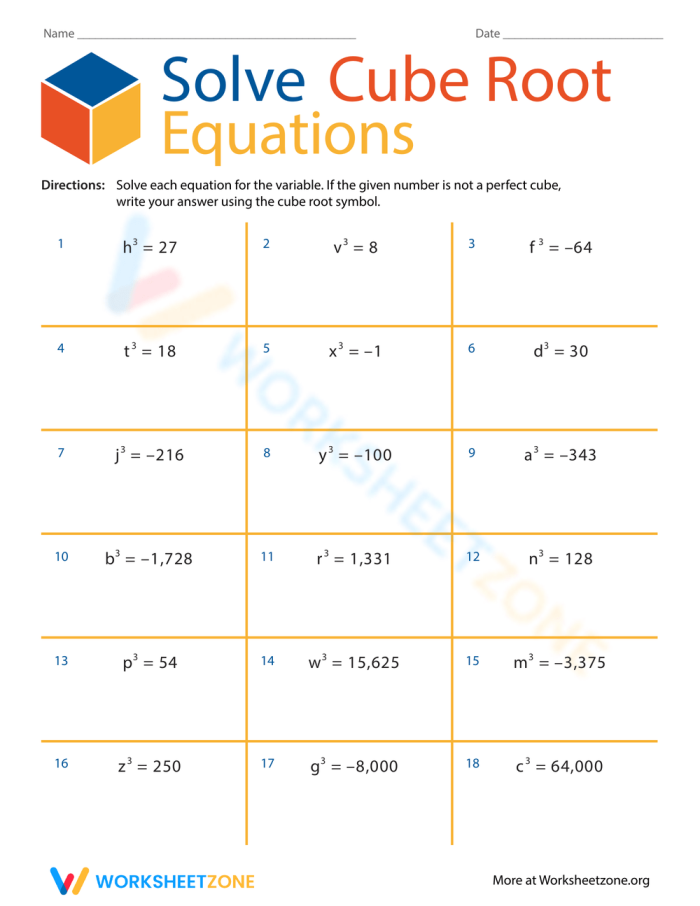
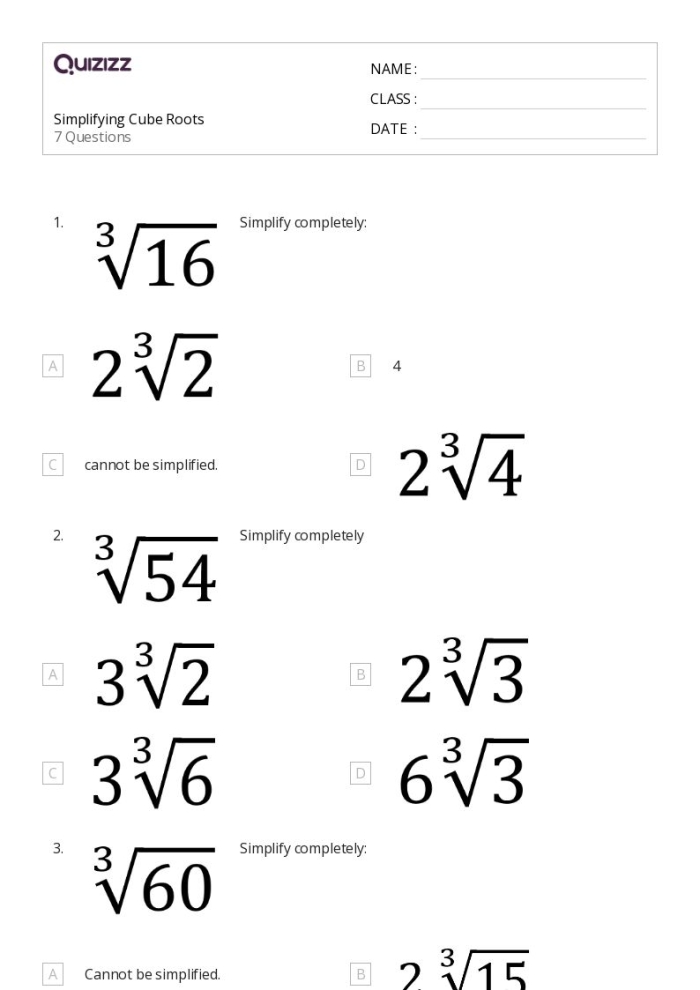
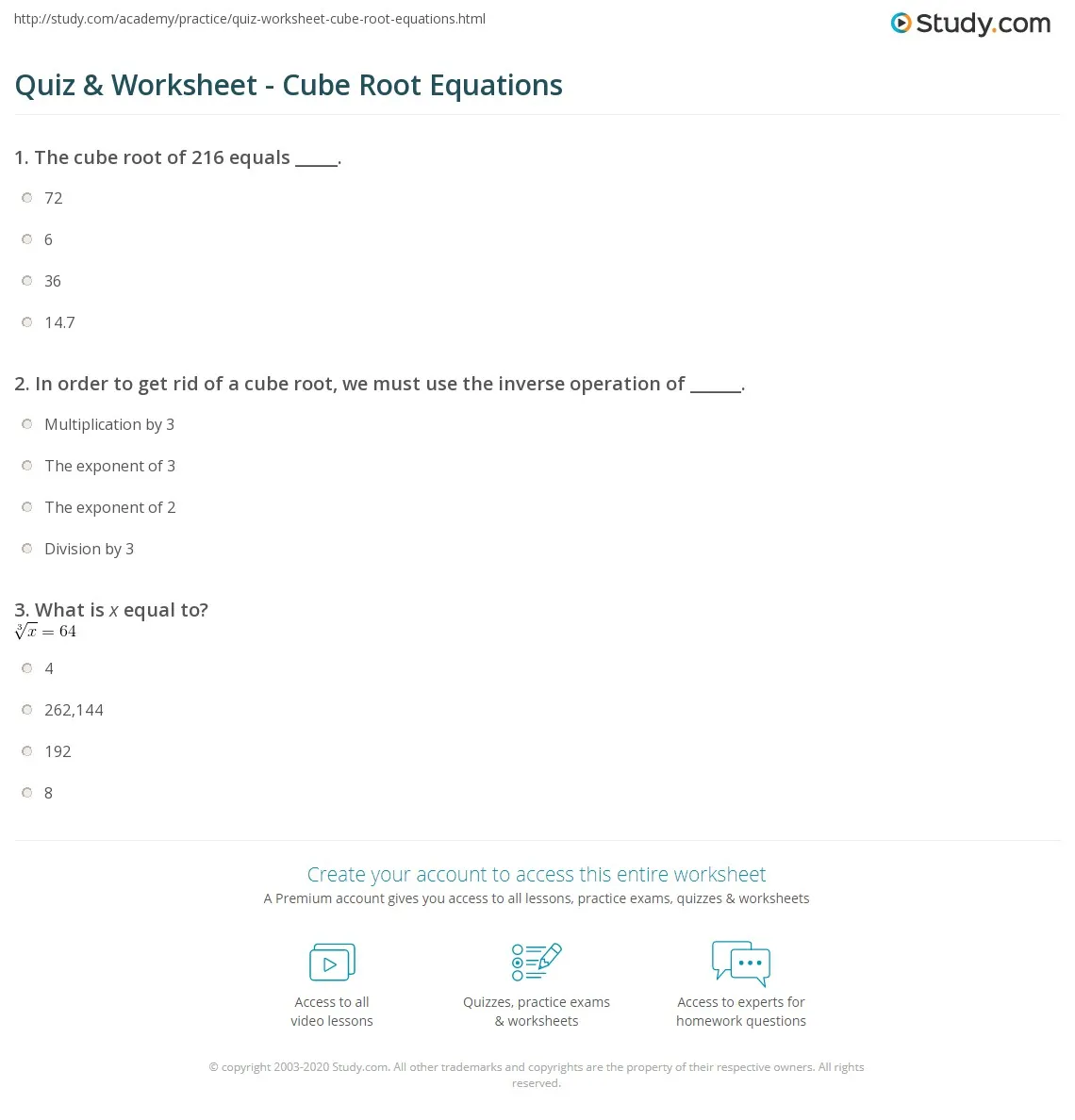
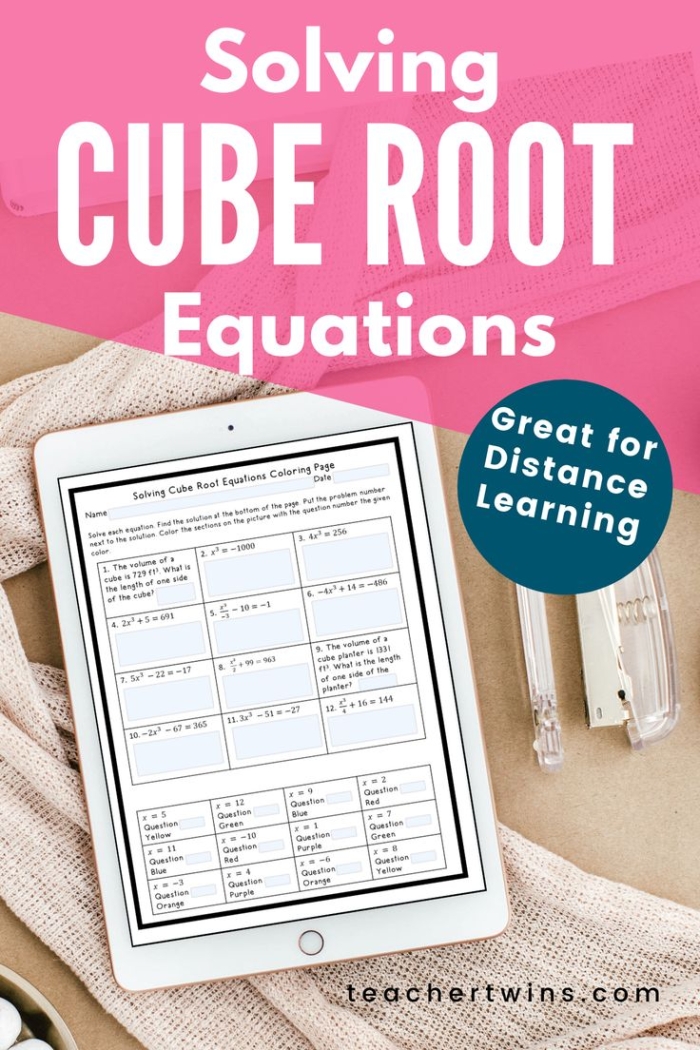
Working with cubed variables introduces students to cube roots, the inverse operation they need to master. When a student encounters an equation like x³ = 27, they need to recognize that taking the cube root of both sides gives them x = 3. The concept seems simple once it clicks, but the mechanics require practice and repetition to become automatic.
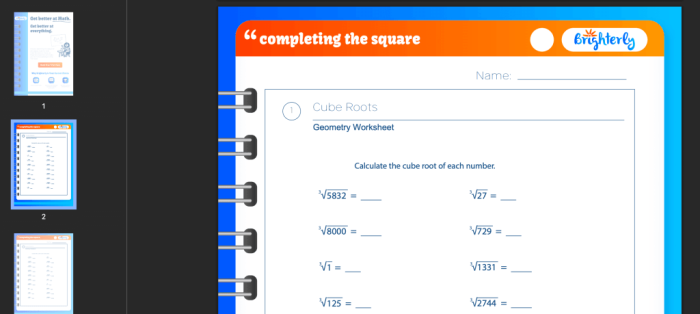
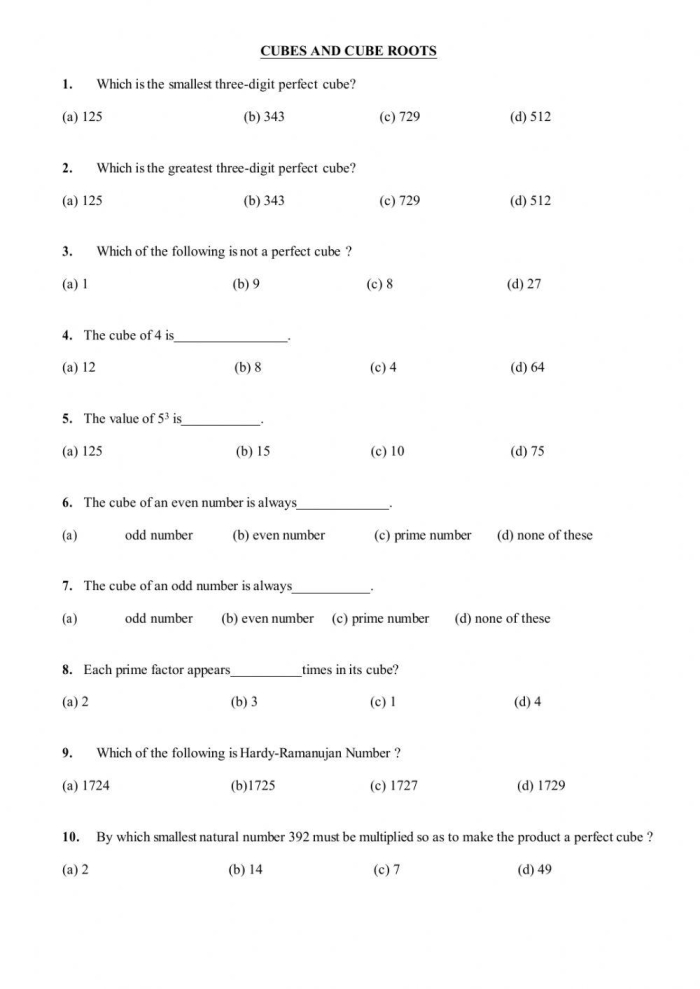
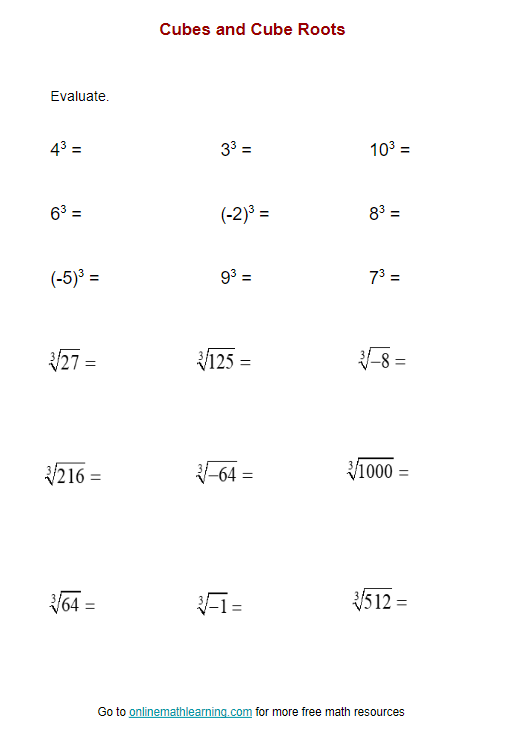
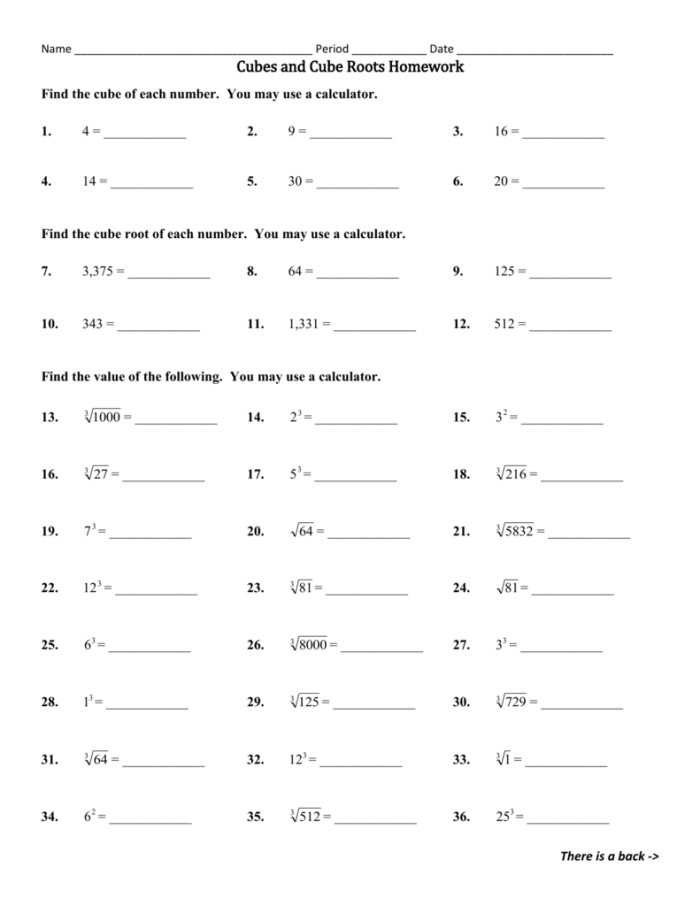
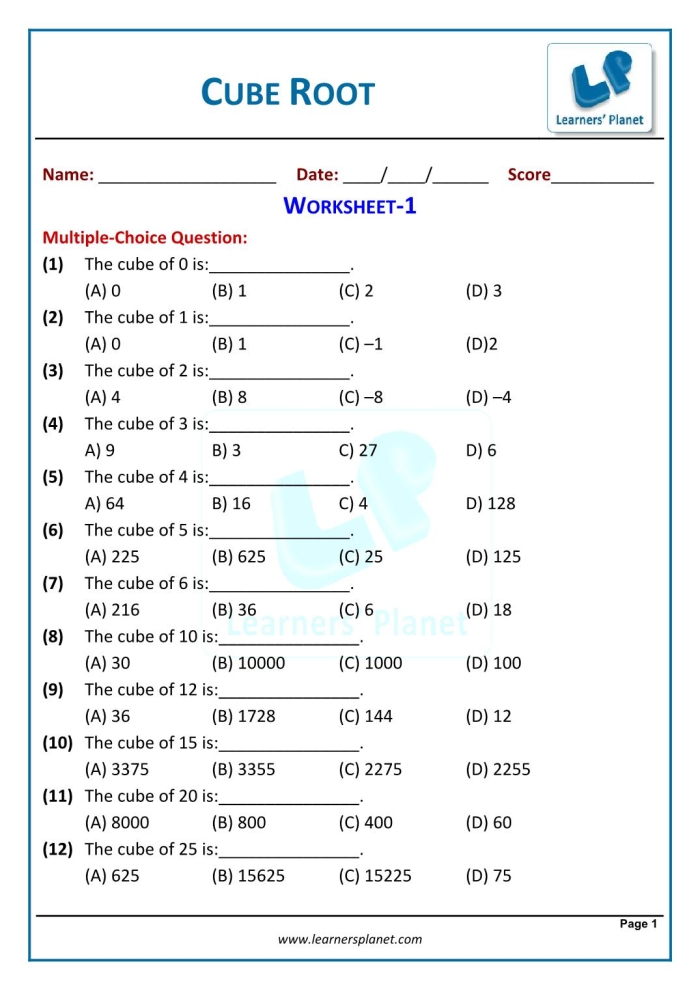
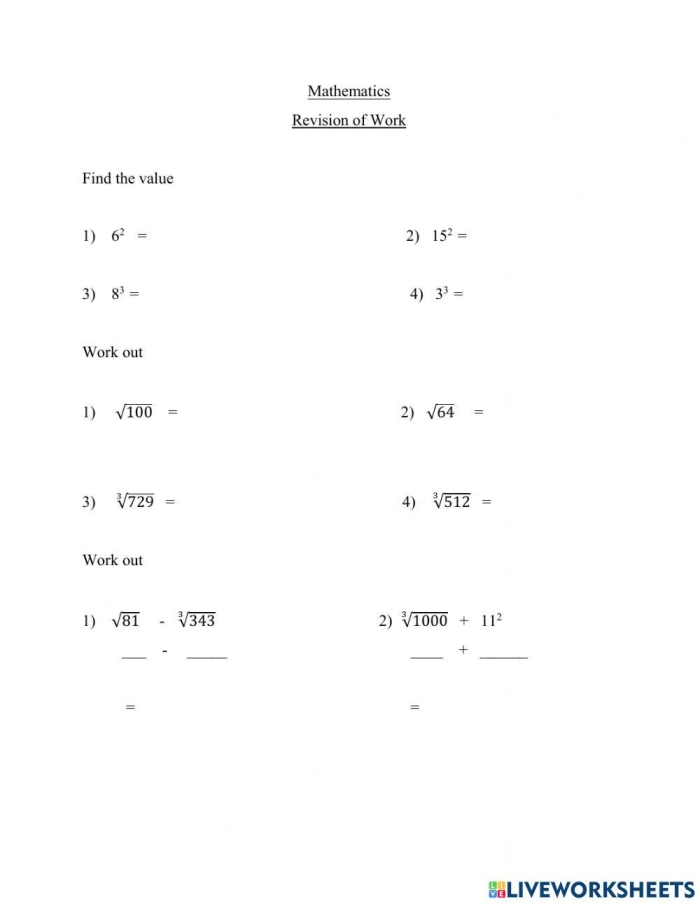
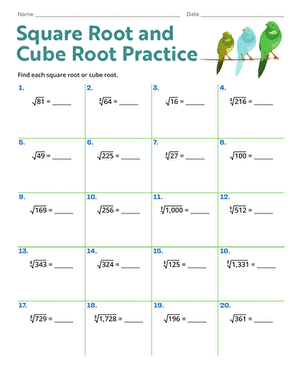
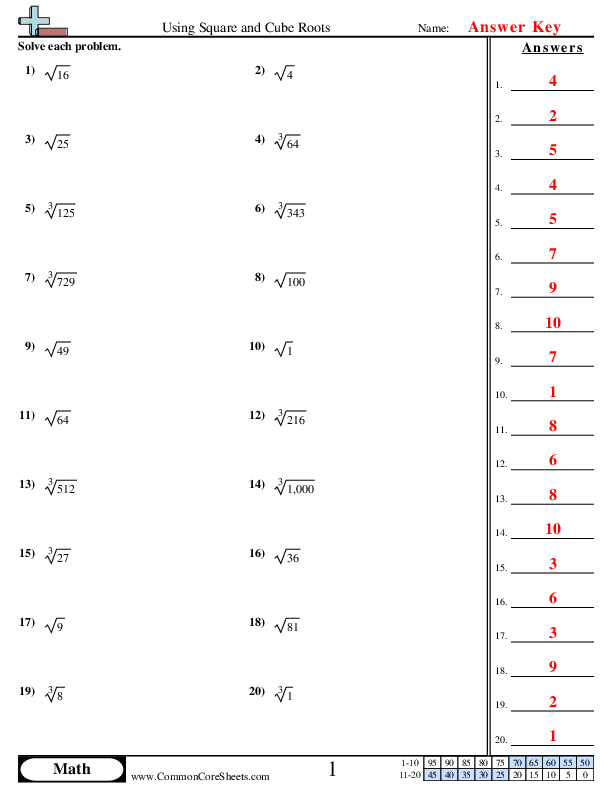
A solid worksheet on this topic walks students through the progression logically. They start with perfect cubes, where the numbers work out cleanly. A value like 8 cubed equals 512, and working backward feels manageable. As students gain confidence, the problems introduce variables on both sides of the equation or require multiple steps before applying the cube root.
The value of dedicated practice here extends beyond just solving these particular equations. Understanding cube roots strengthens a student’s grasp of exponents and roots in general, skills they’ll need when working with rate of change and graphs involving fractions. It also builds the algebraic thinking required for more complex problems involving finding the volume of cones and other three-dimensional geometry.
For eighth-grade data and graphing work, students who understand cube roots can better interpret relationships in real-world contexts. A worksheet focused on this skill gives them the foundation they need, whether they’re moving toward describing translations with mixed operations or tackling other advanced topics.
Hands-On Worksheet Activities