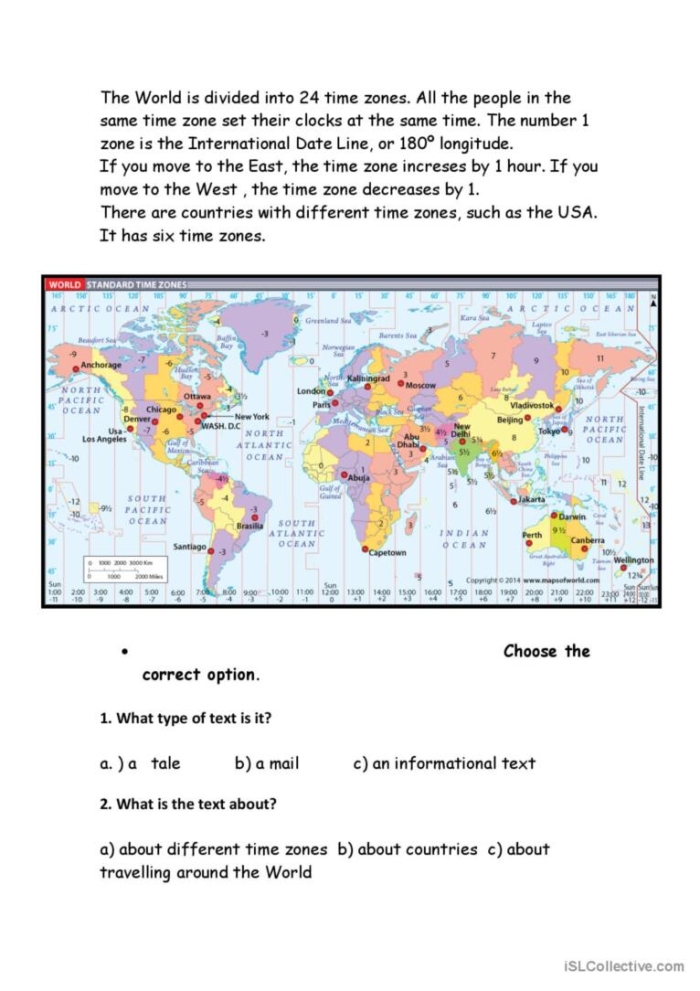
Understanding time zones can seem tricky at first, but it becomes much clearer when you connect math with geography. Time zones divide the world into regions where the same standard time is used, typically differing by one hour from neighboring zones. This system helps coordinate activities like travel, business, and communication worldwide. For third grade students working on numbers and counting, learning how to find the time zone for different places introduces both a practical math skill and a glimpse into how our planet is organized.
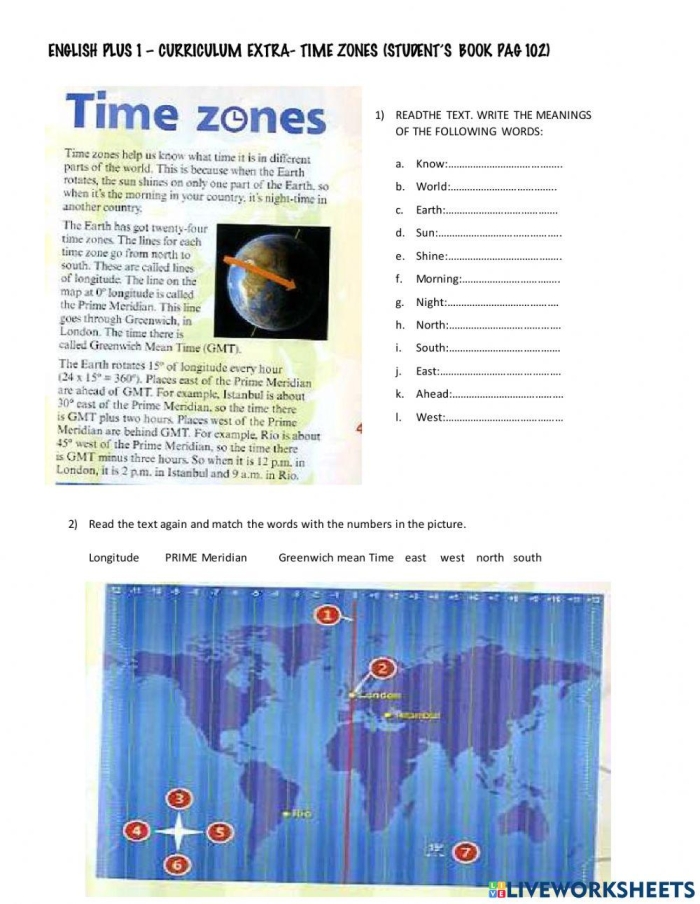
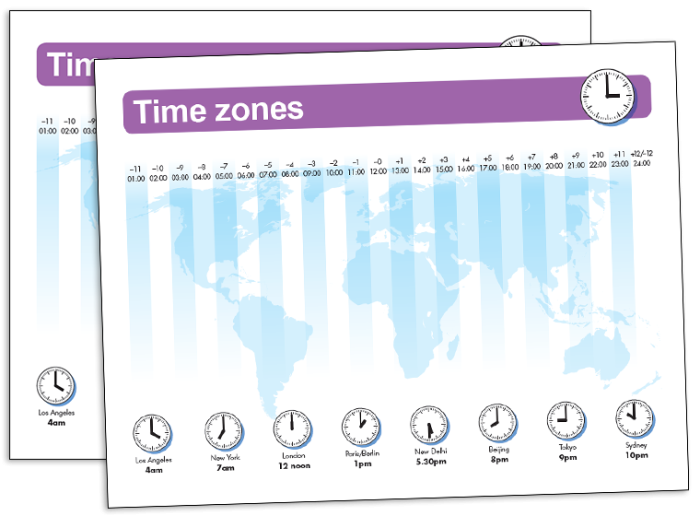
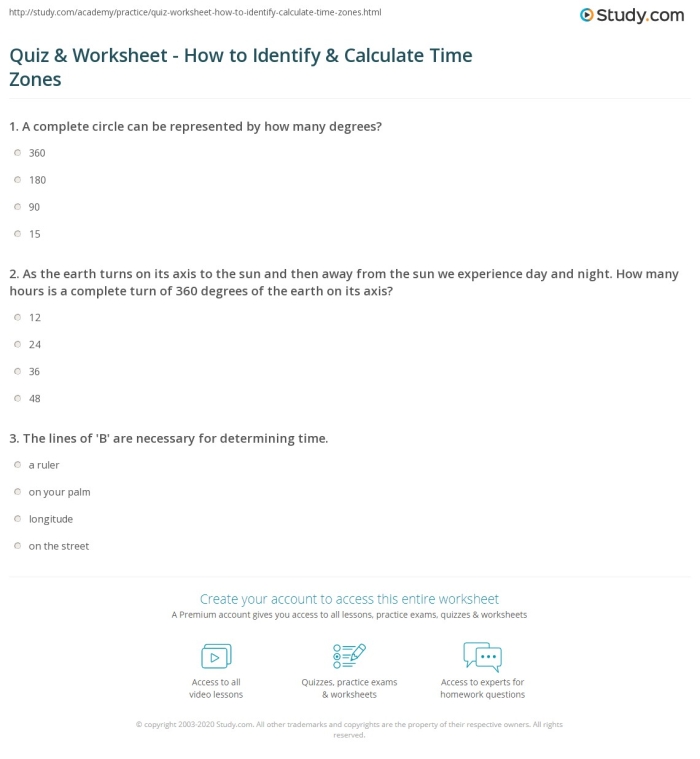
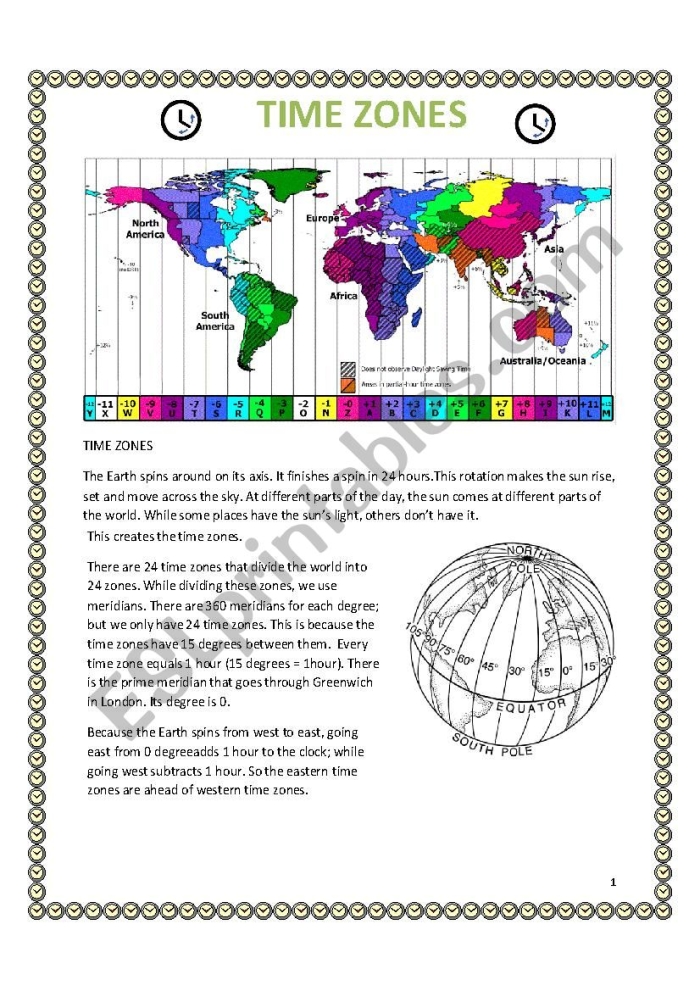
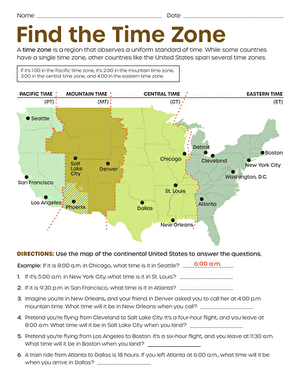
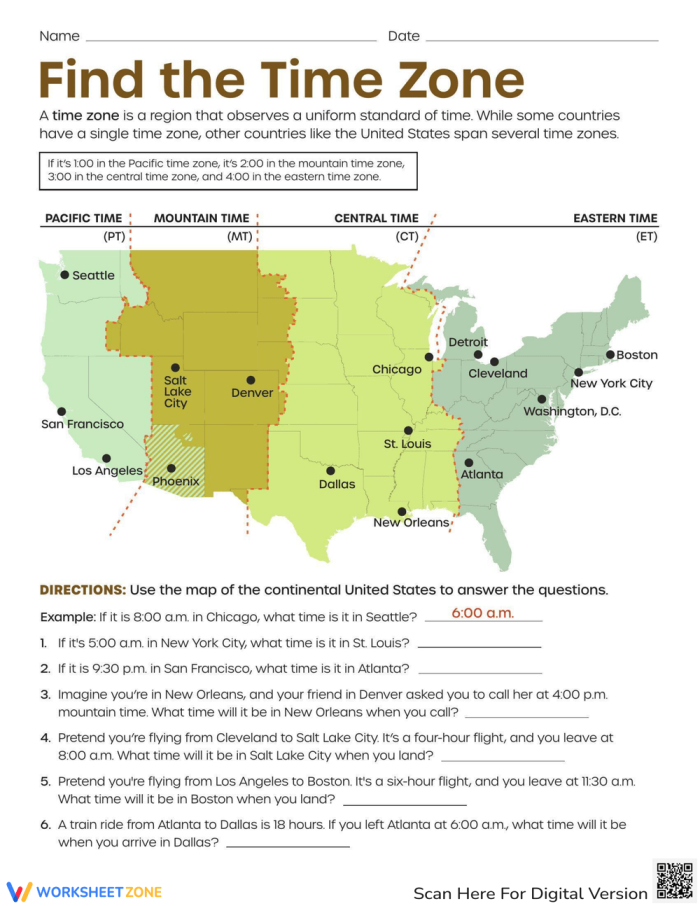
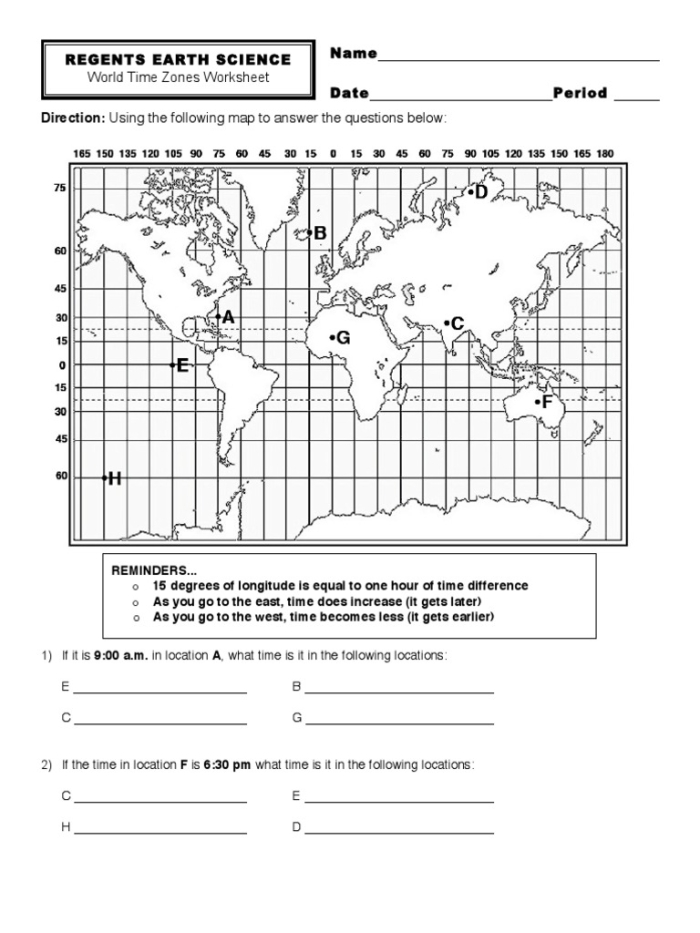
Each time zone generally represents 15 degrees of longitude, reflecting the Earth’s rotation of 360 degrees every 24 hours. This means that for every 15-degree shift east or west, the local time changes by one hour. For example, if it’s 3 p.m. in New York (Eastern Time), then in Chicago (Central Time), which is one time zone west, it will be 2 p.m. This kind of calculation strengthens basic subtraction and addition skills while tying them to real-world geography.
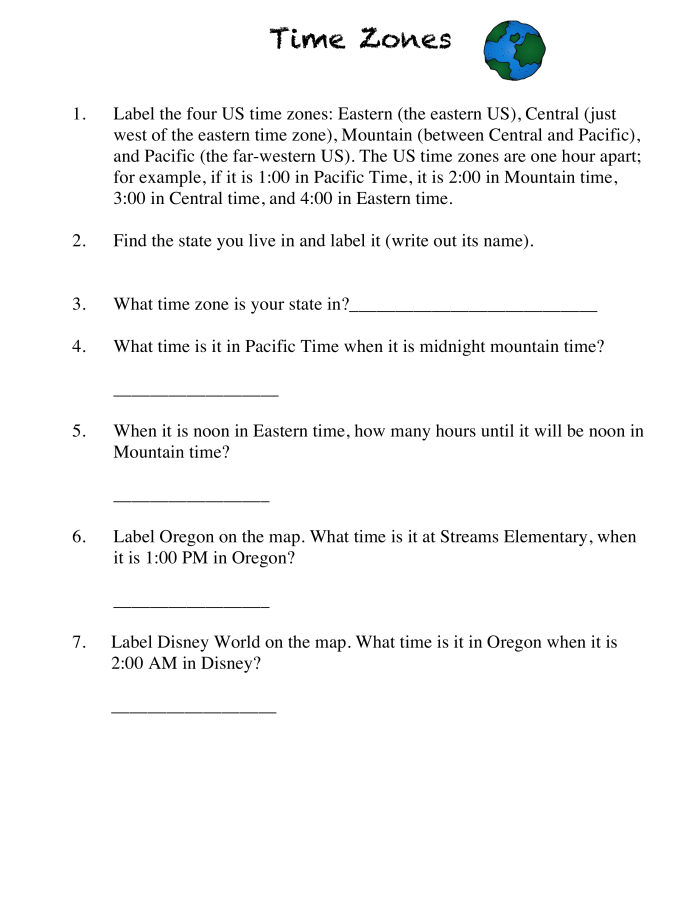
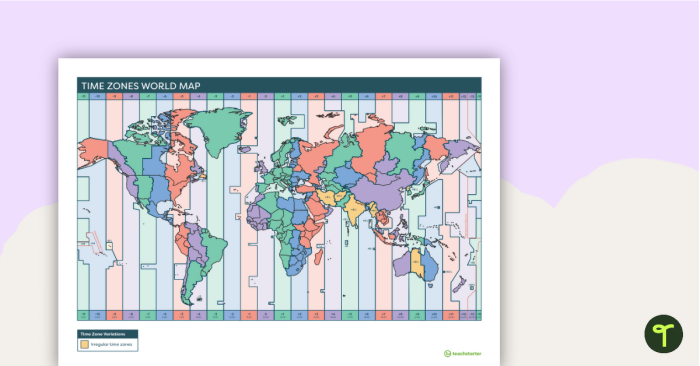
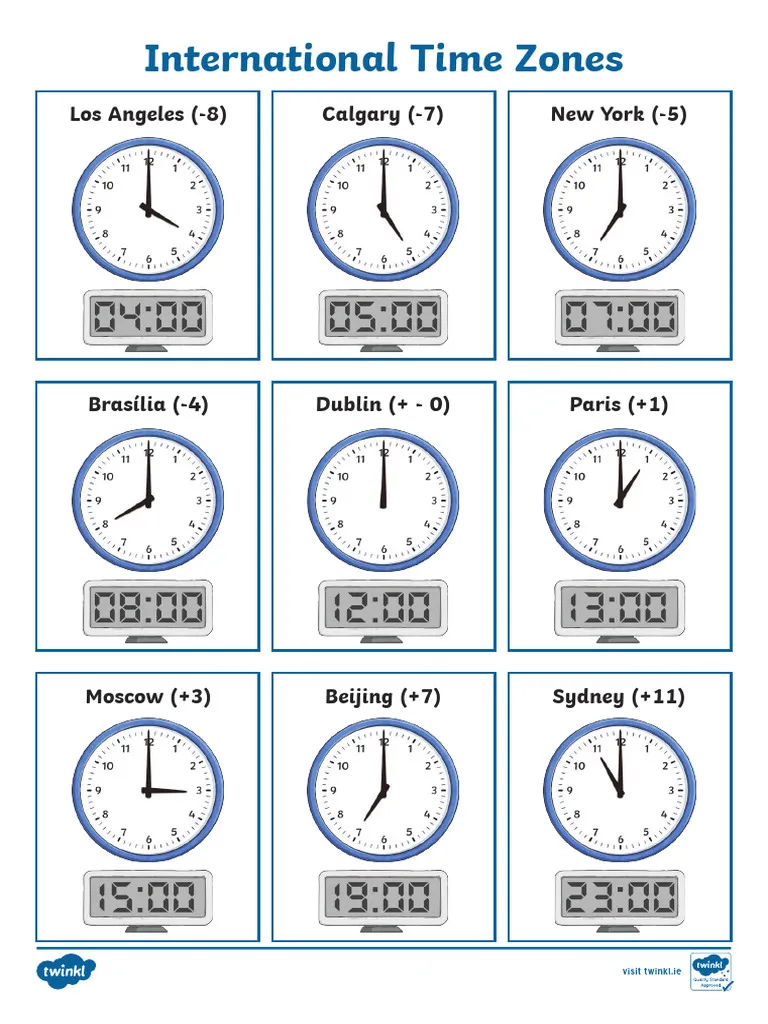
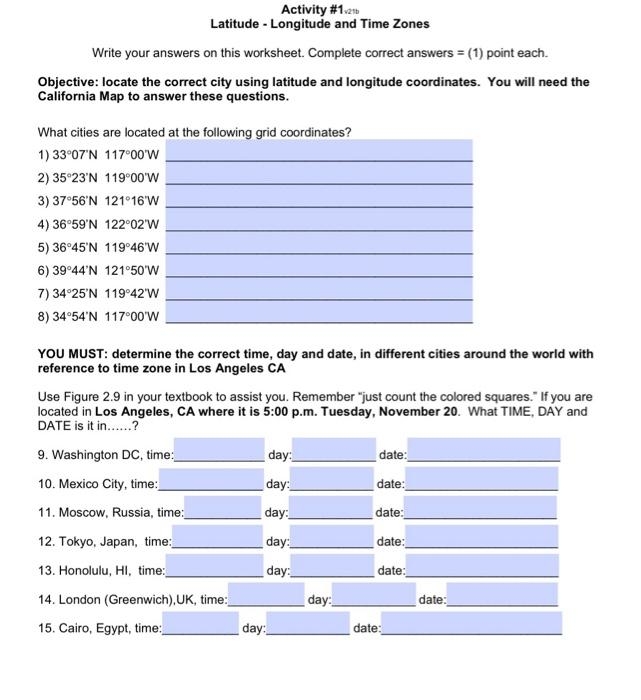
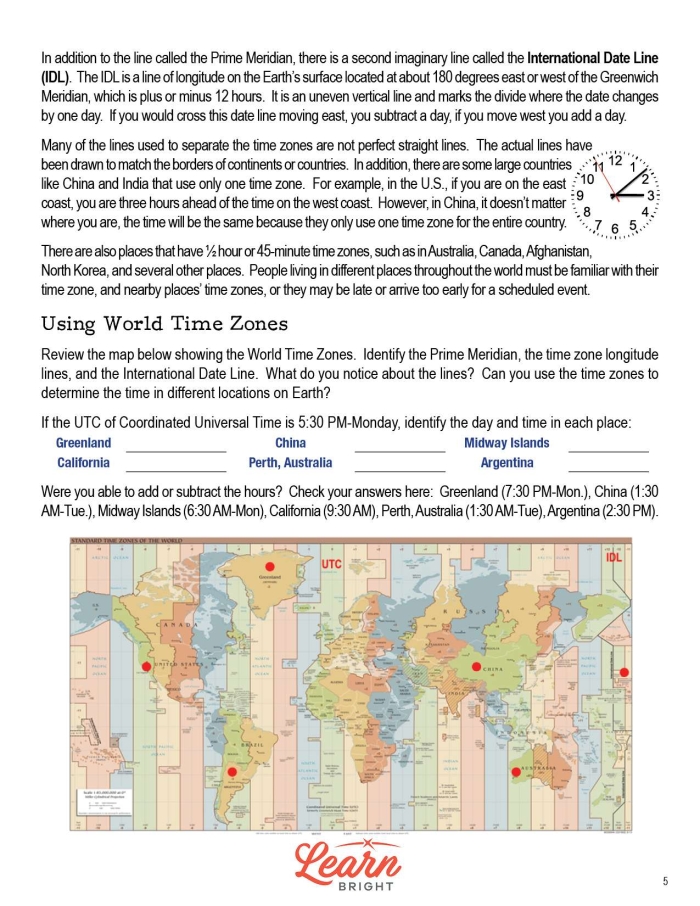
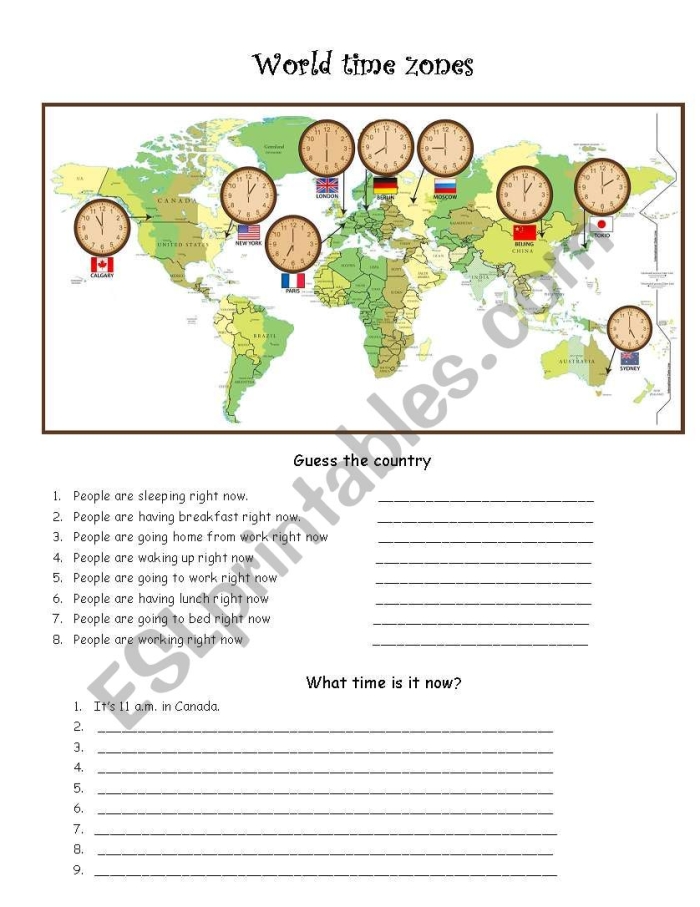
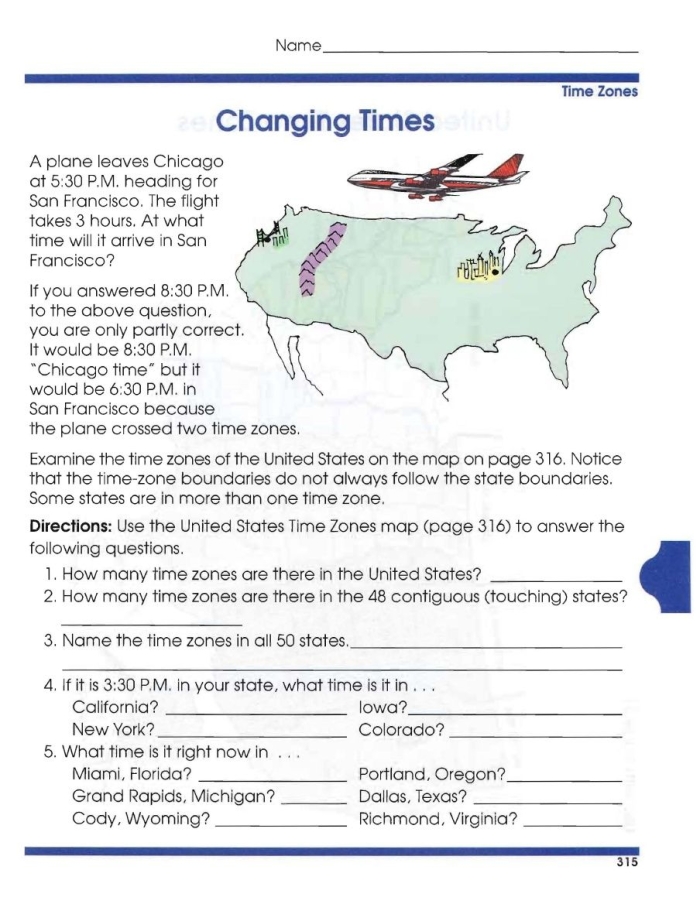
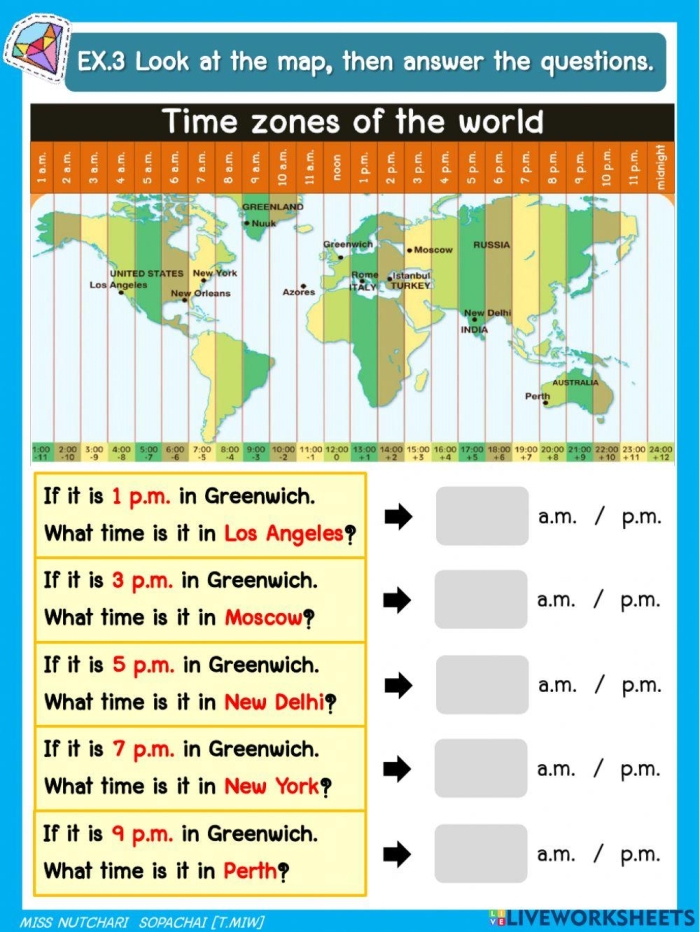
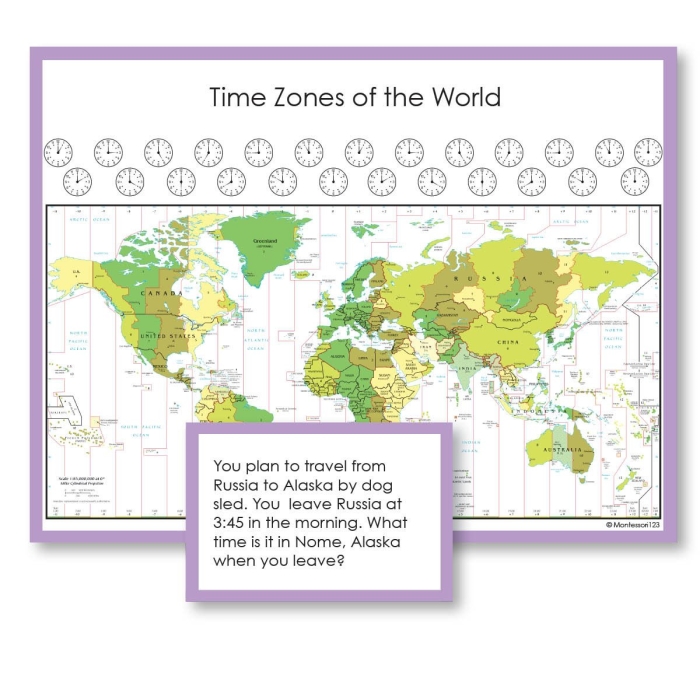
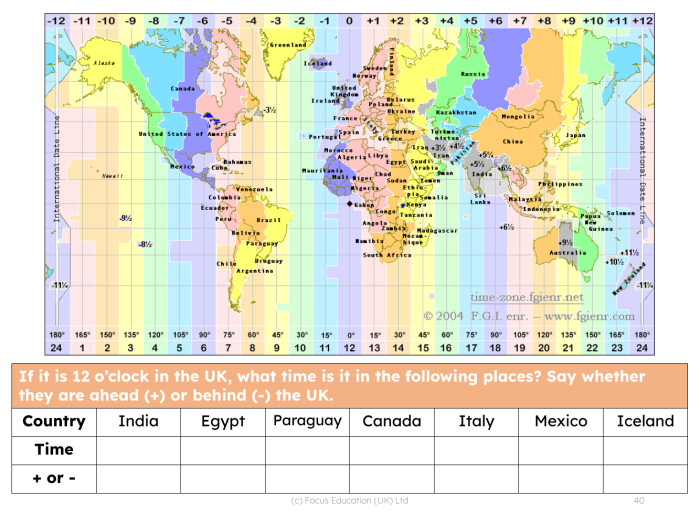
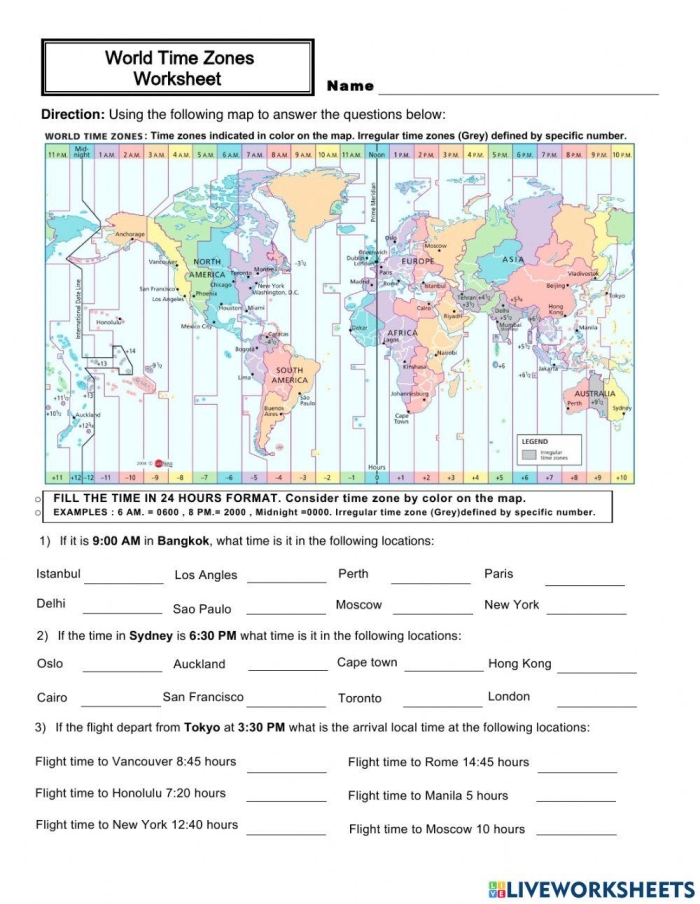
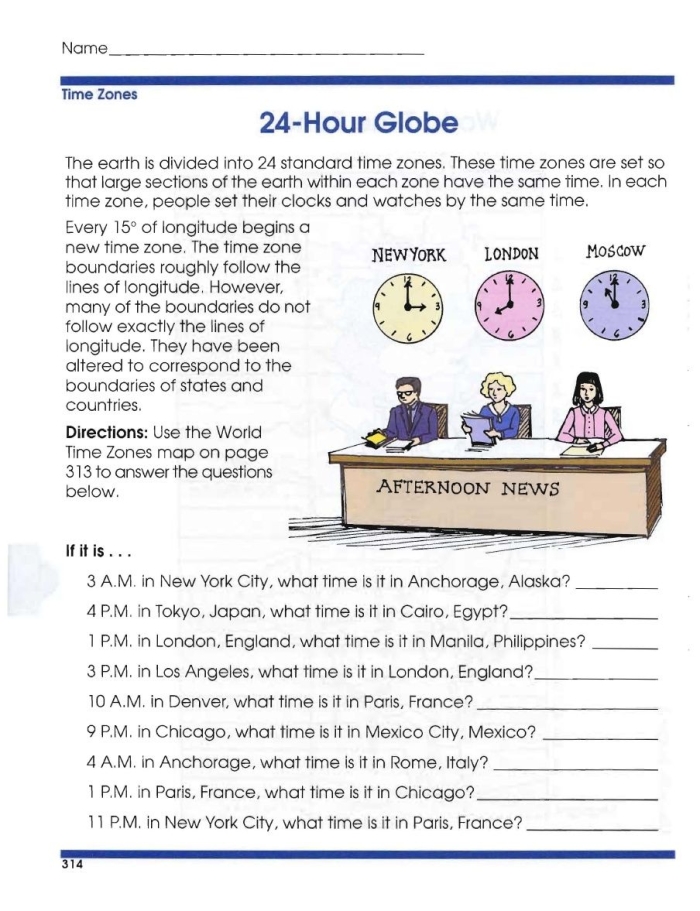
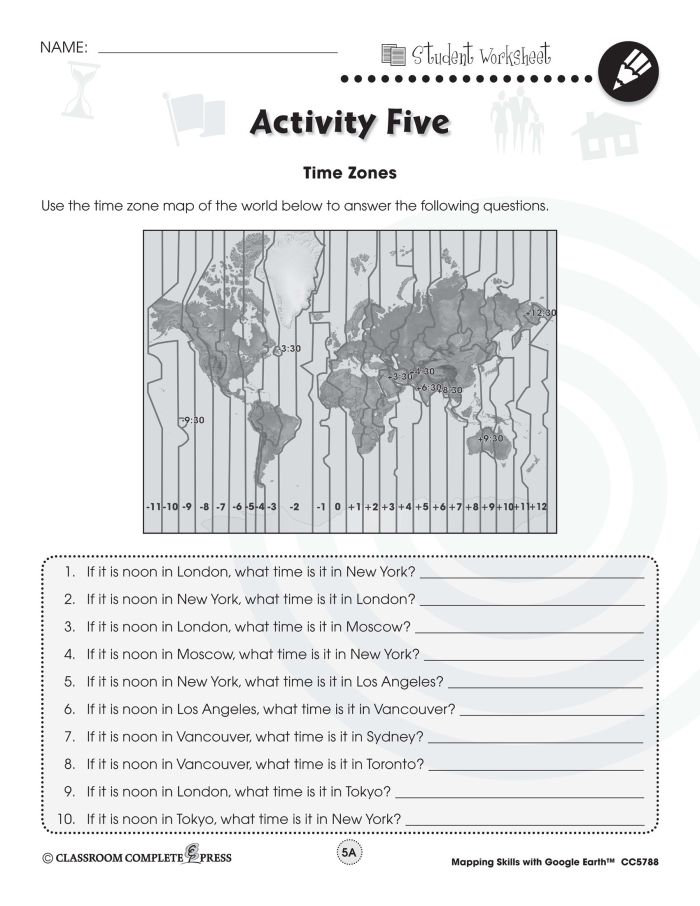
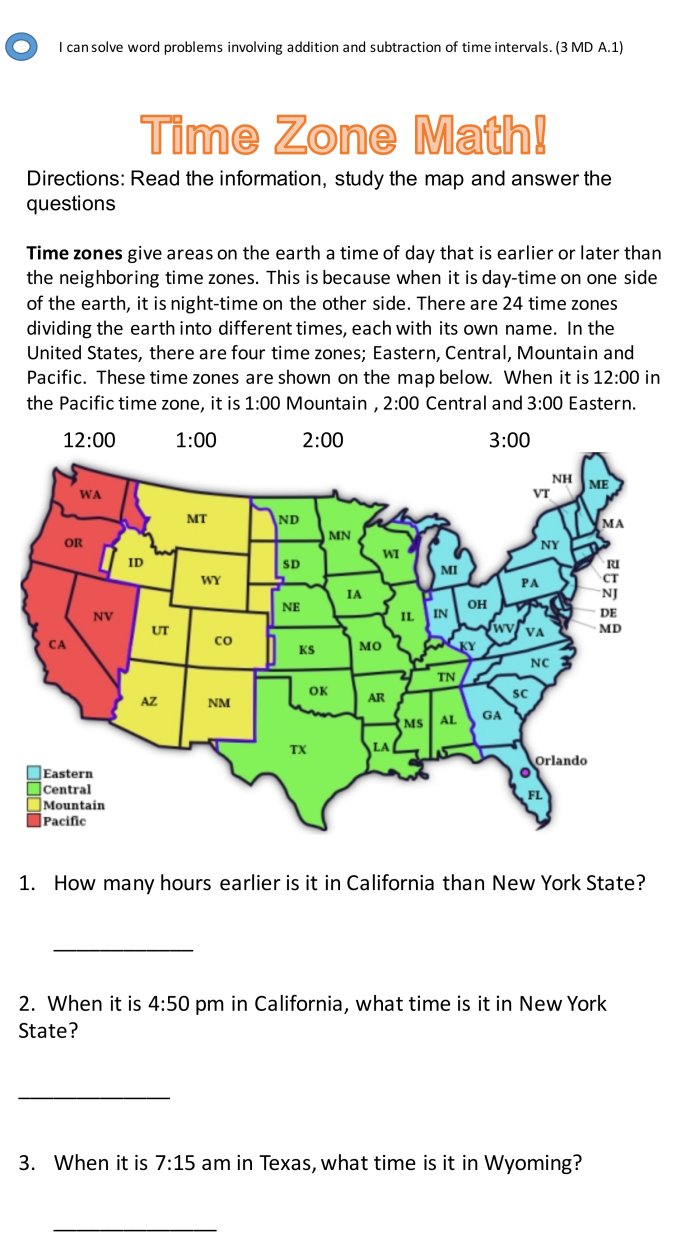
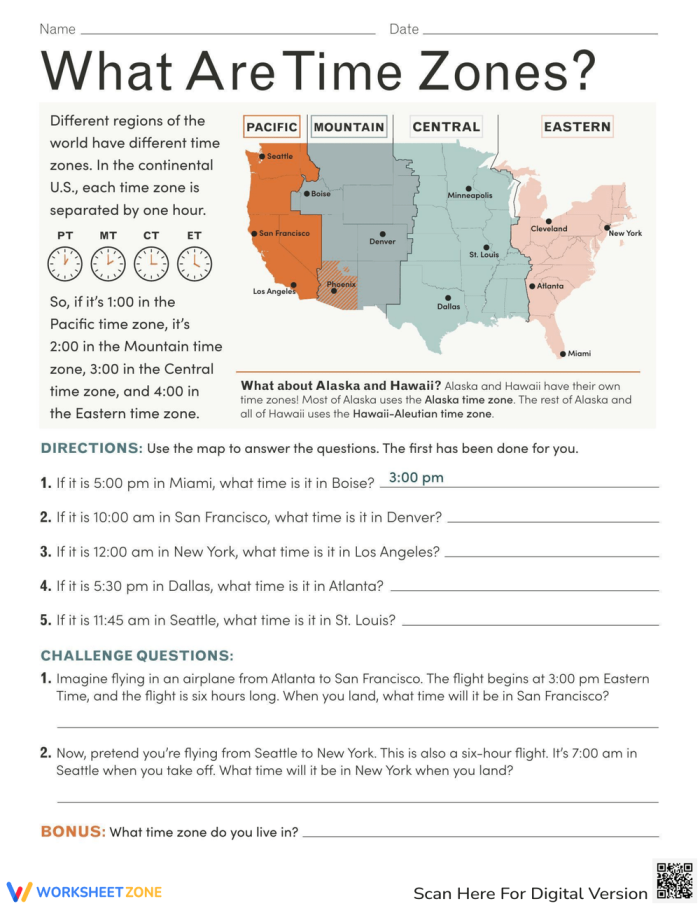
Printable find the time zone worksheets designed for third graders often present maps and clocks together, encouraging students to practice these calculations actively. By using these resources, children not only improve their understanding of time but also develop spatial awareness of states and regions. One worksheet might ask students to determine the current time in several cities across the United States, requiring them to apply their knowledge of time zones and arithmetic simultaneously.
Integrating these skills into a math-meets-geography activity supports multiple learning goals, including number sense and pattern recognition. For instance, while working on these exercises, students might also explore related topics like naming states or finding numerical patterns, which connect well with other third grade geography worksheets or multiplication pattern activities.
By practicing with printable find the time zone worksheets, young learners gain a useful tool for understanding how time varies depending on location. This knowledge not only enhances their math skills but also prepares them for real-life situations, such as scheduling calls with family members in different states or planning events that involve multiple time zones. It’s a practical way to bring numbers and counting into everyday life through the lens of geography.
Boost Skills with These Worksheets