The battle between ser and estar will wage throughout your Spanish learning experience! Understanding when to use these two verbs is crucial for mastering the language. Both verbs translate to “to be,” but they serve different purposes that can be confusing for learners.
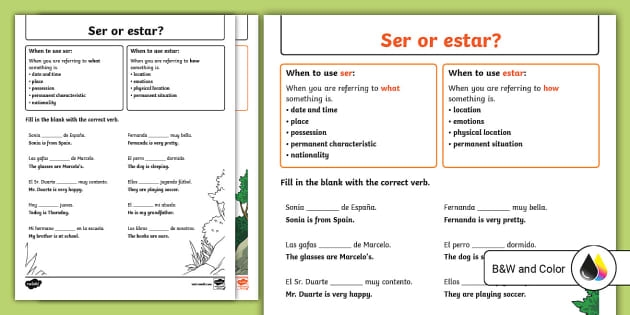
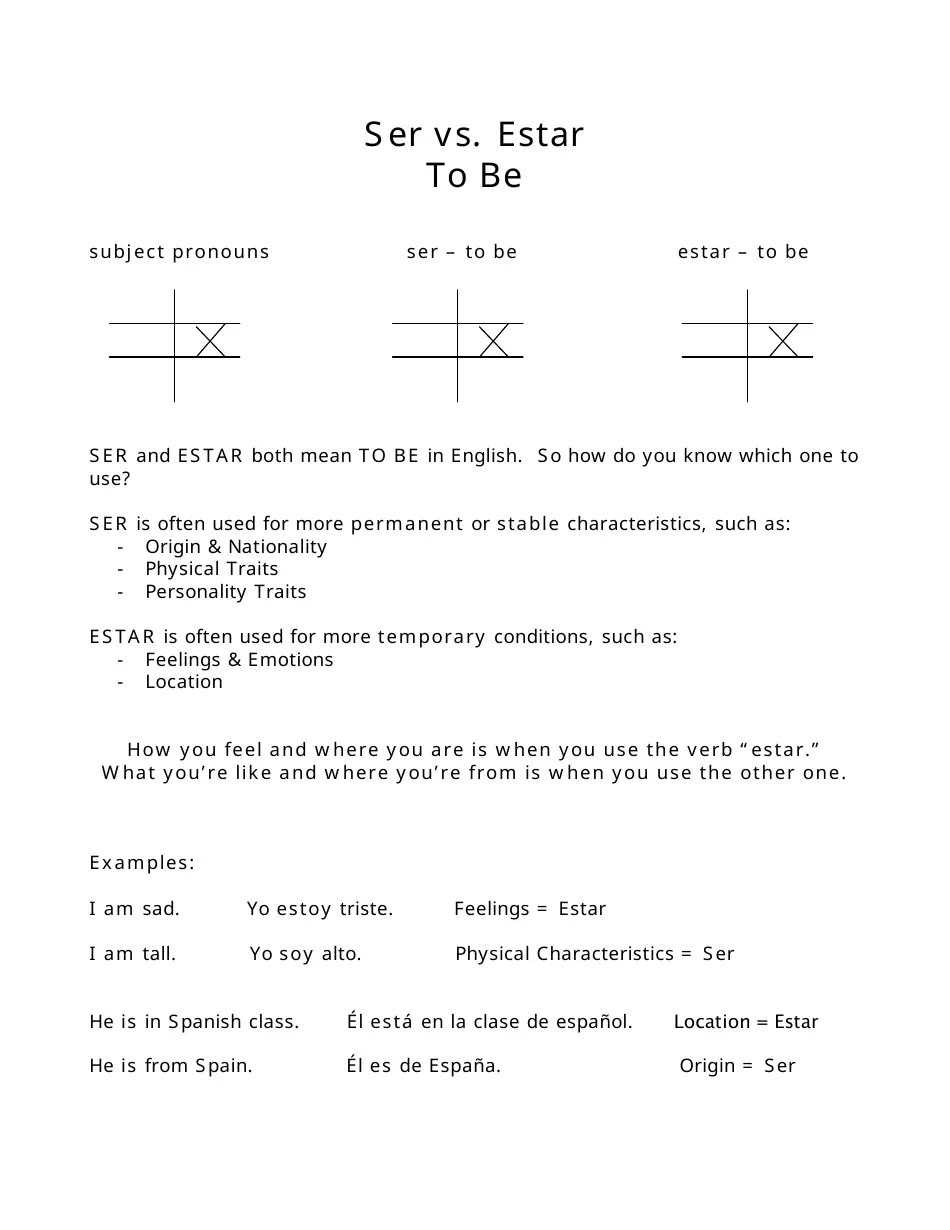
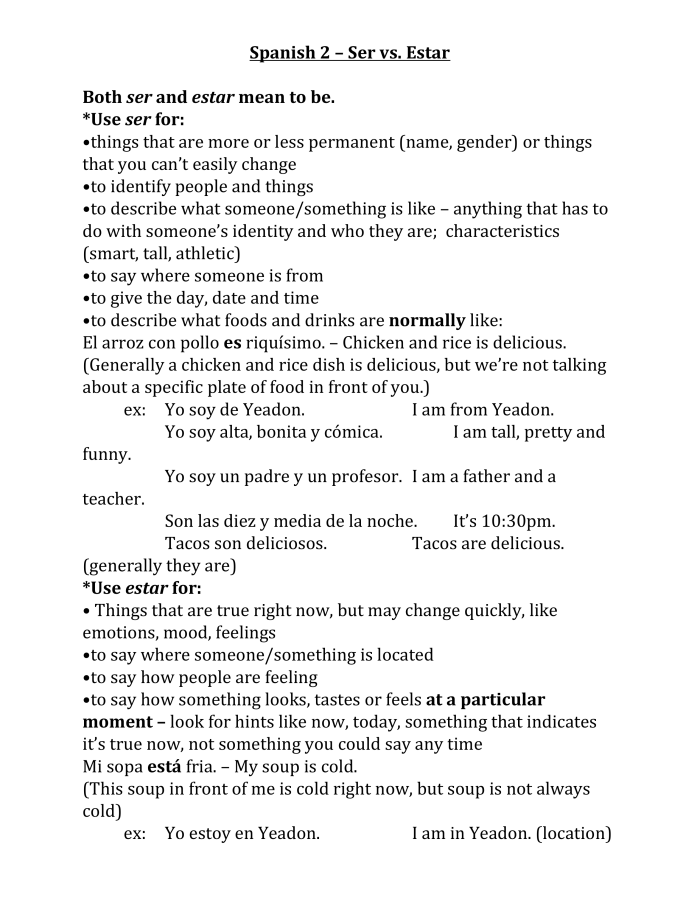
Ser is typically used to describe inherent characteristics, identity, or things that are permanent. For instance, you would say “Ella es doctora” (She is a doctor) or “Son las tres” (It is three o’clock). These statements convey facts that don’t change frequently. In contrast, estar is used for conditions that are temporary or subject to change. For example, “Estoy cansado” (I am tired) indicates a state that could vary from day to day.
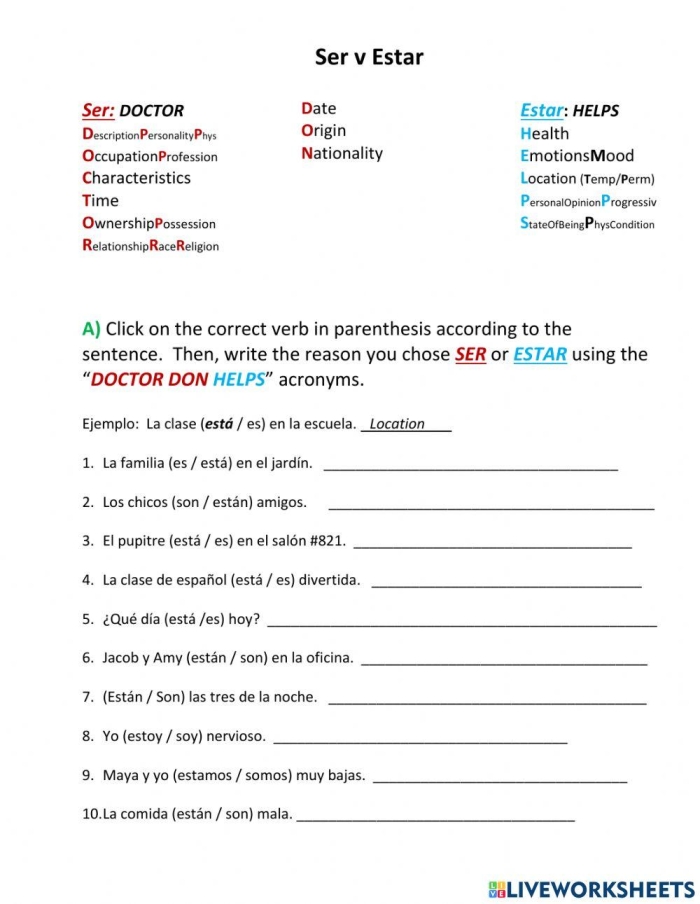
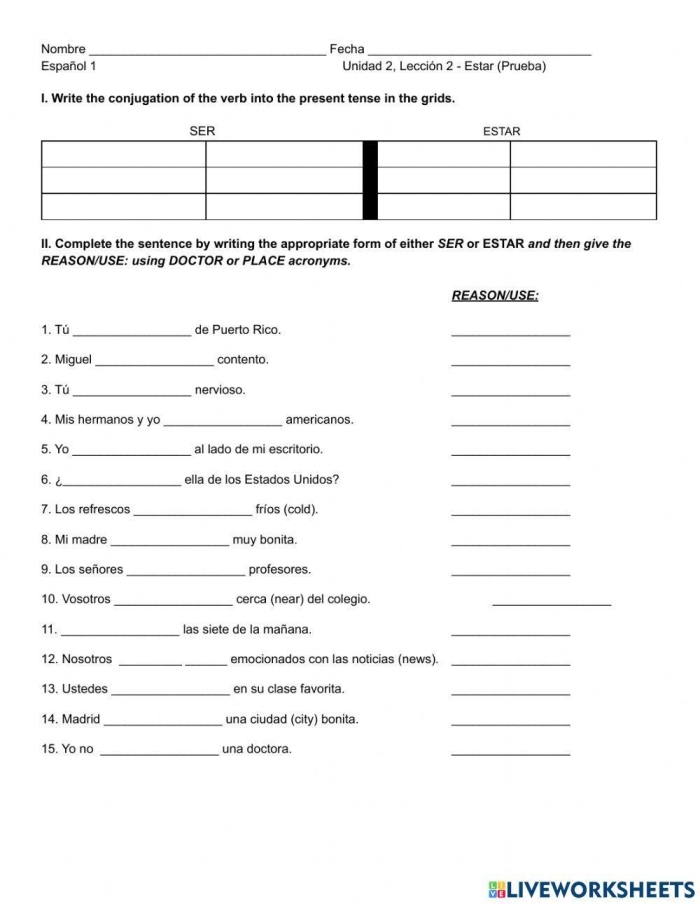
To make this distinction easier, consider the acronym DOCTOR for ser and PLACE for estar. DOCTOR stands for Description, Occupation, Characteristic, Time, Origin, and Relation, while PLACE refers to Position, Location, Action, Condition, and Emotion. These guidelines can help you remember the contexts in which each verb is appropriate.
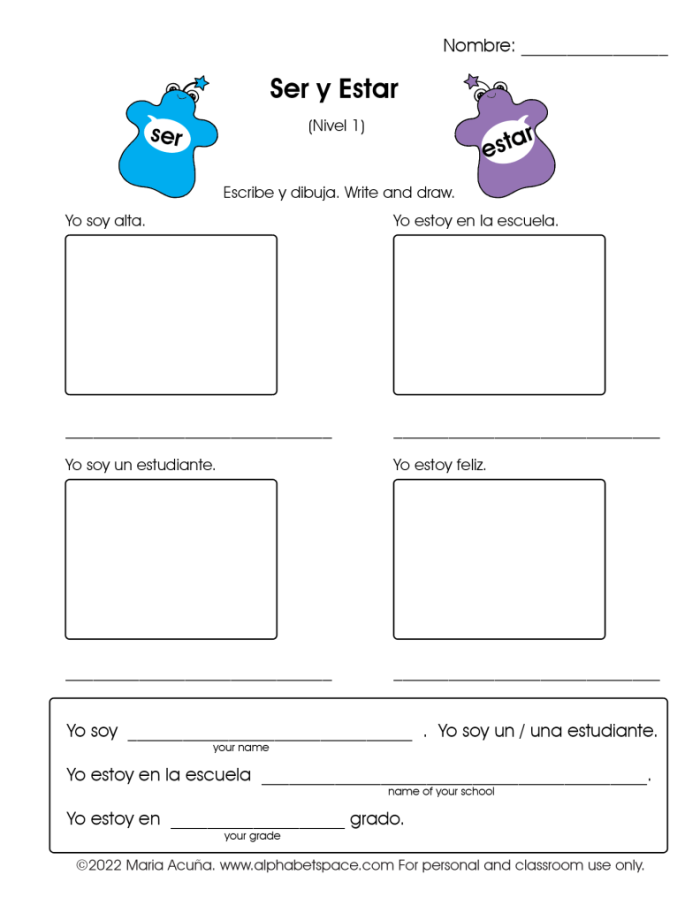
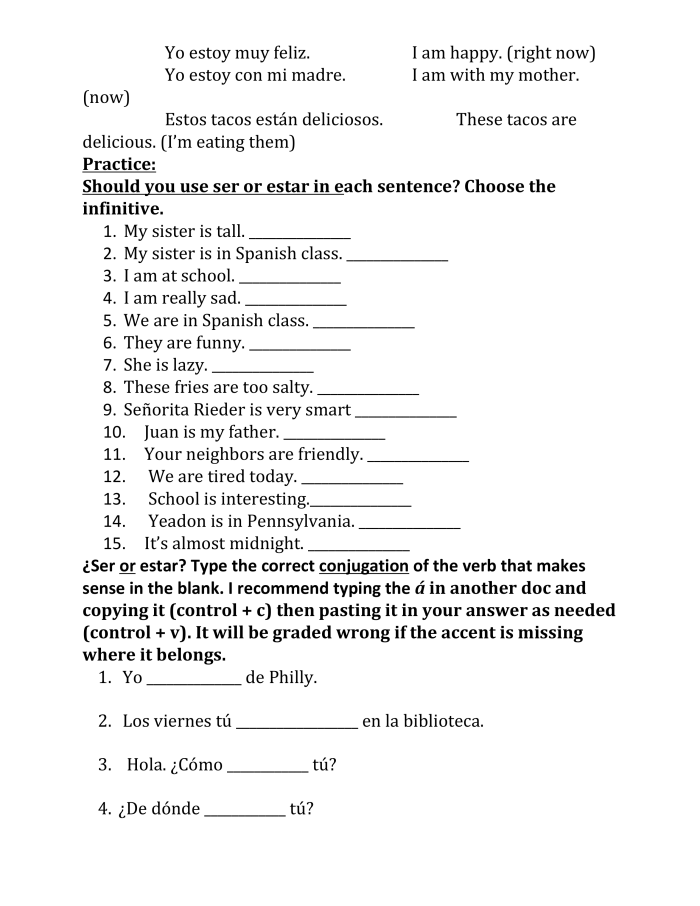
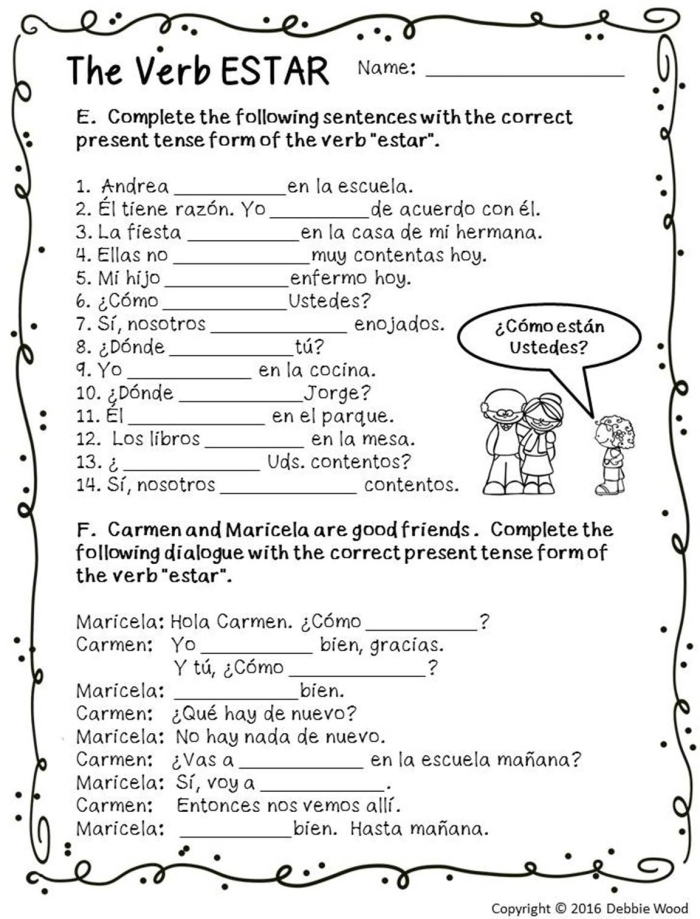
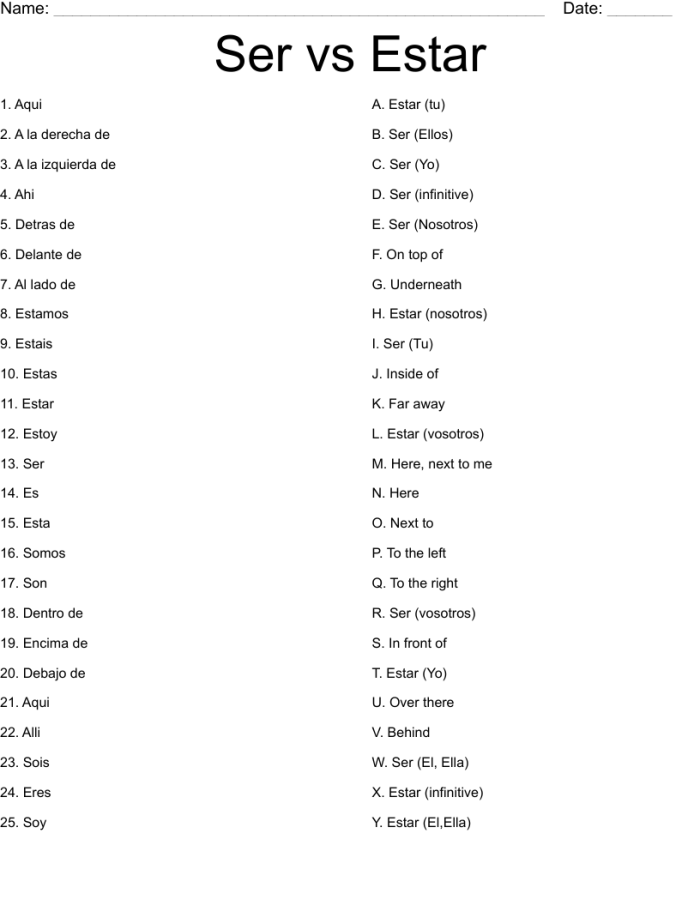
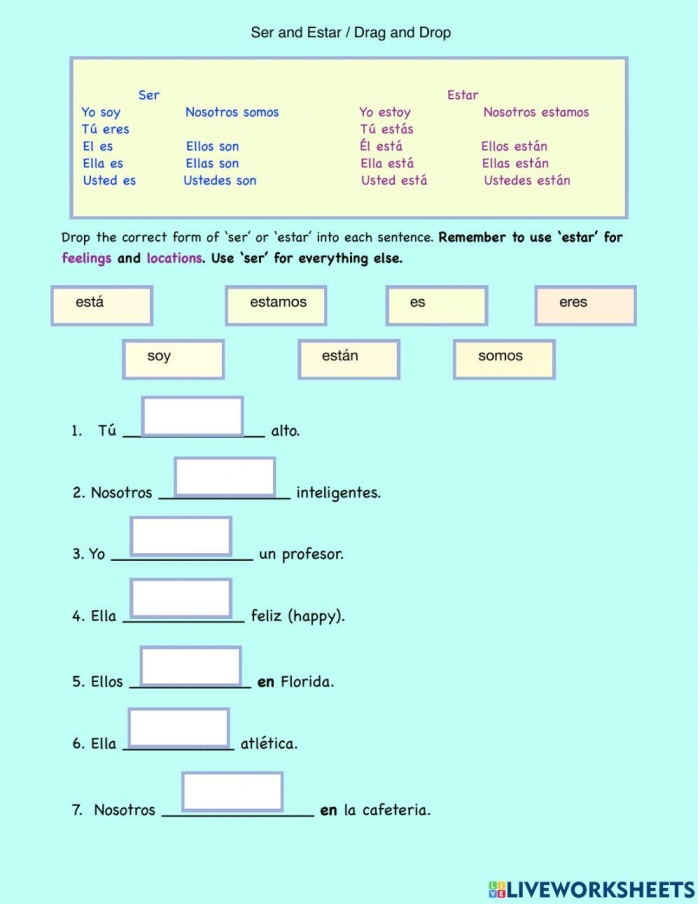
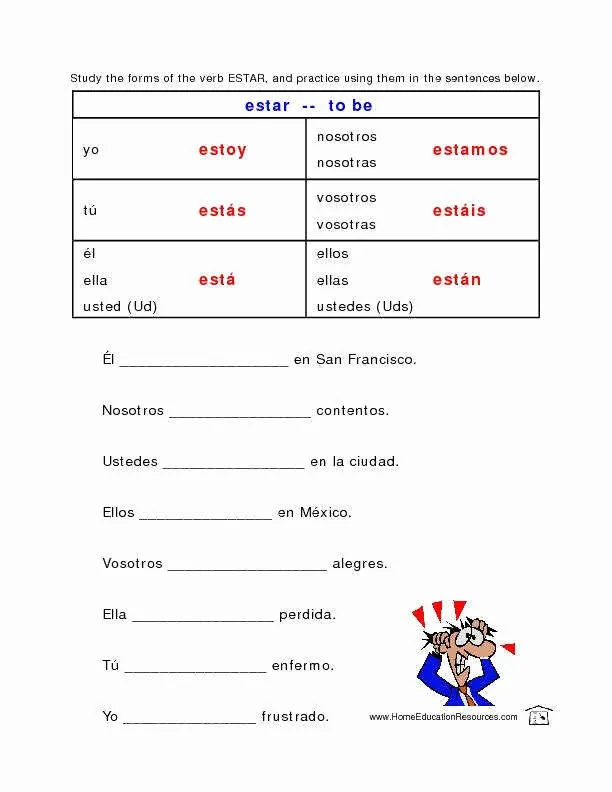
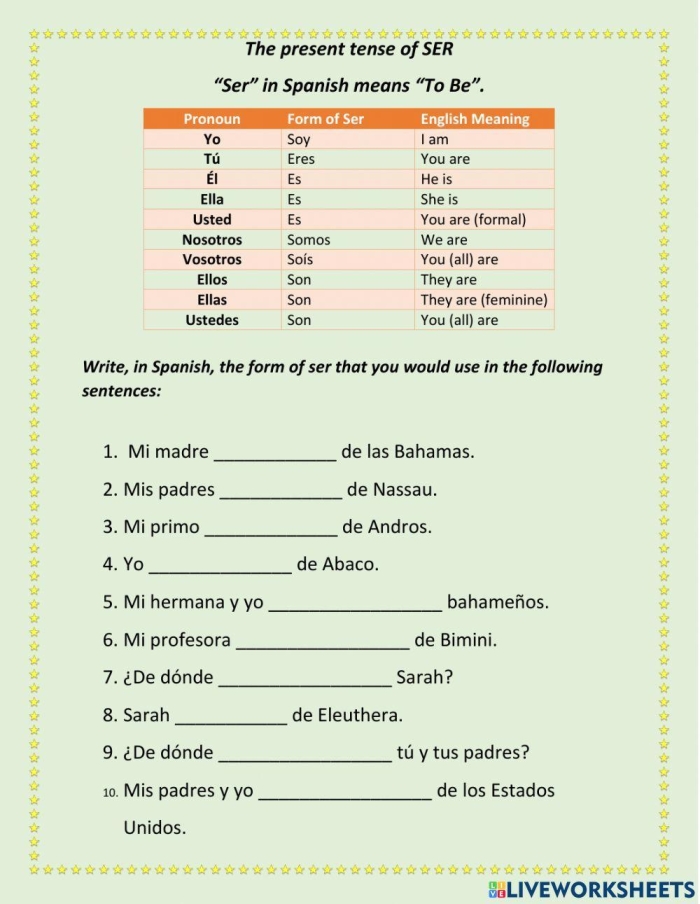
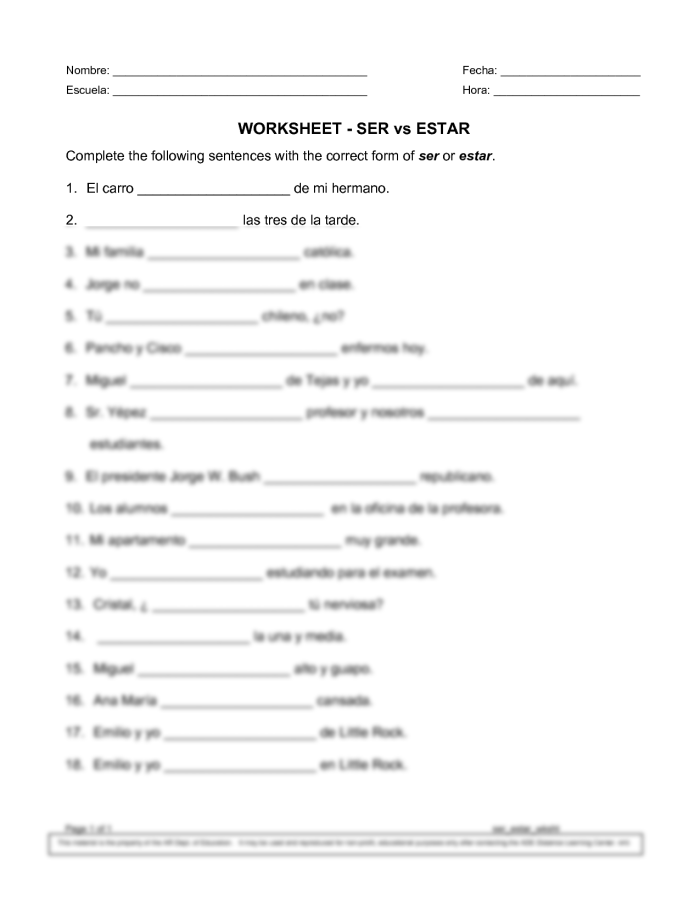
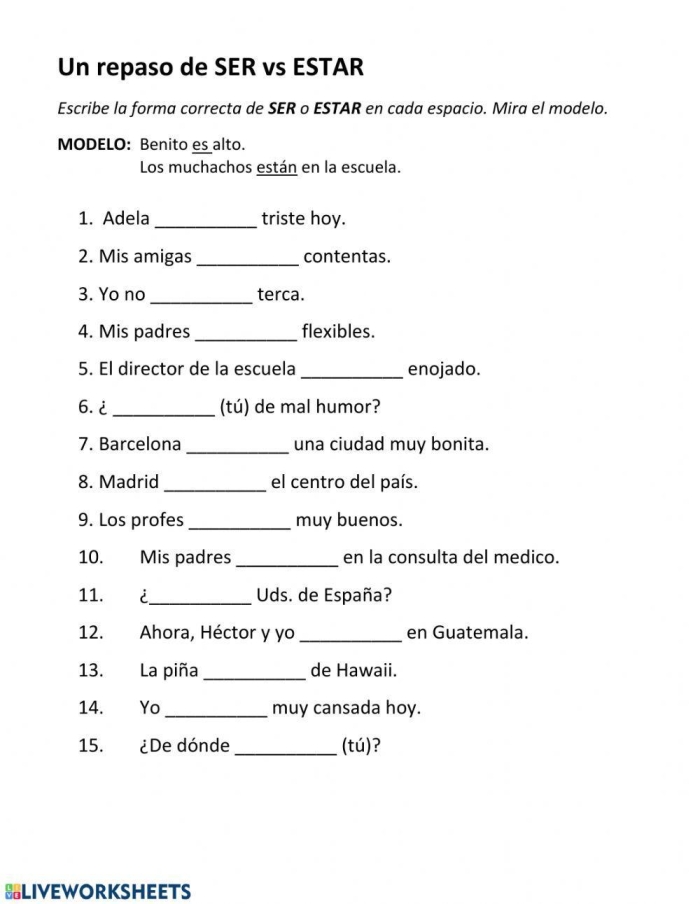
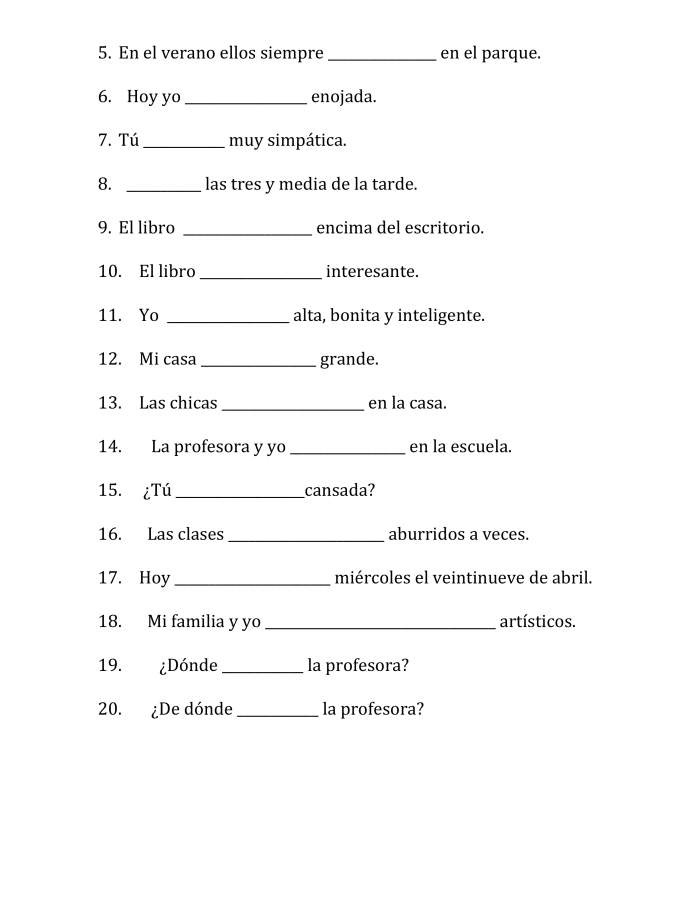
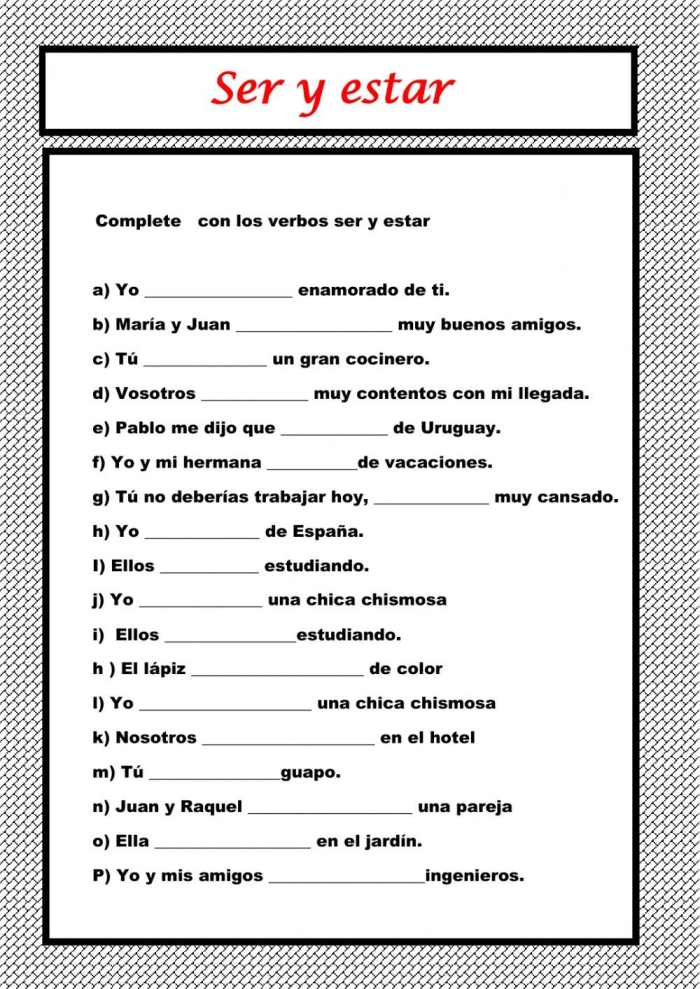
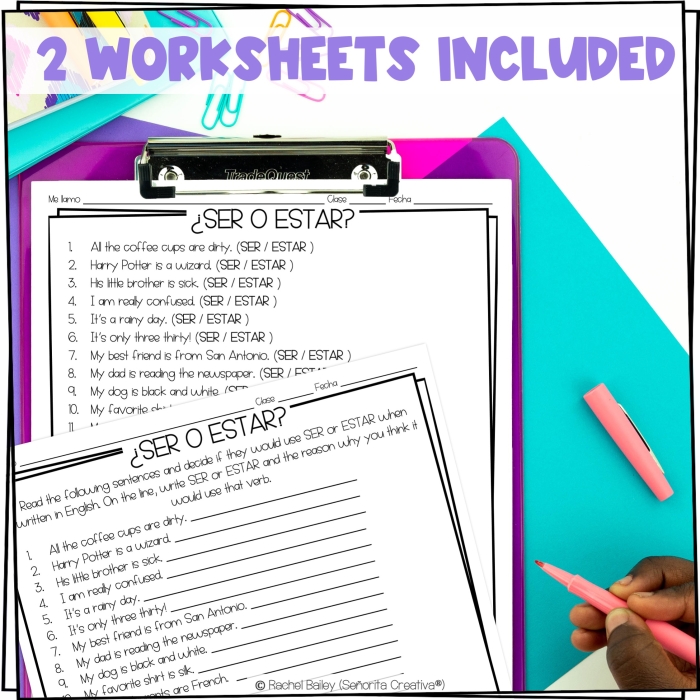
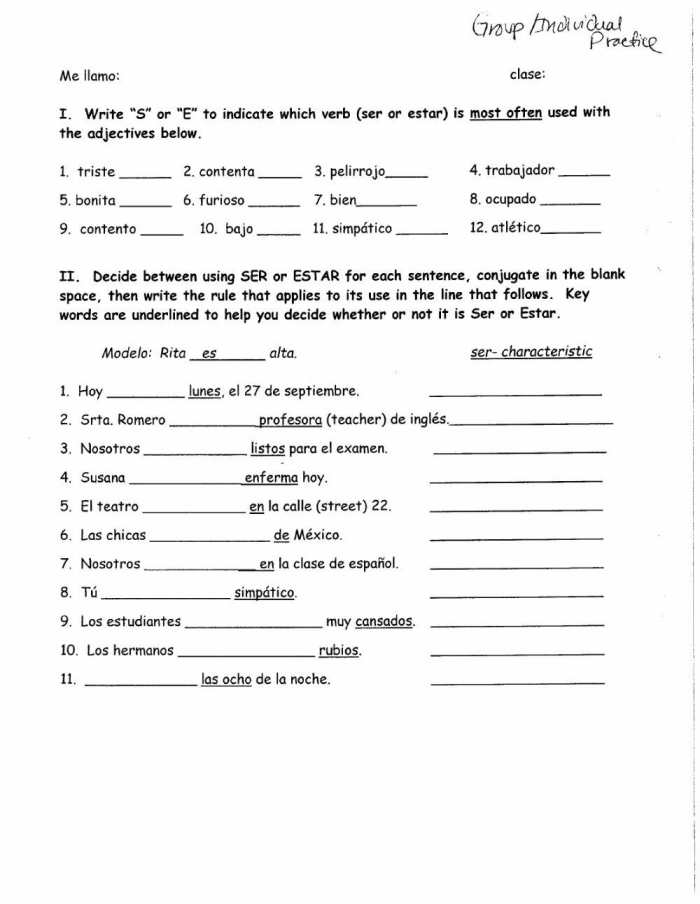
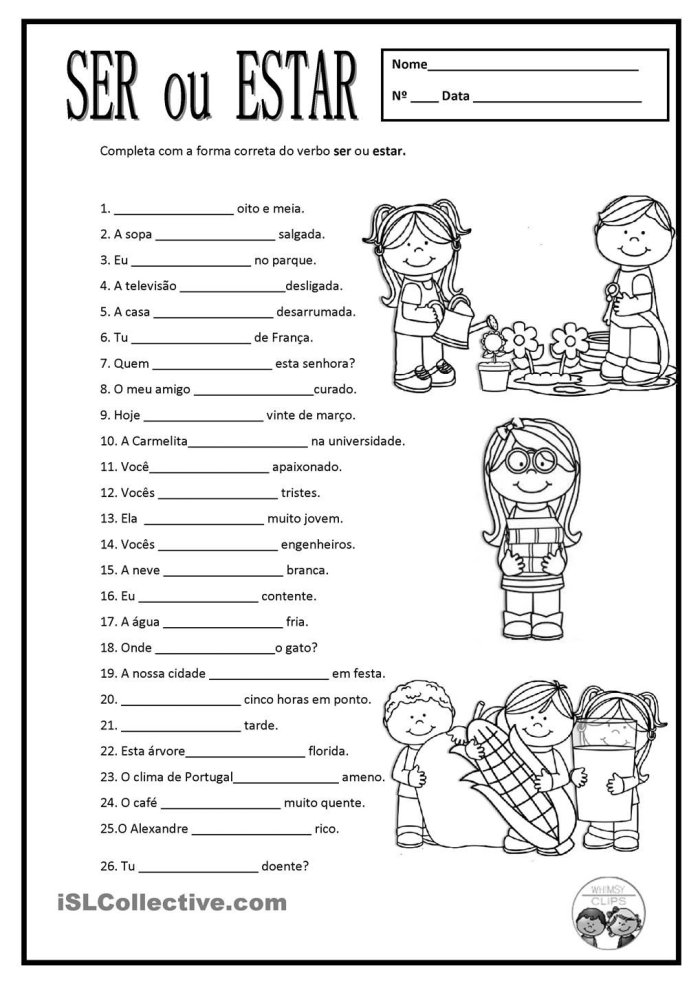
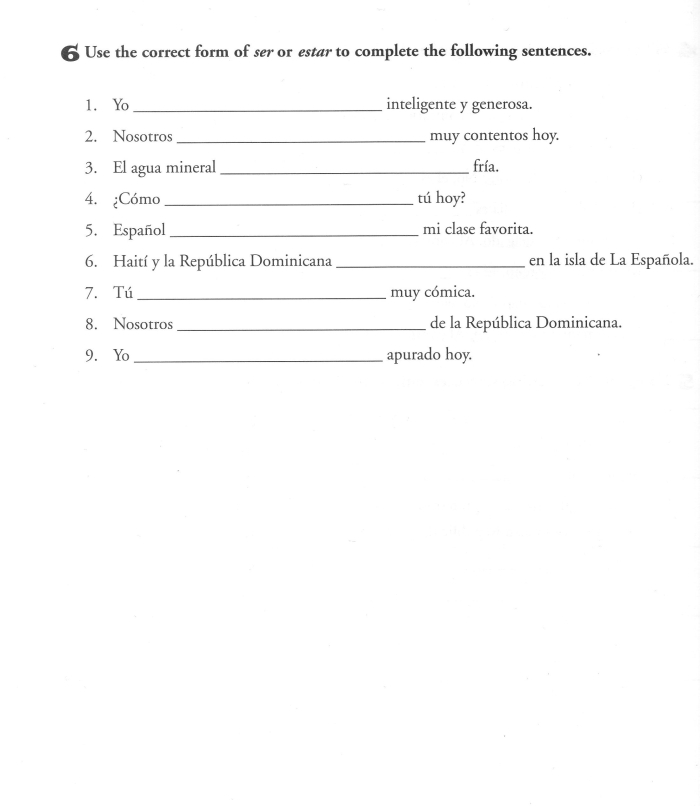
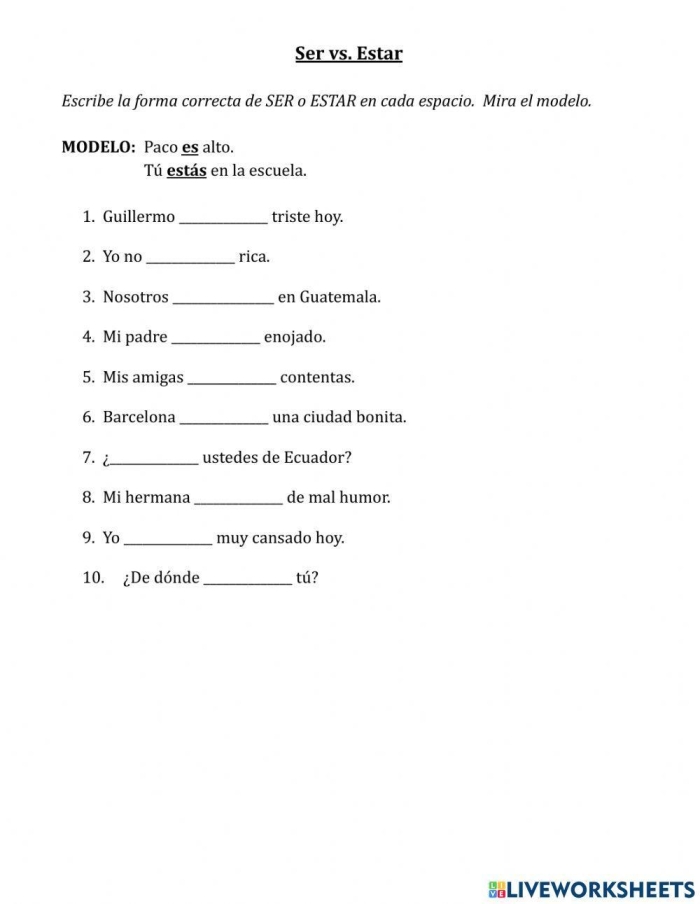
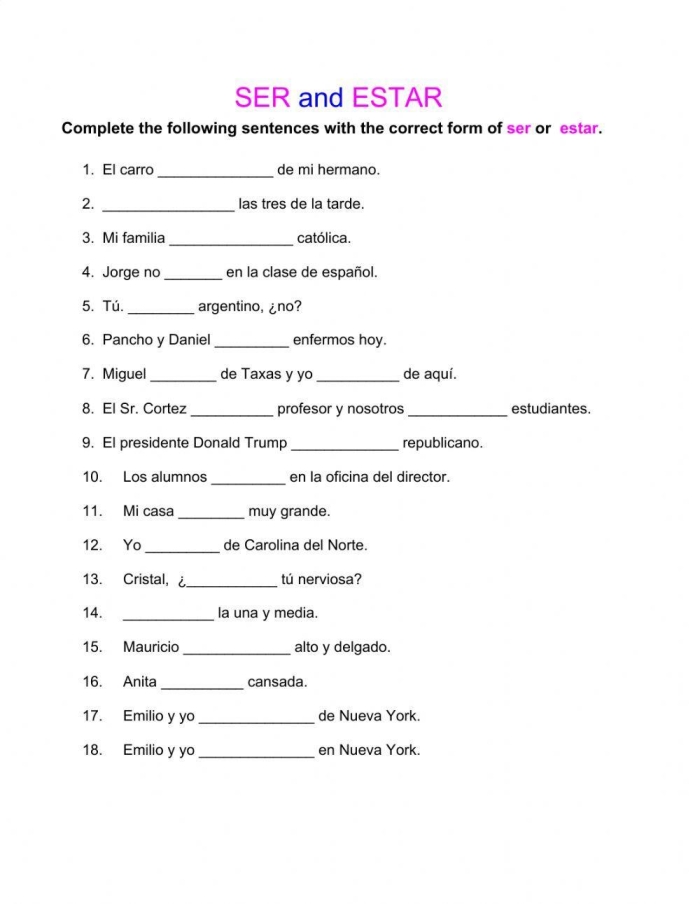
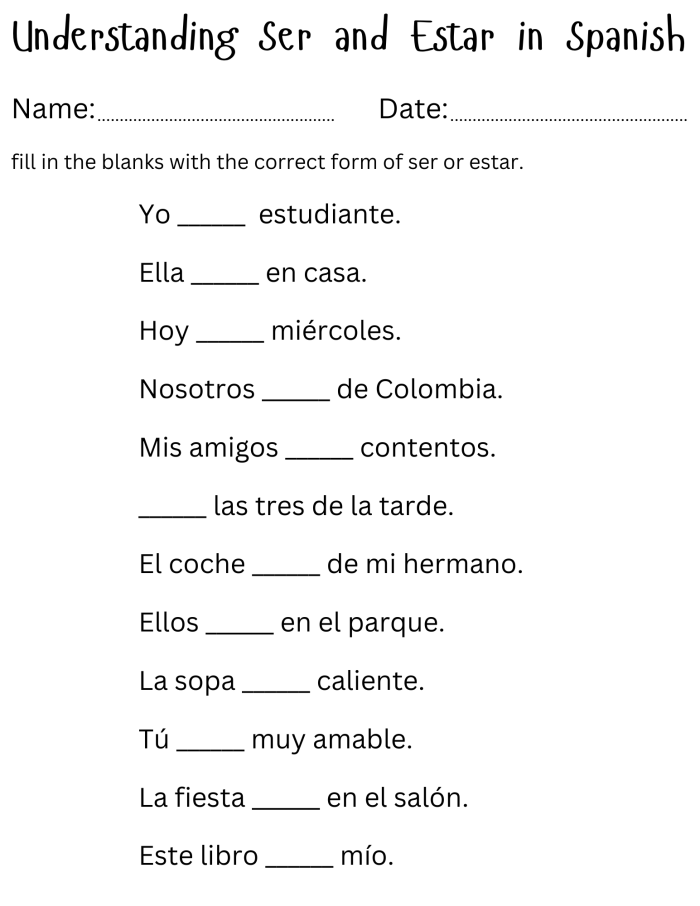
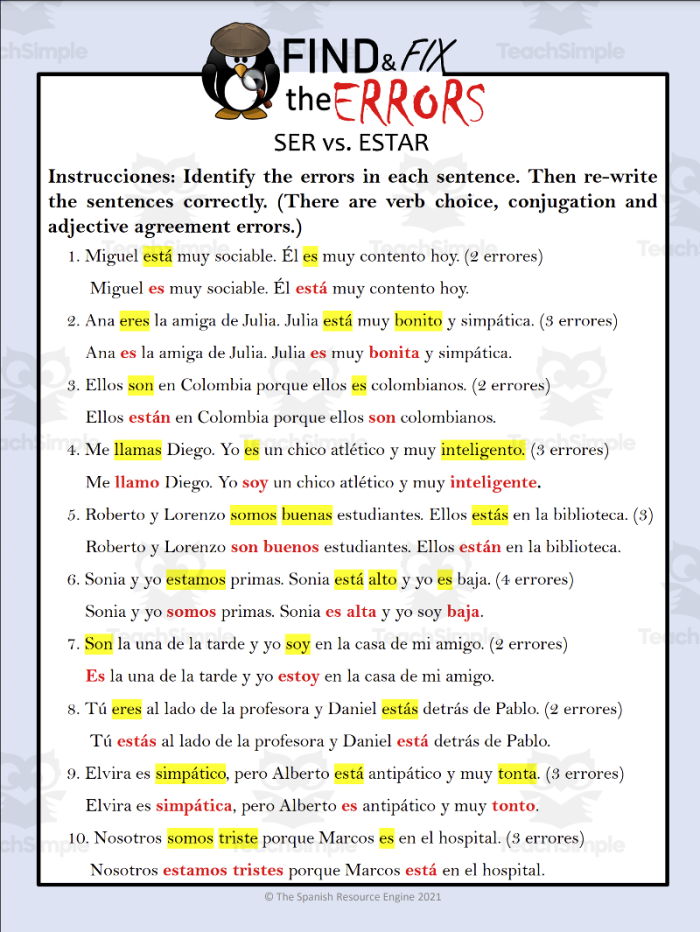
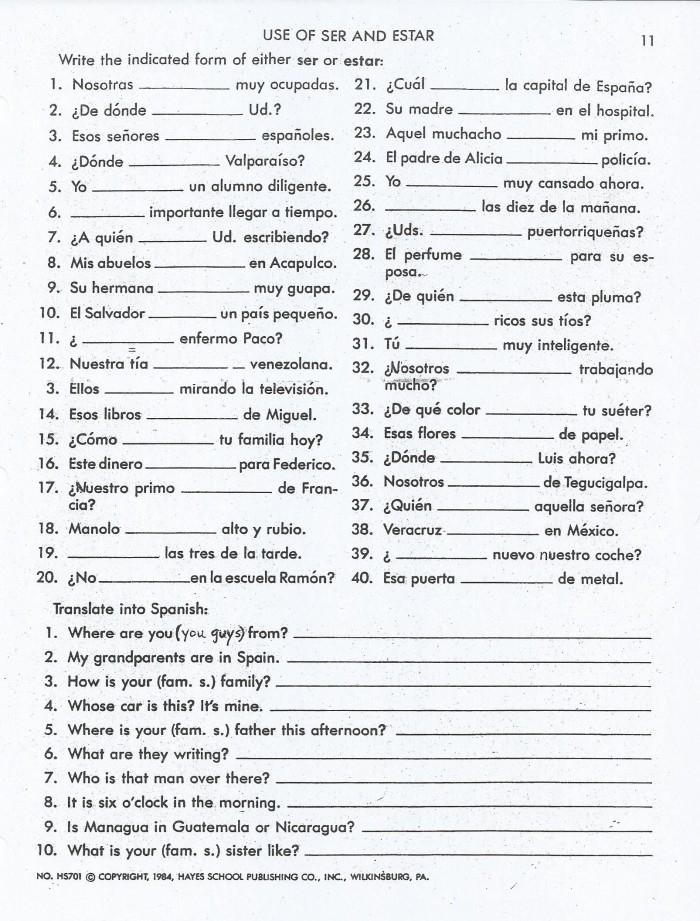
Practicing with printable worksheets focused on ser and estar can reinforce your understanding. You can also engage in activities that require identifying the correct verb in sentences. For example, fill in the blanks with either ser or estar in sentences like “Mis amigos _____ felices” (My friends are happy) or “Yo _____ de México” (I am from Mexico).
As you advance in your Spanish studies, the differences between ser and estar will become clearer. Remember, practice is key. The more you engage with the language, the more intuitive these choices will feel. So, embrace the challenge and continue refining your skills!
Practice with These Worksheets