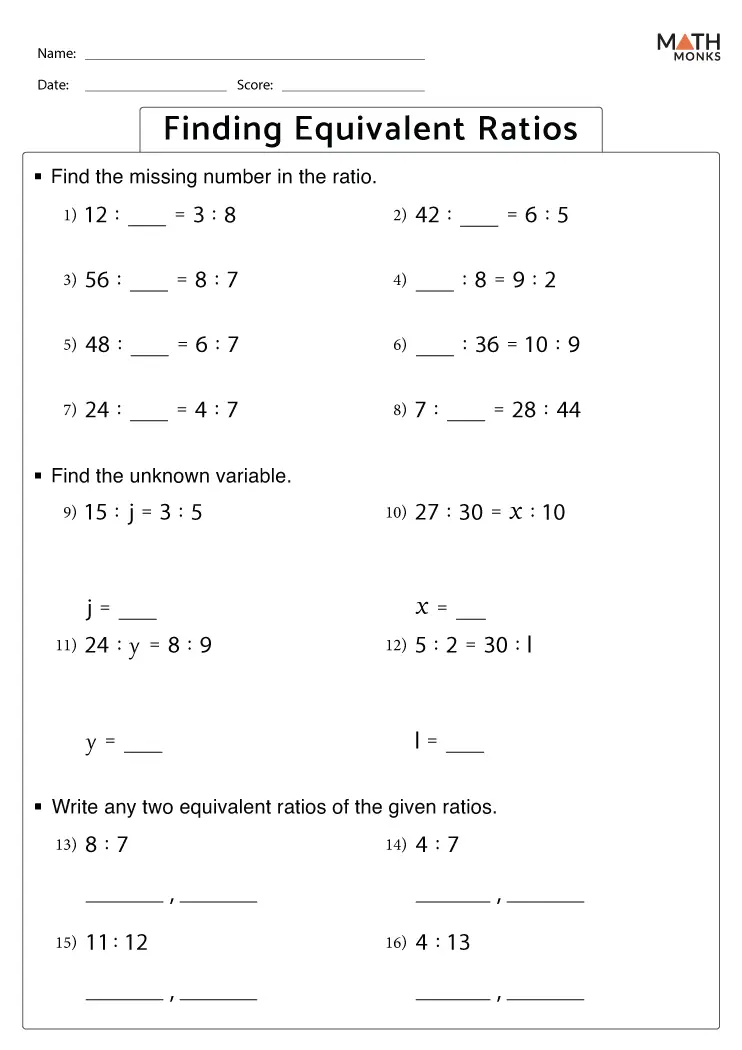
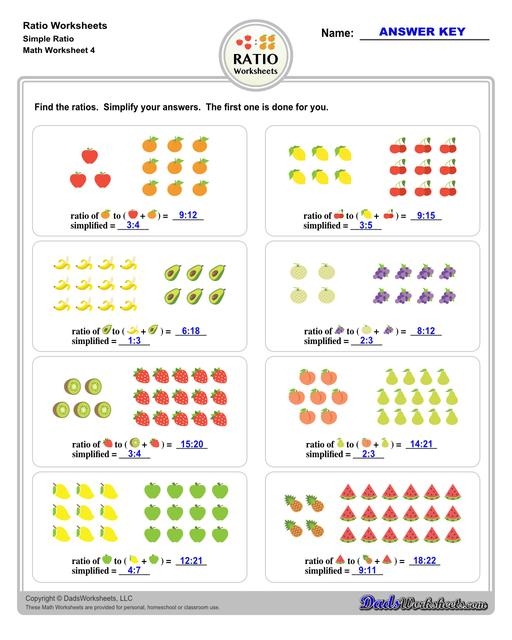
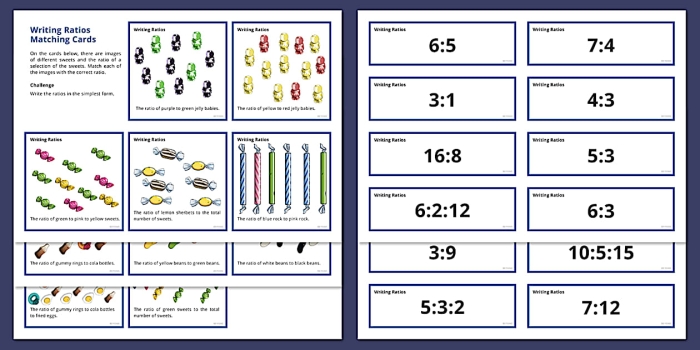
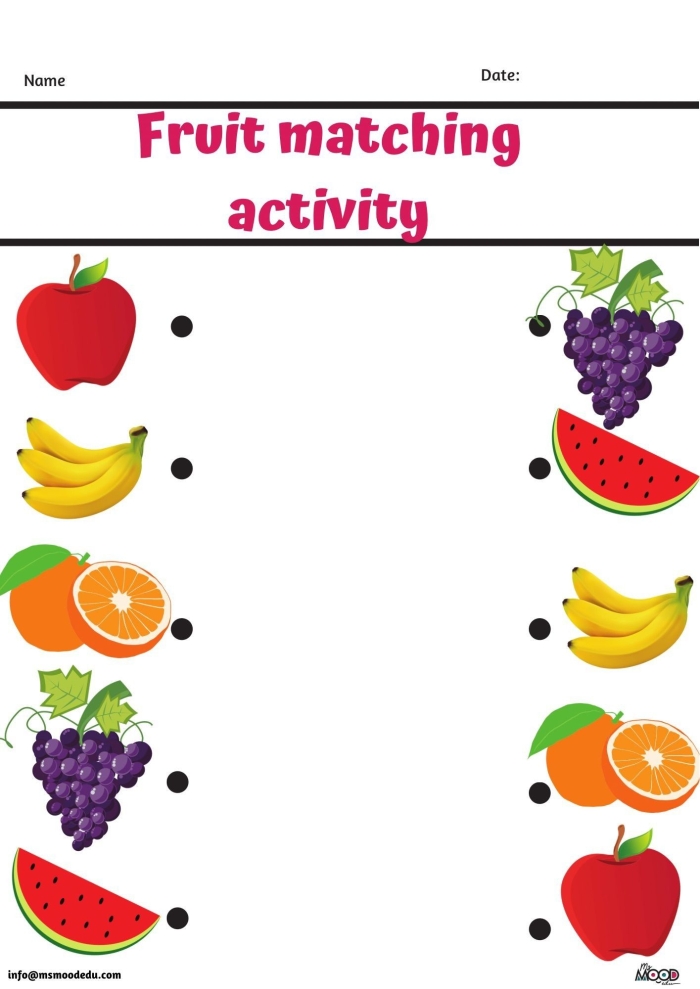
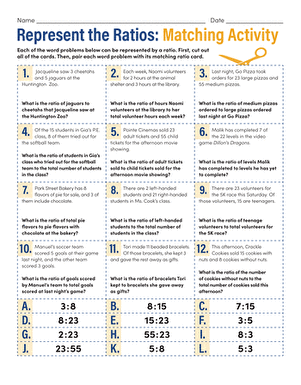
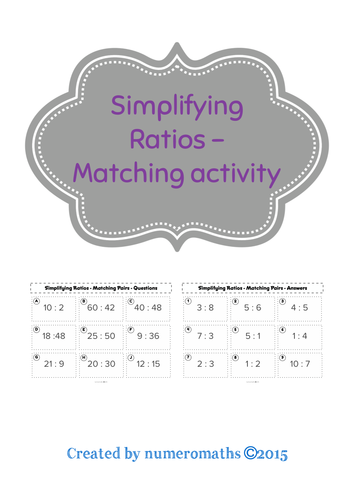
When sixth grade students encounter word problems involving ratios, many freeze up the moment they need to translate words into mathematical notation. A card matching activity cuts through that confusion by letting students physically connect problems to their ratio representations, building confidence through repetition and immediate feedback.
The beauty of this approach lies in how it transforms an abstract skill into something tangible. Rather than watching a teacher write ratios on a board, students work through pairs of cards where one side presents a real-world scenario and the other shows the corresponding ratio. They match them up, check their work, and move forward. This tactile engagement helps cement the connection between problem language and mathematical symbols in ways that worksheets alone often cannot achieve.
In a typical matching activity, you might see cards like “For every 3 apples, there are 5 oranges” paired with “3:5” or “3 to 5.” Students quickly learn to identify the quantities being compared and understand which number comes first in the ratio statement. This repetition across multiple problem types, from ingredient ratios in recipes to student-to-teacher comparisons, builds pattern recognition that transfers to new problems.
The activity works especially well when you mix up the format of how ratios appear. Some cards might use colon notation while others use fractional form or written descriptions. This variation prevents students from developing false shortcuts and ensures they truly understand what a ratio represents rather than just memorizing card positions.
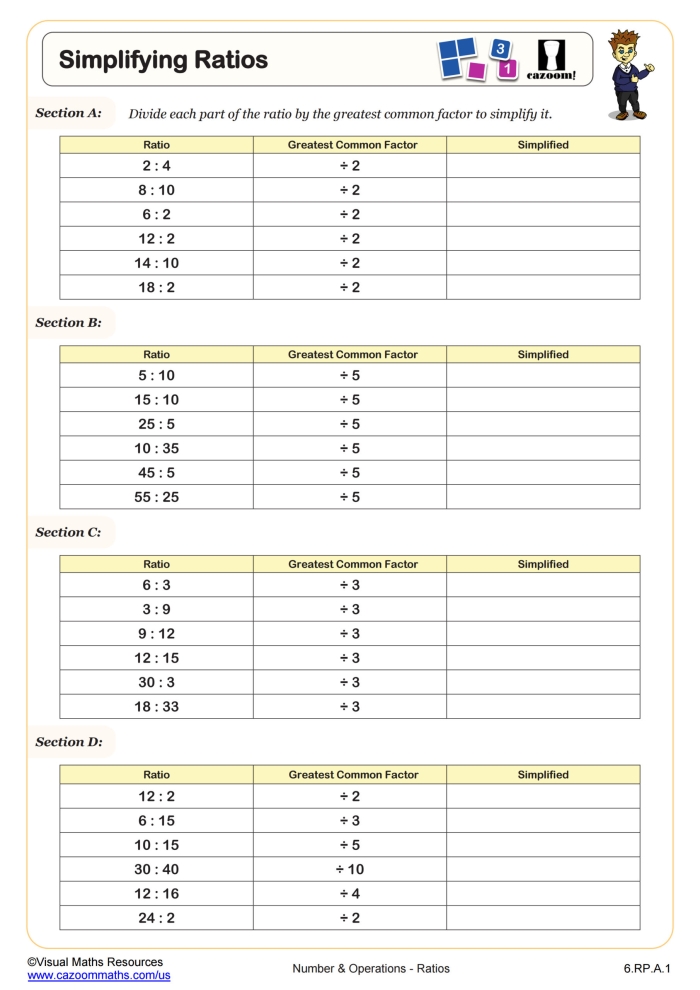
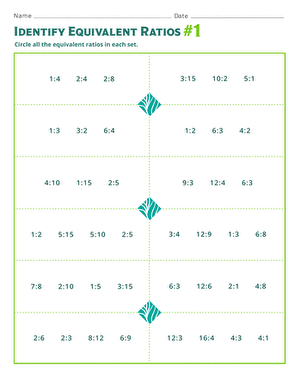
You can extend this foundation by pairing it with other number theory resources. For instance, after mastering ratio representation, students benefit from practicing how to represent ratios in different forms or strengthening their overall number sense through activities like comparing and ordering integers.
The card matching format also creates natural opportunities for peer teaching. When one student struggles with a match, a classmate can explain their reasoning, reinforcing both students’ understanding without requiring teacher intervention for every question.
Try These Printable Worksheets