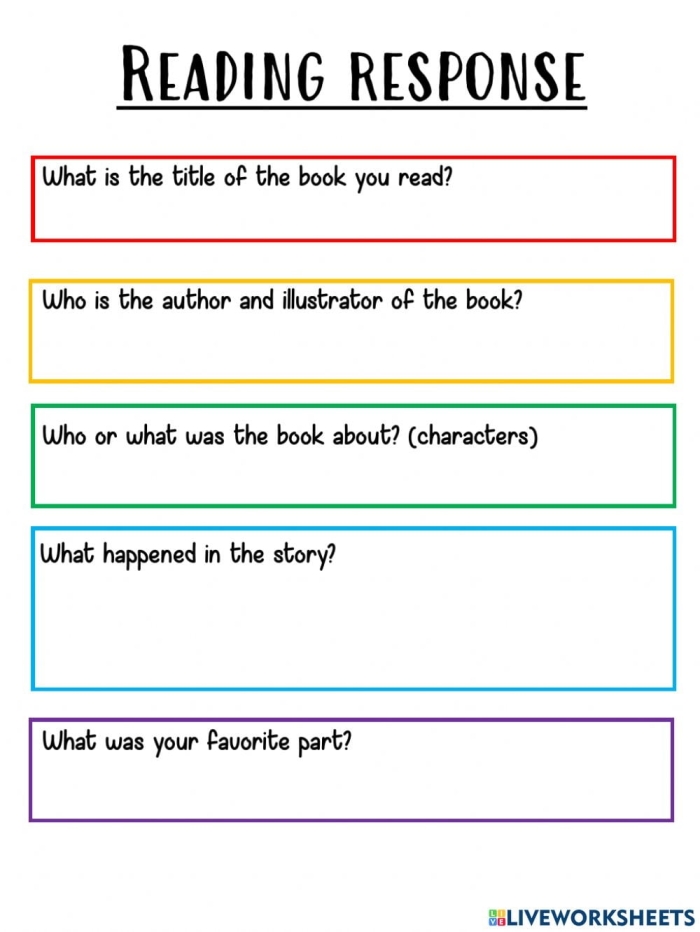
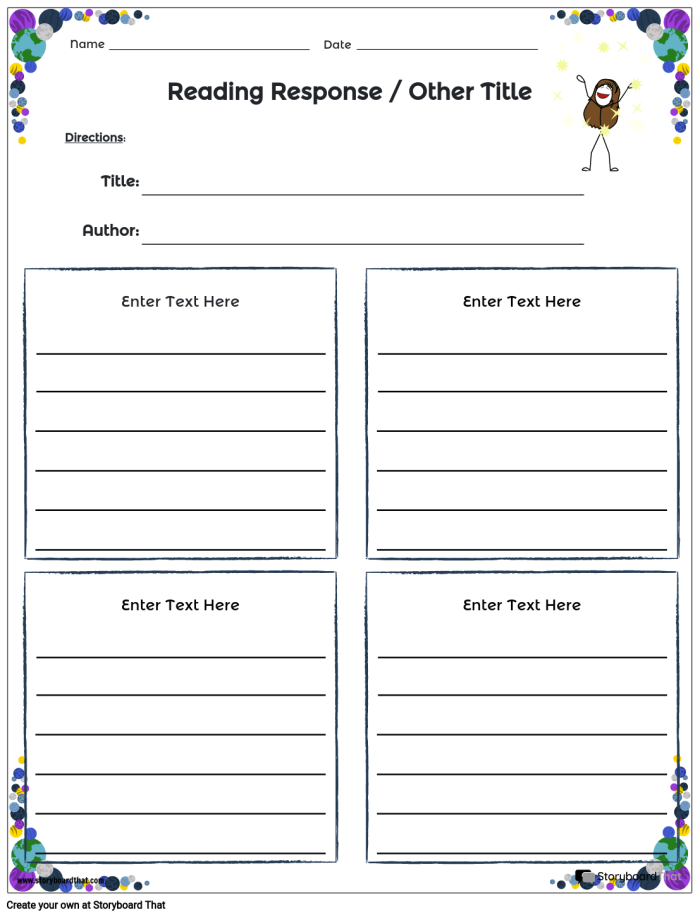
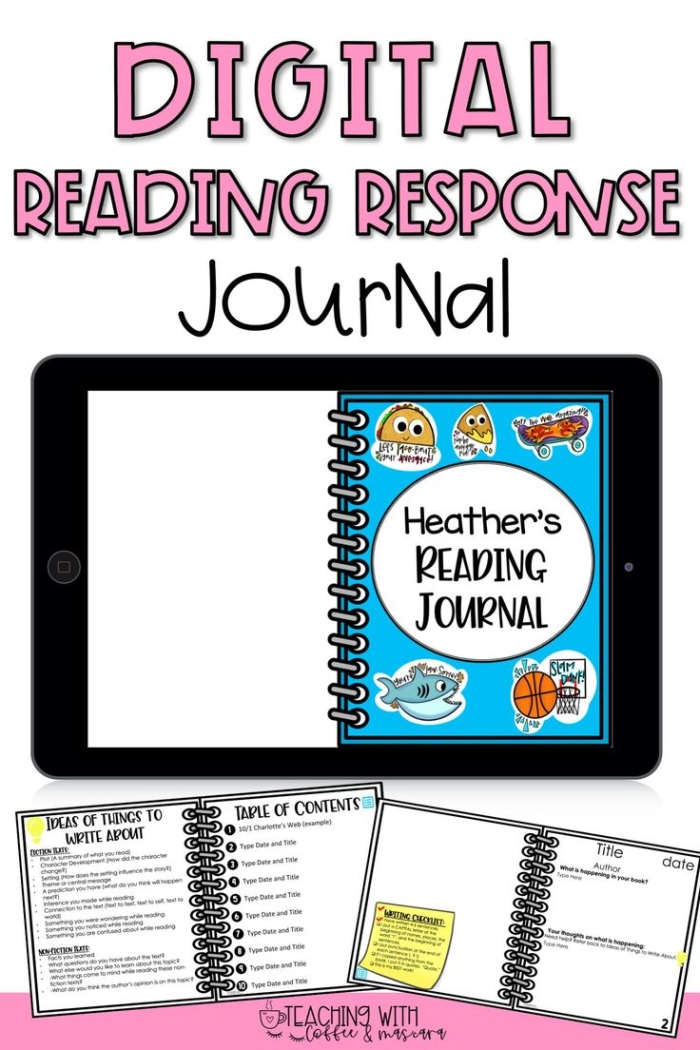
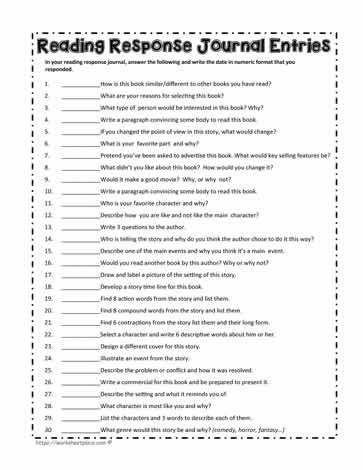
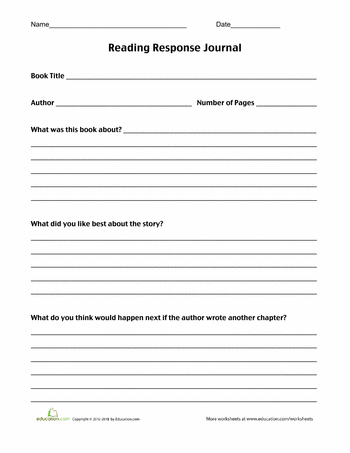
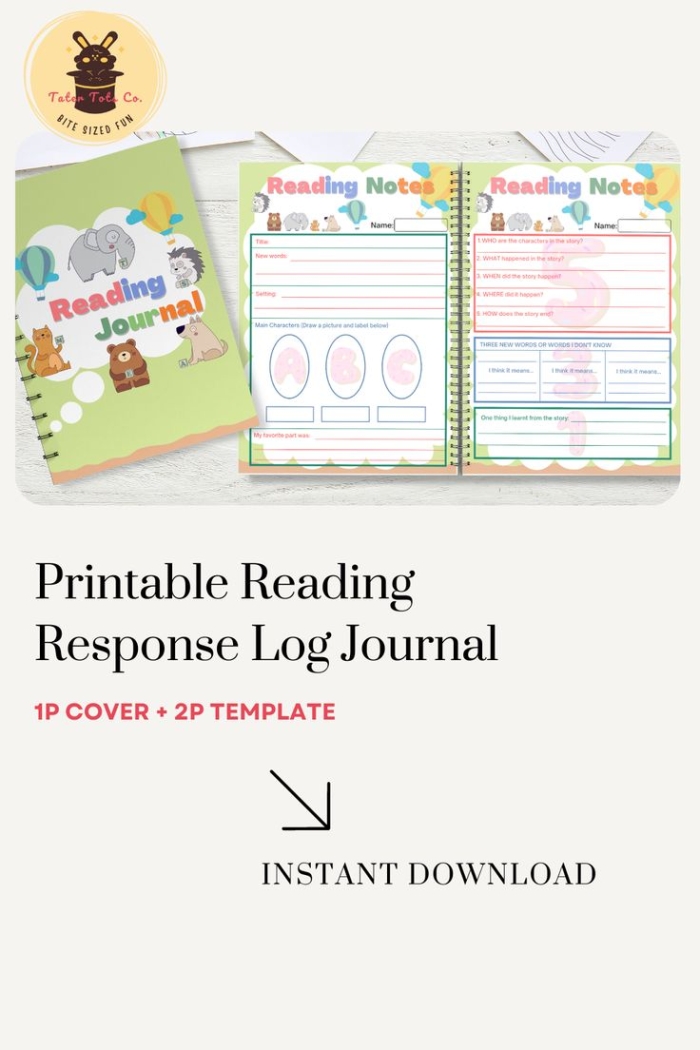
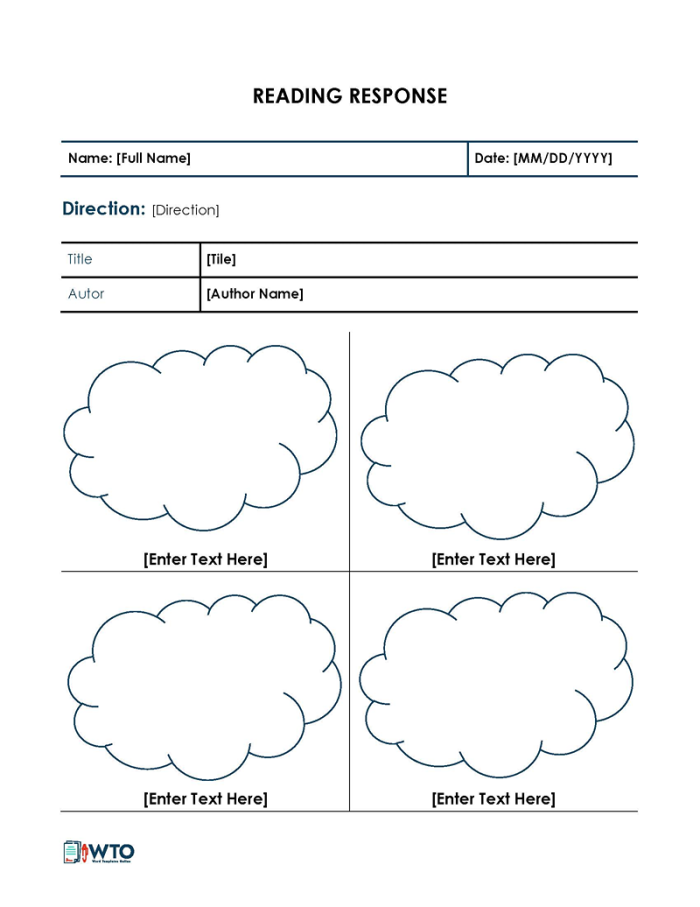
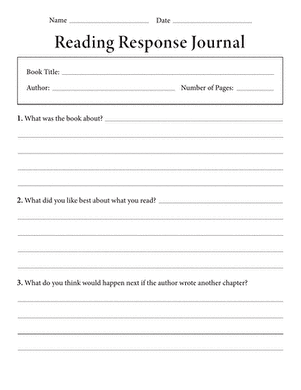
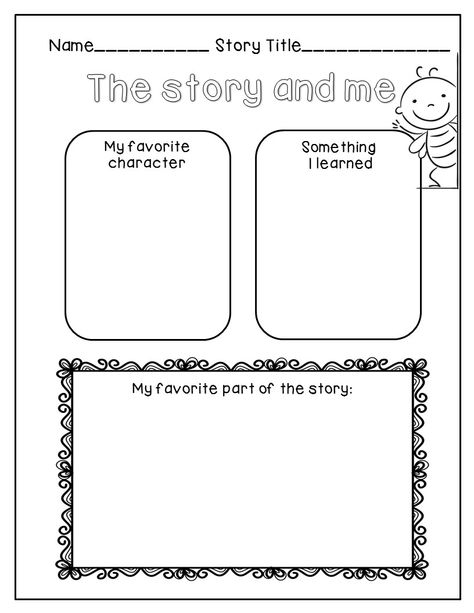
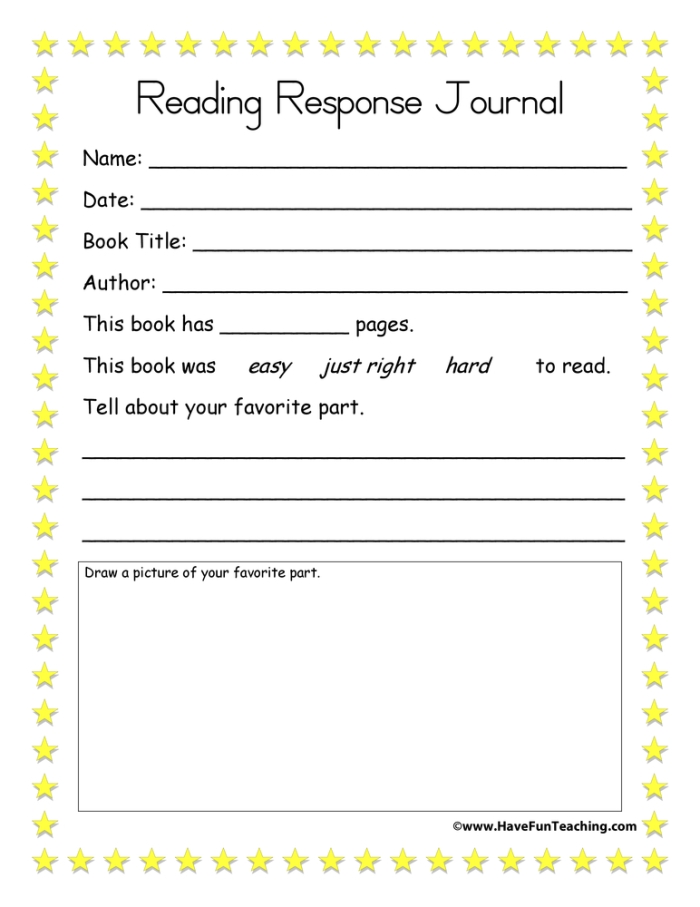
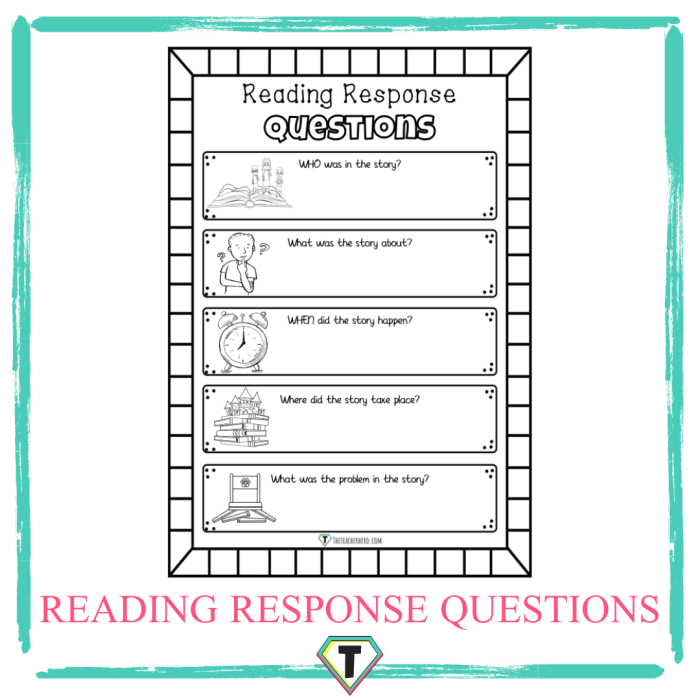
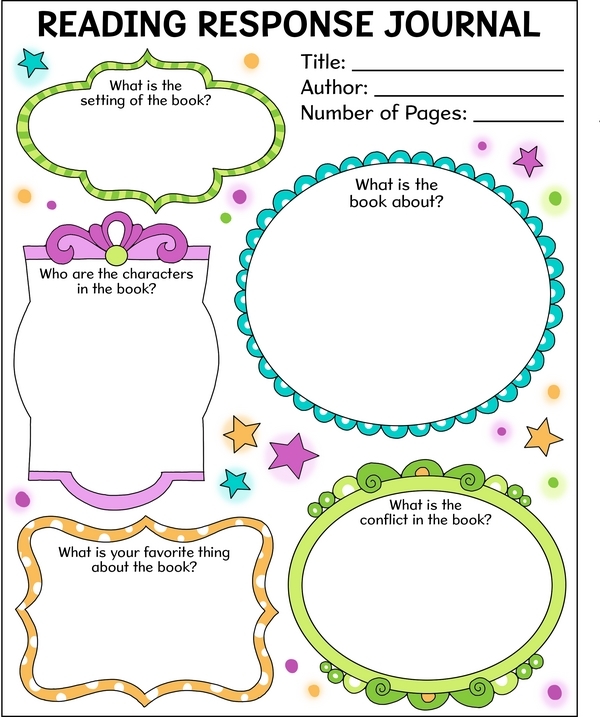
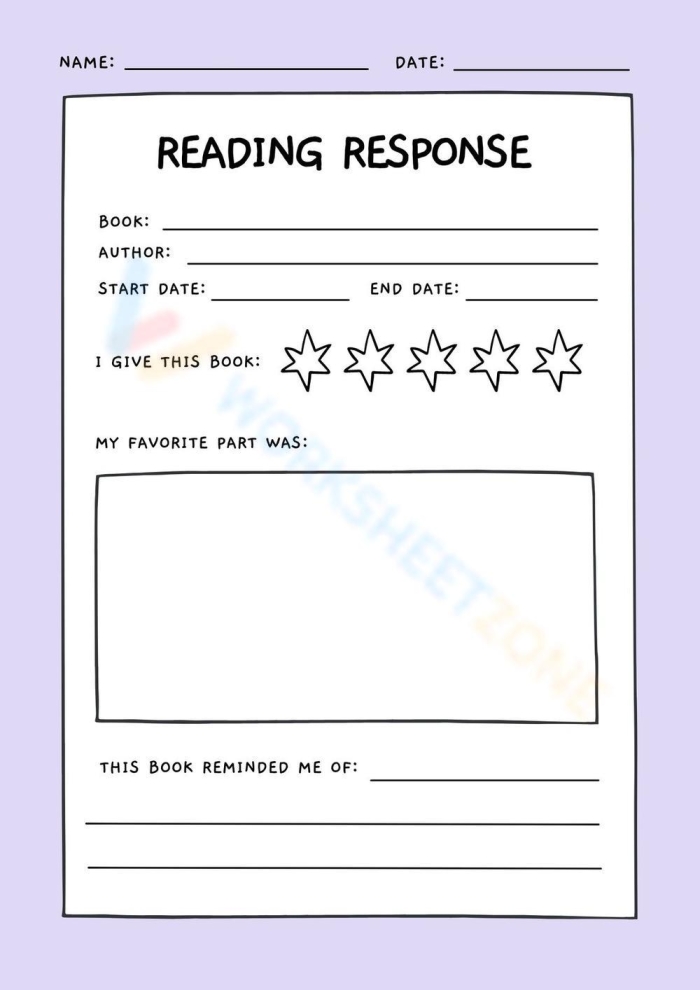
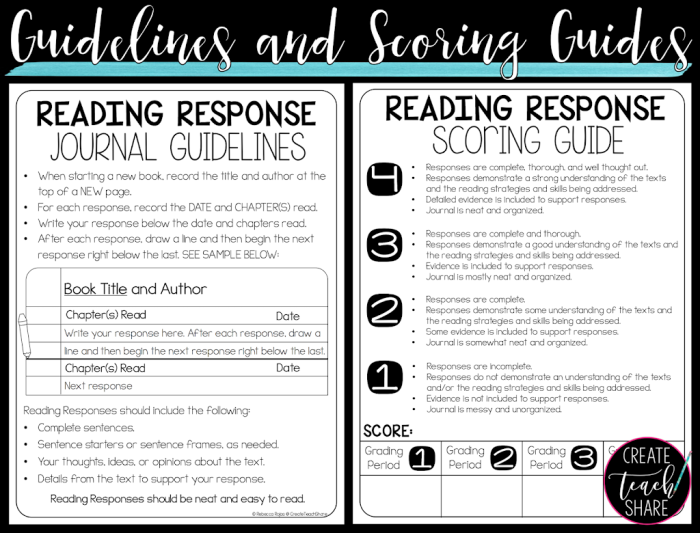
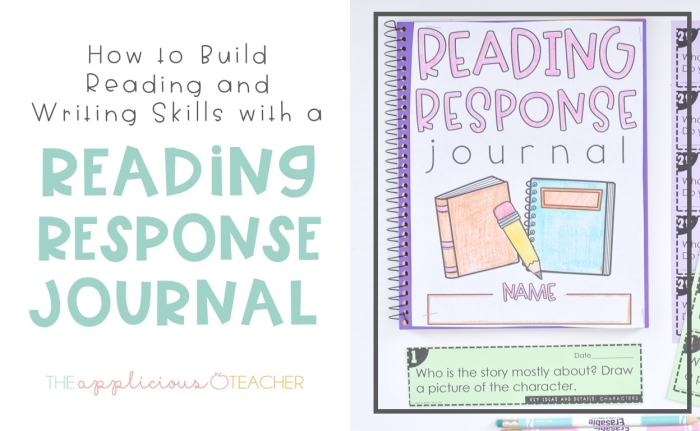
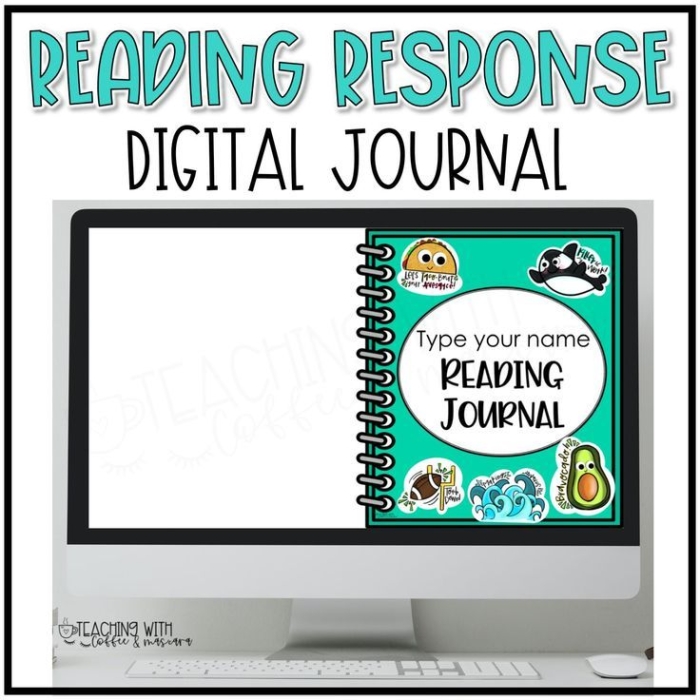
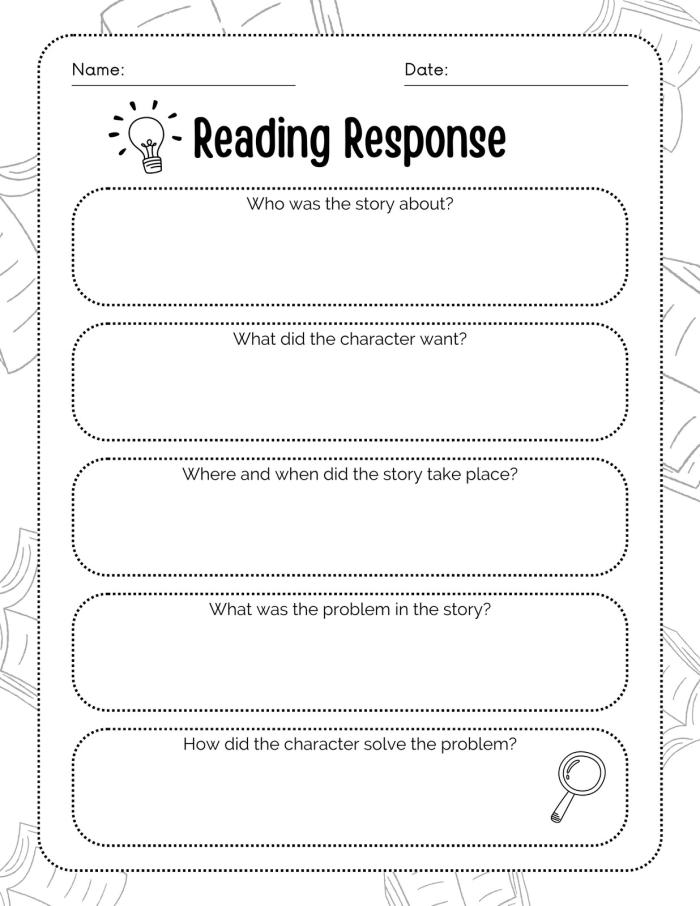
Young readers often find joy in sharing their thoughts after finishing a book. This engagement is crucial for their comprehension and critical thinking skills, which is where a versatile worksheet template comes into play. Utilizing a reading response journal can help fourth graders articulate their feelings and observations about the stories they read. This process not only reinforces their understanding but also encourages a deeper connection to the text.
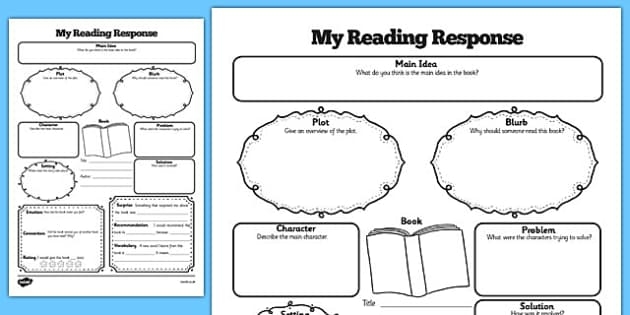
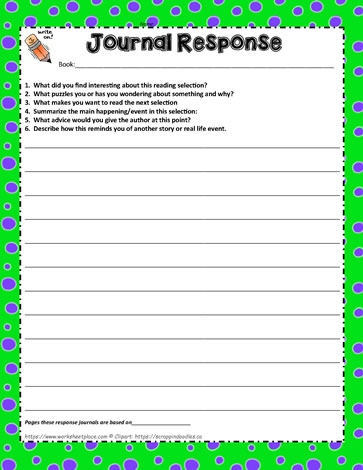
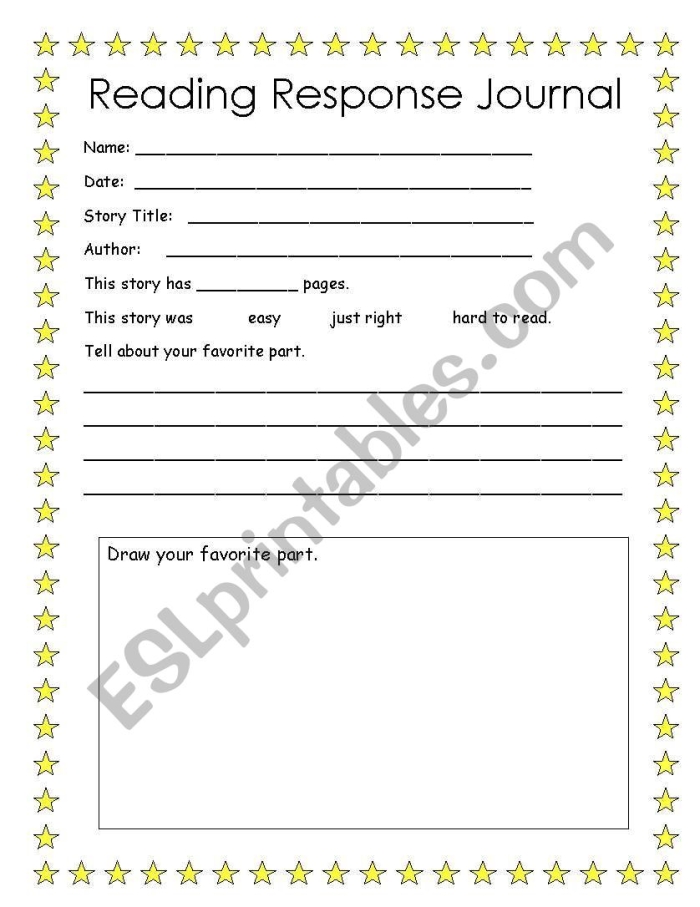
Worksheets designed for reading responses can take many forms, allowing students to express their insights creatively. For instance, after completing a book, a worksheet might prompt them to describe their favorite character, summarize key events, or even predict what might happen next. By guiding students through these reflection activities, these worksheets foster a sense of ownership over their reading experience.
One of the most significant benefits of using a reading response journal is that it caters to different learning styles. Visual learners may enjoy drawing scenes or character maps, while those who prefer writing can focus on crafting detailed summaries. This adaptability makes it an excellent resource for a diverse classroom. Additionally, worksheets that incorporate elements from different subjects, such as the body parts in Spanish or latitude and longitude, can enrich the learning experience even further.
Encouraging young readers to engage with texts through structured reflection not only improves their reading skills but also fosters a lifelong love for literature. These printable reading response journal worksheets are an excellent way to help students articulate their thoughts and deepen their understanding, making reading a more interactive and enjoyable process. As they respond to the books they complete, they develop critical thinking skills that will serve them well throughout their education.
Boost Skills with These Worksheets